
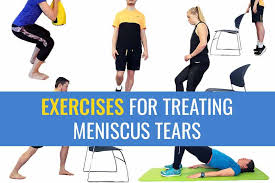
Coping with Meniscus Tear Pain: Recovery Tips
Meniscus tear pain can be debilitating, affecting everyday activities and quality of life. Understanding the causes, symptoms, and treatment options is crucial for effective recovery. In this article, we will explore the key takeaways for coping with meniscus tear pain and provide valuable insights for recovery and rehabilitation.
Key Takeaways
- Seek medical attention if you experience persistent knee pain or swelling.
- Rest and elevate the affected knee to reduce pain and inflammation.
- Follow a personalized physical therapy plan to strengthen the knee and improve mobility.
- Gradually resume physical activities and sports under the guidance of a healthcare professional.
- Take preventive measures to avoid future knee injuries, such as proper warm-up and using protective gear.
Understanding Meniscus Tear Pain
Anatomy of the Meniscus
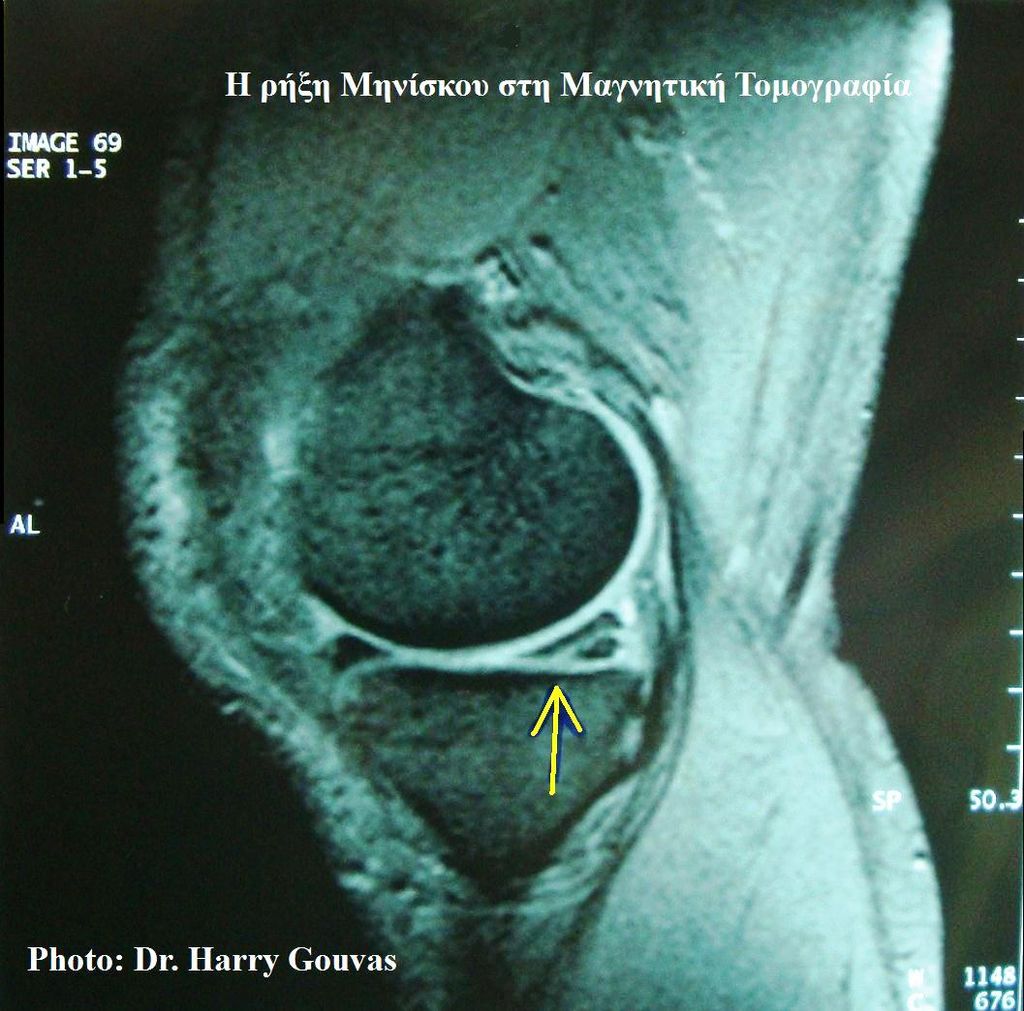
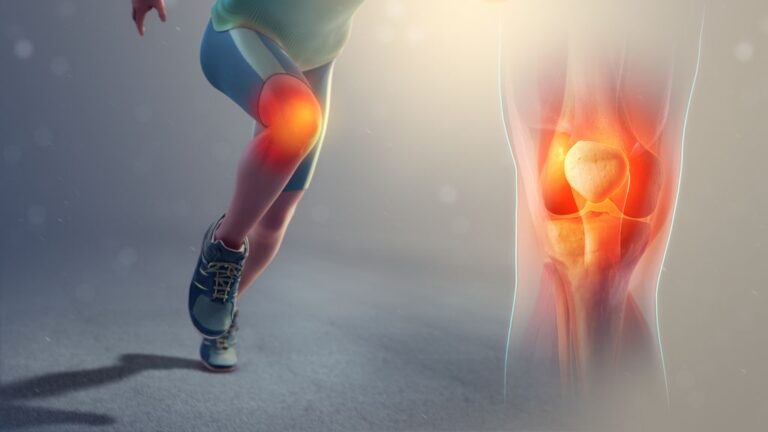
The meniscus is a crucial structure in the knee joint, providing stability and cushioning. It consists of fibrocartilage and is shaped like a wedge. The meniscus is prone to injury due to its location between the femur and tibia. The main causes of meniscus tear pain include sudden twisting or rotating movements, direct impact, and degenerative changes. These injuries often result in pain, swelling, and limited range of motion. In some cases, a meniscus tear may also lead to a feeling of the knee giving way, making it difficult to bear weight.
Causes of Meniscus Tear Pain
The causes of meniscus tear pain can vary, but common factors include sudden twisting or pivoting movements, direct impact to the knee, and degenerative changes due to aging or wear and tear. Inflammation and swelling are often associated with these causes, leading to discomfort and limited mobility. It’s important to note that the severity of pain can differ based on the nature and extent of the tear.
- Sudden twisting or pivoting movements
- Direct impact to the knee
- Degenerative changes due to aging or wear and tear
It is crucial to seek medical attention if you experience persistent pain or difficulty bearing weight on the affected knee.
Symptoms of Meniscus Tear Pain
When we experience a meniscus tear, the symptoms can vary widely, but there are common indicators that we should be aware of. The most immediate symptom is often a sharp pain in the knee, particularly when twisting or squatting. Swelling typically follows, which can further restrict movement.
Other symptoms include a sensation of the knee giving way, a popping feeling at the time of injury, and stiffness that makes bending the knee difficult. It’s important to note that symptoms might not appear immediately and can develop over a few days.
- A clicking or locking of the knee is also a possible symptom, indicating that a piece of the meniscus may be obstructing the joint. If you notice any of these symptoms, it’s crucial to seek medical attention:
- Sharp pain in the knee
- Swelling and restricted movement
- Knee giving way
- Popping sensation
- Stiffness and difficulty bending
- Clicking or locking of the knee
Tip: Early recognition and treatment of meniscus tear symptoms can significantly improve recovery outcomes. Rest, ice, compression, and elevation (RICE) are initial steps to manage the pain and swelling.
Diagnosis and Treatment Options
Diagnostic Procedures for Meniscus Tears
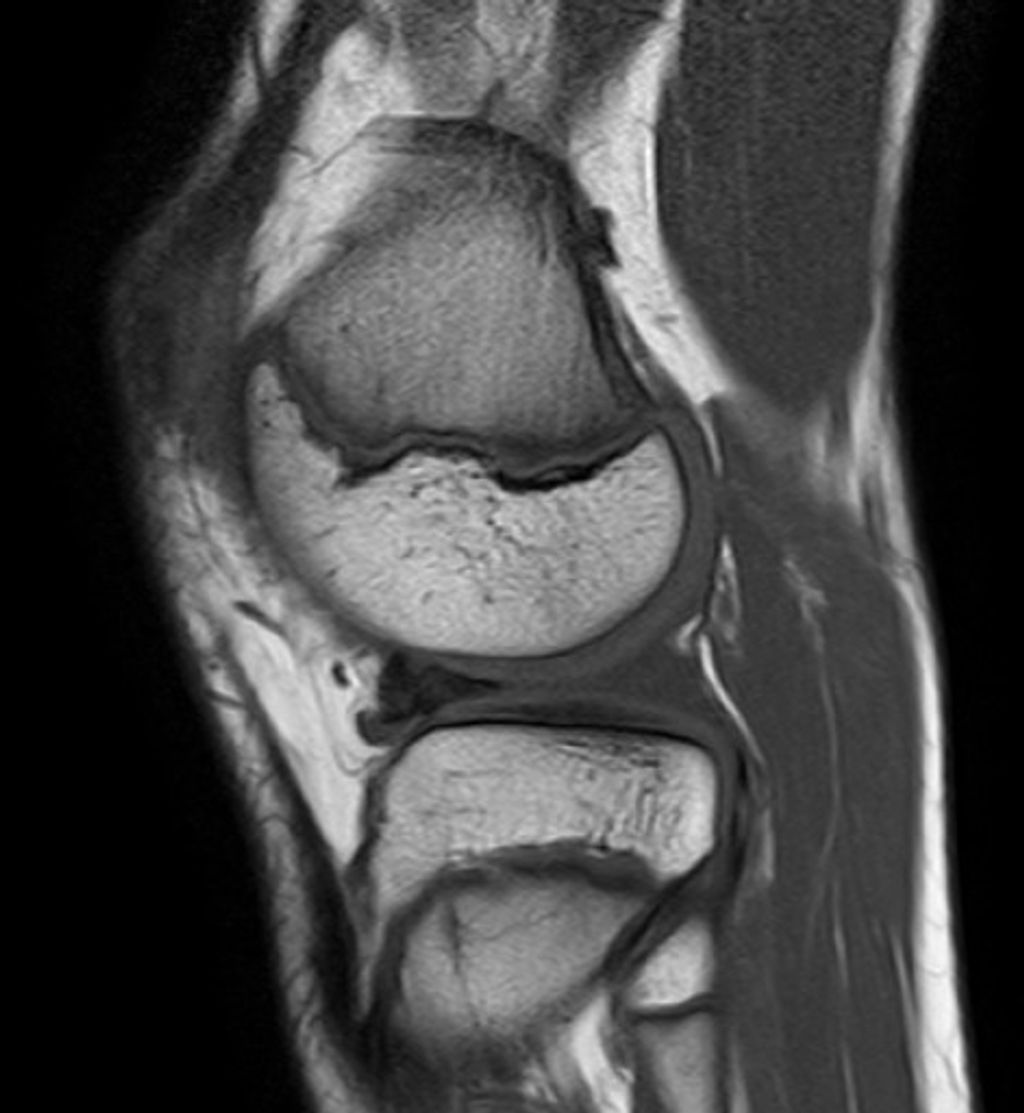
After undergoing diagnostic procedures for meniscus tears, we are presented with a range of treatment options. These options include non-surgical and surgical treatments. We will carefully consider the best course of action based on the severity of the tear and the individual’s overall health. Here is a brief overview of the treatment options:
- Non-Surgical Treatment
- Rest, ice, compression, and elevation (RICE)
- Physical therapy and exercises
- Medication for pain and inflammation
- Surgical Treatment Options
- Arthroscopic meniscus repair
- Partial meniscectomy
- Meniscus transplant
We understand the importance of making an informed decision regarding the treatment plan, and we are committed to providing the best care and support for the recovery process.
Non-Surgical Treatment
After considering the options for non-surgical treatment, rest and physical therapy play a crucial role in the recovery process. It’s important to follow the prescribed regimen and adhere to the recommended exercises. Additionally, a combination of ice therapy and anti-inflammatory medications can help manage pain and reduce swelling. Here’s a brief overview of the non-surgical treatment options:
| Treatment Type | Description |
|---|---|
| Rest | Limiting weight-bearing activities |
| Physical Therapy | Customized exercises to strengthen the knee |
| Ice Therapy | Application of ice to reduce inflammation |
| Medications | Anti-inflammatory drugs for pain management |
It’s essential to consult with a healthcare professional before starting any non-surgical treatment plan. Remember, patience and consistency are key to successful recovery.
Surgical Treatment Options
After undergoing surgical treatment options, recovery and rehabilitation are crucial for regaining strength and mobility. The recovery timeline varies for each individual, but it typically involves a period of rest followed by gradual physical therapy exercises. These exercises focus on improving range of motion, building muscle strength, and enhancing joint stability. Additionally, implementing a personalized plan for preventing future injuries is essential for long-term well-being.
Recovery and Rehabilitation
Recovery Timeline
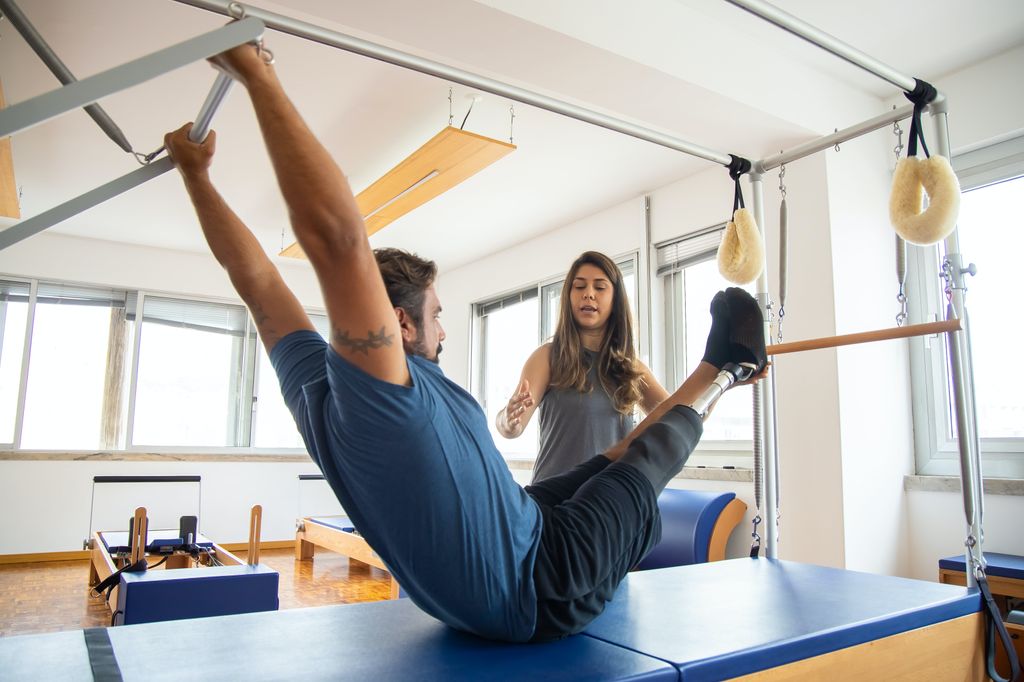
After the recovery timeline, gradual progression of physical activities is crucial for rebuilding strength and flexibility. It’s important to focus on low-impact exercises to avoid further stress on the knee. Additionally, maintaining a balanced diet rich in nutrients and staying hydrated are essential for optimal recovery. Here’s a simple table outlining the recommended timeline for returning to various activities:
| Activity | Timeframe |
|---|---|
| Walking | 2-4 weeks |
| Cycling | 4-6 weeks |
| Swimming | 6-8 weeks |
It’s also beneficial to incorporate the following steps into the recovery plan:
- Engage in regular physical therapy sessions
- Practice proper warm-up and cool-down routines
- Gradually increase the intensity of exercises
Remember, patience and consistency are key to a successful recovery. As we progress through rehabilitation, it’s important to listen to our bodies and seek guidance from healthcare professionals when needed.
Physical Therapy Exercises
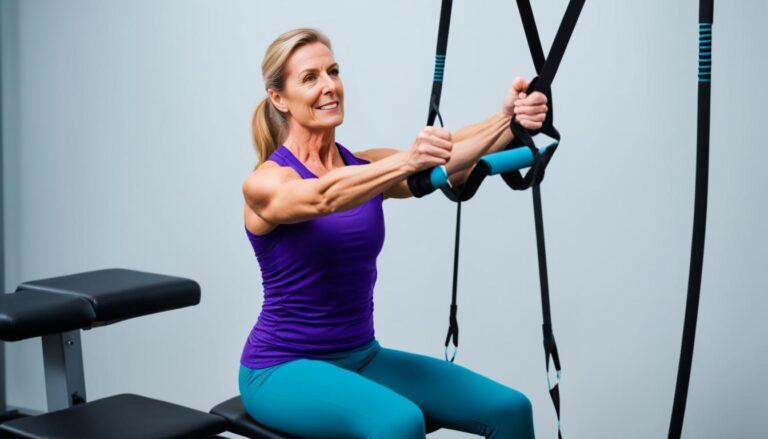
After understanding the importance of physical therapy exercises in the recovery process, we must emphasize their role in not only restoring function but also in enhancing the quality of life. These exercises are tailored to individual needs, focusing on regaining strength, flexibility, and stability in the knee joint.
- Strengthening exercises may include leg presses or squats, aiming to rebuild the muscles around the knee.
- Flexibility exercises often involve stretching routines to improve the range of motion.
- Stability exercises are crucial for retraining the knee to respond to various levels of activity.
Tip: Consistency in performing physical therapy exercises is key to a successful recovery. It’s essential to follow the prescribed regimen to ensure the best outcomes.
We encourage patients to maintain open communication with their physical therapists. This allows for adjustments to the exercise program as needed, ensuring that each stage of recovery is appropriately supported. Remember, while physical therapy is beneficial for all, not just athletes, it’s crucial to approach these exercises with patience and dedication.
Preventing Future Injuries
After completing the physical therapy exercises, we must focus on preventing future injuries. This involves maintaining a balanced exercise routine that includes strength training, flexibility exercises, and low-impact activities. Additionally, we should pay attention to proper form and technique during physical activities to reduce the risk of re-injury. It’s important to gradually increase the intensity of our workouts and to listen to our bodies for any signs of discomfort or pain. We can also consider consulting a fitness professional to create a personalized exercise plan that aligns with our recovery goals.
- Implement a table for presenting structured, quantitative data. Ensure it’s succinct and formatted correctly in Markdown.
- Use a bulleted or numbered list for less structured content, like steps, qualitative points, or a series of related items.
Conclusion
In conclusion, the recovery process for a meniscus tear can be challenging, but with the right approach and dedication, individuals can experience significant improvement in their condition. It is important to prioritize rest and follow the guidance of healthcare professionals to ensure a successful recovery. By incorporating physical therapy and making lifestyle adjustments, individuals can regain strength and mobility in the affected knee. Overall, a proactive and holistic approach to recovery is key in managing meniscus tear pain and restoring quality of life.
Frequently Asked Questions
What are the common causes of meniscus tears?
Meniscus tears can be caused by sudden twisting or hyperflexion of the knee, degenerative changes due to aging, or repetitive stress on the knee joint.
What are the symptoms of a meniscus tear?
Common symptoms include pain, swelling, stiffness, popping or clicking sensation in the knee, and difficulty fully extending the knee.
How is a meniscus tear diagnosed?
Diagnostic procedures such as MRI, X-ray, and physical examination are used to diagnose meniscus tears.
What are the non-surgical treatment options for meniscus tears?
Non-surgical treatment may include rest, ice, compression, elevation (RICE), physical therapy, and anti-inflammatory medications.
What is the recovery timeline for meniscus tear surgery?
The recovery timeline varies, but patients typically start physical therapy soon after surgery and may return to normal activities within a few months.
How can I prevent future meniscus injuries?
To prevent future meniscus injuries, it’s important to maintain strong leg muscles, avoid sudden twisting or pivoting movements, and use proper techniques during physical activities.




7 Comments