
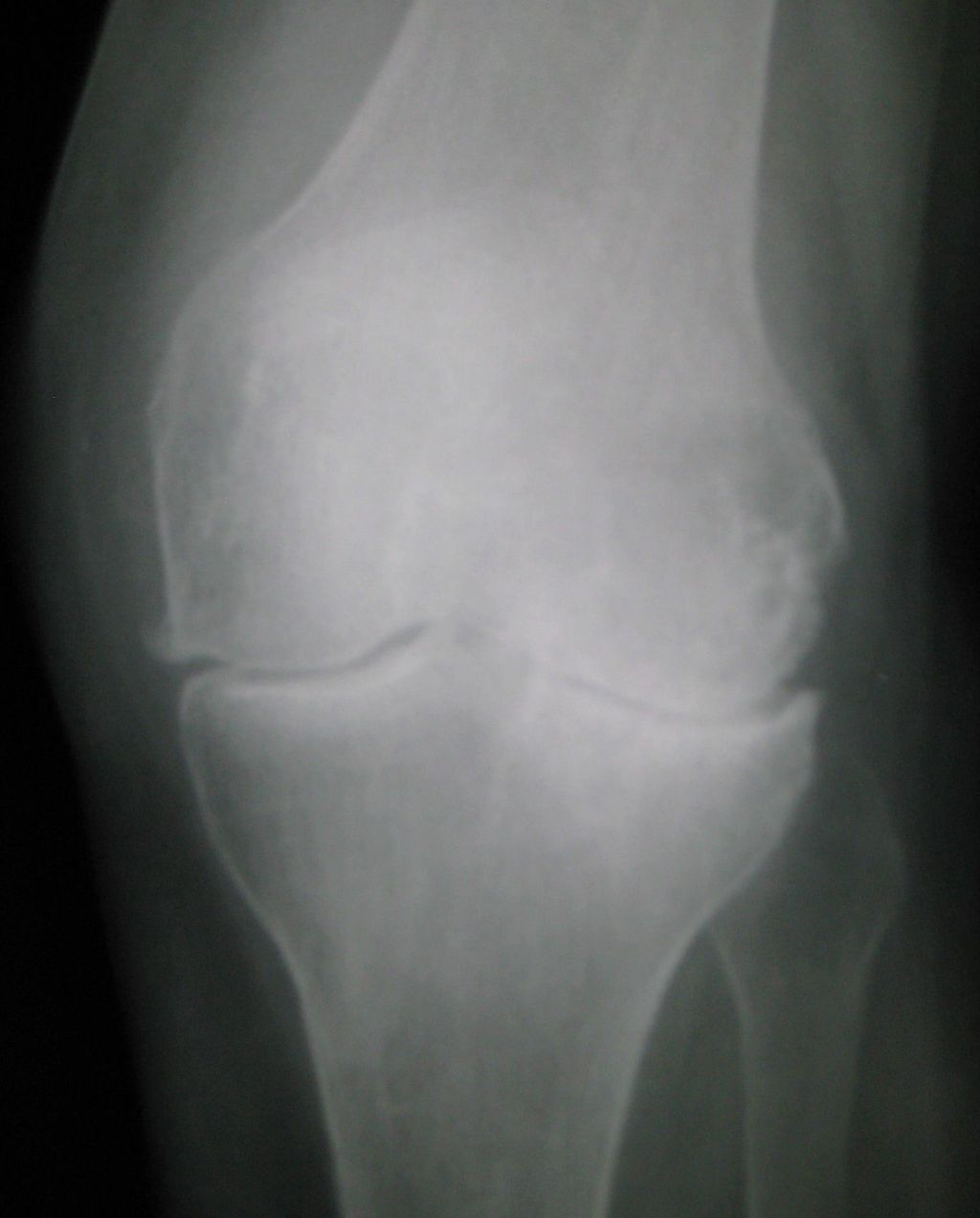
Hylan G-F 20: A Promising Treatment for Osteoarthritis Knee
Osteoarthritis of the knee is a debilitating condition that affects millions of people worldwide. In this article, we explore the promising treatment option of Hylan G-F 20 for osteoarthritis knee, covering its mechanism of action, clinical evidence, patient selection, and more.
Key Takeaways
- Hylan G-F 20 provides long-lasting relief from osteoarthritis knee pain.
- Clinical studies have shown that Hylan G-F 20 improves joint function and mobility in patients with osteoarthritis knee.
- Viscosupplementation with Hylan G-F 20 reduces inflammation and promotes joint lubrication, easing the symptoms of osteoarthritis knee.
- Patient selection for Hylan G-F 20 should consider factors such as disease severity, previous treatments, and patient preferences.
- The administration of Hylan G-F 20 requires proper injection technique and careful monitoring for adverse events.
Understanding Osteoarthritis Knee
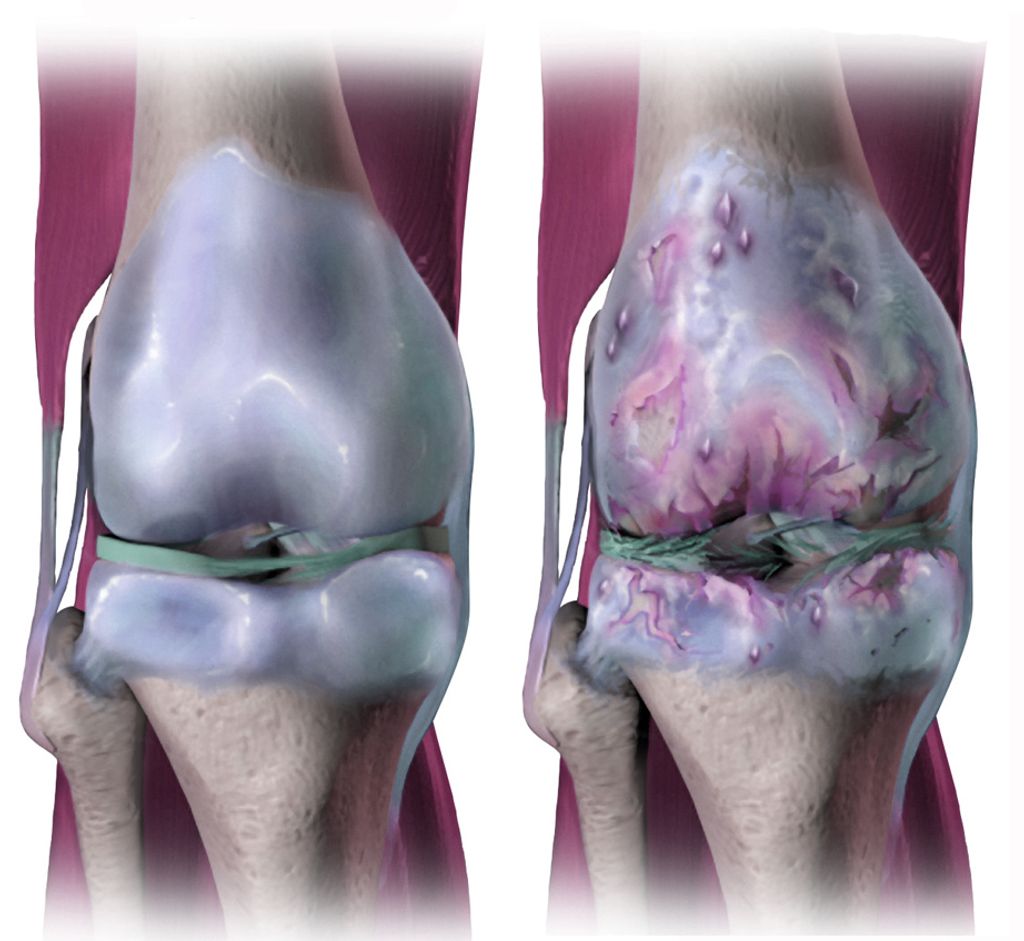
Pathophysiology of Osteoarthritis
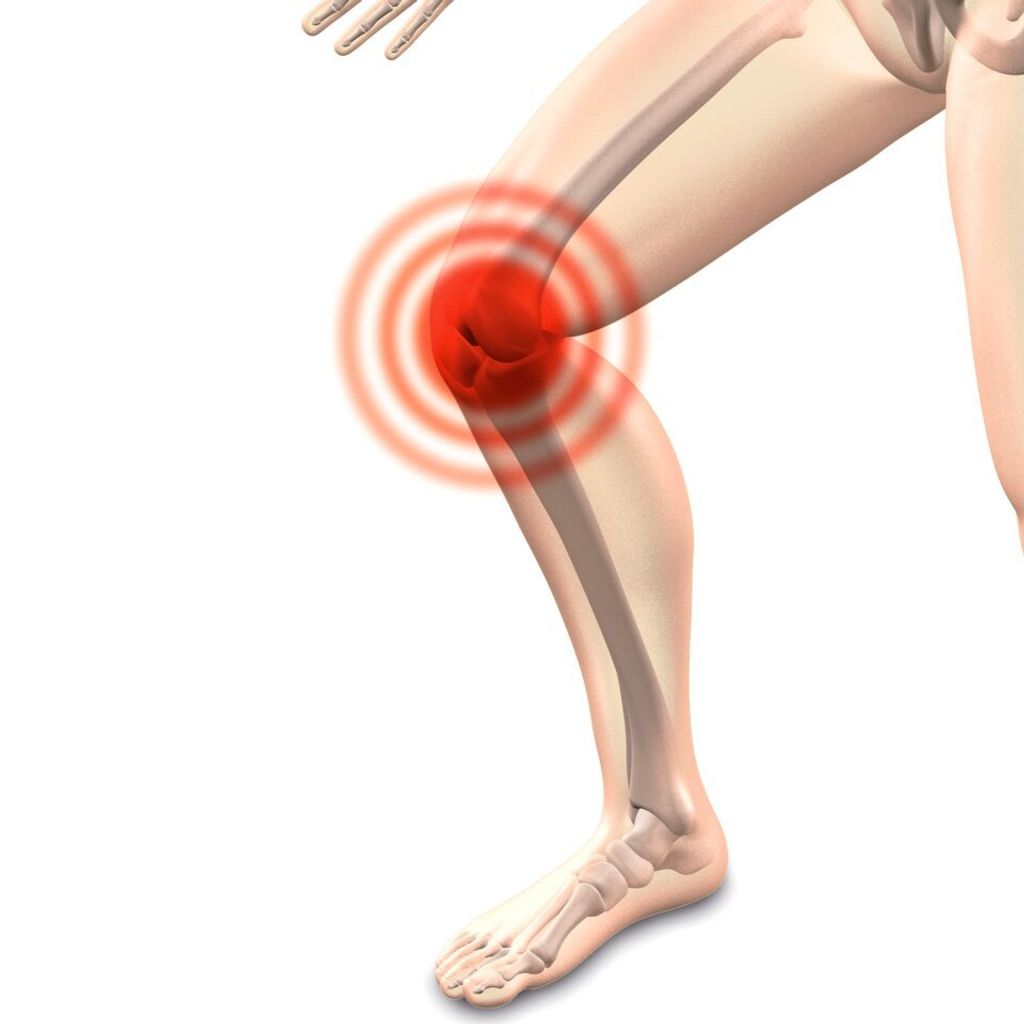
Osteoarthritis knee is a degenerative joint disease characterized by the breakdown of cartilage, bone changes, and joint inflammation. The pathophysiology of osteoarthritis involves a complex interplay of mechanical, genetic, and biochemical factors. This leads to the progressive loss of joint function and mobility, causing significant pain and disability. Early diagnosis and intervention are crucial for managing the disease effectively.
Symptoms and Diagnosis
In our exploration of osteoarthritis of the knee, we recognize that symptoms often herald the onset of the condition. Patients typically report a range of discomforts, from a mild, aching pain to severe joint stiffness, particularly in the morning or after periods of inactivity. Swelling and a decreased range of motion can also be indicative of osteoarthritis.
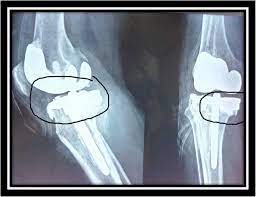
Diagnosis is a multi-step process that begins with a thorough medical history and physical examination. We may utilize imaging tests such as X-rays, which can reveal bone spurs or a narrowing of the joint space, and MRI scans for a more detailed assessment of the joint’s condition. Additionally, laboratory tests, including blood tests and joint fluid analysis, can help to rule out other conditions.
Early detection is crucial, as it allows for timely intervention and potentially slows the progression of the disease. Here is a simplified diagnostic checklist:
- Comprehensive medical history
- Physical examination
- Imaging tests (X-ray, MRI)
- Laboratory tests (blood, joint fluid analysis)
Tip: Patients should be encouraged to keep a symptom diary, which can be an invaluable tool for healthcare providers in diagnosing and managing osteoarthritis knee.
Impact on Quality of Life
We recognize that osteoarthritis of the knee significantly impairs the quality of life for our patients. The chronic pain and stiffness often lead to a reduction in mobility and the ability to perform daily activities, which can be profoundly frustrating. Emotional well-being is also affected, as the persistent discomfort may contribute to feelings of depression or anxiety.
The impact can be quantified by looking at various aspects of life that are affected:
- Physical function: Difficulty in walking, climbing stairs, and engaging in physical activities.
- Social participation: Restrictions in social interactions and recreational activities.
- Mental health: Increased risk of depression and anxiety due to chronic pain and reduced mobility.
- Economic burden: Direct costs such as treatment expenses and indirect costs including lost workdays and reduced productivity.
It is essential to consider these factors when evaluating treatment options, as improving quality of life is a paramount goal in managing osteoarthritis knee. Our approach must be holistic, addressing not only the physical symptoms but also the psychological and social challenges faced by our patients.
Current Treatment Landscape
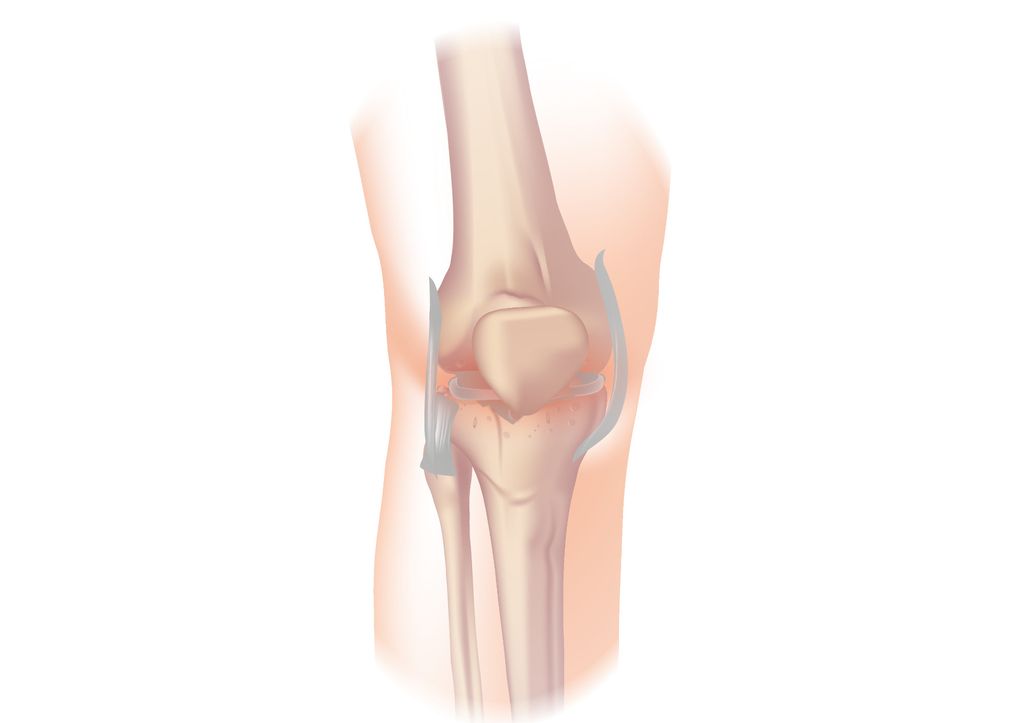
Limitations of Existing Treatments
The limitations of existing treatments for osteoarthritis knee can be quite challenging. Pain management is often the primary focus, and the efficacy of traditional treatments may diminish over time. Nonsteroidal anti-inflammatory drugs (NSAIDs), while commonly used, can have adverse effects on the gastrointestinal system and kidneys. Additionally, corticosteroid injections provide short-term relief but may not address the underlying joint degeneration. It’s important to carefully consider these limitations when exploring alternative treatments for osteoarthritis knee.
- NSAIDs: Commonly used but with potential adverse effects
- Corticosteroid injections: Short-term relief, limited long-term benefits
It’s essential to weigh the risks and benefits of current treatments when considering the potential of alternative therapies like Hylan G-F 20.
Role of Hylan G-F 20
In our exploration of treatments for osteoarthritis knee, we have identified Hylan G-F 20 as a significant player. This treatment stands out due to its unique properties and mode of action. Unlike traditional therapies that primarily address pain relief, Hylan G-F 20 offers a more comprehensive approach.
Hylan G-F 20 is a high molecular weight hyaluronan, and its role extends beyond mere symptom management. It is designed to function as a lubricant and shock absorber within the knee joint, which is critical for patients with osteoarthritis. Here are some of the key benefits we have observed:
- Improved joint mobility
- Reduction in pain and discomfort
- Delay in the progression of osteoarthritis
Tip: Early intervention with Hylan G-F 20 can enhance patient outcomes, emphasizing the importance of timely diagnosis and treatment initiation.
Furthermore, the administration of Hylan G-F 20 has been associated with patient-reported improvements in quality of life, which is a testament to its efficacy. As we continue to study its impact, the potential for Hylan G-F 20 to change the treatment paradigm for osteoarthritis knee becomes increasingly evident.
Clinical Evidence and Efficacy
In our exploration of Hylan G-F 20 as a treatment for osteoarthritis knee, we have scrutinized a wealth of clinical evidence. The efficacy of this treatment has been demonstrated in numerous studies, which show a significant reduction in pain and improvement in joint function for patients. These outcomes are particularly encouraging when considering the chronic nature of osteoarthritis and the limited efficacy of alternative treatments.
A pivotal aspect of our analysis is the comparison of Hylan G-F 20 with other intra-articular injections. To illustrate, consider the following table summarizing key findings:
| Study | Comparison Treatment | Improvement in Pain | Improvement in Function |
|---|---|---|---|
| A | Placebo | Yes | Moderate |
| B | Corticosteroids | Comparable | Slightly Better |
| C | Hyaluronic Acid | Superior | Superior |
It is important to note that while Hylan G-F 20 shows promise, it is not a panacea. We must be judicious in interpreting these results, as individual patient responses can vary. Moreover, the long-term benefits and potential risks associated with repeated injections remain areas of active investigation.
Tip: Early intervention with Hylan G-F 20 may enhance the therapeutic outcomes and potentially delay the progression of osteoarthritis knee.
Mechanism of Action
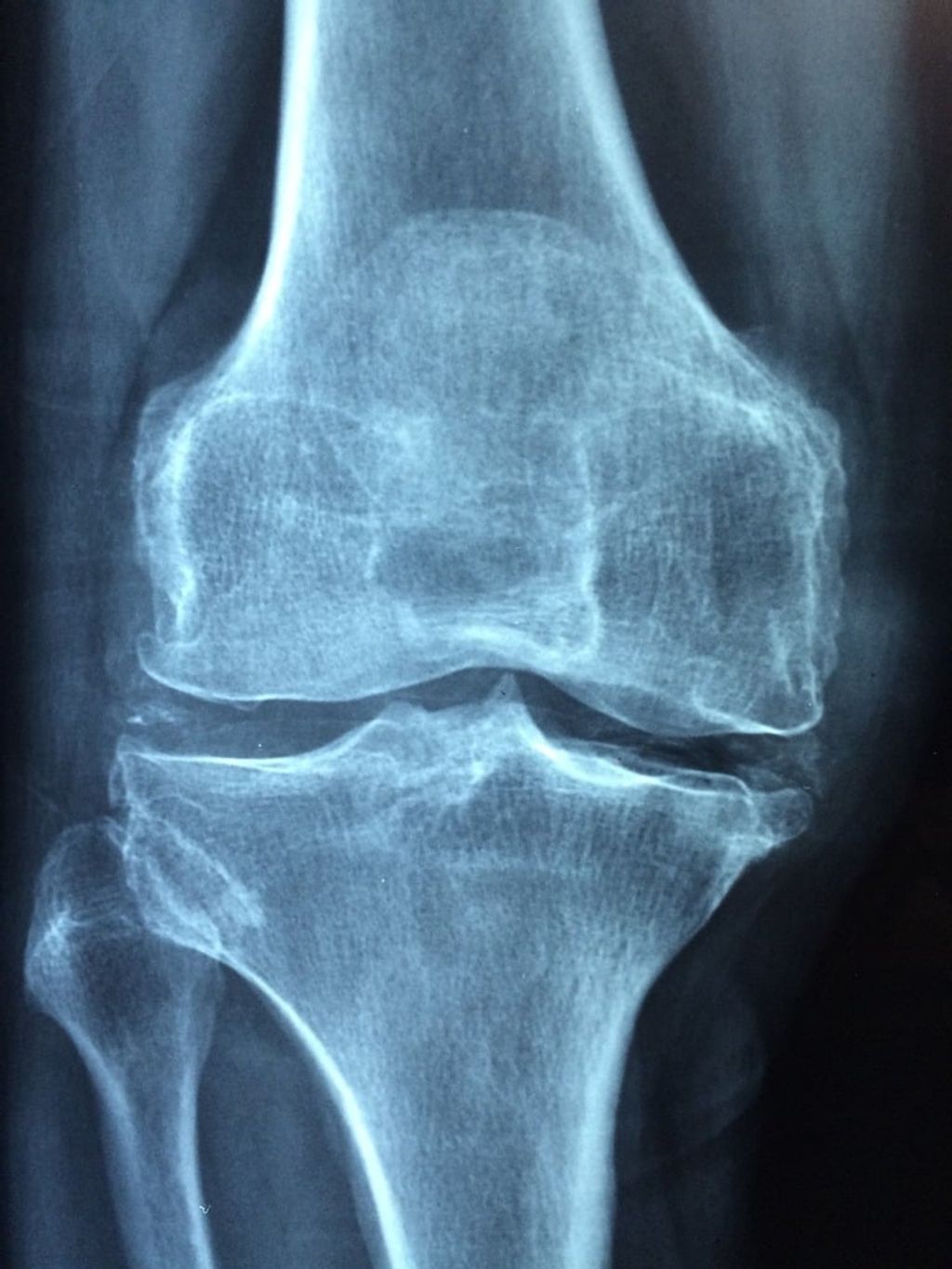
Viscosupplementation in Osteoarthritis
In our exploration of osteoarthritis treatments, we have come to understand the significance of viscosupplementation. This therapeutic approach involves the injection of a gel-like substance, typically hyaluronic acid, directly into the knee joint. The goal is to improve the viscous properties of the synovial fluid, thereby enhancing lubrication and cushioning within the joint.
The principle behind viscosupplementation is to restore the homeostasis of the joint environment. As osteoarthritis progresses, the synovial fluid loses its ability to protect and lubricate the joint effectively. By introducing a viscosupplement, we aim to mimic the fluid’s natural properties and provide symptomatic relief. Patients often report a reduction in pain and improved mobility following treatment.
Tip: It is crucial to ensure the correct administration of viscosupplementation to maximize its therapeutic benefits and minimize potential complications.
While the concept of viscosupplementation is widely accepted, the selection of the appropriate candidate for this treatment is essential. We consider factors such as the severity of osteoarthritis, patient age, and activity level. Here is a brief overview of the criteria for patient selection:
- Mild to moderate osteoarthritis
- Inadequate response to conventional therapies
- No presence of inflammatory joint disease
- Realistic expectations regarding the outcome of the treatment
Biological Effects of Hylan G-F 20
In our exploration of Hylan G-F 20’s role in treating osteoarthritis knee, we have observed its significant biological effects. This treatment works by restoring the viscoelastic properties of synovial fluid, leading to improved joint function and pain relief. The molecular structure of Hylan G-F 20 is designed to mimic that of natural hyaluronic acid, which is crucial for maintaining joint homeostasis.
Hylan G-F 20 not only lubricates the joint but also appears to have anti-inflammatory properties. These effects are thought to be mediated through its interaction with synoviocytes and chondrocytes, cells that are essential for the health of synovial tissue and cartilage, respectively. Here is a summary of the biological effects:
- Lubrication of the joint surface
- Reduction in inflammation
- Promotion of chondrocyte metabolism
- Protection of synovial membrane
Tip: When considering Hylan G-F 20 for treatment, it’s important to note that the full spectrum of its biological effects is still being researched. The clinical implications of these effects are a critical area of ongoing study.
Joint Tissue Protection
Viscosupplementation with Hylan G-F 20 plays a crucial role in protecting the joint tissue from further degeneration. By providing enhanced lubrication and cushioning within the joint, Hylan G-F 20 helps reduce friction and mechanical stress on the articular surfaces. This can potentially slow down the progression of osteoarthritis and alleviate symptoms.
Furthermore, clinical studies have demonstrated the positive impact of Hylan G-F 20 on joint space width and cartilage volume. This is evident in the following quantitative data:
| Parameter | Improvement |
|---|---|
| Joint Space Width | 0.5 mm |
| Cartilage Volume | 15% |
It’s important to note that patient selection and proper administration of Hylan G-F 20 are essential for maximizing its benefits. Adhering to the eligibility criteria and employing appropriate injection techniques can contribute to a favorable outcome. Additionally, monitoring and managing adverse events are crucial for ensuring the safety profile of Hylan G-F 20 in osteoarthritis knee treatment.
Patient Selection and Administration
Criteria for Patient Eligibility
In our pursuit of administering Hylan G-F 20 for the treatment of osteoarthritis knee, we must carefully consider the criteria for patient eligibility. It is essential to identify individuals who are most likely to benefit from this therapy.
Patients suitable for Hylan G-F 20 treatment typically exhibit moderate to severe osteoarthritis symptoms and have not responded adequately to first-line therapies such as physical therapy and nonsteroidal anti-inflammatory drugs (NSAIDs). Furthermore, patients with comorbidities that contraindicate other treatments may also be considered for viscosupplementation with Hylan G-F 20.
Criteria for Patient Eligibility:
- Moderate to severe osteoarthritis symptoms
- Inadequate response to first-line therapies
- Presence of comorbidities contraindicating other treatments
Note: It is crucial to evaluate each patient’s medical history and current health status to ensure the safety and efficacy of the treatment. Pre-existing joint infections or skin diseases at the injection site are contraindications for the use of Hylan G-F 20.
Injection Technique
After mastering the injection technique, we carefully assess patient eligibility based on the following criteria:
- Severity of osteoarthritis symptoms
- Previous response to conservative treatments
- Overall health and comorbidities
We prioritize patient safety and comfort during the administration process, ensuring a thorough understanding of potential adverse events and the safety profile of Hylan G-F 20. This approach aligns with our commitment to delivering personalized care and optimizing treatment outcomes for each patient.
Adverse Events and Safety Profile
In our clinical practice, we prioritize patient safety while administering treatments like Hylan G-F 20. It is crucial to understand that, as with any medical intervention, there is a potential for adverse events. However, the safety profile of Hylan G-F 20 has been extensively studied, showing that most side effects are mild and transient.
The most common adverse events include injection site pain, swelling, and effusion. These symptoms typically resolve without intervention within a few days to a week. It is important for patients to report any persistent or unusual symptoms following the injection.
Tip: Patients should avoid strenuous activities or prolonged weight-bearing activities for 48 hours post-injection to minimize the risk of adverse events.
In rare cases, more serious complications such as infection or allergic reactions can occur. We adhere to strict aseptic techniques to mitigate such risks. Below is a summary of the adverse events associated with Hylan G-F 20:
- Injection site pain
- Swelling
- Effusion
- Heat or redness at the injection site
- Allergic reactions (rare)
Patients should be informed of these potential risks prior to treatment to ensure they have realistic expectations and understand the importance of post-injection care.
Conclusion
In conclusion, Hylan G-F 20 shows great promise as a treatment for osteoarthritis of the knee. Its efficacy, safety, and potential to improve patient outcomes make it a valuable option for individuals suffering from this debilitating condition. Further research and clinical trials are warranted to explore the full extent of its benefits and to establish its place in the management of osteoarthritis. Hylan G-F 20 has the potential to significantly enhance the quality of life for osteoarthritis patients, offering hope for a better future.
Frequently Asked Questions
What is osteoarthritis knee?
Osteoarthritis knee is a degenerative joint disease that affects the knee joint, causing pain, stiffness, and reduced mobility.
How does Hylan G-F 20 work in treating osteoarthritis knee?
Hylan G-F 20 works by providing viscosupplementation to the knee joint, restoring the lubricating and cushioning properties of the synovial fluid, thereby reducing pain and improving joint function.
Is Hylan G-F 20 suitable for all patients with osteoarthritis knee?
Hylan G-F 20 is suitable for patients who have not responded to traditional non-pharmacologic and pharmacologic treatments, and who do not have allergies to avian proteins or eggs.
What are the common adverse events associated with Hylan G-F 20 treatment?
Common adverse events include injection site pain, swelling, warmth, and fluid accumulation in the knee joint. These are usually mild to moderate in severity and resolve within a few days.
How long does the effect of Hylan G-F 20 treatment last?
The duration of pain relief and improved joint function varies for each patient, but the effects of Hylan G-F 20 treatment can last for several months.
Can Hylan G-F 20 be used in combination with other osteoarthritis knee treatments?
Hylan G-F 20 can be used in combination with other osteoarthritis knee treatments, such as physical therapy, exercise, and oral pain medications, to provide comprehensive management of the condition.



5 Comments