
Tips for Stairs with a Bad Knee | Ease Your Climb
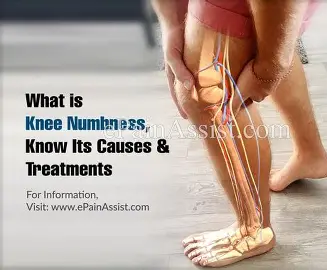
Going up and down stairs can be a challenge for individuals with a bad knee. Whether it’s due to knee pain or arthritis, climbing stairs can exacerbate discomfort and put strain on the knee joints. Knee pain while using stairs is often an early sign of osteoarthritis, and it’s essential to find strategies to make navigating stairs easier and reduce pain.
By following these tips, individuals can minimize strain on their knees and make stair climbing more manageable:
- Lead with the stronger leg when going up stairs and with the weaker leg when going down. This distributes the weight more evenly and reduces impact on the knees.
- Use the handrail for support. Holding onto the handrail provides stability and helps to alleviate pressure on the knees.
- Ensure that the entire foot is placed on each step. Avoid placing only the front part or the toes of the foot on the steps, as this can increase strain on the knees.
- Wear supportive shoes. Shoes with good cushioning and arch support can help absorb shock and reduce knee pain.
- Carry items in the right bags. When carrying items while using stairs, use backpacks or bags with crossbody straps to distribute the weight evenly and avoid putting excess strain on the knees.
In addition to these tips, it’s important to maintain regular movement throughout the day and perform targeted leg-strengthening exercises. These exercises can improve knee strength and flexibility, reduce pain, and make stair climbing less overwhelming. Consult with a healthcare professional for guidance on appropriate exercises for your condition and specific needs.
Key Takeaways:
- Leading with the stronger leg when going up stairs and with the weaker leg when going down can reduce strain on the knees.
- Using the handrail for support provides stability and helps alleviate pressure on the knees.
- Ensuring proper foot placement on each step can minimize strain on the knees.
- Wearing supportive shoes with good cushioning and arch support can reduce knee pain.
- Carrying items in backpacks or bags with crossbody straps distributes the weight evenly and minimizes strain on the knees.
Understanding Knee Pain on Stairs
Knee pain while using stairs is a common issue that affects many individuals with knee problems. It can be caused by various factors, including weakness in the knee muscles, wear and tear on the knee bones and cartilage, knee injuries, damage to the kneecap, altered biomechanics such as abnormal foot position and hip angles, and inflammation in the knee.
Identifying the underlying cause of knee pain is crucial for effective management and treatment. By understanding the specific factors that contribute to knee pain on stairs, individuals can take appropriate measures to minimize discomfort and prevent further damage to their knees.
To alleviate knee pain on stairs, it may be helpful to modify the way you climb or descend. Using knee-friendly stairs can provide additional support and reduce the strain on your knees. Opting for stairs with handrails, proper step dimensions, and non-slip surfaces can make a significant difference. It’s also important to maintain good posture and avoid any sudden or jerky movements.
Additionally, wearing supportive shoes with cushioning and good traction can help alleviate knee pain on stairs. Proper footwear can provide stability and absorb impact, reducing the strain on your knees.
Furthermore, engaging in exercises to strengthen the muscles surrounding your knees can be beneficial. Stronger muscles provide better support and stability, helping to minimize knee pain. Leg-strengthening exercises, such as squats and lunges, can help build up the muscles and protect your knees while using stairs.
Understanding the factors contributing to knee pain on stairs is the first step in effectively managing and minimizing discomfort. By implementing appropriate measures, such as using knee-friendly stairs, wearing supportive footwear, and performing strength-building exercises, individuals can make stair climbing more manageable and reduce knee pain.

| Factors | Contributions |
|---|---|
| Weakness in the knee muscles | Increased stress on the knee joints |
| Wear and tear on the knee bones and cartilage | Reduced joint cushioning |
| Knee injuries | Structural damage to the knee |
| Damage to the kneecap | Altered knee mechanics |
| Altered biomechanics | Abnormal foot position and hip angles |
| Inflammation in the knee | Increased pain and discomfort |
Techniques for Using Stairs with Assistive Devices
For individuals with severe knee pain or those recovering from knee surgery, using assistive devices such as canes or crutches can provide additional support while using stairs. When using a cane or crutches on stairs, it is important to follow specific techniques to ensure safety and minimize strain on the knees.
Leading with the Stronger Leg
When ascending stairs with an assistive device, it is recommended to lead with the stronger leg. This allows the stronger leg to bear most of the weight and minimize pressure on the weaker knee. By doing so, individuals can reduce the strain on the knees and make stair climbing less painful. Conversely, when descending stairs, it is best to lead with the weaker leg to provide additional support and stability.
Using the Device on the Opposite Side of the Handrail
When using a cane or crutches on stairs, it is crucial to use the device on the side opposite the handrail. This ensures that the handrail can be fully utilized for support and balance. Placing the device on the opposite side also encourages a natural gait pattern, minimizing the risk of tripping or losing balance.
Maintaining Stability and Forward-Facing Posture
When climbing stairs with an assistive device, it is important to maintain stability and a forward-facing posture. This helps distribute weight evenly and prevents putting excessive strain on the knees. By keeping the body aligned and looking forward, individuals can improve balance and reduce the risk of falls or further injury.
By employing these techniques, individuals can navigate stairs with greater ease and reduce the risk of falls or further injury. Additionally, it is recommended to consult with a healthcare professional for personalized advice and guidance on using assistive devices properly.

| Techniques to Use Stairs with Assistive Devices |
|---|
| Lead with the stronger leg when going up stairs and with the weaker leg when going down |
| Use the cane or crutches on the side opposite the handrail |
| Maintain stability and forward-facing posture |
Warm-up and Strengthening Exercises for Knee-Friendly Stairs
Before using the stairs, it is essential to engage in warm-up exercises to reduce knee stiffness and prepare the knee joint for movement. A few simple movements can go a long way in improving joint lubrication and alleviating knee discomfort. Spend a minute or two bending and straightening your knee to increase blood circulation and loosen up the muscles and ligaments.
Additionally, strengthening the muscles that support the knee can make stair climbing easier and less painful. Two highly effective exercises for knee-friendly stair navigation are the sit-to-stand exercise and the step-up exercise.
The sit-to-stand exercise not only strengthens the legs but also improves knee stability. Follow these steps to perform the sit-to-stand exercise:
- Start by sitting on a firm chair with your feet flat on the floor.
- With your back straight and hands resting on your thighs, engage your core muscles.
- Next, push through your heels and stand up slowly and steadily. Ensure that you distribute your weight evenly between both legs.
- Once you are standing, pause for a moment, and then slowly lower yourself back onto the chair.
- Repeat this exercise for 10 to 15 repetitions, gradually increasing the number of repetitions as your strength improves.
The step-up exercise targets the thigh muscles and helps improve overall leg strength. Follow these steps to perform the step-up exercise:
- Find a sturdy step or elevated platform that is about knee height.
- Stand facing the step with your feet hip-width apart.
- Lift your right foot and place it firmly on the step.
- Push through your right heel and lift your body onto the step, fully extending your right leg.
- Keep your core engaged and maintain a controlled motion throughout the exercise.
- Safely step back down using the same leg and repeat the exercise with your left leg.
- Perform 10 to 15 repetitions on each leg, gradually increasing the number of repetitions as your leg strength improves.
Remember to consult with a healthcare professional before starting any new exercise regimen, especially if you have existing knee issues. They can provide guidance on the appropriate exercises for your condition and ensure that you’re performing them correctly to avoid further injury.
Quote:
Building strength in the legs is crucial for minimizing knee pain and making stair climbing easier. By incorporating warm-up exercises and targeted strengthening exercises into your routine, you can create a knee-friendly environment and navigate stairs with confidence and ease. Remember, consistency and proper form are key to achieving optimal results.
Recommended Repetitions for Warm-up and Strengthening Exercises
| Exercise | Recommended Repetitions |
|---|---|
| Sit-to-Stand Exercise | 10-15 repetitions |
| Step-up Exercise | 10-15 repetitions on each leg |
Conclusion
Navigating stairs with a bad knee can be a daunting task, but with the tips and techniques discussed in this article, individuals can make the process easier and alleviate knee pain. By leading with the stronger leg when going up stairs and with the weaker leg when going down, individuals can distribute the load evenly and reduce strain on their knees. Using the handrail for support is crucial in maintaining balance and stability, while ensuring proper foot placement on each step minimizes the impact on the knees.
Wearing supportive shoes provides additional cushioning and stability, further protecting the knees. Furthermore, carrying items in bags that evenly distribute the weight prevents unnecessary strain on one side of the body.
In addition to these strategies, incorporating regular movement throughout the day and performing targeted leg-strengthening exercises can improve knee strength and flexibility. Exercises such as sit-to-stand and step-up exercises are particularly effective in strengthening the muscles around the knee joint, enhancing stability, and reducing pain.
By implementing these knee-friendly practices, individuals can create a safer environment for stair navigation, making the task more manageable and reducing the impact on their knees. Remember, it is important to consult with a healthcare professional to determine the most suitable strategies and exercises for your specific condition and needs.
FAQ
What strategies can make navigating stairs easier for individuals with a bad knee?
Tips for navigating stairs with a bad knee include leading with the stronger leg when going up stairs and with the weaker leg when going down, using the handrail for support, ensuring that the entire foot is placed on each step, wearing supportive shoes, and carrying items in the right bags.
What are the common causes of knee pain on stairs?
Knee pain on stairs can be caused by factors such as weakness in the knee muscles, wear and tear on the knee bones and cartilage, knee injuries, damage to the kneecap, altered biomechanics, and inflammation in the knee.
How can individuals with severe knee pain or those recovering from knee surgery navigate stairs?
Using assistive devices such as canes or crutches can provide additional support while using stairs. It is important to follow specific techniques, such as leading with the stronger leg when going up stairs and with the weaker leg when going down, using the cane or crutches on the side opposite the handrail, and maintaining stability and forward-facing posture.
What warm-up exercises can help reduce knee stiffness before using stairs?
Engaging in simple movements such as bending and straightening the knee for a minute or two can improve joint lubrication and alleviate knee discomfort before using stairs. Additionally, performing strengthening exercises like sit-to-stand exercises and step-up exercises can help improve knee stability.
How can individuals create knee-friendly stair environments?
By implementing tips and techniques like leading with the stronger leg, using the handrail for support, wearing supportive shoes, and performing regular leg-strengthening exercises, individuals can make stair climbing easier and minimize strain on their knees.