

Tips for Alleviating Knee Pain while Walking
Knee pain while walking can be debilitating and affect your daily activities. Understanding the causes, preventing knee pain, managing the discomfort, and seeking medical help are crucial steps in alleviating knee pain. By following these tips, you can take proactive measures to improve your knee health and overall well-being.
Key Takeaways
- Maintain a healthy weight to reduce pressure on the knees.
- Wear proper footwear to provide support and stability.
- Warm up and stretch before walking to prevent strain on the knees.
- Strengthen the muscles around the knee to improve stability and reduce pain.
- Rest and use ice to alleviate acute knee pain and inflammation.
Understanding Knee Pain
Common Causes of Knee Pain
Knee pain can be caused by a variety of factors, including injury, overuse, and arthritis. Injuries such as sprains, strains, or tears in the ligaments or tendons surrounding the knee can lead to pain and discomfort. Overuse of the knee joint, especially in activities that involve repetitive motions like running or jumping, can also contribute to knee pain. Additionally, conditions like osteoarthritis or rheumatoid arthritis can cause inflammation and pain in the knee. It’s important to identify the underlying cause of knee pain in order to effectively manage and alleviate it.
To better understand the common causes of knee pain, the following table provides a summary of the main factors:
| Cause | Description |
|---|---|
| Injury | Includes sprains, strains, and tears in ligaments or tendons |
| Overuse | Excessive strain on the knee joint due to repetitive motions |
| Arthritis | Inflammation and pain in the knee joint, often caused by osteoarthritis or rheumatoid arthritis |
If you are experiencing knee pain, it is advisable to consult a healthcare professional for a proper diagnosis and treatment plan.
Types of Knee Pain
There are several types of knee pain that individuals may experience. Osteoarthritis is one common type of knee pain that occurs due to the breakdown of cartilage in the knee joint. This can result in pain, stiffness, and swelling. Patellofemoral pain syndrome is another type of knee pain that is characterized by pain around the kneecap, especially when walking or climbing stairs. Runner’s knee, also known as patellofemoral pain, is a condition that causes pain in the front of the knee, often due to overuse or improper alignment of the kneecap. Bursitis is a condition that causes inflammation of the bursae, small fluid-filled sacs that cushion the knee joint. This can lead to pain and swelling in the knee area.
Symptoms of Knee Pain
Knee pain can manifest in various ways, and it is important to recognize the symptoms to determine the appropriate course of action. Common symptoms of knee pain include:
- Swelling: The affected knee may appear swollen, indicating inflammation.
- Stiffness: The knee may feel stiff, making it difficult to move or bend.
- Pain: Pain can range from a dull ache to sharp, intense pain, depending on the underlying cause.
- Instability: Some individuals may experience a feeling of instability or weakness in the knee.
If you are experiencing any of these symptoms, it is advisable to consult a healthcare professional for a proper diagnosis and treatment plan. Ignoring knee pain can lead to further complications and hinder your mobility and quality of life.
Preventing Knee Pain
Maintain a Healthy Weight
Maintaining a healthy weight is crucial for alleviating knee pain while walking. Excess weight puts extra pressure on the knees, leading to increased pain and discomfort. Losing weight can significantly reduce the strain on the knee joints and improve overall mobility.
To achieve a healthy weight, it is important to focus on a balanced diet and regular exercise. Incorporating nutrient-rich foods such as fruits, vegetables, lean proteins, and whole grains can help in achieving weight loss goals. Additionally, portion control and avoiding high-calorie, processed foods can also contribute to maintaining a healthy weight.
In addition to weight management, it is essential to engage in low-impact exercises that are gentle on the knees. These exercises include swimming, cycling, and yoga. These activities not only aid in weight loss but also help in strengthening the muscles around the knee, providing better support and stability.
Wear Proper Footwear
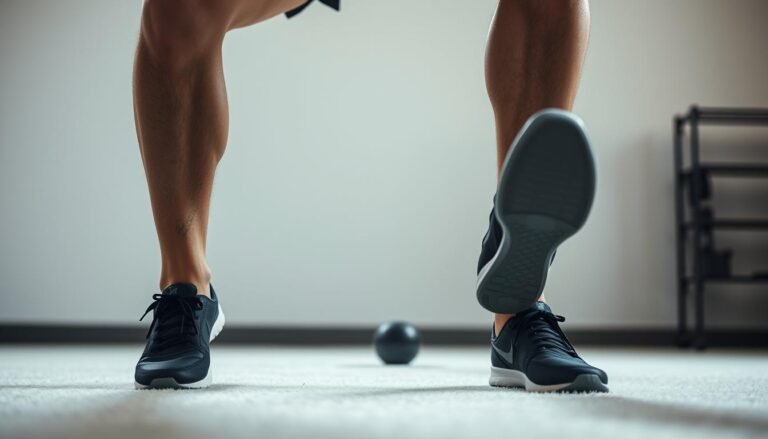
Proper footwear is crucial for supporting the knees and reducing the risk of injury. When selecting footwear, prioritize comfort and support over style. Look for shoes with cushioned soles and arch support to help absorb impact and provide stability. Additionally, consider consulting a podiatrist for personalized recommendations based on your foot structure and gait. Remember, the right footwear can make a significant difference in your walking experience and knee health.
Warm Up and Stretch
Before starting your walk, it’s important to warm up your muscles and stretch to prevent knee pain. This helps increase blood flow to the muscles and improves flexibility. Here are some simple warm-up exercises and stretches you can do:
- March in place: Lift your knees high and swing your arms to warm up your leg muscles.
- Leg swings: Stand next to a wall and swing one leg forward and backward, then side to side. Repeat with the other leg.
- Calf stretches: Stand facing a wall and place your hands on the wall. Step one foot back and press your heel down to stretch your calf muscle.
- Quad stretches: Stand tall and hold onto a wall or chair for support. Bend one knee and grab your ankle, pulling your heel towards your buttocks to stretch your quadriceps.
Remember to start slowly and gradually increase the intensity of your warm-up and stretches. This will help prepare your muscles for the activity and reduce the risk of knee pain.
Strengthen the Muscles around the Knee
Strengthening the muscles around the knee is crucial for reducing knee pain and improving stability. Strong quadriceps and hamstrings can help support the knee joint and absorb shock during walking. Here are some exercises that can help strengthen these muscles:
- Leg extensions: Sit on a chair with your back straight and extend one leg in front of you. Hold for a few seconds and then lower it back down. Repeat with the other leg.
- Hamstring curls: Stand behind a chair and hold onto it for support. Bend one knee and bring your heel towards your buttocks. Slowly lower it back down and repeat with the other leg.
- Squats: Stand with your feet shoulder-width apart and slowly lower your body as if you’re sitting back into a chair. Keep your knees aligned with your toes and then slowly stand back up.
Remember to start with light weights or resistance bands and gradually increase the intensity as your muscles get stronger. Consult with a physical therapist for personalized exercises and guidance.
Managing Knee Pain
Rest and Ice
Rest and ice are important for managing knee pain. Resting allows the knee to heal and reduces further strain on the joint. Applying ice to the affected area helps reduce inflammation and numbs the pain. It is recommended to apply ice for about 15-20 minutes every 2-3 hours. Elevating the leg while resting can also help reduce swelling.
In addition to rest and ice, there are other measures that can aid in relieving knee pain. Compression can help reduce swelling and provide support to the knee. Using a knee brace or wrap can provide stability and alleviate discomfort. Over-the-counter pain medications such as ibuprofen or acetaminophen can be taken to manage pain and reduce inflammation.
Remember, rest and ice are just one part of managing knee pain. It is important to consult with a healthcare professional for a proper diagnosis and personalized treatment plan.
Use Knee Support
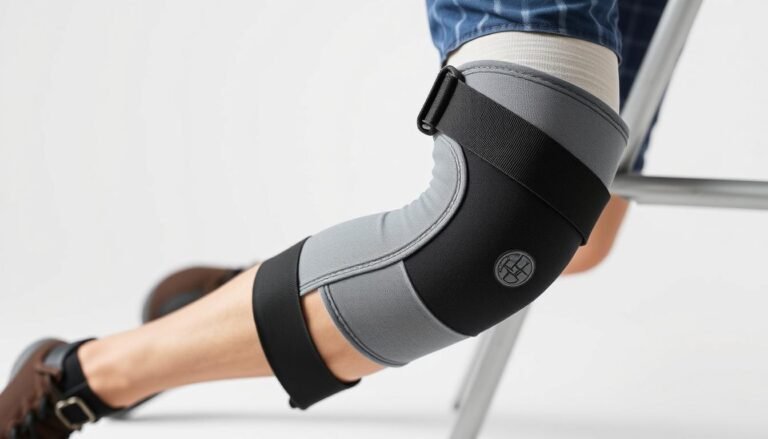
Using knee support can provide stability and reduce stress on the knee joint. Knee braces are commonly used to support the knee and provide compression. They can help alleviate pain and provide additional support during physical activities. Knee sleeves are another option that provide mild compression and support. They are often used for mild knee pain or as a preventive measure. It is important to choose the right type of knee support based on the specific needs and severity of the knee pain.
Here is a table comparing knee braces and knee sleeves:
| Knee Braces | Knee Sleeves |
|---|---|
| Provide strong support | Provide mild support |
| Designed for moderate to severe knee pain | Designed for mild knee pain |
| Often recommended for post-injury recovery | Often used for preventive measures |
Remember to consult with a healthcare professional or physical therapist to determine the most suitable knee support for your condition.
Tip: When using knee support, make sure to follow the manufacturer’s instructions for proper usage and care.
Try Low-Impact Exercises
Low-impact exercises are a great option for individuals experiencing knee pain. These exercises help to strengthen the muscles around the knee without putting excessive stress on the joint. Examples of low-impact exercises include swimming, cycling, and using an elliptical machine. These activities provide cardiovascular benefits while minimizing the impact on the knees.
In addition to low-impact exercises, stretching is also important for maintaining flexibility and reducing knee pain. Incorporating gentle stretches for the quadriceps, hamstrings, and calves can help improve mobility and alleviate discomfort.
To get started with low-impact exercises, consider the following suggested routine:
- Begin with a 5-minute warm-up, such as brisk walking or marching in place.
- Perform 10-15 minutes of low-impact exercises, such as swimming or cycling.
- Follow up with 5-10 minutes of stretching exercises for the lower body.
Remember to listen to your body and start slowly. Gradually increase the duration and intensity of your exercises as your knee pain improves. If you experience any worsening pain or discomfort, it’s important to consult with a healthcare professional for further evaluation and guidance.
Consider Physical Therapy
Physical therapy can be an effective treatment option for managing knee pain. Therapeutic exercises prescribed by a physical therapist can help strengthen the muscles around the knee, improve flexibility, and reduce pain. Additionally, physical therapy may include other modalities such as manual therapy, electrical stimulation, or ultrasound to further alleviate knee pain.
In some cases, physical therapy may also involve the use of assistive devices like crutches or braces to provide support and stability to the knee. The duration and frequency of physical therapy sessions will vary depending on the severity of the knee pain and the individual’s specific needs.
It is important to consult with a healthcare professional or a physical therapist to determine if physical therapy is a suitable option for managing your knee pain.
Seeking Medical Help
When to See a Doctor
If you are experiencing severe knee pain that is interfering with your daily activities and is not improving with rest and self-care measures, it is important to seek medical attention. Additionally, if you have any of the following symptoms, it is recommended to consult a doctor:
- Swelling that persists or worsens
- Instability or a feeling that your knee may give way
- Locking or catching sensation in your knee
- Inability to bear weight on your knee
Remember, early diagnosis and treatment can help prevent further damage and improve your overall knee health.
Diagnosis and Treatment Options
After seeking medical help for knee pain, a doctor will perform a thorough examination to diagnose the underlying cause. This may involve assessing the range of motion, conducting imaging tests such as X-rays or MRI scans, and possibly ordering blood tests to rule out any systemic conditions. Once a diagnosis is made, the doctor will discuss the appropriate treatment options. Treatment options for knee pain can vary depending on the cause and severity of the condition. Here are some common treatment options:
- Physical therapy: A structured exercise program designed to improve strength, flexibility, and mobility in the knee joint.
- Medications: Nonsteroidal anti-inflammatory drugs (NSAIDs) may be prescribed to reduce pain and inflammation.
- Injections: Corticosteroid injections or hyaluronic acid injections may be used to provide temporary relief.
- Surgery: In severe cases, surgical intervention such as arthroscopy or knee replacement may be necessary.
It is important to consult with a healthcare professional to determine the most suitable treatment plan for individual cases.
Conclusion
In conclusion, taking care of your knees is essential for a pain-free walking experience. By following these tips and incorporating them into your daily routine, you can alleviate knee pain and enjoy walking without discomfort. Remember to listen to your body, maintain a healthy weight, wear proper footwear, and strengthen your leg muscles. With these strategies, you can continue to stay active and keep your knees happy.
Frequently Asked Questions
What are the common causes of knee pain?
Common causes of knee pain include osteoarthritis, ligament injuries, meniscus tears, and overuse injuries.
How can I prevent knee pain?
You can prevent knee pain by maintaining a healthy weight, wearing proper footwear, warming up and stretching before physical activity, and strengthening the muscles around the knee.
What are the symptoms of knee pain?
Symptoms of knee pain may include swelling, stiffness, weakness, popping or grinding sensations, and difficulty walking or bearing weight on the affected knee.
Should I rest and ice my knee if I have pain?
Resting and icing the knee can help reduce pain and inflammation. It is recommended to rest the knee and apply ice for 15-20 minutes several times a day.
Can I use knee support for knee pain?
Using knee supports such as braces or compression sleeves can provide stability and support to the knee, reducing pain and preventing further injury.
What are some low-impact exercises for knee pain?
Low-impact exercises such as swimming, cycling, and using an elliptical machine can help strengthen the muscles around the knee without putting excessive stress on the joint.




2 Comments