Knee Pain Descending Stairs – Causes And Relief
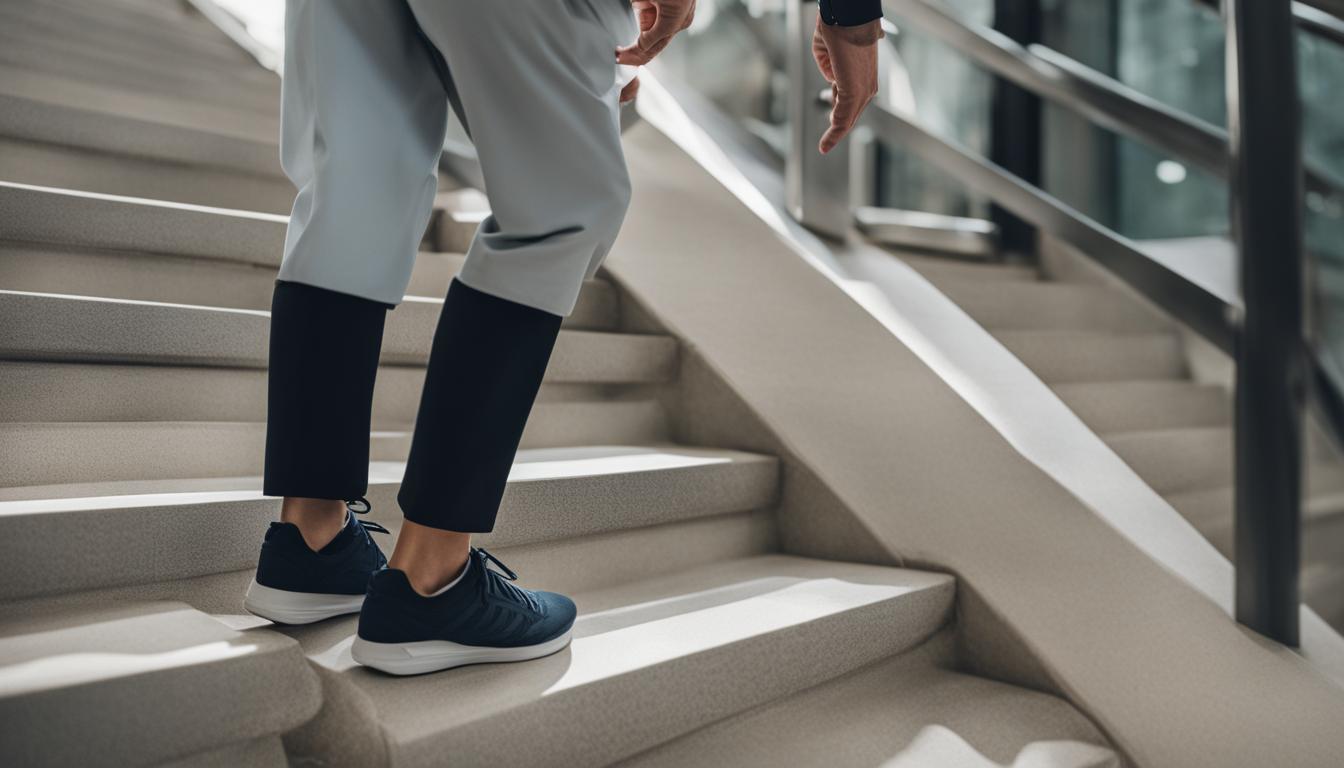
Are you experiencing knee pain when going downstairs? It’s a common complaint that can significantly impact your daily life. Understanding the causes and finding effective methods of relief are essential to regain comfort and mobility while navigating stairs.
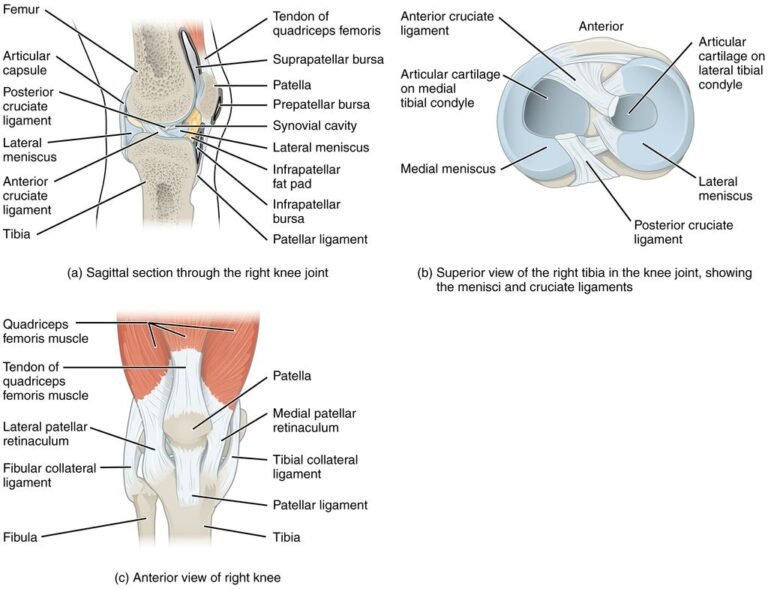
There can be various reasons why your knee hurts when descending stairs. It could be due to issues with the knee cap, cartilage damage, muscle imbalances, or ligament injuries. Identifying the underlying cause is crucial to tailor the right treatment approach just for you.
Key Takeaways:
- Knee pain when going downstairs is a common complaint that can be caused by various factors.
- Identifying the specific cause of the pain is crucial for appropriate treatment.
- Common causes of knee pain when descending stairs include runner’s knee, chondromalacia patella, osteoarthritis, and ligament injuries.
- The force exerted on the knee when descending stairs can be up to 3.5 times body weight, which can worsen existing knee issues.
- Treatment options for knee pain include strengthening surrounding muscles, physical therapy, non-invasive treatments like AposHealth, and surgical interventions in severe cases.
Common Causes of Knee Pain Descending Stairs
When it comes to knee pain descending stairs, there are several common causes that individuals may experience. Understanding these causes is essential for effective treatment and relief. Let’s explore some of the most prevalent reasons behind knee pain when going downstairs:
- Runner’s Knee (Patellofemoral Pain Syndrome): This condition is characterized by pain around the kneecap and is often aggravated by activities such as running or descending stairs. It is typically caused by improper tracking of the kneecap, muscle imbalances, or overuse.
- Chondromalacia Patella: This condition involves the softening and deterioration of the cartilage on the underside of the kneecap. Descending stairs can exacerbate the pain due to increased pressure on the knee joint.
- Osteoarthritis: A degenerative joint disease that can cause knee pain and stiffness. Descending stairs can worsen the symptoms as it puts additional stress on the affected joint.
- Pes Anserine Bursitis: Inflammation of the bursa located on the inner side of the knee. Descending stairs can irritate the bursa and result in knee pain.
- Muscle Strains: Strained or pulled muscles around the knee, such as the quadriceps or hamstrings, can lead to pain while descending stairs.
- IT Band Syndrome: Inflammation of the iliotibial (IT) band, which runs along the outside of the thigh from the hip to the knee. This condition can cause knee pain when descending stairs.
- Ligament Injuries: Injuries to the ligaments, such as an anterior cruciate ligament (ACL) tear or a medial collateral ligament (MCL) sprain, can result in knee pain when going downstairs.
By identifying the specific cause of your knee pain, healthcare professionals can develop a targeted treatment plan to alleviate symptoms and improve your quality of life. Treatment options may include physical therapy, medication, strengthening exercises, and in some cases, surgical intervention.
It’s essential to consult with a healthcare provider for an accurate diagnosis and appropriate management of your knee pain descending stairs.
| Common Causes | Symptoms | Treatment |
|---|---|---|
| Runner’s Knee (Patellofemoral Pain Syndrome) | Pain around the kneecap, worsens when descending stairs | Rest, physical therapy, knee braces, strengthening exercises |
| Chondromalacia Patella | Kneecap pain, grinding sensation, increased pain when walking downstairs | Physical therapy, pain medication, taping, orthotics |
| Osteoarthritis | Knee pain, stiffness, swelling, worsened by descending stairs | Pain medication, physical therapy, weight management, assistive devices |
| Pes Anserine Bursitis | Inner knee pain, tenderness, worsened by stair descent | Rest, ice, physical therapy, anti-inflammatory medication |
| Muscle Strains | Pain in the muscles surrounding the knee, worsened with stairs | Rest, ice, compression, physical therapy, stretching |
Factors Influencing Knee Pain on Stairs
When it comes to knee pain on stairs, there are several factors that can influence the intensity and discomfort experienced. Understanding these factors can help individuals navigate stairs more effectively and potentially reduce knee pain.
One significant factor is the force exerted on the knee while descending stairs. Compared to ascending stairs, the force on the kneecap can be up to 3.5 times an individual’s body weight. This increased pressure can exacerbate existing knee issues and lead to pain and discomfort.
Biomechanics and alignment of the knee also play a crucial role in knee pain on stairs. It is important to be mindful of the way the knee moves and aligns when descending steps. Muscle imbalances, abnormal knee cap movement, and anatomical abnormalities are additional factors that can contribute to knee pain.

By paying attention to these factors and taking steps to address muscle imbalances or seek medical guidance for underlying issues, individuals can reduce the impact on their knees while going downstairs. This may involve working with a physical therapist or adopting techniques that promote proper alignment and minimize strain on the knee joint.
Treating Knee Pain When Descending Stairs
When it comes to alleviating knee pain when descending stairs, the appropriate treatment approach will depend on the underlying cause of the discomfort. Strengthening the muscles surrounding the knee joint is crucial, as it provides stability and support during movement. Targeted exercises for the quadriceps, hamstrings, and gluteal muscles can help improve overall knee function and reduce pain. Additionally, physical therapy techniques such as stretching, taping, and bracing may be recommended to address muscle imbalances.
In some cases, non-invasive treatments like AposHealth can provide effective relief. This innovative technology focuses on correcting biomechanical issues by utilizing a personalized shoe-like device that helps improve gait and reduce knee pain. AposHealth can be particularly beneficial for individuals experiencing knee discomfort while descending stairs, as it targets the specific movements and forces associated with stair navigation.
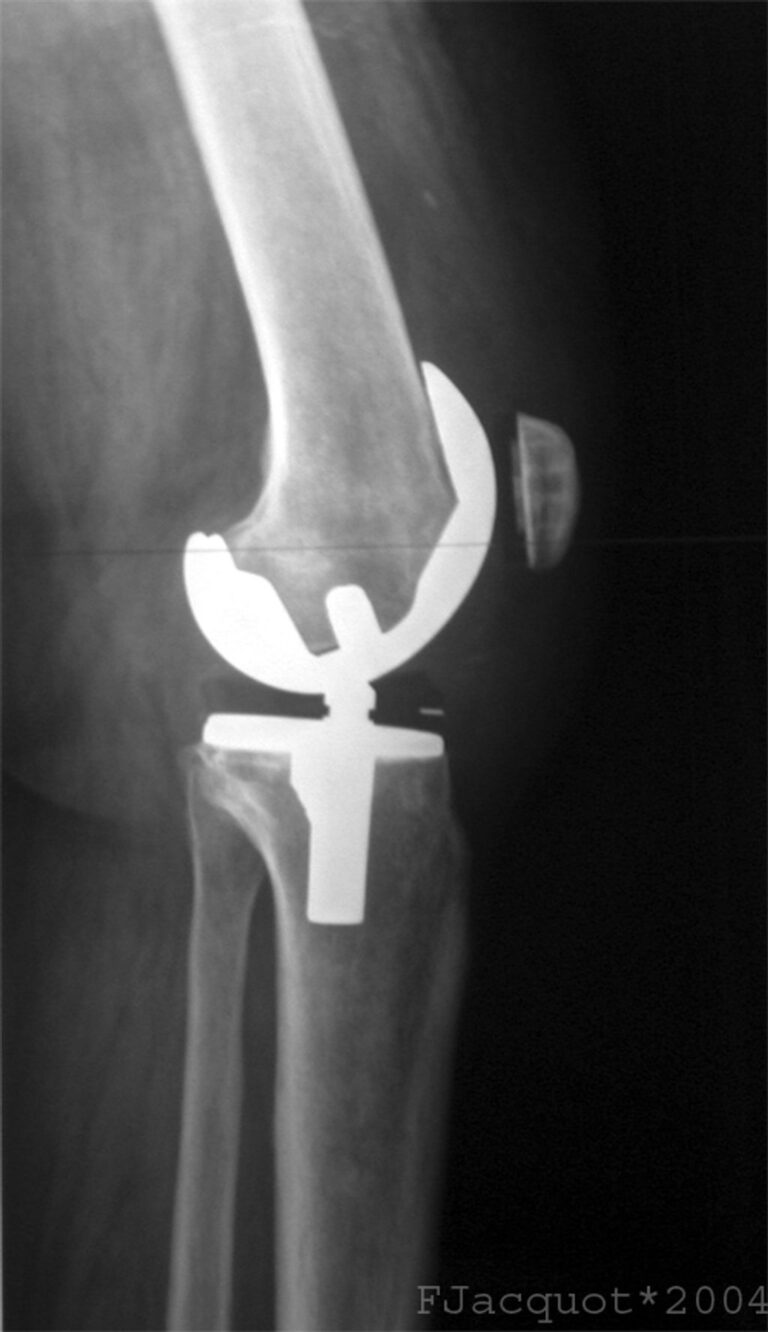
However, in more severe cases or when conservative treatments are not sufficient, surgical interventions may be necessary. Procedures such as arthroscopy, meniscus repair, or knee replacement surgery may be recommended by healthcare professionals to address underlying issues and provide long-term relief. It is essential to consult with a physician or orthopedic specialist to determine the most appropriate treatment path based on individual circumstances.
Remember, each case is unique, and the treatment plan will vary depending on the underlying cause of knee pain when going downstairs. Collaborating closely with healthcare professionals will ensure that the treatment approach is tailored to address specific needs and optimize outcomes.
Tips for Reducing Knee Pain When Descending Stairs
If you experience knee pain when descending stairs, there are several tips you can implement to reduce discomfort and improve your mobility. By making small adjustments to your stair navigation technique and addressing underlying causes of knee pain, you can alleviate strain on your knees and make stair descent a more comfortable experience. Here are some helpful tips:
1. Step onto the stairs with the whole foot
Instead of just using your toes to step onto the stairs, make sure to place your whole foot on each step. This distributes the weight more evenly and reduces the impact on your knees.
2. Push off from the outer heel
When climbing down stairs, focus on pushing off from the outer heel of your foot. This helps to engage the muscles in your legs and provides stability, reducing the strain on your knees.
3. Ensure proper knee alignment
When walking downstairs, pay attention to the alignment of your knee. Make sure that your knee is directly over your foot as you take each step. This helps to maintain proper biomechanics and reduces the risk of knee pain.
4. Address underlying causes of knee pain
It’s important to identify and address any underlying causes of knee pain when descending stairs. This could include muscle imbalances, joint instability, or previous injuries. Consult with a healthcare professional, such as a physical therapist or orthopedic specialist, to determine the root cause and develop a treatment plan.
By implementing these tips and practicing proper stair descent techniques, you can reduce knee pain and discomfort when going downstairs. Remember to listen to your body, take breaks when needed, and consult with a healthcare professional for personalized advice and guidance.

| Tips for Reducing Knee Pain When Descending Stairs |
|---|
| Step onto the stairs with the whole foot |
| Push off from the outer heel |
| Ensure proper knee alignment |
| Address underlying causes of knee pain |
Non-invasive Methods for Knee Pain Relief
When it comes to finding relief for knee pain when descending stairs, non-invasive methods can be incredibly effective. These approaches are often accessible, affordable, and can provide significant relief without the need for invasive procedures. Here are some non-invasive methods that individuals can consider:
1. R.I.C.E. method (Rest, Ice, Compression, Elevation)
The R.I.C.E. method is a well-known technique for managing acute pain and swelling. It involves:
- Rest: Take a break from activities that aggravate your knee pain.
- Ice: Apply ice packs to your knee for 15-20 minutes at a time, several times a day.
- Compression: Use a compression bandage or knee brace to reduce swelling and provide support.
- Elevation: Elevate your leg to help reduce swelling and improve blood flow.
2. Over-the-counter non-steroidal anti-inflammatory drugs (NSAIDs)
NSAIDs, such as ibuprofen or naproxen sodium, can help reduce pain and inflammation in the knee. However, it is important to follow the recommended dosage and consult with a healthcare professional if you have any underlying health conditions or are taking other medications.
3. Weight management
Excess weight can put additional strain on the knee joints, exacerbating knee pain. Maintaining a healthy weight through a balanced diet and regular exercise can help reduce pressure on the knees and alleviate pain when descending stairs.
4. Exercise and physical therapy
Specific exercises and physical therapy techniques can help strengthen the muscles around the knee joint, improve flexibility, and enhance overall knee function. These exercises may include stretches, range-of-motion exercises, and targeted strengthening exercises for the quadriceps, hamstrings, and gluteal muscles.
5. Supportive aids like braces or splints
Using supportive aids, such as knee braces or splints, can help provide stability, reduce strain, and alleviate knee pain when descending stairs. These aids can assist in proper alignment and support the knee joint, enhancing comfort and mobility.
6. Biomechanical devices like AposHealth
AposHealth is a biomechanical device that works on correcting gait and alignment issues, providing personalized treatment for knee pain. It uses a shoe-like device with adjustable pods to redirect forces away from the knee joint, reducing pain and improving functional mobility.
By employing these non-invasive methods, individuals experiencing knee pain when descending stairs can find relief and improve their quality of life. It is important to consult with a healthcare professional to determine the most suitable approach and create a personalized treatment plan.
Conclusion
Knee pain when descending stairs can be a frustrating and limiting issue. The discomfort experienced while going downstairs can stem from various causes, including runner’s knee, chondromalacia patella, osteoarthritis, and muscle strains. However, with the right knowledge and treatment, individuals can find relief and improve their ability to navigate stairs comfortably.
Consulting healthcare professionals, such as physical therapists and physicians, is crucial in diagnosing the underlying cause of the knee pain and developing a personalized treatment plan. Strengthening the muscles surrounding the knee joint, through exercises and physical therapy, can provide stability and support. Additionally, non-invasive methods like the R.I.C.E. method and over-the-counter medications can help manage acute pain and reduce inflammation.
It’s essential to be proactive in addressing knee pain when descending stairs to maintain an active lifestyle. By understanding the triggers and implementing appropriate treatment strategies, individuals can overcome knee pain on stairs and regain their confidence. Remember, seeking professional guidance is key to finding the best solutions and achieving long-term relief from knee discomfort during stair navigation.
FAQ
Why does my knee hurt when I go downstairs?
Knee pain when descending stairs can be caused by various factors, including issues with the knee cap, cartilage damage, muscle imbalances, and ligament injuries.
What are the common causes of knee pain when descending stairs?
The common causes of knee pain when going downstairs include runner’s knee (patellofemoral pain syndrome), chondromalacia patella, osteoarthritis, pes anserine bursitis, muscle strains, IT band syndrome, and ligament injuries.
What factors influence knee pain on stairs?
Factors such as muscle imbalances, abnormal knee cap movement, and anatomical abnormalities can contribute to knee pain when descending stairs.
How can I treat knee pain when going downstairs?
Treatment options for knee pain when descending stairs may include strengthening exercises for the muscles surrounding the knee joint, physical therapy, stretching, taping, bracing, non-invasive treatments like AposHealth, and in some cases, surgical interventions.
What tips can help reduce knee pain when descending stairs?
Tips for reducing knee pain on stairs include stepping onto the stairs with the whole foot, pushing off from the outer heel, ensuring proper alignment of the knee over the foot, and addressing any underlying causes of knee pain.
What non-invasive methods can provide relief for knee pain on stairs?
Non-invasive methods that can provide relief for knee pain when descending stairs include the R.I.C.E. method (rest, ice, compression, elevation), over-the-counter non-steroidal anti-inflammatory drugs (NSAIDs), weight management, exercise and physical therapy, supportive aids like braces or splints, and biomechanical devices like AposHealth.