
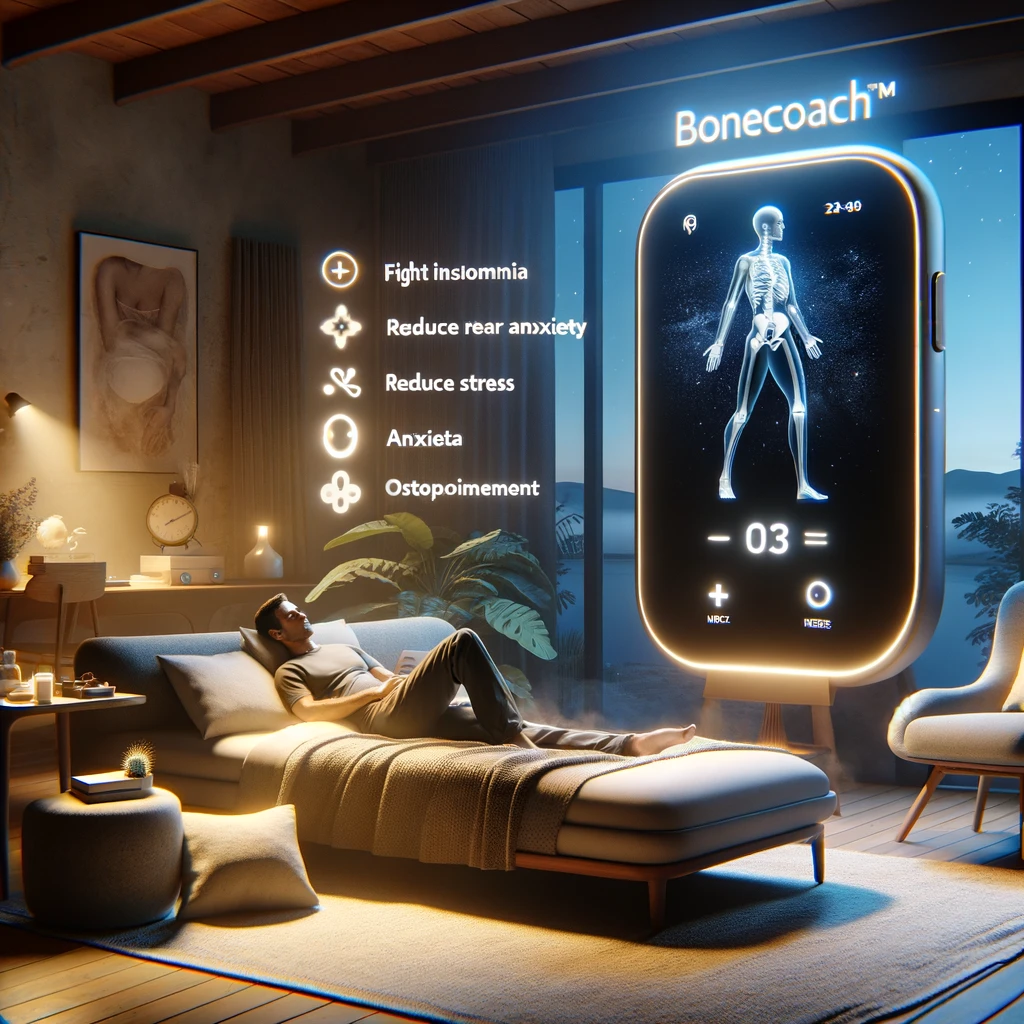
The health technology device that helps people fight insomnia, reduce stress and manage anxiety with Stefanie Broes + BoneCoach™ Osteoporosis and Osteopenia
| |

The health technology device that helps people fight insomnia, reduce stress and manage anxiety with Stefanie Broes + BoneCoach™ Osteoporosis and Osteopenia – BoneCoach™

What if the key to better health was right under your nose?

We’re going to explore the hidden power of something you do 22,000 times a day, without even thinking about it…

To breathe.

Come with me as I sit with you Stefanie Broesan expert in pharmaceutical sciences, who’s here to reveal how a simple change in the way you breathe could be the game-changer you didn’t know you needed – for your sleep, your stress levels and even your bones.

We introduce you to Moonbird, a revolutionary device making waves in the world of wellness, and explain why everyone from insomniacs to patients with osteoporosis pay attention to this old practice with a modern twist.

Episode Timeline

0:00 – Episode Beginning

2:27 – Meet Stefanie Broes, CEO and co-founder of Moonbird

3:45 – Explanation of the science behind breathing techniques and their impact on overall health and well-being

05:50 – How breathing techniques help reduce stress and anxiety, and why it’s important for people with osteoporosis

8:22 – Details about the Moonbird device: what it is, how to use it, and how it helps with stress and insomnia

10:52 – How Moonbird is different from other health technology products on the market

12:10 – How breathing exercises can improve sleep quality, especially in older adults, and their benefits for bone health

14:34 – The importance of sleep for bone health, including the risks associated with sleep deprivation and its impact on bone formation and remodeling

15:58 – Real success stories from Moonbird users

18:12 – Simple breathing exercises that listeners can begin to improve their health and well-being

19:32 – Future plans for Moonbird and the future of breathwork in the health tech industry

21:19 – Recommendation of the book “Breath” by James Nestor for more insight into the importance of breathing

21:48 – Special offer and where to find more information about Moonbird products

22:55 – Stefanie’s final tips for listeners

Sources mentioned

**Show notes @ https://bonecoach.com/stefanie-broes-moonbird-life-health-tech

Below you will find Stefanie’s sources!

>> $10 OFF with code BONECOACH

>> https://www.moonbird.life/

>> https://www.instagram.com/moonbird.life

What can you do to support your bone health and this podcast?

1. Click the “Subscribe” button on your respective podcast player (e.g. Apple, Google, Spotify, Stitcher, iHeart Radio, and TuneIn). Never miss an episode that can help improve your bone health.

2. Leave a review. The more positive ratings and reviews and the more subscribers we have, the more people can find us and get the answers to the questions they need. Thank you! 🙂

3. Tell a friend about The Bone Coach Podcast or share via text, email, or social. Know of a Facebook group where people could benefit from this info? Feel free to click one of the share buttons below.

About Stefanie Broes:

Stefanie is the CEO and co-founder of Moonbird, a health tech startup operating in the wellness sector. Moonbird is the world’s first wearable breath pacer and is all about making breathwork accessible so people can live healthier, happier lives.

The product is used to reduce stress, manage anxiety and combat insomnia. Stefanie has a medical background, a PhD in pharmaceutical sciences and a master’s degree in IP and data protection law. When she discovered how effective breathing exercises are in tackling her own insomnia, she delved deeper into the subject and eventually started the company to help more people discover the positive effects of slow breathing.

Medical disclaimer

The information shared above is for informational purposes only and is not intended to provide medical or nutritional advice; it does not diagnose, treat, or cure any disease, condition; it should not be used as a replacement or substitute for medical advice from physicians and trained medical professionals. If you are under the care of a healthcare professional or are currently taking prescription medications, you should discuss any changes to your diet and lifestyle or possible use of dietary supplements with your doctor. You should not discontinue any prescribed medications without first consulting your doctor.



Source link

Similar Posts

  • |

    Sleeping after knee replacement

    What if the key to a faster recovery isn’t just what you do during the day, but how you rest at night? We understand that getting proper rest following an operation can be a major hurdle. In fact, research shows about half of all patients report significant discomfort when trying to find a comfortable position. sleeping after knee replacement This cycle of fatigue and increased sensitivity can slow down your progress. That’s why quality rest is not a luxury—it’s a critical part of the healing process, as emphasized by Christynne Helfrich, PT, DPT at Hinge Health. Our guide is designed to break this cycle. We provide expert-backed strategies for managing discomfort and improving your overall rest quality. This includes proven positions and techniques for the crucial first weeks. By addressing the root causes of post-operative disturbances, we aim to help you achieve the restorative rest your body needs. For a comprehensive plan, explore our detailed resource on how to sleep after knee replacement. Key Takeaways Quality rest is a powerful, non-negotiable part of the healing journey after surgery. Many individuals experience increased pain at night or struggle to find a comfortable sleep position. Targeted exercises and proper sleep hygiene can significantly improve your comfort and rest quality. Effective pain management, including techniques like icing, is crucial for uninterrupted sleep. Guidance from your physical therapist and surgical team is essential for a safe and effective recovery. Patience and consistency with your nightly routine are key to long-term success. Understanding Knee Replacement Recovery Your body begins a detailed repair process immediately after joint surgery. A nerve block often provides comfort for the first 18 to 30 hours post-procedure. This offers a valuable window before typical sensations begin. knee replacement recovery Post-Surgery Healing and Body Changes Significant changes occur as you heal from this operation. Natural inflammation and swelling around the new joint are common. Your system is working hard to integrate the artificial components. We note that many individuals report increased difficulty starting around day four. Challenges can persist for up to ten weeks in some cases. Discomfort may also travel to areas like the shin or hip at night. This is a normal part of the adjustment process. Your body is adapting to its new mechanics. How Sleep Supports Recovery Quality rest is vital for repair. Your body focuses on mending the joint and surrounding muscle tissue during deep rest. This is when the most intensive healing occurs. As healing progresses, your sleep quality should gradually improve. Research shows most people see significant progress by the three-month mark. The first month is often the most difficult. We encourage you to stay active during the day. Gentle movement promotes blood flow and prevents stiffness. This daily activity supports better rest at night. Understanding that your body is working hard post-operatively helps manage expectations. Consistency with your routine is key for long-term success. Common Sleep Challenges After Knee Replacement The quiet of the night often amplifies the physical sensations that accompany post-operative healing. We see that nearly half of all individuals report severe disturbances during this critical time. This makes addressing these hurdles a top priority. common sleep challenges after knee replacement Nighttime Pain and Discomfort Without daytime distractions, you may become more aware of persistent sensations. This heightened awareness can make falling asleep difficult. Anxiety about your new joint is also common. Worrying about movement can further disrupt your rest cycles. Dealing with Swelling and Stiffness Inflammation is a natural response to an operation. It often increases when you are lying down for extended periods. Limited mobility prevents natural position shifts. This lack of movement allows stiffness to set in by morning. Challenge Primary Cause Typical Effect Nighttime Pain Increased sensory awareness Difficulty initiating sleep Swelling Post-surgery inflammation Discomfort in bed Joint Stiffness Immobility during rest…

  • |

    Medial and Lateral Meniscus Injuries: What You Need to Know

    Medial and lateral meniscus injuries are common orthopedic conditions that can significantly impact an individual’s mobility and quality of life. Understanding the anatomy, causes, diagnosis, and treatment options for these injuries is crucial for both patients and healthcare professionals. This article provides an overview of the key aspects related to medial and lateral meniscus injuries,…

  • Best Knee Brace for Arthritis Relief | Shop Now

    If you’re struggling with arthritis in your knees, finding the right knee brace can make a world of difference. Whether you’re dealing with osteoarthritis or rheumatoid arthritis, a well-fitted knee brace can provide tailored support and help alleviate pain and discomfort. At our online store, we offer a carefully curated selection of the best knee…

  • |

    Complete Guide to Relief, Recovery, and Getting Back to Life

    If your knee has been slowing you down, you’re not alone — and the good news is that effective knee pain treatment is more accessible than ever in 2026. Here’s a surprising fact worth knowing right away: every single pound of body weight you lose removes 4 pounds of mechanical load from your knee joint…

  • Knee pain in teenagers: Causes, warning signs, and what helps in 2026

    Knee pain in teenagers is more common than many families expect, and in 2026 we see plenty of teens reporting pain that affects sports, school PE, and everyday walking. One reason it can surprise people is that Osgood-Schlatter disease prevalence in adolescents aged 12–15 years is 9.8%, making “growing and active” a major theme behind…

Leave a Reply

Your email address will not be published. Required fields are marked *