Relieve Knee Muscle Pain: Tips and Treatments
When it comes to knee muscle pain, finding the right treatment starts with understanding the underlying cause. Whether it’s a strain or injury, a proper diagnosis is essential for effective pain relief and management. At our clinic, we specialize in providing comprehensive care for knee muscle pain and offer a range of treatments tailored to each individual’s needs.
During the initial consultation, our experienced doctors will perform a thorough physical examination to assess the extent of the pain. To further evaluate the condition, they may recommend imaging tests such as X-rays, CT scans, ultrasounds, or MRIs to identify any structural issues or soft tissue injuries. Lab tests may also be conducted, if necessary, to check for infections or inflammation.
Once the cause of the knee muscle pain is determined, our team will develop a personalized treatment plan. Depending on the severity and underlying condition, various approaches may be recommended:
Key Takeaways:
- Diagnosing the cause of knee muscle pain is crucial for proper treatment.
- Imaging tests and lab tests may be conducted to identify structural issues or inflammation.
- Treatment options include medications, physical therapy, exercises, and injections.
- Surgical options may be considered for severe or persistent cases.
- Home remedies and lifestyle changes can also help manage knee muscle pain.
Exercise and Therapy for Knee Muscle Pain Relief
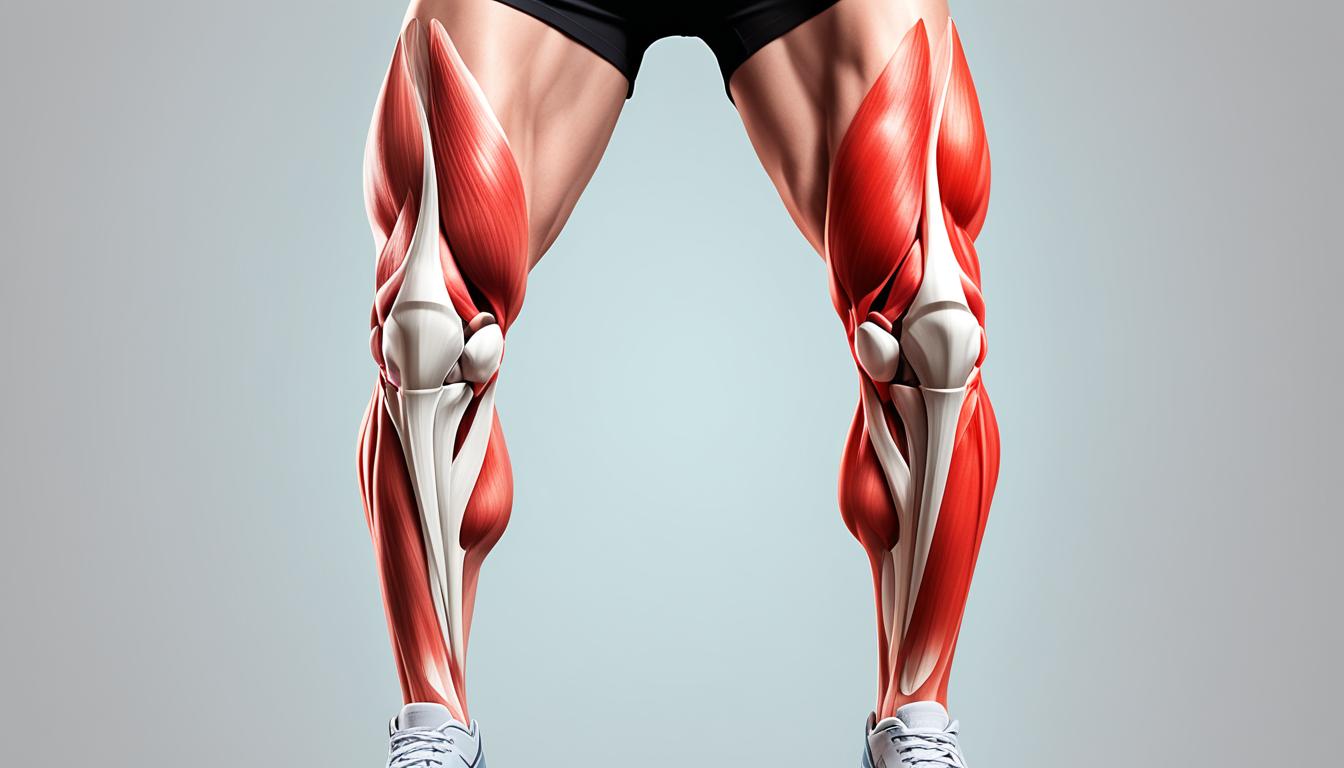
Physical activity is an essential component in managing knee muscle pain. Engaging in exercises that specifically target the muscles surrounding the knee, especially the quadriceps, can provide the necessary support and stability. Incorporating activities like walking, cycling, swimming, tai chi, and yoga into your routine can be beneficial due to their low impact on the joints.
To optimize your exercise regimen and ensure proper technique, working with a physical therapist to develop a personalized program is highly recommended. They can guide you through a range of strengthening exercises and incorporate techniques to correct movement patterns, improve flexibility, and enhance balance.
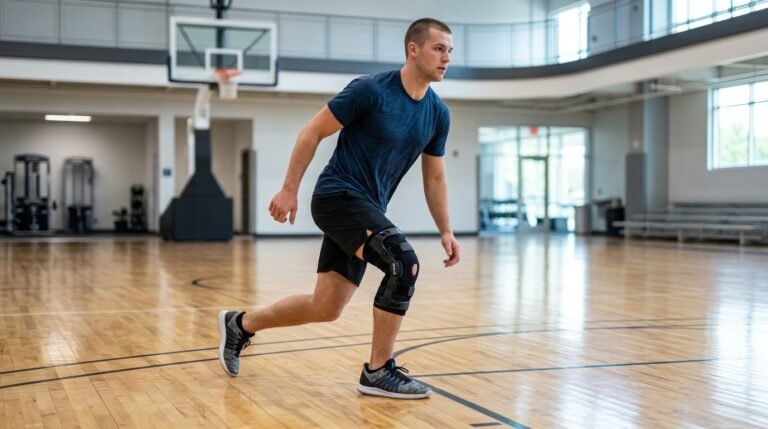
For individuals with osteoarthritis or those seeking additional support, the use of arch supports and braces can effectively redistribute pressure on the knee joint. These devices can help alleviate discomfort and enhance overall functionality.
Additionally, walking aids such as crutches or canes can provide much-needed stability and assist in reducing stress on the knee during everyday activities.
Example Exercise Routine for Knee Muscle Strengthening:
- Quadriceps Sets: While sitting or lying down, tighten the muscles at the front of your thigh and hold for a count of 10. Repeat for 10 to 15 reps.
- Hamstring Curls: Stand upright and bend your knee as much as possible while keeping your thigh perpendicular to the ground. Repeat for 10 to 15 reps on each leg.
- Step-Ups: Stand in front of a step or elevated platform and step up with one foot, then step down. Repeat for 10 to 15 reps on each leg.
- Squats: Stand with your feet hip-width apart and slowly lower your body into a sitting position while keeping your knees aligned with your feet. Return to the starting position and repeat for 10 to 15 reps.
Remember to start slowly and gradually increase the intensity and duration of your exercises. If you experience any pain or discomfort during your routine, it’s important to consult with your healthcare professional for further guidance.
| Exercise | Description |
|---|---|
| Quadriceps Sets | Tighten the muscles at the front of your thigh and hold for a count of 10. Repeat for 10 to 15 reps. |
| Hamstring Curls | Stand upright and bend your knee as much as possible while keeping your thigh perpendicular to the ground. Repeat for 10 to 15 reps on each leg. |
| Step-Ups | Stand in front of a step or elevated platform and step up with one foot, then step down. Repeat for 10 to 15 reps on each leg. |
| Squats | Stand with your feet hip-width apart and slowly lower your body into a sitting position while keeping your knees aligned with your feet. Return to the starting position and repeat for 10 to 15 reps. |
Home Remedies and Self-Care for Knee Muscle Pain
In addition to medical treatments and exercises, there are several home remedies and self-care practices that can help alleviate knee muscle pain. Resting and avoiding activities that exacerbate the pain can give the muscles time to heal. Applying ice packs or cold compresses to the affected area can reduce inflammation and numb the pain, while heat therapy can provide temporary relief and promote relaxation.
Using compression bandages can help stabilize the knee and prevent fluid buildup. Elevating the leg and propping it on pillows can also reduce swelling. Over-the-counter pain medications like ibuprofen or creams containing lidocaine or capsaicin can provide additional relief. Maintaining a healthy weight through diet and lifestyle modifications is crucial for reducing stress on the knee joints.
It’s important to note that these home remedies and self-care practices are intended to provide temporary relief and should not replace medical advice or treatment. Consulting with a healthcare professional is recommended for proper diagnosis and guidance on managing knee muscle pain.
| Home Remedies and Self-Care | Benefits |
|---|---|
| Resting and avoiding activities that exacerbate the pain | Gives the muscles time to heal |
| Applying ice packs or cold compresses | Reduces inflammation and numbs the pain |
| Heat therapy | Provides temporary relief and promotes relaxation |
| Using compression bandages | Stabilizes the knee and prevents fluid buildup |
| Elevating the leg and propping it on pillows | Reduces swelling |
| Over-the-counter pain medications | Provides additional relief |
| Maintaining a healthy weight | Reduces stress on the knee joints |

Alternative Treatments for Knee Muscle Pain
At times, traditional methods may not provide complete relief for knee muscle pain. In such cases, alternative treatments can be considered as effective complements. These treatments aim to alleviate pain, reduce inflammation, and promote overall well-being. Let’s explore a few alternative approaches that may help in managing knee muscle pain.
Acupuncture
Acupuncture, a traditional Chinese practice, involves the strategic insertion of fine needles at specific points on the body. As studies have shown, acupuncture can provide pain relief for knee pain caused by osteoarthritis. The insertion of needles stimulates the nervous system, promoting the release of endorphins and aiding in pain management. Acupuncture sessions are typically conducted by licensed practitioners who carefully consider each individual’s unique needs.
Aromatherapy
Aromatherapy, the use of essential oils derived from plants, may also offer relief from knee muscle pain. Certain essential oils, such as ginger and orange or cinnamon and sesame oil, have natural anti-inflammatory properties and can help reduce pain and inflammation. Aromatherapy can be practiced through various methods, including inhalation, massage, or adding essential oils to warm baths. It is important to use high-quality oils and consult with a trained aromatherapist to ensure safe and effective use.
CBD Oil
CBD oil, derived from cannabis plants, is gaining recognition for its potential analgesic properties in managing various types of pain, including knee pain. CBD interacts with the endocannabinoid system in the body, which plays a crucial role in regulating pain perception. Research suggests that CBD may help reduce inflammation and alleviate chronic pain. However, it is important to consult with a healthcare professional before incorporating CBD oil into your pain management routine to ensure proper guidance and dosage.
It’s worth mentioning that while alternative treatments can be beneficial for knee muscle pain relief, they should not replace medical advice or the guidance of healthcare professionals. Consulting with a healthcare provider trained in alternative therapies can help determine the most suitable approach for individual needs and ensure safe and effective treatment.
It’s important to consult with a healthcare professional before trying any alternative treatments to ensure safety and efficacy.
Now that we have explored alternative treatments, in the next section, we will discuss various home remedies and self-care practices that can help alleviate knee muscle pain.
Conclusion
Knee muscle pain can significantly impact daily life, but there are various treatments and strategies available to provide relief. It is crucial to consult with a healthcare professional for proper diagnosis and to create an individualized treatment plan based on the underlying cause.
Exercise, physical therapy, and strengthening techniques play a vital role in improving knee stability and reducing pain. By focusing on building strength in the muscles surrounding the knee, such as the quadriceps, individuals can enhance support and promote proper alignment.
In addition to exercise, home remedies like rest, ice, compression, and elevation offer simple yet effective ways to manage knee muscle pain. These self-care practices can help reduce inflammation, numb the pain, and provide temporary relief. It is also important to consider alternative treatments such as acupuncture and aromatherapy, which may offer additional benefits in pain management.
Lastly, making lifestyle changes can contribute to long-term relief and prevention of knee muscle pain. Maintaining a healthy weight, engaging in regular physical activity, and using supportive footwear can help reduce strain on the knee joints and promote overall joint health. By combining these approaches and working closely with healthcare professionals, individuals can effectively manage knee muscle pain, regain mobility, and improve their quality of life.
FAQ
How is knee muscle pain diagnosed?
Your doctor will likely perform a physical exam to assess the extent of the pain and may recommend imaging tests such as X-rays, CT scans, ultrasounds, or MRIs to help identify any structural issues or soft tissue injuries. Lab tests may also be conducted to check for infections or inflammation.
What are the treatment options for knee muscle pain?
Treatment for knee muscle pain will vary depending on the underlying cause. Medications like NSAIDs or corticosteroids may be prescribed for pain relief, while physical therapy, exercises, and strengthening techniques can help improve knee stability. In some cases, injections of corticosteroids, hyaluronic acid, or platelet-rich plasma may be recommended. Surgical options such as arthroscopy, partial knee replacement, total knee replacement, or osteotomy may be considered for severe or persistent cases.
How can physical activity help manage knee muscle pain?
Physical activity plays a crucial role in managing knee muscle pain. Exercises that strengthen the muscles around the knee, particularly the quadriceps, can provide support and stability. Activities such as walking, cycling, swimming, tai chi, and yoga are recommended for their low impact on the joints. Working with a physical therapist to develop a personalized exercise program is also beneficial.
Are there any home remedies for knee muscle pain?
Yes, there are several home remedies and self-care practices that can help alleviate knee muscle pain. Resting and avoiding activities that exacerbate the pain can give the muscles time to heal. Applying ice packs or cold compresses to the affected area can reduce inflammation and numb the pain, while heat therapy can provide temporary relief and promote relaxation. Using compression bandages can help stabilize the knee and prevent fluid buildup. Elevating the leg and propping it on pillows can also reduce swelling.
What are some alternative treatments for knee muscle pain?
Alternative treatments can complement traditional methods in managing knee muscle pain. Acupuncture, a traditional Chinese practice involving the insertion of fine needles at specific points on the body, has been shown to provide pain relief for knee pain caused by osteoarthritis. Aromatherapy, using essential oils such as ginger and orange or cinnamon and sesame oil, may also help reduce pain and inflammation. CBD oil, derived from cannabis plants, is gaining attention for its potential analgesic properties in managing various types of pain, including knee pain.
Source Links
- https://www.webmd.com/pain-management/knee-pain/knee-pain-dos-and-donts
- https://www.mayoclinic.org/diseases-conditions/knee-pain/diagnosis-treatment/drc-20350855
- https://www.medicalnewstoday.com/articles/311280
Related Articles

About the author: Mokhtar Sahraoui
Mokhtar Sahraoui is the founder and editor of Knee Hurt. He researches and writes practical, easy-to-understand guides on knee pain, knee injuries, arthritis and recovery, based on trusted medical sources. Knee Hurt articles are general information and are not a substitute for advice from your doctor or physical therapist.