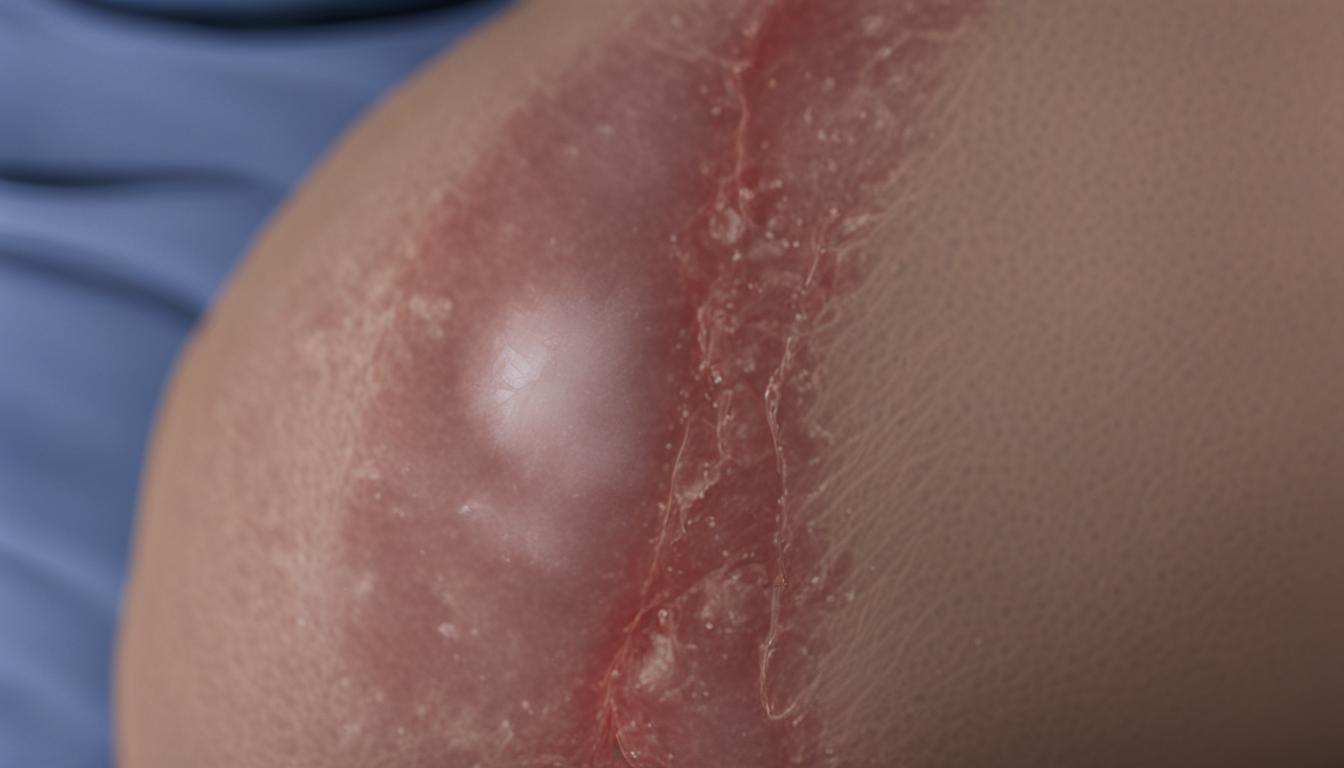
Knee Pain Culprits: What Injury is Behind It?
Did you know that knee pain affects approximately 25% of all adults at some point in their lives? That’s a staggering statistic that highlights just how prevalent this issue is. If you’ve ever experienced knee pain, you know how debilitating it can be, impacting your ability to perform daily activities and even walk comfortably.
When it comes to knee pain, there are several potential culprits behind it. From osteoarthritis and ligament injuries to tendon injuries and cartilage disorders, the causes can vary widely. It’s essential to pinpoint the specific injury or condition responsible for your knee pain in order to receive the appropriate treatment and find relief.
In this article, we will explore some common causes of pain behind the knee and discuss when it’s necessary to seek the expertise of a pain management specialist. By understanding the underlying reasons for knee pain and taking proactive steps, we can effectively manage and alleviate this common ailment.
When to See a Pain Management Specialist for Knee Pain
If you are experiencing knee pain behind the knee that has persisted for more than 90 days or has become chronic, it is essential to consult with a pain management specialist. These specialists are highly trained in evaluating and treating various types of knee pain, including those that occur behind the knee.
Pain management specialists play a crucial role in providing a comprehensive evaluation of your knee pain. They will take a detailed medical history, perform a physical examination, and may order additional diagnostic tests such as imaging studies to accurately diagnose the underlying cause of your knee pain.
Collaboration with other healthcare providers, including primary care physicians, orthopedists, rheumatologists, and physical therapists, is also common. This interdisciplinary approach ensures that you receive the most effective and personalized treatment plan.
When you visit a pain management specialist for your knee pain, here’s what you can expect:
Comprehensive Evaluation
A pain management specialist will conduct a thorough evaluation to understand the specific causes and factors contributing to your knee pain. This evaluation may involve:
- Reviewing your medical history
- Performing a physical examination of your knee
- Ordering imaging tests such as X-rays, MRI, or CT scans
- Considering other relevant diagnostic tests, if necessary
Tailored Treatment Plan
After diagnosing the cause of your knee pain, the pain management specialist will develop a personalized treatment plan that addresses your unique needs. The goal of the treatment plan is to manage pain, promote healing, restore normal function, and improve your overall quality of life.
The treatment options may include:
- Medications to alleviate pain and reduce inflammation
- Physical therapy exercises to strengthen the muscles around the knee and improve flexibility
- Lifestyle modifications such as weight management and activity modifications
- Injections to provide localized pain relief or reduce inflammation
- Nerve blocks or radiofrequency ablation for targeted pain management
- Surgical interventions, if necessary, to repair damaged structures or reconstruct the knee
It is important to note that the treatment approach will vary depending on the specific cause of your knee pain and your individual circumstances. Your pain management specialist will guide you through the treatment process and provide ongoing support and adjustments to your treatment plan as needed.

Expertise in Pain Management
Pain management specialists are highly skilled in various pain management techniques and have extensive knowledge of the latest advancements in the field. They are dedicated to helping you find relief from knee pain and improving your overall well-being.
Remember, early intervention is key when it comes to managing knee pain. By consulting with a pain management specialist, you can receive the specialized care and treatment you need to alleviate your knee pain and regain your mobility.
Common Causes of Pain behind the Knee
Pain behind the knee can be attributed to various factors, including cartilage deterioration, injuries, and medical conditions. It is important to understand the underlying causes in order to effectively address and treat the pain. Some of the common causes of pain behind the knee are:
- Osteoarthritis: This degenerative joint disease can cause the cartilage in the knee to wear down over time, leading to pain and discomfort.
- Rheumatoid arthritis: An autoimmune disease that causes inflammation in the joints, including the knee, resulting in pain and stiffness.
- Ligament injuries: Tears or strains in the ligaments, such as the anterior cruciate ligament (ACL) or posterior cruciate ligament (PCL), can cause pain and instability in the knee.
- Tendon injuries: Injuries to the tendons, such as patellar tendinitis, can cause pain behind the knee.
- Cartilage injuries and disorders: Conditions like a torn meniscus or patellar dislocation can lead to pain behind the knee.
- Bursitis: Inflammation of the bursae, small fluid-filled sacs that cushion the knee joint, can cause pain behind the knee.
- Plica irritation: The plica is a fold in the knee lining that can become irritated and cause pain in the back of the knee.
- Knee contusions: A direct blow or impact to the knee can result in a contusion, causing pain and swelling behind the knee.
Proper diagnosis of the specific cause of pain behind the knee is essential to determine the most effective treatment approach. Consultation with a pain management specialist or healthcare professional can help identify the underlying cause and develop an appropriate treatment plan.
Conclusion
Knee pain behind the knee can be a debilitating condition caused by a range of factors, including injuries and underlying medical conditions. Finding the right diagnosis and receiving appropriate treatment is essential for effectively managing and relieving knee pain. We understand the impact that knee pain can have on daily life and overall well-being.
Pain management specialists play a crucial role in evaluating and treating knee pain. By utilizing a comprehensive approach, they can develop tailored treatment plans that may include a combination of conservative measures and more invasive interventions, depending on the individual’s needs.
For individuals experiencing pain behind the knee, seeking proper medical attention is key. By addressing the underlying causes and following the recommended treatment plan, relief is possible. Whether it involves physical therapy, medication, lifestyle modifications, injections, or, in some cases, surgery, the goal is to improve the overall quality of life and restore mobility.
If you or someone you know is dealing with knee pain behind the knee, don’t hesitate to consult with a pain management specialist. Take control of your health and find the relief you deserve.
FAQ
What are the common causes of knee pain?
Common causes of knee pain include osteoarthritis, rheumatoid arthritis, ligament and tendon injuries, cartilage injuries and disorders, and broken kneecaps.
When should I see a pain management specialist for knee pain?
If your acute knee pain becomes chronic or persists for more than 90 days, it is recommended to consult with a pain management specialist.
What can a pain management specialist do for knee pain?
Pain management specialists can provide a comprehensive evaluation, develop a treatment plan, and work with other healthcare providers to determine the cause of knee pain and recommend appropriate treatments.
What are the common causes of pain behind the knee?
Pain behind the knee can be caused by factors such as cartilage deterioration, injuries (ligament, tendon, or cartilage), and medical conditions like osteoarthritis, rheumatoid arthritis, bursitis, plica irritation, and knee contusions.
Source Links
- https://www.asahq.org/madeforthismoment/pain-management/types-of-pain/knee-pain/
- https://www.healthline.com/health/inner-knee-pain
- https://www.advancedspinecareny.com/blog/little-known-causes-of-knee-pain