IMG 20230830 WA0029
| |

My Personal Journey to Osteoporosis Care and Awareness in Underserved Communities – Bone Talk

IMG 20230830 WA0029

My personal journey to osteoporosis care and awareness in underserved communities
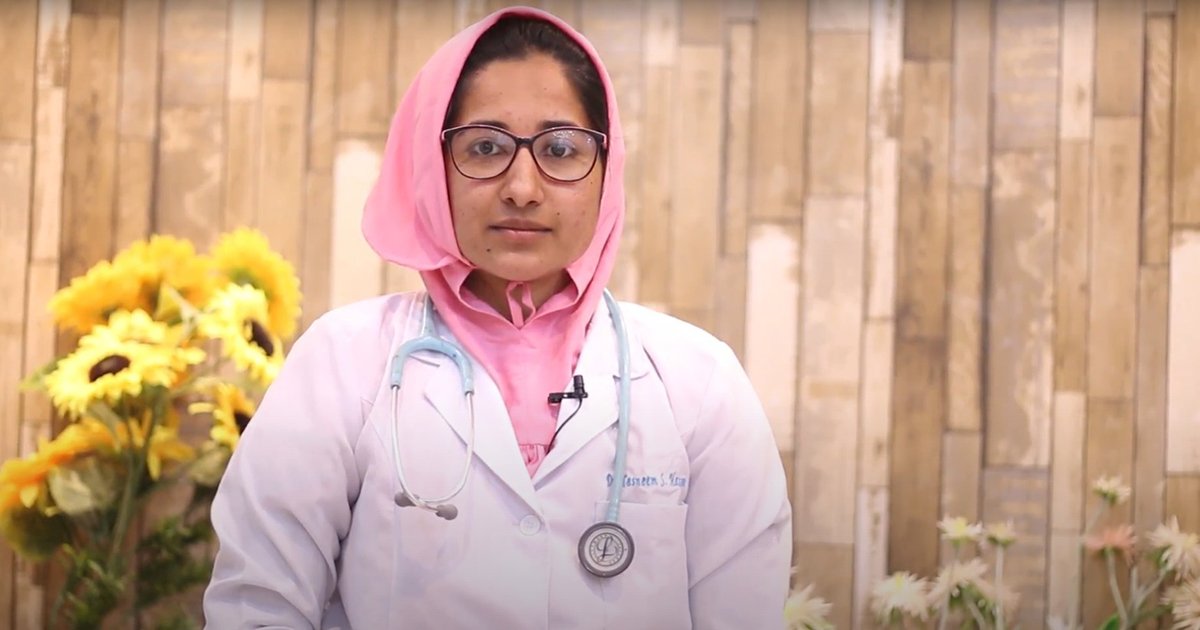
By Dr. Tasneem Hassan

My name is Dr. Tasneem Hassan and I work as a general practitioner in Nairobi, Kenya. After graduating in 2019, I started working in a public hospital in Nairobi.

Later I started working at Rayhaan Healthcare, where I met Dr. Mustafa Bhaiji, a consultant radiologist with a special interest in osteoporosis. I also learned about the DXA technology, which further sparked my interest in osteoporosis. As I learned more about my family’s history and observed many people with poor bone mass, I started to pay more attention to it.

This is the story of my grandmother, who fell a few years ago and broke her hip, needing hip replacement surgery and leaving her bedridden for a while. All these difficulties contributed to her death. For starters, we know she had low bone mass, but the lack of a bone DXA scan in Mombasa, Kenya delayed early diagnosis and treatment. She also had dementia and her recovery was difficult. In addition, there is a lack of awareness in our system about osteopenia and osteoporosis, which hinders early diagnosis and prevention. If our thinking about osteoporosis had advanced significantly earlier at the time, she might not have died from the comorbidities associated with the fracture.

Another interaction I had was with my mother, who had already suffered a fracture. She is currently going through menopause and a few months ago she broke her foot as a result of a fall. This could be a stress fracture. But given her age and menopause, higher risk of falls, and history of two fractures, I wouldn’t be shocked if she has poor bone mass, and thus osteopenia. Individualizing care is simple; we do it all the time. We shouldn’t allow people to walk around with untreated osteoporosis because they will eventually stop walking. It’s no longer the 1900s.

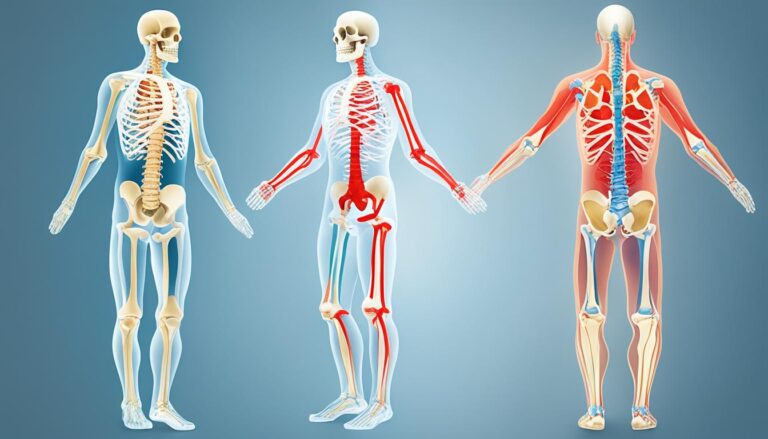
Osteoporosis is a disease that roughly causes 8.9 million fractures per yearculminating in one osteoporosis fracture every 3 seconds. One in three women and one in five men those aged 50 and over will experience an osteoporotic fracture. Osteoporosis causes bones to become weak and brittle, causing them to break easily even after a minor fall, bump, sneeze, or quick movement. I have seen people who have fractures that damage them not only physically, but emotionally as well. It reduces their overall quality of life, sometimes resulting in despair and isolation as people reduce social connection or are no longer able to do the activities they used to do. The prolonged loss of freedom and freedom of movement has caused physical, emotional and financial hardship to patients as well as their relatives and friends.

80% of it who have had at least one osteoporotic fracture are not diagnosed or treated for osteoporosis.

As a GP, I tried to read as much as I could after recovering from my pity party, which I felt was tragically avoidable. Over the past few weeks I have been focusing on a study of the prevalence of osteoporosis in our organization, particularly as it relates to ethnicity, age, menopause and risk factors.

Many women experience decreased bone mass after menopause and aging. I am very interested in following up on this group of patients and referring them to the best available care. We also conduct research based on the few DXA scans we have completed to help future generations.

It is also overlooked as a health problem in Africa for several reasons, including:

Overburdened by communicable diseases such as tuberculosis (TB) and human immunodeficiency virus (HIV).

Not long ago there was a widespread belief that osteoporosis and resulting fragility fractures were uncommon among black Africans, but this is no longer the case.

We have come across many people of all races affected by osteopenia. However, the problem remains that there is no African research. This brings the FRAX scoring guideline into conflict because it does not take African race into account.

In our region, healthcare professionals also lack insights about osteoporosis.

Despite advances in scientific research and available therapies and diagnostic techniques, osteoporosis remains a global health problem with potentially disastrous consequences for patients and enormous costs to healthcare systems.

In this context, we can probably all agree that we need to improve osteoporosis treatment and raise awareness in underserved communities.

My goal is for more physicians to be informed about this topic and for this disease to be prioritized alongside other chronic conditions.

This story is part of a support initiative called Voices of Osteoporosis: Stories of Hope and Inspiration. If you have experienced osteoporosis as a patient or caregiver, we invite you to share your story. Your story can inspire others to learn how to protect their ability to live their best life and stay strong. click here learn more.

Source link

Similar Posts

  • |

    Knee Replacement Exercises to Avoid Post-Surgery

    After undergoing knee replacement surgery, it is crucial to carefully consider the exercises and movements you engage in during your recovery. Certain activities can put unnecessary strain on your new knee joint and hinder the healing process. To ensure a safe and successful recovery, it is important to know which exercises to avoid and which…

  • Top Rated Copper Infused Knee Sleeves for Chronic Joint Stiffness (2026 Buyer’s Guide)

    Did you know that a controlled study found no significant difference in pain relief between copper-infused knee sleeves and standard compression sleeves when the compression level was the same? This highlights why choosing the right knee support matters more than marketing claims when your knee hurt becomes a daily issue. Key Takeaways Question Answer Do…

  • Impact of different triathlon races on the systemic cytokine profile and metabolic parameters in healthy individuals: a systematic review | BMC Sports sciences, medicine and rehabilitation

      In the current systematic review, we aimed to evaluate the impact of different triathlon events on the profile of cytokines (pro- and anti-inflammatory) and metabolic markers in triathletes. First, we verified the increase in pro-inflammatory cytokines including IL-1, IL-2, IL-6, IL-8, IL-12p40, INF-γ, MCP-1, TNF-α in PBMC, serum and plasma levels after different triathlon…

  • |

    YKL-40 serum levels are predicted by inflammatory state, age, and diagnosis of idiopathic inflammatory myopathies

      In this study, YKL-40 serum levels are influenced by factors such as age, inflammation and diagnosis of autoimmune diseases (RA/MII)3. Currently, due to its participation in tissue remodeling and degradation, attempts have been made to use it as a biomarker in pro-inflammatory states and as an indicator of poor prognosis in inflammatory diseases.6.7. However,…

  • |

    Knee replacement complications

    What if the key to a successful recovery isn’t just about the surgery itself, but what you know beforehand? Every year, over 790,000 people in the United States choose this medical procedure to regain their mobility. It’s a major step toward a life with less pain. knee replacement complications We recognize that while this operation is common, understanding what can happen after is vital. This knowledge transforms a patient from a passive recipient into an active partner in their own care. Our goal is to provide clear, empowering information about the possible risks. This helps you approach your healing journey with eyes wide open and confidence high. Modern advancements have made this intervention safer and more effective than ever. Still, being informed allows you to spot any warning signs early and seek help promptly. This guide is your comprehensive resource. We aim to support you in taking charge of your long-term joint health and overall well-being. Key Takeaways Over three-quarters of a million knee replacement surgeries are performed annually in the U.S. Being informed about potential issues is a crucial part of patient preparation and empowerment. Knowledge of risks helps in early identification of any post-operative warning signs. Modern surgical techniques and care have significantly improved the safety profile of this procedure. An active understanding of your care plan contributes greatly to a successful long-term outcome. This information is designed to build confidence as you move forward with your medical decision. Understanding Knee Replacement Surgery Before diving into the details, let’s build a clear picture of what this surgical process entails. Over 790,000 of these operations happen each year in the United States alone. understanding knee replacement surgery What Is a Knee Replacement? This common operation replaces all three compartments of a damaged joint. Surgeons remove worn bone and cartilage. They then fit precise metal and plastic implants. This creates a new, smooth gliding surface. Aspect Detail Primary Goal Relieve chronic pain and restore joint function Artificial Components Metal and medical-grade plastic Typical Anesthesia General or spinal Average Hospital Stay 1 to 3 days Initial Recovery Period 6 to 12 weeks The Overall Procedure and Its Benefits This intervention is designed to help people regain independence. Most patients report a major improvement in their quality of life. The main benefit is lasting relief from persistent pain. Many return to daily activities and hobbies they love. Understanding the mechanics helps set realistic expectations for recovery and long-term performance. Key Knee Replacement Complications Statistics offer great comfort, but a complete picture includes understanding what could go wrong, even if it’s unlikely. Research confirms a very high success rate for this operation. Over 95% of people recover without any major issues. This statistic highlights the overall safety of the procedure. key knee replacement complications Overview of Common Risks Every medical intervention carries some inherent risks. These can include infection, blood clots, or stiffness. Your surgical team is trained to both prevent and manage these known challenges. They are a standard part of the pre-operative discussion. Why Awareness Matters We believe knowledge is power. Understanding potential warning signs allows you to partner with your care team. You can seek help promptly if something doesn’t feel right. This proactive approach helps prevent minor concerns from becoming serious problems. It’s crucial to discuss your personal health history with your doctor. This conversation helps assess your individual risk profile before surgery….

One Comment

Leave a Reply

Your email address will not be published. Required fields are marked *