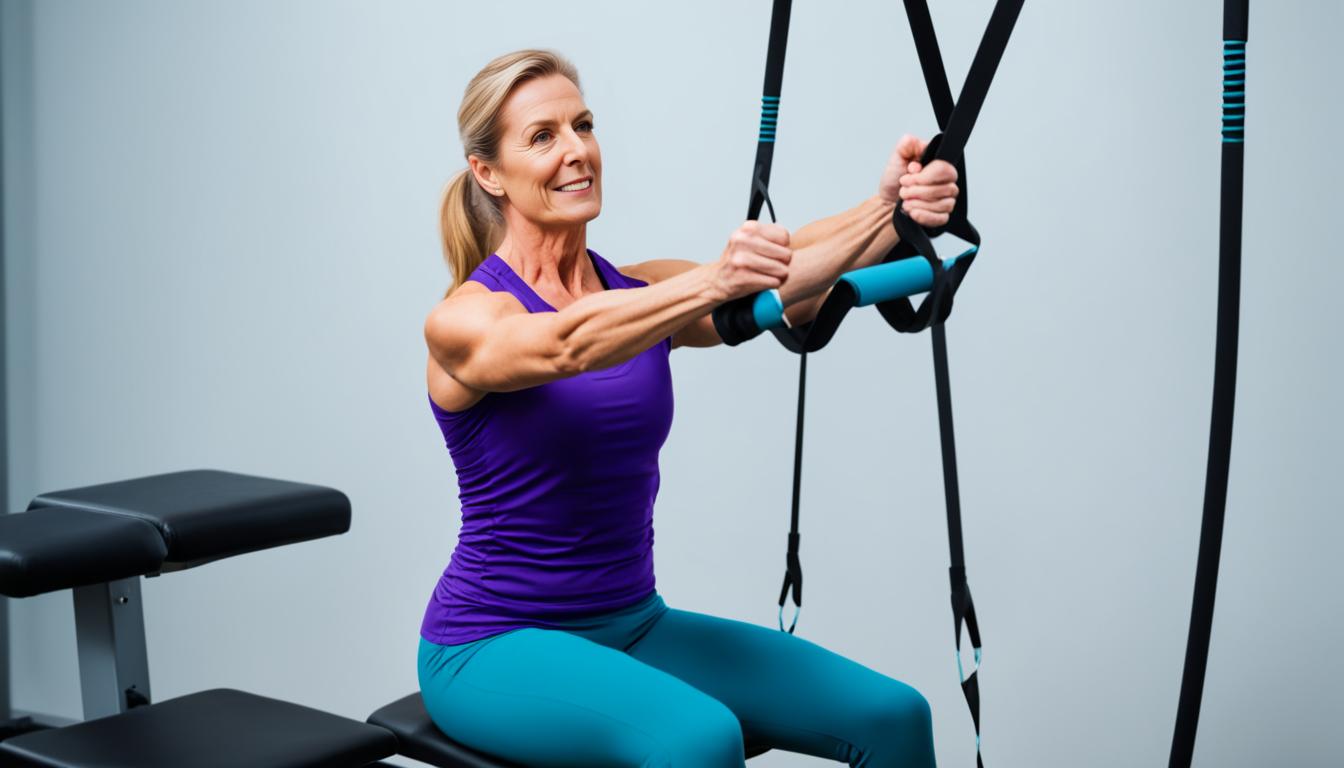
knee injury what exercise can i do

Safe Exercises for Knee Injury Recovery

Did you know that knee injuries are one of the most common sports-related injuries, affecting millions of people each year?

Whether you’ve suffered a strain, sprain, or more serious damage to the knee, proper exercise is crucial for a successful recovery. In this article, we will guide you through a series of safe and effective exercises specifically designed to help you rehabilitate your knee and regain your strength.

Range of Motion Exercises for Knee Injury Recovery

Range of motion exercises are crucial in the recovery process for knee injuries. These exercises focus on restoring flexibility and mobility in the knee joint, helping to improve overall function and reduce pain.

Here are some effective range of motion exercises that can aid in knee injury recovery:

  1. Wall slides: Stand with your back against a wall and slowly slide down into a squatting position. Hold for a few seconds, then push yourself back up. Repeat this movement several times.
  2. Passive knee flexion and extension: Sit on a chair with your feet flat on the ground. Using your hands, gently bend and straighten your knee, aiming to increase the range of motion with each repetition.
  3. Prone leg hang: Lie on your stomach on a bed or raised surface, allowing your injured leg to hang off the edge. Relax your leg and let it naturally extend towards the ground, gently stretching the knee joint.

It is important to perform these exercises slowly and with proper form, as rushing through the movements may lead to further injury. Start with gentle movements and gradually increase the intensity and range of motion as your knee becomes stronger and more flexible.

Remember to listen to your body and avoid any exercises that cause pain or discomfort. If you have any concerns or questions, consult with your doctor or physical therapist for personalized guidance during your knee injury recovery journey.

knee injury recovery exercises

Adding resistance to these exercises can further enhance their effectiveness. Consider using exercise straps or weights to increase the challenge and promote muscle strength and stability.

By incorporating range of motion exercises into your knee injury recovery regimen, you can improve flexibility, reduce pain, and enhance overall knee function. Remember to consult with a healthcare professional for personalized advice and guidance throughout your recovery process.

Strengthening Exercises for Knee Injury Recovery

Strengthening the muscles that support the knee is crucial for reducing stress on the knee joint and promoting stability. By incorporating targeted knee strengthening exercises into your rehabilitation routine, you can enhance the healing process and prevent future injuries. Here are some effective exercises to help you strengthen your quadriceps, hamstrings, and calf muscles:

Quad Sets

Quad sets are simple exercises that target the quadriceps muscles. Start by sitting on the floor or a flat surface with your legs extended in front of you. Contract your thigh muscle by pushing the back of your knee down into the floor. Hold the contraction for about 5 seconds, then release. Repeat this exercise for 10-15 repetitions, gradually increasing the duration of each contraction.

Straight Leg Raises

Straight leg raises specifically target the quadriceps muscles and can be performed in different variations. Lie on your back with one leg straight and the other bent. Lift the straight leg off the ground, making sure to keep it in line with your bent knee. Hold for a few seconds, then slowly lower the leg back down. Aim for 10-15 repetitions on each leg, gradually increasing the number of sets.

Calf Raises

Calf raises are effective for strengthening the calf muscles, which play a key role in knee stability. Stand with your feet shoulder-width apart, then rise up onto your toes, lifting your heels off the ground. Hold the position for a few seconds, then lower your heels back down. Repeat this exercise for 10-15 repetitions, gradually increasing the number of sets.

Hamstring Curls

Hamstring curls target the muscles at the back of the thigh and are important for overall knee stability. You can perform this exercise using resistance bands, a leg curl machine, or even just your body weight. Start by lying face down on a flat surface with your legs extended. Bend your knees, bringing your heels towards your glutes, then slowly lower them back down. Aim for 10-15 repetitions, gradually increasing the difficulty as you progress.

The key to successful knee rehabilitation is performing these exercises regularly and with proper form. Start with lighter weights or resistance and gradually increase the intensity as your muscles become stronger. If you are new to these exercises or have any concerns, it is always best to consult with a healthcare professional or a physical therapist who can guide you through the process. Remember to listen to your body and only perform exercises that are comfortable and pain-free.

By including these knee strengthening exercises in your rehabilitation routine, you can speed up your recovery, improve joint stability, and reduce the risk of future knee injuries.

Exercise Description
Quad Sets Sit with legs extended. Contract thigh muscle by pushing the back of your knee down. Hold for 5 seconds.
Straight Leg Raises Lie on your back. Lift one straight leg off the ground, keeping it in line with the bent knee. Hold for a few seconds.
Calf Raises Stand with feet shoulder-width apart. Rise up onto your toes, lifting the heels off the ground. Hold for a few seconds.
Hamstring Curls Lie face down. Bend the knees, bringing the heels towards the glutes. Slowly lower the legs back down.

Rehabilitation and Prevention of Future Knee Injuries

Once the initial injury has healed, it is crucial to continue exercising to prevent future knee injuries. Incorporating knee injury recovery exercises into your regular workout routine is essential for maintaining strength, stability, and overall joint health.

Focus on performing single-leg exercises to ensure balanced strength and stability in both knees. This includes exercises such as single-leg squats, lunges, and step-ups. These exercises not only target the muscles around the knees but also improve balance and coordination.

In addition to targeted knee exercises, engaging in safe but strenuous activities can help maintain overall fitness without putting excessive stress on the knee joint. Activities such as walking, swimming, and cycling are low-impact options that provide cardiovascular benefits without compromising the knees. Remember to listen to your body and consult with a healthcare professional before starting any new exercise program.

It is important to take precautions and avoid high-impact activities that could potentially strain the knees. These may include jumping, running on hard surfaces, or participating in contact sports. By being mindful of your activities and following a knee injury exercise guide, you can protect your knees and minimize the risk of future injuries.

FAQ

What are some safe exercises for knee injury recovery?

Safe exercises for knee injury recovery include range of motion exercises, strengthening exercises, and functional exercises. These exercises should be performed under the supervision of a doctor or physical therapist to ensure safety and effectiveness.

What are some range of motion exercises for knee injury recovery?

Range of motion exercises for knee injury recovery include wall slides, passive knee flexion and extension, and prone leg hangs. These exercises help restore flexibility and mobility in the knee joint. It is important to perform these exercises slowly and with proper form.

What are some strengthening exercises for knee injury recovery?

Strengthening exercises for knee injury recovery include quad sets, straight leg raises, calf raises, and hamstring curls. These exercises target the muscles that support the knee, such as the quadriceps, hamstrings, and calf muscles. It is important to start with light weights or resistance and gradually increase as tolerated.

How can I prevent future knee injuries during rehabilitation?

To prevent future knee injuries during rehabilitation, it is important to continue exercising. This includes incorporating strengthening exercises into your workout routine and focusing on single-leg exercises to ensure balanced strength and stability. Engaging in safe but strenuous activities such as walking, swimming, and cycling can also help maintain overall fitness without putting excessive stress on the knee joint.

Source Links


Similar Posts

  • |

    Menopause and sleep disorders – better bones

    Most of us know from experience that tossing and turning at night means you’ll feel bad the next day. And many of us understand that there are long-term health consequences when we get too little sleep. But recently I discovered something new from a fascinating study into sleep and its effect on how quickly women’s…

  • Relieve Knee Pain Without Medicine: Natural Tips

    If you’re experiencing knee pain, you don’t always have to rely on medication for relief. There are several natural remedies and alternative treatments that can help alleviate knee pain and improve your quality of life. One of the first steps you can take to relieve knee pain is to practice the RICE method. Rest, ice,…

  • |

    Driving after knee surgery

    What’s the one thing nearly 1.5 million Americans who had a procedure in 2022 desperately want to know? For most, it’s about reclaiming their independence and getting back to their normal routine. We recognize that a total joint replacement is a major event. It significantly impacts your daily mobility and overall sense of freedom. It’s completely natural to look forward to resuming all your regular activities once the operation is complete. driving after knee surgery Our goal is to equip you with clear, reliable information to navigate your healing journey safely. Understanding your personal recovery timeline is not just about convenience—it’s crucial for ensuring the safety of everyone on the road. We will explore the critical physical and mental factors that determine true readiness. This knowledge helps you make informed decisions alongside your medical team. Key Takeaways Regaining the ability to operate a vehicle is a common and important milestone after a major orthopedic procedure. Safety for yourself and others is the paramount concern when considering a return to this activity. Your specific recovery timeline is unique and depends on multiple factors, including which leg was operated on. Medication use, muscle strength, and pain levels are all critical indicators of your readiness. Consulting with your surgeon for a personalized assessment is an essential step before you resume. Being patient with your body during the healing process leads to better long-term outcomes. Planning for assistance with transportation in the initial weeks post-procedure is highly recommended. Understanding Knee Replacement and Recovery Robotically assisted surgery is revolutionizing how patients recover from joint procedures. Specialists like Dr. Jacob in Oklahoma City utilize these minimally invasive, rapid recovery techniques. Their goal is to help individuals return to their daily activities with less discomfort. What Is a Knee Replacement? A total knee replacement, or arthroplasty, is a highly successful procedure. It involves removing damaged tissue and bone from the joint. Surgeons then replace them with durable artificial components. This replacement surgery is typically performed when arthritis or injury severely limits natural mobility. The artificial joint restores smooth movement and alleviates pain. For many, it’s a life-changing operation. knee replacement surgery Overview of the Recovery Process The rehabilitation phase after a knee replacement requires patience. Patients often experience temporary weakness and a limited range of motion initially. This is a normal part of healing from the invasive surgery. Most people find this replacement surgery significantly improves their function. It allows them to eventually return to the activities they enjoy. We emphasize that a personalized recovery plan is key. Recovery Phase Primary Focus Typical Timeline Early (Weeks 1-2) Pain management, basic mobility, wound healing 1-2 weeks post-op Middle (Weeks 3-6) Building strength, improving range of motion 3-6 weeks post-op Late (Months 2-6+) Returning to normal activities, endurance building 2 months and beyond Understanding these phases helps set realistic expectations. Modern techniques aim to accelerate this recovery timeline. Working closely with your care team ensures the best outcome from your knee replacement surgery. Driving after knee surgery: Key Considerations Resuming control behind the wheel is a major milestone that hinges on two critical factors: medication management and physical rehabilitation. Your personal safety and the safety of others depend on an honest evaluation of both. pain medication and physical therapy for driving readiness We cannot overstate the importance of this dual assessment. It forms the foundation for a confident and secure return to operating a vehicle. Impact of Pain Medication on Driving Narcotic pain medication is a standard part of post-operative care. However, these drugs significantly dull mental alertness and slow reaction times. It is both illegal and dangerous to get behind the wheel while under their influence. Your ability to focus on complex traffic situations is compromised. You must be completely off such pain medication before considering any trip. Even lingering pain can be a dangerous distraction if it’s severe….

  • | |

    Shin Splints Causes, Symptoms and Physical Therapy Treatment

    Medial tibial stress syndrome is one of the most common athletic injuries, especially among those who participate in high-impact activities. However, there are other risk factors for shin splints, and not all patients who complain of the characteristic pain along the shin are athletes. MTSS is a condition that often resolves on its own. Physical…

  • |

    Sleeping after knee replacement

    What if the key to a faster recovery isn’t just what you do during the day, but how you rest at night? We understand that getting proper rest following an operation can be a major hurdle. In fact, research shows about half of all patients report significant discomfort when trying to find a comfortable position. sleeping after knee replacement This cycle of fatigue and increased sensitivity can slow down your progress. That’s why quality rest is not a luxury—it’s a critical part of the healing process, as emphasized by Christynne Helfrich, PT, DPT at Hinge Health. Our guide is designed to break this cycle. We provide expert-backed strategies for managing discomfort and improving your overall rest quality. This includes proven positions and techniques for the crucial first weeks. By addressing the root causes of post-operative disturbances, we aim to help you achieve the restorative rest your body needs. For a comprehensive plan, explore our detailed resource on how to sleep after knee replacement. Key Takeaways Quality rest is a powerful, non-negotiable part of the healing journey after surgery. Many individuals experience increased pain at night or struggle to find a comfortable sleep position. Targeted exercises and proper sleep hygiene can significantly improve your comfort and rest quality. Effective pain management, including techniques like icing, is crucial for uninterrupted sleep. Guidance from your physical therapist and surgical team is essential for a safe and effective recovery. Patience and consistency with your nightly routine are key to long-term success. Understanding Knee Replacement Recovery Your body begins a detailed repair process immediately after joint surgery. A nerve block often provides comfort for the first 18 to 30 hours post-procedure. This offers a valuable window before typical sensations begin. knee replacement recovery Post-Surgery Healing and Body Changes Significant changes occur as you heal from this operation. Natural inflammation and swelling around the new joint are common. Your system is working hard to integrate the artificial components. We note that many individuals report increased difficulty starting around day four. Challenges can persist for up to ten weeks in some cases. Discomfort may also travel to areas like the shin or hip at night. This is a normal part of the adjustment process. Your body is adapting to its new mechanics. How Sleep Supports Recovery Quality rest is vital for repair. Your body focuses on mending the joint and surrounding muscle tissue during deep rest. This is when the most intensive healing occurs. As healing progresses, your sleep quality should gradually improve. Research shows most people see significant progress by the three-month mark. The first month is often the most difficult. We encourage you to stay active during the day. Gentle movement promotes blood flow and prevents stiffness. This daily activity supports better rest at night. Understanding that your body is working hard post-operatively helps manage expectations. Consistency with your routine is key for long-term success. Common Sleep Challenges After Knee Replacement The quiet of the night often amplifies the physical sensations that accompany post-operative healing. We see that nearly half of all individuals report severe disturbances during this critical time. This makes addressing these hurdles a top priority. common sleep challenges after knee replacement Nighttime Pain and Discomfort Without daytime distractions, you may become more aware of persistent sensations. This heightened awareness can make falling asleep difficult. Anxiety about your new joint is also common. Worrying about movement can further disrupt your rest cycles. Dealing with Swelling and Stiffness Inflammation is a natural response to an operation. It often increases when you are lying down for extended periods. Limited mobility prevents natural position shifts. This lack of movement allows stiffness to set in by morning. Challenge Primary Cause Typical Effect Nighttime Pain Increased sensory awareness Difficulty initiating sleep Swelling Post-surgery inflammation Discomfort in bed Joint Stiffness Immobility during rest…

2 Comments

Leave a Reply

Your email address will not be published. Required fields are marked *