Author: Mokhtar

  • Brain biometrics helps identify sports concussions

    Brain biometrics helps identify sports concussions

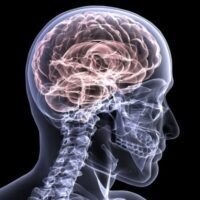
    New brain biometrics could help determine whether an athlete is ready to return to play after a concussion, according to new research from the University of South Australia.

    Conducted in collaboration with the University of California San Francisco (UCFC), researchers found that changes in brain micro-movements – called ‘head pulses’ – could detect the lasting effects of a concussion.

    Using a custom-designed headset* to evaluate head pulse biometry among 101 amateur male and female Australian Rules Football players in South Australia, researchers identified brain abnormalities in 81% of concussed players, indicating persistent injury that lasts longer than the expected recovery times.

    These head pulse changes lasted 14 days after concussion symptoms and were exacerbated by return to play or unsupervised physical activity.

    UniSA professor of kinesiology Kevin Norton says headpulse measures could complement current return-to-play protocols.

    “Traumatic brain injuries affect more than 60 million people every year, a third of which are sports-related,” says Prof. Norton.

    “While we know that the Australian sporting sector takes concussion seriously – through informed return-to-play protocols – we also know that objective measures of concussion recovery have not been fully established.

    “In this study, we used head pulses – a normal measure of brain ‘wobble’, matched to each heartbeat – to assess any changes in frequency due to concussion.

    “We found that almost all players who suffered a concussion had a ‘disconnect’ between their symptoms and the head pulse, so that even when the players said they felt fine, the head pulse still showed signs of brain injury.”

    While most players felt like they had recovered 10 to 14 days after their injury, the study showed that some players took as long as four weeks to recover and return to normal head pulse patterns.

    Concussion recovery protocols in Australian Football require 24 to 48 hours of strict physical and cognitive rest, followed by graded individual training and then team training, provided there is no worsening of symptoms; the earliest permitted return to play upon completion of protocol and medical clearance is 12 days post-concussion.

    The Australian Senate Committee Report Concussion and repetitive head trauma in contact sports Published this month, it recommends that national sporting associations should explore further rule changes for sport to prevent and reduce the impact of concussions and repetitive head trauma.

    This research adds to the growing body of knowledge underlying concussion protocols.

    Comments

    • *The headset is patented by UCSF and licensed by medical technology company MindRhythm.
    • Data on sports-related concussions and repetitive head trauma are under-reported in Australia, but the latest AIHW data shows that 2305 sports-related concussions occurred between 2019 and 2020. Men suffered 70% of concussions and over a third of people hospitalized were young athletes aged 15 to 24.
    • About 730 of the concussions occurred while playing some form of football; and approximately 440 occurred while cycling

    Source link

  • Schedule November 2023 — Bone Talk

    Schedule November 2023 — Bone Talk

    shutterstock 2243391995 3

    Bone Buddies Virtual Support Group: November 2023 schedule

    Join the Bone Buddies Online Virtual Support Group this November! Weekly sessions cover topics ranging from diet, exercise, treatment and more!

    • Saturday, November 4: Practice session at 10am CT; October Healthy Eating Review at 11am CT

    • Wednesday, November 8 at 5:30 PM CT: Practice session

    • Saturday, November 11 at 10am CT: Presentation on Prolia by Mike Lavacot

    • Thursday, November 16 at 2:00 PM CT: Healthy Eating Q&A with Summer Lamons RD LD

    • Saturday, November 18: Practice session at 10am CT; Review of the Prolia presentation at 11am CT

    • Saturday, November 25: Practice session at 10am CT; Open Forum/Best Practices at 11am CT

    If you would like to join one of the sessions, please email Elaine Henderson at eshenderson214@gmail.com for the Zoom links. Feel free to share the meeting information with others who may be interested in attending!

    About Bone Buddies

    The Bone Buddies virtual online support group is open to everyone and typically meets on the second Saturday of every month at 10 a.m. Central Time on Zoom. On weeks when there is no support group meeting, the group usually meets on Zoom on all other Saturdays at 10 a.m. Central Time for free practice sessions.

    A discussion about healthy eating also takes place every third Thursday at 2:00 PM Central Time on Zoom. You can submit questions to a registered dietitian. She will then receive an overview of the questions. She will also answer your questions if you attend the meeting.

    Group meetings are a fun, relaxing way to learn new information about bone health and managing osteoporosis. It can also be a great way to meet others dealing with low bone density.

    Send an email to Elaine Henderson at eshenderson214@gmail.com for the Zoom links. Feel free to share the meeting information with others who may be interested in attending!

    Source link

  • How are corticosteroids administered?  – Bone and joint specialists

    How are corticosteroids administered? – Bone and joint specialists

    Doctor injects corticosteroids into a young girl in a painful elbow joint Do you suffer from joint pain? Corticosteroids may be helpful if you have joint pain. These medications reduce inflammation in the body and come in different forms. You can take them orally, nasally, topically or by injection. Specifically for joint pain relief, injections are the most successful approach.

    Injection administration method

    The drug is injected directly into the affected joint when administering corticosteroids by injection. This allows the medication to target the inflamed area quickly and effectively, relieving pain and inflammation. The corticosteroid injection also comes with a local anesthetic to minimize discomfort during the procedure.

    Resting after a corticosteroid injection

    After receiving a corticosteroid injection, it is essential that you avoid the joint or injected area as much as possible for a day or two. While you don’t necessarily need to rest completely, it’s a good idea to take it easy and let the corticosteroids work faster and more effectively.

    Results of corticosteroid injections

    Several months after receiving a corticosteroid injection, individuals can benefit from improved joint function and reduced pain during daily activities. Some people may experience temporary flares of pain for up to 48 hours after the corticosteroid injection. However, after that initial period, relief from pain and inflammation should be noticeable.

    Lifestyle changes to manage joint pain

    In addition to corticosteroid injections, lifestyle changes can help manage joint pain. Here are a few simple ways to treat joint pain:

    • Exercise regularly to strengthen muscles and improve flexibility
    • Maintain a healthy weight to reduce stress on the joints
    • Avoid high-impact activities that can cause joint pain
    • Use proper body mechanics to avoid strain on the joints during daily activities
    • Apply heat or cold to the affected area to reduce inflammation and pain

    Incorporating these lifestyle changes into your routine can help manage joint pain and improve your overall quality of life. Always consult your doctor before starting any new exercise or lifestyle.

    Ready to try corticosteroid injections for joint pain?

    With proper care and treatment, you can improve the health of your joints and reduce discomfort so you can stay active in your daily activities. You may benefit from corticosteroid injections if you suffer from joint pain. If this technique is right for you, discuss the risks and benefits with your doctor.

    Request a consultation with us

    Are you looking for an experienced bone and joint specialist in Indiana? Contact us today at 219-795-3360 to book a consultation. Our professionals can answer all your questions and discuss your options with you. Do not hesitate. Call now and start your journey to better health.

    Source link

  • Timeline for knee straightening or lengthening after ACL surgery

    Timeline for knee straightening or lengthening after ACL surgery

    More than 200,000 anterior cruciate ligament (ACL) surgeries are performed in the US every year.[1] The anterior cruciate ligament or ACL is one of the four major ligaments in your knee.[2] Aside from a direct blow to the knee, injuries most commonly occur in sports that involve sudden movements, such as a quick stop or changes in direction. Common sports that cause ACL injuries include but are not limited to soccer, American football, basketball and volleyball. ACL reconstruction surgery is surgery that replaces a torn ACL.[2] The torn ligament is removed and replaced with a tendon; a band of tissue that connects muscle to bone. Regaining full extension of the knee, also called range of motion of knee extension or ROM, is one of the most important goals after ACL surgery.[1] Many studies show that people can fully extend their knee and have good results after ACL surgery.[1] However, this does not mean that straightening the knee is easy. That’s why I want to help you answer some frequently asked questions about knee straightening after ACL surgery.

    When can I fully extend my knee or knee stretch again?

    The goal for full extension or straightening of the knee after ACL reconstruction surgery is usually 8-12 weeks or between months 2 and 3 after your ACL surgery. For most people, the first four weeks are focused on allowing the tendon to regrow and hypertrophy or become larger, while the next four weeks are focused on strengthening the tendon.[4]

    Timeline and possible recommended exercises

    Please use the following as a guideline and understand that this is based on research-based ACL protocols, but it may not be suitable for you if you have not had standard ACL surgery. Also check with your doctor to make sure these exercises are safe and appropriate for you. You can also learn about a general ACL recovery timeline by reading our previous blog.

    The suggested knee extension exercises below should be performed daily if you have had standard ACL surgery.

    Immediate Postoperative ACL Surgery Weeks 0-1

    Purpose: To control pain, swelling and inflammation. Place weight on the surgical leg if your surgeon gives you permission to do so.

    Assignments:

    Muscle setting exercises – contract and relax your leg muscles without moving the leg, just squeeze and relax your leg. These are also called isometric exercises.

    Single pumps

    Straight legs go up

    Heel slips

    Knee extensions or knee stretches. Normally you will not be able to fully straighten your knee in the first week. When your leg and knee are flat, this is called 0 degrees of knee extension. In the first week you have no knee extension. Your knee may remain bent when you try to straighten it and this is normal in week 1. Typically people lack 10 to 20 degrees of knee extension and this will be ‘-10’, ‘minus 10’ or ‘-20’, called ‘minus’. 20″ degrees of knee extension. The “-” or “minus” indicates that you have not yet reached 0 degrees of knee extension.

    Lie on your stomach and bend your knee, unless you have had a hamstring tendon transplant for your ACL

    Other tips: cryotherapy, which is the use of ice or other cold therapy, postoperative compression wrappings such as a tensor bandage, and elevation using ice and compression.

    ACL surgery Weeks 2-3

    Goal: full weight bearing without crutches with a normal gait or gait pattern

    Assignments:

    Continue with the exercises from phase 1, may increase from -20 or -10 to 0 degrees of knee extension. It’s hard in the second and third weeks, but you have to work hard to reach 0 degrees of knee extension.

    Gait training – walking on a treadmill or a flat surface without crutches

    Stationary cycling and DO NOT cycle outside

    Usually swimming from week 3, as long as the stitches are removed and the scars are healing properly.

    ACL surgery Weeks 4-6

    Goal: Near full range of motion, double-leg squats, single-leg calf raises

    0 degrees or knee extension

    Climbing or climbing stairs from week 4

    Assignments:

    Step-ups – stand in front of a staircase or step stool, place your foot on it, stand up and shift your weight to the thigh and contract your quadriceps muscles

    Step-downs – same process as step-ups, but start with your leg on the step and lower your body and leg in a slow and controlled manner.

    Calf goes up

    Hip extensions

    Hamstring stretch

    ACL surgery Weeks 7-8

    Goal: Near full range of motion or full range of motion, full weight bearing during normal gait

    0 degrees or more knee extension. Many people have knee extension of more than 0 degrees. This means that your knee bends backward more than in a straight line, which is normal. Extension greater than 0 is called “plus” or “+” degrees of knee extension. If a person’s knee bends 5 degrees more than a straight line, this is called “+5” or “plus 5” degrees of knee extension.

    Assignments:

    Continuation of exercises from phase 1 and weeks 4-6

    Exercises that place more strain on the surgical leg and exercises with one leg, such as the step up, lunges and single leg sit to stand from a chair.

    How can I improve my knee extension ROM after ACL surgery?

    Loss of knee extension is a common complication after ACL reconstruction surgery.[5] Before your surgery, it is helpful to know that being able to fully extend your knee will reduce the chance of loss of extension after your surgery. Loss of extension can also lead to abnormal articular cartilage and poor quadriceps movement. These are the muscles in the front of your thigh, making it important to stick to your rehabilitation exercises.[5] Articular cartilage is the tissue that covers the ends of bones where joints form, making it easier for the joints to move. Recommended treatment strategies to achieve full extension include exercises such as extended low-load stretching and calf stretches.[1] Rehabilitation with knee extension often involves weekly progression. Progress in ROM should be monitored and continually assessed to ensure you are achieving your knee extension goals, based on your rehabilitation protocol and the advice of your healthcare provider.[4] In this blog you will also find some practical tips for improving your knee extension and knee flexion after ACL surgery.

    Conclusion

    ACL reconstruction surgeries are quite common and therefore the rehabilitation process and timeline are very well understood and researched. However, people often worry about the progress of their rehabilitation and especially whether they are achieving their knee’s range of motion at a normal pace. Following or adhering to your rehabilitation protocols or programs is critical to the success of regaining full knee extension. It’s important to remember that not everyone’s timeline will be the same, but 8-12 weeks is the average time to regain full knee extension after ACL surgery.

    If you have had ACL surgery and want clear daily, weekly and monthly guidance for your knee extension and daily exercises for your recovery, try our Cuorvate app. Curovate offers video-guided daily exercises, weekly range of motion goals and exercises, progress tracking, the ability to measure your knee and hip range of motion, and in-app chat with a physical therapist.

    If you need more tailored help during your ACL recovery, check out our Virtual Physiotherapy page to book your 1-on-1 video session with a physiotherapist.

    acl knee physical therapy 1080x1080 2
    Download it on Google Play

    Other recommended blogs

    Reference

    Source link

  • Sports Medicine and Shoulder Fellowship Positions (2) Academic Year 2024-2025 at TRIA Orthopedic Center-Minneapolis, MN

    Train experience:

    • Arthroscopic and open shoulder procedures
    • Reconstruction of the knee joint
    • Hamstring repairs
    • Knee osteotomies
    • Cartilage and meniscus transplantation
    • Hip and elbow arthroscopy
    • Professional and collegiate team coverage
    • Community sporting events

    Case volume:

    • 450+ suitcases
    • 750+ procedures

    Advantages:

    • Salary $75,000
    • Professional liability insurance
    • Family health and dental insurance coverage
    • 20 PTO days

    Moonlight:

    • Additional Earnings Allowed (Program Director Approval Required)

    Length:

    1 year: August 1 to July 31

    About the program:

    The fellowship program was established in 1987. Its founder and first director was David A. Fischer, MD. The program grew to two fellows in 1990 and then to three fellows in 1997. As of July 2022, there are 89 graduates. Although the physical situation has changed over the years, the faculty’s commitment to education and surgical training has not. The faculty is proud of our history and is committed to continuing to provide a high level of fellowship training.

    Our fellows are exposed to a wide range of clinical, surgical and research opportunities, as well as exposure to sports team coverage and training room experiences. Our fellowship faculty maintain active clinical practices focused on the care of elite and recreational athletes. Our faculty includes team physicians for the Minnesota Twins (MLB), Minnesota Wild (NHL), Minnesota Whitecaps (NWHL), University of Minnesota Gopher Athletics and Gustavus Adolphus College. We are also closely involved in local and regional amateur and professional events. Research is also an important pillar of the program. Our faculty conduct research projects and scholarly work because we believe these are fundamental components in the training of the next generation of orthopedic surgeons.

    Graduates represent the full spectrum of orthopedic practice, from full-time academics to private practice physicians. Several serve as team physicians for high school, collegiate and professional sports teams. Finally, many of our former fellows assume leadership roles in our professional societies and serve as directors of Residency and Fellowship programs.

    About the program videos

    Source link

  • Beyond osteoporosis: health implications of metabolic acidosis beyond osteoporosis

    Beyond osteoporosis: health implications of metabolic acidosis beyond osteoporosis

    The food we consume plays a crucial role in maintaining the acid-base balance in our blood. This simple fact is key to understanding how the Osteoporosis Reversal Program uses nutrition to prevent and reverse osteoporosis.

    In a state of low-grade metabolic acidosis, where the balance becomes too acidic, the body begins to dissolve bone mass. That’s because the minerals in bone are alkalizing and the body needs to maintain its alkaline pH.

    Nevertheless, too acidic a pH causes more than just bone loss. Today we’ll look at some of the other health consequences of metabolic acidosis and learn how to avoid them.

    Dietary acid load

    Nutrition is critical for maintaining acid-base balance. As our bodies break down the food we eat, the compounds and molecules that make up that food are released. Some compounds have an acidifying or alkalizing effect as they interact with our digestive system.

    These compounds are called acidic or alkaline precursors. Acidic precursors include phosphorus and some proteins. Alkali precursors include potassium, magnesium and calcium.

    The food we consume determines the balance of acid and alkali precursors in our digestive system, which determines the pH level of our blood.1

    Our kidneys play an important role in maintaining a healthy pH level. They metabolize acid and alkali precursors and eliminate excess acid through the urine. The measurement of this excess acid secreted is called net acid production (NEAP) and may indicate an imbalance of acid and alkali precursors in the diet.

    The effect of a particular food or meal on our net acid production is called the potential renal acid load (PRAL). Each food has a PRAL score that indicates whether it will acidify or alkalinize serum pH. Scientists have developed systems to assess the potential renal acid burden (PRAL) of a person’s diet and use PRAL to estimate their net acid production (NEAP). This illustrates the direct connection between nutrition and pH levels.

    A diet with a high PRAL score will correlate with a high NEAP level and indicates some degree of metabolic acidosis.1

    Short content

    Food contains acid and base precursors, which acidify or alkalize the pH of our blood. The measure of excess acid secreted is net acid production (NEAP), and the measure of a food’s impact on pH is potential renal acid load (PRAL). Diet has a direct influence on the pH value of the blood.

    The health effects of metabolic acidosis

    Diets rich in acid-producing compounds and deficient in alkali-producing compounds such as potassium, calcium and magnesium can cause low-grade metabolic acidosis. Metabolic acidosis can lead to many conditions and harmful changes in your body.1

    • Increased cortisol levels – Cortisol, the stress hormone, is linked to increased inflammation. Chronic high cortisol levels and the inflammation it causes contribute to many of the other health effects of acidosis.
    • Sarcopenia – Sarcopenia refers to the loss of muscle mass. It is likely caused by an increase in cortisol which inhibits the production of proteins for muscle building. This loss of muscle mass is accompanied by a loss of strength and increases the risk of frailty. Sarcopenia also affects the ability to build bone because muscles stimulate bone formation.
    • Hypertension – Hypertension refers to high blood pressure. Cortisol increases vasoconstriction, which increases blood pressure. Hypertension can lead to heart disease and stroke.
    • Diabetes and insulin resistance – Metabolic acidosis alters the expression of insulin receptors, causing insulin sensitivity. Insulin sensitivity is an important risk factor leading to diabetes.
    • Non-alcoholic fatty liver disease – Another effect of insulin resistance is an increase in available free fatty acids, leading to non-alcoholic fatty liver disease. Over time, inflammation and scarring can occur in the liver, which can lead to liver failure.
    • Chronic kidney disease – Metabolic acidosis can cause early and irreversible stages of chronic kidney disease. Once kidney damage has occurred, acidifying diets accelerate the progression of the disease.
    • Cardiovascular disease and death – Several of the previously mentioned consequences are risk factors for cardiovascular disease. Cardiovascular disease can be fatal and is even the leading cause of death worldwide. Research in Japan found that participants who consumed a diet high in PRAL had a 16% higher risk of cardiovascular death, and a 13% higher risk of general mortality.1
    • Bone loss – As Savers know, an acidic blood pH causes bone loss. Metabolic acidosis both decreases the bone-building activity of osteoblasts and increases bone resorption of osteoclasts. This can result in a decrease in bone mineralization and an increase in the number of fractures.1

    Short content

    Metabolic acidosis can lead to a variety of health problems, including hypertension, diabetes, insulin resistance, non-alcoholic fatty liver disease, chronic kidney disease, cardiovascular disease and premature death. Many of these are attributed to increases in cortisol caused by metabolic acidosis.

    How to prevent metabolic acidosis

    Because an acidifying diet mainly causes metabolic acidosis, following a pH-balanced diet is a direct and straightforward method to prevent this. The PRAL scoring system provides an accurate and numerical way to measure how acidifying or alkalizing a food is.

    The potential acid load in the kidneys describes the excretion of excess acid, so negative PRAL scores indicate a reduction in acid load, and positive scores indicate an increase in acid load. Below are some examples of the PRAL scores of 100 grams of alkalizing and acidifying foods:1

    *Food Foundation

    Fruits and vegetables tend to be alkalizing, and most other foods tend to be acidifying. However, that does not mean that acidifying foods are bad for you. It’s all about balance.

    The Osteoporosis Reversal Program contains a complete list of alkalizing and acidifying foods that you can use when creating pH-balanced meals. Each meal should contain approximately 80% alkalizing foods and 20% acidifying foods. ORP’s pH-balanced diet goes beyond improving your bone health; it also helps protect you from all the ailments described above.

    The system is easy to use, requires only one look at the composition of your plate and offers enough flexibility to process all your favorite dishes in moderation.

    Short content

    You can prevent metabolic acidosis by eating a pH-balanced diet. The Osteoporosis Reversal Program includes a complete list of alkalizing and acidifying foods and guidelines for the 80/20 pH balanced diet.

    What this means for you

    Although the consequences of an acidifying diet require time to recover, acidification can be tackled fairly quickly. Our blood is constantly pumping and our diet is constantly changing the pH of our blood. Start eating a pH-balanced diet today to help get your body on the right track.

    The Save Institute has developed a special program to boost your progress: the Osteoporosis Fresh Start Cleanse. It is a seven-day program that accelerates your body’s ability to heal itself and grow stronger bones. With six simple steps, it helps you restore healthy pH levels and start the journey to better health and stronger bones.

    Consume a varied and tasty pH-balanced diet that not only prevents acidosis but also promotes bone health, ensuring a long, independent life.

    References

    1 https://www.sciencedirect.com/science/article/pii/S2013251419301129


    Source link

  • First things first: Balance training for starters.

    First things first: Balance training for starters.

    Balance training under fatigue: a randomized controlled trial of the effect of fatigue on adaptations to balance training.

    Keller M, Lichtenstein E, Roth R, Faude O. J Strength Cond Res. August 29, 2023. doi: 10.1519/JSC.0000000000004620. E-publishing prior to printing. PMID: 37643391.

    Full text freely available

    Take home message

    Balance training in a non-fatigued state produces better balance performance than training in a fatigued state. When combining balance training with other more specific training regiments, balance training should be performed before any activity that may cause fatigue.

    Background

    Balance training can help prevent ankle injuries. Many injury prevention programs are completed tirelessly. However, fatigue has a negative impact on the risk of lower extremity injury. To optimize our balance training, we need to know whether to ask athletes to perform the training in a fatigued or untiring state.

    Study aim

    The researchers completed a randomized controlled trial to assess the neuromuscular performance benefits of balance training, regardless of whether they were fatigued or not.

    Methods

    Initially, 52 participants completed a pre-test, including a balance assessment on 3 surfaces (wobble board, soft mat and solid ground), jump height and shuttle run test before and after high-intensity interval training (HIIT) to induce fatigue. The researchers randomly assigned participants to 1 of 3 groups: 1) balance training alone, 2) balance training while fatigued (after HIIT), and 3) balance training before fatigue (before HIIT). Participants completed 12 sessions over 6 weeks, with a minimum of 48 hours between sessions. All participants completed identical balance training interventions. Participants then completed assessments 2 to 5 days after the final training session, including a balance assessment, jump height and shuttle run test.

    Results

    In all six balance assessment conditions (three surfaces, fatigued or not), the group that performed balance training while fatigued experienced smaller benefits than the groups that performed balance training only or balance training before fatigue. In terms of performance, both groups that performed HIIT had greater jump height and shuttle run improvements than the group that only did balance training. Four of the five people lost to follow-up participated in the balance training while fatigued.

    Viewpoints

    Overall, the results of the study showed that fatigue has a negative impact on balance training. Therefore, athletes should perform balance training in a non-fatigued state (for example, at the beginning of a training session). The results also show that balance training can be combined with performance training for additional benefits. However, athletes should complete performance training after balance training to maximize the benefits of each. Ultimately, almost 1 in 4 people who performed the balance training while fatigued quit the program. This finding may indicate that athletes do not enjoy doing balance training in a fatigued state, which could lead to compliance issues in the real world.

    Clinical implications

    Clinicians should ask athletes to perform balance training at the beginning of a training session (before fatigue sets in).

    Questions for discussion

    How and when do you implement balance training in your clinical practice? What changes might you make based on the evidence presented in this study?

    Written by Kyle Harris
    Reviewed by Jeffrey Driban

    related posts

    Balancing ankle injuries and football with… Balance
    Save the ankles with bracing or balance training: both are better than nothing
    Shake It Up: vibration training improves balance in chronic ankle instability
    A simple balance test can identify the risk of non-contact lower limb injury
    Balance assessments cannot predict ACL injury in elite female athletes

    9 EBP CEU courses

    Source link

  • How to recover from your ACL injury like a professional athlete

    How to recover from your ACL injury like a professional athlete

    Last winter I connected with another NFL player who was going through an ACL recovery.

    Before meeting him, he had been working as hard as he could to recover efficiently from the ACL injury. But he had just been to his doctor, who had taken him through several to test to determine how well his recovery was going.

    The score on the test wasn’t pretty. So much so that his head coach later told me it caused him to have a panic attack in the parking lot. Despite doing everything possible to keep this player’s recovery on track, they were… well behind.

    Fortunately, the player received a referral to call Accelerate ACL. After just a few training sessions with our team and technology, he started seeing steady progress.

    After a few weeks he went back to the doctor for further follow-up to test again. His score doubled. The head coach was relieved and sent me a text saying, “I believe his scores have gone up in large part because of your work with him.”

    Today, that player is on track to return to the field for the start of the NFL season. During a recent workout at his home, another player was visiting him, and I told him that the technology used in Accelerate ACL workouts is similar to his “cheat code.”

    Had this player settled and not sought additional help, his recovery likely would have been delayed, putting his 2021 season in jeopardy. Instead, he’s back on the field and eager to make an impact… we can’t wait to see how it turns out.


    Source link

  • Inflammatory diseases do not increase the risk of clotting after COVID, research shows

    Inflammatory diseases do not increase the risk of clotting after COVID, research shows

    This is evident from a recent study published in the journal JAMA network openedResearchers in Canada investigated whether coronavirus disease 2019 (COVID-19) patients with immune-mediated inflammatory diseases (IMIDs) were at higher risk of experiencing venous thromboembolism after recovery from severe acute respiratory syndrome coronavirus 2 (SARS-CoV- 2) infections compared to COVID-19 patients without IMIDs.

    Study: Venous thromboembolism after COVID-19 infection in people with and without immune-mediated inflammatory diseases.  Image credits: Kateryna Kon / ShutterstockStudy: Venous thromboembolism after COVID-19 infection in people with and without immune-mediated inflammatory diseases. Image credits: Kateryna Kon / Shutterstock

    Background

    Immune-mediated inflammatory diseases are heterogeneous chronic diseases resulting from an abnormally activated immune system. Approximately 5% to 7% of the population of the Western world is affected by IMIDs, and individuals with IMIDs have a higher risk of venous thromboembolism compared to individuals without IMIDs. Rheumatoid arthritis, multiple sclerosis, vasculitis, inflammatory bowel disease, and psoriasis are IMIDs known to increase the risk of venous thromboembolism.

    The inflammation in IMID patients causes platelet abnormalities, endothelial dysfunction, fibrinolysis disorders, and abnormal activation of clotting factors. Recent evidence also indicates that the widespread inflammation and endothelial dysfunction caused by COVID-19 is associated with a higher risk of venous thromboembolism and multi-organ failure in patients who have recovered from moderate to severe SARS-CoV-2 infections. However, whether COVID-19 increases the risk of venous thromboembolism in patients with IMIDs remains unknown.

    About the study

    In the current study, the researchers used population-based healthcare data from Ontario, Canada, to evaluate whether the risk and incidence of venous thromboembolism were higher in individuals with IMIDs who had recovered from COVID-19 compared to COVID-19 . patients without IMIDs.

    The data includes all interactions Ontario residents with valid health cards had with the health care system, including emergency room visits, hospital admissions, outpatient surgeries and single-day hospital admissions. In addition, physician billings for all patient interactions were included in the data. The administrative health information was also linked to databases containing demographic information and data on COVID-19 testing and vaccination status.

    In the retrospective matched cohort analysis, researchers matched individuals who had IMIDs and tested positive for COVID-19 with up to five individuals who tested positive for COVID-19 but did not have IMIDs. Controls were compared based on factors such as age, gender, urban or rural residence, and average income quantile of the neighborhood. Individuals with a diagnosis of malignant neoplasm five years after a positive COVID-19 test were excluded from the study.

    Positive cases of COVID-19 were identified based on polymerase chain reaction (PCR) results, while individuals with IMIDs were identified based on physician billings, records of endoscopy procedures, and medication prescriptions specific to IMIDs. Data on hospital admissions and emergency department visits were used to identify events of venous thromboembolism. The primary outcome examined was venous thromboembolism of any type, with secondary outcomes including pulmonary embolism and deep venous thrombosis.

    A modified Charlson Comorbidity Index was used to include comorbidities such as diabetes, chronic obstructive pulmonary disease, or congestive heart failure before the positive diagnosis of COVID-19. Individuals with at least two vaccination doses before positive diagnosis of COVID-19 were considered vaccinated. In addition, socio-demographic factors such as residential areas in urban or rural areas, gender, age, socio-economic status and death before the conclusion of follow-up were also taken into account during the analysis.

    Results

    The findings suggested that individuals with IMIDs did not have a significantly higher risk of venous thromboembolism after recovery from SARS-CoV-2 infections compared to individuals without IMIDs. Among the 28,440 individuals with IMIDs included in the study, the incidence of venous thromboembolism was 2.64 per 100,000 person-days, while in the matched cohorts of individuals without IMIDs it was 2.18 per 100,000 person-days.

    However, when the analysis was not adjusted for comorbidities, those with IMIDs had a greater risk of venous thromboembolism after recovery from COVID-19 than those without IMIDs. Furthermore, findings were similar when the risk of deep venous thrombosis and pulmonary embolism was examined separately.

    The presence of other comorbidities was found to confound the association between venous thromboembolism and IMIDs after SARS-CoV-2 infections. These findings highlight the need for physicians to consider factors such as comorbidities and individual risk factors when prescribing venous thromboembolism prophylactics to IMID patients who have recovered from COVID-19.

    Conclusions

    Overall, the findings reported that patients with IMIDs are not at greater risk of venous thromboembolism after SARS-CoV-2 infections compared to COVID-19 patients without IMIDs. However, some comorbidities may confound the association between IMIDs and venous thromboembolism associated with COVID-19, and physicians should consider individual risk factors when treating IMID patients for COVID-19 complications.

    Magazine reference:

    • Khan, R., Ellen, K. M., Tang, F., James, Widdifield, J., McCurdy, J. D., Kaplan, GG, & Benchimol, E. I. (2023). Venous thromboembolism after COVID-19 infection in people with and without immune-mediated inflammatory diseases. JAMA network opened, 6(10), e2337020–e2337020. https://doi.org/10.1001/jamanetworkopen.2023.37020

    Source link

  • Lowering C-reactive protein levels can protect your heart and bones

    Lowering C-reactive protein levels can protect your heart and bones

    Did you know that heart disease and osteoporosis are closely linked – to the extent that it is suggested that people with heart disease should be screened for osteoporosis and vice versa? According to emerging science, the two conditions are linked by one key factor: inflammation.

    That’s why, for February’s Heart Health Month, I recommend getting one simple blood test that can detect runaway inflammation and the associated antioxidant deficiency: the C-Reactive Protein (CRP) test. Some authorities even suggest that the high-sensitivity CRP test could predict the risk of developing serious heart disease (and other chronic diseases) years in advance (He et al. 2010; Li et al. 2017).

    What is C-reactive protein?

    C-reactive protein (CRP) is produced in the liver in response to inflammation; its job in the body is to attach itself to phosphocholine (a chemical produced by both microbes and dying cells) to ‘mark’ the unwanted cells so the immune system can remove them.

    If there is actually an infection or injury, inflammation and the resulting high CRP are not so bad. You want your immune system to be activated so it can find and eliminate bacteria or dead and injured tissue. But in heart disease and other chronic diseases, the high CRP level indicates ongoing inflammation that does not go away.

    You may remember a 2004 TIME Magazine cover story that alerted the public to the clear link between inflammation and heart disease. That was when elevated CRP was first understood for its role in the development of chronic inflammation (Rifai and Ridker 2001). It was linked not only to heart disease, but also to diabetes, stroke, metabolic syndrome and many other serious, long-term diseases, including osteoporosis.

    There are dozens of studies that have looked at CRP levels in individuals with low bone density and osteoporosis and have found a clear relationship between high CRP and weak or thin bones (Ganesan et al. 2005; de Pablo et al. 2012). Interestingly, there was a greater relationship between bone weakness and CRP than bone density. One study (Schett et al. 2006) concluded that “hs-CRP level is a significant and independent risk predictor of non-traumatic fractures. This finding is consistent with the hypothesis of a close interaction between low-grade inflammation and bone turnover.” And where osteoporosis coexists with other inflammatory conditions, such as emphysema, CRP highlights that connection as well (Samaria and Bhatia 2015).

    C-reactive protein is such an important marker that I even include it in my medical tests for osteoporosis that I give to all my clients. You can learn more about these tests and their significance in my online course Osteo Lab Tests.

    Decreasing elevated CRP levels

    • So now that we know that elevated CRP is a red flag for both your bone and cardiovascular health, what can we do about it? Fortunately, many of the recommendations I make for bone health also help reduce inflammation and lower CRP.
    • Eat an Alkaline for Life diet focused on whole foods and filled with colorful fruits, berries, vegetables, nuts and seeds – and dark chocolate. By doing this, you increase your intake of antioxidants, such as vitamin C, quercetin dihydrate, alpha lipoic acid, selenium and curcumin, as well as the fat-soluble vitamins A, D, E and K, and important minerals. such as magnesium.
    • Eliminate sugar, fried and processed foods, and reduce alcohol – all of which promote inflammation.
    • Exercise has been found to lower CRP levels while strengthening bone. Mindfulness exercises such as tai chi and yoga can be helpful for people just starting out – and they help reduce stress levels, which are unsurprisingly also associated with higher CRP and inflammation.
    • Rest! Insufficient sleep has been shown to increase inflammation and CRP levels. (And no, there’s no point in taking a nap. You need your eight hours at night.)

    I encourage you to learn more about keeping your heart and bones healthy, including the amazing benefits that vitamin K2 provides your heart and bones. Read my blog — Is vitamin K2 your body’s best friend? – for more.

    4 ways to lower CRP

    References

    Barbour, KE, et al. 2012. Inflammatory markers and the risk of hip fracture: the Women’s Health Initiative. J Bone Mineral Res. 27(5):1167-1176.

    de Pablo, P., M. S. Cooper and C. D. Buckley. 2012. Association between bone mineral density and C-reactive protein in a large population-based sample. Arthritis Rheumatism. 64(8):2624–2631.

    Ganesan, K., et al. 2005. Association between C-reactive protein and bone mineral density in community-dwelling older women. J Natl Med Assoc. 97(3):329–333.

    He, LP, et al. 2010. Early C-reactive protein in the prediction of long-term outcomes after acute coronary syndromes: a meta-analysis of longitudinal studies. Heart 96(5):339–346.

    Jaffe, R. and J. Mani. 2014. Predictive biomarkers in personalized laboratory diagnosis and evidence-based best practices for outcome monitoring. Townsend letter, January 2014.

    Li, YW, et al. 2017. Hs-CRP and all-cause mortality risk, cardiovascular disease, and cancer: a meta-analysis. Atherosclerosis. 259:75-82.

    Rifai, N., and P. M. Ridker. 2001. High-sensitivity C-reactive protein: a new and promising marker of coronary heart disease. Clin Chem. 47(3):403-411.

    Samaria, J. K. and M. Bhatia. 2015. Elevated CRP levels associated with osteoporosis in patients with COPD. Am J Respir Crit Care Med. 191:A5716.

    Schett, G., et al. 2006. High-sensitivity C-reactive protein and risk of non-traumatic fractures in the Bruneck study. Arch Intern Med. 166(22):2495-2501.

    Xu, WX, et al. 2015. High-sensitivity CRP: possible link between work stress and atherosclerosis. Ben J Ind Med. 58(7):773-779.

    Dr.  Susan BrownI am Dr. Susan E. Brown. I am a clinical nutritionist, medical anthropologist, writer and motivational person speaker. Learn my proven 6-step natural approach to bone health in my online courses.


    Source link