Category: knee exercices

  • Knee Hurt to Bend

    Knee Hurt to Bend

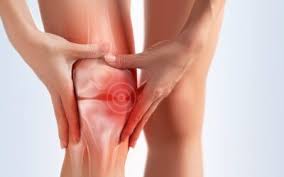
    Knee pain when bending can be a common problem that affects people of all ages. It can be caused by a variety of factors, ranging from an injury or overuse to a chronic condition like arthritis. The pain can range from mild to severe, and it can affect one or both knees.
    v2 1zi1m

    Understanding the causes and symptoms of knee pain when bending is important for proper diagnosis and treatment. Some common causes of knee pain when bending include meniscus tears, ligament sprains, and patellar tendinitis. Symptoms can include pain, swelling, stiffness, and difficulty moving the knee joint. A thorough evaluation by a healthcare provider is necessary to determine the underlying cause of the knee pain and develop an appropriate treatment plan.

    Key Takeaways

    • Knee pain when bending can be caused by a variety of factors, ranging from an injury or overuse to a chronic condition like arthritis.
    • Symptoms can include pain, swelling, stiffness, and difficulty moving the knee joint.
    • A thorough evaluation by a healthcare provider is necessary to determine the underlying cause of the knee pain and develop an appropriate treatment plan.

    Understanding Knee Pain

    https://www.youtube.com/watch?v=KtISZdJKybU&embed=true

    Knee pain is a common complaint that affects people of all ages. The knee joint is a complex structure that is vulnerable to injury due to its range of motion and the weight that is often distributed through the joint. Knee pain can be caused by a variety of factors, including injury, medical conditions, and overuse.

    Injury to the knee joint can cause pain when bending the knee. A ruptured ligament or torn cartilage can result in knee pain that is localized to the affected area. Depending on the severity of the injury, knee pain can range from mild discomfort to severe pain that limits mobility.

    Medical conditions such as arthritis, gout, and infections can also cause knee pain. Arthritis is a common cause of knee pain, particularly in older adults. Gout is a type of arthritis that is caused by a buildup of uric acid crystals in the joints. Infections can also cause knee pain, and can be serious if left untreated.

    Overuse can also cause knee pain. Repetitive activities such as running or jumping can put a strain on the knee joint, causing pain and discomfort. In some cases, overuse can result in a condition known as patellofemoral pain syndrome, which causes pain in the front of the knee.

    If you are experiencing knee pain when bending your leg, it is important to seek medical attention. Your doctor can perform a physical exam and order imaging tests to determine the underlying cause of your knee pain. Treatment options may include rest, ice, compression, and elevation, as well as physical therapy or surgery in some cases.

    In summary, knee pain when bending can be caused by a variety of factors, including injury, medical conditions, and overuse. If you are experiencing knee pain, it is important to seek medical attention to determine the underlying cause and receive appropriate treatment.

    Causes of Knee Pain
    v2 1zi1z il9fk

    Knee pain can be caused by various factors, including injury, arthritis, overuse, and wear and tear. In this section, we will discuss the most common causes of knee pain.

    Injury and Trauma

    Knee injuries are a common cause of knee pain, especially in athletes and people who engage in physical activities that involve running, jumping, and twisting. Knee injuries can include ligament sprains or tears, meniscus tears, and fractures. Knee injuries can occur due to a sudden impact, such as a fall or a collision, or due to repetitive stress on the knee joint.

    Arthritis Related Knee Pain

    Arthritis is another common cause of knee pain, especially in older adults. Osteoarthritis is the most common type of arthritis that affects the knee joint. It occurs when the protective cartilage that cushions the ends of the bones in the knee joint wears down over time. Rheumatoid arthritis is another type of arthritis that can affect the knee joint. It is an autoimmune disorder that causes inflammation in the joint lining, which can lead to pain, swelling, and stiffness.

    Overuse and Wear and Tear

    Overuse and wear and tear can cause knee pain, especially in people who engage in physical activities that involve repetitive motions, such as running, cycling, and jumping. Overuse can cause inflammation in the knee joint, which can lead to pain and swelling. Wear and tear can cause the cartilage in the knee joint to deteriorate over time, which can lead to pain and stiffness.

    In summary, knee pain can be caused by injury, arthritis, overuse, and wear and tear. It can affect people of all ages, but it is more common in older adults and people who are overweight. If you are experiencing knee pain, it is important to seek medical attention to determine the underlying cause and receive appropriate treatment.

    Symptoms of Knee Pain
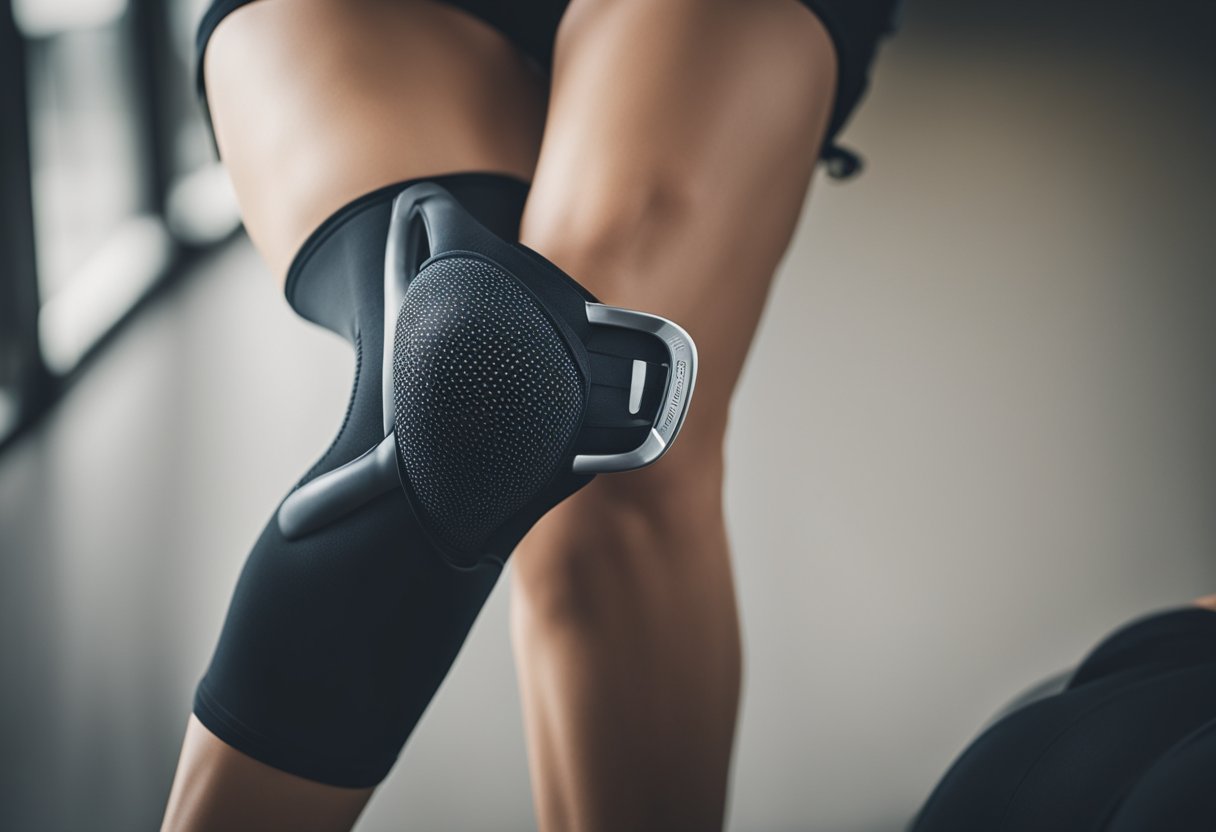
    v2 1zi27 i5w4e

    If you experience knee pain when bending your leg, it could be due to a variety of causes. Some common symptoms of knee pain include:

    Swelling and Redness

    Swelling and redness are common symptoms of knee pain. If you notice that your knee is swollen or feels warm to the touch, it could be a sign of inflammation. Inflammation can be caused by a variety of factors, including injury, overuse, or an underlying medical condition. If you experience swelling or redness in your knee, it’s important to see a doctor to determine the underlying cause.

    Stiffness and Reduced Range of Motion

    Stiffness and reduced range of motion are also common symptoms of knee pain. If you find that you are unable to fully extend or flex your knee, or if you experience a popping or crunching noise when you move your knee, it could be a sign of a more serious injury. In some cases, stiffness and reduced range of motion can be caused by arthritis, which is a condition that causes inflammation in the joints.

    It’s important to note that not all knee pain requires medical attention. In some cases, knee pain can be treated with self-care measures, such as rest, ice, compression, and elevation. However, if your knee pain is severe or persistent, or if you experience fever or other symptoms, it’s important to see a doctor to determine the underlying cause and receive appropriate treatment.

    Diagnosis of Knee Pain
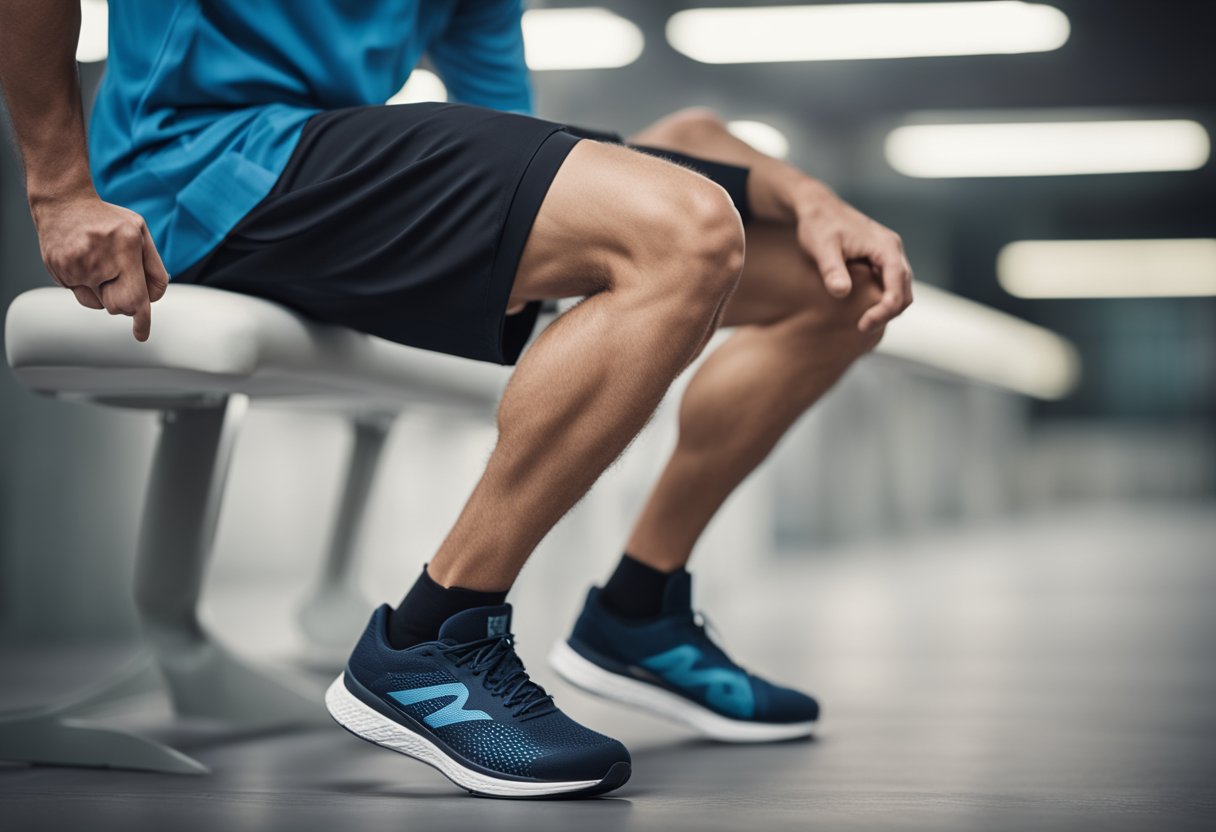
    v2 1zi2f 8tv1f

    When you experience knee pain, it’s important to get a proper diagnosis from a doctor. A physical examination and imaging tests can help determine the underlying cause of your knee pain.

    Physical Examination

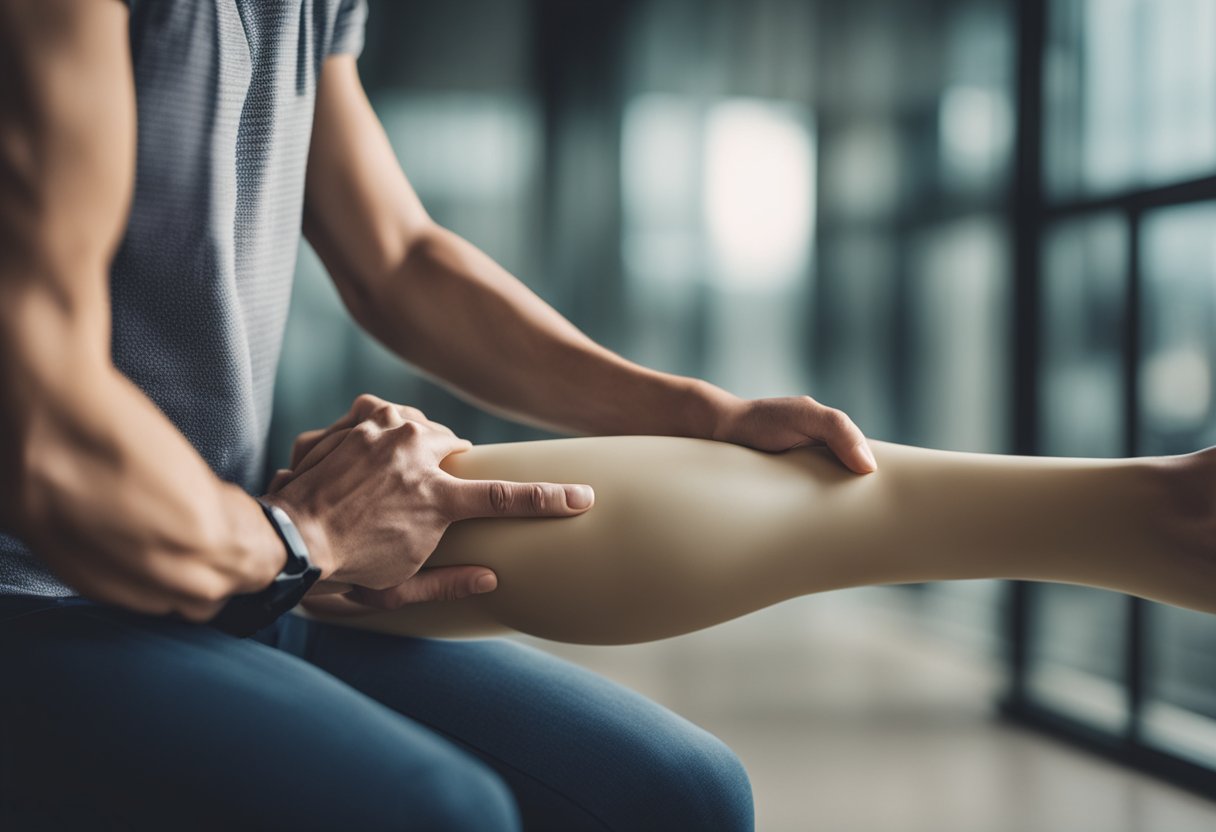
    During a physical examination, a doctor will check your knee for swelling, tenderness, and range of motion. They may also ask you to perform certain movements to assess the stability of your knee joint. This can help them identify any injuries or conditions that may be causing your knee pain.

    Imaging Tests

    Imaging tests such as X-rays and MRI scans can provide a more detailed view of your knee joint. X-rays can detect bone fractures and degenerative joint disease, while MRI scans can show soft tissue damage such as ligament or cartilage tears. Your doctor may recommend one or both of these tests to help diagnose the underlying cause of your knee pain.

    It’s important to note that imaging tests alone may not provide a definitive diagnosis. Your doctor will also take into account your medical history, symptoms, and physical examination results to determine the most appropriate course of treatment.

    In summary, if you are experiencing knee pain, it’s important to see a doctor for a proper diagnosis. A physical examination and imaging tests such as X-rays and MRI scans can help determine the underlying cause of your knee pain.

    Treatment for Knee Pain

    If your knee hurts when you bend it, there are several treatment options available. The treatment plan will depend on the underlying cause of the pain and the severity of the injury. Some of the common treatments for knee pain are:

    Medication and Self-Care

    For minor knee pain, self-care and over-the-counter medications may be enough to manage the pain. Rest, ice, compression, and elevation (RICE method) can help reduce swelling and pain. You can also take medications such as ibuprofen or other nonsteroidal anti-inflammatory drugs (NSAIDs) to relieve pain and inflammation.

    Physical Therapy and Exercises

    Physical therapy can help strengthen the muscles around the knee and improve flexibility. Your physical therapist may recommend exercises such as stretching and strengthening exercises to help reduce pain and improve knee function. Strengthening exercises can help prevent knee injuries in the future.

    Surgery and Other Procedures

    In more severe cases, surgery or other procedures may be necessary to treat knee pain. For example, a meniscus tear or torn ligament may require surgery to repair the damage. Braces or other supportive devices may also be recommended to help stabilize the knee and prevent further injury.

    Recovery time will vary depending on the severity of the injury and the type of treatment used. It is important to follow your doctor’s instructions and attend all physical therapy sessions to ensure a full recovery.

    In summary, there are several treatment options available for knee pain, including medication, self-care, physical therapy, and surgery. The best treatment plan will depend on the underlying cause of the pain and the severity of the injury. It is important to seek medical attention if you experience persistent or severe knee pain.

    Preventing Knee Pain

    Preventing knee pain is essential for maintaining an active and healthy lifestyle. Here are some tips to help prevent knee pain:

    Form

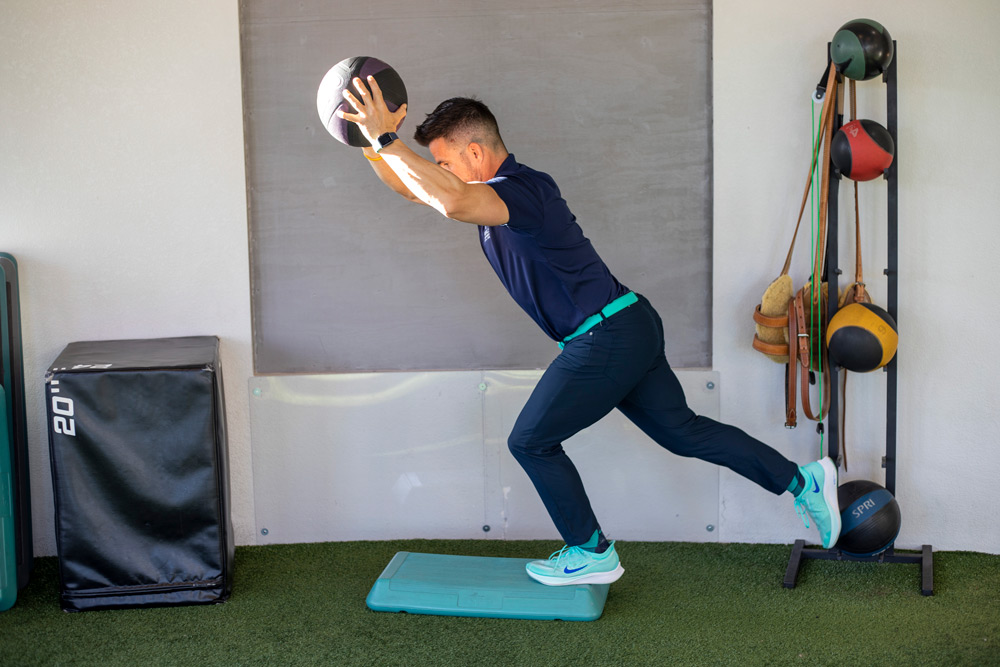
    Proper form is crucial when exercising or performing any physical activity. Poor form can put unnecessary strain on your knee joint, leading to pain and injury. Make sure to use proper form when performing exercises such as squats, lunges, and leg presses. If you are unsure about proper form, consider hiring a personal trainer to help you.

    Stability

    Strengthening the muscles that support your knee can help prevent injury by increasing overall stability and providing extra cushioning for the joint. Exercises such as leg curls, leg extensions, and calf raises can help strengthen your knee muscles.

    Flexibility

    Maintaining flexibility in your knee joint can help prevent injury. Incorporate stretching exercises into your daily routine to keep your knee joint flexible. Stretching exercises such as quad stretches, hamstring stretches, and calf stretches can help improve flexibility in your knee joint.

    Active Lifestyle

    Maintaining an active lifestyle can help prevent knee pain. Regular exercise can help strengthen your knee muscles and improve flexibility in your knee joint. Consider incorporating low-impact exercises such as swimming, cycling, or yoga into your routine.

    Athletes and Contact Sports

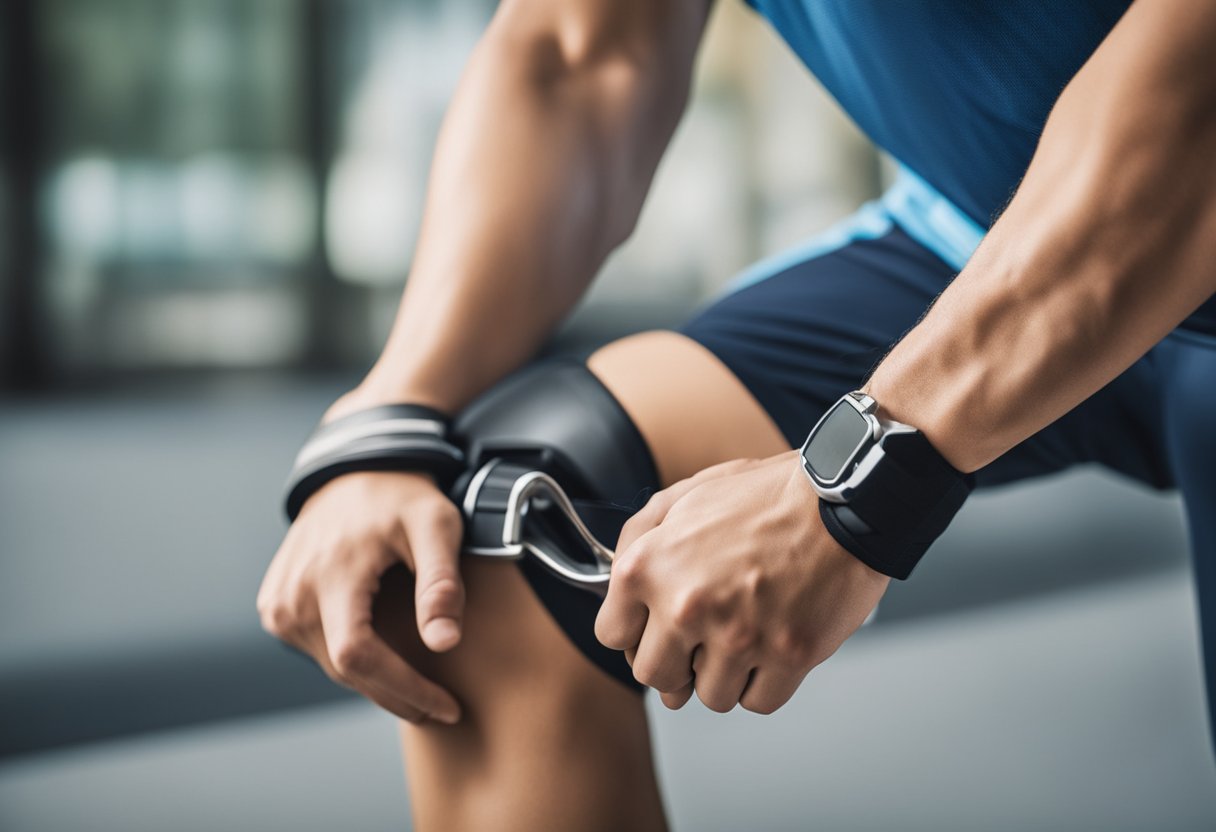
    Athletes and individuals who participate in contact sports are at a higher risk for knee injuries. To prevent knee injuries, make sure to wear proper protective gear such as knee pads and braces. Additionally, make sure to warm up properly before participating in any physical activity.

    Weakness

    Weakness in your knee muscles can lead to injury and pain. Strengthening exercises such as leg curls, leg extensions, and calf raises can help improve the strength of your knee muscles. If you are experiencing weakness in your knee, consider consulting with a physical therapist to develop a personalized strengthening program.

    By following these tips, we can help prevent knee pain and maintain an active and healthy lifestyle.

    Complications and Long-Term Effects

    When knee pain is left untreated or not managed properly, it can lead to complications and long-term effects. These can include joint damage, medical conditions, and infections.

    One of the most common complications of knee pain is joint damage. This can occur when the underlying condition causing the pain is not addressed, leading to wear and tear of the joint over time. Joint damage can also occur as a result of injury, such as a torn ligament or cartilage. If left untreated, joint damage can lead to arthritis and other chronic conditions that can affect mobility and quality of life.

    In addition to joint damage, knee pain can also be a symptom of other medical conditions. For example, gout, rheumatoid arthritis, and lupus can all cause knee pain. These conditions require proper diagnosis and treatment to manage the underlying cause of the pain and prevent further complications.

    Another potential complication of knee pain is infection. Infections can occur as a result of injury, surgery, or other medical procedures involving the knee. If left untreated, infections can spread and cause serious damage to the joint, requiring more extensive treatment and potentially leading to long-term complications.

    It is important to seek medical attention if you are experiencing knee pain, especially if it is severe or persistent. Proper diagnosis and treatment can help prevent complications and long-term effects, and can improve your overall quality of life.

    Frequently Asked Questions

    Why does my knee pop when I bend it?

    Knee popping is a common condition that can occur when you bend your knee. The popping sound is caused by the release of gas bubbles in the synovial fluid that lubricates the joint. This is usually not a cause for concern unless it is accompanied by pain or swelling. In some cases, knee popping can be a sign of an injury or underlying condition, such as a torn meniscus or arthritis.

    What causes inner knee pain when bending?

    Inner knee pain when bending can be caused by a variety of factors, including overuse, injury, or underlying medical conditions. One common cause is a torn meniscus, which can occur when the knee is twisted or turned suddenly. Other causes of inner knee pain include arthritis, bursitis, and tendonitis.

    What are the common causes of knee pain when bending?

    Knee pain when bending can be caused by several factors, including injury, overuse, or underlying medical conditions. Common causes of knee pain when bending include patellar tendinitis, arthritis, meniscus tears, and bursitis. In some cases, knee pain when bending can be a sign of a more serious condition, such as a ligament tear or a fracture.

    How can I relieve side knee pain when bending?

    There are several ways to relieve side knee pain when bending, including rest, ice, compression, and elevation. Over-the-counter pain relievers such as ibuprofen or acetaminophen can also help reduce pain and swelling. Physical therapy and knee braces may also be recommended to help support the knee and reduce pain.

    What are the symptoms of a swollen knee that can’t bend?

    A swollen knee that can’t bend may be a sign of a serious injury or underlying medical condition. Symptoms of a swollen knee may include pain, stiffness, redness, and warmth around the knee joint. In some cases, the knee may also feel unstable or give way when you try to walk or bend it.

    What are some effective treatments for knee pain when bending?

    Effective treatments for knee pain when bending depend on the underlying cause of the pain. In some cases, rest, ice, and compression may be enough to relieve pain and swelling. Over-the-counter pain relievers such as ibuprofen or acetaminophen can also help reduce pain and inflammation. Physical therapy, knee braces, and surgery may be recommended for more severe cases of knee pain when bending.


  • Missing therapeutic exercises after an ankle sprain can lead to a bad year

    Missing therapeutic exercises after an ankle sprain can lead to a bad year


    The influence of therapeutic exercises after an ankle sprain on the occurrence of subsequent knee, hip and lumbar spine injuries

    Foster KS, Greenlee TA, Fraser JJ, Young JL, Rhon DI. Medicine and science in sport and exercise. August 2022. doi: 10.1249/MSS.0000000000003035.
    https://pubmed.ncbi.nlm.nih.gov/36084225/

    Take home message

    Performing therapeutic exercises after an ankle sprain reduces the chance of a knee, hip, or lumbar spine injury in the following year.

    Background

    Ankle sprains are the most common injury, especially among active individuals. However, not everyone receives care, which can contribute to chronic ankle instability and limitations in lower extremity movement, including instability and reduced sensorimotor function. These limitations can increase a person’s risk for later injury to other joints in the lower extremities. However, we have little evidence to support or refute this hypothesis.

    Study aim

    The authors evaluated the rate of secondary injuries after an ankle sprain and whether therapeutic exercises after an ankle sprain reduced the risk of future injuries to the knee, hip and lumbar spine.

    Methods

    The authors conducted a retrospective cohort study within the military health care system. They used diagnostic and billing codes to identify individuals who sought care for an ankle sprain between 2010 and 2011, regardless of whether or not they received therapeutic exercise within 90 days of the injury and whether or not they subsequently suffered an injury to the knee, hip, or suffered a knee injury. lumbar spine within one year of the ankle injury.

    Results

    Twenty percent of the subjects (6,848) were diagnosed with a proximal joint injury. Most of these were knee and lumbar spine injuries. Only 28% of all individuals received therapeutic exercises for their initial ankle sprain. Individuals who received therapeutic exercise were ~13%, ~18%, and ~32% less likely than their peers without exercise to sustain a knee, lumbar spine, or hip injury at any time during the year after an ankle sprain.

    Viewpoints

    Individuals may suffer a secondary injury after an initial ankle sprain due to decreased mobility, strength and muscle activation. Only 8% of total costs for ankle sprains go toward physical therapy, but those who do not seek care are more likely to report decreased function and develop chronic ankle instability. Ankle sprains are often thought of as minor injuries, which may explain the lack of care or referral for therapeutic exercises. However, physical rehabilitation after an injury can improve ankle range of motion, pain, gait, balance and stability. It is therefore obvious that this would have a positive influence on the risk of future injuries. It would have been helpful to know who made the initial diagnosis and how their background/training influenced referral to therapeutic exercise.

    Clinical implications

    We need to be more proactive in educating healthcare professionals about the need to refer people to physical rehabilitation after an ankle sprain. They need to recognize that this is not a minor injury and that one in five people will suffer an injury to the knee, hip or lumbar spine within a year of an initial ankle sprain, which is already the most common sports injury.

    Questions for discussion

    Have you encountered the perception among patients that ankle sprains are minor, and if so, how have you explained the problem to them? Conversely, how would you change the way you explain ankle sprains to patients, even if they seem minor?

    related posts

    1. Nothing to fear except the fear of themselves in people with chronic ankle instability
    2. Ankle sprains are over-treated and under-rehabilitated
    3. Chronic ankle instability starts earlier than we thought

    Written by Jennifer Xu
    Reviewed by Jeffrey Driban

    Ankle Sprains EBP CEU Course

    Source link

  • Hiring athletic trainers and strength and conditioning specialists can save you millions

    Hiring athletic trainers and strength and conditioning specialists can save you millions


    Financial impact of embedded injury prevention experts in US Army initial entry training

    Daniel R. Clifton, D. Alan Nelson, Y. Sammy Choi, Daniel Edgeworth, Donald Shell, Patricia A. Deuster. J Athl train 2022; doi: https://doi.org/10.4085/1062-6050-0353.22

    Full text freely available

    Take home message

    By using athletic trainers and certified strength and conditioning specialists in initial entry-level training for the Army, the Army saved at least three times the cost of contracting these professionals, saving $11 to 20 million annually.

    Background

    More than 1 in 4 men and women suffer a musculoskeletal injury during initial training for the US military. The U.S. Army began deploying teams of athletic trainers and strength and conditioning specialists in 2010 to address the problem of early-career musculoskeletal discharges. The military could demonstrate the need for these teams if we knew how much money they saved by preventing injuries and treating them quickly.

    Study objectives

    The author’s purpose was to assess whether built-in injury prevention experts were associated with reduced training costs for soldiers discharged early from service.

    Methods

    The authors conducted a retrospective analysis of 198,166 active-duty soldiers who began training from January 2014 through May 2017. Soldiers who began training at two locations between April 2015 and November 2015 did not have athletic trainers and strength and conditioning specialists on hand. on site due to a lapse in contracts. The authors categorized these soldiers as not coming into contact with injury prevention experts. All other soldiers were categorized as having been exposed to injury prevention experts. The authors estimate soldier training costs based on average basic and advanced training costs from 2014-2017 for an average of six months of training. To be eligible for discharge from active duty, the discharge had to occur within six months of the start of training and due to a musculoskeletal condition.

    Results

    A total of 14,094 soldiers had no contact with injury prevention experts. 2.8% of these soldiers were discharged early due to musculoskeletal injuries. Of the 184,072 soldiers exposed to injury prevention experts, 1.0% were discharged early due to musculoskeletal injuries. The authors calculated that the injury prevention experts saved the Army $11 to $20 million per year in lost training costs due to early career discharges (net of contract costs for the experts).

    Viewpoints

    At a relatively small financial cost (approximately $900,000 per location or $4 million total), the Army reduced the likelihood of early discharge by ~64%. There were also significant savings on lost training costs due to early career medical layoffs. We should also keep in mind that these costs do not include other long-term savings. For example, preventing injuries or treating an injury promptly can reduce the risk of medical discharge later in a person’s life due to chronic pain (e.g., osteoarthritis) or save healthcare costs associated with chronic pain or functional limitations. Furthermore, while the costs help justify hiring these experts, we cannot ignore the other benefits that may accrue, including improved soldier quality of life and function and improved military readiness.

    Clinical implications

    Clinicians and administrators can use this data to advocate for athletic trainers and strength and conditioning specialists in the military and possibly industrial or performing arts fields to demonstrate a 3 to 5x return on investment.

    Written by Mitchell Barnhart
    Reviewed by Jeffrey Driban

    Related posts

    50th SMR Post: A Human Performance and Injury Prevention Program for the Army
    Potential risk factors for long-term opioid use after anterior cruciate ligament reconstruction in a military population
    Most military service members don’t have to worry about CTE

    9 EBP CEU courses

    Source link

  • Most forms of exercise are overwhelmingly safe, but don’t ignore the dangers

    Most forms of exercise are overwhelmingly safe, but don’t ignore the dangers


    The risks of serious injury from most sports and exercise are surprisingly small, according to the results of a five-year study led by researchers at the University of Bath in Britain.

    The research, funded by the British Medical Association, shows that even forms of sport sometimes considered risky by the public, such as cycling, are generally safe, suggesting that the benefits of taking part in fitness activities far outweigh the hazards.

    This is the first time in England and Wales that researchers have attempted to describe and quantify the relative risks of trauma from sport or other physical activity. It is hoped that the results of the study will make it easier for both participants and activity organizers to make their activities even safer.

    Data for the new study – published today in the journal Injury preventionpublished by BMJ – came from rural hospitals, where participants in sports and exercise showed extensive trauma.

    The researchers found that between 2012 and 2017, a total of 11,702 trauma injuries resulted from sports and exercise.

    Dr. Sean Williams, researcher at the Department for Health and the Center for Health and Injury and Illness Prevention at the University of Bath, and lead researcher on the study, said: “This work shows that practicing fitness activities is generally a safe and way is to exercise. useful pursuit.

    “While no physical activity is completely without risk, the risk of serious injury is extremely low compared to the numerous health and wellness benefits gained from staying active.”

    The study examined 61 sports and other physical activities undertaken nationally, regardless of their popularity, and provided a comparable estimate of the risks to participants.

    Perhaps unsurprisingly, fitness activities (such as running, golf, dance classes and gym sessions) are the least likely to lead to injury. Running results in 0.70 injuries, golf 1.25 injuries and fitness classes only 0.10 per 100,000 participants/year.

    Of the sports with the highest participation, football had the highest incidence of injuries (6.56 injuries/100,000 participants/year), although this is also relatively small.

    Motor sports, equestrian sports and gliding (paragliding and hang gliding) were by far the riskiest activities of those surveyed, with motor sports causing 532 injuries, equestrian sports 235 and gliding 191 injuries per 100,000 participants.

    The incidence in men (6.4 injuries/100,000 participants/year) was higher than in women (3.3 injuries/100,000 participants/year).

    Why is exercise becoming riskier?

    Perhaps worryingly, the risk of injury in popular sports and other physical activities is increasing internationally. In Victoria, Australia, for example, the annual number of hospital-treated sports injuries increased by 24% between 2004 and 2010, with an incidence of sports-related major trauma or death of 12.2 per 100,000 participants/year.

    This trend is mirrored in Britain. This is highlighted by data from a regional trauma and spine unit, which has found an almost 500% increase in the incidence of serious motorsport accidents in the five years to 2015.

    Dr. Madi Davies, lead author of the study and a former postdoctoral researcher at the University of Bath, said: “When I looked at the injuries recorded in 2012 – the year the study started – it was clear that the risks were significantly lower. than in later years of study.”

    She called for further research, ‘in real time’, to understand exactly how and why more people are being injured.

    She said: “While the finding that more people are being injured may be multi-faceted – trauma data recording has improved during the study, meaning more injuries are now being recorded – it is important that any increase in burden is responded to, and that this data is used to make activities safer.”

    Serious injury is a clear burden on hospitalized participants, their families and the NHS. The aim of this research is to reduce these burdens by identifying the injury risk of each activity and then coordinating action.

    “Many sports and recreational injuries are preventable,” says Dr. Williams. “Whether that’s through protective equipment, rule or law changes or education, once we identify how and where injuries occur, we can start thinking about ways to prevent them in every sport.”

    It is hoped that this work will lead to the development of a national registry with real-time data analysis capabilities. The register would standardize the recording of serious injuries resulting from sport and physical activity, so that trends or patterns of risk can be quickly identified and responded to.

    An example where this has already happened concerns trampoline safety. Sales of garden trampolines boomed in 2005 and by 2014 up to 250,000 had been sold in Britain. The Royal Society for the Prevention of Accidents (RoSPA), working with the Royal College of Emergency Medicine, has identified a spike in trampoline-related injuries and made recommendations to improve safety, which range from limiting trampolining to one person at a time, keeping children under the age of six off trampolines and purchasing models that are enclosed in a safety net.

    In addition, trampoline manufacturers were supported to meet safety standards, for example by adding padding around trampolines. Commercial partners were also involved to improve safety at trampoline parks.

    As a result of the RoSPA directive, serious accidents have fallen significantly.

    Source link

  • Dynamic versus static stretching for warm-up

    Dynamic versus static stretching for warm-up

    Dynamic versus static stretching are two common methods for warming up and improving flexibility, but they serve different purposes and are best suited for different situations. Understanding the right type of stretching before and after activity is essential to improve performance and prevent injuries. When young athletes engage in physical activity, they are often encouraged by coaches and parents to stretch prior to the activity. The aim is to prepare the muscles for exercise and reduce the risk of injuries.

    Preparing the body for physical activity

    A thorough warm-up is intended to prepare the body for physical activity by:

    • Increase in core body temperature
    • Stimulates blood flow to the arms and legs
    • Improving coordinated movement
    • Improving range of motion
    • Develop body awareness of joint position sense and movement
    • Using movement to increase the flexibility of muscles and tendons

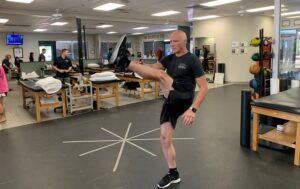
    Athlete performing high kick stretch.

    Dynamic stretching:

    1. Goal: Dynamic stretching involves moving your muscles and joints through a range of motion to increase blood flow, warm up your body, and prepare your muscles and joints for physical activity. It is usually used as part of a warm-up routine before exercise or vigorous exercise.
    2. Technology: Dynamic stretching exercises are performed by actively moving your limbs and muscles without assuming a static position. These stretches mimic the movements you perform during your activity. Examples include leg swings, arm circles, walking lunges, high knees and butt kicks.
    3. Advantages:
      • Increases blood flow and heart rate.
      • Improves joint mobility and flexibility.
      • Improves neuromuscular coordination.
      • Prepares your body for more intense activities.
      • Reduces the risk of injuries by increasing muscle elasticity.

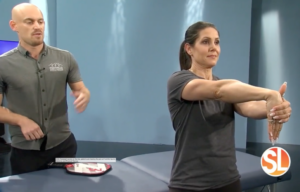
    Woman stretching her arm.

    Static stretching:

    1. Goal: Static stretching is used to improve overall flexibility and lengthen muscles. It involves holding a stretched position for an extended period of time, usually 15-30 seconds or more, without any bouncing or dynamic movement. It is often used for a post-exercise cooldown or as part of a general flexibility routine.
    2. Technology: Static stretching involves stretching a specific muscle or muscle group to the point of mild discomfort and holding the position without movement. Common static stretches include touching your toes while sitting, stretching your calf against a wall or a standing quad stretch.
    3. Advantages:
      • Increases flexibility and range of motion.
      • Helps with muscle relaxation and stress reduction.
      • It can relieve muscle pain and tension.
      • Promotes better posture and body awareness.
      • Best suited for cooldown or recovery after exercise.

    To design dynamic stretching programs:

    • Exercise continuously, usually in rounds for a total of 10-15 minutes
    • Vary the program depending on the athlete’s level
    • Start slow and progress to faster and more advanced movements
    • Avoid movements that are too intense and tire the muscles.
    • Take in the whole body and imitate movements used in specific sports

    To design static stretching programs:

    • Stay in one position per muscle group
    • Hold the stretch for 20-30 seconds
    • Repeat the stretch 2-3 times per muscle group
    • Treat all muscle groups used in the specific sport

    When should you use dynamic versus static stretching?

    Dynamic stretching: Use dynamic stretching as part of your warm-up routine before activities that require strength, speed or agility. It is especially useful for sports such as basketball, football or sprinting, which require explosive movements. Dynamic stretching ensures that your muscles and joints are ready for the demands of such activities.

    Static stretching: Reserve static stretching for after your workout or as a separate flexibility routine. It helps improve overall flexibility and can be useful for activities such as yoga or Pilates. Static stretching can also be beneficial for relaxation and stress reduction.

    Remember that stretching should be done safely and should not cause pain or discomfort. It is essential to warm up your body before doing static stretches to prevent injuries. Incorporating both dynamic and static stretching into your fitness routine can help you maintain optimal flexibility and reduce the risk of injury during physical activities.

    For help designing a stretching program, contact a Foothills Sports Medicine Clinic near you and schedule an appointment.

    Source link

  • Tips for staying healthy during high school football season

    Tips for staying healthy during high school football season

    by Matt Midkiff PT, DPT,CSCS Gilbert Mesa Director of Sports Medicine Arizona Arsenal SC

    The transition from club to high school football and back to club is one of the most physically taxing times for our high school students. Staying healthy during high school football season is crucial to doing your best on the field and minimizing the risk of injury.

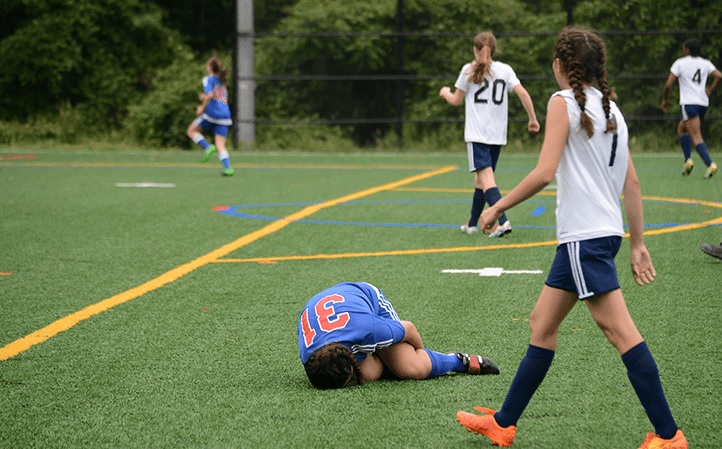
    soccer injury

    Year over year we see more injuries in this time frame due in large part to overuse with longer practice time in November and also a greater number of games in a shorter amount of time during the high school season.

    These injuries range from ACL injuries and ankle sprains to much less significant joint tendon pain.

    3 tips to minimize injuries

    There are several simple but important things players can do to minimize injuries and do their best to stay healthy during the high school football season.

    #1 Prioritize recovery. As practice times and game demands increase, it is so essential that our athletes get adequate sleep (at least 8 hours), eat regularly, meet their macronutrient needs, and continually hydrate. With less time for recovery, managing the recovery process is essential.

    FH BFR Recovery Blog 2

    #2 Work on mobility and flexibility. Overworked muscles become sore and tight, and muscles that maintain good flexibility and length are less likely to suffer from overuse injuries. It is essential to follow a mobility and flexibility program.

    0J1A8582

    #3 Work on functional strength. This is difficult due to the reduced time off, but maintaining lower body and core strength throughout the season is a win for injury prevention. Due to the reduced time and fatigue, muscle strengthening exercises are often neglected. Although maximum strengthening should not be performed during this time, it is incredibly important to take 20 minutes twice a week to do single leg strengthening and core exercises to reduce injuries.

    Stay tuned for more posts with a sample mobility program and a sample functional strengthening program that can easily be completed at home in 20 to 30 minutes during the high school season.

    Success equals staying on the field

    As always, athletes cannot be successful for their team if they are not available to be on the field. Injuries can deprive the athlete of time to do what they love, which can be extensive if the injury is severe. It is so important that our athletes take care of their bodies during the most stressful time of the year so that they have the best chance to stay healthy, perform for the high school team and come back even more vital for the second half of the club season . .

    Do you need physiotherapy due to a football injury? A licensed physical therapist from Foothills Sports Medicine can assess the problem with a free injury assessment and develop a treatment plan to prevent future serious damage. Request an appointment at one of our Valley-wide locations. We’re ready to get you back on the field and show you how to prevent future injuries.

    Source link

  • Pedal power pays off: the benefits of mountain biking outweigh the risks, research shows

    Pedal power pays off: the benefits of mountain biking outweigh the risks, research shows

    New Curtin research into injuries suffered by trail users has found that mountain biking is not the dangerous, injury-ridden sport reserved for thrill seekers and that the health benefits outweigh the risks.

    Researchers analyzed data from dozens of studies around the world, including Australia, involving 220,935 injured mountain bikers and 17,757 injured hikers. The study aimed to identify the types of injuries and the body parts affected to understand the medical treatment of such cases.

    Lead author, PhD candidate Paul Braybrook, from Curtin’s School of Nursing, said mountain bikers were mainly injured to their upper limbs, usually resulting in bruises, scrapes and minor cuts, while walkers were prone to injuries to their legs and ankles and mainly suffered from blisters and ankle sprains. .

    “Mountain biking and hiking are among the fastest growing recreational activities in the world, so understanding the spectrum of injuries is critical to effective medical care,” Braybrook said.

    “Despite the common perception that mountain biking is an ‘extreme’ sport, we found that most reported injuries were of low severity. Although there were high rates of ankle sprains in hikers and arm fractures in mountain bikers, with one study of the latter reporting more than half suffered head injuries, highlighting the importance of a good quality helmet.

    “As the popularity of both pursuits has increased, so has the quality of trails, bikes, shoes and protective equipment, reducing the risk of serious injury.

    “In the case of mountain biking, there has also been a cultural shift away from the more extreme or ‘radical’ riding style that was synonymous with the sport when it first emerged decades ago in places like Colorado and California.”

    Mr Braybrook said the risk of injury from mountain biking or walking outweighs the significant benefits.

    “Mountain biking and hiking bring economic gains through tourism and the obvious health benefits of physical activity, including improvements in cardiovascular health and reducing the risk of high blood pressure, obesity, high blood cholesterol and diabetes type 2,” Braybrook said.

    “With spring weather just around the corner, people should take the opportunity to regularly head to the nearest trail for a run or walk – these are fun activities, great for fitness and with only the occasional scratch or bruise as result.”

    Source link

  • Exercise and Safe Movement – Bone Talk

    Exercise and Safe Movement – Bone Talk

    shutterstock 520248565 1

    Visit the BHOF online support community, hosted by Inspire, to post your questions about exercise and safe exercise. Your questions will be answered Monday, October 16 through Friday, October 20, 2023 by KavitaPatel, PT, DPT, a physical therapist and Master Trainer for BHOF’s BoneFit USA Exercise Training Program for exercise specialists and healthcare professionals, and Rebekah Rotstein, NCPT, a certified Pilates instructor, creator of Buff Bones® and member of BHOF’s Ambassador Leadership Council.

    We encourage you to ask your questions now. Make sure you follow the post and look for comments!

    How to participate:

    • Your questions: we invite you to this post your questions in the answers section of the discussion on the BHOF Online Community Page.

      • If you prefer to ask your question anonymously, send TeamInspire a private message with the subject line “Ask the Expert – Bone Health” and they will post it to this discussion on your behalf.

      • Keep in mind that: we will NOT answer questions posted outside of this Ask the Expert post.

    • Answers: Starting Monday, October 16, we will post answers as an aggregated response to your questions in the answers section of this discussion. We can also respond to a group of similar questions with one answer.

    • End of event / restrictions: The event ends on Friday, October 20 at 11:00 PM EST. Please understand if we cannot answer your question due to time or subject limitations.

    Visit the profiles of each of our experts and read their bio to learn more!

    Kavita Patel, DPT: https://www.inspire.com/m/KavitaPatel_DPT/about
    Rebekah Rotstein, NCPT:
    https://www.inspire.com/m/RebekahRotstein/about

    Source link