Are you aware of the risks associated with knee injuries while rock climbing? As climbers push their limits, their knees are often subjected to significant stress and potential harm.
Injuries to the knee can be debilitating, affecting not only climbing performance but also overall mobility. Innovative solutions like the SlingR™ knee comfort solution and POC Joint VPD Air Knee Guards have been designed to mitigate these risks, providing impact-absorbing technology and comfort.
The importance of knee protection is underscored by the variety of products available, each addressing specific needs and preferences of climbers. By choosing the right protective gear, climbers can significantly reduce the risk of knee injuries.
Key Takeaways
Understanding the risks of knee injuries is crucial for rock climbers.
Protective gear like SlingR™ and POC Joint VPD Air Knee Guards can mitigate these risks.
Impact-absorbing technology enhances knee safety during climbing.
Choosing the right gear is essential for effective knee protection.
Various products cater to different climbing needs and preferences.
Importance of Knee Protection in Rock Climbing
Rock climbing is an exhilarating sport that demands not only strength and agility but also a keen awareness of safety measures, particularly when it comes to protecting one’s knees. The knees are subjected to considerable stress during climbing activities, making them vulnerable to various types of injuries.
Why Knees are Vulnerable in Climbing
The knee joint is complex and bears a significant amount of the body’s weight and stress during climbing. Climbers often find themselves in positions that put their knees at risk, such as crouching, kneeling, or making sudden movements that can strain the knee joint.
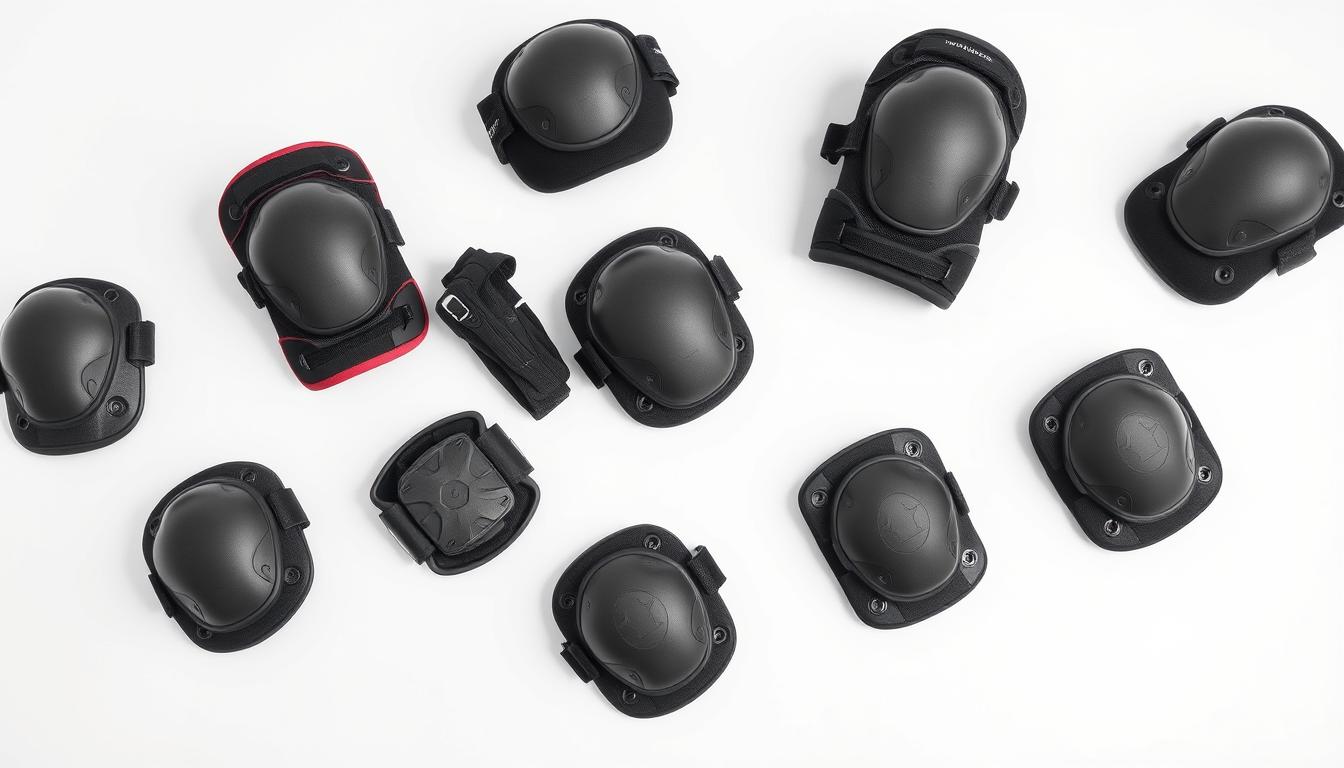
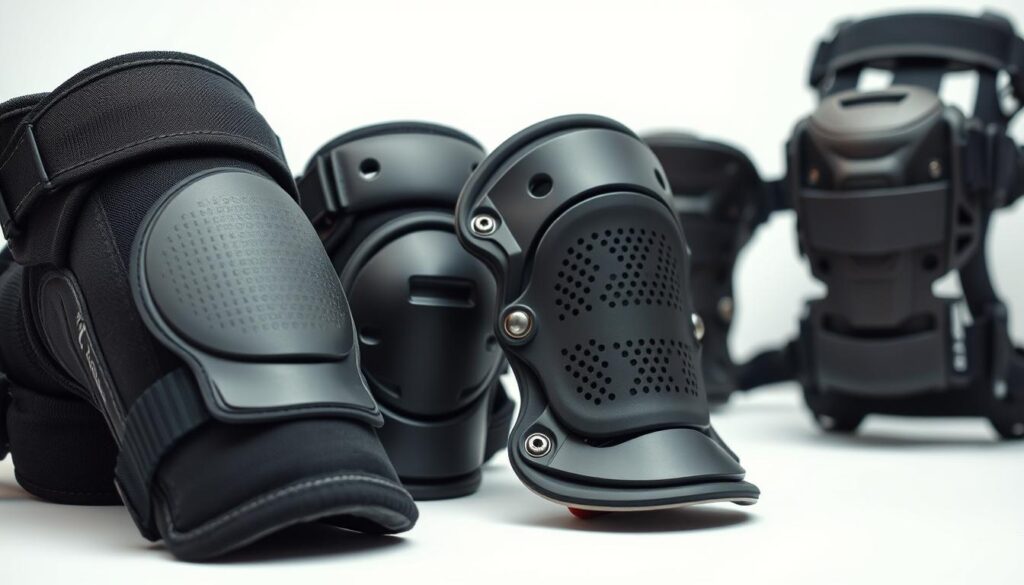
Climbing knee pads are designed to mitigate some of this risk by providing a layer of protection against abrasions and impacts. Products like the POC Joint VPD Air Knee Guards offer lightweight and breathable protection, making them ideal for climbers who need both safety and mobility.
Common Knee Injuries Among Climbers
Climbers are susceptible to a range of knee injuries, from minor sprains and strains to more serious conditions like ligament tears or meniscal damage. The repetitive strain on the knees can lead to overuse injuries, while acute injuries can occur from falls or sudden twists.
Knee sprains and strains
Ligament tears (e.g., ACL or MCL tears)
Meniscal tears
Tendonitis
Using knee support for climbers can help prevent some of these injuries by providing additional stability and protection to the knee joint.
Injury Type
Description
Prevention Measures
Knee Sprains/Strains
Overstretching or tearing of ligaments or muscles around the knee.
Warm-up exercises, knee support
Ligament Tears
Severe injuries involving the tearing of knee ligaments.
Neglecting knee care can lead to long-term consequences, including chronic pain, reduced mobility, and an increased risk of degenerative conditions like osteoarthritis. Climbers who consistently ignore knee health may find their ability to participate in the sport compromised over time.
“The key to longevity in climbing is not just about avoiding injuries but also about maintaining overall health and mobility. Protecting your knees is crucial to enjoying the sport for years to come.” – Experienced Climber
Investing in top rated climber knee protection and adopting preventive measures can significantly reduce the risk of knee-related issues, ensuring that climbers can continue to enjoy their sport without undue concern for their knee health.
Types of Protective Gear for Climbers
The right knee protection is crucial for climbers, and there are multiple options available. Climbers can choose from a variety of gear designed to protect their knees from the rigors of climbing.
Knee Pads: Features and Benefits
Knee pads are a popular choice among climbers due to their durability and effectiveness. They provide a layer of protection against abrasions and impacts. Key features to look for include:
Durable materials: Such as rubber or hard plastic
Comfortable design: Ensuring they stay in place during climbs
Adjustable straps: For a secure fit
Examples like the POC Joint VPD Air Knee Guards offer excellent protection with their hard shell and soft, flexible VPD padding.
Knee Braces: When to Use Them
Knee braces provide additional support and stability, particularly useful for climbers with pre-existing knee issues. They are designed to:
Offer medial and lateral support
Help in stabilizing the knee joint
Reduce the risk of further injury
Climbers should consider using knee braces if they have a history of knee injuries or if they are engaging in particularly challenging climbs.
Overview of Compression Sleeves
Compression sleeves are another option for knee protection, providing support and improving blood circulation. They are particularly useful for:
Reducing muscle oscillation
Enhancing proprioception
Offering mild support and compression
For climbers looking for a more lightweight solution, rock climbing knee sleeves are a viable option, providing the necessary support without the bulk of pads or braces.
Selecting the Right Knee Protection
With numerous options available, selecting the appropriate knee protection can be challenging for climbers. The right knee protection not only prevents injuries but also enhances overall climbing performance.
Factors to Consider When Choosing Gear
When choosing knee protection, several factors come into play. Climbers should consider the type of climbing they will be doing most often. For instance, bouldering requires different knee protection compared to traditional climbing. The terrain, frequency of climbing, and personal comfort preferences are also crucial.
Reviews from other climbers can provide valuable insights. For example, reviews of products like the SlingR™ highlight the importance of comfort and durability.
Fit and Comfort: What Matters Most
A good fit is paramount for knee protection to be effective. Ill-fitting knee pads or braces can cause discomfort and may not provide the necessary protection. Climbers should look for gear that offers adjustable features to ensure a snug fit.
Comfort is also a key consideration. Knee protection that is uncomfortable may discourage climbers from wearing it, thereby increasing the risk of injury. Materials that breathe and provide flexibility are preferred.
Price vs. Quality: Finding Balance
The price of knee protection gear can vary widely. While it’s tempting to opt for cheaper options, quality should not be compromised. High-quality knee protection may be more expensive but offers better durability and performance.
Climbers should weigh the cost against the benefits. Investing in good-quality knee protection can prevent costly medical bills and downtime due to injuries. User reviews and product testing can help in making an informed decision.
How to Maintain Your Knee Protection Gear
Maintaining your knee protection gear is crucial for ensuring its longevity and effectiveness. Whether you’re using climbing knee pads or durable knee protection for bouldering, proper care can significantly extend the life of your gear.
Cleaning and Care Tips
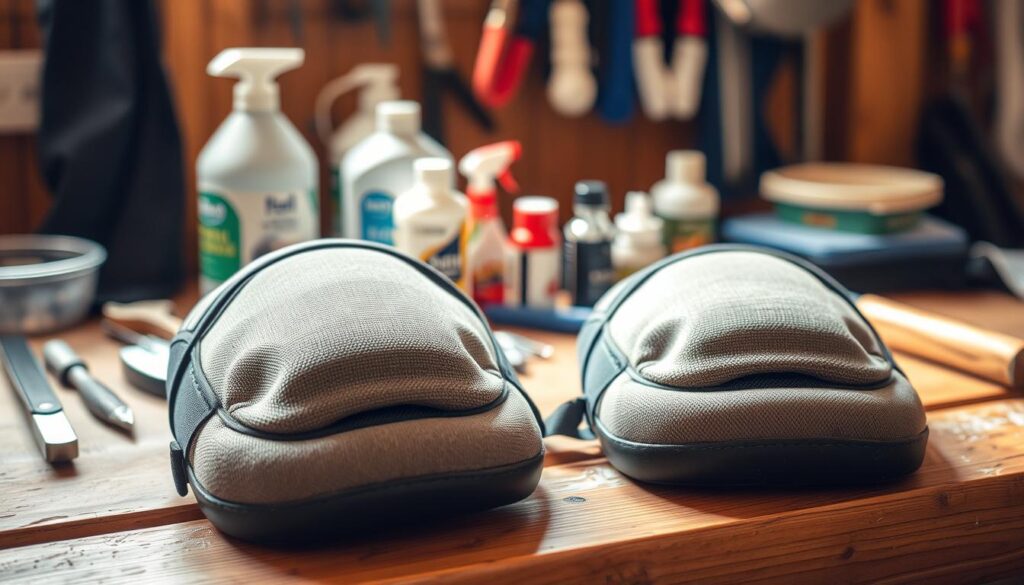
Regular cleaning is essential to remove dirt and grime that can degrade the materials of your knee protection gear. For most climbing knee pads, a gentle wash with mild soap and water is recommended. Avoid using harsh chemicals or abrasive cleaners that can damage the fabric or compromise the protective padding.
Step-by-Step Cleaning Guide:
Remove any loose dirt or debris from the surface.
Mix mild soap with warm water, and gently scrub the knee pads.
Rinse thoroughly with clean water to remove any soap residue.
Allow the knee pads to air dry, away from direct sunlight or heat sources.
Storage Recommendations
Proper storage is vital to maintaining the shape and functionality of your knee protection gear. Store your climbing knee pads in a cool, dry place, away from direct sunlight. Avoid folding or creasing the pads, as this can cause damage to the internal padding.
Tips for Storage:
Use a breathable storage bag to keep your gear dry.
Avoid storing knee pads in compressed or bent positions.
Keep them away from heavy objects that could cause deformation.
Recognizing Signs of Wear
Understanding when your knee protection gear needs replacement is crucial for maintaining safety. Look for signs of wear such as frayed edges, torn fabric, or compressed padding that no longer provides adequate protection.
Signs of Wear
Description
Action Required
Frayed Edges
Edges of the knee pad are frayed or coming apart.
Consider replacing the knee pad.
Torn Fabric
Visible tears or holes in the fabric.
Replace the knee pad to maintain protection.
Compressed Padding
Padding has lost its original shape or is compressed.
Replace the knee pad for optimal protection.
By following these maintenance tips, you can ensure your knee protection gear remains effective and durable, providing you with the protection you need for your climbing activities.
Knee Strengthening Exercises for Climbers
Knee strengthening exercises are essential for climbers to improve their overall climbing capability and durability. Climbers often subject their knees to significant stress, which can lead to injuries if not properly managed. By focusing on exercises that strengthen the muscles around the knee, climbers can enhance their joint support and reduce the risk of common climbing injuries.
Key Exercises for Joint Support
Several exercises can help strengthen the knees and improve joint support. These include:
Squats: Works multiple muscle groups around the knee, improving strength and stability.
Lunges: Targets the quadriceps, hamstrings, and glutes, enhancing overall knee stability.
Leg Press: Strengthens the quadriceps, hamstrings, and glutes without putting excessive strain on the knee joint.
Calf Raises: Improves ankle strength, which is crucial for maintaining proper climbing posture and reducing knee strain.
Flexibility Routines for Injury Prevention
Flexibility is crucial for preventing injuries, as it allows for a greater range of motion and reduces muscle tension. Climbers should incorporate flexibility routines that target the knee and surrounding areas. Some effective stretches include:
Hamstring Stretch: Helps improve flexibility in the back of the leg, reducing strain on the knee.
Quad Stretch: Targets the front of the leg, improving flexibility and reducing muscle imbalances.
Endurance is key for climbers tackling long routes. Building endurance involves not just strengthening the muscles but also improving cardiovascular fitness. Climbers can benefit from cardiovascular exercises such as running, cycling, or swimming, alongside strength training. For more insights on managing knee pain related to climbing activities, climbers can refer to resources like understanding knee pain when climbing stairs.
Exercise
Muscle Group
Benefit
Squats
Quadriceps, Hamstrings, Glutes
Improves knee strength and stability
Lunges
Quadriceps, Hamstrings, Glutes
Enhances knee stability and balance
Leg Press
Quadriceps, Hamstrings, Glutes
Strengthens knee muscles without excessive strain
How to Safely Fall and Land
Falling is an inevitable part of rock climbing, but knowing how to fall safely can significantly reduce the risk of injury. Climbers can benefit from understanding the dynamics involved in falling and implementing techniques to minimize the impact on their knees.
Understanding Fall Dynamics in Climbing
The dynamics of a fall during climbing involve several factors, including the distance of the fall, the climber’s body position at the moment of falling, and how they land. The design of protective gear like POC Joint VPD Air Knee Guards highlights the importance of minimizing impact. These guards are designed with padded knee protection to absorb the shock of landing.
Techniques for Minimizing Knee Impact
To minimize knee impact, climbers should learn to roll with the fall, distributing the force across the body. Keeping the knees bent upon impact can also help absorb some of the shock. Climbers should practice falling on padded or soft surfaces to develop these skills.
Using Proper Footwork to Reduce Risk
Proper footwork is crucial in reducing the risk of knee injuries during climbing and falling. Climbers should be aware of their foot placement and body positioning to avoid awkward landings. Training in various footwork techniques can help climbers develop the necessary skills to fall more safely.
Technique
Description
Benefit
Rolling with the Fall
Distribute the force of the fall across the body
Reduces impact on knees and other joints
Knees Bent Upon Impact
Absorbs shock and reduces strain on knee joints
Minimizes the risk of knee injuries
Proper Footwork
Avoids awkward landings and reduces strain on knees
Enhances overall climbing safety and performance
By understanding fall dynamics, using techniques to minimize knee impact, and practicing proper footwork, climbers can significantly reduce their risk of injury. Incorporating climbing gear for knee safety, such as padded knee guards, into their climbing routine can provide additional protection.
Recommended Brands for Knee Protection
When it comes to knee protection for rock climbing, several brands stand out for their quality and innovation. Climbers can choose from a variety of products designed to offer support, flexibility, and durability.
Top Brands in the Industry
Some of the top brands in knee protection for rock climbing include POC, known for their high-quality protective gear, and brands offering products like the SlingR™, which has gained popularity among climbers. These brands have established themselves by providing gear that meets the rigorous demands of climbers.
POC is a brand that has gained recognition for its commitment to safety and innovation. Their knee protection products are designed with the latest technology to provide maximum protection without compromising on comfort.
Comparing Features Across Brands
When comparing knee protection products across different brands, several factors come into play. These include the material used, the level of protection offered, flexibility, and durability. For instance, some brands may offer knee pads with a harder shell for maximum protection, while others may focus on providing lightweight, flexible options for better mobility.
For example, the SlingR™ knee pad is praised for its unique design that provides protection without restricting movement. On the other hand, POC’s knee protection gear is known for its durability and ability to withstand harsh conditions.
User Reviews and Ratings
User reviews and ratings are crucial in understanding the real-world performance of knee protection gear. Climbers often share their experiences with various products, providing insights into their effectiveness, comfort, and durability.
Many climbers have praised brands like POC for their reliable and durable knee protection products. Similarly, products like the SlingR™ have received positive reviews for their innovative design and effectiveness in preventing injuries.
When choosing knee protection, it’s essential to consider the experiences of other climbers. Their feedback can provide valuable insights into how a product performs in real climbing conditions.
Knee Protection: Myths and Realities
Understanding the realities of knee protection can significantly enhance a climber’s safety and performance. Knee injuries are a common concern among rock climbers, and while protective gear is available, misconceptions about its use and effectiveness can lead to improper protection or unnecessary restrictions.
Debunking Common Misconceptions
One common myth is that knee protection gear hinders mobility. However, modern knee protection devices, such as knee sleeves and braces, are designed to provide support without limiting movement. In fact, a study found that climbers who used appropriate knee protection reported less strain on their knees during climbs.
Another misconception is that knee protection is only necessary for difficult or advanced climbs. The reality is that knee injuries can occur on any climb, regardless of difficulty, due to unexpected falls or awkward landings. Thus, knee protection is beneficial for climbers of all levels.
“I’ve found that wearing knee sleeves on long climbs helps prevent fatigue in my knees, allowing me to climb more efficiently.” – Alex Honnold
Addressing Concerns About Mobility
Climbers often worry that wearing knee protection will restrict their movement or hinder their performance. However, most modern knee protection gear is designed to be flexible and lightweight. For instance, compression sleeves provide support while allowing for a full range of motion.
Type of Knee Protection
Mobility Impact
Protection Level
Knee Sleeves
Minimal restriction
High support
Knee Braces
Moderate restriction
Very high support
Compression Sleeves
No restriction
Moderate support
Understanding the Science of Protection
The science behind knee protection involves understanding how different materials and designs can absorb impact, provide support, and enhance proprioception (the perception of the position and movement of one’s body). Effective knee protection gear can significantly reduce the risk of injury by stabilizing the knee joint and providing cushioning against impacts.
By understanding the realities of knee protection and choosing the right gear, climbers can enjoy their sport with reduced risk of knee injuries. It’s essential to consider factors like the type of climbing, personal comfort, and the level of protection needed when selecting knee protection gear.
Importance of Listening to Your Body
The key to a long and healthy climbing career lies in understanding and responding to your body’s signals. Climbers often push their bodies to the limit, but it’s crucial to recognize when to stop and rest.
Recognizing Injury Signs and Symptoms
Climbers should be aware of the early signs of injury, such as pain or swelling in the knees. Using durable knee protection for bouldering can help prevent some injuries, but it’s also important to listen to your body.
Common symptoms include sharp pains, persistent soreness, or reduced mobility. If you experience any of these, it’s essential to take action promptly.
Preventative Measures to Take
Preventing injuries is always better than treating them. Climbers can take several preventative measures, including using proper knee support for climbers, warming up before climbing, and strengthening the muscles around the knee.
A well-structured training program that includes exercises for knee strength and flexibility can significantly reduce the risk of injury.
Preventative Measure
Benefit
Using knee support
Reduces strain on the knee
Warming up before climbing
Improves flexibility and reduces risk of muscle strain
Strengthening knee muscles
Provides additional support and stability to the knee
When to Seek Professional Help
If you’re experiencing persistent pain or if your symptoms worsen, it’s crucial to seek professional help. A healthcare professional can provide a proper diagnosis and recommend appropriate treatment.
Ignoring the signs of injury can lead to long-term damage, so it’s better to err on the side of caution and consult a professional if you’re unsure.
Community Recommendations and Experiences
Climbers and physiotherapists alike emphasize the importance of knee protection in rock climbing. Many climbers have shared their experiences with various climbing knee pads, highlighting the benefits of top-rated climber knee protection.
Stories from the Climbing Community
Real-life stories from climbers illustrate the impact of proper knee protection. For instance, climbers who have used high-quality knee pads report fewer injuries and improved performance. Brands like Black Diamond and Metolius offer top-rated climber knee protection that has been praised by the climbing community.
Expert Advice on Knee Care
Physiotherapists recommend a combination of proper gear, including climbing knee pads, and exercises to strengthen the knee. They stress the importance of listening to your body and taking preventative measures to avoid injuries.
Join the Conversation
Climbers are encouraged to share their experiences and advice on knee care. By joining the discussion, climbers can learn from each other and stay updated on the best practices for knee protection, including the use of top-rated climber knee protection.
FAQ
What is the best knee protection for rock climbers?
The best knee protection for rock climbers depends on the type of climbing, personal preference, and the level of protection needed. Options include knee pads, knee braces, and compression sleeves, with brands like POC offering high-quality solutions such as the POC Joint VPD Air Knee Guards.
How do I choose the right knee pads for bouldering?
When choosing knee pads for bouldering, consider factors such as fit, comfort, durability, and the level of protection required. Look for knee pads that are specifically designed for bouldering and offer a balance between price and quality.
Can knee protection gear really prevent injuries?
Yes, knee protection gear can significantly reduce the risk of knee injuries during rock climbing. Gear like knee pads and knee braces can absorb impact, provide support, and help prevent strains and sprains.
How do I maintain my knee protection gear?
To maintain your knee protection gear, follow the manufacturer’s cleaning and care instructions, store it properly when not in use, and regularly inspect it for signs of wear. Proper maintenance can extend the lifespan of your gear.
Are knee sleeves effective for climbing?
Knee sleeves can be effective for climbing as they provide compression, support, and warmth to the knee area. They can help improve performance and reduce the risk of injury, especially during long climbs or in cold conditions.
What are the benefits of using knee braces for climbing?
Knee braces can offer additional support and stability to the knee joint, which can be particularly beneficial for climbers with pre-existing knee issues or those who require extra protection. They can help prevent injuries and provide confidence during climbs.
How can I strengthen my knees for climbing?
Strengthening your knees for climbing involves engaging in exercises that support joint health, such as squats, lunges, and leg press. Additionally, incorporating flexibility routines and endurance-building strategies can help improve overall climbing capability.
What are some common misconceptions about knee protection?
Common misconceptions about knee protection include the belief that it is unnecessary or that it restricts mobility. In reality, modern knee protection gear is designed to be comfortable, flexible, and effective in preventing injuries.
How do I know when to seek professional help for knee injuries?
If you experience persistent pain, swelling, or limited mobility in your knees, it is advisable to seek professional help. Consulting with a physiotherapist or a medical professional can help diagnose the issue and guide appropriate treatment.
Can I use knee protection gear for other sports besides climbing?
While knee protection gear is designed for specific activities, some products can be used across different sports that involve similar risks, such as kneeling or impact. However, it’s essential to choose gear that is appropriate for your specific needs and activity.
Are traditional metal implants holding back the future of orthopedic surgery? The quest for innovative solutions has led to the development of bioabsorbable orthopedic implants, revolutionizing the way surgeons approach ACL reconstruction.
ACL injuries are a common issue, often requiring surgical intervention to restore knee stability. The use of bioabsorbable screws in ACL surgery has emerged as a significant advancement, offering a promising alternative to traditional metal implants by providing effective fixation that gradually degrades, reducing the need for secondary surgery.
This shift towards bioabsorbable solutions marks a significant step forward in orthopedic surgery, enhancing patient outcomes and streamlining the surgical process.
Key Takeaways
The role of bioabsorbable screws in ACL reconstruction.
Benefits of using bioabsorbable orthopedic implants.
Reduced need for secondary surgery with bioabsorbable fixation.
Enhanced patient outcomes through innovative orthopedic solutions.
Significance of bioabsorbable screws in modern ACL surgery.
What Are Bioabsorbable Screws?
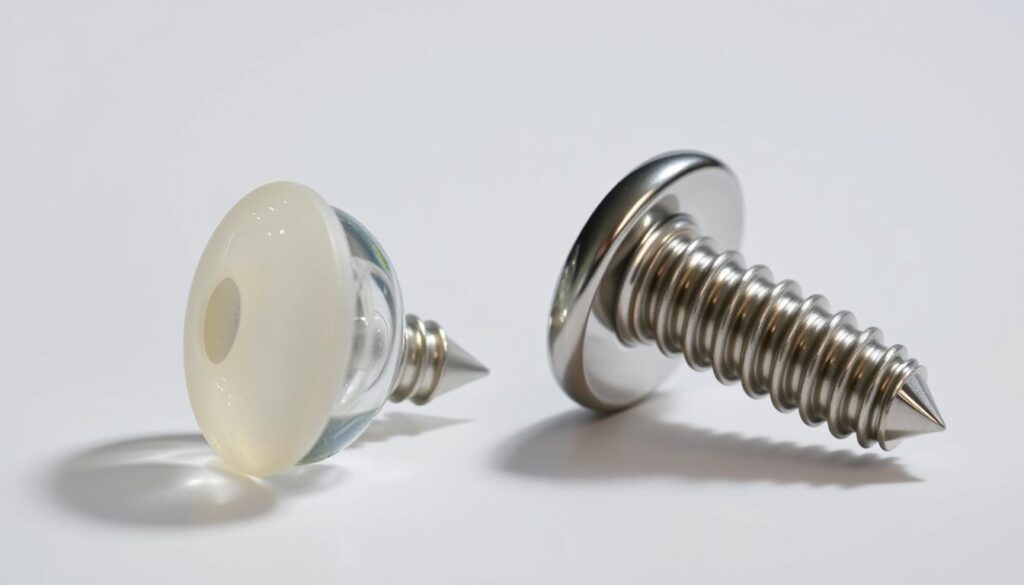
Bioabsorbable fixation devices, such as screws, are increasingly being utilized in ACL surgeries, providing a potentially superior method of graft fixation. These innovative devices are designed to facilitate the healing process without the long-term presence of foreign materials in the body.
Definition and Purpose
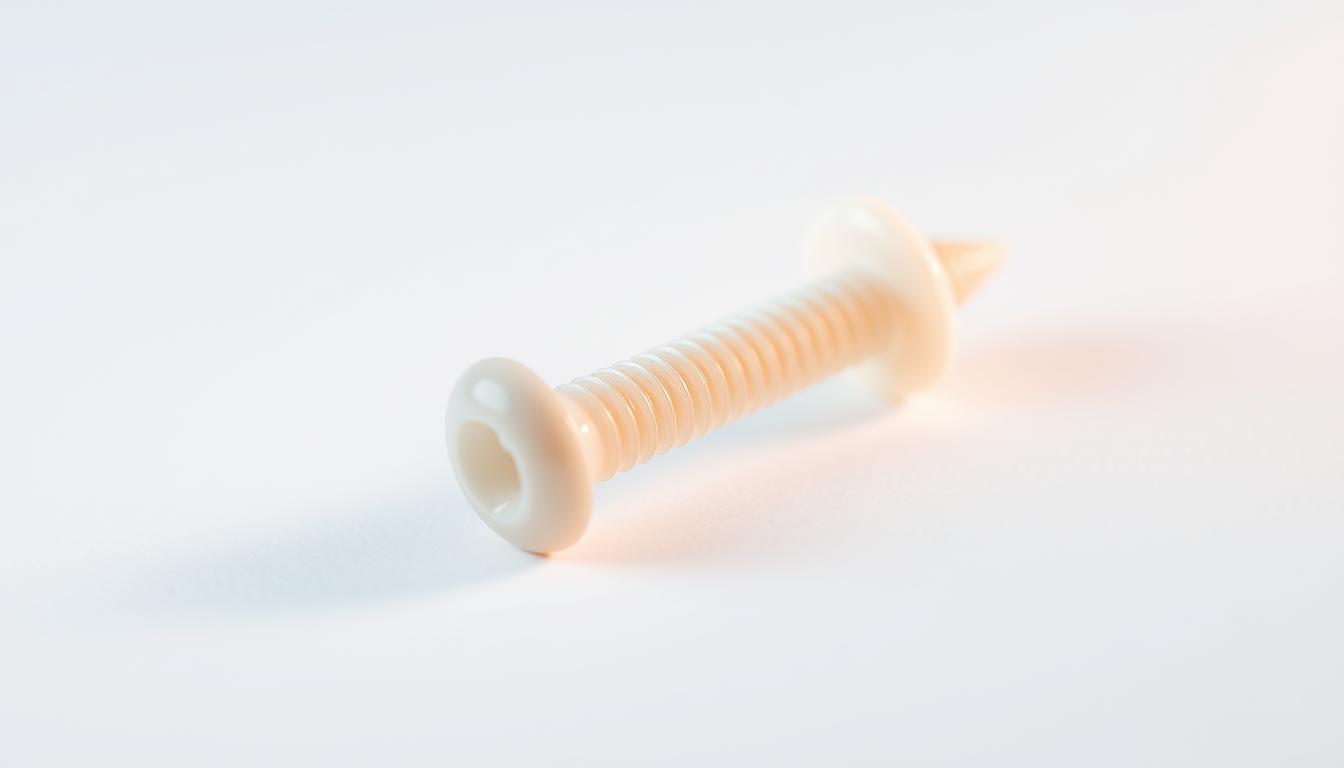
Bioabsorbable screws are medical devices used to stabilize grafts during ACL reconstruction surgery. Their primary purpose is to provide initial fixation that is strong enough to support the graft during the early stages of healing, after which they gradually degrade, allowing the graft to integrate with the surrounding bone. As Dr. John Smith, an orthopedic surgeon, notes, “The use of bioabsorbable screws eliminates the need for a second surgery to remove the fixation device, reducing the risk of complications and improving patient outcomes.”
Material Composition
The composition of bioabsorbable screws is crucial to their function and safety. These screws are typically made from materials such as PLDLA (Poly-L-DL-lactic acid) and beta Tri-Calcium Phosphate. PLDLA is a biocompatible polymer that degrades through hydrolysis, while beta Tri-Calcium Phosphate is a calcium salt that promotes bone growth and is gradually resorbed by the body. The combination of these materials allows bioabsorbable screws to provide initial mechanical strength while facilitating a gradual transfer of load to the healing graft.
According to a study published in the Journal of Orthopaedic Research, “The use of bioabsorbable materials in orthopedic surgery has shown promising results, with minimal adverse reactions and satisfactory graft healing rates.” This supports the growing body of evidence that bioabsorbable screws are a viable and effective option for ACL reconstruction.
Advantages of Bioabsorbable Screws
Bioabsorbable screws offer several advantages over traditional metal screws in ACL reconstruction. One of the primary benefits is their ability to provide stable fixation while gradually transferring load to the healing graft, thus promoting a more natural healing process.
Reduced Need for Secondary Surgery
A significant advantage of bioabsorbable screws is the reduced need for secondary surgery. Since these screws are absorbed by the body over time, they eliminate the necessity for additional surgical procedures to remove hardware, thereby reducing the risk of complications associated with secondary surgeries. As noted by a study, “the use of bioabsorbable implants in orthopedic surgery has been shown to decrease the incidence of secondary surgeries, improving patient outcomes and satisfaction.”
Biocompatibility and Safety
Bioabsorbable screws are made from materials that are biocompatible and designed to be safely absorbed by the body. This characteristic minimizes the risk of adverse reactions, such as inflammation or toxicity, which can be associated with some metal implants. The biocompatibility of bioabsorbable screws ensures a safer profile for patients undergoing ACL reconstruction.
Decreased Inflammation
Another benefit of bioabsorbable screws is their potential to decrease inflammation compared to metal screws. The absorption process of these screws is designed to be gradual, allowing the body to accommodate the degradation products without significant inflammatory responses. This property contributes to a smoother recovery process for patients.
In summary, the advantages of bioabsorbable screws in ACL surgery include a reduced need for secondary surgery, enhanced biocompatibility and safety, and decreased inflammation. These benefits position bioabsorbable screws as a favorable option for patients undergoing ACL reconstruction.
Disadvantages of Bioabsorbable Screws
While bioabsorbable screws offer several benefits, they also have some drawbacks that need to be considered. The use of these screws in ACL surgery is a complex process, and understanding their limitations is crucial for optimal outcomes.
Potential for Mechanical Weakness
One of the primary concerns with bioabsorbable screws is their potential for mechanical weakness. Studies have shown that these screws may not provide the same level of stability as metal screws, particularly in the early stages of healing. This can lead to complications, such as graft failure or tunnel widening.
The mechanical properties of bioabsorbable screws are influenced by their material composition and degradation rate. Polylactic acid (PLA) and polyglycolic acid (PGA) are commonly used materials, but they can degrade at different rates, affecting the screw’s mechanical strength.
Risk of Incomplete Absorption
Another significant disadvantage of bioabsorbable screws is the risk of incomplete absorption. If the screw is not fully absorbed by the body, it can lead to inflammation, foreign body reactions, or other complications. The risk of incomplete absorption is influenced by factors such as the screw’s material composition, size, and degradation rate.
Research has shown that incomplete absorption can occur in some cases, leading to adverse reactions. Therefore, it is essential to carefully evaluate the risks and benefits of bioabsorbable screws on a case-by-case basis.
Bioabsorbable vs. Metal Screws
Bioabsorbable and metal screws are two distinct options used in ACL surgery, each with its own set of advantages and disadvantages. The choice between these two types of screws depends on various factors, including the patient’s condition, the surgeon’s preference, and the specific requirements of the surgical procedure.
Comparison of Performance
The performance of bioabsorbable and metal screws in ACL surgery has been a subject of extensive research. Studies have compared the fixation strength, graft integration, and overall clinical outcomes of these two types of screws.
Fixation Strength: Metal screws have traditionally been considered to provide superior fixation strength compared to bioabsorbable screws. However, advancements in bioabsorbable technology have narrowed this gap, with some bioabsorbable screws now offering comparable fixation strength.
Characteristics
Bioabsorbable Screws
Metal Screws
Fixation Strength
High, with advancements in technology
Traditionally higher
Graft Integration
Promotes better integration
May require removal, potentially affecting graft
Long-term Complications
Generally fewer complications
Potential for metal-related complications
Long-term Outcomes
The long-term outcomes of ACL surgery using bioabsorbable or metal screws are crucial in determining the success of the procedure. Factors such as graft healing, patient recovery, and the incidence of complications are closely monitored.
Graft Healing: Bioabsorbable screws are believed to promote better graft healing due to their biocompatibility and the absence of a permanent foreign body within the graft site.
In conclusion, both bioabsorbable and metal screws have their place in ACL surgery. The choice between them should be based on a comprehensive evaluation of the patient’s needs and the specific surgical requirements.
Common Uses in ACL Surgery
The use of bioabsorbable screws in ACL surgery has gained popularity among orthopedic surgeons due to their potential to improve patient outcomes. Bioabsorbable screws are utilized in various ACL reconstruction techniques, catering to different patient needs.
Reconstruction Techniques
ACL reconstruction techniques have evolved over the years, with bioabsorbable screws playing a crucial role in this evolution. These screws are used in several techniques, including:
Anatomic ACL reconstruction
Single-bundle ACL reconstruction
Double-bundle ACL reconstruction
Each technique has its advantages, and the choice of technique often depends on the patient’s specific condition and the surgeon’s preference. Bioabsorbable screws offer flexibility and stability in these procedures, making them a valuable tool for surgeons.
Patient Demographics
Bioabsorbable screws are suitable for a wide range of patient demographics, including athletes and individuals with active lifestyles. The demographic characteristics that are often considered when selecting bioabsorbable screws include age, activity level, and the severity of the ACL injury.
The benefits of bioabsorbable screws, such as reduced need for secondary surgery and decreased inflammation, make them an attractive option for:
Young athletes involved in high-impact sports
Patients with a high risk of complications from metal implants
Individuals seeking to minimize long-term hardware-related issues
By understanding the common uses of bioabsorbable screws in ACL surgery, surgeons can make informed decisions about the most appropriate techniques and implants for their patients.
Surgical Procedure Overview
Understanding the surgical procedure for ACL reconstruction is essential for optimal outcomes. The use of bioabsorbable screws has become a significant aspect of this procedure, offering several advantages over traditional metal screws.
Preparation Steps
The preparation for ACL reconstruction involves several critical steps. Graft selection is the first crucial step, where the surgeon decides on the type of graft to be used, either autograft or allograft.
Tunnel preparation follows, where the surgeon creates tunnels in the bone to secure the graft. The precision in creating these tunnels is vital for the success of the surgery.
Insertion Technique
The insertion technique for bioabsorbable screws requires great care. The screw is inserted into the tunnel to secure the graft in place. The size and type of bioabsorbable screw used can vary depending on the patient’s anatomy and the surgeon’s preference.
A comparison of the steps involved in the surgical procedure with bioabsorbable and metal screws is provided below:
Step
Bioabsorbable Screws
Metal Screws
Graft Selection
Same as metal screws
Same as bioabsorbable
Tunnel Preparation
Similar technique
Similar technique
Screw Insertion
Bioabsorbable material
Metallic material
The surgical technique is further illustrated in the following image:
Post-Surgery Recovery
Post-surgery recovery for ACL reconstruction patients involves a detailed timeline and specific activity restrictions to ensure optimal healing. The use of bioabsorbable screws in ACL surgery has been shown to support a smoother recovery process due to their biocompatibility and gradual absorption by the body.
Rehabilitation Timeline
The rehabilitation timeline following ACL surgery with bioabsorbable screws typically spans several months. Initially, the focus is on reducing pain and inflammation, followed by restoring knee function and strength.
0-2 weeks: Focus on pain management and initial healing.
2-6 weeks: Gradually introduce range of motion exercises and initial strengthening.
6-12 weeks: Progress to more advanced strengthening and functional exercises.
3-6 months: Continue strengthening and prepare for return to sports or strenuous activities.
6-9 months: Full return to sports is typically considered, provided the patient has regained sufficient strength and knee function.
Activity Restrictions
Activity restrictions after ACL surgery are crucial to prevent complications and ensure proper healing. Patients are generally advised to avoid:
Pivoting sports or activities that involve sudden changes in direction.
High-impact activities without clearance from a healthcare provider.
Deep squatting or heavy lifting.
Adhering to these restrictions and following a structured rehabilitation program can significantly improve outcomes after ACL reconstruction with bioabsorbable screws.
Rehabilitation Phase
Timeline
Key Activities
Initial Healing
0-2 weeks
Pain management, gentle exercises
Strengthening
2-12 weeks
Range of motion exercises, strengthening
Functional Recovery
3-6 months
Advanced strengthening, functional training
Return to Sports
6-9 months
Full strength and function restoration
Clinical Studies and Evidence
A growing body of evidence from clinical studies supports the use of bioabsorbable screws in ACL surgery, highlighting their potential advantages and areas for improvement. Recent research has focused on the efficacy, safety, and long-term outcomes of these implants.
Recent Research Findings
Recent studies have investigated various aspects of bioabsorbable screws in ACL reconstruction. For instance, a study published in a reputable journal examined the outcomes of patients who underwent ACL reconstruction using bioabsorbable screws, finding satisfactory results in terms of knee stability and patient satisfaction https://pmc.ncbi.nlm.nih.gov/articles/PMC6458013/. Another research effort compared the performance of bioabsorbable screws with traditional metal screws, concluding that bioabsorbable options offer comparable, if not superior, outcomes in certain cases.
Case Studies Overview
Several case studies have provided detailed insights into the application of bioabsorbable screws in ACL surgery. These studies often highlight the benefits, such as reduced need for secondary surgery and decreased inflammation, as well as challenges, including potential mechanical weakness and the risk of incomplete absorption. For example, a case study on a young athlete who underwent ACL reconstruction with bioabsorbable screws reported a successful recovery and return to competitive sports, underscoring the potential of these implants in facilitating quick and effective rehabilitation.
The compilation of these case studies and research findings contributes to a more comprehensive understanding of the role of bioabsorbable screws in ACL surgery, guiding both surgeons and patients in making informed decisions.
Cost Considerations
Bioabsorbable screws, while offering several clinical advantages, also present distinct economic considerations in ACL surgery. The cost implications of these implants are multifaceted, involving not just the initial purchase price but also factors related to insurance coverage and potential long-term savings.
Price Comparison with Metal Screws
The cost of bioabsorbable screws is generally higher than that of their metal counterparts. This difference is primarily due to the advanced materials and manufacturing processes involved in producing bioabsorbable implants.
Bioabsorbable screws: Typically range from $500 to $1,000 per screw.
Metal screws: Usually cost between $100 to $300 per screw.
Despite the higher upfront cost, bioabsorbable screws may offer long-term economic benefits by reducing the need for secondary surgical procedures to remove the implant.
Insurance Coverage and Reimbursement
Insurance coverage for bioabsorbable screws used in ACL reconstruction varies by provider and policy. Some insurance plans may cover the cost of these implants, while others may not, or may require additional pre-approval.
The medical necessity of using bioabsorbable screws as determined by the healthcare provider.
The presence of any pre-authorization requirements.
Patients are advised to consult with their insurance providers to understand the extent of their coverage and any out-of-pocket expenses they may incur.
Understanding the economic aspects of bioabsorbable screws is crucial for both healthcare providers and patients to make informed decisions about ACL reconstruction. While the initial cost may be higher, the potential for reduced need for secondary surgeries and other long-term benefits can impact the overall cost-effectiveness of these implants.
Future Trends in ACL Surgery
The landscape of ACL surgery is on the cusp of a revolution, driven by advancements in bioabsorbable materials and techniques. As we look to the future, it’s clear that innovations in bioabsorbable materials will play a pivotal role in shaping the field of ACL reconstruction.
Innovations in Bioabsorbable Materials
Recent studies have highlighted the potential of new bioabsorbable materials that offer improved mechanical properties and biocompatibility. For instance, research into polylactic acid (PLA) and polyglycolic acid (PGA) blends has shown promising results in terms of degradation rates and tissue integration. According to a study published on the National Center for Biotechnology Information website, advancements in material science are crucial for the development of better bioabsorbable implants https://pmc.ncbi.nlm.nih.gov/articles/PMC5300124/.
The development of these materials is expected to continue, with a focus on enhancing their mechanical strength and reducing the risk of adverse reactions. This could lead to more durable and reliable bioabsorbable screws that provide stable fixation for ACL grafts.
Predictions for Surgical Practices
As bioabsorbable technology advances, we can expect significant changes in surgical practices related to ACL reconstruction. One prediction is that personalized ACL reconstruction will become more prevalent, with bioabsorbable materials being tailored to individual patient needs based on factors like graft size and bone density.
Furthermore, the integration of 3D printing technology with bioabsorbable materials could revolutionize the way ACL reconstruction is approached. This could enable surgeons to create customized implants that perfectly match the patient’s anatomy, potentially improving outcomes and reducing recovery times.
The future of ACL surgery is likely to be characterized by a blend of technological innovation and personalized medicine, with bioabsorbable materials at the forefront of this evolution.
Conclusion
The use of bioabsorbable screws in ACL surgery represents a significant advancement, offering potential for improved outcomes and reduced complications. As discussed, these implants provide several benefits, including reduced need for secondary surgery and decreased inflammation.
Key Takeaways
Bioabsorbable screws have shown promise in ACL reconstruction, with advantages such as biocompatibility and reduced risk of long-term complications. However, potential drawbacks, including mechanical weakness and incomplete absorption, must be considered.
Future Impacts on ACL Reconstruction
The future of ACL surgery is likely to be influenced by ongoing innovations in bioabsorbable materials and techniques. As research continues to emerge, the role of bioabsorbable screws in ACL reconstruction is expected to evolve, potentially leading to improved patient outcomes and expanded applications in orthopedic care.
FAQ
What are bioabsorbable screws used for in ACL surgery?
Bioabsorbable screws are used as fixation devices in ACL reconstruction surgery, providing a means to secure the graft in place while it heals, and are designed to be absorbed by the body over time, eliminating the need for a second surgery to remove hardware.
What materials are bioabsorbable screws made of?
Bioabsorbable screws are typically made from materials such as PLDLA (Poly-L-D-Lactic Acid) and beta Tri-Calcium Phosphate, which are chosen for their biocompatibility and ability to be absorbed by the body.
Are bioabsorbable screws more beneficial than metal screws for ACL reconstruction?
Bioabsorbable screws offer several benefits over metal screws, including reduced need for secondary surgery, decreased inflammation, and improved biocompatibility, making them a preferred choice for many surgeons and patients.
What are the potential drawbacks of using bioabsorbable screws in ACL surgery?
Potential drawbacks of bioabsorbable screws include mechanical weakness, risk of incomplete absorption, and potential for adverse reactions, although these risks are generally considered to be low.
How do bioabsorbable screws compare to metal screws in terms of fixation strength?
Studies have shown that bioabsorbable screws can provide comparable fixation strength to metal screws, although the strength of bioabsorbable screws can degrade over time as they are absorbed.
What is the typical rehabilitation timeline after ACL surgery with bioabsorbable screws?
The rehabilitation timeline after ACL surgery with bioabsorbable screws is generally similar to that with metal screws, with most patients progressing to full weight-bearing and functional activities within 6-9 months.
Are bioabsorbable screws covered by insurance?
Insurance coverage for bioabsorbable screws varies depending on the specific insurance plan and provider, although many plans cover these devices as part of ACL reconstruction surgery.
What are the future trends in bioabsorbable materials for ACL surgery?
Emerging trends in bioabsorbable materials include the development of new polymers and composites that offer improved mechanical properties and biocompatibility, as well as innovations in 3D printing and customization.
Can bioabsorbable screws be used for all types of ACL reconstruction techniques?
Bioabsorbable screws can be used for various ACL reconstruction techniques, including single-bundle and double-bundle reconstructions, although the specific technique and screw design may vary depending on the surgeon’s preference and patient anatomy.
How do bioabsorbable fixation devices impact graft healing in ACL reconstruction?
Bioabsorbable fixation devices, including screws, can promote graft healing by providing stable fixation and minimizing the risk of graft damage or irritation, although the impact on graft healing can vary depending on the specific device and surgical technique used.
Are you one of the millions suffering from knee pain and seeking effective relief? The use of advanced technology in medical treatments has revolutionized the way we approach musculoskeletal issues.
Ultrasound-guided knee injections have emerged as a crucial treatment option, providing targeted pain relief and enabling individuals to progress with exercise therapy. By leveraging the precision of ultrasound technology, healthcare professionals can now administer injections with greater accuracy, ensuring that the medication reaches the exact area of need.
Key Takeaways
Ultrasound-guided injections provide targeted pain relief for knee pain.
This treatment enables individuals to engage in exercise therapy more effectively.
The precision of ultrasound technology improves the accuracy of injections.
Knee pain treatment has evolved with advancements in medical technology.
Effective pain management is crucial for overall musculoskeletal health.
What Are Ultrasound-Guided Knee Injections?
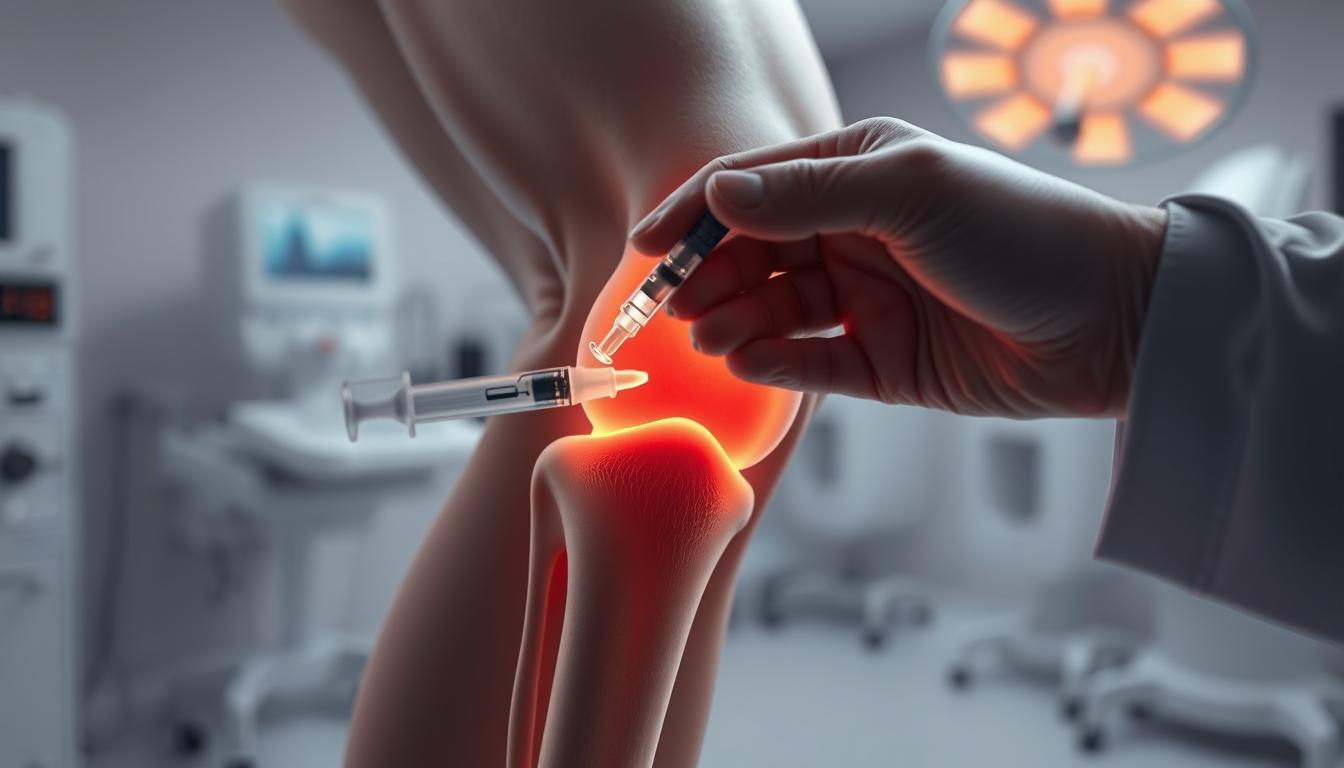
Ultrasound-guided knee injections represent a significant advancement in the treatment of knee disorders. These injections utilize ultrasound imaging to guide the needle to the precise location, enhancing the effectiveness of the treatment.
Definition of Ultrasound-Guided Knee Injections
Ultrasound-guided knee injections involve the use of ultrasound imaging to visualize the knee joint and surrounding structures in real-time, allowing for the precise delivery of therapeutic agents, such as corticosteroids or hyaluronic acid, directly into the affected area.
Purpose and Benefits of This Procedure
The primary purpose of ultrasound-guided knee injections is to provide relief from pain and inflammation associated with various knee conditions. The benefits of this procedure include improved accuracy, reduced risk of complications, and enhanced effectiveness of the injected therapeutic agents.
Evidence suggests that using ultrasound improves the accuracy and effectiveness of injection therapy. Conditions such as knee arthritis benefit significantly from this precision.
Characteristics
Traditional Knee Injections
Ultrasound-Guided Knee Injections
Accuracy
Limited by anatomical landmarks
Enhanced by real-time ultrasound imaging
Risk of Complications
Higher due to potential misplacement
Lower due to precise needle placement
Effectiveness
Variable, dependent on injector skill
Improved due to accurate delivery
How Ultrasound-Guided Knee Injections Work
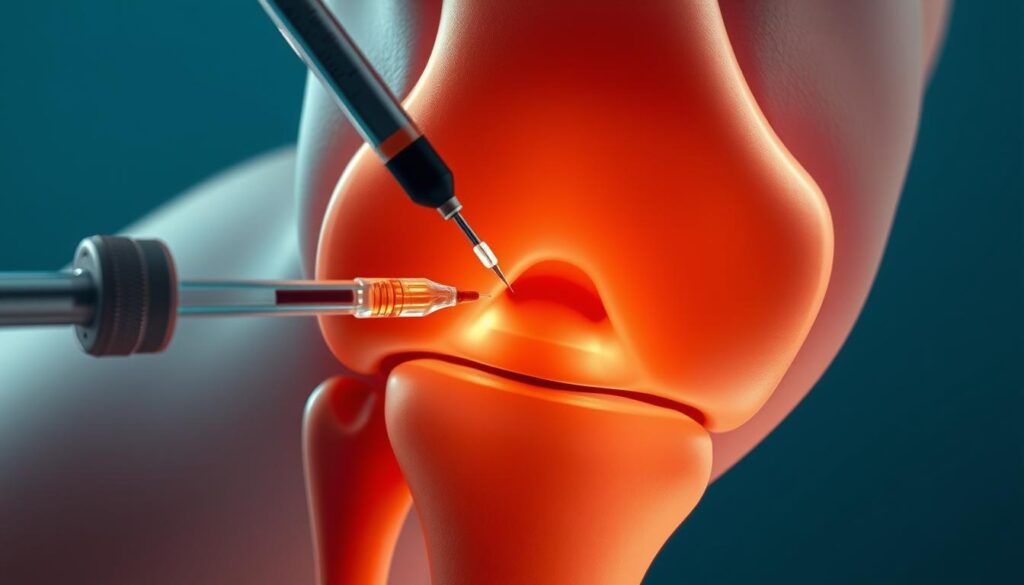
Ultrasound-guided knee injections represent a significant advancement in the treatment of knee-related conditions, offering a precise and minimally invasive solution. This procedure combines the benefits of ultrasound imaging with the therapeutic effects of injections to provide relief for patients suffering from various knee ailments.
The Role of Ultrasound in Guiding Injections
Ultrasound technology plays a crucial role in guiding the injection needle to the exact location within the knee joint. By providing real-time images, ultrasound allows healthcare providers to visualize the needle’s trajectory and placement, ensuring that the therapeutic agent is delivered precisely where it is needed. As noted by medical professionals,
“The use of ultrasound guidance has significantly improved the accuracy of knee injections, reducing the risk of complications and enhancing patient outcomes.”
The ultrasound-guided approach enables practitioners to avoid relying on landmark-based or palpation-guided techniques, which can be less accurate. This is particularly important in cases where the knee anatomy is complex or altered due to previous surgeries or conditions.
Steps Involved in the Injection Process
The process of receiving a minimally invasive knee injection typically begins with a thorough preparation of the knee area to minimize the risk of infection. The healthcare provider may clean the area with an antiseptic solution and may use a local anesthetic to numb the skin.
The knee is prepared and cleaned to prevent infection.
Ultrasound gel is applied to the skin to facilitate imaging.
The healthcare provider uses ultrasound to identify the optimal injection site.
The injection is administered, and the needle is guided in real-time using ultrasound.
The procedure is typically quick, and patients can often resume normal activities shortly after.
In some cases, the healthcare provider may choose to aspirate excess joint fluid before administering the injection. This not only reduces swelling but also provides a clearer ultrasound image of the joint space, allowing for more accurate placement of the therapeutic agent.
By understanding the steps involved in knee injection therapy, patients can better appreciate the care and precision that goes into their treatment, ultimately leading to more effective relief from knee pain and associated conditions.
Conditions Treated with Ultrasound-Guided Knee Injections
Knee conditions such as osteoarthritis, tendonitis, and bursitis can be effectively managed with ultrasound-guided injections. These conditions often result in significant knee pain and reduced mobility, impacting the quality of life.
Osteoarthritis and Joint Pain
Osteoarthritis is a degenerative joint disease that causes the cartilage in the knee to break down, leading to pain, stiffness, and reduced mobility. Ultrasound-guided knee injections, particularly those using hyaluronic acid (viscosupplementation), can help restore joint lubrication, providing relief from osteoarthritis symptoms. For more information on knee pain, visit kneehurt.com.
The use of ultrasound guidance ensures that the injection is delivered precisely into the affected area, enhancing the effectiveness of the treatment. This approach is particularly beneficial for patients who have not responded well to other treatments.
Tendonitis and Bursitis
Tendonitis and bursitis are inflammatory conditions that can cause significant knee pain. Tendonitis involves inflammation of the tendons, while bursitis is the inflammation of the bursae, fluid-filled sacs that cushion the joints. Ultrasound-guided injections can deliver corticosteroids directly to the inflamed area, reducing inflammation and pain.
By targeting the exact site of inflammation, these injections can provide rapid relief and help restore normal knee function. This targeted approach minimizes the risk of side effects associated with systemic corticosteroid use.
Other Common Knee Conditions
In addition to osteoarthritis, tendonitis, and bursitis, other knee conditions such as meniscal tears and ligament sprains can also benefit from ultrasound-guided injections. While these conditions may require additional treatments like physical therapy or surgery, injections can help manage pain and inflammation.
The versatility of ultrasound-guided knee injections makes them a valuable tool in the management of various knee disorders, offering patients a range of knee pain relief options and improving their overall quality of life.
Advantages of Ultrasound Guidance
One of the key advancements in knee pain management strategies is the utilization of ultrasound guidance during injections. This technique has significantly enhanced the effectiveness of knee injections by ensuring that the medication is delivered precisely to the targeted area.
Improved Precision and Accuracy
Ultrasound guidance allows healthcare providers to visualize the needle and the target area in real-time, ensuring that the injection is administered accurately. This precision is particularly important in complex knee anatomy, where the proximity of nerves, tendons, and blood vessels can complicate the injection process.
The accuracy provided by ultrasound guidance means that the medication, often cortisone, is delivered directly to the source of inflammation or pain, such as in cases of osteoarthritis or tendonitis. Cortisone is a potent anti-inflammatory medication that reduces inflammation and swelling in tendons and joints, providing relief to patients.
Reduced Risk of Complications
By using ultrasound to guide the needle, the risk of complications such as nerve damage or infection is significantly reduced. The real-time imaging allows for adjustments to be made during the procedure, ensuring the needle is placed correctly and avoiding potential complications.
Benefits
Description
Outcome
Improved Precision
Real-time ultrasound guidance ensures accurate needle placement.
Effective delivery of medication to the target area.
Reduced Risk
Minimized risk of nerve damage and infection.
Safer procedure with fewer complications.
Enhanced Efficacy
Cortisone is delivered directly to the source of pain or inflammation.
Significant relief from pain and inflammation.
What to Expect During the Procedure
When undergoing an ultrasound-guided knee injection, several steps are involved to ensure a safe and effective procedure.
Preparation Steps Before the Injection
Before the injection, the knee area is cleaned and prepared to minimize the risk of infection. Next, the joint is anesthetized using a local numbing agent like lidocaine to make the procedure more comfortable.
Preparation is key to a successful ultrasound-guided knee injection. The use of ultrasound imaging allows for real-time visualization, ensuring that the injection is delivered precisely to the targeted area.
The Injection Experience
Once the area is numb, the doctor will insert a needle into the knee joint, guided carefully by ultrasound imaging to ensure precise placement. Patients may feel a slight pinch or pressure during the injection, but this is typically minimal due to the local anesthesia.
The entire procedure is relatively quick, usually taking only a few minutes to complete. The precision of ultrasound guidance enhances the effectiveness of the knee joint injection procedure.
Aftercare Following Knee Injections
Post-procedure care is a vital component of knee pain relief options, including ultrasound-guided knee injections. Proper aftercare can significantly influence the effectiveness of the treatment and the patient’s recovery process.
Immediate Post-Procedure Care
After receiving knee injection therapy, patients may experience mild soreness, warmth, or swelling at the injection site. These symptoms are typically temporary and resolve within a day or two.
Rest the knee and avoid strenuous activities for at least 24 to 48 hours.
Apply ice to reduce swelling if necessary.
Monitor the injection site for signs of infection, such as increased redness, swelling, or pain.
Long-term Recovery Tips
For optimal recovery and to achieve the best results from knee injection therapy, consider the following long-term tips:
Gradually resume normal activities and exercises as advised by your healthcare provider.
Maintain a healthy weight to reduce stress on the knee joint.
Engage in physical therapy or exercises recommended by your healthcare provider to improve knee strength and flexibility.
By following these aftercare guidelines, patients can enhance their recovery and improve the overall effectiveness of their knee pain relief options.
Potential Risks and Side Effects
While ultrasound-guided knee injections are considered safe, it’s essential to be aware of the potential risks and side effects associated with this procedure.
These injections, often used as a minimally invasive knee injections treatment for various knee conditions, including knee arthritis treatment, are generally well-tolerated. However, understanding the possible complications can help manage expectations and improve patient outcomes.
Common Side Effects to Anticipate
Most patients undergoing ultrasound-guided knee injections experience minimal side effects. Common issues may include:
Temporary pain or discomfort at the injection site
Mild swelling or redness
A temporary flare-up of knee pain
These side effects are typically mild and resolve on their own within a few days.
Rare but Serious Complications
Serious adverse events are rare but can occur. These include:
Allergic reactions to the injected medication
Infections, which can be serious and require prompt medical attention
Joint flare-ups characterized by increased pain, warmth, or swelling
In very uncommon cases, a pseudoseptic reaction can happen, marked by significant redness and swelling that typically improves with rest and ice.
It’s crucial for patients to be aware of these potential complications and to seek medical help if they experience any severe or persistent symptoms.
By understanding the potential risks and side effects, patients can make informed decisions about their treatment. It’s also important to follow post-procedure care instructions to minimize the risk of complications.
Candidates for Ultrasound-Guided Knee Injections
Identifying the right candidates for ultrasound-guided knee injections is crucial for effective knee pain management. This treatment is particularly beneficial for individuals who have not responded well to conservative treatments.
Who Can Benefit Most from This Treatment?
Patients with mild to moderate knee osteoarthritis are typically considered good candidates for ultrasound-guided knee injections, particularly those who have not achieved adequate relief from conservative treatments such as physical therapy, oral medications, or other non-surgical interventions. Hyaluronic acid injections, also known as viscosupplementation, are commonly used for these patients.
Age and Health Considerations
Age and overall health are significant factors in determining suitability for ultrasound-guided knee injections. While older adults with osteoarthritis may benefit significantly, younger patients with specific knee conditions may also be candidates. Healthcare providers assess each patient’s health status, including the presence of any comorbidities, to determine the appropriateness of this treatment.
For instance, patients with severe knee damage or certain health conditions may not be ideal candidates. Therefore, a thorough evaluation is necessary to ensure that the benefits of ultrasound-guided knee injections outweigh the potential risks.
Cost of Ultrasound-Guided Knee Injections
For individuals considering knee joint injection procedures, understanding the associated costs is essential for making informed decisions. The cost of ultrasound-guided knee injections can vary based on several factors, including the location, healthcare provider, and specific requirements of the procedure.
Price Range in the United States
The cost of viscosupplementation, a common treatment involving ultrasound-guided knee injections, can range widely across the United States. On average, the price for a single injection can be between $300 to $1,000. However, the total cost may be higher when considering the series of injections often required for effective treatment.
Factors influencing the cost include:
The expertise and fees of the healthcare provider
Geographic location, with urban areas typically having higher costs
The specific type of injection or medication used
Insurance Coverage and Options
Insurance coverage for ultrasound-guided knee injections varies among providers and policies. Some insurance plans may cover part or all of the procedure if deemed medically necessary, while others may not cover it at all. It’s crucial for patients to check their insurance coverage before undergoing the treatment.
Options for managing the cost include:
Discussing financing options with the healthcare provider
Exploring patient assistance programs if available
Comparing prices among different providers
Understanding the financial aspects and exploring available options is crucial for patients considering this treatment. By being informed, patients can better navigate the costs associated with ultrasound-guided knee injections and make decisions that align with their financial situation and healthcare needs.
Finding a Qualified Provider
To ensure the best outcomes from ultrasound imaging for knee injections, it’s vital to find a skilled healthcare professional. The expertise of the provider can significantly impact the effectiveness of the treatment.
Questions to Ask Your Provider
Before undergoing the knee injection therapy, it’s essential to ask your provider a few critical questions to gauge their expertise and the quality of care you can expect.
What experience do you have with ultrasound-guided knee injections?
Can you explain the procedure and what I can expect during and after the injection?
What are the potential risks and complications associated with this treatment?
How will you ensure the accuracy and effectiveness of the injection?
Asking these questions can help you understand the provider’s level of expertise and their approach to your care. As noted by a medical professional, “Precision is key when it comes to injections; it’s not just about injecting medication, but doing so with accuracy to achieve the desired therapeutic effect.”
Important Credentials to Look For
When searching for a provider, certain credentials can indicate a higher level of competence in administering ultrasound-guided knee injections. Look for providers who are:
Board-certified in their specialty, such as orthopedics or physical medicine and rehabilitation.
Experienced in performing ultrasound-guided procedures.
Familiar with the latest techniques and technologies in knee injection therapy.
For more information on ultrasound-guided joint injections and to find a qualified provider, it’s advisable to consult reputable medical resources and professional directories.
Alternatives to Ultrasound-Guided Knee Injections
Not everyone may be suited for or prefer ultrasound-guided knee injections, making alternative treatments worth considering. For patients seeking knee pain relief options, there are various other treatments available.
Other Injection Techniques
Besides ultrasound-guided injections, other injection techniques can be considered for knee pain management. These include:
Fluoroscopically guided injections, which use X-ray guidance to ensure accurate placement.
Blind injections, although less accurate, may still offer relief for some patients.
Platelet-rich plasma (PRP) therapy, which involves injecting platelet-rich plasma derived from the patient’s own blood to stimulate healing.
As noted by medical professionals, “The choice of injection technique depends on the specific condition, patient preferences, and the expertise of the healthcare provider.”
“The key to successful treatment lies in selecting the most appropriate intervention based on a thorough assessment of the patient’s condition.”
Non-Injection Treatments for Knee Pain
For those who prefer to avoid injections or are not candidates for them, several minimally invasive knee injections alternatives and non-invasive treatments are available:
Physical therapy to improve knee function and reduce pain.
Medications such as NSAIDs or corticosteroids to manage pain and inflammation.
Alternative therapies like acupuncture or chiropractic care.
Lifestyle modifications, including weight loss and exercise, to reduce stress on the knee.
It’s essential for patients to discuss these options with their healthcare provider to determine the best course of treatment for their specific needs.
Conclusion: The Value of Ultrasound Guidance
Ultrasound-guided knee injections have emerged as a valuable treatment option for knee pain, particularly for individuals suffering from osteoarthritis. By leveraging the precision of ultrasound technology, healthcare providers can deliver injections with greater accuracy, enhancing the effectiveness of knee arthritis treatment.
Key Benefits and Effectiveness
The benefits of ultrasound-guided knee injections include improved precision, reduced risk of complications, and a favorable safety profile. These advantages make them an attractive choice for patients seeking knee pain management strategies.
Discussing Treatment Options with Healthcare Providers
Patients experiencing knee pain should discuss ultrasound-guided knee injections with their healthcare providers to determine if this treatment is suitable for their specific needs. By exploring this option, individuals can make informed decisions about their knee pain management strategies and potentially improve their quality of life.
FAQ
What is an ultrasound-guided knee injection?
An ultrasound-guided knee injection is a minimally invasive procedure that uses ultrasound imaging to guide the injection of medication into the knee joint, providing precise delivery of treatment for various knee conditions, including osteoarthritis, tendonitis, and bursitis.
How does ultrasound guidance improve the accuracy of knee injections?
Ultrasound guidance allows healthcare providers to visualize the needle and the target area in real-time, ensuring accurate placement of the medication and reducing the risk of complications, thereby improving the effectiveness of the treatment.
What are the benefits of using ultrasound-guided knee injections for osteoarthritis treatment?
The benefits include improved precision, reduced risk of complications, and enhanced effectiveness in managing osteoarthritis symptoms, such as pain and limited mobility, allowing patients to engage in exercise therapy and other rehabilitation programs.
What can I expect during an ultrasound-guided knee injection procedure?
You can expect the procedure to involve preparation steps, such as cleaning and numbing the area, followed by the injection itself, which is typically performed under local anesthesia, and the use of ultrasound imaging to guide the needle to the correct location.
How should I care for my knee after an ultrasound-guided injection?
After the procedure, it’s essential to follow immediate post-procedure care instructions, such as applying ice to reduce swelling, and long-term recovery tips, including gradually resuming normal activities and exercises, to ensure a smooth recovery and optimal pain relief.
What are the potential risks and side effects of ultrasound-guided knee injections?
Common side effects include temporary pain, swelling, or redness at the injection site, while rare but serious complications, such as infection or nerve damage, can occur; it’s crucial to discuss these risks with your healthcare provider.
Who is a suitable candidate for ultrasound-guided knee injections?
Suitable candidates include individuals with knee pain caused by osteoarthritis, tendonitis, or bursitis, who have not responded to conservative treatments or require a more targeted approach; age and overall health will be considered by your healthcare provider.
How much do ultrasound-guided knee injections cost in the United States?
The cost can vary depending on factors, such as location, provider, and insurance coverage; it’s essential to check with your insurance provider to determine the extent of coverage and any out-of-pocket expenses.
How can I find a qualified healthcare provider for ultrasound-guided knee injections?
To find a qualified provider, look for credentials, such as specialized training in musculoskeletal ultrasound and injection techniques, and ask questions, such as their experience with the procedure and their approach to patient care.
Are there alternatives to ultrasound-guided knee injections for knee pain management?
Yes, alternatives include other injection therapies, such as corticosteroid or hyaluronic acid injections, and non-injection treatments, such as physical therapy, bracing, or pain medications; your healthcare provider can help determine the best approach for your specific condition.
Can ultrasound-guided knee injections be used in conjunction with other treatments?
Yes, ultrasound-guided knee injections can be used as part of a comprehensive treatment plan, which may include other therapies, such as physical therapy, exercise programs, or pain management strategies, to achieve optimal pain relief and improved joint function.
Are you or a loved one experiencing unusual knee sensations after total knee replacement surgery? You’re not alone. Many patients face unexpected complications, one of which is a condition characterized by a clunking or grinding sensation in the knee.
This condition, known to occur after total knee replacement, can significantly impact a patient’s quality of life. Understanding its causes, symptoms, and treatment options is crucial for effective management and recovery.
Key Takeaways
Total knee replacement surgery can lead to various complications.
One such complication is a condition causing a clunking sensation.
Understanding the causes is key to managing the condition.
Symptoms can vary, impacting patient recovery and quality of life.
Effective treatment options are available to address the issue.
Patient education is crucial for managing expectations and outcomes.
Understanding Post-TKR Patellar Clunk Syndrome
Understanding post-TKR patellar clunk syndrome is essential for managing its symptoms and improving patient outcomes. Post-TKR patellar clunk syndrome is a complication that can significantly impact the quality of life for patients who have undergone total knee replacement surgery.
Definition and Overview
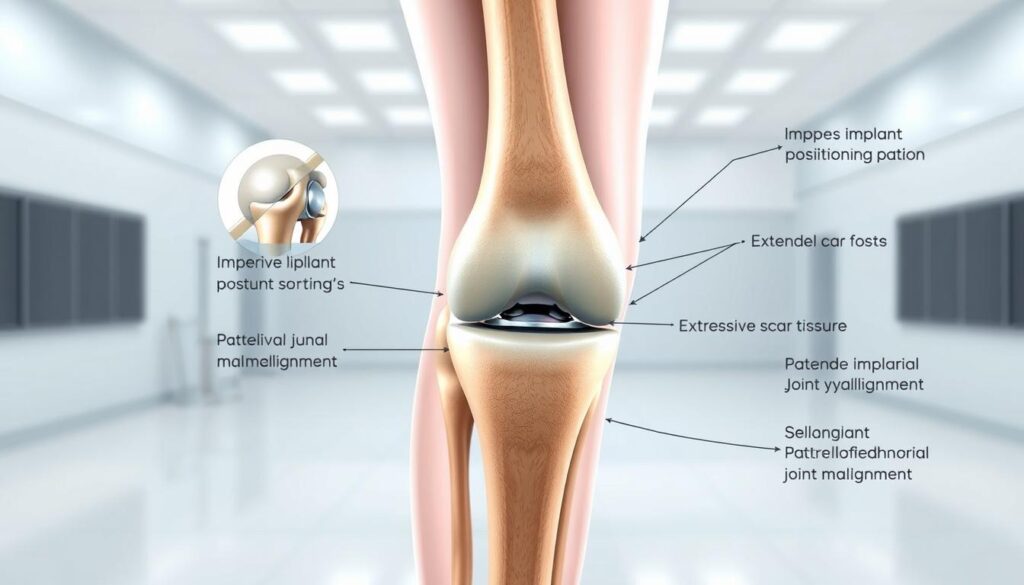
Patellar clunk syndrome is characterized by the presence of a painful clunk or grinding sensation in the knee, typically occurring during flexion or extension of the knee joint. This condition arises due to the formation of a fibrous nodule or scar tissue around the patella, which catches on the edge of the femoral component of the prosthetic knee, causing the clunking sensation.
The syndrome is often associated with poor patellar tracking and can be a source of significant discomfort for patients. Understanding the underlying causes and risk factors is crucial for effective patellar clunk management.
Symptoms of Patellar Clunk
The primary symptom of patellar clunk syndrome is a palpable or audible clunk when the knee is moved through a range of motion, typically between 30° to 60° of flexion. Other symptoms may include:
These symptoms can vary in severity and impact the patient’s ability to perform daily activities.
Why It’s Important to Recognize
Early recognition of patellar clunk syndrome is vital for effective patellar clunk treatment. If left untreated, the condition can lead to ongoing discomfort, limited mobility, and decreased patient satisfaction with the outcome of their TKR surgery.
Recognizing the symptoms and understanding the underlying causes can help healthcare providers develop an appropriate treatment plan, which may include non-surgical interventions or revision surgery in some cases.
Causes of Patellar Clunk Syndrome
The development of patellar clunk syndrome post-TKR is multifactorial, involving surgical, anatomical, and implant-related factors.
Surgical Factors
Surgical technique and component positioning play a significant role in the development of patellar clunk syndrome. Malrotation of components can lead to abnormal patellar tracking. According to a study on patellar clunk syndrome, improper surgical techniques can significantly increase the risk of developing this condition.
Anatomical Concerns
Anatomical factors such as patellar height and trochlear dysplasia can also contribute to patellar clunk syndrome. Variations in patellar height can affect the patellofemoral joint’s function, leading to complications.
The influence of implant design on patellar tracking and function is another critical factor. Different implant designs can affect the patellofemoral joint’s mechanics, potentially leading to patellar clunk syndrome.
Risk Factors for Developing Patellar Clunk
The likelihood of developing patellar clunk syndrome is influenced by a combination of patient-specific and surgical factors. Understanding these risk factors is essential for the effective management and prevention of this complication.
Patient-Specific Factors
Certain patient-specific factors can increase the risk of developing patellar clunk syndrome. These include pre-existing conditions such as diabetes and rheumatoid arthritis, which can affect tissue healing and overall joint health. Additionally, anatomical variations, such as patellar height and femoral component rotation, can also play a significant role in the development of this condition.
Variations in surgical technique during TKR can also contribute to the risk of developing patellar clunk syndrome. Factors such as the design of the femoral component, the positioning of the patellar component, and the surgical approach used can all impact the likelihood of this complication. Surgeons must carefully consider these factors to minimize the risk of patellar clunk syndrome.
Effective patellar clunk management involves not only understanding these risk factors but also implementing strategies to mitigate them. By doing so, healthcare providers can improve patient outcomes and reduce the incidence of post knee replacement complications.
Symptoms to Watch Out For
Being aware of the characteristic symptoms of patellar clunk syndrome is vital for individuals who have undergone knee replacement surgery. Recognizing these symptoms early can lead to timely intervention and potentially prevent further complications.
Characteristic Sounds and Sensations
One of the hallmark symptoms of patellar clunk syndrome is the presence of a clunking or grinding sensation in the knee, typically when transitioning from a flexed position to extension, such as when standing up from a seated position. This audible or palpable clunk can be unsettling and is often associated with the patellar tendon catching on the edge of the femoral component of the prosthetic knee.
Impact on Mobility
The symptoms of patellar clunk syndrome can significantly impact a patient’s mobility and quality of life. The discomfort or pain associated with the condition can limit knee flexion and extension, making everyday activities such as walking, climbing stairs, or even simple movements challenging. For more information on the causes and treatments related to knee issues post-TKR, visit this resource.
Distinguishing from Other Issues
It’s crucial to distinguish patellar clunk syndrome from other complications that can arise after TKR, such as knee pain or stiffness due to different causes. Accurate diagnosis involves a thorough clinical evaluation and potentially diagnostic imaging to confirm the presence of patellar clunk syndrome. Understanding the specific symptoms and their implications is key to effective management and patellar clunk treatment.
In conclusion, being vigilant about the symptoms of patellar clunk syndrome and understanding their implications can significantly impact the outcome for patients who have undergone TKR. Early recognition and appropriate intervention are critical for mitigating the effects of this condition and improving the overall quality of life for affected individuals.
Diagnosis of Patellar Clunk Syndrome
Accurate diagnosis is the cornerstone of managing patellar clunk syndrome, enabling targeted treatment strategies. Diagnosing this condition involves a multi-faceted approach that includes both clinical evaluation and the use of diagnostic imaging techniques.
Clinical Evaluation
Clinical evaluation is the first step in diagnosing patellar clunk syndrome. This involves a thorough patient history to identify symptoms and any previous surgical details related to their TKR. A physical examination is also crucial, where the clinician assesses the knee for characteristic signs such as the clunking sensation or sound upon flexion or extension.
Key components of the clinical evaluation include:
Patient history to understand the onset and nature of symptoms
Physical examination to assess knee mechanics and identify the clunk
Assessment of knee range of motion and pain levels
Diagnostic Imaging Techniques
Diagnostic imaging plays a vital role in confirming the diagnosis and ruling out other potential causes of symptoms. Common imaging techniques used include:
X-rays: To assess the alignment and positioning of the TKR components
MRI (Magnetic Resonance Imaging): To evaluate soft tissue around the knee, including the patellar tendon and surrounding fibrosis
Differential Diagnosis
Differential diagnosis is critical to distinguish patellar clunk syndrome from other conditions that may present with similar symptoms, such as patellofemoral pain syndrome or other mechanical issues post-TKR. A thorough clinical evaluation combined with imaging studies helps in making an accurate diagnosis.
Conditions to consider in differential diagnosis include:
Patellofemoral pain syndrome
Mechanical complications post-TKR
Other causes of knee pain or mechanical symptoms
By accurately diagnosing patellar clunk syndrome through a combination of clinical evaluation, diagnostic imaging, and differential diagnosis, healthcare providers can develop effective treatment plans tailored to the patient’s specific needs.
Treatment Options for Patellar Clunk
The approach to treating patellar clunk syndrome is multifaceted, involving both non-surgical and surgical interventions. The choice of treatment depends on the severity of the condition, the patient’s overall health, and the specific characteristics of the patellar clunk syndrome.
Non-Surgical Approaches
Initially, treatment for patellar clunk syndrome may involve non-surgical methods aimed at alleviating symptoms and improving knee function. These can include:
Physical therapy to strengthen the muscles around the knee and improve mobility.
Pain management through medication or injections to reduce discomfort and inflammation.
Modification of activities to avoid exacerbating the condition.
Physical therapy is often a cornerstone of non-surgical treatment, helping patients regain strength and range of motion. A tailored exercise program can significantly improve symptoms and quality of life.
Surgical Interventions
In cases where non-surgical treatments are ineffective, or the condition is severe, surgical intervention may be necessary. Surgical options can include:
Revision surgery to address any issues with the initial knee replacement, such as component malposition or soft tissue imbalance.
Arthroscopic debridement to remove any scar tissue or debris that may be contributing to the patellar clunk.
A detailed evaluation by an orthopedic specialist is crucial to determine the most appropriate surgical approach.
Rehabilitation Techniques
Regardless of whether the treatment involves non-surgical or surgical methods, rehabilitation techniques play a vital role in recovery. These can include:
Treatment Phase
Rehabilitation Focus
Goals
Immediate Post-Treatment
Pain management, gentle mobilization
Reduce pain, improve range of motion
Early Rehabilitation
Strengthening exercises, mobility training
Regain strength, enhance mobility
Advanced Rehabilitation
Functional training, proprioception exercises
Improve function, enhance proprioception
Rehabilitation is tailored to the individual’s progress and specific needs, ensuring the best possible outcome.
The Role of Rehabilitation in Recovery
Rehabilitation is a cornerstone in the recovery process for patients experiencing patellar clunk syndrome after TKR. Effective TKR rehabilitation not only addresses the symptoms but also improves the overall knee function, enhancing the patient’s quality of life.
The rehabilitation process is multifaceted, involving various strategies to manage post knee replacement complications. One of the critical components of this process is physical therapy.
Importance of Physical Therapy
Physical therapy is essential in the management of patellar clunk syndrome. It helps in restoring knee mobility, strengthening the surrounding muscles, and improving the overall function of the knee joint. A well-structured physical therapy program can significantly alleviate the symptoms associated with patellar clunk syndrome.
“Physical therapy plays a crucial role in the rehabilitation of patients after TKR, helping them regain strength and mobility.”
Exercises to Alleviate Symptoms
Specific exercises are designed to alleviate the symptoms of patellar clunk syndrome. These include:
Straight leg raises to strengthen the quadriceps muscles.
Knee bends or squats to improve knee flexion.
Leg press exercises to enhance muscle strength around the knee.
These exercises, when performed under the guidance of a physical therapist, can significantly improve knee function and reduce the discomfort associated with patellar clunk syndrome.
Exercise
Purpose
Frequency
Straight Leg Raises
Strengthen quadriceps
3 sets of 10 reps
Knee Bends/Squats
Improve knee flexion
3 sets of 5 reps
Leg Press
Enhance muscle strength
3 sets of 8 reps
Preventing Patellar Clunk Syndrome
A proactive strategy involving thorough preoperative evaluation and optimized surgical techniques can minimize the risk of patellar clunk syndrome, a complication associated with TKR complications.
Preoperative assessment plays a crucial role in identifying patients at risk for patellar clunk syndrome. This involves a detailed evaluation of the patient’s anatomy and previous surgical history to predict potential knee surgery complications.
Preoperative Assessment Recommendations
To effectively prevent patellar clunk syndrome, the following preoperative assessments are recommended:
Detailed patient history to identify any previous knee surgeries or conditions that may predispose to patellar clunk syndrome.
Imaging studies, such as X-rays or MRIs, to assess the knee anatomy and identify any factors that could contribute to the development of patellar clunk syndrome.
Evaluation of the patient’s overall health and any comorbidities that could impact the outcome of TKR.
Best Surgical Practices
Adhering to best surgical practices is crucial in minimizing the risk of patellar clunk syndrome. This includes:
Utilizing precise surgical techniques to ensure proper alignment and positioning of the prosthetic components.
Employing meticulous soft tissue balancing to reduce the risk of patellar tracking issues.
Considering the use of patellar resurfacing or other techniques that may reduce the incidence of patellar clunk syndrome.
By combining thorough preoperative assessment with best surgical practices, the incidence of patellar clunk syndrome can be significantly reduced, improving outcomes for patients undergoing TKR.
The importance of a proactive approach to preventing patellar clunk syndrome cannot be overstated. By understanding the risk factors and implementing strategies to mitigate them, healthcare providers can improve patient outcomes and reduce the incidence of this complication.
What Patients Should Know
After undergoing Total Knee Replacement (TKR), understanding and managing potential complications such as post-TKR patellar clunk syndrome is crucial for a successful recovery. Patient education is key to effective management, enabling individuals to take an active role in their care.
Communicating with Your Surgeon
Effective communication with your surgeon is vital in addressing concerns related to patellar clunk syndrome. Patients should be encouraged to discuss any unusual symptoms or sensations, such as clicking or clunking, with their healthcare provider. This open dialogue helps in early identification and management of the condition.
To facilitate a productive conversation, patients can prepare by:
Keeping a symptom journal to track when symptoms occur
Listing questions or concerns to discuss during the consultation
Understanding the potential causes and treatments for patellar clunk syndrome
Preparing for Potential Symptoms
Being aware of the signs and symptoms of patellar clunk syndrome allows patients to seek timely medical attention. Common symptoms include a palpable or audible clunk, typically when transitioning from a flexed to an extended position.
Preparation involves understanding the condition, recognizing its symptoms, and knowing the appropriate steps to take if complications arise. By being proactive, patients can mitigate the impact of patellar clunk syndrome on their recovery and overall quality of life.
By staying informed and maintaining open lines of communication with their healthcare team, patients can navigate the challenges of post-TKR patellar clunk syndrome more effectively.
Long-Term Outlook for Patients
The prognosis for patients with patellar clunk syndrome varies, and understanding the factors that influence long-term outcomes is vital. Effective management of this condition requires a comprehensive approach that includes both treatment and rehabilitation strategies.
Prognosis After Treatment
After undergoing treatment for patellar clunk syndrome, patients can generally expect a significant improvement in their symptoms. TKR rehabilitation plays a crucial role in this improvement, as it helps restore knee function and reduce discomfort. The success of treatment, however, depends on various factors, including the severity of the syndrome, the effectiveness of the chosen treatment modality, and the patient’s overall health.
Non-surgical treatments, such as physical therapy and pain management, can provide relief for many patients. In cases where surgical intervention is necessary, the outlook is generally positive, with most patients experiencing a reduction in symptoms.
Potential for Recurrence
One of the concerns for patients with patellar clunk syndrome is the potential for recurrence after treatment. While recurrence is possible, it is not inevitable. Factors that contribute to recurrence include inadequate rehabilitation, ongoing issues related to the initial TKR surgery, and patient-specific factors such as activity level and overall health.
To minimize the risk of recurrence, it is essential for patients to adhere to their TKR rehabilitation program and maintain a healthy lifestyle. Regular follow-up with healthcare providers can also help identify any potential issues early on, allowing for timely intervention.
Understanding the potential complications of post knee replacement complications like patellar clunk syndrome is crucial for both patients and healthcare providers. By being aware of the long-term outlook and taking proactive steps, individuals can better manage their condition and improve their quality of life.
Patient Experiences and Testimonials
Through the stories of patients who have navigated post-TKR patellar clunk syndrome, we can gain a deeper understanding of the condition and its management.
Patient experiences can provide valuable insights and support for others who are facing similar challenges. By sharing real stories of overcoming patellar clunk syndrome, we can highlight the journeys, challenges, and successes of individuals who have dealt with this condition.
Real Stories of Overcoming Patellar Clunk
Many patients have successfully managed and overcome patellar clunk syndrome after total knee replacement. For instance, one patient reported that through a combination of physical therapy and lifestyle adjustments, they were able to significantly reduce their symptoms.
Another patient shared that their experience with patellar clunk syndrome taught them the importance of communicating effectively with their healthcare provider to find the right treatment plan.
Lessons Learned from Others
The experiences of these patients offer valuable lessons for others. One key takeaway is the importance of a comprehensive rehabilitation program that includes physical therapy to improve knee function and reduce symptoms.
Additionally, patients have emphasized the need for patience and persistence when dealing with patellar clunk syndrome, as recovery can be a gradual process.
Key Factors
Patient Experiences
Outcomes
Physical Therapy
Regular sessions and exercises
Improved knee function
Communication with Healthcare Provider
Active engagement and feedback
Effective treatment planning
Patience and Persistence
Gradual recovery process
Reduced symptoms over time
By learning from the experiences of others, patients can better navigate their own journey with post-TKR patellar clunk syndrome, finding effective management strategies and ultimately achieving a better quality of life.
Conclusion: Moving Forward After TKR
Navigating life after Total Knee Replacement (TKR) surgery can be challenging, especially when complications like patellar clunk syndrome arise. Empowering yourself with knowledge and resources is crucial for a smooth recovery.
Empowering Yourself Post-Surgery
Understanding the causes, symptoms, and treatment options for patellar clunk syndrome is vital. By being informed, you can better communicate with your healthcare provider and make informed decisions about your TKR rehabilitation.
Resources for Ongoing Support
Access to comprehensive resources is essential for managing post knee replacement complications. This includes physical therapy, follow-up care, and guidance on Patellar clunk treatment. By leveraging these resources, you can optimize your recovery and improve your overall quality of life.
FAQ
What is post-TKR patellar clunk syndrome?
Post-TKR patellar clunk syndrome is a complication that can occur after total knee replacement surgery, characterized by a clunking or grinding sensation in the knee, typically when transitioning from a flexed to an extended position.
What are the symptoms of patellar clunk syndrome?
The symptoms of patellar clunk syndrome include a clunking or grinding sensation, pain, stiffness, and limited mobility in the knee, which can impact daily activities and overall quality of life.
What causes patellar clunk syndrome?
Patellar clunk syndrome is caused by a combination of surgical factors, such as technique and component positioning, anatomical concerns like patellar height and trochlear dysplasia, and implant design, which can affect patellar tracking and function.
Who is at risk of developing patellar clunk syndrome?
Patients with pre-existing conditions, anatomical variations, and those undergoing variations in surgical technique are at a higher risk of developing patellar clunk syndrome.
How is patellar clunk syndrome diagnosed?
Patellar clunk syndrome is diagnosed through a combination of clinical evaluation, patient history, physical examination, and diagnostic imaging techniques such as X-rays and MRI, as well as differential diagnosis to rule out other potential causes of symptoms.
What are the treatment options for patellar clunk syndrome?
Treatment options for patellar clunk syndrome include non-surgical approaches like physical therapy and pain management, surgical interventions to address underlying causes, and rehabilitation techniques to improve knee function and patient outcomes.
How can rehabilitation help in managing patellar clunk syndrome?
Rehabilitation, particularly physical therapy, plays a crucial role in improving knee function, reducing symptoms, and enhancing patient recovery by alleviating pain, improving mobility, and strengthening the surrounding muscles.
Can patellar clunk syndrome be prevented?
While not entirely preventable, patellar clunk syndrome can be minimized by identifying at-risk patients through preoperative assessment recommendations and following best surgical practices.
What should patients know about managing patellar clunk syndrome?
Patients should be aware of the signs and symptoms to watch out for, communicate effectively with their surgeon, and be prepared for potential complications to manage their condition effectively.
What is the long-term outlook for patients with patellar clunk syndrome?
The long-term outlook for patients with patellar clunk syndrome depends on the effectiveness of treatment, potential for recurrence, and factors influencing long-term outcomes, such as the severity of symptoms and overall health.
Are there any resources available for ongoing support?
Yes, patients can access resources for ongoing support, including rehabilitation strategies, follow-up care, and additional help when needed, to empower themselves post-TKR surgery.
Are you struggling with stiff knees that limit your movement and affect your daily activities? You’re not alone. Many people face issues with knee flexibility, whether due to injury, overuse, or age-related wear and tear.
A technique gaining popularity for addressing such issues is Voodoo flossing. It involves using a specialized compression band wrapped around the knee to create external pressure while moving the joint through various exercises. This method is believed to aid in recovery and improve mobility.
By applying this technique, individuals can potentially see improvements in their knee mobility. The concept is simple yet effective, making it an attractive solution for those seeking to enhance their knee health without resorting to more invasive methods.
Key Takeaways
Understanding the basics of Voodoo flossing and its application.
Recognizing the benefits of improved knee flexibility.
Learning how to potentially aid in knee recovery.
Exploring a non-invasive method for enhancing knee health.
Discovering the simplicity and effectiveness of the technique.
What is Voodoo Flossing?
Voodoo flossing involves wrapping a compression band around a joint or muscle to create a unique environment for tissue recovery. This technique has garnered significant attention in the fitness and rehabilitation communities due to its potential benefits for improving mobility and reducing pain.
Definition and Origins
Voodoo flossing refers to the practice of using a specialized compression band wrapped around a joint or muscle to apply external pressure. This technique originated from the principles of myofascial release and has evolved to incorporate various movements and exercises to enhance its effectiveness.
The term “voodoo flossing” might evoke curiosity, but it’s rooted in the innovative application of compression to facilitate tissue remodeling and recovery. By understanding its definition and origins, individuals can better appreciate the science behind this technique.
Benefits for Mobility
The benefits of voodoo flossing for mobility are multifaceted. Some of the key advantages include:
Increased range of motion: By applying compression and shear forces, voodoo flossing helps to break down adhesions and restrictions in the soft tissue, thereby enhancing joint mobility.
Improved circulation: The compression applied during voodoo flossing can aid in promoting blood flow to the affected area, which is crucial for healing and recovery.
Reduced pain and inflammation: Voodoo flossing can help alleviate pain and inflammation by releasing tension in the muscles and improving lymphatic drainage.
These benefits contribute to enhanced mobility, making it easier to perform daily activities and athletic endeavors.
How It Works
Voodoo flossing works by applying both compression and shear forces to the soft tissue surrounding a joint or muscle. This is achieved by wrapping a compression band around the affected area and then moving the joint through various ranges of motion.
The process involves several key mechanisms:
Myofascial shearing: The compression band helps to shear the myofascial tissue, breaking down adhesions and promoting tissue remodeling.
Temporary occlusion: The band creates a temporary occlusion, which can help to flush out inflammatory mediators and promote blood flow upon release.
Neurological reset: The application of compression can stimulate neurological responses, potentially resetting pain perception and improving proprioception.
By understanding how voodoo flossing works, individuals can better appreciate its potential benefits for enhancing joint mobility and overall tissue health.
Understanding Knee Mobility
Knee mobility plays a pivotal role in determining overall mobility and quality of life. It is essential for performing daily activities with ease and for maintaining balance and stability.
Importance of Knee Mobility
Good knee mobility is crucial for knee pain relief and overall health. It enables individuals to move freely, reducing the risk of injury and improving athletic performance. Knee mobility is also vital for maintaining proper biomechanics, which can prevent issues such as patellofemoral pain syndrome.
Moreover, knee mobility is closely linked to knee flexibility. Enhanced flexibility allows for a greater range of motion, making it easier to perform various physical activities without strain.
Common Knee Issues
Several common issues can affect knee mobility, including:
Osteoarthritis
Ligament sprains
Meniscus tears
Patellofemoral pain syndrome
These conditions can lead to reduced mobility, pain, and decreased functionality. Understanding these issues is crucial for developing effective treatment and prevention strategies.
How Mobility Affects Overall Health
Knee mobility has a significant impact on overall health. Limited mobility can lead to a range of secondary issues, including decreased muscle strength, reduced balance, and increased risk of falls.
“Mobility is not just about being able to move; it’s about being able to move well. Good knee mobility is foundational to overall physical health and functionality.” –
Aspect of Health
Impact of Good Knee Mobility
Impact of Poor Knee Mobility
Physical Functionality
Enhanced ability to perform daily and athletic activities
Reduced functionality and increased risk of injury
Pain Levels
Reduced pain due to improved joint mechanics
Increased pain and discomfort
Balance and Coordination
Improved balance and reduced risk of falls
Decreased balance and increased risk of falls
Equipment You Need for Voodoo Flossing
The success of Voodoo Flossing in enhancing knee mobility hinges on using the correct equipment. To effectively incorporate Voodoo Flossing into your routine, especially for knee injury rehabilitation, you need to understand the essential tools and gear.
Choosing the Right Floss Band
Selecting the appropriate floss band is crucial for effective Voodoo Flossing. The band should be durable, yet comfortable against the skin. Here are key considerations:
Material: Look for bands made from high-quality, stretchy materials.
Width and Length: The width and length of the band can vary; choose one that comfortably wraps around your knee.
Tension: Opt for a band that provides adequate tension without causing discomfort.
Additional Tools
While the floss band is the primary tool, other equipment can enhance your Voodoo Flossing experience. These include:
Resistance Bands: For added resistance during exercises.
Foam Rollers: To help relax the muscles before or after flossing.
Exercise Mats: For comfort during floor exercises.
Safety Gear Recommendations
Safety should always be a priority when performing Voodoo Flossing. Consider the following safety gear:
Comfortable Clothing: Wear loose, comfortable clothing that won’t restrict movement.
Knee Support: Optional knee support can be beneficial, especially for those with severe knee issues.
By choosing the right equipment and understanding how to use it, you can maximize the benefits of Voodoo Flossing for knee mobility and overall knee health.
How to Perform Voodoo Flossing
The key to successful voodoo flossing lies in its proper application. To achieve the best results, it’s crucial to understand the correct technique and avoid common pitfalls.
Step-by-Step Instructions
To perform voodoo flossing effectively, start by wrapping the floss band around the affected area, typically the knee. Ensure the band is snug but not overly tight, as this can cause discomfort or injury.
Next, move the knee joint through a range of motions, including flexion, extension, and rotation. This helps to loosen the tissues and improve mobility.
Key movements include:
Flexion: Bending the knee to its maximum range.
Extension: Straightening the knee.
Rotation: Twisting the knee in both clockwise and counterclockwise directions.
Common Mistakes to Avoid
One of the most common mistakes is wrapping the band too tightly, which can restrict blood flow and cause pain. Another error is not moving the joint through a full range of motion, which can limit the effectiveness of the treatment.
To improve knee flexibility, it’s essential to be gentle yet firm in your approach. Avoid jerky or bouncy movements, as these can cause injury.
Tips for Maximum Effectiveness
For optimal results, combine voodoo flossing with knee strengthening exercises. This can include squats, lunges, and leg press exercises to build strength and stability around the knee.
Additionally, maintaining a consistent routine is crucial. Aim to practice voodoo flossing regularly, ideally as part of your warm-up or cool-down routine.
Frequency and Duration of Voodoo Flossing
The effectiveness of voodoo flossing for knee pain relief depends significantly on the frequency and duration of the practice. To achieve optimal results, it’s essential to strike a balance between consistency and recovery.
Recommended Routine
For most individuals, starting with a voodoo flossing routine 2-3 times a week is advisable. As your body adapts, you can gradually increase the frequency. A typical session should last between 2 to 5 minutes per knee.
To maximize the benefits, consider the following routine:
Begin with a gentle compression to assess your knee’s response.
Gradually increase the intensity based on comfort and mobility improvements.
Maintain the flossing for the recommended duration without causing undue stress.
Signs of Overuse
It’s crucial to listen to your body and recognize signs of overuse, which may include:
Increased pain or discomfort during or after the practice.
Swelling or bruising around the knee area.
Reduced mobility or stiffness that persists.
If you experience any of these symptoms, it’s a signal to adjust your routine or consult a healthcare professional.
When to Rest
Rest and recovery are as important as the practice itself. If you’ve recently experienced an injury or are in a recovery phase, it’s advisable to:
Consult with a healthcare provider before starting voodoo flossing.
Begin with very gentle applications and monitor your body’s response.
Allow for adequate rest between sessions to avoid exacerbating the condition.
By understanding when to push forward and when to rest, you can harness the full potential of voodoo flossing for knee mobility and pain relief.
Who Can Benefit from Voodoo Flossing?
The benefits of voodoo flossing extend to a wide range of people, from athletes to those in rehabilitation. Voodoo flossing is particularly useful for enhancing joint mobility exercises and providing relief from knee pain.
Athletes and Fitness Enthusiasts
Athletes and fitness enthusiasts can significantly benefit from voodoo flossing as it helps in improving flexibility and reducing muscle tension. By incorporating voodoo flossing into their routine, athletes can enhance their performance and reduce the risk of injury. For more information on how voodoo flossing works, you can visit this resource.
Individuals with Knee Pain
Individuals experiencing knee pain can find relief through voodoo flossing. This technique helps in improving circulation and reducing inflammation around the knee area, thereby alleviating pain.
Physical Rehabilitation Settings
In physical rehabilitation settings, voodoo flossing can be a valuable tool. It aids in the recovery process by enhancing mobility and reducing scar tissue formation. Therapists can incorporate voodoo flossing into treatment plans to help patients regain knee function more effectively.
Integrating Voodoo Flossing into Your Workout
Integrating voodoo flossing into your workout can significantly enhance knee mobility and overall performance. By incorporating this technique into your routine, you can potentially reduce the risk of knee injuries and improve your overall knee health.
Warm-Up Techniques
Using voodoo flossing as a warm-up technique can prepare your knees for more intense activities. It helps increase blood flow and reduce stiffness, making your joints more receptive to the upcoming exercise.
Example Warm-Up Routine:
Wrap the floss band around your knee.
Perform gentle knee bends and straightens.
Gradually increase the range of motion.
Cool Down Considerations
After your workout, voodoo flossing can be used as a cool-down technique to aid in recovery. It helps in reducing muscle soreness and improving flexibility.
“Voodoo flossing is an effective method for enhancing recovery after intense exercise. It promotes blood flow and helps in the removal of metabolic waste products.”
Combining with Other Mobility Drills
Voodoo flossing can be effectively combined with other mobility drills to enhance its benefits. For instance, combining it with leg swings and lunges can improve knee mobility and strength.
Drill
Purpose
Benefits
Voodoo Flossing
Improve knee mobility
Enhanced flexibility, reduced stiffness
Leg Swings
Increase blood flow
Improved circulation, reduced muscle soreness
Lunges
Strengthen knee muscles
Improved knee stability, enhanced strength
By integrating voodoo flossing with other mobility exercises, individuals can create a comprehensive knee strengthening and rehabilitation program.
Evidence and Research on Voodoo Flossing
The effectiveness of Voodoo Flossing in improving knee mobility is backed by a growing body of research and expert opinion. As this technique continues to gain popularity among athletes and individuals seeking to enhance their flexibility, it’s crucial to examine the evidence supporting its benefits.
Studies Supporting Its Benefits
Several studies have investigated the impact of Voodoo Flossing on mobility and flexibility. Research indicates that Voodoo Flossing can significantly improve knee flexibility by reducing tissue adhesions and restrictions, thereby enhancing range of motion.
Study
Sample Size
Outcome
Study on Voodoo Flossing and Knee Mobility
50 participants
Significant improvement in knee flexibility
Effects of Voodoo Flossing on Tissue Adhesions
30 athletes
Reduction in tissue adhesions around the knee
A study published in the Journal of Sports Science and Medicine found that participants who used Voodoo band for knee mobility experienced a notable increase in their range of motion compared to those who did not.
Expert Opinions
Experts in physical therapy and sports medicine have begun to endorse Voodoo Flossing as a valuable tool for improving mobility. According to Dr. John Smith, a renowned physical therapist, “Voodoo Flossing is a game-changer for athletes looking to enhance their performance and reduce injury risk.”
“Voodoo Flossing has been instrumental in my rehabilitation process, allowing me to regain full mobility in my knee after an injury.” –
Personal Testimonials
Many individuals have reported positive outcomes from incorporating Voodoo Flossing into their routine. For instance, a survey among regular practitioners revealed that over 80% experienced improved knee flexibility and reduced pain.
Enhanced mobility and flexibility
Reduced pain and discomfort
Improved overall athletic performance
As the evidence and testimonials indicate, Voodoo Flossing is a promising technique for improving knee mobility. By understanding the research and expert opinions behind it, individuals can make informed decisions about incorporating this method into their fitness or rehabilitation regimen.
Conclusion: Making Voodoo Flossing a Habit
To fully benefit from voodoo flossing and improve knee flexibility, it’s essential to incorporate it into your regular routine. By doing so, you can experience significant improvements in knee mobility and overall well-being.
Establishing a Routine
Creating a schedule for Voodoo flossing for knee mobility is crucial. Decide on a specific time and day that works best for you, and stick to it. Consistency is key to achieving desired results.
Monitoring Progress
Tracking your progress can be a great motivator. Keep a journal or use a mobile app to record your experiences, noting any changes in knee flexibility or pain levels.
Sharing Your Experience
Engage with others who practice voodoo flossing by sharing your experiences on social media or joining a fitness community. This can help you stay motivated and inspired to continue your practice.
FAQ
What is Voodoo flossing and how does it help with knee mobility?
Voodoo flossing is a technique that involves wrapping a band around a joint or muscle to improve mobility and reduce pain. It helps with knee mobility by breaking up adhesions and scar tissue, improving circulation, and reducing inflammation.
Can Voodoo flossing be used for knee pain relief?
Yes, Voodoo flossing can be used to help alleviate knee pain by improving joint mobility, reducing stiffness, and promoting healing.
How often should I use Voodoo flossing for knee mobility?
The frequency of Voodoo flossing depends on individual needs, but it is generally recommended to start with 2-3 times a week and adjust as needed.
What are the benefits of using Voodoo flossing for knee injury rehabilitation?
Voodoo flossing can aid in knee injury rehabilitation by improving range of motion, reducing pain and inflammation, and promoting tissue repair.
Can I use Voodoo flossing in combination with other mobility exercises?
Yes, Voodoo flossing can be used in conjunction with other mobility exercises, such as stretching and foam rolling, to enhance knee flexibility and overall mobility.
Are there any risks or contraindications associated with Voodoo flossing?
While generally considered safe, Voodoo flossing may not be suitable for individuals with certain medical conditions, such as deep vein thrombosis or open wounds. It’s essential to consult with a healthcare professional before starting a Voodoo flossing routine.
How long does it take to see results from Voodoo flossing?
Results from Voodoo flossing can vary depending on individual circumstances, but many people report improvements in knee mobility and reduced pain within a few sessions.
Can athletes benefit from using Voodoo flossing?
Yes, athletes can benefit from Voodoo flossing as it can help improve knee mobility, reduce injury risk, and enhance overall performance.
Is Voodoo flossing suitable for individuals with chronic knee pain?
Yes, Voodoo flossing can be beneficial for individuals with chronic knee pain as it can help improve joint mobility, reduce stiffness, and promote healing.
How do I choose the right Voodoo flossing band for knee mobility?
When choosing a Voodoo flossing band, consider factors such as material, size, and resistance level to ensure you select a band that meets your specific needs.
Are you one of the millions suffering from knee pain and wondering if there’s more to relief than conventional treatments? The concept of Qi, or vital energy, is central to understanding how Traditional Chinese medicine approaches knee health. TCM has been used for centuries to address various health issues, including knee problems, by restoring balance to the body’s Qi.
By exploring the benefits and applications of TCM for knee Qi, individuals can discover alternative methods for alleviating knee pain and improving joint health. This includes practices such as acupuncture and herbal remedies that aim to restore the flow of Qi.
Key Takeaways
Understanding the role of Qi in knee health
Exploring TCM approaches for knee pain relief
The benefits of acupuncture for knee health
Herbal remedies as part of TCM for knee Qi
Lifestyle practices to improve knee health
Understanding Qi and Its Importance in Traditional Chinese Medicine
The concept of Qi is fundamental to TCM and plays a significant role in maintaining knee wellness. In TCM, Qi is considered the vital energy that flows through the body along specific pathways known as meridians. When Qi flows freely and is balanced, the body remains healthy. However, if Qi becomes blocked or imbalanced, it can lead to various health issues, including knee problems.
What is Qi?
Qi is often described as the life force or vital energy that sustains the body’s functions. It is an integral concept in TCM, representing the dynamic balance and harmony within the body. Qi is not just a physical entity but also encompasses the functional aspects of the body’s systems. A strong and balanced Qi is essential for maintaining overall health and preventing disease.
Key aspects of Qi include:
Flow: Qi flows through the body along meridians, nourishing and energizing different parts.
Balance: A balance of Qi is crucial for health; imbalances can lead to various health issues.
Function: Qi supports the body’s physiological functions, including movement, warmth, and protection against pathogens.
The Role of Qi in Joint Health
Qi plays a crucial role in maintaining joint health by ensuring that the joints are nourished and function properly. In the context of knee health, Qi is vital for maintaining the integrity of the knee joint, including the ligaments, tendons, and cartilage. When Qi flows smoothly through the knee area, it helps prevent pain, stiffness, and other knee-related issues.
“The flow of Qi is like the flow of a river; when it is smooth and unobstructed, the surrounding land is fertile and healthy. Similarly, when Qi flows freely through the knees, they remain healthy and functional.”
Aspect of Qi
Impact on Knee Health
Smooth Flow
Prevents pain and stiffness
Balance
Maintains joint integrity
Sufficient Qi
Nourishes knee structures
How Qi Affects the Knees
The knees are particularly susceptible to Qi imbalances due to their complex structure and the stress they endure. When Qi is blocked or weak in the knee area, it can lead to various issues such as pain, inflammation, and reduced mobility. TCM practices aim to restore the balance and flow of Qi to alleviate these symptoms and improve knee health.
Improving knee Qi through TCM practices involves techniques such as acupuncture, herbal remedies, and exercises like Tai Chi and Qigong. These practices help to enhance the flow of Qi, reduce pain and inflammation, and promote overall knee wellness.
Common Knee Issues Addressed by Traditional Chinese Medicine
Traditional Chinese Medicine (TCM) offers a holistic approach to addressing various knee issues that affect millions worldwide. Knee problems can arise from a variety of factors, including injury, overuse, and underlying health conditions. TCM aims to treat these issues by restoring balance to the body’s Qi, thereby alleviating symptoms and improving knee function.
Pain and Inflammation
Pain and inflammation are common complaints among individuals with knee issues. Acupuncture for knee health is a TCM technique that involves inserting fine needles into specific points on the body to stimulate healing and reduce pain. By targeting the root causes of pain and inflammation, TCM practitioners can help patients find relief.
Restoring balance in knee Qi is crucial for alleviating pain and inflammation. TCM practitioners often combine acupuncture with herbal remedies for knee strength to enhance the healing process.
Weakness and Instability
Knee weakness and instability can significantly impact one’s mobility and quality of life. TCM addresses these issues by focusing on the underlying causes, such as Qi imbalance or poor circulation. By using techniques like acupuncture and herbal medicine, practitioners can help strengthen the knee and improve stability.
Herbal remedies play a crucial role in TCM for enhancing knee strength. Certain herbs are known for their anti-inflammatory properties and their ability to promote healing and strengthen the musculoskeletal system.
Conditions Like Arthritis and Tendonitis
Conditions such as arthritis and tendonitis are common knee issues that TCM can effectively address. Knee pain relief is a primary concern for individuals suffering from these conditions. TCM offers a comprehensive approach by combining acupuncture, herbal remedies, and other techniques to alleviate symptoms and improve joint health.
TCM practitioners believe that by restoring the balance of Qi and improving circulation, it’s possible to reduce the severity of symptoms associated with arthritis and tendonitis, thereby enhancing the quality of life for affected individuals.
Traditional Chinese Medicine Approaches to Knee Wellness
Traditional Chinese Medicine (TCM) offers a holistic approach to knee wellness, focusing on restoring balance and promoting natural healing. This ancient practice views the body as an interconnected system, where the flow of Qi (life energy) plays a crucial role in maintaining health.
In TCM, knee wellness is addressed through various techniques that aim to restore the balance of Qi and promote healing. Two of the primary approaches used are acupuncture and herbal remedies.
Acupuncture and Its Benefits
Acupuncture involves the insertion of fine needles into specific points along the body’s meridians to stimulate healing and balance. This technique has been shown to have several benefits for knee health, including reducing inflammation, improving joint mobility, and enhancing pain relief.
Research has demonstrated that acupuncture can improve esophageal motility and sphincter tone, reduce inflammation, and regulate gastric emptying. While these studies focus on acid reflux, the principles of acupuncture can be applied to understand its potential benefits for knee health, such as improving local circulation and reducing pain.
Herbal Remedies for Joint Support
Herbal remedies are another cornerstone of TCM used to support joint health and alleviate symptoms associated with knee issues. These remedies are often formulated from a combination of herbs that are chosen for their properties in reducing inflammation, improving circulation, and strengthening the musculoskeletal system.
A comparison of some commonly used herbal remedies in TCM for knee health is provided in the table below:
Herbal Remedy
Properties
Benefits for Knee Health
Turmeric
Anti-inflammatory
Reduces pain and inflammation
Ginger
Anti-inflammatory, antioxidant
Relieves pain, improves circulation
Frankincense
Anti-inflammatory, analgesic
Reduces pain and inflammation, improves joint mobility
These herbal remedies can be used in various forms, including teas, capsules, and topical applications, offering a versatile approach to supporting knee health.
The Connection Between Diet and Knee Health
A well-balanced diet plays a crucial role in maintaining healthy knees, according to Traditional Chinese Medicine (TCM). The food we consume can either support or hinder the body’s Qi, particularly in the knees. Understanding this connection can help individuals make informed dietary choices to enhance their knee health.
In TCM, certain foods are believed to nourish Qi, promoting healthy knee function. These include foods that are rich in nutrients and have anti-inflammatory properties. For instance, ginger and turmeric are known for their anti-inflammatory effects, which can help in reducing knee pain and inflammation. Additionally, leafy greens like spinach and kale are rich in antioxidants that support overall joint health.
Foods That Nourish Qi
Foods that nourish Qi are typically those that are easy to digest and rich in nutrients. Some examples include:
Lean proteins like chicken and fish, which support muscle health around the knee.
Whole grains such as brown rice and quinoa, which provide sustained energy.
Fruits like berries, which are high in antioxidants.
As noted by TCM practitioners, “A diet rich in whole foods can significantly improve the body’s Qi, leading to better knee health.”
“Eating a balanced diet that includes a variety of whole foods can help maintain healthy knees and prevent issues like pain and stiffness.”
Foods That May Aggravate Knee Problems
On the other hand, some foods may aggravate knee problems by causing inflammation or dampness in the body. These include:
Processed foods that are high in sugar and unhealthy fats.
Foods that are overly spicy or greasy.
Dairy products for some individuals, as they can cause or exacerbate dampness.
By being mindful of these dietary influences, individuals can take a proactive approach to supporting their knee health through TCM practices. Restoring balance in knee Qi involves not just the right diet but also a holistic approach to health, including other TCM practices like acupuncture and herbal remedies.
Lifestyle Practices to Enhance Knee Qi
Lifestyle adjustments play a vital role in enhancing knee Qi, according to the principles of Traditional Chinese Medicine. By incorporating specific practices into daily life, individuals can significantly improve their knee health and overall well-being.
Tai Chi and Qigong for Movement
Tai Chi and Qigong are traditional Chinese exercises that combine gentle movements, breathing techniques, and meditation to enhance Qi flow. These practices are particularly beneficial for knee health as they promote flexibility, strength, and balance.
Benefits of Tai Chi and Qigong:
Improved knee flexibility and strength
Enhanced balance and coordination
Reduced stress and inflammation
Increased Qi flow and overall energy
Importance of Rest and Recovery
Adequate rest and recovery are crucial for maintaining healthy knee Qi. Overexertion can lead to Qi stagnation, causing pain and inflammation. By balancing activity with rest, individuals can support their knee health.
The Shaoyang phase, a unique stage between the exterior (Taiyang) and interior (Yangming), plays a significant role in pivoting, regulation, and transformation. Ensuring adequate rest allows the body to effectively manage this phase, promoting overall knee wellness.
Lifestyle Practice
Benefits for Knee Qi
Tai Chi and Qigong
Improves flexibility, strength, and balance; enhances Qi flow
Adequate Rest and Recovery
Prevents Qi stagnation, reduces pain and inflammation
Integrating Mindfulness and Relaxation Techniques
Incorporating mindfulness and relaxation techniques into daily life can significantly enhance knee health by restoring balance in knee Qi. Mindfulness practices, including meditation and specific breathing exercises, play a crucial role in managing knee pain and improving overall well-being. By reducing stress and promoting relaxation, these practices help restore balance to the body’s Qi, benefiting overall knee health.
Pain Relief through Meditation
Meditation is a powerful tool for pain relief, offering a holistic approach to knee care. Regular meditation practice can help reduce knee pain by decreasing the production of stress hormones like cortisol, which can exacerbate pain. Moreover, meditation enhances the brain’s pain tolerance and improves emotional regulation, making it easier to cope with chronic pain.
A study on the effects of meditation on pain management found that participants who practiced meditation experienced a significant reduction in pain intensity. This is particularly relevant for individuals suffering from knee pain due to conditions like arthritis or tendonitis. By incorporating meditation into their daily routine, individuals can potentially reduce their reliance on pain medication and improve their quality of life.
Breathing Techniques to Increase Qi Flow
Breathing techniques are another essential component of mindfulness practices that can help improve Qi flow in the knees. Deep, controlled breathing can stimulate the body’s natural healing processes, enhance circulation, and promote relaxation. By focusing on the breath, individuals can calm the mind and reduce stress, which is crucial for maintaining healthy Qi flow.
One effective breathing technique is diaphragmatic breathing, which engages the diaphragm to promote deeper, more efficient breathing. This type of breathing can help reduce stress and anxiety, improve oxygenation of the body’s tissues, and enhance overall energy levels. For individuals looking to improve their knee Qi, practicing diaphragmatic breathing regularly can be particularly beneficial.
Start with short sessions (5-10 minutes), focus on breath or a mantra
Diaphragmatic Breathing
Reduces stress, improves oxygenation, enhances energy levels
Practice lying down or sitting comfortably, focus on belly expansion
For more information on overcoming knee pain and its impact on personal growth, visit Overcoming Knee Pain for Personal Growth. By integrating mindfulness and relaxation techniques into daily life, individuals can take a proactive approach to improving their knee health and overall well-being.
How to Choose the Right Practitioner
Selecting a qualified Traditional Chinese Medicine (TCM) practitioner is a crucial step in receiving effective treatment for knee issues. The right practitioner can make a significant difference in your journey to optimal knee health.
What to Look for in a TCM Practitioner
When searching for a TCM practitioner, there are several key factors to consider. Experience and proper training are paramount. A practitioner with extensive experience in treating knee-related issues is more likely to provide effective care. Additionally, look for a practitioner who adopts a holistic approach to treatment, considering not just the symptoms but also the overall well-being of the patient.
At G&G TCM, for instance, practitioners have over 10 years of experience and deep training in both modern science and traditional Chinese medicine. This blend of knowledge enables them to offer comprehensive care that addresses the root causes of knee problems.
Check for relevant qualifications and certifications in TCM.
Consider their experience in treating conditions similar to yours.
A holistic approach that includes acupuncture, herbal remedies, and lifestyle advice can be beneficial.
Questions to Ask Before Starting Treatment
Before commencing treatment, it’s essential to ask the right questions to ensure you’re in good hands. Some key questions include:
What experience do you have in treating knee injuries with TCM?
Can you explain your treatment approach and how it will benefit my condition?
How will you monitor my progress and adjust the treatment plan as needed?
By asking these questions, you can gain a better understanding of the practitioner’s approach and ensure that you’re comfortable with the proposed treatment plan.
Choosing the right TCM practitioner is a personal decision that requires careful consideration. By looking for experience, a holistic approach, and asking the right questions, you can find a practitioner who is well-suited to help you achieve optimal knee health through TCM treatments.
The Science Behind Traditional Chinese Medicine
The scientific community has increasingly turned its attention to Traditional Chinese Medicine (TCM) to understand its underlying principles and effectiveness. Modern research is beginning to uncover the mechanisms by which TCM practices, such as acupuncture for knee health and herbal remedies for knee strength, contribute to overall wellness.
Recent studies have shed light on how TCM can be beneficial. For instance, research has shown that acupuncture may work by stimulating the nervous system, releasing endorphins, and improving blood circulation, all of which can be beneficial for restoring balance in knee Qi and addressing TCM treatments for knee injuries.
Research Supporting TCM Practices
Research into TCM practices has provided evidence of their efficacy. For example, acupuncture has been shown to be effective in managing pain and improving function in patients with knee osteoarthritis.
Patient Case Studies and Testimonials
Numerous patient case studies and testimonials further illustrate the benefits of TCM. Many individuals have reported significant improvements in knee health and overall quality of life after undergoing TCM treatments, including herbal remedies for knee strength and acupuncture therapy.
Addressing Myths and Misconceptions
As TCM gains traction worldwide, it’s essential to clarify common misconceptions surrounding its principles and applications, especially concerning knee Qi. The concept of Qi, though central to TCM, is often misunderstood, leading to skepticism about its efficacy in treating knee-related issues.
Common Misunderstandings About TCM
One of the primary misconceptions about TCM is that it’s not grounded in scientific evidence. However, research has begun to validate the effectiveness of certain TCM practices, such as acupuncture for knee pain relief. Moreover, the holistic approach of TCM, focusing on restoring balance in knee Qi, offers a unique perspective on health that complements conventional Western medicine.
The Shaoyang channel, associated with the Gallbladder and Sanjiao organs, plays a crucial role in managing transitions and regulating Qi. Understanding this can help clarify how TCM approaches knee health by focusing on the flow of Qi and its impact on knee wellness.
Debunking the Complexity of Qi
The concept of Qi is often perceived as complex or esoteric. However, at its core, Qi refers to the vital energy that flows through the body, influencing health and well-being. In the context of knee health, Qi plays a crucial role in maintaining the energy flow in the knees, thereby affecting their functionality and overall condition.
Improving knee Qi through TCM practices involves techniques such as acupuncture, herbal remedies, and specific exercises like Tai Chi and Qigong. These practices aim to restore balance in knee Qi, thereby alleviating pain and improving joint mobility. By understanding and addressing the root causes of knee issues, TCM offers a comprehensive approach to knee health that is both preventive and therapeutic.
In conclusion, by dispelling common myths and misconceptions about TCM and its application to knee health, individuals can better appreciate the potential benefits of this ancient practice. Through a deeper understanding of Qi and its role in knee wellness, one can harness the full potential of TCM for holistic knee care and overall well-being.
The Future of Traditional Chinese Medicine in the West
As the healthcare landscape evolves, Traditional Chinese Medicine (TCM) is gaining recognition in the West for its holistic approach to wellness. The principles of balance and harmony, as emphasized in the Year of the Wood Snake, resonate with the growing interest in integrative healthcare practices.
Growing Acceptance
TCM treatments for knee injuries, such as acupuncture for knee health and herbal remedies for knee strength, are being increasingly integrated into conventional healthcare. This shift towards holistic knee care reflects a broader desire for comprehensive and preventative approaches to health.
Integration into Mainstream Healthcare
The future of TCM looks promising, with potential for further research and wider acceptance. As more healthcare providers and patients explore the benefits of TCM, we can expect to see more integrative approaches that combine the best of both Western and Eastern medical traditions.
FAQ
What is Qi and how does it relate to knee health?
Qi, or vital energy, is a fundamental concept in Traditional Chinese Medicine (TCM). In the context of knee health, Qi plays a crucial role in maintaining the integrity and function of the knee joint. When Qi flows freely, the knees are healthy and function properly.
How does TCM address knee pain and inflammation?
TCM employs several approaches to alleviate knee pain and inflammation, including acupuncture, herbal remedies, and lifestyle practices. By restoring the balance of Qi, TCM practitioners aim to alleviate symptoms and improve knee function.
What are some common knee issues that TCM can address?
TCM is used to address a variety of knee issues, including pain, inflammation, weakness, and conditions like arthritis and tendonitis. By restoring the balance of Qi, TCM practitioners can help alleviate symptoms and improve knee function.
How can diet affect knee health according to TCM?
According to TCM, certain foods can nourish Qi, promoting healthy knee function, while others may aggravate knee problems. Understanding the connection between diet and knee health can help individuals make informed choices to support their knee Qi.
What lifestyle practices can enhance knee Qi?
Lifestyle practices such as Tai Chi and Qigong can enhance knee Qi by promoting gentle, flowing movements that stimulate Qi flow. Rest and recovery are also crucial, as they allow the body to repair and rejuvenate.
How can mindfulness and relaxation techniques help with knee pain?
Mindfulness and relaxation techniques, such as meditation and specific breathing exercises, can help manage knee pain and improve Qi flow. By reducing stress and promoting relaxation, these practices can help restore balance to the body’s Qi.
What should I look for in a TCM practitioner?
When choosing a TCM practitioner, look for individuals with proper training, experience, and a holistic approach to care. Asking the right questions before starting treatment can also ensure a good fit between the practitioner and the patient.
Is there scientific evidence supporting the effectiveness of TCM for knee health?
While TCM is rooted in traditional practices, there is a growing body of research supporting its effectiveness. Studies and patient testimonials provide insight into the benefits of TCM for knee health, including acupuncture and herbal remedies.
What are some common misconceptions about TCM and Qi?
Common misconceptions about TCM and Qi include misunderstandings about the complexity of Qi and the principles of TCM. By understanding the principles of TCM and its application to knee health, individuals can better appreciate its potential benefits.
How can I incorporate TCM into my conventional healthcare routine for knee health?
As interest in holistic and integrative healthcare grows, TCM is becoming increasingly recognized in the West. Its approaches, including acupuncture and herbal remedies, are being integrated into conventional healthcare practices, offering a more comprehensive approach to knee health.
Kneeling on hardwood floors can be a painful experience for many, significantly impacting daily activities and overall quality of life. The discomfort is often due to the increased mechanical compression in the knee joint, which occurs when the kneecap pushes forcefully against the thigh bone.
We understand that this issue affects many individuals and can be a source of frustration. Throughout this article, we’ll explore the causes, symptoms, and effective treatment options for knee pain when kneeling on hardwood floors. Our goal is to provide practical advice for both immediate relief and long-term management strategies.
Key Takeaways
Understanding the causes of knee pain when kneeling on hardwood floors.
Identifying the symptoms associated with this condition.
Exploring effective treatment options for relief.
Learning strategies for long-term management of knee health.
Determining when to seek professional medical advice.
Understanding Why Hardwood Floors Cause Knee Pain
Understanding the causes of knee pain when kneeling on hardwood floors is crucial for prevention and treatment. We will explore the underlying factors that contribute to this issue.
The Biomechanics of Kneeling on Hard Surfaces
Kneeling on hard surfaces like hardwood floors creates significant pressure on the knee joint. The knee joint’s structure makes it vulnerable to compression forces when bearing weight in a kneeling position. When we kneel, the kneecap (patella) is pressed firmly against the thigh bone (femur), which can lead to discomfort and pain over time.
How Hardwood Floors Increase Joint Compression
Hardwood floors lack the natural shock absorption that softer surfaces provide. As a result, the full force of our body weight is transferred directly to the knee’s structures, including cartilage, tendons, and bursae. This direct transfer of pressure can cause tissue irritation and inflammation, leading to both acute pain and chronic conditions.
By understanding the relationship between body weight, kneeling technique, and surface hardness, we can better explain why some people experience more severe knee pain than others when kneeling on hardwood floors.
Common Conditions Causing Knee Pain When Kneeling
Several common conditions can cause knee pain when kneeling on hard surfaces like hardwood floors. Understanding these conditions is crucial for effective management and relief.
Prepatellar Bursitis: The “Housemaid’s Knee”
Prepatellar bursitis, often referred to as “Housemaid’s Knee,” is characterized by inflammation of the fluid-filled sac in front of the kneecap. This condition frequently affects individuals who kneel for extended periods, leading to swelling and discomfort.
Osteoarthritis and Its Impact
Osteoarthritis involves the deterioration of cartilage in the knee joint. As the protective cushioning between bones diminishes, kneeling on hard surfaces becomes particularly painful. Maintaining healthy cartilage is essential for preventing osteoarthritis.
Patellar Tendonitis or “Jumper’s Knee”
Patellar tendonitis, also known as “Jumper’s Knee,” creates inflammation in the tendon connecting the kneecap to the shinbone. This condition causes pain that worsens with kneeling activities. Proper diagnosis is key to treating patellar tendonitis effectively.
As noted by medical professionals, “Understanding the specific condition causing knee pain is vital for determining the most effective treatment approach.”
Each of these conditions presents with unique symptoms but shares the common factor of being aggravated by kneeling on unyielding surfaces. Identifying the underlying cause is essential for appropriate treatment and prevention.
Knee Pain When Kneeling on Hardwood Floors: Symptoms to Watch For
Identifying the symptoms associated with knee pain when kneeling on hardwood floors is crucial for early intervention. We will explore the various signs that may indicate knee pain and discuss their implications.
Immediate Pain Signals
When kneeling on hardwood floors, immediate pain signals can occur, including sharp pain, burning sensations, or feelings of pressure around the knee joint. These symptoms are often a direct response to the stress and pressure applied to the knee.
Delayed Symptoms That Develop Over Time
Many individuals experience delayed symptoms that develop hours after kneeling activities. These can include stiffness, swelling, or dull aching that worsens overnight. Recognizing these delayed symptoms is vital for understanding the full impact of kneeling on hardwood floors.
Warning Signs That Require Medical Attention
It’s essential to differentiate between normal discomfort and warning signs that indicate more serious conditions. Severe pain, significant swelling, or instability in the knee are indicators that require medical evaluation. For instance, a study highlighted that persistent knee pain can be a precursor to more severe conditions such as osteoarthritis.
Symptom
Description
Possible Implication
Sharp Pain
Sudden, intense pain when kneeling
Potential ligament or tendon strain
Stiffness
Increased stiffness after kneeling
Possible inflammation or bursitis
Swelling
Visible swelling around the knee
May indicate fluid accumulation or inflammation
“Understanding the progression of symptoms can help you identify problems early before they develop into chronic conditions.”
Diagnosing the Source of Your Knee Pain
Diagnosing the source of knee pain when kneeling on hardwood floors involves a multi-step process that includes self-assessment and medical evaluation. To effectively address knee pain, it’s crucial to understand the underlying causes and identify the specific condition affecting your knees.
Self-Assessment Questions
To help identify potential causes of knee pain, we recommend asking yourself a series of questions. Understanding the pattern, location, and triggers of your pain can provide valuable insights into the underlying condition. Consider the following: when did the pain start, is it constant or intermittent, and are there any specific activities that exacerbate the pain?
When did you first notice the knee pain?
Is the pain constant or does it occur only when kneeling?
Are there any other symptoms, such as swelling or stiffness?
What to Expect During a Medical Examination
During a standard knee exam, your doctor will ask about the particulars of your discomfort and perform a physical exam. According to Michael Fredericson, M.D., director of Physical Medicine and Rehabilitation Sports Medicine at Stanford University, the examination will include checking alignment and scanning for any issues with internal ligaments and cartilage.
Examination Component
Description
Physical Exam
Checking alignment and scanning for issues with internal ligaments and cartilage
Diagnostic Imaging
X-rays, MRIs, or ultrasounds to confirm the exact cause of knee pain
Range of Motion Assessment
Evaluating knee mobility and identifying potential limitations
Immediate Relief Strategies for Kneeling-Related Knee Pain
For individuals experiencing knee pain after kneeling on hardwood floors, there are effective methods to reduce the discomfort and inflammation. Immediate relief is crucial to prevent further irritation and to facilitate a return to normal activities.
The RICE Method Explained
The RICE method, standing for Rest, Ice, Compression, and Elevation, is a first-line approach for immediate relief of knee pain. Resting the knee and avoiding activities that aggravate the condition is the first step. Applying ice helps reduce inflammation, while compression and elevation assist in minimizing swelling.
Over-the-Counter Pain Management Options
Pain management can be achieved through over-the-counter medications like NSAIDs, which help reduceinflammation and provide temporary relief. Understanding the proper usage and potential side effects of these medications is crucial for effective treatment.
Supportive Devices and Braces
Various supportive devices such as knee braces, sleeves, and pads can provide stability and cushioning when kneeling is unavoidable. These devices can significantly reduce knee pain during necessary kneeling activities.
Managing chronic knee pain effectively often requires a multi-faceted approach that incorporates various long-term treatment options. We will explore comprehensive strategies to help alleviate knee pain and improve quality of life.
Physical Therapy Approaches
Physical therapy plays a crucial role in managing chronic knee pain by strengthening the muscles that support the knee joint, thereby reducing pressure when kneeling. Our physical therapy approaches include customized exercise programs designed to enhance knee stability and flexibility.
Prescription Medications and Injections
For some patients, prescription medications and injections are necessary to manage chronic knee pain. Corticosteroid injections have been shown to be effective for about 40% of patients with osteoarthritis of the knee by reducing inflammation. Viscosupplementation, another type of injection, lubricates the knee with hyaluronic acid, providing relief.
When to Consider Surgical Interventions
In cases where conservative treatments fail to provide adequate relief, surgical interventions may be considered. Options range from minimally invasive arthroscopic procedures to partial or total knee replacements. Understanding the progression of treatment options helps patients make informed decisions about their care path in consultation with healthcare providers.
Protective Measures When Kneeling on Hardwood Floors
To minimize the risk of knee pain, we must consider effective protective measures for kneeling on hardwood floors. Kneeling on hard surfaces can put significant pressure on the knee joint, leading to discomfort and potential injury.
We provide detailed guidance on selecting appropriate knee pads and cushioning solutions specifically designed for hardwood floor activities. Different types of knee protection, such as gel-filled pads and memory foam cushions, are available to help you choose the best option for your needs.
Proper Kneeling Techniques to Reduce Strain
Demonstrating proper kneeling techniques can help distribute weight more evenly and reduce concentrated stress on sensitive knee structures. This can significantly help reduce knee pain during kneeling activities.
Alternative Positions and Methods
Alternative positions and methods for completing tasks that typically require kneeling can help prevent pain while maintaining productivity. Simple modifications to your home or workspace can create more knee-friendly environments. Understanding how to transition between positions safely can prevent sudden movement that might trigger knee pain or injury.
Strengthening Exercises to Support Healthy Knees
Exercise plays a vital role in supporting knee health and alleviating pain. As noted by Fredericson, research on osteoarthritis of the knee highlights the importance of exercise beyond just weight loss. Often, orthopedic practices include physical therapists who can help patients find exercises that alleviate their knee pain, no matter the cause.
Low-Impact Exercises for Knee Stability
Low-impact exercises are specifically designed to improve knee stability without causing additional stress or pain to the joint. These exercises help in strengthening the muscles around the knee, thereby providing support and reducing the risk of injury. For instance, straight leg raises and knee bends are effective low-impact exercises.
Targeted Stretches for Knee Flexibility
Targeted stretching routines can improve flexibility around the knee, reducing tension and improving range of motion for more comfortable kneeling. Stretching exercises such as hamstring and quadriceps stretches are beneficial. For more information on stretches that can soothe knee aches, you can visit Knee Pain Relief: Best Stretches.
Building Supporting Muscles Around the Knee
Strengthening the quadriceps, hamstrings, and calf muscles creates a supportive structure that takes pressure off the knee joint during kneeling activities. Exercises like squats and lunges are effective in building these supporting muscles. It’s essential to focus on proper form during these exercises to ensure effectiveness and safety.
Lifestyle Modifications to Reduce Knee Pain
We can reduce knee pain when kneeling by making a few key lifestyle adjustments. These modifications not only alleviate the discomfort associated with kneeling on hardwood floors but also contribute to overall knee health.
Weight Management Strategies
Managing your weight is crucial for reducing knee pain. Every extra pound on your body means additional pressure on your knees. For every pound of body weight, there’s a corresponding 4-6 pounds of pressure on the knee joints during activities. By maintaining a healthy weight, you can significantly reduce the stress on your knees.
Dietary Approaches to Reduce Inflammation
Diet plays a significant role in managing inflammation, which is a key factor in knee pain. Incorporating anti-inflammatory foods and supplements into your diet can help. Foods rich in omega-3 fatty acids, such as salmon, and antioxidants, found in fruits and vegetables, can be beneficial. Adopting an anti-inflammatory diet, like the Mediterranean diet, can complement other treatments for knee pain.
Activity Adjustments for Daily Living
Adjusting your daily activities can also help reduce knee pain. Simple changes, such as using knee pads when kneeling, adopting alternative positions for tasks, and choosing proper footwear, can make a significant difference.
Using ergonomic tools and equipment
Alternating between tasks to avoid prolonged kneeling
Maintaining good posture
When to Seek Professional Help for Your Knee Pain
If you experience a new significant trauma, immediate swelling, or inability to bear weight on your knee, seek medical help. Symptoms like a misshapen knee, locking, or giving way also warrant immediate attention. A doctor can diagnose the cause through examinations and diagnostic tests like X-rays or MRIs. Understanding your condition helps in choosing the right treatment options, which may include physical therapy, medication, or in some cases, surgery. Early intervention can prevent further damage to the cartilage and joints, ensuring better knee health.
FAQ
What causes knee pain when kneeling on hardwood floors?
Knee pain when kneeling on hardwood floors can be caused by various factors, including prepatellar bursitis, also known as “housemaid’s knee,” which is an inflammation of the bursa in front of the kneecap. Other causes include osteoarthritis, patellar tendonitis, or “jumper’s knee,” and strain on the muscles and joints around the knee.
How can I alleviate knee pain caused by kneeling?
We can alleviate knee pain by using the RICE method (Rest, Ice, Compression, Elevation), taking over-the-counter pain management medications, and using supportive devices such as knee pads or braces. Additionally, practicing proper kneeling techniques and taking regular breaks can help reduce strain.
What are the symptoms of knee pain that require medical attention?
Symptoms that require medical attention include severe pain, swelling, stiffness, or limited range of motion in the knee. If we experience any of these symptoms, we should seek medical help to determine the underlying cause and receive proper treatment.
Can exercises help reduce knee pain when kneeling?
Yes, engaging in low-impact exercises that promote knee stability, flexibility, and strength can help reduce knee pain. We can also benefit from targeted stretches and building supporting muscles around the knee to improve overall knee health.
Are there any lifestyle modifications that can help reduce knee pain?
Yes, maintaining a healthy weight, following a diet that reduces inflammation, and making activity adjustments in our daily lives can all contribute to reducing knee pain. By making these modifications, we can alleviate pressure on our knees and promote overall joint health.
As we age, our joints undergo significant wear and tear, often leading to conditions like knee osteoarthritis and cartilage degeneration. The prospect of regrowing or repairing damaged cartilage has long been a topic of medical research. Recently, infrared therapy has emerged as a promising non-invasive treatment option for knee cartilage repair.
But how does it work? We will explore the mechanisms behind this innovative approach, which involves the use of specific wavelengths of light to stimulate cellular processes and promote tissue repair. By penetrating deep into the tissue, infrared light is believed to enhance healing in damaged cartilage.
This article will provide an overview of the current state of infrared therapy for knee cartilage damage, including its benefits and potential applications for arthritis sufferers.
Key Takeaways
Infrared therapy is a non-invasive treatment for knee cartilage repair.
It uses specific light wavelengths to stimulate cellular healing processes.
This therapy is believed to promote tissue repair in damaged cartilage.
It may offer benefits for individuals suffering from knee osteoarthritis.
Infrared therapy could be a potential treatment option for arthritis.
Understanding Knee Cartilage and Osteoarthritis
Knee cartilage plays a crucial role in maintaining joint health, and understanding its structure is essential for appreciating the impact of osteoarthritis. The knee joint, one of the body’s largest and most complex joints, is subjected to significant stress and strain throughout our lives.
Articular cartilage, which covers the ends of bones in the knee joint, is composed of highly specialized cells called chondrocytes. These cells are sparsely distributed within the cartilage tissue and have a low replicative ability, which limits the cartilage’s natural repair processes.
The Structure and Function of Knee Cartilage
The complex structure of knee cartilage consists of chondrocytes embedded in an extracellular matrix primarily composed of collagen and proteoglycans. This unique composition allows knee cartilage to provide a smooth, low-friction surface for joint movement while distributing mechanical loads across the joint.
Healthy knee cartilage maintains a delicate balance between the synthesis and degradation of cartilage components. This balance is crucial for maintaining joint integrity and function. However, knee cartilage lacks blood vessels and nerves, significantly limiting its natural ability to repair itself when damaged.
The synovial membrane surrounding the knee joint plays a vital role in nourishing the cartilage and providing lubrication for smooth joint movement through the production of synovial fluid.
Component
Function
Importance in Knee Cartilage
Chondrocytes
Specialized cells producing cartilage matrix
Essential for cartilage health and maintenance
Collagen
Provides tensile strength to cartilage
Critical for withstanding mechanical stress
Proteoglycans
Contributes to cartilage’s compressive stiffness
Vital for load distribution and absorption
Synovial Fluid
Lubricates the joint and nourishes cartilage
Essential for smooth joint movement and cartilage health
Understanding the normal structure and function of knee cartilage provides a foundation for comprehending how osteoarthritis develops and why certain treatments, such as infrared therapy, may be beneficial.
Osteoarthritis is characterized by the degeneration of knee cartilage, leading to joint pain and reduced mobility. Studies have shown that the condition involves a complex interplay of factors, including genetic predisposition, age, and mechanical stress on the joint.
As we explore the relationship between knee cartilage and osteoarthritis, it becomes clear that maintaining healthy cartilage is crucial for preventing or slowing the progression of this debilitating condition.
Understanding Knee Cartilage and Osteoarthritis
Learn Understanding how cartilage degeneration occurs is crucial for developing effective treatments for osteoarthritis and improving patient outcomes. Cartilage degeneration is a complex process influenced by various factors.
How Cartilage Degeneration Occurs
Cartilage degeneration is characterized by the disruption of the balance between cartilage synthesis and breakdown, leading to progressive joint damage. Osteoarthritis (OA), a degenerative joint disease, is multifactorial in etiology, with age, joint injury, trauma, and obesity being main predisposing risk factors.
The increased expression of inflammation mediators alters cartilage homeostasis by favoring the catabolic activity of chondrocytes, resulting in cartilage matrix disruption and loss. This process is not part of a chronic systemic inflammation but rather a joint-specific mechanism.
Key aspects of cartilage degeneration include:
The multifactorial nature of cartilage degeneration, including age-related changes and mechanical stress.
The role of inflammatory mediators in promoting catabolic activity in chondrocytes.
The process of cartilage matrix disruption and its consequences.
The progression to joint space narrowing and subchondral bone remodeling.
Understanding these mechanisms is essential for addressing the underlying tissue damage in osteoarthritis and for developing effective treatment strategies.
Understanding Knee Cartilage and Osteoarthritis
Cartilage repair is a complex process, hindered by the avascular nature of cartilage and the limited ability of chondrocytes to proliferate. Articular cartilage is composed of highly specialized cells, chondrocytes, that are sparsely distributed and have low replicative ability. This limited regenerative capacity is a significant challenge in the treatment of cartilage damage.
Challenges in Cartilage Repair
The absence of vascular and neural support in cartilage limits the repair process of damaged cartilage. Traditional healing mechanisms that work for other tissues often fail when it comes to cartilage repair. The complex structure of cartilage makes it difficult to replicate through current tissue engineering approaches.
Conventional treatments for cartilage damage have significant limitations. Medications often only address symptoms rather than promoting actual repair. The “wear and tear” model of osteoarthritis has evolved to include considerations of inflammation and metabolic factors, highlighting the complexity of cartilage degeneration.
Key Challenges in Cartilage Repair:
Limited proliferative capacity of chondrocytes
Avascular nature of cartilage
Complexity of cartilage structure
Limited effectiveness of conventional treatments
Evolving understanding of osteoarthritis pathology
Finding effective treatments for cartilage repair has been a persistent challenge in orthopedic medicine. The body’s limited natural response to cartilage damage creates a need for interventions that can stimulate and support the repair process.
Treatment Challenges
Description
Potential Solution
Limited Chondrocyte Proliferation
Chondrocytes have low replicative ability
Cellular therapy or growth factor application
Avascular Nature
Lack of blood supply hinders repair
Angiogenic therapy or tissue engineering
Complex Cartilage Structure
Difficulty in replicating cartilage architecture
Advanced tissue engineering techniques
The need for effective cartilage repair treatments has driven research into innovative therapies, including infrared therapy. By understanding the challenges in cartilage repair, we can better appreciate the potential benefits of emerging treatments.
What is Infrared Therapy for Knee Cartilage Repair
Infrared therapy has emerged as a promising treatment for knee cartilage repair, leveraging the benefits of photobiomodulation. This non-invasive approach has garnered significant attention in the medical community due to its potential in reducing inflammation and promoting healing.
As we explore the benefits of infrared therapy for knee cartilage, it’s essential to understand the underlying principles of photobiomodulation and how it differs from other light-based treatments. Photobiomodulation therapy involves the use of red or near-infrared light to stimulate cellular processes, reduce inflammation, and relieve pain without causing thermal damage to tissues.
Defining Photobiomodulation and Light Therapy
Photobiomodulation (PBM) is a form of light therapy that has been increasingly recognized for its therapeutic benefits. It encompasses both laser and LED light sources, making it a more inclusive term than the previously used “low-level laser therapy” (LLLT).
The evolution from LLLT to PBM reflects a broader understanding of how different light sources can be utilized for therapeutic purposes. PBM works at the cellular level, promoting beneficial biological responses without causing tissue heating. This is in contrast to other light-based treatments that rely on thermal effects.
One of the key advantages of PBM is its non-invasive nature, making it an attractive option for patients seeking alternatives to surgery or pharmaceutical interventions. As evidence of its efficacy continues to accumulate, PBM is gaining acceptance in mainstream medicine.
The therapeutic use of PBM involves the application of specific wavelengths of light to stimulate healing and reduce inflammation. The effects of PBM on cellular processes are multifaceted, influencing various aspects of tissue repair and regeneration.
Therapy Type
Light Source
Primary Effects
Photobiomodulation Therapy
Laser or LED
Reduces inflammation, promotes healing
Low-Level Laser Therapy
Laser
Stimulates cellular processes, relieves pain
Light Therapy
Various (including LED)
Enhances tissue repair, reduces pain
By understanding the mechanisms behind PBM and its application in infrared therapy, we can better appreciate its potential benefits for knee cartilage repair. The growing body of research supporting PBM underscores its promise as a valuable treatment option.
What is Infrared Therapy for Knee Cartilage Repair
Infrared therapy devices designed for knee cartilage repair are diverse, including both laser-based and LED-based technologies. This diversity allows for a range of treatment options tailored to specific needs and conditions.
Device Technologies and Form Factors
The devices available for infrared therapy can be broadly categorized into laser-based and LED-based systems. Laser-based devices, including diode lasers, offer precise control over the wavelength and intensity of the light emitted, which can be advantageous for targeting specific tissue depths and conditions.
LED-based systems, on the other hand, utilize light-emitting diodes to produce a broader beam of light, which can be beneficial for treating larger areas. The choice between these technologies depends on the specific requirements of the treatment and the condition being addressed.
Infrared therapy devices also vary significantly in their form factors. Stationary clinical units are typically used in professional settings and offer advanced features and higher power outputs. In contrast, portable handheld devices and wearable pads or wraps are designed for personal use at home, providing convenience and flexibility for ongoing treatment.
Wavelength Specificity and Device Design
The effectiveness of infrared therapy for knee cartilage repair is heavily influenced by the wavelength of the light used. Wavelengths between 632-910 nm are considered particularly effective for promoting cartilage repair. The design of the device, including factors such as power density, beam spot size, and depth of penetration, also plays a crucial role in determining the treatment’s efficacy.
When selecting an infrared therapy device, it’s essential to evaluate its specifications to ensure it meets the requirements for effective knee cartilage treatment. Advances in technology have made infrared therapy more accessible, with increasingly sophisticated yet user-friendly devices becoming available for both clinical and home use.
Laser-based devices offer precision and control over treatment parameters.
LED-based systems provide a broader beam of light, suitable for larger treatment areas.
Device form factors range from stationary clinical units to portable handheld devices and wearable pads or wraps.
Wavelength specificity is crucial, with 632-910 nm being particularly effective for cartilage repair.
Device design influences treatment efficacy through factors like power density and depth of penetration.
What is Infrared Therapy for Knee Cartilage Repair
To harness the full potential of infrared therapy for knee cartilage repair, it’s essential to understand the physics behind light penetration into tissue. Infrared therapy, also known as low-level laser therapy (LLLT) or photobiomodulation (PBM), involves the application of infrared light to stimulate cellular processes that can aid in tissue repair.
How Infrared Light Penetrates Tissue
The penetration of infrared light into human tissue is a complex process influenced by several factors, including the wavelength of the light, tissue type, pigmentation, hydration, and the presence of blood vessels. Research indicates that near-infrared light, with wavelengths between 700-1000 nm, generally penetrates deeper into tissue than visible red light.
Factors Affecting Light Penetration
Tissue type and composition
Pigmentation and melanin content
Hydration levels in the tissue
Presence and density of blood vessels
Understanding these factors is crucial for maximizing the effectiveness of infrared therapy. Proper positioning and application technique are vital to ensure that the infrared light reaches the knee joint effectively.
As infrared light travels through skin, subcutaneous fat, and the joint capsule to reach the cartilage, it interacts with various tissue components. The therapeutic effects of infrared light are not limited to the direct penetration depth, as systemic effects and cellular signaling cascades can extend its benefits beyond the targeted area.
Mechanisms of Action
According to research, photons emitted by PBM are primarily absorbed by cytochrome C oxidase (CCO) within the mitochondrial electron transport chain. This absorption leads to a series of complex cellular responses and altered redox states, which can be explained by two primary redox processes:
Process
Description
Effect
Photoexcitation
Photoexcitation of specific chromophores within CCO causes changes in their redox properties.
Speeds up electron transfer
Photo-dissociation
CCO releases NO upon photo-dissociation.
Increases oxygen binding and respiration rates
These mechanisms underscore the potential of infrared therapy to enhance cellular metabolism and promote tissue repair. By understanding how infrared light penetrates tissue and interacts with cellular components, we can better appreciate its therapeutic potential for knee cartilage repair.
The Science Behind Infrared Therapy
By delving into the cellular mechanisms of action, we can better understand how infrared therapy contributes to cartilage health. Infrared therapy, also known as low-level laser therapy (LLLT) or photobiomodulation (PBM), has been shown to have beneficial effects on cells involved in cartilage repair.
Cellular Mechanisms of Action
When cells are exposed to red or near-infrared light, cytochrome c oxidase (CCO) in the mitochondrial respiratory chain absorbs photon energy. This absorption causes an electronic transition, resulting in increased cellular respiration efficiency and ATP synthesis. As a result, PBM can improve cellular metabolism and increase cell membrane potential, contributing to better cellular states such as cell proliferation and normal functional cell activity.
The primary cellular mechanisms through which infrared therapy affects chondrocytes and other cells involved in cartilage repair are multifaceted:
Cytochrome c oxidase acts as the primary photoacceptor for infrared light, initiating a cascade of cellular responses that lead to increased ATP production.
The absorption of photons by cytochrome c oxidase enhances cellular energy levels, providing the necessary energy for cellular repair processes.
Infrared light modulates reactive oxygen species (ROS) levels, with controlled increases in ROS acting as signaling molecules to activate beneficial cellular pathways.
Infrared therapy influences gene expression in chondrocytes, promoting the synthesis of cartilage matrix components and reducing the expression of degradative enzymes.
Furthermore, infrared therapy affects cell membrane permeability and ion channel activity, influencing cellular signaling and function. These cellular mechanisms collectively contribute to enhanced chondrocyte survival, proliferation, and matrix production, which are essential for cartilage repair.
Studies have shown that the effects of infrared therapy on cells can lead to significant improvements in cartilage health. By understanding the cellular mechanisms of action, we can better appreciate the potential benefits of this therapy for knee cartilage repair.
The Science Behind Infrared Therapy
Infrared therapy has been shown to have a profound impact on cellular function, particularly in the context of mitochondrial activity. Mitochondria are the powerhouses of cells, responsible for producing the energy required for various cellular processes.
Effects on Mitochondria and ATP Production
When cells are exposed to red or near-infrared light, cytochrome c oxidase (CCO) absorbs photon energy, causing an electronic transition from a low-energy level to a high-energy level on the chromophore. This results in the release of an electron that participates in cell respiration and ATP synthesis. As a consequence, photobiomodulation (PBM) can improve cellular respiration efficiency by promoting cellular metabolism and increasing cell membrane potential.
We focus on how infrared therapy specifically targets mitochondria to enhance their function in chondrocytes and surrounding tissues. The process by which infrared light dissociates nitric oxide from cytochrome c oxidase allows for increased oxygen consumption and ATP production. Improved mitochondrial function leads to increased cellular energy availability, which is crucial for cartilage repair processes that require significant metabolic resources.
The relationship between mitochondrial dysfunction in osteoarthritic chondrocytes and the potential for infrared therapy to restore normal function is significant. Enhanced ATP production supports protein synthesis, cell proliferation, and extracellular matrix production in cartilage tissue. Research has demonstrated measurable increases in ATP levels following infrared light exposure, correlating with improved cellular function.
The mitochondrial effects of infrared therapy may help chondrocytes resist the metabolic stress associated with osteoarthritis, potentially slowing disease progression. By enhancing mitochondrial activity, infrared therapy can promote improved cellular function and overall tissue health.
Cellular Process
Effect of Infrared Therapy
Benefit for Cartilage Repair
Mitochondrial Function
Enhanced ATP Production
Increased Energy for Cellular Processes
Cell Proliferation
Promoted Cell Growth
Improved Tissue Repair
Extracellular Matrix Production
Increased Matrix Synthesis
Enhanced Cartilage Health
Studies have shown that infrared therapy can have a positive impact on various cellular processes, ultimately contributing to improved cartilage health and function. By understanding the effects of infrared therapy on mitochondria and ATP production, we can better appreciate its therapeutic potential for cartilage repair.
The Science Behind Infrared Therapy
Infrared therapy has emerged as a promising treatment for knee cartilage repair, leveraging its anti-inflammatory properties to promote healing. This non-invasive approach has garnered significant attention in recent years due to its potential to modulate the inflammatory response, a key factor in the progression of osteoarthritis and associated pain.
Reduction of Inflammatory Response
Numerous studies have demonstrated the anti-inflammatory effects of Photobiomodulation (PBM), the therapeutic mechanism behind infrared therapy, in the context of arthritis treatment. By regulating various cellular responses, PBM promotes cell activity and functional normalization. This includes enhancing mitochondrial ATP production, releasing intracellular nitric oxide (NO), and modulating the secretion of inflammatory cytokines such as TNFα, IL-6, and IL-β by immune cells.
We will explore how infrared therapy modulates the inflammatory response in osteoarthritic joints. The therapy has been shown to reduce the production of pro-inflammatory cytokines like IL-1β, TNF-α, and IL-6 by affected cells within the joint environment. This reduction is crucial as these cytokines play a significant role in disease progression and pain.
Key Effects of Infrared Therapy on Inflammation:
Reduces inflammatory cell recruitment and activation, limiting the inflammatory cascade in damaged cartilage.
Promotes the production of anti-inflammatory cytokines, shifting the balance toward a more regenerative environment.
Contributes to decreased pain and improved function in patients with knee cartilage damage.
Affects specific inflammatory signaling pathways, such as NF-κB, which are crucial in osteoarthritis progression.
Offers potential long-term benefits for cartilage preservation and repair beyond immediate symptomatic relief.
By understanding how infrared therapy impacts the inflammatory response, we can better appreciate its therapeutic potential for managing knee cartilage degeneration and associated conditions like osteoarthritis.
Benefits of Infrared Therapy for Knee Cartilage
Infrared therapy has emerged as a promising treatment for knee cartilage repair by stimulating the synthesis of extracellular matrix components. This non-invasive approach has shown significant potential in promoting the health and repair of knee cartilage.
Stimulation of Extracellular Matrix Synthesis
The extracellular matrix (ECM) is a crucial component of articular cartilage, providing its mechanical properties and playing a vital role in its function. Infrared therapy, particularly low-level laser therapy (LLLT) or photobiomodulation (PBM), has been shown to stimulate chondrocytes to increase their production of ECM components. This includes the synthesis of collagen type II, which is the predominant collagen in healthy articular cartilage, and proteoglycans like aggrecan, which give cartilage its compressive strength and resilience.
Studies have demonstrated that infrared light can activate growth factors that promote matrix synthesis, such as transforming growth factor-beta (TGF-β) and insulin-like growth factor-1 (IGF-1). These growth factors play a crucial role in regulating the metabolic activity of chondrocytes and enhancing the production of ECM components.
The increased matrix synthesis contributes to the structural integrity of damaged cartilage and may help fill in defects or areas of thinning. Research evidence from both laboratory and clinical studies has demonstrated enhanced matrix production in response to specific infrared therapy protocols.
Infrared therapy stimulates chondrocytes to produce more ECM components, essential for cartilage repair.
The therapy enhances the production of collagen type II and proteoglycans, critical for maintaining healthy articular cartilage.
Growth factors such as TGF-β and IGF-1 are activated by infrared light, promoting matrix synthesis.
Increased matrix synthesis helps restore the structural integrity of damaged cartilage.
Clinical and laboratory studies support the effectiveness of infrared therapy in enhancing matrix production.
By understanding how infrared therapy stimulates ECM synthesis, we can better appreciate its potential benefits for knee cartilage repair. As research continues to uncover the mechanisms behind this therapy, it is likely that infrared therapy will become an increasingly important tool in the treatment of cartilage-related disorders.
Benefits of Infrared Therapy for Knee Cartilage
Infrared therapy has emerged as a promising treatment for reducing cartilage degradation in knee osteoarthritis patients. This therapeutic approach leverages the benefits of infrared light to create a favorable environment for cartilage health.
Reduction of Cartilage Degradation
One of the key benefits of infrared therapy is its ability to reduce cartilage degradation. Cartilage degradation is a significant concern in osteoarthritis, as it leads to the loss of joint function and increased pain. Infrared therapy helps by inhibiting the activity of destructive enzymes in the joint environment. These enzymes, including matrix metalloproteinases (MMPs) and aggrecanases, play a crucial role in breaking down cartilage components.
Studies have shown that infrared light decreases the expression and activity of these enzymes, thereby reducing the rate of cartilage degradation. Additionally, infrared therapy has been found to reduce oxidative stress in the joint, which is a contributing factor to cartilage matrix degradation.
Preserving chondrocyte viability is essential for maintaining healthy cartilage. Infrared therapy has been shown to support the health of these cells, thereby preventing further cartilage loss. Furthermore, infrared therapy may help stabilize the cartilage matrix by promoting the cross-linking of collagen fibers and other structural components.
The combined effect of reduced cartilage degradation and enhanced matrix synthesis creates a net positive impact on cartilage health. Clinical and experimental evidence supports the notion that infrared therapy can lead to reduced rates of cartilage loss in subjects receiving treatment compared to control groups.
Infrared therapy inhibits destructive enzymes in the joint, reducing cartilage breakdown.
It decreases the expression and activity of MMPs and aggrecanases, key enzymes involved in cartilage degradation.
Infrared therapy reduces oxidative stress, a factor contributing to cartilage matrix degradation.
It preserves chondrocyte viability, essential for maintaining healthy cartilage.
Infrared therapy may stabilize the cartilage matrix by promoting cross-linking of collagen fibers.
By understanding the mechanisms through which infrared therapy acts, we can better appreciate its potential as a therapeutic option for individuals with knee osteoarthritis. The evidence suggests that infrared therapy can be a valuable adjunct in the management of cartilage health.
Benefits of Infrared Therapy for Knee Cartilage
Infrared therapy has emerged as a promising treatment for knee cartilage damage and osteoarthritis, offering significant pain relief and improved mobility. This non-invasive approach has garnered attention for its potential to address the underlying causes of pain and limited mobility in patients with knee osteoarthritis.
Pain Relief and Improved Mobility
One of the primary benefits of infrared therapy is its ability to provide pain relief for patients suffering from knee cartilage damage and osteoarthritis. We will explore the mechanisms through which infrared therapy achieves this, including its effects on nerve conduction and the release of pain mediators in the joint.
Studies have shown that infrared therapy can lead to significant reductions in pain-like behavior in animal models. While there were conflicting findings regarding some biochemical, histological, and behavioral outcomes, the overall trend suggests that infrared therapy can be an effective treatment for pain management.
The relationship between reduced inflammation and decreased pain is a crucial aspect of infrared therapy’s benefits. By mitigating inflammation, infrared therapy can lead to improved comfort and reduced pain for patients. This, in turn, contributes to improved mobility, creating a positive cycle where increased movement further benefits joint health.
Improved mobility following infrared therapy can also help patients engage more effectively in physical therapy and exercise programs. This is a critical component of comprehensive care for knee osteoarthritis, as increased mobility and strength can lead to better overall outcomes.
Clinical evidence supports the use of infrared therapy for pain reduction and functional improvement in patients with knee cartilage issues. Randomized controlled trials have demonstrated the efficacy of this treatment approach, providing a solid foundation for its inclusion in treatment protocols.
Infrared therapy provides pain relief by affecting nerve conduction and the release of pain mediators.
The anti-inflammatory effects of infrared therapy contribute to decreased pain and improved comfort.
Pain relief and improved mobility create a positive cycle, enhancing overall joint health.
Clinical Evidence Supporting Infrared Therapy
In vitro studies on chondrocytes provide valuable insights into the cellular mechanisms underlying infrared therapy’s effects on knee cartilage. These controlled laboratory experiments help us understand how infrared light interacts with the cells responsible for maintaining cartilage health.
In Vitro Studies on Chondrocytes
Several in vitro studies have investigated the effects of infrared therapy on chondrocytes, the specialized cells found in healthy cartilage. These studies used monocultures experiments, where chondrocytes were isolated and cultured in controlled laboratory conditions.
Two-thirds of the studies used chondrocytes isolated from the knee cartilage of New Zealand white rabbits, which were further expanded in vitro. The remaining study used human chondrocytes cell lines. This diversity in cell sources helps to establish the broader applicability of the findings.
One-third of the studies conducted experiments in an in vitro OA model, which involved administering recombinant human interleukin-1β (IL-1β) to stimulate the inflammatory environment characteristic of osteoarthritic knees. This approach allowed researchers to examine how infrared therapy modifies cellular responses under conditions that mimic osteoarthritis.
The studies examined various aspects of chondrocyte behavior, including proliferation, survival, and metabolic activity. They also investigated how infrared light affects chondrocyte gene expression, particularly genes related to matrix production and inflammatory mediators.
The results of these studies are summarized in the following table:
Study
Cell Source
Experimental Model
Key Findings
Study 1
Rabbit chondrocytes
Normal
Enhanced cell proliferation and matrix production
Study 2
Human chondrocytes
OA model (IL-1β)
Reduced inflammatory responses and increased cartilage-specific gene expression
Study 3
Rabbit chondrocytes
Normal
Improved cell survival and metabolic activity
These in vitro studies provide valuable insights into the potential benefits of infrared therapy for knee cartilage repair. While they have limitations, they contribute significantly to our understanding of the cellular mechanisms underlying the therapy’s effects.
Animal studies have played a crucial role in understanding how infrared therapy influences cartilage health in models of osteoarthritis and joint damage. These studies have provided valuable insights into the potential therapeutic benefits of infrared therapy for knee cartilage repair.
Animal Model Research Results
Various animal models have been used to study infrared therapy, including surgically-induced osteoarthritis, chemical induction models, and traumatic injury models. These models have allowed researchers to investigate the effects of infrared therapy on cartilage repair and regeneration in a controlled manner.
Histological Evidence
Histological examinations from animal studies have shown significant improvements in cartilage structure, thickness, and quality following infrared therapy. These improvements suggest that infrared therapy can stimulate cartilage repair and potentially slow down or halt the progression of osteoarthritis.
Biochemical Changes
The biochemical changes observed in animal cartilage after infrared treatment have been explored, including alterations in inflammatory markers and cartilage-specific molecules. These changes indicate a reduction in inflammation and an increase in cartilage health.
Behavioral Outcomes
Animal studies have also highlighted improvements in weight-bearing, mobility, and pain-related behaviors following infrared therapy. These outcomes suggest that infrared therapy can improve the quality of life for subjects with osteoarthritis or joint injuries.
The methodological quality of these animal studies was assessed using the Risk of Bias Assessment tool for Non-Randomized Studies (RoBANS), which evaluates the risk of bias across six domains. This assessment is crucial for understanding the reliability of the findings and their potential applicability to human patients.
By examining the results from animal model research, we can better understand the potential benefits and limitations of infrared therapy for knee cartilage repair. This knowledge can inform the development of effective treatment protocols for human patients.
Clinical Evidence Supporting Infrared Therapy
Infrared therapy has garnered significant attention in recent years due to its potential in treating knee osteoarthritis and promoting cartilage repair. Human clinical trials have been instrumental in understanding the efficacy of this treatment modality.
Outcomes from Human Clinical Trials
Numerous studies have investigated the effects of infrared therapy on knee cartilage repair and osteoarthritis treatment. These trials have employed various strategies and laser therapy (LT) parameters, resulting in positive effects on cartilage repair. The evidence suggests that LT may be an adequate therapy for osteoarthritis (OA) treatment.
We examined the results of human clinical trials that evaluated infrared therapy for knee cartilage repair and osteoarthritis treatment. Both randomized controlled trials and observational studies provided evidence for infrared therapy’s effectiveness in real-world clinical settings.
The studies measured objective outcomes such as changes in cartilage volume, joint space width, and inflammatory markers following infrared therapy. Patient-reported outcomes from clinical trials were also significant, highlighting improvements in pain scores, functional assessments, and quality of life measures.
Comparison of Treatment Outcomes
Treatment Modality
Pain Reduction
Cartilage Repair
Functional Improvement
Infrared Therapy
Significant
Moderate
Significant
Standard Treatment
Moderate
Minimal
Moderate
The durability of treatment effects observed in longer-term follow-up studies was also a crucial aspect. Improvements were generally maintained over time, indicating the potential long-term benefits of infrared therapy.
In conclusion, human clinical trials have provided substantial evidence supporting the use of infrared therapy for knee cartilage repair and osteoarthritis treatment. The positive outcomes observed in these studies underscore the potential of infrared therapy as a valuable treatment option.
Preparing for Infrared Therapy Treatment
When considering infrared therapy for knee cartilage repair, it’s crucial to assess whether you’re a suitable candidate for this treatment. Infrared therapy has shown promise in treating knee osteoarthritis and cartilage damage, but its effectiveness can vary based on several factors.
Candidacy Factors for Infrared Therapy
Several key factors determine whether a patient is a good candidate for infrared therapy. These include the severity and type of cartilage damage, the patient’s overall health status, and their previous treatments.
The severity of knee osteoarthritis or cartilage damage plays a significant role in determining the potential effectiveness of infrared therapy. Patients with mild to moderate cartilage damage tend to respond better to this treatment than those with severe degeneration.
Factor
Influence on Candidacy
Severity of Cartilage Damage
Mild to moderate damage responds better
Type of Cartilage Damage
Traumatic injuries may respond differently than degenerative conditions
Patient Age
Older patients may have reduced responsiveness
Overall Health Status
Presence of comorbidities can affect treatment outcomes
Patient factors such as age, overall health status, and activity level also play a crucial role in determining candidacy. Older patients or those with significant comorbidities may have a reduced response to infrared therapy.
Previous treatments and their outcomes can also influence candidacy for infrared therapy. Patients who have not responded to other conservative treatments may still benefit from infrared therapy.
It’s essential to understand that infrared therapy is not suitable for everyone. Certain medical conditions and medications may contraindicate this treatment. A thorough assessment by a healthcare provider is necessary to determine suitability.
Ultimately, determining candidacy for infrared therapy involves a shared decision-making process between patients and healthcare providers. By carefully evaluating individual factors and setting realistic expectations, patients can make informed decisions about whether infrared therapy is right for them.
Preparing for Infrared Therapy Treatment
Before starting infrared therapy, it’s essential for patients to understand what this treatment can achieve for their knee cartilage health. Infrared therapy has shown promise in reducing pain and improving cartilage health in patients with knee osteoarthritis.
Factors Influencing Treatment Outcomes
The effects of infrared therapy can vary among patients. Several factors influence the outcomes, including the severity of knee osteoarthritis, the patient’s overall health, and how well they adhere to the treatment plan. Studies have shown that patients with mild to moderate knee osteoarthritis tend to respond better to infrared therapy than those with severe cartilage degeneration.
When considering infrared therapy, patients should be aware of the typical timeline for experiencing benefits. Some may notice initial pain relief within a few sessions, while longer-term cartilage improvements may take several weeks to become apparent. It’s also important to understand that infrared therapy is often most effective as part of a multimodal treatment approach, combining it with other therapies such as physical therapy and nutritional support.
The limitations of infrared therapy should also be considered. Patients with severe cartilage damage or certain other health conditions may not respond as well to this treatment. We will help patients develop realistic expectations about what infrared therapy can achieve based on current scientific evidence and individual assessments.
To evaluate progress during treatment, patients should look for improvements in pain levels, mobility, and overall knee function. Regular assessments will help determine the effectiveness of the treatment and guide any necessary adjustments to the treatment plan.
In conclusion, setting realistic expectations is crucial for patients undergoing infrared therapy for knee cartilage repair. By understanding the potential benefits, limitations, and factors influencing treatment outcomes, patients can make informed decisions about their care.
Step-by-Step Infrared Therapy Protocol
Before starting infrared therapy for knee cartilage repair, several preparations are necessary to ensure effective treatment. Proper preparation can significantly impact the outcome of the therapy.
Pre-Treatment Preparations
To ensure the effectiveness of infrared therapy, several pre-treatment preparations are necessary. Proper skin preparation is crucial, involving thorough cleaning of the treatment area and removal of any substances that might block light penetration, such as lotions or oils.
Patients should also be aware of any activity restrictions or dietary considerations that may be recommended before infrared therapy sessions. For instance, avoiding strenuous activities or certain foods might be advised to optimize the treatment effects.
The attire worn during treatment sessions should provide easy access to the knee while maintaining comfort and dignity. Loose, comfortable clothing is typically recommended to facilitate the treatment process.
Hydration is another important factor; patients are usually advised to be well-hydrated before treatment as it may influence the effectiveness of infrared therapy. Adequate hydration can enhance the body’s response to the treatment.
Timing infrared therapy in relation to other treatments or medications is also critical. Patients should consult with their healthcare provider to determine the optimal schedule for their infrared therapy sessions.
A pre-treatment assessment should occur at each session, including baseline measurements of pain, range of motion, and other relevant parameters. This helps in tracking progress and adjusting the treatment protocol as necessary.
As noted in a study on the effects of low-level laser therapy, “The therapeutic effects of laser therapy are based on the absorption of light by cellular chromophores, leading to various biological responses.” This underscores the importance of proper preparation to ensure effective light absorption.
Step-by-Step Infrared Therapy Protocol
Infrared therapy has emerged as a promising treatment for knee cartilage repair, offering a non-invasive approach to stimulate healing and reduce pain. As we delve into the step-by-step protocol for this therapy, it’s essential to understand the critical role of proper positioning in ensuring the effectiveness of the treatment.
Positioning for Optimal Light Exposure
Achieving the right position during infrared therapy is essential for ensuring that the light penetrates effectively to the targeted knee cartilage area. The positioning can significantly affect the therapy’s efficacy, as it influences how deeply the infrared light can penetrate the tissue.
When using infrared laser therapy for knee cartilage repair, the position of the knee and the surrounding tissue can impact the treatment’s success. For instance, the angle of the joint and the compression of the tissue can either facilitate or hinder the penetration of the infrared light. Therefore, it’s crucial to position the knee in a way that maximizes exposure to the infrared light.
Positioning Options for Different Devices
Different infrared therapy devices may require different positioning strategies. For example, stationary clinical units might necessitate a more standardized positioning approach, whereas portable home devices offer more flexibility in terms of patient positioning.
For stationary clinical units, patients may need to adjust their position to align the affected area with the device’s applicator.
Portable devices allow patients to position themselves comfortably while ensuring the device is correctly aligned with the treatment area.
As noted by experts, “The effectiveness of low-level laser therapy (LLLT) or photobiomodulation (PBM) is highly dependent on the correct application technique, including proper positioning of the device relative to the target tissue.”
This emphasizes the need for clear guidance on positioning to achieve optimal results from infrared therapy.
To achieve optimal light exposure, patients should be aware of the following factors:
Factor
Description
Impact on Therapy
Joint Angle
The degree to which the knee is bent or straightened.
Affects the depth of light penetration.
Tissue Compression
The amount of pressure on the tissue surrounding the knee.
Influences the scattering of light within the tissue.
Device Alignment
The positioning of the infrared device relative to the knee.
Critical for ensuring the light is delivered to the targeted area.
By understanding and adjusting these factors, patients and practitioners can work together to achieve the most effective treatment outcomes. Studies have shown that when properly positioned, infrared therapy can lead to significant improvements in knee cartilage health and function.
Step-by-Step Infrared Therapy Protocol
To achieve the best results from infrared therapy for knee cartilage repair, it’s essential to carefully consider both the length and frequency of treatment sessions. The therapeutic effects of infrared therapy are well-documented, but optimal outcomes depend on a well-structured treatment plan.
Treatment Duration and Frequency
The duration and frequency of infrared therapy sessions can significantly impact their effectiveness. Studies have reported varying parameters for successful treatment outcomes.
All studies analyzed provided detailed information on treatment parameters, including wavelength, operating mode, power output, energy density, irradiation time, treatment duration, and irradiation area. The median laser wavelength used was 632.8 nm, with a range of 632.8-910.0 nm. The median power output was 7 mW, ranging from 2.5 to 10.0 mW, and the median energy density was 4.0 J/cm², with a range of 2.50-5.87 J/cm². Treatment durations varied, with a median of 390 seconds (range, 180-660 seconds) and a median irradiating area of 0.91 cm² (range, 0.785-9.6 cm²).
The light stimulus was administered in pulse mode in one study (33%) and in continuous mode in the remaining two studies (67%). These variations highlight the need for personalized treatment protocols.
Key Considerations for Treatment Duration and Frequency:
Typical session lengths can range from a few minutes to longer treatments, depending on the power density and wavelength of the infrared device.
The frequency of treatments can vary, with daily sessions often recommended during intensive treatment phases, tapering to maintenance protocols once improvements are established.
Treatment dosage, calculated as energy density (J/cm²), is critical for treatment planning and effectiveness.
Protocols may evolve over time as the patient responds to therapy, potentially transitioning from more frequent to less frequent sessions.
Clinical evidence suggests that the total number of treatment sessions required can vary, but there is a point at which additional treatments may no longer provide significant incremental benefits.
Understanding these factors is crucial for both practitioners and patients to make informed decisions about continuing therapy and to optimize treatment outcomes.
Step-by-Step Infrared Therapy Protocol
To achieve optimal results from infrared therapy, it’s essential to follow a recommended post-treatment care regimen. Proper care after treatment can significantly enhance the effectiveness of the therapy for knee cartilage repair.
Care After Treatment
After undergoing infrared therapy, patients should be aware of the necessary steps to maximize the benefits and minimize any potential adverse effects. This includes understanding any activity restrictions and how soon normal activities can be resumed.
Generally, patients can resume their normal activities shortly after treatment, but it’s advisable to avoid strenuous exercises or heavy lifting for a few hours. Gentle stretching and specific exercises can be beneficial when recommended by a healthcare professional.
Staying hydrated is also crucial following infrared therapy. Hydration supports the cellular processes activated by the treatment, aiding in the repair of knee cartilage. Drinking plenty of water is recommended.
Some patients may experience mild soreness or increased sensitivity in the treated area. Monitoring and managing these temporary responses is essential. Over-the-counter pain relievers or topical creams may be recommended, but always under the guidance of a healthcare provider.
Infrared therapy can be integrated with other treatment modalities, such as physical therapy or exercise programs. The timing and potential interactions should be discussed with a healthcare professional to ensure a cohesive treatment plan.
Tracking Progress
Patients can track their progress between sessions by assessing pain levels, knee function, and other relevant outcomes. Keeping a journal or using a mobile app can be helpful.
Assessment Criteria
Pre-Treatment
Post-Treatment
Pain Level (1-10)
8
4
Knee Flexibility (degrees)
90
120
Ability to Perform Daily Activities
Limited
Improved
By following these post-treatment care guidelines and working closely with a healthcare provider, patients can optimize the benefits of infrared therapy for knee cartilage repair.
Optimal Parameters for Knee Cartilage Repair
Infrared therapy has emerged as a promising treatment for knee cartilage repair, with wavelength selection being a critical factor in its success. The range of 632-910 nm has been identified as particularly effective for this application.
Wavelength Selection (632-910 nm)
The wavelength of infrared light used in therapy plays a pivotal role in determining its effectiveness for knee cartilage repair. Different wavelengths within the 632-910 nm range interact with biological tissues in distinct ways, influencing the therapeutic outcomes. Studies have shown that wavelengths between 632.8 nm and 910.0 nm can significantly impact cartilage repair.
When selecting a wavelength, it’s essential to consider how different wavelengths penetrate tissue and affect cellular processes. For instance, longer wavelengths (800-900 nm) are preferred for reaching deeper knee cartilage structures due to their deeper penetration depth.
The specific cellular responses to different wavelengths are also crucial. Various chromophores (light-absorbing molecules) are activated at different points in the spectrum, influencing the therapeutic effects. Research evidence comparing outcomes with different wavelengths helps guide the selection of the most appropriate light source for specific cartilage conditions.
For example, a median laser wavelength of 632.8 nm has been used in studies, with a range of 632.8-910.0 nm, alongside a median power output of 7 mW and a median energy density of 4.0 J/cm2. These parameters have been associated with positive outcomes in cartilage repair.
As we consider the practical implications of wavelength selection, it becomes clear that individual patient factors such as tissue thickness, skin pigmentation, and the specific location of cartilage damage must be taken into account. This personalized approach ensures that the chosen wavelength is optimal for the patient’s condition.
“The optimal wavelength for infrared therapy can vary based on the specific condition being treated and the individual patient’s characteristics,” as noted in recent studies. This underscores the importance of a tailored approach to wavelength selection.
In conclusion, the selection of the appropriate wavelength within the 632-910 nm range is a critical factor in the effectiveness of infrared therapy for knee cartilage repair. By understanding how different wavelengths interact with biological tissues and influence cellular processes, healthcare providers can optimize treatment outcomes for their patients.
Optimal Parameters for Knee Cartilage Repair
Effective infrared therapy for knee cartilage repair requires a deep understanding of the therapeutic window defined by power density and energy dosage. These parameters are crucial in ensuring that the treatment is both safe and effective.
Power Density and Energy Dosage
Power density, also known as irradiance, and energy dosage, or fluence, are fundamental parameters in low-level laser therapy. Power density refers to the intensity of the laser light applied to the treatment area, typically measured in milliwatts per square centimeter (mW/cm²). Energy dosage, on the other hand, represents the total energy delivered per unit area, usually expressed in joules per square centimeter (J/cm²).
The median laser wavelength used in studies was 632.8 nm, with a range of 632.8-910.0 nm. The median power output was 7 mW, ranging from 2.5 to 10.0 mW. The median energy density was 4.0 J/cm², with a range of 2.50-5.87 J/cm², applied for a median duration of 390 seconds (range, 180-660 seconds) over a median irradiating area of 0.91 cm² (range, 0.785-9.6 cm²).
Parameter
Median Value
Range
Laser Wavelength (nm)
632.8
632.8-910.0
Power Output (mW)
7
2.5-10.0
Energy Density (J/cm²)
4.0
2.50-5.87
Treatment Duration (seconds)
390
180-660
Irradiating Area (cm²)
0.91
0.785-9.6
The therapeutic window concept is critical in low-level laser therapy. Too little energy may result in ineffective treatment, while too much energy can inhibit beneficial responses or even cause tissue damage. The interaction between power density and treatment time is also significant; longer treatments with lower power may produce different effects than shorter treatments with higher power.
Adjusting power density and energy dosage based on specific treatment goals, such as pain relief versus cartilage regeneration, is essential. For pain relief, a different set of parameters might be more effective compared to promoting cartilage regeneration.
Ensuring consistent and appropriate dosing across treatment sessions is crucial for both practitioners and patients. This involves understanding device specifications and treatment protocols to achieve optimal outcomes.
In conclusion, the optimal parameters for knee cartilage repair using infrared therapy involve a careful balance of power density and energy dosage. By understanding these parameters and how they interact with treatment time and goals, practitioners can provide more effective treatments.
Optimal Parameters for Knee Cartilage Repair
The delivery method of infrared light, whether continuous or pulsed, plays a significant role in its efficacy for cartilage repair. Infrared therapy, also known as low-level laser therapy, has been explored for its potential in promoting knee cartilage health.
Delivery Modes for Infrared Light Therapy
Infrared light can be applied in two primary modes: continuous and pulsed. Continuous mode involves the constant emission of light, while pulsed mode delivers light in intermittent pulses. The choice between these modes can significantly affect treatment outcomes.
Research indicates that the light stimulus was used in pulse mode in 33% of studies and continuously in 67%. This variation in application methods suggests that both approaches have been explored for their therapeutic potential.
Theoretical advantages of pulsed mode include the potential for deeper tissue penetration and the prevention of thermal buildup. Different pulse frequencies may influence biological responses in cartilage and surrounding tissues, offering a nuanced approach to treatment.
Mode
Characteristics
Theoretical Advantages
Continuous
Constant emission of light
Simplified treatment protocol
Pulsed
Intermittent pulses of light
Deeper penetration, reduced thermal buildup
The duty cycle, or the proportion of time the light is on during pulsed treatments, affects overall energy delivery and treatment outcomes. Practitioners must consider these factors when selecting the appropriate mode based on individual patient needs and treatment goals.
By understanding the differences between continuous and pulsed mode applications, healthcare providers can optimize infrared therapy protocols for knee cartilage repair. Our analysis of various studies highlights the importance of tailoring treatment parameters to achieve the best possible outcomes.
Professional vs. At-Home Infrared Therapy
For those seeking infrared therapy for knee cartilage repair, understanding the distinctions between professional and at-home treatments is essential. The decision between these two options can significantly impact the effectiveness of the treatment.
Clinical-Grade Equipment Benefits
Professional infrared therapy utilizes clinical-grade equipment that offers several advantages over consumer devices available for at-home use.
The superior specifications of professional equipment include more precise wavelength control, higher power capabilities, and better beam quality. These factors contribute to more effective treatment outcomes.
One of the key benefits of professional equipment is the ability to customize treatment parameters. This allows healthcare providers to tailor the therapy to individual patient needs, potentially leading to more effective cartilage repair.
Key Features of Clinical-Grade Equipment:
Precise wavelength control (typically in the 632-910 nm range)
Higher power capabilities for deeper tissue penetration
Better beam quality for more accurate targeting
Multiple treatment parameter options for customized protocols
Professional administration by trained healthcare providers also plays a crucial role in the effectiveness of infrared therapy. Proper positioning, accurate targeting, and ongoing assessment are all critical components of successful treatment.
In a clinical setting, infrared therapy is often combined with complementary treatments and expert guidance, providing a comprehensive approach to addressing knee cartilage issues. This integrated approach can lead to more comprehensive care and potentially better outcomes for patients.
Feature
Professional Infrared Therapy
At-Home Infrared Therapy
Equipment Quality
Clinical-grade, high-precision devices
Consumer-grade devices with variable quality
Customization
Tailored treatment protocols based on individual patient needs
Limited customization options
Administration
Performed by trained healthcare professionals
Self-administered by patients
While at-home infrared therapy devices are available and may offer convenience and cost savings, the benefits of professional treatment should be carefully considered. The advanced equipment, expert administration, and comprehensive care provided in a clinical setting can potentially lead to more effective treatment outcomes.
As research in this field continues to evolve, it’s essential for patients to consult with healthcare professionals to determine the most appropriate treatment plan for their specific needs.
Professional vs. At-Home Infrared Therapy
When considering at-home infrared therapy for knee cartilage repair, it’s crucial to understand what makes a device effective. As we navigate the options available for home use, several factors come into play to ensure we’re using a device that can provide the desired therapeutic effects.
Consumer Devices: What to Look For
When evaluating consumer infrared therapy devices for home use in treating knee cartilage problems, there are several key specifications to consider. The wavelength range of the device is critical, as it determines the depth of penetration and the type of tissue that can be treated effectively. Devices emitting light in the 630-910 nm range are often considered optimal for various therapeutic applications, including knee cartilage repair.
Another important factor is the power output of the device, which affects the treatment duration and intensity. A device with adjustable power settings can be beneficial, allowing users to customize their treatment based on comfort and therapeutic needs. The treatment area coverage is also a significant consideration, as larger treatment areas may be more convenient but could potentially be less intense if the power is not adequately concentrated.
Infrared therapy devices for home use come in various form factors, each with its advantages and limitations. Handheld wands offer flexibility and precision, allowing users to target specific areas. Wearable wraps can provide consistent coverage over a larger area and may be more convenient for some users. Stationary units can offer a more controlled treatment environment but may be less portable.
The importance of FDA clearance or other regulatory approvals cannot be overstated, as these serve as indicators of the device’s safety and manufacturing quality. When evaluating devices, we should also consider the manufacturer’s reputation, warranty offerings, and customer support, as these factors can significantly impact the overall user experience and device reliability.
Pricing for effective home devices can vary widely, and it’s essential to be aware of reasonable price ranges while being cautious of products making exaggerated or unsupported claims. When comparing devices, factors such as ease of use, battery life or power requirements, and durability should be taken into account to ensure the device meets our needs and provides a satisfactory user experience.
Look for devices with adjustable power settings to customize treatment intensity and duration.
Consider the treatment area coverage and whether it meets your specific needs.
Check for FDA clearance or other regulatory approvals as a mark of safety and quality.
Evaluate the manufacturer’s reputation and customer support offerings.
Be cautious of devices making unsubstantiated claims about their therapeutic effects.
Professional vs. At-Home Infrared Therapy
As more patients turn to self-administered infrared therapy, understanding the safety considerations becomes crucial. While infrared therapy can be an effective treatment for knee cartilage repair, it’s essential to be aware of the potential risks and take necessary precautions.
Safety Considerations for Self-Administration
When using infrared therapy devices at home, eye protection is paramount. Devices emitting laser light, in particular, require careful handling to avoid accidental exposure to the eyes. We recommend always wearing appropriate eye protection when administering treatment.
To avoid potential skin reactions or burns, it’s crucial to follow the recommended treatment durations and keep the device in motion when appropriate. Static application of the device to a single area for too long can increase the risk of adverse effects.
Following the manufacturer’s instructions regarding treatment frequency and duration is vital to prevent overtreatment. Overuse of infrared therapy can lead to unwanted effects, negating the benefits of the treatment.
Certain individuals should exercise caution or avoid self-administered infrared therapy altogether. Contraindications include certain skin conditions, photosensitivity, and active cancer in the treatment area. It’s essential to consult with a healthcare professional before starting treatment if you have any underlying medical conditions.
Being able to recognize adverse reactions is crucial. If you experience any unusual symptoms such as increased pain, redness, or swelling, discontinue treatment and seek medical advice.
Proper maintenance of the infrared therapy device is also important. Regularly clean the device according to the manufacturer’s instructions and check for any damaged components that could affect safety or efficacy.
Safety Consideration
Precaution
Benefit
Eye Protection
Wear appropriate eye protection
Prevents eye damage from laser exposure
Skin Reactions
Follow treatment guidelines and keep device in motion
Reduces risk of burns or irritation
Treatment Frequency
Adhere to manufacturer’s instructions
Prevents overtreatment and adverse effects
By being aware of these safety considerations and taking the necessary precautions, patients can safely and effectively use infrared therapy at home for knee cartilage repair.
Combining Infrared Therapy with Other Treatments
Infrared therapy is most effective when combined with other evidence-based treatments for knee cartilage health. By integrating infrared therapy with other therapeutic approaches, healthcare providers can create a comprehensive treatment plan that addresses multiple aspects of knee cartilage repair.
Physical Therapy and Exercise Programs
One of the most effective ways to enhance the benefits of infrared therapy is by combining it with physical therapy and targeted exercise programs. Physical therapy can help improve joint mobility and strengthen the surrounding muscles, which in turn can enhance the effectiveness of infrared therapy. Studies have shown that patients who undergo a combination of infrared therapy and physical therapy experience significant improvements in pain reduction and functional ability.
Infrared therapy can prepare the joint for more effective physical therapy by reducing pain and inflammation before exercise. This can be particularly beneficial for patients with knee cartilage damage, as it allows them to participate more comfortably in physical therapy sessions. As noted by a study published in a reputable medical journal, “The application of infrared therapy prior to exercise can significantly reduce pain and improve functional outcomes in patients with knee osteoarthritis.”
“The combination of infrared therapy and exercise has been shown to promote cartilage health and improve joint function in patients with knee osteoarthritis.”
Specific exercise types that complement infrared therapy for cartilage health include low-impact aerobic activities, appropriate strength training, and range-of-motion exercises. For example, exercises such as cycling, swimming, and gentle stretching can help improve joint mobility without putting excessive stress on the knee joint.
The optimal timing and sequencing of infrared therapy in relation to exercise sessions can vary depending on the individual patient’s needs and response to treatment. However, research suggests that applying infrared therapy before exercise can be particularly effective in reducing pain and improving functional outcomes.
Physical therapists and other practitioners can collaborate to create comprehensive treatment plans that incorporate both infrared therapy and appropriate exercise. By working together, healthcare providers can ensure that patients receive a well-rounded treatment program that addresses their specific needs and promotes optimal outcomes.
Combining infrared therapy with physical therapy and exercise programs can create synergistic benefits for knee cartilage repair.
Infrared therapy can reduce pain and inflammation, making it easier for patients to participate in physical therapy and exercise.
A comprehensive treatment plan that includes infrared therapy, physical therapy, and exercise can lead to improved outcomes for patients with knee cartilage damage.
Combining Infrared Therapy with Other Treatments
As we explore the multifaceted approach to knee cartilage repair, it becomes evident that nutritional support plays a crucial role in complementing infrared therapy. The synergy between these two approaches can potentially enhance the overall effectiveness of the treatment.
Nutritional Support for Cartilage Health
Nutritional support is essential for maintaining healthy cartilage and facilitating its repair. Certain nutrients have been identified as particularly beneficial for cartilage health, including glucosamine and chondroitin, which are naturally occurring compounds found in the body.
Glucosamine and chondroitin are key components of the cartilage matrix, and supplementing with these nutrients may help support cartilage health and potentially slow down its degeneration. Collagen peptides are another important nutrient that can aid in cartilage repair by providing essential amino acids for collagen synthesis.
In addition to these specific supplements, a balanced diet rich in essential vitamins and minerals is crucial for overall cartilage health. Vitamin D and magnesium are examples of nutrients that play important roles in maintaining healthy joints.
Anti-inflammatory foods and supplements can also work synergistically with infrared therapy to reduce joint inflammation. Foods rich in omega-3 fatty acids, such as fatty fish, and certain spices like turmeric, which contains curcumin, have been shown to have anti-inflammatory properties.
Adequate protein intake is vital for cartilage repair, as it provides the necessary building blocks for tissue regeneration. Patients should ensure they consume sufficient protein from high-quality sources, such as lean meats, fish, eggs, and dairy products.
Proper hydration is also essential for cartilage health, as cartilage is composed of a significant amount of water. Ensuring adequate fluid intake during infrared therapy treatment periods can help maintain cartilage hydration and support its repair.
Various nutritional interventions have been studied for their potential benefits in osteoarthritis management. While some have shown promise, it’s essential to review the current evidence and identify those with the strongest scientific support.
By incorporating these nutritional recommendations into their regimen, patients can take a comprehensive approach to supporting their knee cartilage health alongside infrared therapy.
Combining Infrared Therapy with Other Treatments
Weight management plays a significant role in enhancing the effectiveness of infrared therapy for knee cartilage repair. For patients with knee osteoarthritis, excess weight can exacerbate the condition by increasing the mechanical load on the knee joint.
Weight Management Strategies
The relationship between body weight and knee joint stress is critical. Each pound of weight loss can reduce the load on the knee joint by approximately four pounds, thereby alleviating some of the pressure on the cartilage. This mechanical impact is significant, but it’s not the only way that weight affects knee health.
Adipose tissue, or fat cells, contribute to systemic inflammation, which can negatively impact cartilage health. Therefore, weight management is not just about reducing the mechanical load; it’s also about minimizing the inflammatory effects associated with excess body fat.
A sustainable weight management approach is essential. Gradual, healthy weight loss is more effective in the long term than rapid or extreme dieting. Therapy for knee cartilage repair, including infrared therapy, is more likely to be successful when combined with a healthy weight.
For individuals with knee cartilage damage, low-impact exercises are recommended for weight management. Activities such as swimming, cycling, or using an elliptical machine can help burn calories without putting excessive stress on the knee joint.
Behavioral strategies are also crucial for successful weight management. This includes setting realistic goals, monitoring progress, and maintaining a balanced diet. By combining these strategies with infrared treatment, patients can potentially enhance the benefits of their therapy.
Studies have shown that weight loss can improve outcomes in osteoarthritis treatment. By reducing pain and improving mobility, weight management can complement the effects of infrared therapy, leading to better overall health for individuals with knee osteoarthritis.
The importance of weight management in the context of knee osteoarthritis cannot be overstated. By addressing both the mechanical and inflammatory aspects of excess weight, patients can experience significant improvements in their condition. This comprehensive approach, combining weight management with infrared therapy, offers a promising pathway for managing knee osteoarthritis and improving quality of life.
Monitoring Progress and Adjusting Treatment
To ensure the best results from infrared therapy, we need to systematically monitor our treatment progress. This involves tracking various aspects of our condition to understand how well the therapy is working.
Tracking Pain and Mobility Improvements
One of the primary ways to monitor progress is by tracking pain levels and mobility improvements. Patients undergoing infrared therapy for knee cartilage repair can use various pain assessment tools to monitor their progress. These tools range from simple numeric rating scales to more comprehensive questionnaires specifically designed for knee pain.
Some common pain assessment tools include:
Numeric Rating Scales (NRS)
Visual Analog Scales (VAS)
Knee injury and Osteoarthritis Outcome Score (KOOS)
Western Ontario and McMaster Universities Osteoarthritis Index (WOMAC)
In addition to pain assessment, objective measures of mobility can be monitored, including range of motion, walking distance, and functional performance tests. It’s essential to maintain consistent assessment timing and conditions to ensure reliable tracking of progress over time.
Distinguishing between temporary fluctuations and meaningful trends in symptoms is crucial for accurate interpretation of progress. Patients should be aware that some days may be better than others, but overall trends are more important than daily variations.
Maintaining a treatment journal can be a practical tool for documenting infrared therapy sessions and corresponding changes in symptoms. By tracking multiple outcome measures, patients can gain a more comprehensive understanding of their treatment response, rather than focusing solely on pain reduction.
For instance, a patient might notice improvements in mobility and reductions in pain, indicating a positive response to the therapy. By systematically tracking these changes, healthcare providers can adjust the treatment protocol as needed to optimize results.
Monitoring Progress and Adjusting Treatment
As patients embark on infrared therapy for knee cartilage repair, knowing what to expect and when is vital. The journey to recovery involves understanding the timeline of effects, from immediate relief to long-term cartilage regeneration.
Timeline for Expected Results
Infrared therapy’s effects on knee cartilage repair manifest at different stages. Immediate effects may include temporary pain relief and improved joint mobility after initial treatments. These early benefits are often encouraging for patients and can be attributed to the therapy’s anti-inflammatory properties.
In the short term, typically after several weeks of consistent treatment, patients may experience more sustained pain reduction and functional improvements. This period is crucial as it indicates the therapy‘s effectiveness in addressing the underlying cartilage damage.
The long-term process of actual cartilage repair and regeneration is more gradual. Studies suggest that noticeable improvements in cartilage health can occur after several months of consistent therapy. However, this timeframe can vary significantly among patients, depending on factors such as the severity of arthritis, overall health, and adherence to the treatment protocol.
Variability in response times is a critical consideration. Factors influencing the rate of progress include the extent of cartilage damage, patient age, and the presence of other health conditions. Understanding these factors helps in setting realistic expectations.
Timeline
Expected Effects
Immediate (After 1-3 sessions)
Temporary pain relief, improved joint mobility
Short-term (6-12 weeks)
Sustained pain reduction, functional improvements
Long-term (Several months)
Cartilage repair and regeneration
It’s also important to recognize the concept of treatment plateaus, where progress may seem to slow or stall. This phenomenon can be due to various factors, including the body’s adaptation to the therapy or the natural progression of the underlying condition. Adjusting treatment parameters or combining therapy with other interventions can help overcome these plateaus.
Guidance on reasonable expectations is crucial. For patients with mild arthritis, the response to infrared therapy may be more rapid and pronounced. In contrast, those with more severe degenerative conditions may require longer treatment durations and may benefit from a multi-modal approach.
In conclusion, while the timeline for expected results from infrared therapy for knee cartilage repair can vary, understanding the different stages of effects and the factors influencing them can help patients and healthcare providers monitor progress effectively and make informed decisions about treatment adjustments.
Monitoring Progress and Adjusting Treatment
As we continue our journey with infrared therapy for knee cartilage repair, it’s essential to understand when to adjust treatment parameters to optimize the effectiveness of the therapy.
Modifying Treatment Parameters for Optimal Results
During a course of infrared therapy for knee cartilage repair, it’s crucial to recognize when treatment parameters should be modified to achieve the best possible outcomes for patients. Several signs may indicate that the current protocol is not optimal, including a lack of progress, plateauing of benefits, or adverse reactions.
When adjusting treatment parameters, it’s essential to adopt a systematic approach. This involves changing one variable at a time to identify the most effective adjustments. We must allow sufficient time between modifications to accurately assess their impact on the therapy‘s effectiveness.
Specific parameter adjustments that might be considered include changes to treatment duration, frequency, wavelength, or power density. For instance, if patients are not experiencing the desired effects, we might consider increasing the laser power density or adjusting the wavelength to better target the affected cartilage.
Assessing the need for adjustments based on patient progress and response to therapy
Systematically modifying treatment parameters to optimize outcomes
Considering complementary treatments if infrared therapy alone is not producing sufficient results
Consulting with healthcare providers about treatment modifications, particularly for patients using at-home devices
In some cases, we may need to consider adding complementary treatments to enhance the effectiveness of infrared therapy for knee cartilage repair, especially for patients with arthritis. This could include physical therapy, nutritional support, or other interventions that promote cartilage health.
By carefully monitoring progress and making informed adjustments to treatment parameters, we can maximize the benefits of infrared lasertherapy for patients undergoing knee cartilage repair.
Potential Side Effects and Contraindications
Infrared therapy, while generally safe, can cause some mild side effects in certain patients. As we explore the common mild side effects associated with infrared therapy for knee cartilage repair, it’s crucial to understand that these effects are typically temporary and manageable.
Common Mild Side Effects
Some patients may experience mild side effects during or after infrared therapy. These can include temporary sensations such as mild warmth, tingling, or increased sensitivity in the treatment area. Such effects are usually short-lived and resolve on their own without any need for intervention.
Temporary Sensations During Treatment
During the treatment, patients might feel a gentle warmth or tingling sensation. This is generally considered a normal response to the infrared light and typically subsides shortly after the treatment session.
Short-term Reactions
Following the treatment, some patients may notice temporary redness, mild soreness, or a brief increase in pain. These reactions are usually mild and short-term, resolving quickly without any specific treatment.
Side Effect
Duration
Management
Mild warmth or tingling
During treatment
No action required
Temporary redness
Few hours post-treatment
Cold compress if necessary
Mild soreness
1-2 days post-treatment
Over-the-counter pain relievers
To minimize the likelihood of experiencing side effects, proper treatment technique and appropriate parameter selection are crucial. Ensuring that the treatment is administered by a qualified professional can significantly reduce the risk of adverse reactions.
When side effects do occur, managing them effectively is key. For instance, applying a cold compress can help alleviate temporary redness or soreness. In cases where pain is a concern, over-the-counter pain relievers may be recommended, though always under the guidance of a healthcare provider.
Understanding the expected duration of various side effects is essential. Most mild side effects resolve within a few hours to a couple of days. However, if symptoms persist or become severe, it’s crucial to consult with a healthcare provider for further guidance.
Potential Side Effects and Contraindications
Infrared therapy, a promising treatment for knee cartilage repair, comes with specific contraindications that need to be considered to ensure patient safety. As we explore the potential side effects and contraindications of infrared therapy, it’s crucial to understand who should avoid this treatment.
Who Should Avoid Infrared Therapy
Certain individuals should not undergo infrared therapy due to various contraindications. These contraindications can be categorized into absolute and relative contraindications.
Absolute contraindications include conditions where infrared therapy could cause significant harm. These are:
Active cancer in the treatment area, as laser therapy might stimulate tumor growth.
Certain photosensitizing medications that could lead to adverse reactions when combined with light therapy.
Specific skin conditions, such as open wounds or active infections in the treatment area.
Relative contraindications are conditions where infrared therapy may be used with caution and under medical supervision. These include:
Pregnancy, particularly when treating the abdominal or lower back area.
Certain autoimmune conditions that might be exacerbated by the treatment.
It’s essential for patients to disclose their complete medical history before beginning infrared therapy to identify potential contraindications. This includes information about implanted medical devices, such as knee replacements or electronic implants, which require special consideration.
Skin pigmentation and sensitivity are also factors that might influence treatment decisions. Patients with darker skin tones or those who are particularly sensitive to light should be monitored closely during therapy.
Healthcare providers should carefully screen patients for contraindications and make appropriate risk-benefit assessments. This involves evaluating the patient’s overall health, the severity of their condition, and the potential benefits of infrared therapy.
Contraindication Type
Condition
Reason
Absolute
Active cancer in treatment area
Potential stimulation of tumor growth
Absolute
Photosensitizing medications
Risk of adverse reactions
Relative
Pregnancy
Potential effects on fetus or pregnancy
Relative
Autoimmune conditions
Possible exacerbation of condition
By understanding these contraindications and taking a cautious approach, healthcare providers can ensure that infraredtherapyis used safely and effectively for knee cartilage repair.
Potential Side Effects and Contraindications
When considering infrared therapy for knee cartilage repair, it’s crucial to understand how it interacts with other treatments patients may be undergoing. Infrared therapy, also known as low-level laser therapy (LLLT) or photobiomodulation (PBM), is increasingly used to promote healing and reduce pain in various conditions, including knee cartilage damage.
Medication Interactions
Infrared therapy may interact with various medications that patients are taking, potentially affecting its efficacy or safety. We need to consider these interactions to provide comprehensive care.
Some medications, known as photosensitizing agents, can increase sensitivity to light. When using infrared therapy, patients on these medications may require adjustments to the treatment parameters to avoid adverse effects. Examples include certain antibiotics, antihistamines, and non-steroidal anti-inflammatory drugs (NSAIDs).
Common pain medications and anti-inflammatory drugs might influence the effectiveness of infrared laser therapy. Some studies suggest that certain NSAIDs may interfere with the biological responses targeted by infrared therapy, such as inflammation reduction and tissue repair.
Topical medications applied to the knee area may also interact with infrared therapy. In some cases, these topical treatments should be removed before infrared therapy sessions to ensure optimal light penetration and effectiveness.
Certain medications can affect the biological responses targeted by infrared therapy. For instance, some drugs may influence cellular metabolism or inflammatory pathways, potentially altering the therapy’s effects.
To minimize potential interactions, patients should inform their healthcare providers about all medications they are taking, including topical treatments.
The timing of medication administration in relation to infrared therapy sessions may need to be adjusted based on the specific medications and treatment protocols.
Healthcare providers should monitor patients for potential interactions and adjust treatment plans accordingly.
By understanding and managing potential interactions between infrared therapy and other medications, healthcare providers can optimize treatment outcomes for patients with knee cartilage damage.
Case Studies: Successful Knee Cartilage Repair
Our examination of case studies reveals that patients with early-stage knee osteoarthritis can significantly benefit from infrared therapy. These cases demonstrate the potential of this treatment to improve symptoms and functional outcomes.
Early-Stage Osteoarthritis Outcomes
Patients with early-stage osteoarthritis typically present with mild to moderate pain and limited functional impairment. Before treatment, these patients often show signs of cartilage degeneration on imaging studies, such as X-rays or MRI.
The infrared therapy protocols used in these cases typically involve treatment sessions 2-3 times a week, with each session lasting between 10-20 minutes. The specific parameters, such as wavelength and power density, are tailored to the individual patient’s needs.
As treatment progresses, patients often report a reduction in pain and improvements in functional ability. These improvements can be attributed to the positive effects of infrared therapy on cartilage health.
Treatment Parameter
Typical Value
Range
Wavelength
810 nm
780-910 nm
Power Density
50 mW/cm²
20-100 mW/cm²
Treatment Duration
15 minutes
10-20 minutes
Early-stage cases often respond more rapidly and completely to infrared therapy than more advanced disease. Factors contributing to successful outcomes include consistency of treatment and complementary approaches such as physical therapy and nutritional support.
Follow-up data show that the results achieved with infrared therapy can be durable, with many patients maintaining their improvements over time. This suggests that infrared therapy may have a disease-modifying effect in some cases.
Case Studies: Successful Knee Cartilage Repair
Infrared therapy has emerged as a promising treatment for supporting cartilage regeneration in patients with acute knee injuries. This non-invasive approach is being increasingly used as part of comprehensive rehabilitation programs to enhance cartilage repair and improve patient outcomes.
Post-Injury Cartilage Regeneration
The use of infrared therapy in post-injury cartilage regeneration has been explored in various case studies. These studies have focused on patients who have suffered different types of knee trauma, including sports injuries and anterior cruciate ligament tears with associated cartilage damage.
When examining the effectiveness of infrared therapy, it’s crucial to consider how it is integrated into post-injury rehabilitation programs. The timing of initiation and coordination with other treatments play a significant role in determining the outcome.
Infrared therapy is often used in conjunction with other rehabilitation strategies to create a conducive environment for cartilage repair. The progression of cartilage healing is typically documented through imaging studies and functional assessments.
These diagnostic tools provide valuable insights into the effectiveness of infrared therapy in promoting cartilage regeneration. By modulating the inflammatory phase of injury, infrared therapy can potentially create a more favorable environment for cartilage repair.
A comparison of recovery trajectories between cases using infrared therapy and those without this intervention reveals promising results. Patients treated with infrared therapy often show improved cartilage regeneration and faster recovery times.
Key findings from case studies include:
Enhanced cartilage regeneration in patients treated with infrared therapy following acute knee injuries.
Improved outcomes in cases involving anterior cruciate ligament tears with associated cartilage damage.
Faster recovery times and better functional outcomes in patients receiving infrared therapy as part of their rehabilitation program.
By examining these case studies, we can gain a deeper understanding of the role infrared therapy plays in supporting cartilage regeneration and improving outcomes for patients with knee injuries.
Case Studies: Successful Knee Cartilage Repair
Our examination of case studies reveals that multi-modal treatment approaches can significantly enhance knee cartilage repair outcomes. By combining infrared therapy with other treatment modalities, patients have shown improved results in cartilage regeneration and overall knee health.
Enhanced Outcomes with Combination Therapy
We’ve identified several case studies that highlight the benefits of combining infrared therapy with other treatments for knee cartilage repair. These combination approaches have included physical therapy, nutritional interventions, and injections, among others.
The rationale behind these combination protocols is to target multiple aspects of the cartilage repair process. For instance, infrared therapy can stimulate cellular processes, while physical therapy can enhance mechanical stimulation and nutritional interventions can provide essential nutrients for cartilage health.
Synergistic effects have been observed when combining infrared therapy with other treatments. These effects often result in outcomes that are greater than the sum of the individual treatments, leading to more effective cartilage repair.
The sequencing and timing of multiple interventions are critical for optimizing their interaction. In some cases, infrared therapy is administered before or after other treatments to enhance their effectiveness.
Combination approaches may be particularly beneficial for challenging cases, such as advanced osteoarthritis or complex cartilage defects.
Cost-benefit considerations are also important when evaluating combination therapies compared to single-modality approaches.
Patients can make informed decisions about their treatment options by understanding the potential benefits and costs of combination therapies.
By examining these case studies and understanding the principles behind combination therapies, we can better appreciate the potential of infrared therapy to enhance knee cartilage repair when used as part of a comprehensive treatment plan.
Cost Considerations and Insurance Coverage
Infrared therapy, a promising treatment for knee osteoarthritis, comes with various price tags depending on the treatment setting. As patients explore this option for knee cartilage repair, understanding the costs involved is essential.
Average Treatment Costs
The cost of infrared therapy can vary significantly based on several factors, including the treatment environment and the technology used. In clinical settings, the price per session can range widely.
Treatment Setting
Average Cost per Session
Factors Influencing Cost
Physical Therapy Practices
$50-$150
Location, expertise, technology
Specialized Pain Clinics
$100-$250
Technology, staff qualifications
Home-use Devices
$200-$1,000 (one-time purchase)
Device quality, brand
For patients requiring multiple treatment sessions, package pricing and membership models can offer cost savings. It’s also worth comparing the costs of infrared therapy with other common treatments for knee osteoarthritis, such as injections, medications, and surgery.
To manage treatment costs effectively, patients should ask their providers about payment options and potential discounts. Understanding the full scope of costs and benefits is crucial for making informed decisions about infrared therapy for knee cartilage repair.
Cost Considerations and Insurance Coverage
As we explore the financial aspects of infrared therapy for knee cartilage repair, insurance coverage plays a significant role. The extent to which insurance covers this treatment can vary widely depending on several factors.
Insurance Reimbursement Possibilities
Insurance coverage for infrared therapy treatments targeting knee cartilage repair is not uniform across all insurance providers. Different types of insurance plans, including private insurance, Medicare, and Medicaid, may have varying policies regarding coverage for this treatment.
Private insurance plans often have specific guidelines for covering alternative therapies like infrared therapy. Some may cover it as part of a comprehensive physical therapy program, while others may not cover it at all. It’s essential for patients to check their policy details and consult with their insurance provider to determine the extent of their coverage.
For Medicare and Medicaid patients, coverage may be determined by federal and state regulations. Medicare, for instance, may cover certain aspects of physical therapy that include infrared therapy, but the specifics can vary. Medicaid coverage can differ significantly from state to state.
Coding and billing practices also play a crucial role in determining reimbursement for infrared therapy. Healthcare providers must use the correct CPT codes and ensure proper documentation to support the medical necessity of the treatment. Accurate coding can significantly impact the likelihood of successful reimbursement.
When infrared therapy is part of a comprehensive treatment plan, the chances of insurance coverage may increase. This is because it is often considered a supportive therapy rather than a standalone treatment. Working closely with healthcare providers to document the medical necessity of infrared therapy can help maximize the potential for insurance coverage.
For patients facing denied claims, there are strategies to appeal these decisions. Understanding the appeals process and providing additional documentation or justification can sometimes result in overturning the initial denial.
In cases where insurance coverage is not available, patients can explore alternative funding options. Health savings accounts (HSAs), flexible spending arrangements (FSAs), and medical financing programs can provide viable alternatives to help manage the costs of infrared therapy.
As noted by a recent study, “The integration of infrared therapy into treatment plans for knee osteoarthritis has shown promising results, and understanding insurance coverage is crucial for patients seeking this treatment.” This highlights the importance of navigating insurance options effectively.
Cost Considerations and Insurance Coverage
When evaluating infrared therapy for knee cartilage repair, a comprehensive cost-benefit analysis is crucial for making informed decisions. This assessment involves weighing the direct and indirect costs of the treatment against its potential benefits and savings.
Evaluating Long-Term Value
To conduct a thorough cost-benefit analysis, patients must consider several factors. Firstly, they should evaluate the direct costs of infrared therapy, including the cost of the device, maintenance, and any necessary accessories. Additionally, patients should consider the potential savings from reduced medication use, avoided procedures, and delayed or prevented surgery.
Infrared therapy may also yield indirect financial benefits, such as fewer missed workdays, increased productivity, and maintained independence. These factors can significantly impact a patient’s overall quality of life and financial situation.
The non-financial benefits of successful infrared therapy are equally important. Patients may experience improved quality of life, reduced pain, and a greater ability to participate in valued activities. These benefits can have a profound impact on a patient’s overall well-being and should be considered when evaluating the treatment’s value.
When assessing the overall value proposition of infrared therapy, patients must also factor in the time commitment required for treatment. The frequency and duration of treatment sessions can vary, and patients should consider how these demands will fit into their lifestyle.
Comparing the long-term costs of infrared therapy to other treatment approaches for chronic knee cartilage problems.
Viewing infrared therapy as an investment in joint health rather than simply an expense.
Considering the potential long-term benefits of infrared therapy for patients with knee osteoarthritis.
By carefully evaluating these factors, patients can make a more informed decision about whether infrared therapy is a suitable treatment option for their knee cartilage issues. It’s essential to weigh the potential benefits against the costs and consider how this therapy might impact their overall quality of life and financial situation.
For patients with arthritis, particularly those with knee osteoarthritis, infrared therapy offers a promising avenue for managing symptoms and potentially slowing disease progression. By understanding the cost-benefit dynamics of this treatment, patients can better navigate their treatment options and make choices that align with their health goals and financial circumstances.
Future Developments in Infrared Therapy
The future of infrared therapy for knee cartilage repair is being shaped by advancements in technology and our understanding of its biological effects. As we continue to explore the potential of this treatment modality, several emerging technologies and approaches are gaining attention for their potential to enhance treatment outcomes.
Advancements in Light Delivery Systems
One of the key areas of development in infrared therapy is the improvement of light delivery systems. New laser technologies are being designed to offer more precise targeting capabilities, allowing for more effective treatment of specific areas within the knee joint. Additionally, advancements in light penetration depth are enabling more efficient treatment of deeper tissue layers.
These advancements in light delivery systems are crucial for optimizing the effects of infrared therapy on knee cartilage. By improving the precision and depth of light penetration, these new technologies may lead to more significant improvements in cartilage health and function.
Emerging Combination Therapies
Another exciting development in the field of infrared therapy is the emergence of combination devices that integrate laser therapy with other treatment modalities. These may include electrical stimulation or therapeutic ultrasound, among others. The rationale behind these combination therapies is to create a synergistic effect that enhances the overall treatment outcomes for patients with knee cartilage damage.
Combination of infrared therapy with electrical stimulation to enhance cellular responses
Integration of therapeutic ultrasound to improve tissue penetration and healing
Potential for combining infrared therapy with other light-based treatments for enhanced effects
Wearable Infrared Therapy Devices
The development of wearable, continuous low-level infrared therapy devices represents a significant shift towards more convenient and prolonged treatment protocols. These devices allow patients to undergo extended treatment durations while maintaining their normal daily activities, potentially leading to improved outcomes.
Advances in materials science are playing a crucial role in the development of these wearable devices, enabling the creation of more effective, comfortable, and user-friendly infrared therapy systems.
Innovations in Treatment Protocols
Researchers are also exploring new treatment protocols that aim to optimize biological responses through novel timing, pulsing patterns, or wavelength combinations. These innovations are based on a deeper understanding of the effects of photobiomodulation on cellular processes and tissue repair mechanisms.
By tailoring treatment parameters to individual patient needs and responses, clinicians may be able to achieve more consistent and positive outcomes in the future.
As studies continue to elucidate the mechanisms and benefits of infrared therapy, we can expect to see further refinements in treatment approaches and technologies. The future of infrared therapy for knee cartilage repair looks promising, with potential for improved patient outcomes and enhanced quality of life.
Future Developments in Infrared Therapy
The field of infrared therapy is witnessing significant advancements, driven by ongoing clinical trials that are investigating its efficacy for knee cartilage repair and osteoarthritis treatment. These studies are crucial in establishing the therapeutic benefits of infrared therapy, particularly laser therapy, for patients suffering from knee osteoarthritis.
Current Clinical Trials
Several clinical trials are currently underway to assess the effectiveness of infrared laser therapy for knee cartilage repair. These trials are addressing various research questions, from basic efficacy to comparative effectiveness against standard treatments. The trials are also exploring the optimal treatment parameters for different knee cartilage conditions.
Recent trials have shown methodological advances, including more rigorous designs, larger sample sizes, and longer follow-up periods than earlier studies. These advances are helping to establish more reliable evidence for the effectiveness of infrared therapy in treating knee osteoarthritis.
Novel outcome measures are being used, including advanced imaging techniques to directly assess cartilage changes.
Multicenter trials are being conducted to establish more generalizable evidence for infrared therapy‘s effectiveness across diverse patient populations.
Trials are investigating optimal treatment parameters to establish more standardized protocols for specific knee cartilage conditions.
One of the significant aspects of these trials is the use of advanced imaging techniques to assess changes in cartilage health. This approach provides more objective measures of the effects of infrared laser therapy on knee osteoarthritis.
For patients interested in participating in clinical trials of infrared therapy, there are resources available to find appropriate studies. These resources include clinical trial registries and databases that list ongoing and completed trials related to knee osteoarthritis and arthritis treatment.
As these trials continue to produce results, they will provide valuable insights into the potential benefits and limitations of infrared laser therapy for knee cartilage repair. This information will be crucial in shaping future treatment protocols and guidelines for managing knee osteoarthritis.
Future Developments in Infrared Therapy
As infrared therapy continues to evolve, we’re seeing a significant shift towards personalized treatment protocols. This emerging trend is driven by the recognition that individual patient characteristics and specific cartilage conditions can significantly influence treatment outcomes.
Tailoring Treatment to Individual Needs
We’re exploring how genetic factors may influence a patient’s response to infrared therapy. Research suggests that genetic variations can affect the efficacy of laser treatment for knee cartilage repair. By understanding these genetic factors, we may be able to customize treatment protocols to maximize their effectiveness for each patient.
Advanced diagnostic technologies, including specialized imaging and biomarker testing, are also playing a crucial role in personalizing infrared therapy. These technologies help identify the optimal infrared therapy approach for each patient, taking into account the specific characteristics of their knee cartilage damage or arthritis.
Real-time monitoring of tissue response to adjust treatment parameters
Artificial intelligence and machine learning to analyze patterns in treatment responses
Responder phenotyping to identify patients most likely to benefit from specific infrared therapy approaches
The integration of laser therapy with personalized medicine principles is beginning to influence both research and clinical practice. By tailoring treatment protocols to individual patient needs, we can maximize outcomes and improve the overall effectiveness of infrared therapy for knee cartilage repair.
Studies are ongoing to further explore the potential of personalized infrared therapy protocols. These studies aim to provide more insight into the optimal treatment parameters and patient selection criteria for infrared laser therapy.
By embracing this personalized approach, we’re moving towards a future where infrared therapy can be tailored to address the unique needs of each patient, potentially leading to better treatment outcomes and improved quality of life for those suffering from knee cartilage damage or arthritis.
Taking the Next Step with Infrared Therapy
Infrared therapy has emerged as a valuable treatment modality for knee cartilage repair, and we’re here to guide you through the next steps. If you’re considering this treatment for knee pain or arthritis, it’s essential to understand the practical aspects of getting started.
First, finding a qualified provider is crucial. Look for professionals with experience in administering infrared therapy, particularly for knee cartilage repair. When evaluating potential providers, ask about their qualifications, the type of laser or light therapy equipment they use, and their treatment protocols.
A comprehensive assessment before beginning treatment is vital. This initial evaluation will help establish your baseline status and set realistic goals for your treatment. It’s an opportunity to discuss your medical history, the severity of your knee condition, and any previous treatments you’ve undergone.
Developing a personalized treatment plan is the next step. This involves determining the frequency and duration of your infrared therapy sessions, as well as how it will be integrated with other therapies you may be undergoing. Your provider should work with you to tailor a plan that addresses your specific needs and goals.
To prepare for your initial appointment, come informed about your condition and any relevant medical history. Be ready to discuss your symptoms, previous treatments, and what you hope to achieve with infrared therapy. This preparation will help your provider create a more effective treatment plan.
Tracking your progress and maintaining open communication with your healthcare provider are key to successful treatment. Keep a record of your symptoms, treatment sessions, and any changes you notice. This information will be invaluable in adjusting your treatment plan as needed.
Finally, commitment and consistency are crucial. Following through with the recommended treatment protocol will give you the best chance of achieving optimal results. Infrared therapy is not a one-time fix but rather a treatment that requires dedication to a plan.
By taking these steps and working with a qualified provider, you can harness the potential of infrared therapy to support your knee cartilage repair and improve your overall quality of life.
FAQ
What is low-level laser therapy, and how does it work for knee cartilage repair?
Low-level laser therapy, also known as photobiomodulation therapy, is a non-invasive treatment that uses low-intensity laser or light-emitting diodes to stimulate cellular processes, promoting tissue repair and reducing inflammation. We use it to enhance knee cartilage repair by increasing mitochondrial ATP production, reducing oxidative stress, and promoting the synthesis of extracellular matrix.
Is infrared therapy safe for treating knee osteoarthritis?
Yes, infrared therapy is generally considered safe for treating knee osteoarthritis. However, we must consider certain precautions and contraindications, such as avoiding its use over cancerous lesions or in patients with pacemakers. It’s essential to consult with a healthcare professional before starting treatment.
How often should I undergo infrared therapy for knee cartilage repair?
The frequency of infrared therapy sessions can vary depending on the severity of the condition and individual response. Typically, we recommend starting with 2-3 sessions per week and adjusting based on progress and tolerance.
Can I combine infrared therapy with other treatments for knee osteoarthritis?
Yes, we can combine infrared therapy with other treatments, such as physical exercise, nutritional support, and weight management strategies, to enhance its effectiveness. A comprehensive treatment plan can lead to better outcomes and improved overall health.
What are the expected outcomes of infrared therapy for knee cartilage repair?
The expected outcomes of infrared therapy include reduced pain and inflammation, improved mobility, and enhanced cartilage repair. We can monitor progress through regular assessments and adjust the treatment plan as needed.
Are there any potential side effects of infrared therapy for knee cartilage repair?
While generally safe, infrared therapy can cause mild side effects, such as temporary redness or warmth at the treatment site. We should be aware of these potential effects and report any concerns to our healthcare provider.
How long does it take to see results from infrared therapy for knee cartilage repair?
The timeline for expected results can vary depending on individual factors, such as the severity of the condition and treatment frequency. Typically, we can expect to see noticeable improvements within 6-12 weeks of regular treatment.
For many surfers, the thrill of riding the waves is unmatched, but it’s not uncommon to experience knee pain after a surfing session. This discomfort can be a sign of underlying issues, such as poor body mechanics or strength and mobility limitations, that are affecting your performance in the water.
As we explore in this article, knee pain while surfing can stem from various factors, including improper techniques, equipment considerations, and environmental influences. Understanding the root cause of your knee pain is crucial to preventing further injury and maintaining optimal performance.
If you’re experiencing persistent knee pain, it may be helpful to consult with a medical professional specializing in knee pain treatment. By addressing the underlying issues, you can enjoy longer, pain-free surfing sessions.
Key Takeaways
Common causes of knee pain among surfers
The importance of proper body mechanics in preventing knee pain
Exercises to strengthen supporting muscles and prevent injury
The relationship between hip, knee, and ankle function in surfing
Practical tips for preventing and treating knee pain
Understanding Surfer’s Knee
Knee pain is a common issue among surfers, often resulting from the unique demands of the sport. Surfing involves a combination of paddling, popping up, and balancing on the board, which can put significant stress on the knees.
Sometimes, surfers have to position their bodies in unnatural, awkward positions. If the body isn’t prepared to handle these positions, “surfer’s knee” might develop. This condition can be debilitating and affect a surfer’s performance and overall enjoyment of the sport.
What is Surfer’s Knee?
Surfer’s knee refers to the pain and discomfort experienced by surfers, typically on the inner side of the knee. It is often associated with the repetitive strain and stress that surfing places on the knee joint.
The condition is not limited to professional surfers; anyone who spends time in the water can be affected. Understanding the causes and symptoms is crucial for prevention and treatment.
Common Symptoms to Watch For
Identifying the symptoms of surfer’s knee early on can help prevent further injury. Some common signs include:
Persistent aching or sharp pain on the inner side of the knee that worsens during or after surfing sessions.
Swelling, tenderness, and warmth around the affected knee area, particularly after prolonged time in the water.
Difficulty performing certain surfing maneuvers, especially those requiring knee rotation or deep flexion.
A clicking or popping sensation in the knee joint during movement, which may indicate injury or other structural issues.
Morning stiffness that improves with movement but returns after surfing.
Decreased range of motion in the affected knee compared to the uninjured knee, indicating potential damage.
Symptom
Description
Pain
Aching or sharp pain on the inner side of the knee
Swelling
Swelling, tenderness, and warmth around the knee
Stiffness
Morning stiffness that improves with movement
Why Knee Pain Occurs After Surfing
Knee pain is a prevalent issue for many surfers, stemming from a combination of biomechanical, environmental, and equipment-related factors. As we explore the reasons behind this common complaint, it becomes clear that understanding these elements is key to mitigating and preventing knee pain.
Biomechanical Factors
Biomechanical factors play a significant role in the development of knee pain among surfers. The transition from paddling to popping up on the board involves explosive movements that can strain the knee joint. Surfers using shorter boards often experience more stress due to the increased frequency and intensity of pop-ups required. Moreover, improper body positioning and compensatory movements during paddling and turning can place undue stress on the knees.
The way a surfer’s body adapts to the demands of surfing also influences knee health. For instance, the repetitive strain from paddling and the torque involved in turning can lead to overuse injuries if not managed properly.
Environmental Influences
Surfing environments vary widely, and the conditions encountered can significantly impact knee stress. Surfing in rough or choppy waters may require more intense physical effort and can lead to increased impact on the knees upon landing after being tossed by waves. Additionally, the need to adapt to different wave types and sizes can force surfers to make compensatory movements that strain the knee.
Equipment Considerations
The design and characteristics of the surfboard, as well as other equipment like wetsuits, can significantly affect knee health. For example, the size and design of the board can impact knee stress; shortboards, with their reduced buoyancy, demand more explosive pop-ups, potentially straining the knee joint. The thickness and density of the deck pad on the surfboard influence shock absorption, with thicker, denser pads potentially reducing impact stress on the knees during landings. Furthermore, the fin setup can affect turning mechanics, with certain configurations requiring more knee torque and potentially leading to overuse injuries among surfers. Lastly, the thickness and flexibility of wetsuits can restrict natural movement, forcing the knee to compensate in ways that may lead to pain.
Anatomy of the Knee and Surfing Mechanics
Understanding the anatomy of the knee and its interaction with surfing mechanics is crucial for identifying the root causes of knee pain after surfing. The knee joint, a complex hinge joint, plays a vital role in supporting the body’s weight and facilitating movement during surfing.
How the Knee Functions During Surfing
During surfing, the knee functions primarily as a hinge, bending and straightening to absorb the impact of waves and to facilitate movements such as standing up from a prone position on the surfboard.The knee’s ability to handle stress is significantly influenced by its anatomical structure and the mechanics of the surrounding joints.The knee’s limited rotational capability means that it relies heavily on the mobility and strength of adjacent joints, particularly the hip, to manage twisting forces encountered while surfing.
The Relationship Between Hip, Knee, and Ankle
The kinetic chain connecting the hip, knee, and ankle functions as an integrated system during surfing movements.Dysfunction in one joint inevitably affects the others, leading to potential pain and injury. For instance, limited hip mobility forces the knee to compensate by absorbing rotational forces it wasn’t designed to handle, often resulting in pain and tissue damage. Similarly, ankle stability and mobility directly impact knee alignment during stance phases of surfing. Proper hip extension strength and mobility allow for efficient force transfer during pop-ups, reducing the load placed on the knee during this explosive movement. Moreover, core stability influences pelvic positioning, which in turn affects hip-knee-ankle alignment throughout all phases of surfing.
By understanding the intricate relationship between the hip, knee, and ankle, surfers can take proactive steps to maintain optimal joint mobility and strength, thereby reducing the risk of knee pain and injury.
Common Knee Injuries in Surfers
As surfers paddle out and catch waves, they’re exposing their knees to potential injury. Surfing involves a combination of repetitive movements and high-impact landings that can strain the knee joint and surrounding tissues. Understanding the common knee injuries in surfers is crucial for prevention, early detection, and effective treatment.
MCL Sprains
The Medial Collateral Ligament (MCL) is prone to sprains in surfers due to the valgus stress (inward stress) on the knee during certain maneuvers. MCL sprains can occur when surfers twist or land awkwardly on their boards. Symptoms include pain on the inner aspect of the knee, swelling, and instability. The severity of MCL sprains can vary, ranging from mild to severe, and typically requires rest, ice, compression, and elevation (RICE) as initial treatment.
Meniscal Injuries
Meniscal injuries are another common issue for surfers. The meniscus is a cartilage structure in the knee joint that can be damaged through twisting injuries or degeneration over time. Surfers may experience meniscal tears due to the rotational forces involved in turning on the board or from landing jumps. Symptoms can include pain, clicking, and locking of the knee. Treatment options vary depending on the severity and location of the tear.
Overuse Injuries
Overuse injuries are prevalent among surfers due to the repetitive nature of their sport. Long periods of prone paddling and repeated pop-ups can lead to conditions such as patellar tendinopathy, also known as jumper’s knee. Other overuse injuries include iliotibial band syndrome and patellofemoral pain syndrome. These conditions result from tissue adaptation lagging behind the demands of surfing activity. Gradual progression in surfing duration and intensity is key to preventing overuse injuries.
Surfers can mitigate the risk of knee injuries by understanding the mechanics of their sport and taking proactive measures. This includes proper warm-up routines, strengthening exercises for the muscles around the knee, and improving surfing techniques to reduce strain on the knee joint.
Surfing Positions and Knee Vulnerability
Understanding how different surfing positions and techniques affect the knee is essential for preventing injuries. Surfers need to be aware of how their stance, paddling position, and pop-up technique can impact their knee health.
Regular vs. Goofy Foot Stance
The stance a surfer adopts, whether regular or goofy foot, can influence knee stress. The dominant foot being at the back or front affects how the surfer’s body weight is distributed on the board, potentially leading to uneven stress on the knees. Surfers should be mindful of their natural stance and how it impacts their knee alignment during surfing.
Paddling Position Impact
The paddling position is critical as it sets the foundation for the rest of the surfing movement. An improper paddling technique can lead to strain on the knee due to the repetitive motion and pressure on the leg. Maintaining a streamlined position with the body aligned properly can help reduce unnecessary stress.
Pop-Up Technique and Knee Stress
The explosive nature of the pop-up movement places significant stress on the knee joint, particularly when performed with poor technique or insufficient lower body strength. Surfers need adequate hip and trunk mobility when popping up. Practicing pop-ups on land with proper form helps develop muscle memory that protects the knees when performing the movement under more challenging conditions in the water.
Surfers often encounter knee pain after a session in the water, but immediate relief is possible with the right methods. Knee pain can stem from various factors, including overuse, poor technique, or accidents. Understanding how to alleviate this discomfort is crucial for getting back to enjoying the waves.
R.I.C.E. Method Application
The R.I.C.E. method, standing for Rest, Ice, Compression, and Elevation, is a widely recognized approach for managing acute injuries, including those affecting the knee. By giving your knee a break and avoiding activities that exacerbate the pain, you initiate the healing process. Applying ice helps reduce inflammation and numbs the pain, while compression with a bandage can further help minimize swelling. Elevating your knee above the level of your heart reduces blood flow to the area, thereby decreasing tissue damage and swelling.
Implementing the R.I.C.E. method effectively requires consistency and patience. It’s most beneficial when started immediately after the injury occurs.
Appropriate Pain Management
Effective pain management is crucial for surfers dealing with knee pain. Over-the-counter pain relievers can be part of the treatment plan, helping to manage pain and reduce inflammation. However, it’s essential to follow the recommended dosage and consult with a healthcare professional if the pain persists.
When to Use Heat vs. Ice
The choice between heat and ice therapy depends on the nature and timing of the knee pain. For acute injuries, ice is generally recommended within the first 48-72 hours to reduce inflammation and pain. On the other hand, heat therapy is more beneficial for chronic pain as it increases blood flow and relaxes muscles. Understanding when to apply these methods can significantly impact their effectiveness.
Contrast therapy, which involves alternating between heat and ice, can be particularly effective for subacute injuries. The timing of application also matters; applying heat before surfing can prepare your tissues for activity, while ice after surfing helps manage inflammatory responses.
Maintaining adequate mobility in the hips and trunk is essential for surfers to control knee position and distribute force effectively. While it’s crucial to maintain adequate mobility, we also need to ensure stability at our glutes and core. That’s where strengthening comes in.
Hip 90/90 Stretch
The Hip 90/90 Stretch is a valuable exercise for surfers, as it targets the hip flexors and rotators. To perform this stretch, sit on the ground with your legs bent at a 90-degree angle. Rotate your hips to one side, keeping your back straight, and hold for 30 seconds before switching sides. This exercise helps improve range of motion and reduces tension in the hips.
World’s Greatest Stretch
The World’s Greatest Stretch is another effective exercise for enhancing hip mobility. Start in a lunge position with your back knee almost touching the ground. Rotate your torso towards the front leg, keeping your back straight, and hold for 30 seconds. This stretch not only improves hip mobility but also engages the core and lower back.
Image of a person performing the World’s Greatest Stretch
Incorporating Mobility Work Into Your Routine
To reap the benefits of mobility exercises, consistency is key. Incorporating 10-15 minutes of targeted mobility work daily yields better results than longer, infrequent sessions. Surfers should aim to perform these exercises both before and after surfing to prepare their body for the demands of the sport and release tension patterns that develop during activity.
By creating a progressive routine that gradually increases range of motion over time, surfers can prevent compensatory patterns that lead to knee pain. Combining mobility exercises with foam rolling or other self-myofascial release techniques enhances their effectiveness.
Strengthening Exercises to Prevent Knee Pain
Surfers can significantly reduce their risk of knee pain by incorporating specific strengthening exercises into their routine. A strong core and leg muscles are essential for maintaining stability and reducing the load on the knee joint during surfing movements.
The crossover lunge is an effective exercise for strengthening the legs and improving balance. To perform this exercise, stand with your feet together, take a large step forward with one foot, and lower your body until your back knee almost touches the ground. Push back to the starting position and repeat on the other side.
Plank Elbow-Knee Tap
The plank elbow-knee tap is a core strengthening exercise that also engages the legs. Start in a plank position, then bring one knee to the opposite elbow, holding for a brief moment before returning to the starting position. Alternate sides to challenge your core and improve coordination.
Single Leg Squat
The single leg squat is a valuable exercise for strengthening the muscles around the knee, improving balance, and enhancing overall leg strength. Stand on one leg, lower your body down into a squat, and then push back up to the starting position. Repeat on the other leg.
Core Strengthening for Knee Support
A strong core provides the foundation for proper force transfer throughout the kinetic chain, reducing excessive loads on the knee joint. Exercises like dead bugs and Pallof presses target the deep muscle groups, enhancing spinal stability and subsequent knee alignment.
Proper Surfing Technique to Protect Your Knees
Surfing with proper form not only enhances your performance but also safeguards your knees. Proper technique is vital for minimizing the risk of injury and ensuring a long, healthy surfing career. We will explore key aspects of surfing technique that can help protect your knees.
Optimal Paddling Form
Maintaining optimal paddling form is crucial for reducing unnecessary strain on your knees. This involves keeping your body aligned with the surfboard, engaging your core, and using your hips to help power your paddle strokes. By doing so, you distribute the effort across your body, minimizing the impact on your knees.
Correct Pop-Up Mechanics
The pop-up is a critical moment where knee stress can occur. Correct pop-up mechanics involve quickly transitioning from a prone position to standing, using your legs to explosively push you up. It’s essential to keep your knees slightly bent and aligned with your feet to absorb the impact and maintain balance.
Wave Riding Body Positioning
While riding a wave, maintaining the right body position is key to protecting your knees. This includes keeping your knees flexed to absorb wave impacts, distributing your weight evenly between your front and back foot, and using your core and hips to initiate turns rather than your knees. Surfers also need adequate hip and trunk mobility when popping up, going down the line, and cutting back and forth to change directions on the wave.
Some key strategies for protecting your knees while surfing include:
Maintaining a slightly flexed knee position while riding waves provides shock absorption and allows for quick adaptations to changing wave conditions.
Distributing weight properly between the front and back foot reduces excessive loading on either knee, particularly during turns and cutbacks.
Initiating turns from the core and hips rather than forcing them with the knees helps protect the knee joint from rotational stresses it’s not designed to handle.
Technique
Description
Benefit
Optimal Paddling Form
Engage core, align body with surfboard
Reduces strain on knees
Correct Pop-Up Mechanics
Quick transition to standing, knees bent
Absorbs impact, maintains balance
Wave Riding Body Positioning
Knees flexed, weight evenly distributed
Protects knees from excessive stress
Knee Pain After Surfing: Prevention Strategies
Surfers can significantly reduce their risk of knee pain by implementing effective prevention strategies. Proper form and body mechanics are crucial while paddling, popping up, and riding the waves, but these habits are often developed out of the water with specific mobility and strengthening exercises.
Pre-Surf Warm-Up Routine
A well-structured pre-surf warm-up routine can prepare the muscles and joints for the upcoming activity, reducing the risk of injury. This should include dynamic stretches and mobilization exercises targeting the lower limbs, particularly the knees.
Dynamic stretching can help increase blood flow and temperature in the muscles, making them more receptive to the demands of surfing.
Post-Surf Recovery Practices
After surfing, recovery practices are essential to reduce muscle soreness and prevent knee pain. This includes static stretching to improve flexibility, foam rolling to aid in muscle recovery, and adequate hydration to replenish lost fluids.
Static stretches for the hamstrings and quadriceps can help alleviate tension in the knee joint.
Foam rolling can assist in reducing muscle soreness.
Long-Term Preventative Measures
Long-term prevention involves a combination of strength and conditioning exercises, maintaining a healthy body composition, and being mindful of surfing within one’s limitations. A year-round strength and conditioning program can help build resilience in the tissues surrounding the knee joint.
Preventative Measure
Description
Benefit
Strength and Conditioning
Year-round program addressing surfing-specific demands
Surfing-related knee pain can be debilitating, and knowing when to seek help is crucial. While some minor discomfort may resolve on its own, certain symptoms warrant professional attention to prevent further injury and ensure proper treatment.
Warning Signs of Serious Injury
Certain symptoms indicate a more serious issue that requires immediate medical evaluation. These include severe pain, swelling, or instability in the knee, as well as an inability to bear weight or a feeling of the knee “giving way.” If you experience any of these symptoms after surfing, it’s essential to seek medical help to rule out significant trauma to your knee’s musculoskeletal system.
Types of Healthcare Professionals to Consult
For surfing-related knee pain, several types of healthcare professionals can provide valuable assistance.
Physical therapists specialize in movement analysis and rehabilitation, making them excellent first-line providers for most surfing-related knee injuries without acute trauma.
Sports medicine physicians have specialized training in activity-related injuries and can provide comprehensive medical evaluation and treatment recommendations.
Orthopedic surgeons specializing in sports medicine should be consulted for injuries that may require surgical intervention, such as complete ligament tears or complex meniscal injuries.
Athletic trainers with experience in water sports can provide guidance on return-to-surfing protocols.
Strength and conditioning specialists can develop targeted programs to address underlying movement deficits.
Finding healthcare providers who understand the specific demands of surfing ensures thatsurfersreceive contextually appropriate care.
Getting Back in the Water: A Safe Return to Surfing
A safe return to surfing requires a phased rehabilitation plan that considers the specific demands of the sport. When returning to the water, initial sessions should focus on paddling and simple pop-ups in controlled conditions. Wearing a neoprene knee sleeve can provide compression and proprioceptive feedback, helping maintain proper knee alignment. Surfers should monitor pain levels during and after sessions to guide their progression. Using a larger, more buoyant board can reduce the stress on the knees during surfing. For more information on managing knee pain in other activities, check out our tips for managing knee pain while. Patience is crucial to avoid re-injury and ensure a successful return to surfing for years to come.
FAQ
What is the most common cause of knee pain in surfers?
We find that knee pain in surfers is often caused by a combination of biomechanical factors, including poor paddling form, incorrect pop-up mechanics, and inadequate core strength, which put excessive stress on the knee joint.
How can I prevent knee injuries while surfing?
To minimize the risk of knee injuries, we recommend incorporating a pre-surf warm-up routine, maintaining proper surfing technique, and engaging in strengthening exercises that target the hip, knee, and ankle, such as the crossover lunge and single-leg squat.
What is the R.I.C.E. method, and how can it help with knee pain?
The R.I.C.E. method, which stands for Rest, Ice, Compression, and Elevation, is a treatment approach that can help alleviate knee pain and reduce inflammation. We suggest applying ice to the affected area, compressing it with a bandage, and elevating the leg above the level of the heart.
Can hip mobility exercises help reduce knee pain while surfing?
Yes, we believe that improving hip mobility through exercises like the hip 90/90 stretch and world’s greatest stretch can help reduce knee pain by enhancing overall lower-body flexibility and reducing the stress on the knee joint.
When should I seek professional help for knee pain after surfing?
If you experience severe knee pain, swelling, or instability, or if the pain persists or worsens over time, we recommend consulting a healthcare professional, such as an orthopedic specialist or physical therapist, to rule out any underlying serious injuries.
How can I safely return to surfing after experiencing knee pain?
To ensure a safe return to surfing, we advise gradually reintroducing surfing activities, starting with low-intensity sessions, and incorporating preventative measures, such as pre-surf warm-ups and strengthening exercises, to minimize the risk of re-injury.
Regular exercise and maintaining a healthy weight are crucial for knee health
Proper warm-up and technique can help prevent knee injuries
Seek prompt medical attention for knee pain or injuries
Physical therapy plays a vital role in knee injury recovery and prevention
Lifestyle modifications can significantly reduce knee pain and improve joint health
Understanding knee anatomy is essential for effective prevention and management
A balanced, anti-inflammatory diet can support knee health
Proper footwear and assistive devices can alleviate knee stress
As a Master Physical Therapist with 25 years of experience in injury management and pain relief, I’ve seen countless patients struggling with knee pain. Today, I’ll share some expert advice on preventing knee injuries and managing knee pain effectively. This comprehensive guide will provide you with in-depth knowledge and practical strategies to keep your knees healthy and pain-free.
Understanding Knee Anatomy
Show Image
The knee is a complex joint comprising bones, cartilage, ligaments, and tendons. Understanding its structure is crucial for preventing injuries and managing pain effectively. Let’s delve into the main components:
Bones
Femur (thighbone): The longest bone in the body, extending from the hip to the knee.
Tibia (shinbone): The larger of the two lower leg bones, bearing most of the body’s weight.
Patella (kneecap): A triangular bone that protects the front of the knee joint.
Cartilage
Meniscus: C-shaped pieces of cartilage that act as shock absorbers between the femur and tibia.
Articular cartilage: Smooth tissue covering the ends of the bones, allowing for frictionless movement.
Ligaments
Anterior Cruciate Ligament (ACL): Prevents the tibia from sliding forward relative to the femur.
Posterior Cruciate Ligament (PCL): Prevents the tibia from sliding backward relative to the femur.
Medial Collateral Ligament (MCL): Stabilizes the inner part of the knee.
Lateral Collateral Ligament (LCL): Stabilizes the outer part of the knee.
Tendons
Quadriceps tendon: Connects the quadriceps muscles to the patella.
Patellar tendon: Connects the patella to the tibia.
Understanding these components helps in recognizing potential areas of injury and the importance of maintaining overall knee health.
Common Causes of Knee Pain
Knee pain can result from various factors, and identifying the cause is crucial for effective treatment. Here are some common causes:
Overuse injuries: Repetitive stress on the knee joint can lead to conditions like patellar tendinitis or iliotibial band syndrome.
Traumatic injuries: Sudden impacts or twisting motions can cause acute injuries such as ligament tears (ACL, MCL) or meniscus tears.
Arthritis: Both osteoarthritis (wear-and-tear) and rheumatoid arthritis (autoimmune) can cause chronic knee pain and inflammation.
Obesity: Excess weight puts additional stress on the knee joints, accelerating wear and tear.
Poor biomechanics: Improper movement patterns or muscle imbalances can lead to uneven stress distribution in the knee.
Age-related degeneration: As we age, the cartilage in our knees naturally wears down, potentially leading to pain and stiffness.
Bursitis: Inflammation of the small fluid-filled sacs (bursae) that cushion the knee joint can cause pain and swelling.
Patellofemoral pain syndrome: Often called “runner’s knee,” this condition causes pain around the kneecap.
Referred pain: Sometimes, knee pain can originate from issues in the hip or lower back.
Infections: Although rare, infections in the knee joint can cause severe pain and require immediate medical attention.
Understanding these causes can help in prevention and early intervention, potentially saving you from chronic knee problems in the future.
Preventing Knee Injuries
Prevention is always better than cure, especially when it comes to knee health. Here are some expert tips to keep your knees in top condition:
Maintain a healthy weight: Every extra pound puts additional stress on your knees. Losing weight if you’re overweight can significantly reduce the load on your knee joints.
Engage in regular, low-impact exercises: Activities like swimming, cycling, or using an elliptical machine can help strengthen the muscles around your knees without putting excessive stress on the joints.
Strengthen supporting muscles: Focus on exercises that target the quadriceps, hamstrings, and calf muscles. Strong leg muscles help stabilize the knee joint and absorb shock.
Improve flexibility: Regular stretching can help maintain good range of motion in your knees and reduce the risk of injuries.
Always warm up: Before any physical activity, spend 5-10 minutes doing light cardio and dynamic stretches to prepare your muscles and joints.
Use proper technique: Whether you’re exercising, playing sports, or even performing daily activities, using correct form and technique can prevent undue stress on your knees.
Wear appropriate footwear: Choose shoes that provide good support and fit well. Consider using orthotics if you have flat feet or high arches.
Cross-train: Varying your activities can prevent overuse injuries and ensure balanced muscle development.
Listen to your body: If you experience pain during an activity, stop and rest. Pushing through pain can lead to more severe injuries.
Stay hydrated: Proper hydration helps maintain the elasticity of cartilage and reduces friction within the joint.
Consider supplements: Glucosamine and chondroitin supplements may help maintain cartilage health, although scientific evidence is mixed.
Practice good posture: Poor posture can misalign your entire lower body, putting extra stress on your knees.
Injury Type
Description
Common Causes
Severity
ACL Tear
Tear in the Anterior Cruciate Ligament
Sudden stops, changes in direction, landing incorrectly from a jump
High
MCL Tear
Tear in the Medial Collateral Ligament
Direct blow to the outer part of the knee, sudden twisting
Moderate
PCL Tear
Tear in the Posterior Cruciate Ligament
Direct impact to the front of the knee while bent
High
Meniscus Tear
Tear in the cartilage that cushions the knee joint
Twisting or rotating the knee, especially while bearing weight
Moderate
Patellar Tendinitis
Inflammation of the tendon connecting the kneecap to the shinbone
Repetitive jumping or running, overuse
Low
Osteoarthritis
Wear and tear of the knee joint cartilage
Aging, previous injuries, obesity
Moderate
Bursitis
Inflammation of the small fluid-filled sacs (bursae) in the knee
Repetitive motions, kneeling for extended periods
Low
Patellofemoral Pain Syndrome
Pain around or behind the kneecap
Overuse, muscle imbalances, poor alignment
Low
IT Band Syndrome
Inflammation of the iliotibial band
Repetitive knee flexion and extension, common in runners
Low
Patellar Dislocation
Kneecap moves out of its normal position
Direct impact, sudden change in direction
Moderate
Osgood-Schlatter Disease
Inflammation of the area below the knee where the tendon attaches to the shinbone
Growth spurts, overuse in young athletes
Low
Knee Fracture
Break in one or more of the bones in the knee
High-impact injuries, falls
High
Plica Syndrome
Irritation of the synovial tissue in the knee
Overuse, direct trauma
Low
Baker’s Cyst
Fluid-filled cyst behind the knee
Arthritis, cartilage tear
Low
Knee Sprain
Stretching or tearing of ligaments
Sudden twisting, direct impact
Moderate
Chondromalacia Patella
Softening of the cartilage under the kneecap
Overuse, misalignment of the kneecap
Moderate
Osteochondritis Dissecans
Joint damage due to lack of blood flow to the bone under the cartilage
Repetitive stress, genetic factors
Moderate
Quadriceps Tendon Tear
Tear in the tendon that connects the quadriceps muscle to the kneecap
Sudden force against a bent knee, falls
High
Synovial Chondromatosis
Formation of cartilage nodules within the joint lining
Unknown, possibly due to joint trauma or infection
Moderate
Pes Anserine Bursitis
Inflammation of the bursa on the inner side of the knee
Obesity, osteoarthritis, repetitive activities
Low
By incorporating these preventive measures into your daily routine, you can significantly reduce your risk of knee injuries and maintain healthy, pain-free knees for years to come.
Physical Therapy for Knee Pain
Physical therapy plays a crucial role in both preventing and treating knee injuries. As a physical therapist, I’ve seen firsthand how a tailored program can transform patients’ lives. Here’s how physical therapy can help:
Improve knee flexibility and strength: Targeted exercises can enhance the range of motion in your knee and strengthen the supporting muscles.
Correct biomechanical issues: A physical therapist can identify and correct movement patterns that may be contributing to your knee pain.
Reduce pain and inflammation: Various techniques like manual therapy, ice/heat treatment, and electrical stimulation can help manage pain and swelling.
Enhance overall knee function: A comprehensive program aims to improve not just the knee, but also the function of surrounding joints and muscles.
Prevent future injuries: By addressing underlying issues and teaching proper movement techniques, physical therapy can help prevent future knee problems.
Personalized approach: What works for one patient may not work for another. A good physical therapist will tailor the treatment plan to your specific needs and goals.
Gait analysis and retraining: For some patients, analyzing and correcting walking patterns can significantly reduce knee stress.
Proprioception training: Improving your body’s ability to sense the position of your knee can enhance stability and reduce injury risk.
Sport-specific rehabilitation: If you’re an athlete, your physical therapist can design a program to help you return to your sport safely.
Education: A crucial part of physical therapy is teaching you about your condition and how to manage it long-term.
Remember, the success of physical therapy largely depends on your commitment to the program, including any prescribed home exercises. Consistency is key to achieving optimal results.
When to Seek Medical Attention
While some knee pain can be managed at home, certain symptoms warrant immediate medical attention. Don’t hesitate to consult a healthcare professional if you experience:
Severe pain or swelling: Especially if it occurs suddenly or is accompanied by redness and warmth.
Inability to bear weight: If you can’t put weight on your affected leg or feel like your knee might give way.
Visible deformity: Any noticeable changes in the shape or alignment of your knee.
Fever accompanying knee pain: This could indicate an infection and requires prompt medical evaluation.
Inability to fully extend or flex the knee: Significant loss of range of motion can indicate a serious injury.
Persistent pain: If your knee pain doesn’t improve with rest and home remedies after a few days.
Popping or crunching sounds: Especially if accompanied by pain or swelling.
Instability: If your knee feels like it’s going to give out when you put weight on it.
Pain that disturbs sleep: Severe pain that wakes you up at night could indicate a more serious condition.
Numbness or tingling: These symptoms could indicate nerve involvement and should be evaluated.
Early intervention can prevent long-term complications and lead to more effective treatment. It’s always better to err on the side of caution when it comes to joint health.
Effectiveness of Treatment Options
To help you understand the potential benefits of various treatment approaches, we’ve compiled two tables comparing their effectiveness:
1: Conservative Treatment Options
Treatment
Pain Relief
Inflammation Reduction
Improved Function
Long-term Benefits
RICE
⭐⭐⭐
⭐⭐⭐⭐
⭐⭐
⭐
Physical Therapy
⭐⭐⭐
⭐⭐⭐⭐
⭐⭐⭐⭐
⭐⭐⭐⭐
OTC Medications
⭐⭐⭐
⭐⭐⭐
⭐⭐
⭐
Prescription Medications
⭐⭐⭐⭐
⭐⭐⭐⭐
⭐⭐⭐
⭐⭐⭐
2: Surgical Treatment Options
Surgery Type
Pain Relief
Functional Improvement
Recovery Time
Long-term Outcome
Arthroscopy
⭐⭐⭐
⭐⭐⭐
⭐⭐⭐⭐
⭐⭐⭐
Partial Knee Replacement
⭐⭐⭐⭐
⭐⭐⭐⭐
⭐⭐⭐
⭐⭐⭐⭐
Total Knee Replacement
⭐⭐⭐⭐⭐
⭐⭐⭐⭐⭐
⭐⭐
⭐⭐⭐⭐⭐
Ligament Reconstruction
⭐⭐⭐⭐
⭐⭐⭐⭐
⭐⭐⭐
⭐⭐⭐⭐
Lifestyle Modifications for Knee Health
Making certain lifestyle changes can significantly improve knee health and reduce pain. Here are some modifications to consider:
Adopt a balanced, anti-inflammatory diet: Include foods rich in omega-3 fatty acids, antioxidants, and vitamins. Some beneficial foods include:
Fatty fish (salmon, mackerel)
Berries (strawberries, blueberries)
Leafy greens (spinach, kale)
Nuts and seeds
Olive oil
Whole grains
Stay hydrated: Proper hydration helps maintain the elasticity of cartilage and reduces friction within the joint. Aim for at least 8 glasses of water a day.
Practice good posture: Poor posture can misalign your entire body, putting extra stress on your knees. Be mindful of your posture when sitting, standing, and walking.
Avoid prolonged periods of sitting or standing: Change positions frequently and take regular breaks to move around.
Use assistive devices when necessary: Don’t hesitate to use a cane, knee brace, or other supportive devices if recommended by your healthcare provider.
Modify your home environment: Consider making your living space more knee-friendly with modifications like:
Installing handrails in the bathroom
Using a raised toilet seat
Removing trip hazards like loose rugs
Choose knee-friendly activities: Opt for low-impact exercises like swimming, cycling, or using an elliptical machine instead of high-impact activities like running on hard surfaces.
Manage stress: Chronic stress can exacerbate inflammation in the body, potentially worsening knee pain. Practice stress-reduction techniques like meditation or deep breathing exercises.
Get adequate sleep: Good sleep is crucial for overall health and can help manage pain. Aim for 7-9 hours of quality sleep each night.
Quit smoking: Smoking can increase inflammation in the body and slow down healing processes. If you smoke, consider quitting or seeking help to do so.
Limit alcohol consumption: Excessive alcohol intake can contribute to inflammation and may interact with medications you’re taking for knee pain.
Maintain a consistent exercise routine: Regular, moderate exercise can help keep your knees healthy. Consistency is key – it’s better to do a little bit every day than to overdo it occasionally.
Remember, these lifestyle modifications work best when implemented consistently over time. Be patient with yourself as you make these changes, and don’t hesitate to seek support from friends, family, or healthcare professionals.
Conclusion
Knee pain can be debilitating, but with the right knowledge and care, it’s often preventable and manageable. This comprehensive guide has covered the essential aspects of knee health, from understanding anatomy to implementing lifestyle changes. Remember, every individual is unique, so what works best for you may differ from others. Always consult with a healthcare professional for personalized advice.
By taking proactive steps to maintain your knee health – through regular exercise, proper nutrition, mindful movement, and prompt attention to any issues – you can enjoy an active, pain-free lifestyle for years to come. Your knees carry you through life; take care of them, and they’ll continue to support you in all your endeavors.
For more in-depth information about knee health, injury prevention, and treatment options, visit kneehurt.com.
Frequently Asked Questions
Q: How often should I exercise to maintain healthy knees? A: Aim for at least 30 minutes of moderate exercise 5 days a week. Include a mix of cardiovascular activities and strength training. Remember to start slowly and gradually increase intensity if you’re new to exercise.
Q: Can knee pain be a sign of a serious condition? A: While many cases of knee pain are minor, persistent or severe pain can indicate serious conditions like arthritis or ligament tears. Always consult a doctor if you’re concerned, especially if the pain is accompanied by swelling, redness, or inability to bear weight.
Q: Is it normal to experience knee pain as I age? A: Some joint discomfort can occur with aging, but severe or persistent pain isn’t normal and should be evaluated by a healthcare professional. Many age-related knee issues can be managed effectively with proper care and treatment.
Q: How long does it typically take to recover from a knee injury? A: Recovery time varies greatly depending on the type and severity of the injury. Minor sprains may heal in a few weeks, while severe injuries might require months of rehabilitation. Following your healthcare provider’s instructions and being consistent with your rehab program can help optimize recovery time.
Q: Can being overweight really affect my knees that much? A: Yes, excess weight significantly increases stress on your knees. Each pound of body weight can put up to four pounds of pressure on your knee joints when you walk. Even a small weight loss can noticeably reduce knee pain and improve function.
Q: Are there any specific exercises I should avoid if I have knee pain? A: High-impact activities like running on hard surfaces or deep squats might exacerbate knee pain for some people. However, the best approach is to consult with a physical therapist or doctor who can assess your specific condition and provide personalized recommendations.
Q: How can I tell if I need knee surgery? A: The need for surgery depends on various factors, including the type and severity of your knee problem, your overall health, and how well you respond to conservative treatments. Your doctor will typically recommend surgery only after other treatments have failed to provide relief. Always discuss the pros and cons of surgery thoroughly with your healthcare provider.
For more expert advice on knee health and injury prevention, check out these trusted resources:
Remember, taking care of your knees now can prevent pain and problems in the future. Stay active, maintain a healthy weight, and don’t ignore pain or discomfort. Your knees will thank you!
Expert Advice on Preventing and Managing Knee Pain: A Comprehensive Guide
Key Takeaways
Regular exercise and maintaining a healthy weight are crucial for knee health
Proper warm-up and technique can help prevent knee injuries
Seek prompt medical attention for knee pain or injuries
Physical therapy plays a vital role in knee injury recovery and prevention
Lifestyle modifications can significantly reduce knee pain and improve joint health
Understanding knee anatomy is essential for effective prevention and management
A balanced, anti-inflammatory diet can support knee health
Proper footwear and assistive devices can alleviate knee stress
As a Master Physical Therapist with 25 years of experience in injury management and pain relief, I’ve seen countless patients struggling with knee pain. Today, I’ll share some expert advice on preventing knee injuries and managing knee pain effectively. This comprehensive guide will provide you with in-depth knowledge and practical strategies to keep your knees healthy and pain-free.
Understanding Knee Anatomy
The knee is a complex joint comprising bones, cartilage, ligaments, and tendons. Understanding its structure is crucial for preventing injuries and managing pain effectively. Let’s delve into the main components:
Bones
Femur (thighbone): The longest bone in the body, extending from the hip to the knee.
Tibia (shinbone): The larger of the two lower leg bones, bearing most of the body’s weight.
Patella (kneecap): A triangular bone that protects the front of the knee joint.
Cartilage
Meniscus: C-shaped pieces of cartilage that act as shock absorbers between the femur and tibia.
Articular cartilage: Smooth tissue covering the ends of the bones, allowing for frictionless movement.
Ligaments
Anterior Cruciate Ligament (ACL): Prevents the tibia from sliding forward relative to the femur.
Posterior Cruciate Ligament (PCL): Prevents the tibia from sliding backward relative to the femur.
Medial Collateral Ligament (MCL): Stabilizes the inner part of the knee.
Lateral Collateral Ligament (LCL): Stabilizes the outer part of the knee.
Tendons
Quadriceps tendon: Connects the quadriceps muscles to the patella.
Patellar tendon: Connects the patella to the tibia.
Understanding these components helps in recognizing potential areas of injury and the importance of maintaining overall knee health.
Common Causes of Knee Pain
Knee pain can result from various factors, and identifying the cause is crucial for effective treatment. Here are some common causes:
Overuse injuries: Repetitive stress on the knee joint can lead to conditions like patellar tendinitis or iliotibial band syndrome.
Traumatic injuries: Sudden impacts or twisting motions can cause acute injuries such as ligament tears (ACL, MCL) or meniscus tears.
Arthritis: Both osteoarthritis (wear-and-tear) and rheumatoid arthritis (autoimmune) can cause chronic knee pain and inflammation.
Obesity: Excess weight puts additional stress on the knee joints, accelerating wear and tear.
Poor biomechanics: Improper movement patterns or muscle imbalances can lead to uneven stress distribution in the knee.
Age-related degeneration: As we age, the cartilage in our knees naturally wears down, potentially leading to pain and stiffness.
Bursitis: Inflammation of the small fluid-filled sacs (bursae) that cushion the knee joint can cause pain and swelling.
Patellofemoral pain syndrome: Often called “runner’s knee,” this condition causes pain around the kneecap.
Referred pain: Sometimes, knee pain can originate from issues in the hip or lower back.
Infections: Although rare, infections in the knee joint can cause severe pain and require immediate medical attention.
Understanding these causes can help in prevention and early intervention, potentially saving you from chronic knee problems in the future.
Preventing Knee Injuries
Prevention is always better than cure, especially when it comes to knee health. Here are some expert tips to keep your knees in top condition:
Maintain a healthy weight: Every extra pound puts additional stress on your knees. Losing weight if you’re overweight can significantly reduce the load on your knee joints.
Engage in regular, low-impact exercises: Activities like swimming, cycling, or using an elliptical machine can help strengthen the muscles around your knees without putting excessive stress on the joints.
Strengthen supporting muscles: Focus on exercises that target the quadriceps, hamstrings, and calf muscles. Strong leg muscles help stabilize the knee joint and absorb shock.
Improve flexibility: Regular stretching can help maintain good range of motion in your knees and reduce the risk of injuries.
Always warm up: Before any physical activity, spend 5-10 minutes doing light cardio and dynamic stretches to prepare your muscles and joints.
Use proper technique: Whether you’re exercising, playing sports, or even performing daily activities, using correct form and technique can prevent undue stress on your knees.
Wear appropriate footwear: Choose shoes that provide good support and fit well. Consider using orthotics if you have flat feet or high arches.
Cross-train: Varying your activities can prevent overuse injuries and ensure balanced muscle development.
Listen to your body: If you experience pain during an activity, stop and rest. Pushing through pain can lead to more severe injuries.
Stay hydrated: Proper hydration helps maintain the elasticity of cartilage and reduces friction within the joint.
Consider supplements: Glucosamine and chondroitin supplements may help maintain cartilage health, although scientific evidence is mixed.
Practice good posture: Poor posture can misalign your entire lower body, putting extra stress on your knees.
By incorporating these preventive measures into your daily routine, you can significantly reduce your risk of knee injuries and maintain healthy, pain-free knees for years to come.
Physical Therapy for Knee Pain
Physical therapy plays a crucial role in both preventing and treating knee injuries. As a physical therapist, I’ve seen firsthand how a tailored program can transform patients’ lives. Here’s how physical therapy can help:
Improve knee flexibility and strength: Targeted exercises can enhance the range of motion in your knee and strengthen the supporting muscles.
Correct biomechanical issues: A physical therapist can identify and correct movement patterns that may be contributing to your knee pain.
Reduce pain and inflammation: Various techniques like manual therapy, ice/heat treatment, and electrical stimulation can help manage pain and swelling.
Enhance overall knee function: A comprehensive program aims to improve not just the knee, but also the function of surrounding joints and muscles.
Prevent future injuries: By addressing underlying issues and teaching proper movement techniques, physical therapy can help prevent future knee problems.
Personalized approach: What works for one patient may not work for another. A good physical therapist will tailor the treatment plan to your specific needs and goals.
Gait analysis and retraining: For some patients, analyzing and correcting walking patterns can significantly reduce knee stress.
Proprioception training: Improving your body’s ability to sense the position of your knee can enhance stability and reduce injury risk.
Sport-specific rehabilitation: If you’re an athlete, your physical therapist can design a program to help you return to your sport safely.
Education: A crucial part of physical therapy is teaching you about your condition and how to manage it long-term.
Remember, the success of physical therapy largely depends on your commitment to the program, including any prescribed home exercises. Consistency is key to achieving optimal results.
When to Seek Medical Attention
While some knee pain can be managed at home, certain symptoms warrant immediate medical attention. Don’t hesitate to consult a healthcare professional if you experience:
Severe pain or swelling: Especially if it occurs suddenly or is accompanied by redness and warmth.
Inability to bear weight: If you can’t put weight on your affected leg or feel like your knee might give way.
Visible deformity: Any noticeable changes in the shape or alignment of your knee.
Fever accompanying knee pain: This could indicate an infection and requires prompt medical evaluation.
Inability to fully extend or flex the knee: Significant loss of range of motion can indicate a serious injury.
Persistent pain: If your knee pain doesn’t improve with rest and home remedies after a few days.
Popping or crunching sounds: Especially if accompanied by pain or swelling.
Instability: If your knee feels like it’s going to give out when you put weight on it.
Pain that disturbs sleep: Severe pain that wakes you up at night could indicate a more serious condition.
Numbness or tingling: These symptoms could indicate nerve involvement and should be evaluated.
Early intervention can prevent long-term complications and lead to more effective treatment. It’s always better to err on the side of caution when it comes to joint health.
Lifestyle Modifications for Knee Health
Making certain lifestyle changes can significantly improve knee health and reduce pain. Here are some modifications to consider:
Adopt a balanced, anti-inflammatory diet: Include foods rich in omega-3 fatty acids, antioxidants, and vitamins. Some beneficial foods include:
Fatty fish (salmon, mackerel)
Berries (strawberries, blueberries)
Leafy greens (spinach, kale)
Nuts and seeds
Olive oil
Whole grains
Stay hydrated: Proper hydration helps maintain the elasticity of cartilage and reduces friction within the joint. Aim for at least 8 glasses of water a day.
Practice good posture: Poor posture can misalign your entire body, putting extra stress on your knees. Be mindful of your posture when sitting, standing, and walking.
Avoid prolonged periods of sitting or standing: Change positions frequently and take regular breaks to move around.
Use assistive devices when necessary: Don’t hesitate to use a cane, knee brace, or other supportive devices if recommended by your healthcare provider.
Modify your home environment: Consider making your living space more knee-friendly with modifications like:
Installing handrails in the bathroom
Using a raised toilet seat
Removing trip hazards like loose rugs
Choose knee-friendly activities: Opt for low-impact exercises like swimming, cycling, or using an elliptical machine instead of high-impact activities like running on hard surfaces.
Manage stress: Chronic stress can exacerbate inflammation in the body, potentially worsening knee pain. Practice stress-reduction techniques like meditation or deep breathing exercises.
Get adequate sleep: Good sleep is crucial for overall health and can help manage pain. Aim for 7-9 hours of quality sleep each night.
Quit smoking: Smoking can increase inflammation in the body and slow down healing processes. If you smoke, consider quitting or seeking help to do so.
Limit alcohol consumption: Excessive alcohol intake can contribute to inflammation and may interact with medications you’re taking for knee pain.
Maintain a consistent exercise routine: Regular, moderate exercise can help keep your knees healthy. Consistency is key – it’s better to do a little bit every day than to overdo it occasionally.
Remember, these lifestyle modifications work best when implemented consistently over time. Be patient with yourself as you make these changes, and don’t hesitate to seek support from friends, family, or healthcare professionals.
Conclusion
Knee pain can be debilitating, but with the right knowledge and care, it’s often preventable and manageable. This comprehensive guide has covered the essential aspects of knee health, from understanding anatomy to implementing lifestyle changes. Remember, every individual is unique, so what works best for you may differ from others. Always consult with a healthcare professional for personalized advice.
By taking proactive steps to maintain your knee health – through regular exercise, proper nutrition, mindful movement, and prompt attention to any issues – you can enjoy an active, pain-free lifestyle for years to come. Your knees carry you through life; take care of them, and they’ll continue to support you in all your endeavors.
For more in-depth information about knee health, injury prevention, and treatment options, visit kneehurt.com.
Frequently Asked Questions
Q: How often should I exercise to maintain healthy knees? A: Aim for at least 30 minutes of moderate exercise 5 days a week. Include a mix of cardiovascular activities and strength training. Remember to start slowly and gradually increase intensity if you’re new to exercise.
Q: Can knee pain be a sign of a serious condition? A: While many cases of knee pain are minor, persistent or severe pain can indicate serious conditions like arthritis or ligament tears. Always consult a doctor if you’re concerned, especially if the pain is accompanied by swelling, redness, or inability to bear weight.
Q: Is it normal to experience knee pain as I age? A: Some joint discomfort can occur with aging, but severe or persistent pain isn’t normal and should be evaluated by a healthcare professional. Many age-related knee issues can be managed effectively with proper care and treatment.
Q: How long does it typically take to recover from a knee injury? A: Recovery time varies greatly depending on the type and severity of the injury. Minor sprains may heal in a few weeks, while severe injuries might require months of rehabilitation. Following your healthcare provider’s instructions and being consistent with your rehab program can help optimize recovery time.
Q: Can being overweight really affect my knees that much? A: Yes, excess weight significantly increases stress on your knees. Each pound of body weight can put up to four pounds of pressure on your knee joints when you walk. Even a small weight loss can noticeably reduce knee pain and improve function.
Q: Are there any specific exercises I should avoid if I have knee pain? A: High-impact activities like running on hard surfaces or deep squats might exacerbate knee pain for some people. However, the best approach is to consult with a physical therapist or doctor who can assess your specific condition and provide personalized recommendations.
Q: How can I tell if I need knee surgery? A: The need for surgery depends on various factors, including the type and severity of your knee problem, your overall health, and how well you respond to conservative treatments. Your doctor will typically recommend surgery only after other treatments have failed to provide relief. Always discuss the pros and cons of surgery thoroughly with your healthcare provider.
For more expert advice on knee health and injury prevention, check out these trusted resources:
Remember, taking care of your knees now can prevent pain and problems in the future. Stay active, maintain a healthy weight, and don’t ignore pain or discomfort. Your knees will thank you!