Back of knee pain causes in 2026: Common reasons, warning signs, and what helps
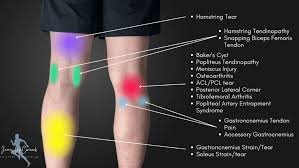
Back of knee pain causes can range from everyday overuse to conditions that need prompt evaluation. In 2026, we see more people describing knee hurt and knee pain specifically in the posterior knee, and one of the most common structural explanations is a Baker’s cyst.
Key Takeaways
| What we want you to notice | Why it matters for back-of-knee pain |
|---|---|
| Posterior knee pain often has an underlying joint or soft-tissue driver | A single symptom can come from several knee structures, including the meniscus, ligaments, and bursae. |
| Look for movement-linked pain during bending or straightening | This pattern is common in conditions like meniscus tears and tendon irritation. |
| Swelling patterns matter | Some causes create a visible “pocket” behind the knee, while others refer pain from inside the joint. |
| Some posterior pain mimics clot-like issues | In 2026, we still emphasize red flags when there is calf swelling, warmth, or sudden worsening. |
| A diagnosis guides treatment | If it’s ligament or meniscus-related, the plan differs from arthritis or cyst-related pain. |
- Question: “What are the most common back of knee pain causes?”
Answer: In 2026, the most frequent explanations include Baker’s (popliteal) cysts, meniscus-related problems, ligament injuries (especially PCL), and inflammatory or degenerative arthritis. - Question: “Can a cyst cause real knee hurt?”
Answer: Yes. A Baker’s cyst can create posterior knee pressure and pain, particularly when the knee is bent or loaded. - Question: “How do we tell ligament injury from other knee pain?”
Answer: Instability, a clear injury event, and pain with specific movements can point to ligament causes, such as issues covered here: posterior cruciate ligament (PCL) knee injury. - Question: “Where do meniscus tears show up?”
Answer: They can cause knee pain and sometimes posterior pain, especially when swelling or mechanical symptoms appear, like those discussed in torn meniscus.
In the rest of the guide, we break down the back of knee pain causes by structure and symptom pattern so you can better understand what might be happening to your knee in 2026.
1) Baker’s (popliteal) cyst: a top cause of pain behind the knee
A Baker’s cyst forms when fluid builds up behind the knee, creating a bulge-like pocket that can feel like tightness or pressure. People often describe knee hurt that worsens with activity, climbing stairs, or prolonged bending.
In real life, the cyst is usually not the original problem. It commonly reflects another issue inside or around the joint, such as knee pain caused by arthritis, meniscus irritation, or other sources of inflammation.
- Typical feel: pressure behind the knee, tightness, sometimes a visible fullness.
- Common triggers: flare-ups of joint irritation, long periods of standing, or activity that increases knee swelling.
- Related symptoms: stiffness, reduced range of motion, and pain that can radiate toward the upper calf.
If your discomfort is strongly tied to bending and straightening, we often connect it to the same diagnostic categories discussed in knee pain behind knee when bending and straightening.
2) Meniscus tears and joint damage that refer pain to the back of the knee
Meniscus tears can create knee pain throughout the joint, and the effect can show up as posterior discomfort, especially when swelling develops. When the knee hurt is accompanied by catching, locking, or a sense that the knee is not tracking smoothly, a meniscus problem becomes more likely.
Because the meniscus helps manage load, tear-related inflammation can increase joint fluid and contribute to conditions like Baker’s cysts. That’s why back of knee pain causes often include meniscus-related drivers even when the pain feels centered behind the knee.
- More likely if you notice: joint line tenderness, swelling after activity, or mechanical symptoms.
- More likely if it started with: a twist, pivot, or sudden change in direction.
- What we recommend next: getting evaluated if pain persists or if swelling keeps returning.
To better understand how torn cartilage can lead to knee symptoms we link you to torn meniscus.
3) Ligament injuries, especially PCL, can cause persistent pain behind the knee
Ligaments control stability, and posterior knee pain can occur when the posterior stabilizers are injured. The posterior cruciate ligament (PCL) is a major structure associated with pain and discomfort when the knee is loaded or challenged.
In 2026, many people notice ligament injury patterns during sports, falls, or car-related knee trauma. If your knee feels unstable, if walking feels different after an injury, or if pain is paired with a specific impact event, we consider ligament causes seriously.
- Clues for PCL involvement: pain or tightness toward the back of the knee, difficulty trusting the knee, and symptoms that fluctuate with activity.
- Clues for other ligament involvement: instability plus pain that changes with direction, pivoting, or sudden stops.
Learn more about posterior-focused ligament pain at posterior cruciate ligament (PCL) knee injury, and for broader ligament mechanisms see ligament knee injury.
4) Hamstring tendon irritation and other soft-tissue sources of knee hurt
Not every posterior pain comes from fluid pockets or joint structures. Soft-tissue irritation, particularly around the hamstrings and related tendons, can create knee pain that feels like it lives behind the knee, especially with bending and loading.
In practice, tendon irritation often improves with rest from aggravating activities, but it can linger if training or work demands keep stressing the area. If your pain is worse after exercise, after long walks, or when you bend and straighten repeatedly, soft-tissue causes become more plausible in the back of knee pain causes list.
- Likely triggers: repeated squats, hills, running, heavy lifting, or sudden increases in activity.
- What it may feel like: pulling, soreness, or tightness in the posterior knee or upper calf region.
- Common pattern: stiffness after inactivity, then gradual changes with movement.
For a broad view of posterior knee pain patterns, including meniscus and tendon-related categories, see knee pain behind knee when bending and straightening.
5) Arthritis, inflammation, and chronic degeneration can keep posterior knee pain active
Degenerative and inflammatory conditions can drive ongoing knee pain, including pain that people feel behind the knee. When joint surfaces become irritated, the knee often produces more fluid, which can contribute to swelling and cyst-like symptoms.
This is one reason why back of knee pain causes are frequently multifactorial in 2026. A person may have baseline arthritis and then develop a meniscus flare, and the pain behind the knee becomes a recurring complaint.
- Arthritis-related signs: stiffness, pain with weight-bearing, and flare-ups after activity.
- Inflammation-related signs: swelling, warmth, and pain that seems to “cycle.”
- What helps clinically: graded activity modification, consistent strengthening, and appropriate medical evaluation when symptoms persist.
If you are dealing with ongoing knee symptoms in general, our guide understanding managing and overcoming knee pain your comprehensive guide is designed to help you organize next steps for knee hurt and knee pain.
6) Traumatic knee injuries can produce posterior pain, bruising, and swelling
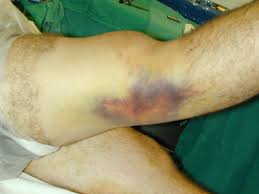
Trauma can injure multiple structures at once, and posterior knee pain can occur after a fall, collision, or twist. When the injury is more severe, swelling and bruising may appear quickly, and the knee may feel painful during straightening or when you push off the injured side.
In 2026, we also see that some people delay evaluation because the knee can feel “almost okay” at first, then symptoms worsen. If you suspect trauma-driven injury and pain behind the knee does not settle, it is worth getting assessed.
- After a clear event: sudden twist, impact, or fall.
- With visible changes: swelling, bruising, or reduced range of motion.
- With instability: the feeling that the knee might give way.
For an injury-focused explanation, read traumatic knee.
7) When pain behind the knee is actually something else: red flags and important mimics
Most back of knee pain causes are musculoskeletal, but we do not ignore mimics. A major example is vascular-related pain, and another is swelling patterns that can be confused with clotting problems.
If you have posterior knee pain along with calf swelling, warmth, redness, or sudden worsening, you should seek urgent medical care. In these situations, you should not try to “wait it out,” because a safe diagnosis matters.
We also encourage awareness of rare vascular causes such as popliteal artery entrapment syndrome, especially when posterior pain is provoked by exertion. If your symptoms are unusual, inconsistent with movement mechanics, or keep recurring with predictable exercise triggers, a clinician should guide the differential diagnosis.
Because some readers search for knee pain patterns broadly, you may also find value in our general page knee pain 2, but use it as a starting point and follow up with evaluation when red flags are present.
8) Treatment direction in 2026: what to do based on the likely back of knee pain cause
Once we understand the back-of-knee pain cause pattern, treatment direction becomes more practical. In 2026, our best approach is usually stepwise, starting with safe symptom control and then targeting the specific structure involved.
Below is how we typically organize next steps. This is not a diagnosis, but a way to align expectations with likely causes.
| Back of knee pain cause pattern | What we usually consider first | When to get evaluated |
|---|---|---|
| Posterior pressure, stiffness, possible bulge (often Baker’s cyst) | Reduce swelling triggers, manage underlying joint irritation, and monitor symptoms. | If swelling grows, pain worsens quickly, or you have calf symptoms that raise concern. |
| Catching, locking, joint swelling after twist | Meniscus-focused assessment and activity modification. | If mechanical symptoms persist or knee pain keeps returning. |
| Injury event, instability, posterior pain with load (possible PCL) | Stability assessment and guided strengthening plan. | If the knee feels unstable or function is limited after trauma. |
| Pain behind knee linked to hamstring loading | Relative rest, gradual rehab, and technique adjustments. | If symptoms do not improve with conservative care or keep intensifying. |
When we suspect ligament involvement, we also share condition-specific resources. For example, if the injury involved ACL mechanics, see anterior cruciate ligament (ACL) injury knee brace. For broader injury context and support, we use pages like ligament knee injury.
9) How to describe your symptoms so clinicians can narrow the back of knee pain causes faster
One reason knee pain becomes frustrating is that “pain behind the knee” can mean many different things. In 2026, the more specific you are about triggers and patterns, the easier it is to narrow back of knee pain causes.
When you track symptoms, focus on these points:
- Location: central behind knee, more inner side, more outer side, or upper calf.
- Trigger: bending, straightening, stairs, squatting, running, or prolonged sitting.
- Timing: sudden after a twist or fall, or gradual over weeks.
- Swelling changes: visible fullness, sudden increase, or recurring fluid sensations.
- Function changes: stiffness, locking, giving way, or reduced range of motion.
If your knee hurt is mostly behind the knee during bending and straightening, the details in knee pain behind knee when bending and straightening can help you organize what to tell a clinician.
Conclusion
Back of knee pain causes in 2026 are commonly linked to structures such as the joint capsule fluid pathways (Baker’s cyst), the meniscus, and ligaments like the PCL. At the same time, we remind our readers that posterior pain can occasionally mimic more urgent problems, so red flags like calf swelling and sudden worsening should not be ignored.
If you are dealing with knee pain or persistent knee hurt behind the knee, our best next step is to match your symptom pattern to the most likely cause category, then seek the right evaluation when symptoms persist, worsen, or include concerning signs. With the right direction, many knee issues become much more manageable, and your knee can move toward recovery.
Frequently Asked Questions
What are the most common back of knee pain causes when bending?
When knee pain is worse during bending and straightening, common back of knee pain causes include Baker’s cyst-related pressure and meniscus-related irritation. Hamstring tendon irritation can also contribute to posterior pulling sensations behind the knee.
Can a Baker’s cyst cause knee hurt and swelling behind the knee?
Yes. A Baker’s cyst can create knee hurt with a feeling of fullness or pressure behind the knee, often tied to an underlying joint irritation source. In some cases, symptoms can flare after activity and may recur.
How do I know if posterior knee pain is from a torn meniscus?
Posterior knee pain can occur with meniscus tears, especially when you also notice swelling after a twist or mechanical symptoms like catching or locking. If your knee repeatedly reacts to pivots or direction changes, a meniscus assessment becomes more important.
Is PCL injury pain usually felt in the back of the knee?
PCL-related injuries are associated with pain that can be felt toward the back of the knee, especially with stability demands and loading. If your knee hurt began after trauma and you feel instability, we recommend using a condition-focused pathway such as posterior cruciate ligament (PCL) knee injury.
Why does knee pain behind the knee sometimes feel like a clot?
Baker’s cyst rupture can mimic deep vein thrombosis (DVT), which is why posterior swelling or calf pain needs careful evaluation. If you have warmth, redness, significant calf swelling, or sudden worsening, it is important to get urgent medical guidance.
What should I do in 2026 if my knee pain behind the knee keeps coming back?
Recurring posterior knee pain usually suggests there is an ongoing driver, such as meniscus irritation, inflammatory arthritis, or repeated fluid-related swelling patterns. In 2026, we recommend tracking triggers and seeking an assessment so treatment targets the actual cause rather than only the symptom.