Knee Hurts on the Right Side
Knee Hurts on the Right Side: Possible Causes and Treatments
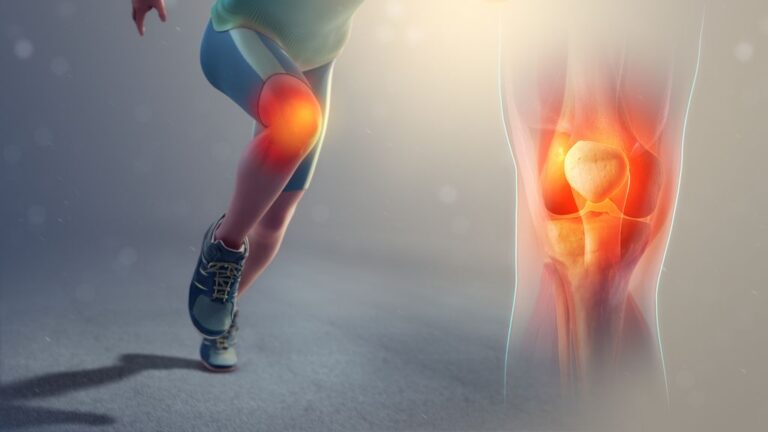
If you’re experiencing knee pain on the right side, you’re not alone. Knee pain is a common issue that affects people of all ages and can be caused by a variety of factors. In this article, we’ll explore the causes, symptoms, diagnosis, treatment, and prevention of knee pain on the right side to help you better understand and manage your condition.
Causes of knee pain on the right side can include injury from sports or other physical activities, overuse or repetitive motion, arthritis, and other medical conditions. Symptoms may include pain, swelling, stiffness, and difficulty moving the knee joint. Diagnosis typically involves a physical exam, medical history, and imaging tests such as X-rays or MRIs. Treatment options may include rest, ice, compression, elevation, physical therapy, medication, or surgery, depending on the severity and underlying cause of the knee pain.
Key Takeaways
- Knee pain on the right side can be caused by a variety of factors, including injury, overuse, arthritis, and other medical conditions.
- Symptoms may include pain, swelling, stiffness, and difficulty moving the knee joint.
- Treatment options may include rest, ice, compression, elevation, physical therapy, medication, or surgery, depending on the severity and underlying cause of the knee pain.
Causes of Knee Pain on the Right Side
Knee pain on the right side can be caused by a variety of factors, including injuries, wear and tear, and medical conditions. Understanding the underlying cause of the pain is crucial in determining the right course of treatment. Here are some of the most common causes of knee pain on the right side:
Osteoarthritis
Osteoarthritis is a degenerative joint disease that can cause pain and stiffness in the knee joint. It occurs when the cartilage that cushions the joint wears down over time, causing bones to rub against each other. This can lead to pain, swelling, and difficulty moving the knee. Osteoarthritis is more common in older adults and those who have had previous knee injuries.
Meniscus Tear
A meniscus tear is a common knee injury that can cause pain on the right side of the knee. The meniscus is a piece of cartilage that provides cushioning between the thigh bone and shinbone. A tear in the meniscus can occur due to sudden twisting or turning of the knee, or as a result of wear and tear over time. Symptoms of a meniscus tear include pain, swelling, and difficulty moving the knee.
Bursitis
Bursitis is a condition that occurs when the bursae, small fluid-filled sacs that cushion the knee joint, become inflamed. This can cause pain and swelling on the right side of the knee. Bursitis can be caused by overuse, injury, or medical conditions such as rheumatoid arthritis or gout.
Iliotibial Band Syndrome
Iliotibial band syndrome is a common cause of lateral knee pain, which is pain on the outer side of the knee. It occurs when the iliotibial band, a thick band of tissue that runs from the hip to the shinbone, becomes tight or inflamed. This can cause pain and discomfort on the outside of the knee, especially during activities such as running or cycling.
Patellofemoral Pain Syndrome
Patellofemoral pain syndrome is a condition that occurs when the kneecap does not track properly over the thighbone. This can cause pain and discomfort on the front of the knee, especially when going up or down stairs. Patellofemoral pain syndrome can be caused by overuse, injury, or misalignment of the knee joint.
In conclusion, knee pain on the right side can be caused by a variety of factors, including injuries, wear and tear, and medical conditions. It is important to seek medical attention if you experience persistent knee pain, as early diagnosis and treatment can help prevent further damage to the knee joint.
Symptoms and Diagnosis
When experiencing knee pain on the right side, it is important to pay attention to any accompanying symptoms. Pain on the right side of the knee can be caused by a variety of factors, including injury, overuse, or underlying conditions such as osteoarthritis.
Common symptoms of knee pain on the right side include pain, swelling, stiffness, and instability. Some individuals may also experience a twisting sensation in the knee or have difficulty walking or bending the knee.
To diagnose knee pain on the right side, a physical exam is typically the first step. During the exam, a doctor will inspect the knee for swelling, tenderness, and visible bruising. They will also check the range of motion in the knee and evaluate the integrity of the structures within the knee.
In some cases, imaging tests such as x-rays or MRI scans may be necessary to diagnose the underlying cause of the knee pain. X-rays can help identify any bone or joint abnormalities, while MRI scans can provide detailed images of the soft tissues within the knee.
It is important to seek medical attention if knee pain on the right side is accompanied by a fever or other symptoms of illness. Additionally, runners or individuals who engage in regular physical activity should seek medical attention if knee pain is persistent or interferes with their ability to exercise.
Treatment and Management
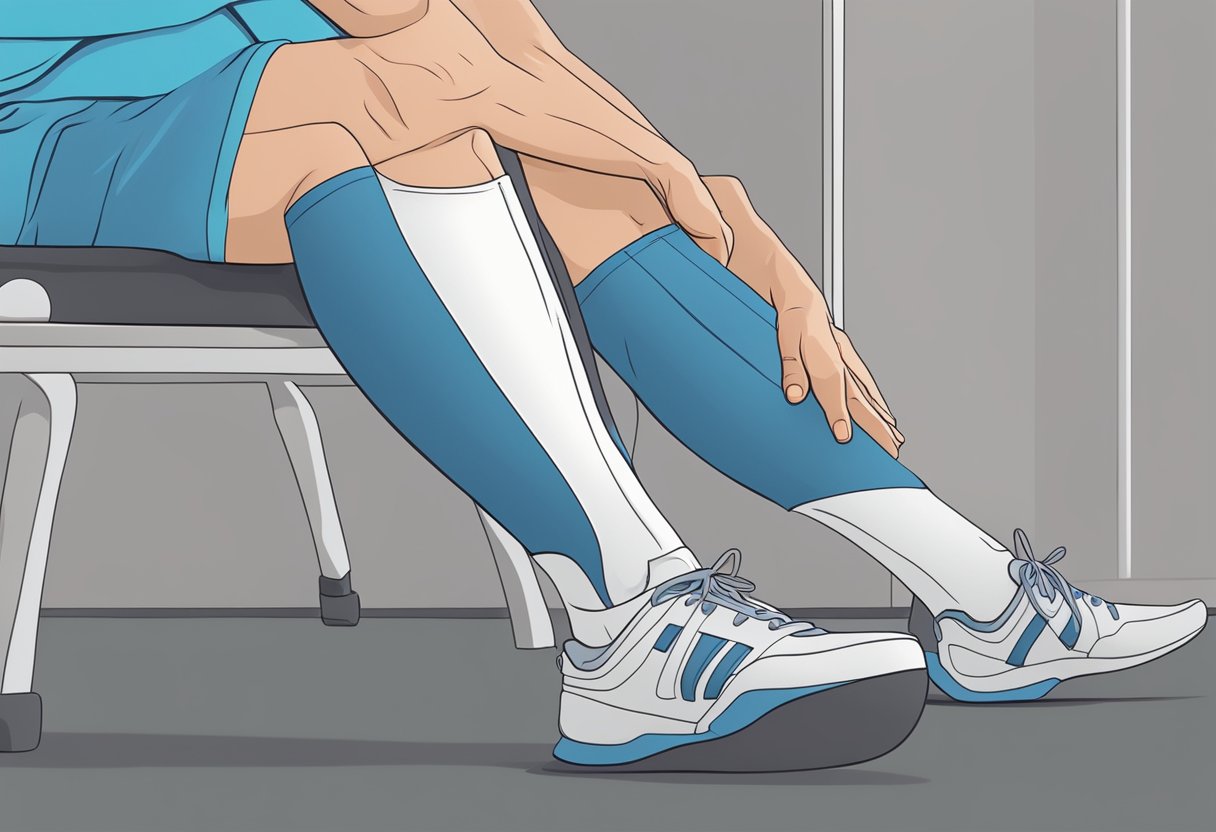
If you are experiencing knee pain on the right side, there are several treatment and management options available to you. It is important to note that the best course of action will depend on the underlying cause of the pain, so it is always recommended to consult with a doctor before beginning any treatment plan.
Rest and Ice
One of the most effective ways to manage knee pain is by resting and icing the affected area. This can help to reduce swelling and inflammation, and can also provide pain relief. It is recommended to ice the knee for 15-20 minutes at a time, several times a day, and to avoid any activities that may exacerbate the pain.
Physical Therapy
Physical therapy can also be a helpful treatment option for knee pain. A physical therapist can work with you to develop a customized exercise plan that can help to strengthen the muscles around the knee, improve flexibility, and reduce pain. They may also use other techniques such as massage or ultrasound therapy to help manage the pain.
Medication
There are several types of medication that can be used to manage knee pain, including over-the-counter pain relievers such as ibuprofen or acetaminophen, as well as prescription medications such as corticosteroids or opioids. It is important to consult with a doctor before beginning any medication regimen, as some medications can have side effects or may interact with other medications.
Surgery
In some cases, surgery may be necessary to treat knee pain. This may include procedures such as arthroscopy, which involves using a small camera to view the inside of the knee joint and make repairs, or knee replacement surgery, which involves replacing the damaged knee joint with an artificial joint. Surgery is typically only recommended if other treatment options have been unsuccessful.
Prevention
Preventing knee pain from occurring in the first place is always the best course of action. This can include maintaining a healthy weight, avoiding activities that may put excessive strain on the knee joint, wearing supportive shoes, and using proper form when exercising or performing daily activities.
Braces and Supportive Devices
Using a brace or other supportive device can also be helpful in managing knee pain. This can help to provide additional support to the knee joint and reduce pain during activities. There are several types of braces available, including knee sleeves, patellar straps, and hinged knee braces.
NSAIDs
Nonsteroidal anti-inflammatory drugs (NSAIDs) can also be helpful in managing knee pain. These medications work by reducing inflammation and can provide pain relief. It is important to consult with a doctor before beginning any medication regimen, as some medications can have side effects or may interact with other medications.
Daily Activities
Making small changes to your daily activities can also help to manage knee pain. This can include using a step stool to reduce the amount of bending required, using a shower chair to reduce the amount of weight placed on the knee joint, or using a cane or crutches to reduce the amount of weight placed on the knee during walking.
Sacs of Fluid
Bursae are small sacs of fluid that help to cushion the knee joint. If these sacs become inflamed, it can cause pain and swelling. Treatment for bursitis may include rest, ice, physical therapy, and medication. In some cases, the bursa may need to be drained or removed surgically.
Prevention and Rehabilitation
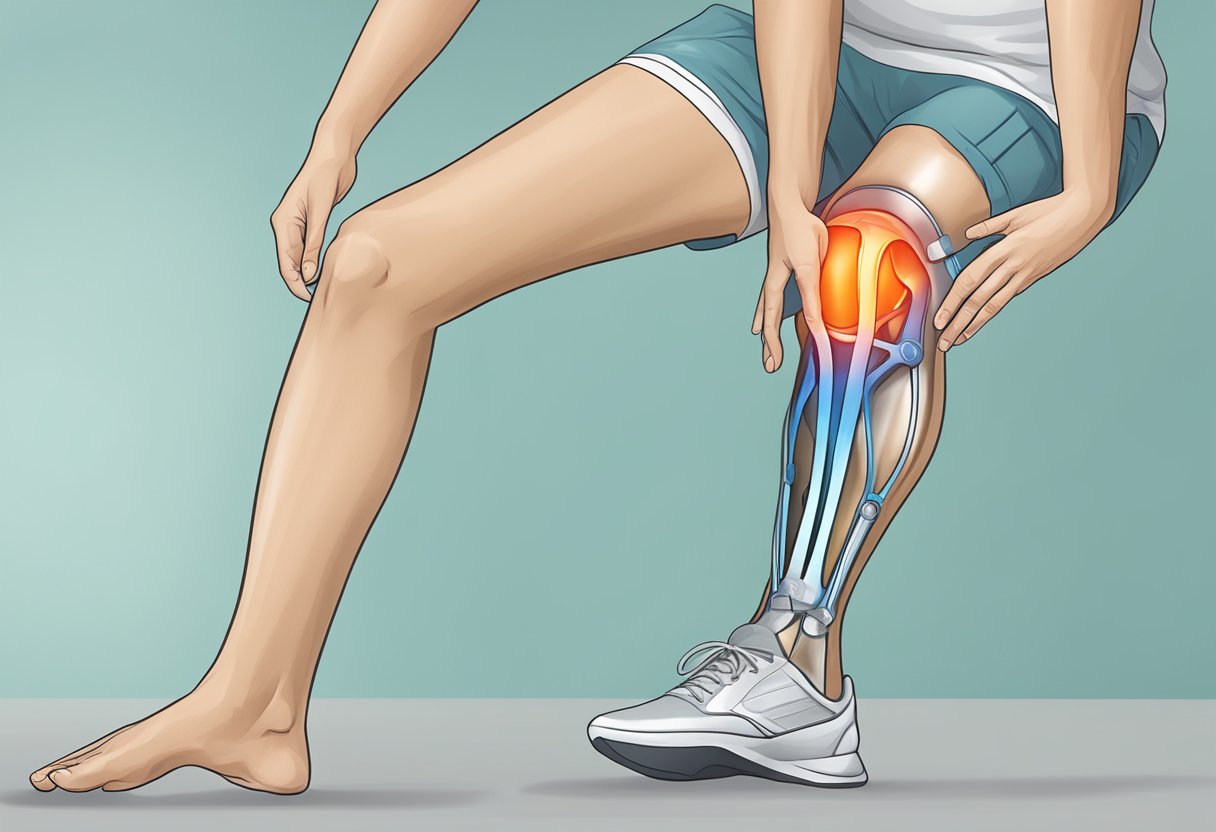
When it comes to preventing knee pain on the right side, there are a few things we can do to reduce the risk of injury. First, we can make sure to warm up properly before any physical activity, especially if it involves running or jumping. This can include stretching, light jogging, or other low-impact exercises to get the blood flowing to the muscles and joints.
We should also be mindful of our form and technique when participating in sports or other activities that put stress on the knees. This is especially important for athletes who play contact sports like basketball or football, as they are more prone to injury. By maintaining proper form and technique, we can reduce the risk of developing conditions like jumper’s knee or runner’s knee.
In addition to these preventative measures, there are also several rehabilitation techniques that can help alleviate knee pain and promote healing. If we experience a knee injury like a torn ligament or fracture, it is important to seek medical attention right away. Our doctor or physical therapist may recommend exercises or other treatments to help us recover and regain strength.
Some common rehabilitation techniques for knee pain include:
- Stretching: Gentle stretches can help improve flexibility and reduce stiffness in the knee joint.
- Strengthening exercises: Strengthening the muscles around the knee can help provide support and reduce the risk of further injury.
- Ice and heat therapy: Alternating between ice and heat can help reduce inflammation and promote healing.
- Bracing: Wearing a knee brace or support can help provide stability and reduce stress on the knee joint during physical activity.
By taking these preventative and rehabilitation measures, we can reduce the risk of developing knee pain on the right side and promote healing if an injury does occur.
Frequently Asked Questions
What causes knee pain on the right side?
Knee pain on the right side can be caused by a variety of factors, such as injury, overuse, or underlying medical conditions. Some common causes include osteoarthritis, tendinitis, meniscus tears, and ligament sprains. It is important to see a doctor if you experience persistent or severe pain, as they can help diagnose the underlying cause and recommend appropriate treatment.
How can I relieve knee pain without medication?
There are several non-medical ways to relieve knee pain, such as rest, ice, compression, and elevation (RICE). Additionally, physical therapy and exercises that strengthen the muscles around the knee can help reduce pain and improve mobility. Other options include acupuncture, massage, and the use of knee braces or supports.
What are some exercises to relieve lateral knee pain?
Exercises that target the muscles around the knee can help relieve lateral knee pain. Some effective exercises include leg raises, step-ups, and squats. It is important to start slowly and gradually increase the intensity and duration of the exercises over time. Consult with a physical therapist or doctor before starting any new exercise regimen.
Is knee pain on the outer side a sign of a serious injury?
Knee pain on the outer side can be a sign of a serious injury, such as a torn ligament or meniscus. However, it can also be caused by less severe conditions, such as tendinitis or bursitis. It is important to see a doctor if you experience persistent or severe pain, as they can help diagnose the underlying cause and recommend appropriate treatment.
Can nerve pain cause knee pain on the right side?
Yes, nerve pain can cause knee pain on the right side. Conditions such as sciatica or peripheral neuropathy can cause pain, numbness, or tingling in the knee and surrounding areas. It is important to see a doctor if you experience these symptoms, as they can help diagnose the underlying cause and recommend appropriate treatment.
What are some home remedies for knee pain on the inner side?
There are several home remedies that can help relieve knee pain on the inner side, such as applying ice or heat, taking over-the-counter pain relievers, and using topical creams or ointments. Additionally, exercises that strengthen the muscles around the knee can help reduce pain and improve mobility. It is important to consult with a doctor before starting any new treatment regimen.