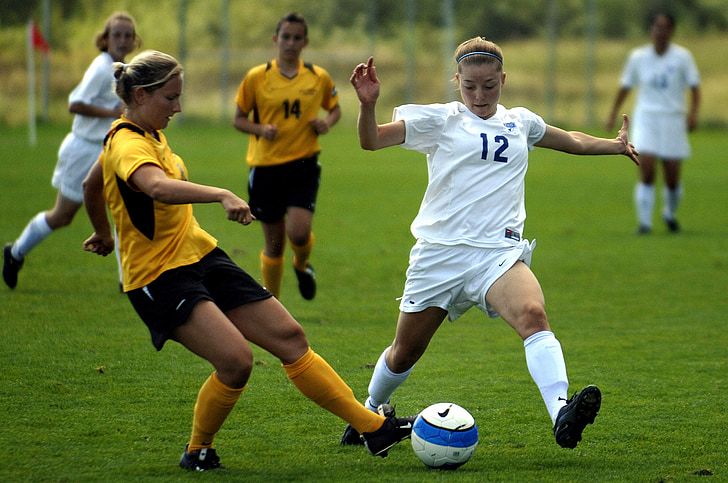
Professional footballers’ matchday performance fell after recovering from COVID-19, with three-quarters battling fatigue for six weeks, a University of Essex study has found.
The study – published in Physiological reports — examined top football players for the first time and examined the impact of the long Covid-19 crisis on top athletes.
The study found that 77 percent of those studied battled general fatigue for 37 days and 54 percent battled muscle fatigue for 38 days after the test came back negative.
GPS data from ten matches after returning to play revealed a four percent drop in match performance, despite no reduction in lung capacity.
The research was led by Dr. Michele Girardi, who worked with the university’s School of Sport, Rehabilitation, and Exercise Sciences.
He hopes the research will help improve return-to-play protocols for sports stars recovering from the virus.
Dr. Girardi said: “This is one of the first studies to look at the impact of COVID-19 on professional footballers.
“An original aspect is that we studied the metabolic power of players during official matches after the infection.
“We were surprised to see such an impact on players’ ability to train at high intensity.
“The study results suggest that fatigue symptoms should be carefully considered for a safe and effective return to sport post-COVID.
“We were limited in who we could study, but the findings are cause for concern and show that more needs to be done to help players return to the sport.
“This research also has wider implications as footballers have been in a unique position during the ongoing pandemic and have almost been canaries in the coal mine.
“The football world was very unusual because when we all had to isolate ourselves from everyone, they continued to train, meet in groups and play.
“Much is still being learned about the impact of COVID-19 and we hope this research will help clubs support players’ return to play and help inform public health policy on long COVID-19.”
Dr. Girardi collaborated with colleagues in Italy to study players in the Italian Serie C league for the article entitled ‘COVID-19 illness in professional football players: symptoms and impact on lung function and metabolic power during matches’.
One anonymous club opened its doors to a team of researchers, including academics from the University of Padua, the University of Rome “Foro Italico”, the University of Verona and University College London.
Data from 13 players infected with COVID was studied over the course of about six months.
They had an average age of 24 years, were just under 6 feet tall and weighed about 12 stone.
It is now hoped that the research will be expanded with more teams taking part to understand the impact of the coronavirus.
Dr. Girardi added: “Although this is a relatively small sample size, this is crucial data that shows more needs to be done to understand the impact of COVID on young, healthy people.
“The virus has not disappeared and sports teams are high-risk environments that can act as real vectors for infections.”
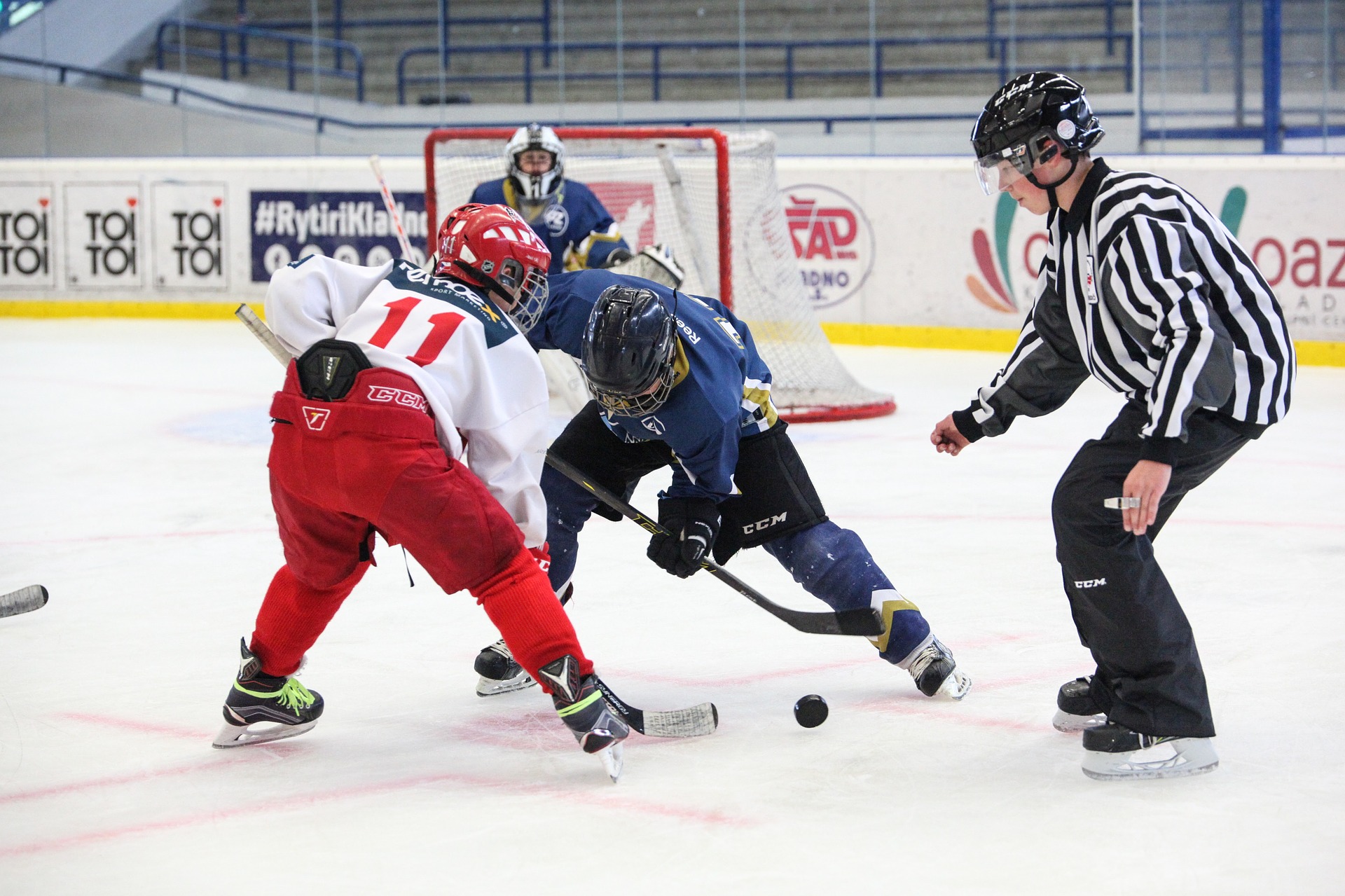
Body checking experience and injury rates among ice hockey players aged 15-17 years.
Eliason PH, Hagel BE, Palacios-Derflingher L, Warriyar V, Bonfield S, Black AM, Mrazik M, Lebrun C, Emery CA. CMAJ. Jun 20, 2022;194(24):E834-E842. doi: 10.1503/cmaj.211718.
Full text freely available
Take home message
More experience with body checking was not associated with a decrease in the number of concussions or injuries in 15- to 7-year-old ice hockey players.
Background
Although body checking in ice hockey can lead to an increased risk of injury and health care costs, arguments remain that increasing a hockey player’s experience with body checking could protect him from injury.
Study aim
Eliason and colleagues completed a prospective cohort study to determine the association between body checking experience and rates of concussions and injuries in ice hockey players between 15 and 17 years old.
Methods
The researchers invited players from ice hockey leagues in three regions in Alberta, Canada, making body checks possible. All participants completed a baseline questionnaire before the season, which the authors used to estimate the number of years of body checking experience. Designated team members (e.g., manager) recorded each match as an exposure, an injury resulting in more than 7 days lost to hockey, and a concussion as defined in the Consensus Statement on Concussion in Sport.
Results
A total of 186 teams (941 players with 1,168 player seasons) participated. Players with three or more years of bodychecking experience tended to sustain new injuries and concussions more than 2.5 times as often as players with two or fewer years of experience.
Viewpoints
Interestingly, having more experience was not associated with fewer injuries. These findings support the theory that more experience with body checking is not protective. Therefore, these findings support rule changes regarding the removal of body checks in youth ice hockey. It will be useful to see if these findings can be replicated in other age groups and populations. In the meantime, doctors, parents and players can use this data to advocate for rule changes to reduce body checks.
Clinical implications
Clinicians and stakeholders should advocate for fewer body checks to reduce injuries.
Questions for discussion
What experiences have you had with rules that limit contact in sports? What implementation barriers have you encountered?
Written by: Kyle Harris Review by: Jeffrey Driban
related posts
Less body control may protect adolescent ice hockey players Abolishing controls can have positive financial consequences Cut out the dangerous checking… Check.
Record levels of obesity and physical inactivity among children mean they will bear the brunt of worse health consequences from rising global temperatures – that’s the stark warning in a new comprehensive review of current research on the subject.
Publication of her findings in the peer-reviewed journal TemperatureDr. Shawnda Morrison, an environmental physiologist, states that while physical fitness is key to tolerating higher temperatures, children are heavier and less fit than ever before.
This could put them at greater risk for heat-related health problems, such as dehydration, heat cramps, heat exhaustion or heat stroke.
She says current climate change policies are failing to adequately address children’s health needs and that encouraging children to make physical activity part of their daily lives must be a priority if they are to cope life in a warmer world.
Dr. Morrison, from the Slovenian University of Ljubljana, Faculty of Sports, is an expert in adaptive and integrative human physiology in extreme environments. She has more than 20 years of experience researching sports performance and exercise physiology, especially in warm environments.
Her ratings are based on a comprehensive review of more than 150 medical and scientific studies into how children stay physically active, exercise, cope with heat, and how this could change as global temperatures rise.
The research she highlights includes a study of 457 boys aged 5 to 12 years old in primary schools in Thailand, which found that overweight young people were more than twice as likely to have problems regulating their body temperature as young people who were overweight. normal weight when they exercised outdoors.
Using emergency room data from children’s hospitals in the US, another study found that attendance was higher during warmer days. Younger children in particular often required emergency care.
The research also found:
The aerobic fitness of children is 30% lower than that of their parents at the same age.
There has been a rapid decline in children’s physical activity worldwide, especially over the past thirty years
Most children do not meet the World Health Organization guideline for an average of at least 60 minutes of physical activity per day.
Physical inactivity increased, especially in Europe, during the Covid-19 pandemic, when schools and other social infrastructures were closed.
Rising temperatures can further limit physical activity when parents of children find the outdoor temperature “too hot for play,” making it more uncomfortable for untrained or unfit children to meet the minimum physical activity levels to stay healthy, says Dr. Morrison, who is also the founder of Active Healthy Kids Slovenia.
Higher temperatures and changes in weather patterns are also expected to lead to the outbreak of new diseases entering the human population. If more movement restrictions are introduced to contain emerging diseases, this will have potentially devastating consequences for children’s physical fitness, mental and physical health.
Dr. Morrison also points out that, in terms of thermoregulation – how the body maintains its internal or core temperature – young children are not simply smaller adults. When exposed to heat, children sweat less than adults; they lose heat by increasing blood flow to their skin – a process that requires the heart to work relatively harder.
Despite these differences, most research into how the body adapts to higher temperatures has been conducted in adults. The little mechanistic research that has been done in children was largely conducted 15 to 30 years ago, when children’s fitness was much higher than it is today.
Dr. Morrison concludes: ‘Fitter adults are better able to tolerate higher temperatures, thanks to a combination of physiological, behavioral and psychological factors.
“But now that the world is getting warmer, children have never been so fit. It is imperative that children are encouraged to exercise daily to build and maintain their fitness so that they enjoy moving their bodies. They don’t feel like doing ‘work’ or ‘a chore’.”
Activities can include a combination of structured games, such as football, basketball and baseball, and active play with friends and family, preferably outdoors.
Physical education classes taught by PE teachers are the best and most cost-effective way to increase fitness levels and equip children to continue exercising throughout their lives. Families also have a role to play, especially if schools offer little physical education.
Dr. Morrison says: “Do what you love, whether it’s a bike ride or rollerblading with the family, a walk in the woods or walking the dog.
“Make sure the activity gets everyone’s heart rate, enthusiasm and positive energy up and, most importantly, don’t try to avoid the heat completely, but choose times of the day that are less hot (mornings/evenings) to stay active , because we have to keep ourselves moving in this new warming world.”
As part of Dr. Morrison’s ongoing work, she wants to determine how physically active children and adults are during heat waves, and how hot, uncomfortable or thirsty they feel when performing these activities.
Diet quality of NCAA Division I athletes assessed by the Healthy Eating Index
Werner EN, Robinson CA, Kerver JM, Pivarnik JM. J Am Coll Health. 2022 May 27:1-7. doi: 10.1080/07448481.2022.2076102. E-publishing prior to printing. PMID: 35623046.
https://www.tandfonline.com/doi/abs/10.1080/
Take home message
Division I collegiate athletes reported poor diet quality.
Background
Collegiate athletes must balance a full course load with a rigorous training program. Therefore, priority should be given to promoting physical, cognitive and mental well-being. One way to promote academic and physical performance is by optimizing nutrition. However, we need a better understanding of the quality of their diets before we can offer nutrition education to collegiate athletes.
Study aim
The authors evaluated a sample of NCAA Division I college athletes to determine their nutritional intake and quality.
Methods
The researchers surveyed 94 college athletes (78% women, 19 different varsity teams) at a Division I university. The athletes completed the Automated Self-Administered 24-hour (ASA24) Dietary Assessment Tool between March and June 2020 – before returning to campus following the initial COVID-19 outbreak. The athletes completed information on the ASA24 regarding the foods consumed at each meal/snack, cooking methods, portion size and ingredients. They were also given prompts to review forgotten items. The athletes also answered a question about whether this day was the usual intake, less than normal or more than usual intake. The authors used these answers to calculate the Healthy Eating Index (HEI). The Healthy Eating Index is divided into 13 components to assess overall diet quality, including the adequacy of necessary nutrition (fruits, vegetables, proteins, fatty acids) and moderation of other foods (refined grains, added sugars, saturated fats). A total possible score is 100 (grade A > 90, grade B = 80-89, grade C = 70-79, grade D = 60-69, and grade G <50).
Results
Most athletes reported being from underclassmen (59%), majoring in a non-health field (65%), and taking some nutrition courses from high school or college (59%). Athletes typically competed in crew (25%), cross country (19%), soccer (11%), or swimming and diving (11%). Overall, men reported higher calorie intake (3299) than women (~2224). The mean Healthy Eating Index score was ~59 (range: 27-94). Only nine athletes (10%) scored 80 or better. The authors found no differences in diet quality by gender, class, field of study or sport.
Viewpoints
In general, athletes reported poor nutrition. Only nine athletes reported diets that received a B or higher. Therefore, most athletes do not meet the nutritional quality standards set in the Dietary Guidelines, let alone the nutritional recommendations for athletes. However, it is critical to assess whether these dietary patterns can be replicated in a larger sample of college athletes at different times during their collegiate careers (e.g., preseason, preseason, in-season, off-season). The authors focused on dietary patterns in this study when the athletes were off campus at a unique time due to the pandemic. It would also be useful for future researchers to examine individual nutritional needs, dietary/cooking autonomy, and socioeconomic barriers, which could help explain poor diet quality. Despite the challenges in generalizing these findings to other athletic populations, this study should raise awareness that we need to take a closer look at the nutrition of our athletes.
Clinical implications
Despite the challenges of applying these results to other athletic populations, clinicians should become more aware of the need to take a closer look at the nutrition of our athletes. We may need to work with nutritionists to develop educational interventions that discuss the best strategies for good nutrition at home and at school to optimize health and performance inside and outside the classroom.
Questions for discussion
Do you discuss and assess nutritional results with your athletes? If so, what do you use to educate your athletes, and what metrics do you use to assess quality?
related posts
Position Statement of the Academy of Nutrition and Dietetics, Dietitians of Canada and the American College of Sports Medicine: Nutrition and Athletic Performance
Sports Dietitians Australia position statement: Nutrition for exercise in hot environments
IOC consensus statement: nutritional supplements and the elite athlete
Written by: Jane McDevitt Review by: Jeffrey Driban
Older adults who participate in many different types of leisure activities every week, such as walking, jogging, swimming laps or playing tennis, may have a lower risk of death from any cause, as well as death from cardiovascular disease and cancer. according to a new study led by researchers at the National Cancer Institute, part of the National Institutes of Health.
The findings suggest that it is important for older adults to engage in leisure activities that they enjoy and can maintain, because many types of these activities can lower the risk of death, the authors wrote.
The findings will be published on August 24 JAMA network opened.
Using data from 272,550 adults between the ages of 59 and 82 who completed questionnaires about their leisure activities as part of the NIH-AARP Diet and Health Study, the researchers looked at whether they participated in equivalent amounts of seven different exercise and recreational activities. – which includes running, cycling, swimming, other aerobic exercise, racquet sports, golf and walking for exercise – was associated with a reduced risk of death.
The researchers found that achieving the recommended amount of physical activity per week through a combination of these activities was associated with a 13% lower risk of death from any cause, compared to not participating in these activities. When they looked at the role of each activity separately, playing racquet sports was associated with a 16% reduction in risk and running with a 15% reduction. However, all activities studied were similarly associated with a lower risk of death.
The second edition of the Physical Activity Guidelines for Americans recommends that adults engage in 2.5 to 5 hours of moderate-intensity aerobic physical activity or 1.25 to 2.5 hours of vigorous-intensity aerobic physical activity each week.
The activity levels of the most active individuals (those who exceeded recommended levels of physical activity) were associated with an even greater reduction in the risk of death, but there were diminishing returns as activity levels increased. Even people who did some recreational activity, although less than the recommended amount, had a 5% reduction in the risk of death than those who did not participate in any of the activities studied.
These activities were also associated with a lower risk of death from cardiovascular disease and cancer. Playing racquet sports was associated with the greatest reduction in the risk of cardiovascular disease deaths (27% reduction), while running was associated with the greatest reduction in the risk of cancer deaths (19% reduction). .
Injury prevention programs with balance training reduce the number of ankle injuries among football players: a systematic review.
Al Attar WS, Khaledi EH, Bakhsh JM, Faude O, Ghulam H, Sanders RH, J. Physiotherapist. July 2022; 68(3):165-173.
Full text freely available
Take home message
Football players have a lower risk of ankle injuries if they perform an injury prevention warm-up program that includes balance, compared to a standard warm-up.
Background
Ankle injuries occur at all levels of competition and represent 15% of high school and college athletic injuries. While there are many well-researched programs to prevent lower extremity injuries (e.g. FIFA 11, FIFA 11+), balance is often not a major component. It is unclear whether specifically targeted balance exercises can reduce the risk of ankle injuries.
Study aim
The authors conducted a systematic review of randomized controlled trials to determine whether injury prevention programs involving balance training reduce the rate of ankle injuries among soccer players compared to standard warm-up programs.
Methods
The authors searched four databases for articles published between 1985 and 2020 describing randomized clinical trials comparing injury prevention programs that included balance training exercises with a standard warm-up program among soccer players. They included examining whether they also reported the number of ankle injuries or the number of injuries in addition to the number of hours of training/competition.
Results
The authors identified 9 randomized controlled trials involving 9,633 football players of all ages and competition levels. Overall, injury prevention programs that included balance training reduced the risk of ankle injuries by 36%. The authors found consistent results when examining balance training-only warm-up programs (41% reduction) or the FIFA 11 programs (37% reduction).
Viewpoints
The authors found that warm-up programs for injury prevention, including balance training, can reduce the risk of ankle injuries. Five of the nine tests focused on the FIFA11+ program, which includes strength, plyometrics and balance exercises. Two studies assessed warm-up programs that focused solely on balance. These studies showed similar benefits (33% and 40% reduction in injury rates). Most studies focused on male soccer players who benefited from these warm-up programs. However, a large study found that these programs may not be as effective for female adolescent soccer players. It would be useful to further investigate how these programs impact male and female soccer players and whether the benefits of these programs vary by age or level of competition.
Clinical implications
Clinicians should encourage football teams to incorporate balance exercises into their warm-up programs to reduce the number of ankle injuries. Teams should consider using standardized 10- to 15-minute warm-up programs for injury prevention, including balance training.
Questions for discussion
Does your typical warm-up emphasize balance, or do you lean toward more flexibility, strength, or stability-based programs?
related posts
FIFA 11… (but really FIFA 11+) programs are effective in reducing football injuries
Written by Alexandra Bossi Reviewed by Jeffrey Driban
A first-of-its-kind study, conducted in collaboration with LSU’s School of Kinesiology, LSU Athletics, Pennington Biomedical Research Center and Our Lady of the Lake, examined how the immune systems of elite student-athletes responded to the COVID-19 virus.
The football players diagnosed with COVID-19 were able to return their immune systems to baseline after the CDC-recommended isolation. This is in stark contrast to older adults with comorbidities, who are typically at greater risk for serious side effects and symptoms, and even death.
“When COVID-19 really started to spiral out of control, we met with Neil Johannsen, an exercise physiologist at LSU, and athletic trainers Derek Calvert and Jack Marucci, and discussed what we could do to ensure our athletes were healthy stayed. particularly wanted to ensure that athletes were not at risk of secondary infections when returning from isolation,” said Guillaume Spielmann, associate professor at the LSU School of Kinesiology.
Isolation effective after COVID infection
“When the idea for the study came up, we discussed why we wouldn’t turn something negative into something positive, and help the research find answers. If there are things we can do to better understand the virus, let’s do it,” said Jack Marucci. LSU’s director of athletic training. “The student-athletes were willing to be a part of it.”
During that time, at the beginning of the COVID pandemic, the CDC had recommended fourteen days of isolation.
“There was a lot of unknowns during this period. We’re looking at a population that is extremely close together during play and during games. We wanted to make sure that they are literally face to face with other players, that their salivary defenses, their oral defenses were virtually intact and that part of their immune system was not affected by the disease; that there were no long-term effects of the disease,” Spielmann said.
In 2020, saliva samples were collected from 29 student-athletes, before a COVID vaccine. Fourteen were COVID positive and 15 had no history of infection. Of the 14, only six reported mild symptoms of the virus, the remaining eight were asymptomatic throughout the isolation period.
“Salivary immunity is extremely important to ensure people don’t contract secondary infections, so when athletes return we need to ensure they are as healthy as possible. We found that the isolation period was sufficient to restore the athletes’ saliva. immunity to the levels seen in uninfected players,” Spielmann said.
Returning to play safely post-COVID
These findings suggested that the student-athletes could safely return to practice and play football without risk of secondary infection; that their immune systems were not at risk when practicing the close contact sport.
“I was a little concerned about long-haul flights and other more important outcomes, such as concerns about the development of myocarditis. Participating in elite-level athletic activities can be stressful on the body and you might want to arm yourself with the best scientific information to evaluate the possible outcomes “This data has helped validate some of these decisions that have been made. Providing a safe environment for your student-athletes is of the utmost importance and this has helped that process,” said Shelly Mullenix, LSU’s Senior Associate Athletics Director for Health & Wellness.
Three graduate students also participated in this study. Their research has now been published in Scientific reports.
“This kind of access is unique in Division I sports. Normally you don’t have access to football players, so the fact that we have access is also extremely important,” Spielmann said. “LSU is a great place for this field.”
“I think this COVID research is something we are very proud to be a part of and contribute to finding answers to such a devastating virus,” Marucci said.
Spielmann, an immunologist, studies the impact of stress on the immune systems of elite and tactical athletes, including astronauts and firefighters. But this study is not the first for Spielmann and LSU Athletics. They have worked together to study psychological and physiological health along with performance measures in other student-athletes and sports teams. A new study will take a closer look at female athletes’ mental, physiological and immune resilience to stress. This joint research led by Tiffany Stewart of Pennington Biomedical and Spielmann, funded by a grant from the Wu Tsai Foundation, will include participation from 50 LSU female athletes.
These groups also work together in the healthcare partnership with Our Lady of the Lake. Our Lady of the Lake has committed $170 million over the next decade to initiatives focused on academics and athletics. Dr. Catherine O’Neal, Chief Medical Office of Our Lady of the Lake, said this partnership will allow for greater collaboration and research between LSU and Our Lady of the Lake, as well as the Pennington Biomedical Research Center.
The report provides a snapshot of the current state of hip and knee arthroplasty practices in the United States
ROSEMONT, Ill., Nov. 3, 2023 /PRNewswire/ — The American Joint Replacement Registry (AJRR), the cornerstone of the American Academy of Orthopedic Surgeons (AAOS) Registry Program, has released its 2023 Annual Report on Procedural Trends in Hip and Knee Arthroplasties and patient outcomes today. Marking the 10e anniversary edition of the report, the data represents more than 3.1 million primary and revision hip and knee arthroplasty procedures performed between 2012 and 2022. This is a 23% growth in procedural cases compared to the previous report.
Click here to view the full AJRR annual report.
“This year’s AJRR Annual Report provides a look at the past decade of data through 2022 and provides clinical insights, national trends, and risk-stratified outcome analyzes related to Medicare patients undergoing hip and knee arthroplasty procedures,” said James I. Huddleston, III, MD, FAAOS, AJRR Steering Committee Chairman. “This linkage provides a more complete picture of our patient population and associated comorbidities and outcomes, including longitudinal outcomes of patients receiving care at non-AJRR participating sites. The information in this year’s annual report provides the most comprehensive picture yet of practice patterns and outcomes of hip and knee arthroplasty in the US.”
Harnessing the power of registry data to improve patient care By collecting and reporting U.S. hip and knee arthroplasty data, the report aims to provide valuable information to orthopedic surgeons, hospitals, ambulatory surgical centers (ASCs), private practices, device manufacturers, payers and, most importantly, patients. The analytics can help physicians change practice and improve patient outcomes.
The AJRR is the largest orthopedic registry based on annual number of procedures. Some notable findings in the 2023 Annual Report include:
Patient-reported outcome measures (PROMs) are increasingly used to evaluate the success of a hip or knee arthroplasty procedure. Through continued support of the RegistryInsights® PROM platform and partnerships with third-party vendors, AJRR has experienced substantial growth in PROM capture. By the end of 2022, 496 participating sites had submitted PROMs, which is a 24% increase from the previous year. Collection of PROMs data via de KOOS, JR. The score showed that 86% of patients achieved meaningful improvement after total knee arthroplasty (TKA).
Ambulatory surgical centers (ASCs) continue to play an increasingly important role in the delivery of total joint arthroplasty care in the U.S. There are now 42,228 procedural cases reported by ASCs, an increase of 84% since 2022.
Hospital discharges to home versus a skilled nursing facility are trending upward – Approximately 93% of patients are now discharged home after elective primary total hip arthroplasty (THA), with many fewer patients (8%) being discharged to skilled nursing facilities compared to just a few years ago. The percentage of patients discharged to skilled nursing after primary TKA also continues to decline and now represents less than 6% of all discharges. These data demonstrate surgeons’ continued commitment to safely returning patients to their home environments, as well as their interest in preoperative patient optimization and care coordination.
The use of technology to assist in elective primary total hip arthroplasty has increased significantly – Over the past six years, the use of robotics in TKA has increased more than sixfold and is now reported in over 13% of procedures, while the use of computer navigation has remained relatively stable. According to Dr. Huddleston, the continued collection and analysis of robotic data will ultimately allow surgeons to assess the value proposition of these technologies.
New analyzes offer new perspectives on patient outcomes – Additional analyzes included for the first time in the 2023 AJRR Annual Report, including comparisons of hip and knee survival rates between pre- and post-COVID-19 emergency declarations, revision outcomes after revision THA between dual mobility and standard designs, and survival rates among fracture patients treated with THA versus hemiarthroplasty. These new analyzes provide critical insights into the impact of COVID-19 on patients and shed light on the performance of new technologies and treatment paradigms.
Peer-reviewed publications and presentations based on registry data remain an important focus of AJRR.
“The publication of the 10e edition of the AJRR Annual Report further affirms the commitment of healthcare organizations, physicians and patients to improve the quality of musculoskeletal care,” said James A. Browne, MD, FAAOS, chairman of the AJRR Publications Subcommittee and editor of the AJRR -annual report. “The ever-increasing submission and compilation of data is driving new insights and fueling our desire to improve the value of care for our patients.”
For slides with numbers and data tables shown in the report, please email media@aaos.org.
AAOS Registry Program The mission of the AAOS Registry Program is to improve orthopedic care by collecting, analyzing and reporting actionable data. The American Joint Replacement Registry (AJRR), the Academy’s hip and knee replacement registry, is the cornerstone of the AAOS Registry Program and the world’s largest national registry of hip and knee joint replacement data based on annual procedural counts, with more than 3 million procedures included in its database. Additional registries include the Fracture & Trauma Registry (FTR), the Musculoskeletal Tumor Registry (MsTR), the Shoulder & Elbow Registry (SER), and the American Spine Registry (ASR), a partnership between the American Association of Neurological Surgeons (AANS ) and the AAOS.
About the AAOS With more than 39,000 members, the American Academy of Orthopedic Surgeons is the world’s largest medical association of musculoskeletal specialists. The AAOS is the trusted leader in promoting musculoskeletal health. It provides the highest quality and most comprehensive training to help orthopedic surgeons and paramedics at all career levels best treat patients in their daily practice. The AAOS is the source for information about bone and joint disorders, treatments and related issues in musculoskeletal health care; and it guides the healthcare discussion on promoting quality.
Follow the AAOS on Facebook, TweetLinkedIn and Instagram.
Resistance exercise increases gastrointestinal symptoms, markers of intestinal permeability, and damage in resistance-trained adults.
Hart TL, Townsend JR, Grady NJ, Johnson KD, Littlefield LA, Vergne MJ, Fundaro G. Med Sci Sports Exerc. May 25, 2022. doi: 10.1249/MSS.0000000000002967. E-publishing prior to printing.
https://pubmed.ncbi.nlm.nih.gov/35612399/
Take home message
Men subjectively and objectively show more signs of gastrointestinal stress and intestinal permeability after resistance training than after 45 minutes of rest.
Background
Exercise offers numerous health benefits; however, it can cause gastrointestinal upset, at least in part due to the reduced blood flow to the intestines. Most research in this area has focused on endurance athletes. We know much less about resistance training. Understanding the impact of resistance training on the gastrointestinal system would help physicians develop strategies to reduce these side effects and optimize nutrient absorption.
Study aim
Hart and colleagues completed a randomized, crossover study of 30 (15 male, 15 female) resistance-trained participants to determine the influence of acute resistance training and biological sex on subjective gastrointestinal symptoms, gastrointestinal damage, and gastrointestinal permeability.
Methods
The researchers enrolled 30 participants who participated in resistance training at least three times a week for at least a year before the study. They also had to be able to do leg presses of at least twice their body weight. Participants completed a health and activity questionnaire and the Gastrointestinal Symptom Rating Scale to identify pre-existing gastrointestinal conditions. The authors standardized each participant’s diet, physical activity, and hydration status to be consistent between the two sessions. Participants completed the experimental sessions two weeks apart and in random order. During the resistance training, participants completed a standardized warm-up routine and exercise protocol of squat, seated shoulder press, deadlift, bend-over row and leg press exercises. They performed all exercises on 70% of the participants, a maximum of 1 repetition for 4 sets of 10 repetitions with standardized rest breaks. During the control session, participants completed all assessments but remained seated for 45 minutes. Before and after the experimental studies, participants completed the Gastrointestinal Symptom Rating Scale to assess GI symptoms. Blood samples were also taken after experimental sessions to assess biomarkers of gastrointestinal complaints.
Results
Seventy percent of participants reported at least one gastrointestinal symptom after strength training, most commonly at least nausea (63%). Analysis of blood samples showed that biomarkers of intestinal damage and intestinal permeability were highest after strength training in men. Females had no differences in serum measures of intestinal damage or permeability after exercise or control sessions.
Viewpoints
Interestingly, men who participated in resistance exercises had the greatest risk of gastrointestinal problems and permeability. Therefore, they may also have an altered ability to absorb nutrients after resistance training. It would be interesting to reproduce these results in a larger study and among people with different levels of experience in resistance training.
Clinical implications
Clinicians should recognize that a session of resistance training can cause gastrointestinal symptoms and complaints that affect nutrient intake/absorption. It may be helpful to discuss with a nutritionist whether an athlete needs changes in food intake after exercise if he or she reports greater gastrointestinal symptoms after strength training.
Questions for discussion
Does this new finding help contextualize experiences you’ve had with patients? How might this affect your use or recommendation of resistance training?
Written by: Kyle Harris Review by: Jeffrey Driban
related posts
Position statement on resistance training for youth: the 2014 international consensus Resistance training versus static stretching I can’t stand this: training with a mask.
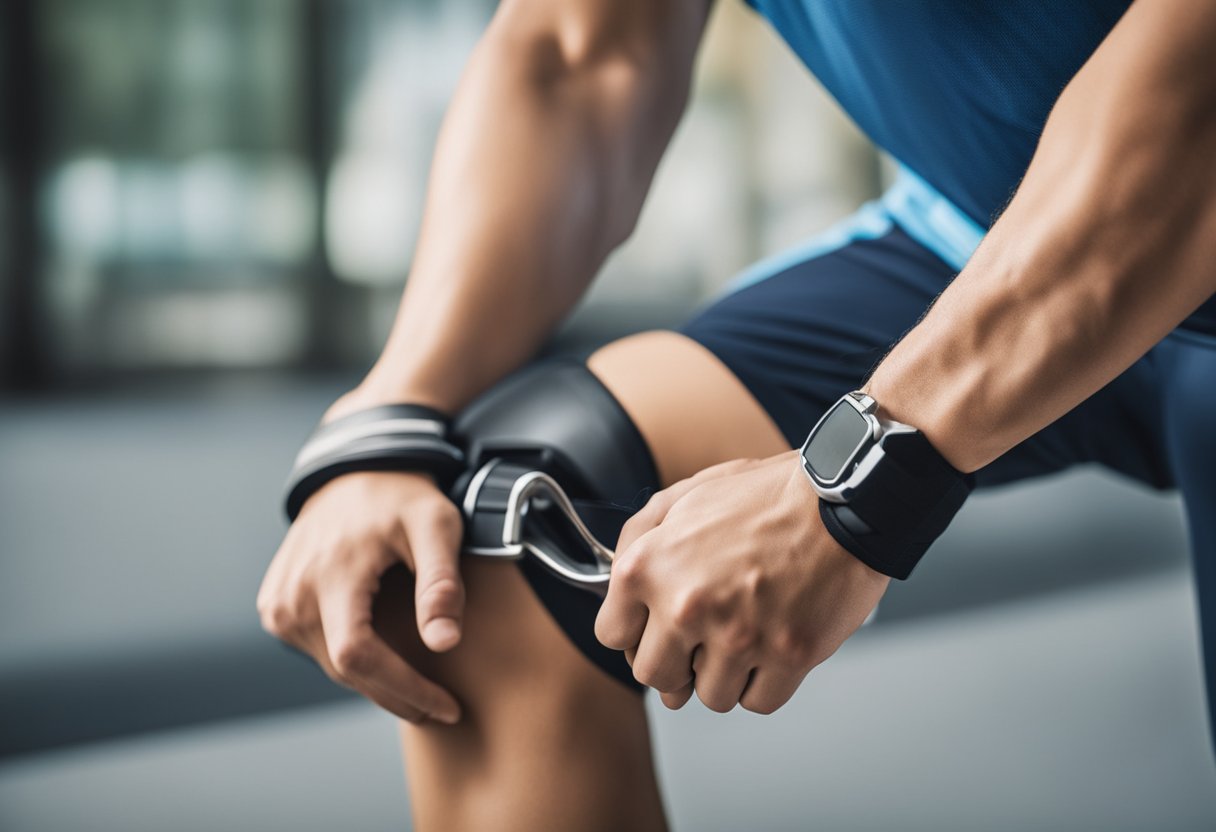
Knee pain when bending can be a common problem that affects people of all ages. It can be caused by a variety of factors, ranging from an injury or overuse to a chronic condition like arthritis. The pain can range from mild to severe, and it can affect one or both knees.
Understanding the causes and symptoms of knee pain when bending is important for proper diagnosis and treatment. Some common causes of knee pain when bending include meniscus tears, ligament sprains, and patellar tendinitis. Symptoms can include pain, swelling, stiffness, and difficulty moving the knee joint. A thorough evaluation by a healthcare provider is necessary to determine the underlying cause of the knee pain and develop an appropriate treatment plan.
Key Takeaways
Knee pain when bending can be caused by a variety of factors, ranging from an injury or overuse to a chronic condition like arthritis.
Symptoms can include pain, swelling, stiffness, and difficulty moving the knee joint.
A thorough evaluation by a healthcare provider is necessary to determine the underlying cause of the knee pain and develop an appropriate treatment plan.
Understanding Knee Pain
Knee pain is a common complaint that affects people of all ages. The knee joint is a complex structure that is vulnerable to injury due to its range of motion and the weight that is often distributed through the joint. Knee pain can be caused by a variety of factors, including injury, medical conditions, and overuse.
Injury to the knee joint can cause pain when bending the knee. A ruptured ligament or torn cartilage can result in knee pain that is localized to the affected area. Depending on the severity of the injury, knee pain can range from mild discomfort to severe pain that limits mobility.
Medical conditions such as arthritis, gout, and infections can also cause knee pain. Arthritis is a common cause of knee pain, particularly in older adults. Gout is a type of arthritis that is caused by a buildup of uric acid crystals in the joints. Infections can also cause knee pain, and can be serious if left untreated.
Overuse can also cause knee pain. Repetitive activities such as running or jumping can put a strain on the knee joint, causing pain and discomfort. In some cases, overuse can result in a condition known as patellofemoral pain syndrome, which causes pain in the front of the knee.
If you are experiencing knee pain when bending your leg, it is important to seek medical attention. Your doctor can perform a physical exam and order imaging tests to determine the underlying cause of your knee pain. Treatment options may include rest, ice, compression, and elevation, as well as physical therapy or surgery in some cases.
In summary, knee pain when bending can be caused by a variety of factors, including injury, medical conditions, and overuse. If you are experiencing knee pain, it is important to seek medical attention to determine the underlying cause and receive appropriate treatment.
Causes of Knee Pain
Knee pain can be caused by various factors, including injury, arthritis, overuse, and wear and tear. In this section, we will discuss the most common causes of knee pain.
Injury and Trauma
Knee injuries are a common cause of knee pain, especially in athletes and people who engage in physical activities that involve running, jumping, and twisting. Knee injuries can include ligament sprains or tears, meniscus tears, and fractures. Knee injuries can occur due to a sudden impact, such as a fall or a collision, or due to repetitive stress on the knee joint.
Arthritis Related Knee Pain
Arthritis is another common cause of knee pain, especially in older adults. Osteoarthritis is the most common type of arthritis that affects the knee joint. It occurs when the protective cartilage that cushions the ends of the bones in the knee joint wears down over time. Rheumatoid arthritis is another type of arthritis that can affect the knee joint. It is an autoimmune disorder that causes inflammation in the joint lining, which can lead to pain, swelling, and stiffness.
Overuse and Wear and Tear
Overuse and wear and tear can cause knee pain, especially in people who engage in physical activities that involve repetitive motions, such as running, cycling, and jumping. Overuse can cause inflammation in the knee joint, which can lead to pain and swelling. Wear and tear can cause the cartilage in the knee joint to deteriorate over time, which can lead to pain and stiffness.
In summary, knee pain can be caused by injury, arthritis, overuse, and wear and tear. It can affect people of all ages, but it is more common in older adults and people who are overweight. If you are experiencing knee pain, it is important to seek medical attention to determine the underlying cause and receive appropriate treatment.
Symptoms of Knee Pain
If you experience knee pain when bending your leg, it could be due to a variety of causes. Some common symptoms of knee pain include:
Swelling and Redness
Swelling and redness are common symptoms of knee pain. If you notice that your knee is swollen or feels warm to the touch, it could be a sign of inflammation. Inflammation can be caused by a variety of factors, including injury, overuse, or an underlying medical condition. If you experience swelling or redness in your knee, it’s important to see a doctor to determine the underlying cause.
Stiffness and Reduced Range of Motion
Stiffness and reduced range of motion are also common symptoms of knee pain. If you find that you are unable to fully extend or flex your knee, or if you experience a popping or crunching noise when you move your knee, it could be a sign of a more serious injury. In some cases, stiffness and reduced range of motion can be caused by arthritis, which is a condition that causes inflammation in the joints.
It’s important to note that not all knee pain requires medical attention. In some cases, knee pain can be treated with self-care measures, such as rest, ice, compression, and elevation. However, if your knee pain is severe or persistent, or if you experience fever or other symptoms, it’s important to see a doctor to determine the underlying cause and receive appropriate treatment.
Diagnosis of Knee Pain
When you experience knee pain, it’s important to get a proper diagnosis from a doctor. A physical examination and imaging tests can help determine the underlying cause of your knee pain.
Physical Examination
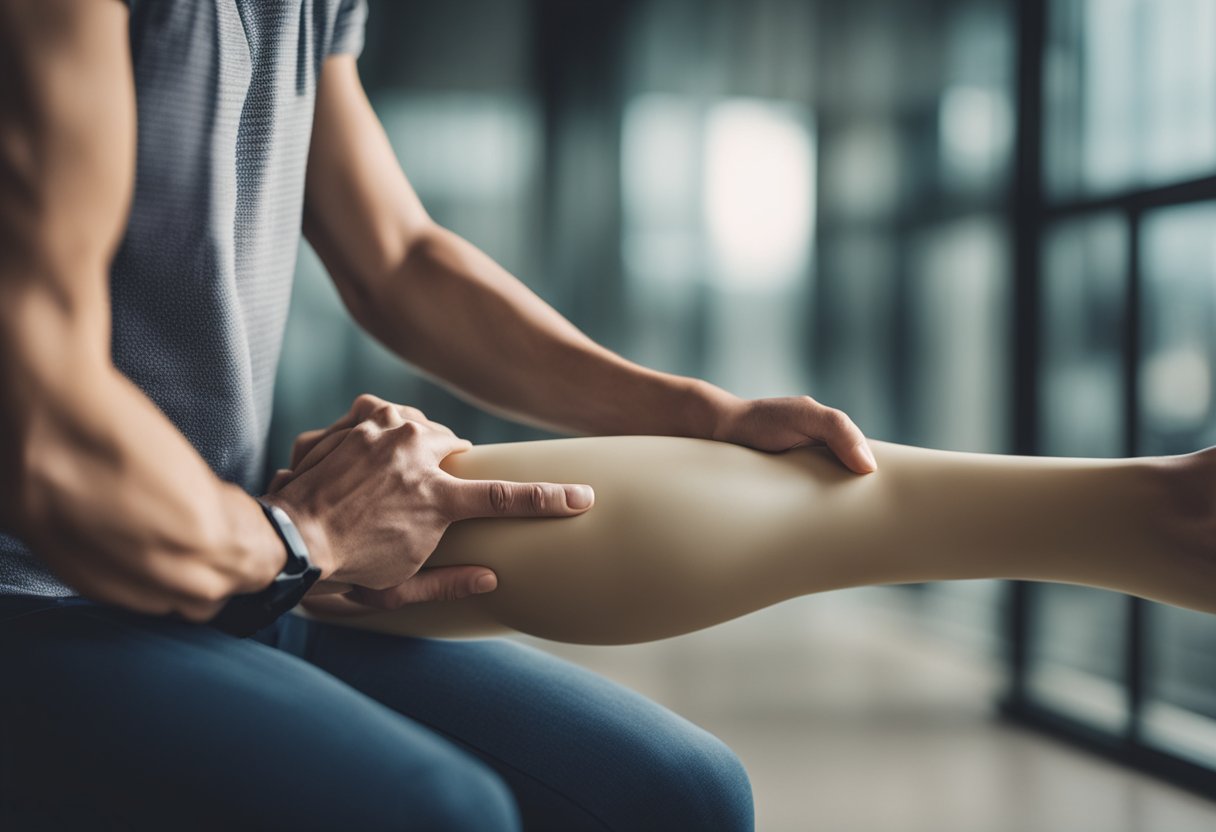
During a physical examination, a doctor will check your knee for swelling, tenderness, and range of motion. They may also ask you to perform certain movements to assess the stability of your knee joint. This can help them identify any injuries or conditions that may be causing your knee pain.
Imaging Tests
Imaging tests such as X-rays and MRI scans can provide a more detailed view of your knee joint. X-rays can detect bone fractures and degenerative joint disease, while MRI scans can show soft tissue damage such as ligament or cartilage tears. Your doctor may recommend one or both of these tests to help diagnose the underlying cause of your knee pain.
It’s important to note that imaging tests alone may not provide a definitive diagnosis. Your doctor will also take into account your medical history, symptoms, and physical examination results to determine the most appropriate course of treatment.
In summary, if you are experiencing knee pain, it’s important to see a doctor for a proper diagnosis. A physical examination and imaging tests such as X-rays and MRI scans can help determine the underlying cause of your knee pain.
Treatment for Knee Pain
If your knee hurts when you bend it, there are several treatment options available. The treatment plan will depend on the underlying cause of the pain and the severity of the injury. Some of the common treatments for knee pain are:
Medication and Self-Care
For minor knee pain, self-care and over-the-counter medications may be enough to manage the pain. Rest, ice, compression, and elevation (RICE method) can help reduce swelling and pain. You can also take medications such as ibuprofen or other nonsteroidal anti-inflammatory drugs (NSAIDs) to relieve pain and inflammation.
Physical Therapy and Exercises
Physical therapy can help strengthen the muscles around the knee and improve flexibility. Your physical therapist may recommend exercises such as stretching and strengthening exercises to help reduce pain and improve knee function. Strengthening exercises can help prevent knee injuries in the future.
Surgery and Other Procedures
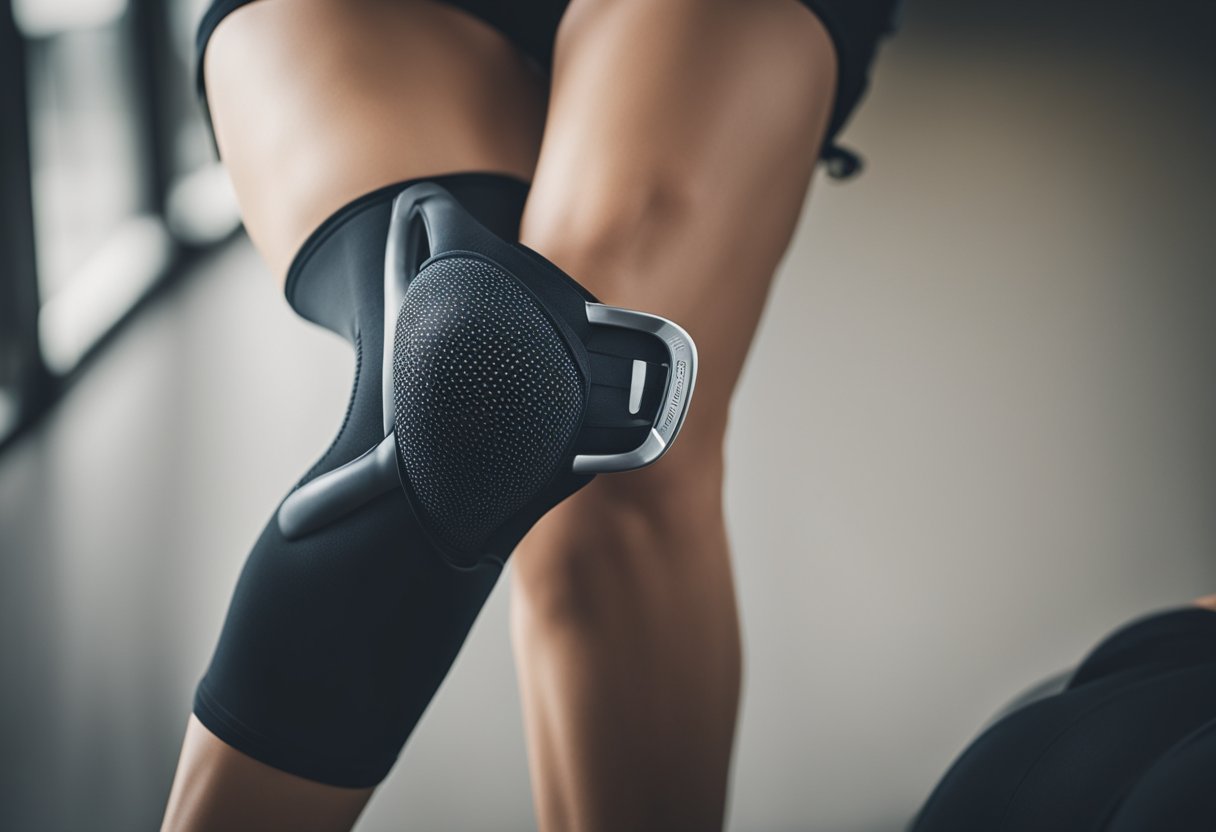
In more severe cases, surgery or other procedures may be necessary to treat knee pain. For example, a meniscus tear or torn ligament may require surgery to repair the damage. Braces or other supportive devices may also be recommended to help stabilize the knee and prevent further injury.
Recovery time will vary depending on the severity of the injury and the type of treatment used. It is important to follow your doctor’s instructions and attend all physical therapy sessions to ensure a full recovery.
In summary, there are several treatment options available for knee pain, including medication, self-care, physical therapy, and surgery. The best treatment plan will depend on the underlying cause of the pain and the severity of the injury. It is important to seek medical attention if you experience persistent or severe knee pain.
Preventing Knee Pain
Preventing knee pain is essential for maintaining an active and healthy lifestyle. Here are some tips to help prevent knee pain:
Form
Proper form is crucial when exercising or performing any physical activity. Poor form can put unnecessary strain on your knee joint, leading to pain and injury. Make sure to use proper form when performing exercises such as squats, lunges, and leg presses. If you are unsure about proper form, consider hiring a personal trainer to help you.
Stability
Strengthening the muscles that support your knee can help prevent injury by increasing overall stability and providing extra cushioning for the joint. Exercises such as leg curls, leg extensions, and calf raises can help strengthen your knee muscles.
Flexibility
Maintaining flexibility in your knee joint can help prevent injury. Incorporate stretching exercises into your daily routine to keep your knee joint flexible. Stretching exercises such as quad stretches, hamstring stretches, and calf stretches can help improve flexibility in your knee joint.
Active Lifestyle
Maintaining an active lifestyle can help prevent knee pain. Regular exercise can help strengthen your knee muscles and improve flexibility in your knee joint. Consider incorporating low-impact exercises such as swimming, cycling, or yoga into your routine.
Athletes and Contact Sports
Athletes and individuals who participate in contact sports are at a higher risk for knee injuries. To prevent knee injuries, make sure to wear proper protective gear such as knee pads and braces. Additionally, make sure to warm up properly before participating in any physical activity.
Weakness
Weakness in your knee muscles can lead to injury and pain. Strengthening exercises such as leg curls, leg extensions, and calf raises can help improve the strength of your knee muscles. If you are experiencing weakness in your knee, consider consulting with a physical therapist to develop a personalized strengthening program.
By following these tips, we can help prevent knee pain and maintain an active and healthy lifestyle.
Complications and Long-Term Effects
When knee pain is left untreated or not managed properly, it can lead to complications and long-term effects. These can include joint damage, medical conditions, and infections.
One of the most common complications of knee pain is joint damage. This can occur when the underlying condition causing the pain is not addressed, leading to wear and tear of the joint over time. Joint damage can also occur as a result of injury, such as a torn ligament or cartilage. If left untreated, joint damage can lead to arthritis and other chronic conditions that can affect mobility and quality of life.
In addition to joint damage, knee pain can also be a symptom of other medical conditions. For example, gout, rheumatoid arthritis, and lupus can all cause knee pain. These conditions require proper diagnosis and treatment to manage the underlying cause of the pain and prevent further complications.
Another potential complication of knee pain is infection. Infections can occur as a result of injury, surgery, or other medical procedures involving the knee. If left untreated, infections can spread and cause serious damage to the joint, requiring more extensive treatment and potentially leading to long-term complications.
It is important to seek medical attention if you are experiencing knee pain, especially if it is severe or persistent. Proper diagnosis and treatment can help prevent complications and long-term effects, and can improve your overall quality of life.
Frequently Asked Questions
Why does my knee pop when I bend it?
Knee popping is a common condition that can occur when you bend your knee. The popping sound is caused by the release of gas bubbles in the synovial fluid that lubricates the joint. This is usually not a cause for concern unless it is accompanied by pain or swelling. In some cases, knee popping can be a sign of an injury or underlying condition, such as a torn meniscus or arthritis.
What causes inner knee pain when bending?
Inner knee pain when bending can be caused by a variety of factors, including overuse, injury, or underlying medical conditions. One common cause is a torn meniscus, which can occur when the knee is twisted or turned suddenly. Other causes of inner knee pain include arthritis, bursitis, and tendonitis.
What are the common causes of knee pain when bending?
Knee pain when bending can be caused by several factors, including injury, overuse, or underlying medical conditions. Common causes of knee pain when bending include patellar tendinitis, arthritis, meniscus tears, and bursitis. In some cases, knee pain when bending can be a sign of a more serious condition, such as a ligament tear or a fracture.
How can I relieve side knee pain when bending?
There are several ways to relieve side knee pain when bending, including rest, ice, compression, and elevation. Over-the-counter pain relievers such as ibuprofen or acetaminophen can also help reduce pain and swelling. Physical therapy and knee braces may also be recommended to help support the knee and reduce pain.
What are the symptoms of a swollen knee that can’t bend?
A swollen knee that can’t bend may be a sign of a serious injury or underlying medical condition. Symptoms of a swollen knee may include pain, stiffness, redness, and warmth around the knee joint. In some cases, the knee may also feel unstable or give way when you try to walk or bend it.
What are some effective treatments for knee pain when bending?
Effective treatments for knee pain when bending depend on the underlying cause of the pain. In some cases, rest, ice, and compression may be enough to relieve pain and swelling. Over-the-counter pain relievers such as ibuprofen or acetaminophen can also help reduce pain and inflammation. Physical therapy, knee braces, and surgery may be recommended for more severe cases of knee pain when bending.