download 23

Professional football players battled fatigue for six weeks after COVID infection, research shows


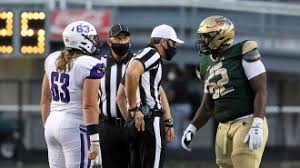
Professional footballers’ matchday performance fell after recovering from COVID-19, with three-quarters battling fatigue for six weeks, a University of Essex study has found.

The study – published in Physiological reports — examined top football players for the first time and examined the impact of the long Covid-19 crisis on top athletes.

The study found that 77 percent of those studied battled general fatigue for 37 days and 54 percent battled muscle fatigue for 38 days after the test came back negative.

GPS data from ten matches after returning to play revealed a four percent drop in match performance, despite no reduction in lung capacity.

The research was led by Dr. Michele Girardi, who worked with the university’s School of Sport, Rehabilitation, and Exercise Sciences.

He hopes the research will help improve return-to-play protocols for sports stars recovering from the virus.

Dr. Girardi said: “This is one of the first studies to look at the impact of COVID-19 on professional footballers.

“An original aspect is that we studied the metabolic power of players during official matches after the infection.

“We were surprised to see such an impact on players’ ability to train at high intensity.

“The study results suggest that fatigue symptoms should be carefully considered for a safe and effective return to sport post-COVID.

“We were limited in who we could study, but the findings are cause for concern and show that more needs to be done to help players return to the sport.

“This research also has wider implications as footballers have been in a unique position during the ongoing pandemic and have almost been canaries in the coal mine.

“The football world was very unusual because when we all had to isolate ourselves from everyone, they continued to train, meet in groups and play.

“Much is still being learned about the impact of COVID-19 and we hope this research will help clubs support players’ return to play and help inform public health policy on long COVID-19.”

Dr. Girardi collaborated with colleagues in Italy to study players in the Italian Serie C league for the article entitled ‘COVID-19 illness in professional football players: symptoms and impact on lung function and metabolic power during matches’.

One anonymous club opened its doors to a team of researchers, including academics from the University of Padua, the University of Rome “Foro Italico”, the University of Verona and University College London.

Data from 13 players infected with COVID was studied over the course of about six months.

They had an average age of 24 years, were just under 6 feet tall and weighed about 12 stone.

It is now hoped that the research will be expanded with more teams taking part to understand the impact of the coronavirus.

Dr. Girardi added: “Although this is a relatively small sample size, this is crucial data that shows more needs to be done to understand the impact of COVID on young, healthy people.

“The virus has not disappeared and sports teams are high-risk environments that can act as real vectors for infections.”

Source link

Similar Posts

  • Appointment of deputy general manager

      Appointment of Sandrine Carle as deputy general manager Ecully, November 7, 2023-The Spineway Group, specialists in innovative implants for the treatment of serious spinal disorders, announces the appointment of Sandrine Carle as Deputy Chief Executive Officer. Ms. Carle joined Spineway in July 2022, at the time of the acquisition of Spine Innovations, where she…

  • | |

    What is that pain under my kneecap? Understanding Patellofemoral Pain Syndrome – ACL Strong

      Patellofemoral pain syndrome That dull, aching, throbbing, sometimes sharp pain around the knee or kneecap that comes and goes based on activity may be a condition known as Patellofemoral Pain Syndrome. Sometimes associated with cracking and popping, patellofemoral pain can range from not so bad to disabling discomfort causing people of all ages to…

  • We have to do better. Recognizing and treating anxiety among student-athletes

      Factors influencing anxiety-related symptoms, diagnosis, and treatment among college student-athletes in the National College Health Assessment. Edwards B and Froehle AW. J Athl training. 2023, [epub ahead of print]. doi: 10.4085/1062-6050-0334.22. Full text freely available Take home message Eight in 10 student-athletes report feeling overwhelmed, and nearly half report overwhelming anxiety. Yet fewer than…

  • |

    Is there a connection between the onset of psoriasis and the risk of autoimmune diseases?

      In a recent study published in the Scientific Reports Journal, researchers evaluated the risk of new autoimmune diseases in individuals with early psoriatic disease. Study: Risk of incident autoimmune diseases in patients with newly diagnosed psoriatic disease: a national population-based study. Image credits: Flystock/Shutterstock.com Background Psoriatic disease, which often includes psoriasis and psoriatic arthritis,…

  • Best ice machine for knee surgery (Game Ready, Polar Care)

    What if you could recover from knee surgery with less pain and fewer medications? This question is at the heart of modern post-operative care. Managing discomfort and swelling is a major challenge after an orthopedic procedure. cold therapy system Cold therapy offers a powerful, drug-free solution. It is a non-invasive method to control inflammation and pain directly at the source. Specialized units deliver consistent cooling to the affected area. This can significantly reduce the need for strong painkillers during the critical healing phase. We have thoroughly examined the market of recovery tools. Our guide focuses on leading systems, including various Breg Polar Care models and the Game Ready unit. Our goal is to help you navigate your options. You can find a system that fits your needs and supports a smoother, more comfortable recovery at home. Key Takeaways Cold therapy is a proven, drug-free method to manage pain and swelling after surgery. Using a dedicated cooling unit can help reduce reliance on narcotic pain medication. Popular systems like the Breg Polar Care line come in several models, such as the Cube, Kodiak, Glacier, and Wave. Game Ready is a leading unit that combines cold therapy with adjustable compression. Always consult your healthcare provider to ensure this therapy is right for your specific procedure. Selecting the right device involves considering your budget and recovery goals. Effective, consistent cooling can greatly improve comfort and outcomes during the healing process. Introduction to Knee Surgery Recovery and Cold Therapy Successfully navigating the first weeks post-surgery hinges on a structured recovery strategy. This plan must prioritize managing two key issues: discomfort and inflammation. This is where cold therapy, also called cryotherapy, becomes essential. It involves applying controlled cooling to the surgical area to reduce inflammation. After a procedure, fluid often accumulates in the joint. This swelling, known as edema, increases pressure and causes significant pain. The therapy works by constricting blood vessels. This action helps limit the amount of fluid and blood pooling at the injury site. Many surgeons now recommend a dedicated cooling device. These units provide consistent, targeted cold therapy that is far more effective than basic ice packs. Reducing swelling early is crucial. It directly supports efforts to regain a full range of motion in the knee during rehabilitation. Healthcare providers often prescribe this therapy as a safe alternative to stronger pain medications. Patients should always combine its use with specific exercise advice from a physiotherapist. This promotes healthy blood flow and ensures optimal healing. How Cold Therapy Works in Reducing Swelling and Pain Cold therapy targets the root causes of post-operative discomfort through a simple yet powerful process. It directly addresses the inflammation and pain that hinder healing. Mechanism of Action in Cold Therapy The primary mechanism involves using cold water to constrict blood vessels. This reduces blood flow and inflammation in the affected area. A dedicated unit provides a continuous, even distribution of this chilled liquid. It maintains a steady cold temperature for many hours. cold therapy mechanism Advantages Over Traditional Ice Packs Basic ice packs warm up quickly due to body heat. Their effectiveness diminishes within minutes. In contrast, a motorized therapy system eliminates frequent trips to the freezer. Its large, insulated reservoir ensures prolonged cooling. Specialized pads are designed for specific body parts. They deliver targeted cold therapy exactly where needed. This approach prevents the condensation issues of melting ice packs. It keeps the surgical site clean and dry, enhancing comfort and hygiene. Overview of Cold Therapy Devices for Post-Surgical Recovery The market offers two primary types of cold therapy units, each with distinct mechanisms and benefits. Selecting the right one depends on your mobility, budget, and recovery goals. We categorize these devices into gravity-fed and motorized systems. This helps you understand which technology best suits your specific needs. Types of Devices: Motorized and Gravity-Fed Systems Gravity-fed devices, like the Aircast Cryo/Cuff, use elevation to circulate water without a motor. They are cost-effective and portable. The simple physics of elevation moves chilled liquid through the pad. Motorized systems provide constant recirculation of cold water between a cooler and the pad. This is ideal for patients with limited mobility after a procedure. Brands like Breg Polar Care circulate water directly for efficient cooling. The DonJoy IceMan series uses dual pump technology for a comfortable temperature. Some advanced therapy units, such as the Ossur Cold Rush, feature an adjustable flow dial. This allows patients to customize their experience. Understanding these mechanical differences is key before making a purchase. Both types deliver effective cold therapy, but their operation varies. Key Features to Consider When Purchasing an Ice Machine Several practical factors determine how well a cold therapy machine will serve you at home. The right features enhance both effectiveness and convenience during your healing period. Consistency, Coverage, and Temperature Control Look for a unit that maintains a steady cold temperature. Consistent cooling is vital for safe, prolonged sessions. Good coverage means the pad fits your joint properly. This ensures the therapy reaches all affected areas. Adjustable controls let you fine-tune the intensity. This prevents skin irritation while maximizing comfort. cold therapy…

One Comment

Leave a Reply

Your email address will not be published. Required fields are marked *