hockey 2744907 1920

More evidence to stay off the boards


Body checking experience and injury rates among ice hockey players aged 15-17 years.

Eliason PH, Hagel BE, Palacios-Derflingher L, Warriyar V, Bonfield S, Black AM, Mrazik M, Lebrun C, Emery CA. CMAJ. Jun 20, 2022;194(24):E834-E842. doi: 10.1503/cmaj.211718.

Full text freely available

Take home message

More experience with body checking was not associated with a decrease in the number of concussions or injuries in 15- to 7-year-old ice hockey players.

Background

Although body checking in ice hockey can lead to an increased risk of injury and health care costs, arguments remain that increasing a hockey player’s experience with body checking could protect him from injury.

Study aim

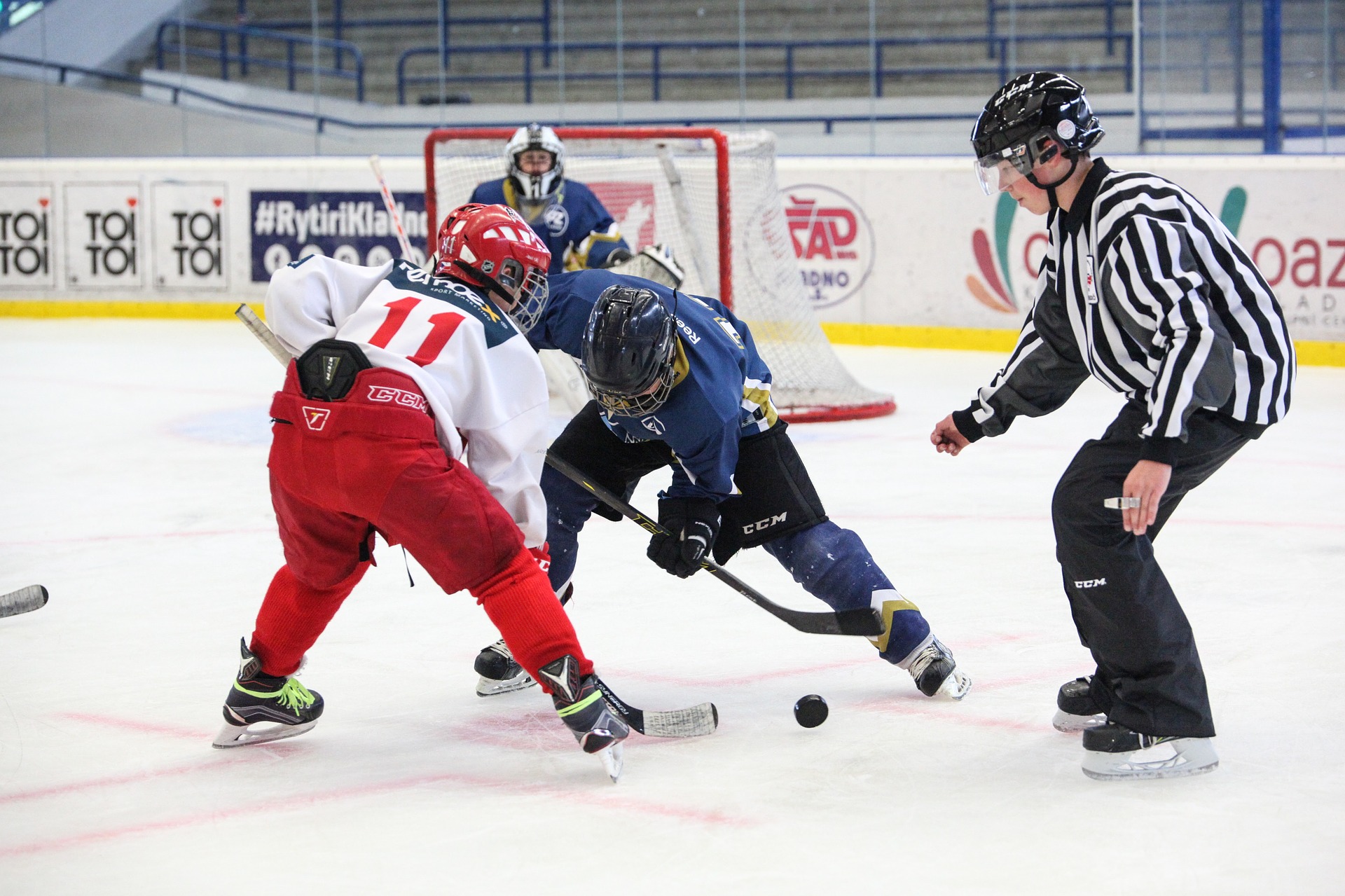
Eliason and colleagues completed a prospective cohort study to determine the association between body checking experience and rates of concussions and injuries in ice hockey players between 15 and 17 years old.

Methods

The researchers invited players from ice hockey leagues in three regions in Alberta, Canada, making body checks possible. All participants completed a baseline questionnaire before the season, which the authors used to estimate the number of years of body checking experience. Designated team members (e.g., manager) recorded each match as an exposure, an injury resulting in more than 7 days lost to hockey, and a concussion as defined in the Consensus Statement on Concussion in Sport.

Results

A total of 186 teams (941 players with 1,168 player seasons) participated. Players with three or more years of bodychecking experience tended to sustain new injuries and concussions more than 2.5 times as often as players with two or fewer years of experience.

Viewpoints

Interestingly, having more experience was not associated with fewer injuries. These findings support the theory that more experience with body checking is not protective. Therefore, these findings support rule changes regarding the removal of body checks in youth ice hockey. It will be useful to see if these findings can be replicated in other age groups and populations. In the meantime, doctors, parents and players can use this data to advocate for rule changes to reduce body checks.

Clinical implications

Clinicians and stakeholders should advocate for fewer body checks to reduce injuries.

Questions for discussion

What experiences have you had with rules that limit contact in sports? What implementation barriers have you encountered?

Written by: Kyle Harris
Review by: Jeffrey Driban

related posts

Less body control may protect adolescent ice hockey players
Abolishing controls can have positive financial consequences
Cut out the dangerous checking… Check.

9 EBP CEU courses

Source link

Similar Posts

  • Food allergies may be linked to an increased risk of cardiovascular disease, research shows

      Sensitivity to common food allergens such as dairy and peanuts could be a major and previously unappreciated cause of heart disease, new research suggests – and the increased risk of cardiovascular disease extends to people without obvious food allergies. Dairy and common foods like peanuts may be a major and previously underappreciated cause of…

  • |

    Can PRP help reduce the risk of rotator cuff re-injury?

      Platelet-rich plasma does not improve clinical outcomes in patients with rotator cuff disease, but reduces relapse rates. A systematic review and meta-analysis Feltri P, Gonalba GC, Boffa A, Candrian C, Menon A, Randelli PS, Filardo G. Knee Surgery Sports Traumatol Arthrosc. December 11, 2022. doi: 10.1007/s00167-022-07223-9. E-publishing prior to printing. PMID: 36496450. Full text…

  • |

    Knee replacement infection signs

    What if the biggest threat to your new joint isn’t the surgery itself, but something that can surface weeks or even years later? Being aware of Knee replacement infection signs is crucial. Total hip and knee arthroplasties are among the most common elective operations. For most people, they are a resounding success. Yet, data shows about 1 in 100 patients will face a serious complication after their procedure. monitoring knee replacement healing We recognize that a successful outcome relies on two things: the surgical skill and your long-term vigilance. Our goal is to empower you with knowledge. By learning to monitor your recovery, you can protect your investment in a pain-free life. This guide helps you distinguish between normal healing and the early warning signals of a problem. Understanding these signs allows you to seek timely medical attention for a joint replacement. Understanding the Knee replacement infection signs can make a significant difference in your recovery journey. Key Takeaways While highly successful, about 1% of joint replacement patients develop an infection. Early detection of complications is critical for protecting your surgical results. Patient awareness during the recovery process is as important as the initial procedure. Knowing the difference between normal healing and potential warning signs is key. Common indicators include increased pain, new swelling, warmth, redness, or fever. Prompt action and communication with your healthcare team are essential. Long-term joint health requires ongoing attention and care. Overview of Knee Replacement Surgery and Infection Risks With millions of Americans opting for this surgery each year, understanding its scope and associated risks is fundamental. This procedure is a cornerstone of modern orthopedics, offering renewed mobility to those with severe joint conditions. knee replacement surgery overview Introduction to Knee Replacement Procedures Medical projections suggest that by 2030, the number of these operations performed annually in the United States will reach 3.48 million. This type of intervention is highly common and successful. It involves replacing damaged joint surfaces with artificial components. Why Infections Occur Around Implants Bacteria are abundant on our skin and in our bodies. They can enter during surgery or later through the bloodstream. Once they reach the artificial joint, they can form a sticky biofilm. This biofilm makes it extremely difficult for the body’s natural defenses to clear the germs. Implants are made of metal and plastic, which are non-organic materials. The immune system struggles to fight bacteria that colonize these surfaces. Such complications can occur in the surgical wound or deep around the implant itself. Understanding these underlying conditions is the first step in prevention. Knee Replacement Infection Signs: What to Watch For Your vigilance in the weeks and months following the procedure is your first line of defense against potential problems. We empower you to become an expert in your own recovery. Knowing what to expect makes it easier to spot when something is wrong. Common Symptoms and Warning Signals Certain symptoms should prompt immediate contact with your care team. A fever above 100°F (37.8°C) is a classic red flag. Chills or night sweats often accompany it. Pay close attention to the surgical wound. Any foul-smelling or grey liquid drainage is not normal. Increased pain or stiffness that doesn’t improve after several weeks is a concern. A deep joint infection might make walking painful long after your expected recovery period. We remind you that these issues can surface months or years later. knee replacement infection…

  • | |

    What is a patient-reported outcome measure or PROM and the KOOS?

      Image by FatCamera from Canva Pro Are you recovering from a knee injury or knee surgery and are you asked to complete a questionnaire, the so-called Knee Injury and Osteoarthritis Outcome Score (KOOS)? This blog highlights the purpose of these questionnaires and explains what the KOOS is and how it is relevant to you…

  • |

    September 2023 Schedule — Bone Talk

    Bone Buddies Virtual Support Group: September 2023 schedule Join the Bone Buddies Online Virtual Support Group this September! Weekly sessions cover topics ranging from diet, exercise, treatment and more! Saturday, September 16 at 10am CT: Bone Buddies presentation on epigenetics and low bone density Thursday, September 21 at 2:00 PM CT: Healthy Eating Session Saturday,…

2 Comments

Leave a Reply

Your email address will not be published. Required fields are marked *