Blog

  • Rising star footballers among young athletes benefit from new screening tool

    Rising star footballers among young athletes benefit from new screening tool

    Young elite athletes will benefit from a new screening tool with the potential to change clinical practice by ruling out serious heart disease that is often misdiagnosed. The research is thanks to a jointly led study between the Universities of Exeter and Bristol, working with emerging athletes from around the world.

    Cardiomyopathy, a form of heart disease in the heart muscle, is a genetic condition in which the walls of the heart chambers no longer develop as they normally would, and can take many forms. This can lead to collapses on the field or affect the heart’s ability to pump blood around the body.

    For one in twenty healthy adolescent athletes, training alone leads to changes in the appearance of the heart during ultrasound. This means that diagnosing a cardiomyopathy can often be difficult, and being told that a disease is even suspected can lead to a huge amount of psychological distress, often preventing them from participating in training and matches until a clear decision has been made.

    In this major international study, more than 400 youth athletes from the Manchester United Youth Academy, Football Club Barcelona and the Qatar Aspire Academy were screened using new and non-invasive ultrasound techniques. These techniques, already used in the clinical diagnosis of patients, are an important step forward in the development of a new route for screening for cardiomyopathy in athletes. The team now hopes the new techniques will reduce the number of false diagnoses, potentially saving the NHS time and resources in providing follow-up tests to rule out the condition and prevent health problems.

    Professor Craig Williams, Director of the Children’s Health & Exercise Research Center at the University of Exeter said: “Our results demonstrate the power of new ultrasound techniques in screening athletes suspected of having cardiomyopathy but who are otherwise completely healthy. .. The difference this makes is the more accurate diagnosis of cardiomyopathy, especially in young athletes, better protecting the athletes of tomorrow.”

    Dan Dorobantu, PhD student in cardiology at the University of Exeter, added: “When screening athletes we often saw changes that could be due to disease, but equally to the way the heart adapts to training. Reaching a clear conclusion may involve more testing, follow-up visits and significant stress for the athletes. Any new technology that can help us better diagnose these cases would lead to improvements in the screening and care we provide to our athletes. “

    Source link

  • Sports managers need sports trainers for a better heat policy

    Sports managers need sports trainers for a better heat policy

    Exercise-induced heat illness: policy adoption and influence on contextual factors reported by athletic administrators

    Scarneo-Miller SE, Adams WM, Coleman KA, Lopez RM. Sports Health. Mar 5, 2023: 19417381231155107. doi: 10.1177/19417381231155107. E-publishing prior to printing. PMID: 36872595.

    https://journals.sagepub.com/doi/10.1177/19417381231155107

    Take home message

    Most high school athletic administrators reported having a written heat illness policy in place, but they were often missing key components. The presence of an athletic trainer helped create a written policy that included more components.

    Background

    Sports administrators play an important role in policy acceptance. Policy measures such as addressing acute heat illness are critical as improper management can lead to poor outcomes. Unfortunately, we know little about the factors that promote and hinder the implementation of heat illness policies.

    Study aim

    The authors surveyed high school athletic administrators in the United States to describe the adoption of exertional heat illness policies and to examine factors that influence the adoption of these policies.

    Methods

    During the 2018-2019 academic school year, the research team emailed nearly 7,000 athletic administrators inviting them to complete a questionnaire asking about 1) demographics, 2) exercise-related illness policies, 3) monitoring and modification of written policy, and 4) enablers and barriers to policy development. The researchers used the precautionary adoption process model to assess an athletics administrator’s willingness to adopt policies. The adoption model is based on 8 phases, from not being aware to maintaining a written policy for more than 6 months.

    Results

    Of 466 athletics administrators (~48 years old, 82% male, 77% worked in the field for more than 15 years), 78% reported having a written policy on the prevention and treatment of exertional heat illness. Only 6% adopted all eleven essential elements of an exertional heat illness policy. Almost half of the managers indicated that they adopted fewer than 5 essential elements.

    Older athletics administrators, those who had previously dealt with heat illness, or those with an athletic trainer on their staff were more likely to have a written policy. Additionally, state mandates and having a medical professional were the most commonly cited facilitators for adopting policies on exertional illness prevention and use of a rectal thermometer. Similarly, the most commonly reported barrier to comprehensive heat illness management was the lack of a full-time athletic trainer (11). Administrators also recognized budget constraints that limited the use of a cold water immersion pool (23%), and the top barriers to using a rectal thermometer were discomfort using the thermometer (32%), parent/guardian resistance (30 %), resistance from parents/guardians (30%). coaches (30%) and liability issues (27%).

    Viewpoints

    Nearly 80% of athletics administrators surveyed reported that they had a written policy on exertional heat illness. Few integrated or were aware of all the necessary components to meet best clinical practices. The authors found that access to athletic training services was associated with better adoption of exercise health policies. This finding is consistent with it being an athletic trainer who would implement such a policy. It’s worth recognizing that only 7% of administrators contacted completed the survey. Therefore, these results may not accurately reflect what is happening in high schools across the country. One possibility is that people more interested in policy or heat illness completed the survey. So these results may show us the best-case scenario for written policies (78%) that include all components (6%) – which is a worrying sign.

    Clinical implications

    Encouraging state mandates and schools to hire athletic trainers can ensure that there are written policies to address heat illness. Clinicians may also want to consider strategies to educate coaches and parents/guardians about the reasons for this policy, such as rectal thermometers and cold water plunge pools.

    Questions for discussion

    Are you having trouble adding rectal temperature to your exercise heat illness protocol? Do you communicate with your athletics administrator regarding the approval, implementation and annual review/practice of your emergency policy?

    related posts

    1. Management of exertional heat stroke still leaves something to be desired
    2. A little more education about heat stroke due to exertion could go a long way
    3. Clinical Pearl: prevention and treatment of exertional heat stroke
    4. Tag us! What do coaches know about heat stroke during exertion and the role of the athletic trainer?
    5. Follow guidelines to prevent exertional heat illness? Let’s reconsider these guidelines

    Written by Jane McDevitt
    Reviewed by Jeffrey Driban

    9 EBP CEU courses

    Source link

  • Menstruation and pregnancy are still taboo in women’s football, research shows

    Menstruation and pregnancy are still taboo in women’s football, research shows

    Sports and exercise experts are calling for better education about menstruation and pregnancy in women’s football.

    New research at women’s football clubs in six European countries shows that information about the menstrual cycle, hormonal contraception and pregnancy is seriously lacking.

    The research, led by academics from Staffordshire University, involved more than 1,100 players, coaches and managers from grassroots to top-level clubs in Bulgaria, England, Finland, France, Poland and Spain. It examined policy, perceptions and understanding through an online survey and a series of focus groups.

    Dr. Jacky Forsyth, Associate Professor of Exercise Physiology, explains: “The topic of ovarian hormones and their effects on training and performance, beyond pregnancy and postpartum, appears to have received little attention within any formal coaching training.

    “In sports, these topics also come with varying degrees of stigmatization and silence, as well as being a barrier to gender equality. To tackle this, we wanted to gather best practice across Europe to learn which clubs are doing well, what is effective and what can be improved.

    “Despite some good practice in individual clubs in different countries, there was limited knowledge and understanding of how training, performance and health are affected. Knowledge was generally left to the individual without support from governing bodies or coach training providers.”

    69% of all participants said there was ‘no at all’ menstrual cycle education offered in their clubs, and while some clubs tracked players’ menstrual cycles, this was varied and inconsistent.

    Approaching coaches about the menstrual cycle was identified as difficult for some players, with the barrier being that ‘the female game is still predominantly coached by men’ and that ‘men won’t understand’. Because of this, some players supported each other, keeping it between us girls rather than approaching their coaches.

    Similarly, 77% of respondents reported no education about hormonal contraception and 64% no education about pregnancy. Furthermore, only 5% were aware of the club’s policy on pregnancy, maternity leave, maternity and care responsibilities/childcare.

    Recommendations emerging from the study include hiring more female coaches and formalizing coach training to include research on the menstrual cycle, hormonal contraception and pregnancy, to encourage open dialogue between coaches and athletes. The research will also directly impact teaching on Staffordshire University’s Sport and Exercise courses.

    Co-author Dr. Alex Blackett said: “These findings shed light on the fact that football training and education continues to be focused on the men’s games. The development of women’s football seems to be superficial at the moment and underneath there is still a lot more to be done.

    “The willingness to have open discussions is so important because, as our article suggests, there is still a stigma attached to some of these issues. Although it is good that there is solidarity and that players support each other, we sometimes notice that pseudoscience principles are perpetuated and that is why it is important that the right information and support comes from the top.”

    The study was part of the European Women in Sport (E-WinS) project which is funded by the Erasmus+ Sport program and brings together experts from nine universities and sports organisations.

    The Staffordshire University team will now work directly with football clubs in Great Britain to put some of their findings into practice. E-WinS project partners are producing toolkits that will be available online for free.

    In 2022, Chelsea FC Women became the first football club in the world to tailor training to players’ menstrual cycles and England women’s manager Sarina Wiegman introduced menstrual tracking apps ahead of the team’s win at the 2022 European Women’s Football Championship.

    More recently, the women’s teams of Stoke City and West Bromwich Albion announced a switch to colored shorts with their home kit, as players raised concerns about wearing white during their periods.

    Dr. Forsyth added: “Initially it’s about creating awareness that the menstrual cycle is not just about PMT and getting moody and bloated. Variations in ovarian hormone levels occur throughout the lifespan, so understanding their effects is important for the advancement of women’s football.

    “Something as simple as tracking players’ menstrual cycles can make a big difference. For example, performance can be optimized in certain phases of the menstrual cycle and training can be adapted to prevent injuries and muscle soreness.

    “Coaches need to have knowledge of issues specific to women and I hope this will be included in the FA coaching awards as it is clearly needed.”

    “Menstrual cycle, hormonal contraception and pregnancy in women’s football: perceptions of players, coaches and managers” is published in the Sports in society log.

    Source link

  • “It’ll never happen to me” appears in the concussion reporting mess

    “It’ll never happen to me” appears in the concussion reporting mess

    Masculinity, optimism, and perceived stakeholder pressure influence concussion prevention intentions and behaviors in college students and athletes.

    Weber Rawlins ML, Welch Bacon CE, Tomporowski P, Gay JL, Bierema L, Schmidt JD. J Am Coll Health. 2022 Sep 9:1-7. doi: 10.1080/07448481.2022.2115300. E-publishing prior to printing.

    https://pubmed.ncbi.nlm.nih.gov/36084227/

    Take home message

    Student-athletes with a pessimistic view of concussion risk have higher intentions to report symptoms or a concussion.

    Background

    Doctors rely on student-athletes to report a possible concussion to ensure proper diagnosis and treatment. We can optimize education efforts to improve concussion reporting with a better understanding of the barriers to concussion reporting. Three emerging areas that may influence messaging are masculinity (qualities traditionally associated with men), optimism (thinking that bad things are less likely to happen to the person than others), and perceived pressure from stakeholders (e.g., coaches, teammates).

    Study aim

    Weber Rawlins and colleagues completed a survey study to determine how masculinity, optimism, and perceived pressure from others were related to reporting intentions and behavior.

    Methods

    Student-athletes from three universities in the southeastern US used online survey software to complete five tools that assessed key factors:

    1. masculinity (winning, emotional control, risk taking, violence, power over women, playboy, self-reliance, primacy of sports and heterosexual self-presentation)
    2. optimism bias
    3. perceived pressure (from coaches, teammates, parents/guardians, sports medicine professionals, athlete administrators, and sports fans)
    4. concussion and symptom reporting intentions (summarized as reporter or non-reporter)
    5. concussion and symptom reporting behavior (summarized as reporter or non-reporter)

    Results

    A total of 313 respondents completed all parts of the survey, and 369 respondents completed at least one part of the survey. A student-athlete was less likely to report symptoms or a concussion if he was not a pessimist (neutral or optimist). Furthermore, they were less likely to report symptoms if they reported higher levels of masculinity in two domains: “playboy” and “heterosexual self-preservation.” In terms of intent to report concussions, someone with higher scores for “primacy of the sport” and “pressure from athletic administration” was less likely to report it.

    Viewpoints

    Interestingly, the most consistent result was that someone who was neutral or less likely to experience bad events than someone else was less likely to report symptoms or a concussion. Based on this finding, the authors suggest that “educational efforts should emphasize the realistic risk that student-athletes have for sustaining a concussion in sport or developing long-term health consequences as a result of that concussion.” The authors also reported predictors of reporting behavior during the previous year. These analyzes led to different results than what we reported above. One explanation is that reporting intentions and actual behavior do not match. However, it is difficult to compare these results because only 10-20% of participants had symptoms or a concussion to report (or not report) in the previous year. Therefore, the different results could be a fluke, or this subset of people may be unique to the remaining 80-90% of participants without concussions or symptoms in the previous year. It will be interesting to see if future studies with a larger group of people with symptoms or concussions in the previous year yield similar results.

    Clinical implications

    Clinicians should encourage timely reporting of concussions and provide realistic estimates of a student-athlete’s risk for concussion and the consequences of a concussion.

    Questions for discussion

    What strategies have you used to educate stakeholders about the dangers of not reporting concussions? Have you found these efforts to be successful? Why or why not?

    Written by: Kyle Harris
    Review by: Jeffrey Driban

    related posts

    Better posture can improve concussion reporting habits
    Concussion knowledge is getting better, but is reporting getting worse?
    Knowledge of concussions does not translate into healthy reporting habits
    Differences in symptom reporting between male and female athletes before and after concussion

    Evidence-based assessment of concussion course - 5 EBP CEUs

    Source link

  • Corin Group Achieves 510(k) Clearance for Apollo™ Platform: Revolutionary Robot-Assisted Total Knee Arthroplasty

    Corin Group Achieves 510(k) Clearance for Apollo™ Platform: Revolutionary Robot-Assisted Total Knee Arthroplasty

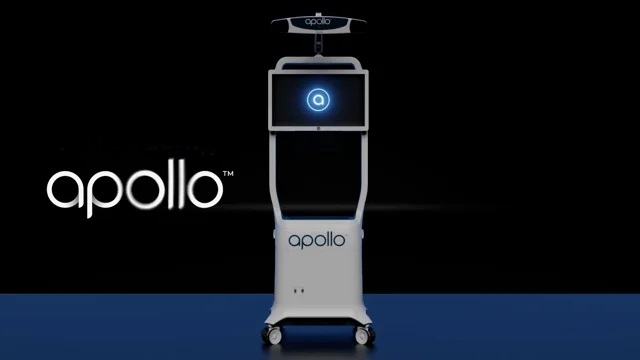
    CIRENCESTER, UNITED KINGDOM, November 1, 2023 / EINPresswire.com / — Corin Group, an innovator in orthopedic procedures, is proud to announce 510(k) clearance for its Apollo™ Robotic-Assisted Surgical platform and ApolloKnee™ software application. This marks a major industry milestone in Corin’s continued commitment to helping surgeons increase satisfaction and successful outcomes for their patients when performing total joint replacement surgeries.

    Dr. Jim Pierrepont, Global Franchise Lead at Corin Group said: “The Apollo™ platform is the result of the combination of objective planning, precision implementation and continuous learning in the pursuit of forgotten total joint replacement. The Apollo™ platform goes beyond personalized knee alignment during surgery. Corin’s patented BalanceBot™ technology is the first and only system in the world that can achieve personalized dynamic balance for every patient, every time.”

    Corin’s experience in this exciting area of ​​robot-assisted total knee arthroplasty (TKA) began with his OMNIBotics® technology, which has gained worldwide recognition for its surgical precision, efficiency and its crucial role in defining dynamic joint balance. The Apollo™ platform, with BalanceBot™ technology, builds on a decade of clinical success to target future improvements in patient outcomes while delivering a more intuitive experience for surgeons.

    This approval opens an exciting new chapter in Corin’s innovation journey as the Apollo™ platform technology expands its capabilities into additional clinical applications in joint arthroplasty in the coming years. With the Apollo™ platform leading the way, Corin is uniquely positioned to increase total joint replacement patient satisfaction through objective planning, precision implantation and data-driven continuous learning.

    Corin Group
    Headquartered in Cirencester, UK, with offices around the world, Corin is a fast-growing global company with a vision to advance orthopedics by delivering technology-driven procedures and personalized dynamic balance for any total joint replacement. The unique combination of advanced robotic and AI technologies to plan, implement and learn, along with clinically proven implants, is intended to deliver better outcomes and maximize the value of healthcare for patients, surgeons and healthcare providers.

    The Corinium Center Cirencester Gloucestershire, GL7 1YJ
    For more information about Corin Group, please visit www.coringroup.com and follow us on X and LinkedIn.

    Kalena Lee
    Corin Group
    email us here

    Source link

  • Less gym time, same results: why ‘lowering’ weights is all you need to do

    Less gym time, same results: why ‘lowering’ weights is all you need to do

    Good news for those who struggle to fit a gym workout into their day: You may be able to cut your weight routine in half and still see the same results.

    New research from Edith Cowan University (ECU) has shown that one type of muscle contraction is most effective at increasing muscle strength and size – and instead of lifting weights, the focus should be on lowering them.

    The team, which also included researchers from Niigata University and Nishi Kyushu University in Japan and Londrina State University in Brazil, had groups of people perform three different types of dumbbell curl exercises and measured the results.

    It turned out that those who only lowered a weight saw the same improvements as those who increased and decreased their weight – despite only performing half the number of repetitions.

    Professor Ken Nosaka from ECU said the results reinforce previous research showing that a focus on “eccentric” muscle contractions – where activated muscles are lengthened – is more important for increasing the strength and size of muscles, rather than volume.

    “We already know that just one eccentric muscle contraction per day can increase muscle strength if performed five days a week – even if it only lasts three seconds per day – but concentric (lifting a weight) or isometric muscle contraction (holding a weight) does not produce such an effect,” said Professor Nosaka.

    “This latest study shows that we can be much more efficient in the time we spend training and still see significant results by focusing on eccentric muscle contractions.

    “In the case of a dumbbell curl, many people may believe that the lifting action provides the most benefit, or at least some benefit, but we found that concentric muscle contractions contributed little to the training effects.”

    Crunching the numbers

    The study consisted of three groups that performed dumbbell curls twice a week for five weeks, plus a control group that did nothing.

    Of the training groups, one group performed exclusively eccentric muscle contractions (lowering weight), another performed exclusively concentric muscle contractions (lifting weight), and another performed both concentric and eccentric muscle contractions (alternating lifting and lowering weight).

    All three saw improvements in concentric strength, but this was the only improvement for the concentric-only group.

    The eccentric-only and concentric-eccentric groups also saw significant improvements in isometric (static) strength and eccentric strength.

    Most interestingly, despite the eccentric-only group doing half as many reps as those who lifted and lowered weights, the gains in strength were very similar and the eccentric-only group also saw greater improvement in muscle thickness , an indicator of muscle hypertrophy: 7.2 percent compared to the 5.4 percent of the concentric-eccentric group.

    “Understanding the benefits of eccentric training can allow people to spend their time exercising more efficiently,” said Professor Nosaka.

    “With the small amount of daily exercise needed to see results, people don’t necessarily need to go to the gym — they can incorporate eccentric exercises into their daily routine.”

    Putting it into practice

    So how can we use this knowledge in the gym?

    When using a barbell, Professor Nosaka recommends using two hands to assist with the concentric phase (lifting weight), before using one arm for the eccentric phase (lowering weight), when performing:

    • Biceps curls
    • Overhead extension
    • Front elevation
    • Shoulder press

    Using leg weight machines, Professor Nosaka recommends using the same concentric/eccentric technique when performing:

    • Knee extensions
    • Leg curls
    • Calf goes up

    Taking care of bodies in the home

    Luckily, Professor Nosaka says you don’t need gym weights to apply the same principles to a workout and has come up with some simple exercises you can do at home.

    During the exercises, feel the contracting muscles being gradually stretched from the beginning to the end of the range of motion.

    After each eccentric muscle contraction, minimize the effort to return to the starting position (i.e. concentric muscle contraction).

    Repeat 10 times for each exercise.

    Chair sitting: From a semi-squat position, slowly sit down on a chair for three seconds (narrower and wider positions will create different effects). If this becomes easy, try sitting with one leg.

    Chair recline: Sit on the front of a chair to create space between your back and the backrest and slowly lean back for three seconds (arms can be crossed on the chest or held at the back of the head).

    Uneven squat: Stand behind a chair, lean to one side to put more weight on one leg, then squat down for three seconds.

    Heel down: Still behind a chair, lean forward and lift your heels. Then lift one leg off the ground and lower the heel of the other leg for three seconds.

    Wall kiss: Lean against a wall with both arms fully extended. Slowly bend the elbow joint for three seconds until your face comes close to the wall.

    Forward lunge: Place one leg in front of the other and bend the knees deeper for three seconds.

    ‘Comparison between concentric only, eccentric only and concentric-eccentric resistance training of the elbow flexors for their effects on muscle strength and hypertrophy’ was published in the European Journal of Applied Physiology.


    Source link

  • Newton surgeon uses breakthrough technology for guided personalized shoulder replacement surgery

    Newton surgeon uses breakthrough technology for guided personalized shoulder replacement surgery

    BOSTON, November 1, 2023–(BUSINESS WIRE)–Orthopedic surgeon Dr. Daniel Quinn is now using computer-assisted technology to offer guided, personalized surgery for shoulder replacements in the area.

    ExactechGPS® Guided personalized surgery is the latest technological advancement that provides surgeons with real-time visual guidance and alignment data in total shoulder surgery.

    Much like a navigation device in your car, this platform provides a visual map of the patient’s joint on a screen, allowing surgeons to combine preoperative planning with intraoperative computer-aided technology, to perform implant alignment based on the patient’s needs .

    “With GPS, I have complete control over my patients’ shoulder replacement surgery,” said Dr. Quinn. “This technology gives me the ability to connect each patient’s personal plan prior to surgery with real-time intraoperative guidance to ensure proper implant placement. I can be confident that I executed the case exactly as planned, with verified accuracy.”

    GPS combines the expertise of surgeons with an advanced computer system to perform the patient’s shoulder surgery with the goal of improved accuracy and precision. GPS is personalized to a patient’s unique bone structure and anatomy and is designed to help surgeons decide where to remove the bone and place the shoulder implant in the optimal position.

    The technology’s preoperative planning tool allows surgeons to plan their cases prior to surgery through a virtual simulation. Surgeons can then execute their plan in real time during the operation based on a 3D anatomical model of the patient’s shoulder.

    “With the preoperative planning app, I can use my patient’s CT scan to plan the personalized surgery before we even enter the operating room, and I can make adjustments in the operating room as needed,” said Dr. Quinn. “I have read recent studies showing improved clinical outcomes using GPS, and I am pleased that my patients will benefit from using this technology.”

    Combined with the Equinoxe® Shoulder System, which has demonstrated excellent biomechanics and results in almost 20 years of use, allows surgeons to combine the best of both worlds: a proven implant base with today’s most advanced surgical technologies.

    For more information about GPS or to make an appointment with Dr. Quinn, call 617-964-0024 or visit www.nwoa.com.

    Additional information about the technology can be found at www.ExactechGPS.com.

    References:

    1. Data registered with Exactech, Inc.
    2. Kida, H. et al. Implications of using a navigation system for glenoid component placement in reverse shoulder arthroplasty. Sci Rep. 2022 Dec 7;12(1):21190
    3. Larose, G. et al. High intraoperative accuracy and low complication rate for computer-aided navigation of the glenoid in total shoulder arthroplasty. JSES. In the press. 2022.
    4. Jones R. et al. Accuracy and precision of glenoid baseplate placement in reverse total shoulder arthroplasty using a novel computer-aided navigation system combined with preoperative planning: a controlled cadaveric study. JSES Seminars in Arthroplasty. 2020 May;30(1):73-82.*
    5. Nashikkar P. et al. The role of intraoperative navigation in glenoid component fixation in reverse total shoulder arthroplasty: a clinical case-control study. J Shoulder elbow surgery. 2019 Sep;28(9):1685-1691.
    6. Youderian A. et al. Two-year clinical outcomes and complications in anatomic and reverse shoulder arthroplasty implanted with Exactech GPS intraoperative navigation. J Shoulder elbow surgery. 2023. In press.

    About Exactech

    Exactech is a global medical device company that develops and markets orthopedic implant devices, related surgical instruments and Active Intelligence technology.® platform of smart technologies for hospitals and doctors. Headquartered in Gainesville, Florida, Exactech markets its products in the United States, in addition to more than 30 markets in Europe, Latin America, Asia and the Pacific. Visit www.exac.com for more information and connect with us on LinkedIn, Vumedi, YouTube, Instagram and Tweet. With Exactech by your side you have EXACTLY what you need.

    Contacts

    Nancy Walsh
    Sr. Director of Marketing Communications, Exactech
    Nancy.Walsh@exac.com


    Source link

  • Gender-specific predictors of long-term recovery from concussion

    Gender-specific predictors of long-term recovery from concussion

    Early psychological symptoms predict concussion recovery time in middle and high school athletes.

    [ PMC gratis artikel ][ PubMed ]Wilmoth K, Tan A, Tarkenton T, Rossetti HC, Hynan LS, Didehbani N, Miller SM, Bell KR, Cullum CM. J Clin Exp Neuropsychol. 2022 May;44(4):251-257. doi: 10.1080/13803395.2022.2118676. Epub 8 Sep 2022. PMID:36073744.

    Full text not freely available

    Take home message

    Middle and high school athletes who reported more concussion symptoms and sleep problems, as well as post-traumatic memory loss, were more likely to have long-term recovery than peers without these concerns. Additionally, depressive symptoms can help identify men at risk for a prolonged recovery.

    Background

    Recovery from a concussion is quite variable. Therefore, determining risk factors for long-term recovery is essential to provide appropriate patient care to reduce this risk. Several risk factors for prolonged post-injury recovery have been identified (e.g., emotional symptoms, sleep disturbances). However, these factors have not been well established in college athletes.

    Study aim

    The authors analyzed clinical data from middle and high school athletes to investigate whether post-concussion psychological factors and sleep symptoms predict long-term recovery.

    Methods

    The authors recruited 393 high school students (~15 years old; 45% female) to complete 3 surveys within 14 days of injury (~6 days of injury), which is part of a larger study through Con Tex. completed the 3 questionnaires during their clinical evaluation: 1. 7-item Generalized Anxiety Disorder Scale (GAD-7), which screened for anxiety; 2. The eight-item patient questionnaire (PHQ-8) to assess whether depression is present; and 3. The Pittsburg Sleep Quality Index (PSQI) to evaluate sleep quality. The authors located the provider’s documented date of symptom resolution through a medical record review.

    Results

    A total of 17% (n=66) needed more than 30 days to recover. The authors found that post-traumatic memory loss, worse concussion scores, and poorer sleep quality predicted longer concussion recovery. In women, only more severe concussion symptoms predicted longer recovery. In men, on the other hand, greater depression and post-traumatic memory loss are related to long-term recovery.

    Viewpoints

    Someone with more severe symptoms or poor sleep quality within the first two weeks after a concussion may have a greater chance of long-term recovery from the concussion. However, the authors found that there were different predictors when they looked at sex. Women with greater symptom severity were more likely to have a long recovery. At the same time, men were more likely to have a long recovery if they had worse depression symptoms or post-traumatic memory loss. It is worth noting that although sleep, anxiety and depressive symptoms were predictive factors, the overall scores were low, indicating that they were unlikely to experience high levels of anxiety, depression or sleep disturbance.

    Clinical implications

    Medical professionals should screen patients after a concussion for signs of anxiety, depression, or sleep disturbance, because even subtle signs can increase the likelihood of long-term recovery. These assessments can help identify problems early and lead to a more targeted concussion plan.

    Questions for discussion

    Have you noticed any specific predictors associated with your athlete’s recovery? How do you incorporate concussion risk into your concussion education/management/basic protocol?

    related posts

    1. Wake-up call for collegiate athletes’ sleep: narrative review and consensus recommendations from the NCAA Interassociation Task Force on Sleep and Wellness
    2. A few more hours of sleep, my baseline for your athletes
    3. Typical versus prolonged recovery time and predictors after concussion in high school and college athletes
    4. In patients who report persistent symptoms after a concussion, groups of symptoms occur together

    Written by: Jane McDevitt
    Review by: Jeffrey Driban

    Evidence-based assessment of concussion course - 5 EBP CEUs

    Source link

  • JAK inhibitors provide effective and convenient treatment options for arthritis patients

    JAK inhibitors provide effective and convenient treatment options for arthritis patients

    Arthritis

    According to a new article in Rheumatology, published by Oxford University Press, JAK inhibitors, which doctors have used to treat patients with arthritis despite concerns about the effectiveness of such drugs, actually work quite well. In a multicenter retrospective study, Japanese researchers found that the drugs resulted in impressive remission rates in patients, most of whom choose to continue such treatment.

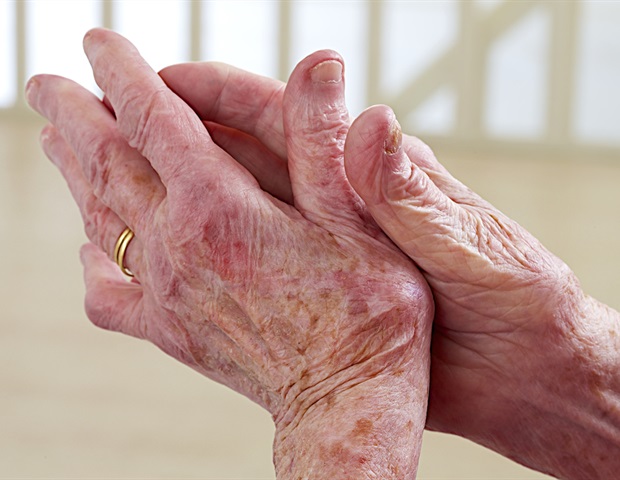
    Rheumatoid arthritis is a common autoimmune disease characterized by chronic inflammation of the joint linings and results in progressive joint destruction and other systemic complications. The use of biologic disease-modifying drugs allows patients to enjoy achieving low disease activity and remission. But clinics must administer such medications via subcutaneous or intravenous routes, which is unpleasant for patients, and over time these medications often become less effective.

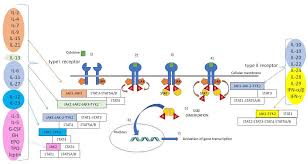
    Recently, scientists have developed Janus kinase (JAK) inhibitors for the treatment of arthritis. Patients take such medications orally. Previous research has demonstrated the efficacy and safety of JAK inhibitors in randomized controlled trials. However, some researchers have questioned the potential efficacy of JAK inhibitors for widespread use by patients. In practice, doctors usually treat patients with JAK inhibitors, precisely because these patients have other health problems and conventional medications such as methotrexate are less effective for them. Real-world patients have distinctive characteristics compared to those recruited in randomized controlled trials.

    In the current multicenter retrospective study, using data from 622 patients treated at seven major university hospitals in Japan, researchers compared the efficacy and safety of four common JAK inhibitors: tofacitinib, baricitinib, peficitinib, and upadacitinib.

    The researchers here found that about one in three patients achieved remission, and three in four achieved at least low disease activity, with both figures representing impressive efficacy. They noted that more than 80% of patients were still taking the JAK inhibitors after six months.

    They believe that this is especially relevant because with these oral medications there cannot be a failure of immunological secondary treatment, where medications are no longer effective because they cause adverse immune system responses in patients. Failure of secondary immunological treatment is common in patients treating their arthritis with drugs such as methotrexate.

    Source:

    Oxford University Press USA

    Magazine reference:

    Hayashi, S., et al. (2023) Real-world comparative study of the efficacy of Janus kinase inhibitors in patients with rheumatoid arthritis: the ANSWER cohort study. Rheumatology. doi.org/10.1093/rheumatology/kead543.

    Source link

  • FloSpine Revolutionizes the Treatment of Spinal Stenosis with FDA Approval of the KeyLift™ System

    FloSpine Revolutionizes the Treatment of Spinal Stenosis with FDA Approval of the KeyLift™ System

    KeyLift is the fifth FDA-approved product developed by FloSpine, all invented at Florida Atlantic University® Research Park

    BOCA RATON, FLORIDA, USA, November 1, 2023 / EINPresswire.com / — Together with FloSpine, Florida Atlantic University’s Research Park® is pleased to announce that FloSpine has received 510(k) clearance for its KeyLift™ Expandable Interlaminar Stabilization System from the FDA, and has expanded from the Global Ventures entrepreneurial support center into a new, larger office to support growth.

    The newly approved device addresses spinal stenosis, a common and debilitating condition that affects more than 100 million people worldwide, resulting in approximately 600,000 surgeries annually in the United States alone. It occurs when the spinal canal narrows, putting pressure on the nerves and causing severe back and leg pain, weakness and numbness. Traditional treatment options for spinal stenosis often involve invasive surgical procedures with long recovery times. The KeyLift System introduces a less invasive alternative, allowing spine and interventional pain physicians to implement this revolutionary treatment in an outpatient surgery center.

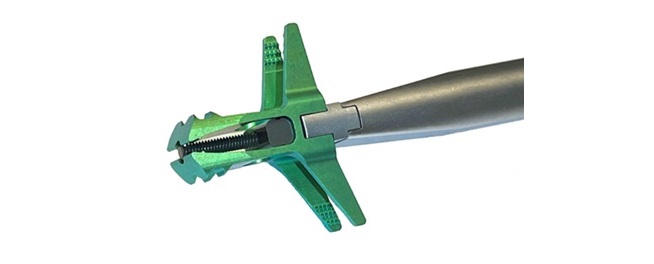
    The KeyLift Expandable Interlaminar Stabilization System features an innovative, expandable design that enables precise, patient-specific surgical procedures. KeyLift unlocks the biomechanics of the spine and provides three key benefits:
    1. Support – KeyLift provides support on the strongest part of the spine, the lamina. This distinguishes it from existing devices that only support the spinous process, which is difficult in patients with osteoporosis.
    2. Lift – With the ability to expand up to 4mm in height, KeyLift effectively distracts and relieves nerves, relieving pain caused by spinal stenosis.
    3. Stabilize – Positioned closer to the instantaneous axis of rotation of the spine, KeyLift promotes intervertebral disc health by balancing the discs.

    This breakthrough technology not only reduces patient discomfort and pain, but also significantly shortens recovery times by being performed in an outpatient surgery center, allowing patients to return to their daily lives more quickly.

    The expandable design of the KeyLift system is the result of years of research, development and rigorous testing by the FloSpine team, supported by Luis Escobar, chief design engineer.

    “KeyLift offers a more mechanically stable design in a minimally invasive package,” says Dr. Cheng-Lun Soo, MD, orthopedic spine surgeon and co-inventor of the KeyLift. “As a spine surgeon with more than 25 years of experience, I believe this technology will reach more patients by allowing more interventional physicians to treat mild to moderate spinal stenosis without the fear of major surgery.”

    Like the four other products invented by FloSpine and approved by the FDA, KeyLift has a Florida-inspired name. FloSpine is committed to advancing spine health care, and to support its continued growth, the company recently expanded its headquarters to a 5,000-square-foot facility in Florida Atlantic University’s Research Park, after completing its scale-up at Global Ventures. The majority of FloSpine’s hiring comes from Florida Atlantic University’s College of Engineering, and over the next two years it plans to expand from 8 to 18 employees.

    “This is the culmination of years of research and development to deliver a medical device that helps improve the lives of patients suffering from spinal stenosis. Our recent move to larger premises in the Research Park at FAU will allow us to train our surgical and distribution partners to become increasingly competitive in the spinal implant market,” said Peter Harris, Founder and CEO of FloSpine. “This marks two significant achievements for our company as we grow in supporting our spine equipment for both interventional pain physicians and spine surgeons. We are confident that KeyLift will become the standard in the treatment of this condition, improving the quality of life for patients overall.”

    Andrew Duffell, president of the Research Park at FAU, added, “FloSpine’s growth and expansion of Global Ventures into the Research Park is an inspiration to healthcare entrepreneurs and Florida Atlantic students who see their classmates excel in an exciting, growing industry. We very much look forward to supporting the team as it continues to innovate and contribute to the region’s economy.”

    In loving memory of Luis Escobar, Senior Design Engineer and friend.

    Andreas Duffel
    Research Park at FAU
    +1 561-416-6092
    email us here
    Visit us on social media:
    Facebook
    LinkedIn
    Instagram
    YouTube

    NOTE: This content is not authored or endorsed by “KLST/KSAN”, its advertisers or Nexstar Media Inc.

    For questions or corrections to press releases, please contact EIN Presswire.


    Source link