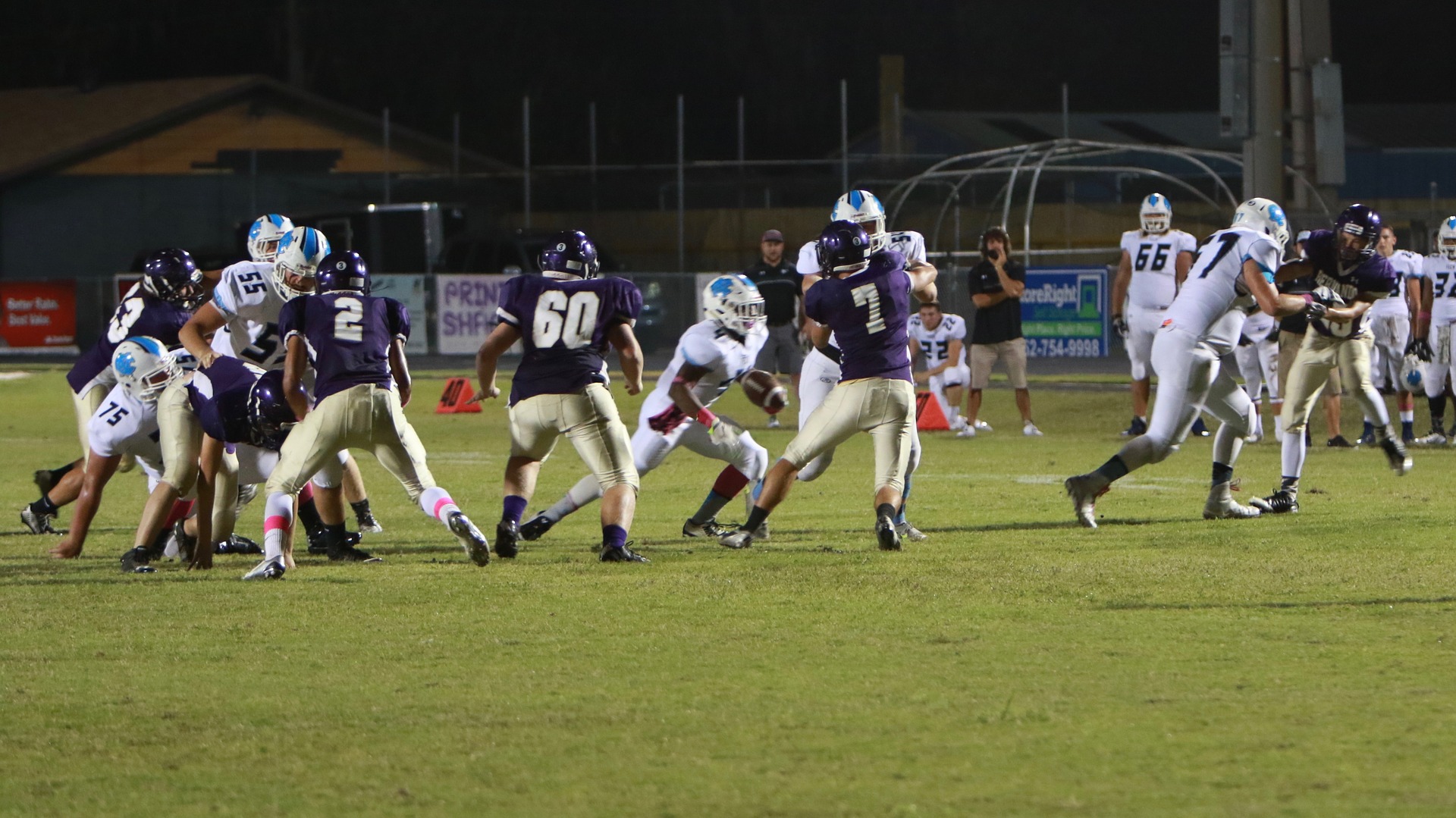
high school football 1228995 1920

“It’ll never happen to me” appears in the concussion reporting mess


Masculinity, optimism, and perceived stakeholder pressure influence concussion prevention intentions and behaviors in college students and athletes.

Weber Rawlins ML, Welch Bacon CE, Tomporowski P, Gay JL, Bierema L, Schmidt JD. J Am Coll Health. 2022 Sep 9:1-7. doi: 10.1080/07448481.2022.2115300. E-publishing prior to printing.

https://pubmed.ncbi.nlm.nih.gov/36084227/

Take home message

Student-athletes with a pessimistic view of concussion risk have higher intentions to report symptoms or a concussion.

Background

Doctors rely on student-athletes to report a possible concussion to ensure proper diagnosis and treatment. We can optimize education efforts to improve concussion reporting with a better understanding of the barriers to concussion reporting. Three emerging areas that may influence messaging are masculinity (qualities traditionally associated with men), optimism (thinking that bad things are less likely to happen to the person than others), and perceived pressure from stakeholders (e.g., coaches, teammates).

Study aim

Weber Rawlins and colleagues completed a survey study to determine how masculinity, optimism, and perceived pressure from others were related to reporting intentions and behavior.

Methods

Student-athletes from three universities in the southeastern US used online survey software to complete five tools that assessed key factors:

  1. masculinity (winning, emotional control, risk taking, violence, power over women, playboy, self-reliance, primacy of sports and heterosexual self-presentation)
  2. optimism bias
  3. perceived pressure (from coaches, teammates, parents/guardians, sports medicine professionals, athlete administrators, and sports fans)
  4. concussion and symptom reporting intentions (summarized as reporter or non-reporter)
  5. concussion and symptom reporting behavior (summarized as reporter or non-reporter)

Results

A total of 313 respondents completed all parts of the survey, and 369 respondents completed at least one part of the survey. A student-athlete was less likely to report symptoms or a concussion if he was not a pessimist (neutral or optimist). Furthermore, they were less likely to report symptoms if they reported higher levels of masculinity in two domains: “playboy” and “heterosexual self-preservation.” In terms of intent to report concussions, someone with higher scores for “primacy of the sport” and “pressure from athletic administration” was less likely to report it.

Viewpoints

Interestingly, the most consistent result was that someone who was neutral or less likely to experience bad events than someone else was less likely to report symptoms or a concussion. Based on this finding, the authors suggest that “educational efforts should emphasize the realistic risk that student-athletes have for sustaining a concussion in sport or developing long-term health consequences as a result of that concussion.” The authors also reported predictors of reporting behavior during the previous year. These analyzes led to different results than what we reported above. One explanation is that reporting intentions and actual behavior do not match. However, it is difficult to compare these results because only 10-20% of participants had symptoms or a concussion to report (or not report) in the previous year. Therefore, the different results could be a fluke, or this subset of people may be unique to the remaining 80-90% of participants without concussions or symptoms in the previous year. It will be interesting to see if future studies with a larger group of people with symptoms or concussions in the previous year yield similar results.

Clinical implications

Clinicians should encourage timely reporting of concussions and provide realistic estimates of a student-athlete’s risk for concussion and the consequences of a concussion.

Questions for discussion

What strategies have you used to educate stakeholders about the dangers of not reporting concussions? Have you found these efforts to be successful? Why or why not?

Written by: Kyle Harris
Review by: Jeffrey Driban

related posts

Better posture can improve concussion reporting habits
Concussion knowledge is getting better, but is reporting getting worse?
Knowledge of concussions does not translate into healthy reporting habits
Differences in symptom reporting between male and female athletes before and after concussion

Evidence-based assessment of concussion course - 5 EBP CEUs

Source link

Similar Posts

  • |

    Delicious spiced okra | GF, DF | BoneCoach™ Recipes – BoneCoach™

      Looking for a way to enjoy okra, that’s it not fried? Try our twist on this southern staple! Our recipe for Delicious Seasoned Okra, seasoned with coconut aminos, sesame oil and pepper, is perfect gluten-free, dairy-free and keto-friendly addition to every meal. Additionally, okra is naturally rich in dietary fiber, inflammation-fighting antioxidants, and… bone…

  • |

    Anti-TNF-α therapy induced psoriasis in patients with rheumatoid arthritis according to FDA postmarketing surveillance data

      FDA Adverse Event Reporting System (FAERS) The United States Food and Drug Administration Adverse Event Reporting System (FAERS) is a data repository that collects voluntary drug-related reports from healthcare professionals, consumers, and legal representatives. In cases where the adverse reaction (AE) is reported to the manufacturer, the manufacturer is required to forward the report…

  • |

    4 Major Types of ACL Prehab Exercises

    You will notice that your range of motion is significantly limited immediately after an ACL injury. In most cases, simple range-of-motion exercises are recommended early on with the aim of restoring normal range of motion. You may hear terms like “heel slides” and “quad sets,” two very simple, low-load exercises designed to help you regain…

  • |

    Knee replacement complications

    What if the key to a successful recovery isn’t just about the surgery itself, but what you know beforehand? Every year, over 790,000 people in the United States choose this medical procedure to regain their mobility. It’s a major step toward a life with less pain. knee replacement complications We recognize that while this operation is common, understanding what can happen after is vital. This knowledge transforms a patient from a passive recipient into an active partner in their own care. Our goal is to provide clear, empowering information about the possible risks. This helps you approach your healing journey with eyes wide open and confidence high. Modern advancements have made this intervention safer and more effective than ever. Still, being informed allows you to spot any warning signs early and seek help promptly. This guide is your comprehensive resource. We aim to support you in taking charge of your long-term joint health and overall well-being. Key Takeaways Over three-quarters of a million knee replacement surgeries are performed annually in the U.S. Being informed about potential issues is a crucial part of patient preparation and empowerment. Knowledge of risks helps in early identification of any post-operative warning signs. Modern surgical techniques and care have significantly improved the safety profile of this procedure. An active understanding of your care plan contributes greatly to a successful long-term outcome. This information is designed to build confidence as you move forward with your medical decision. Understanding Knee Replacement Surgery Before diving into the details, let’s build a clear picture of what this surgical process entails. Over 790,000 of these operations happen each year in the United States alone. understanding knee replacement surgery What Is a Knee Replacement? This common operation replaces all three compartments of a damaged joint. Surgeons remove worn bone and cartilage. They then fit precise metal and plastic implants. This creates a new, smooth gliding surface. Aspect Detail Primary Goal Relieve chronic pain and restore joint function Artificial Components Metal and medical-grade plastic Typical Anesthesia General or spinal Average Hospital Stay 1 to 3 days Initial Recovery Period 6 to 12 weeks The Overall Procedure and Its Benefits This intervention is designed to help people regain independence. Most patients report a major improvement in their quality of life. The main benefit is lasting relief from persistent pain. Many return to daily activities and hobbies they love. Understanding the mechanics helps set realistic expectations for recovery and long-term performance. Key Knee Replacement Complications Statistics offer great comfort, but a complete picture includes understanding what could go wrong, even if it’s unlikely. Research confirms a very high success rate for this operation. Over 95% of people recover without any major issues. This statistic highlights the overall safety of the procedure. key knee replacement complications Overview of Common Risks Every medical intervention carries some inherent risks. These can include infection, blood clots, or stiffness. Your surgical team is trained to both prevent and manage these known challenges. They are a standard part of the pre-operative discussion. Why Awareness Matters We believe knowledge is power. Understanding potential warning signs allows you to partner with your care team. You can seek help promptly if something doesn’t feel right. This proactive approach helps prevent minor concerns from becoming serious problems. It’s crucial to discuss your personal health history with your doctor. This conversation helps assess your individual risk profile before surgery….

  • |

    Discoid Meniscus in 2026: Symptoms, Causes, Diagnosis, and Treatment Options for Knee Pain

    In 2026, many clinicians are emphasizing tissue-preserving strategies for discoid meniscus because the treatment landscape keeps evolving, especially for active people who want durable outcomes. If you are dealing with knee pain, persistent knee hurt on the outside or locking sensations, it helps to understand how a discoid meniscus can change knee mechanics. Key Takeaways…

  • Headgear can reduce concussion risk in high school lacrosse

      Association headgear mandate and concussion injury rates in girls high school lacrosse Herman DC, Caswell SV, Kelshaw PM, Vincent HK, Lincoln AE. Br J Sports Med. 2022;56:970-974. doi:10.1136/bjsports-2021-105031 https://bjsm.bmj.com/content/56/17/970.long Take home message Headgear can reduce the risk of concussions in high school lacrosse field players. Background Current regulations classify women’s lacrosse as a non-contact…

Leave a Reply

Your email address will not be published. Required fields are marked *