download 2026 03 22T120045.772
|

JAK inhibitors provide effective and convenient treatment options for arthritis patients

Arthritis

According to a new article in Rheumatology, published by Oxford University Press, JAK inhibitors, which doctors have used to treat patients with arthritis despite concerns about the effectiveness of such drugs, actually work quite well. In a multicenter retrospective study, Japanese researchers found that the drugs resulted in impressive remission rates in patients, most of whom choose to continue such treatment.

Rheumatoid arthritis is a common autoimmune disease characterized by chronic inflammation of the joint linings and results in progressive joint destruction and other systemic complications. The use of biologic disease-modifying drugs allows patients to enjoy achieving low disease activity and remission. But clinics must administer such medications via subcutaneous or intravenous routes, which is unpleasant for patients, and over time these medications often become less effective.

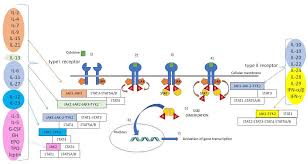
Recently, scientists have developed Janus kinase (JAK) inhibitors for the treatment of arthritis. Patients take such medications orally. Previous research has demonstrated the efficacy and safety of JAK inhibitors in randomized controlled trials. However, some researchers have questioned the potential efficacy of JAK inhibitors for widespread use by patients. In practice, doctors usually treat patients with JAK inhibitors, precisely because these patients have other health problems and conventional medications such as methotrexate are less effective for them. Real-world patients have distinctive characteristics compared to those recruited in randomized controlled trials.

In the current multicenter retrospective study, using data from 622 patients treated at seven major university hospitals in Japan, researchers compared the efficacy and safety of four common JAK inhibitors: tofacitinib, baricitinib, peficitinib, and upadacitinib.

The researchers here found that about one in three patients achieved remission, and three in four achieved at least low disease activity, with both figures representing impressive efficacy. They noted that more than 80% of patients were still taking the JAK inhibitors after six months.

They believe that this is especially relevant because with these oral medications there cannot be a failure of immunological secondary treatment, where medications are no longer effective because they cause adverse immune system responses in patients. Failure of secondary immunological treatment is common in patients treating their arthritis with drugs such as methotrexate.

Source:

Oxford University Press USA

Magazine reference:

Hayashi, S., et al. (2023) Real-world comparative study of the efficacy of Janus kinase inhibitors in patients with rheumatoid arthritis: the ANSWER cohort study. Rheumatology. doi.org/10.1093/rheumatology/kead543.


Source link

Similar Posts

  • “It’ll never happen to me” appears in the concussion reporting mess

      Masculinity, optimism, and perceived stakeholder pressure influence concussion prevention intentions and behaviors in college students and athletes. Weber Rawlins ML, Welch Bacon CE, Tomporowski P, Gay JL, Bierema L, Schmidt JD. J Am Coll Health. 2022 Sep 9:1-7. doi: 10.1080/07448481.2022.2115300. E-publishing prior to printing. https://pubmed.ncbi.nlm.nih.gov/36084227/ Take home message Student-athletes with a pessimistic view of…

  • Treatment Options for Arthritis Knees: A Comprehensive Guide

    Arthritis of the knee is a common condition that affects millions of people worldwide. It can cause pain, swelling, stiffness, and reduced mobility, making it difficult to perform daily activities. There are different types of arthritis, including osteoarthritis and rheumatoid arthritis, and each has its own set of symptoms and treatment options. When it comes…

  • |

    Knee pain after sex

    What if a common physical sensation is quietly shaping the quality of our most private moments? This discomfort can feel isolating. It may make us pull back from our partner. The American Osteopathic Association notes that about one-third of Americans live with joint issues that hinder daily activities. knee pain after sex This statistic reflects a wider reality. When our bodies signal distress, it often echoes in our shared life. The ache isn’t just physical. It can create an invisible barrier to intimacy. We believe understanding is the first step toward change. By exploring the reasons behind this discomfort, we can make smart adjustments. Small changes to our routine can have a big impact. Our goal is to help you move from frustration to solution. Let’s look at how to protect your physical connection and ensure your experiences remain fulfilling and joyful. Key Takeaways Joint discomfort during intimate moments is a common issue that affects emotional and physical connection. Nearly one-third of adults in the U.S. report joint-related problems that impact their daily quality of life. This physical barrier can lead to avoiding closeness, which may strain a relationship. Identifying the root cause of the discomfort is a crucial proactive step toward improvement. Simple adjustments to routines and positions can help maintain a healthy and satisfying sex life. Open communication with your partner about physical limits is essential for mutual comfort. Seeking professional guidance can provide tailored strategies for long-term relief and enjoyment. Understanding Knee Pain After Sex It’s a reality for many: seeking closeness, only to be met with a sharp, distracting sensation. This discomfort has specific roots. Knowing them helps us adapt and find relief. Common Causes and Triggers Physical intimacy involves movement and pressure. These actions can strain the joint if it’s already sensitive. A sudden twist or prolonged kneeling might be the direct trigger. Interestingly, gentle motion can be helpful. Maiken Jacobs, an orthopedic patient educator, notes that moving a joint through its range of motion can release endorphins. This is good for your condition. Acute vs. Chronic Pain Explained We must distinguish between two main types. Acute discomfort often results from sudden injuries, like a sprain. It comes on quickly and usually fades with time and care. Chronic issues stem from long-term conditions. Osteoarthritis is a common example. This ongoing pain affects mobility and daily comfort for many people. Identifying which type you’re experiencing is the first step toward smart management. It guides our approach to maintaining a fulfilling connection. Preparing for Intimacy with Knee Sensitivity A little preparation can transform our intimate moments from a source of worry into a space of comfort and connection. We focus on simple, proactive steps that address physical sensitivity head-on. The Role of Warm Baths and Epsom Salts Starting with a warm bath is a powerful ritual. Adding Epsom salt helps soothe muscles and promotes deep relaxation. Taking a warm Epsom salt bath before intimacy can proactively ease joint discomfort and help you relax. Maiken Jacobs, Orthopedic Patient Educator This practice isn’t just solitary self-care. Turning it into a shared, sensual experience with our partner helps us both unwind and set the right mood. preparing for intimacy with knee sensitivity Pre-medicating and Managing Stress Stress tightens our bodies and can heighten our perception of discomfort. Managing tension is therefore a vital part of our preparation. If we’re concerned about potential aches, seeking information from a doctor is wise. They can advise on the ideal timing for taking an anti-inflammatory to maintain comfort. Proactive planning, like using a heating pad beforehand, ensures our focus stays on connection. Preparation Method Primary Benefit Key Consideration Warm Epsom Salt Bath Soothes muscles & promotes relaxation Can be a shared ritual with a partner Consulting a Doctor Personalized timing for medication Provides expert guidance for safety Stress Management Reduces tension that worsens discomfort Includes deep breathing or meditation…

  • Sports such as football and basketball are better for the bone health of young athletes than running alone

      Young athletes who participate in multi-directional sports, rather than specializing in a uni-directional sport like running, can build stronger bones that may be at less risk of bone injuries as adults, according to a new study from researchers at Indiana University. The study, published in the American College of Sports Medicine’s Medicine and Science…

  • |

    College athletes experience worse outcomes after injury due to concussions suffered outside of sport

    Researchers at the Children’s Hospital of Philadelphia (CHOP) found that college athletes had worse outcomes after injury due to concussions suffered outside of sports than those they experienced while playing sports. In addition, female athletes who sustained their injuries outside of exercise had more severe symptoms and more sports days lost due to injuries than…

Leave a Reply

Your email address will not be published. Required fields are marked *