Blog

  • Reasons for hip replacement surgery

    Reasons for hip replacement surgery

    July 12, 2024

    Hip replacement surgery, also known as hip arthroplasty, is a medical procedure that has changed the lives of millions of people worldwide. It involves replacing a damaged or diseased hip joint with an artificial one.

    While the idea of ​​hip replacement surgery may seem daunting, understanding the reasons behind the need for hip replacement can help clarify the process and highlight its benefits.

    Below is a simple explanation of why people may need this life-changing surgery.

    Understanding Hip Replacement Surgery

    A hip replacement, also called hip arthroplasty, is a medical procedure in which a damaged or worn hip joint is replaced with an artificial joint.

    The artificial hip joint usually consists of a ball-shaped component (made of durable ceramic or metal) that fits into a socket (often made of metal, ceramic, or plastic), creating a smooth, gliding surface.

    Hip replacements can be performed as total hip replacements, where both the head and socket of the hip joint are replaced, or as partial replacements, where only one part of the joint is replaced.

    The surgery can be performed via traditional open surgery or via minimally invasive techniques, which involve smaller incisions and may have a shorter recovery time.

    Top Reasons for Hip Replacement Surgery

    Hip replacement surgery has offered countless people a chance at improved mobility and pain relief. But when do you become a good candidate for such a major medical procedure? It usually comes down to the point where hip symptoms seriously affect a person’s ability to participate in daily activities and where more conservative treatments don’t provide sufficient relief.

    These are the main reasons for hip replacement surgery:

    Arthritis of the hip joint

    Arthritis is the most common reason for hip replacement surgery. There are several forms that affect the hip, including:

    Arthrosis

    Osteoarthritis, often referred to as “wear and tear” arthritis, is the most common reason people undergo hip replacement surgery. It results from the deterioration of joint cartilage.

    Over time, this leads to pain and stiffness in the hip, making daily activities a challenge. Hip replacement surgery can provide relief by replacing worn joint surfaces with durable artificial components.

    Rheumatoid arthritis

    Unlike osteoarthritis, which is primarily caused by aging and wear and tear, rheumatoid arthritis is an autoimmune disease that causes inflammation of the joint lining. This inflammation can affect the cartilage and eventually damage the entire joint.

    A hip replacement is a treatment for rheumatoid arthritis. The goal is to remove inflamed and damaged areas, relieve pain, and restore function.

    Psoriatic arthritis

    This is another form of arthritis that is related to the skin condition psoriasis. Psoriatic arthritis can affect the hips and other joints.

    Osteonecrosis

    Osteonecrosis of the hip occurs when there is a significant reduction in blood flow to the femoral head (the ball portion of the hip joint). This causes the bone tissue to die from lack of oxygen and nutrients, eventually leading to collapse of the femoral head.

    The exact reasons for decreased blood flow can vary, including trauma, long-term use of high doses of steroids, excessive alcohol consumption, and certain medical conditions. Osteonecrosis often requires hip replacement surgery when there is significant collapse, as other treatments are unlikely to be effective in advanced stages.

    Trauma

    Traumatic injuries such as those from car accidents or serious falls can cause significant damage to the hip joint. Hip bone fractures or dislocations can damage the cartilage and bone, leading to instability, pain, and sometimes post-traumatic arthritis.

    When the structural integrity of the hip is significantly compromised, a hip replacement may be the best option to restore function and relieve pain.

    Femoroacetabular impingement (FAI)

    Femoroacetabular impingement, or FAI, is a condition in which extra bone grows along one or both bones that form the hip joint – either on the femur (ball side) or the acetabulum (socket side). This extra bone gives the bones an irregular shape and they don’t fit together perfectly.

    The irregularity leads to friction during hip movement, which over time can damage the joint, causing pain and limiting mobility. Treatment can range from physical therapy to surgery, with hip replacement considered in severe cases where other treatments have not provided relief.

    Hip dysplasia

    Hip dysplasia is a condition present from birth in which the hip socket does not completely cover the ball portion of the upper thigh bone. This partial coverage can lead to dislocation and other damage to the hip joint.

    Over time, the abnormal fit can cause the cartilage to wear down, leading to pain and arthritis. In adults, hip replacement surgery may be recommended if the condition causes significant joint damage and pain.

    Benign tumors and cancer

    Benign tumors and cancers in the hip joint or surrounding tissue can directly affect the strength and function of the joint. Although benign tumors may not spread like cancer, they can disrupt joint movement and cause pain.

    Depending on the location and size of the tumor or cancer, treatment may require removal of affected bone and tissue. Sometimes a hip replacement is needed to restore joint function.

    Perthes disease

    Perthes disease is a pediatric condition that affects the hip. It temporarily disrupts the blood supply to the round head of the femur, causing the bone to die in a process known as avascular necrosis.

    Over time, the body will attempt to heal, which can lead to changes in the shape and structure of the hip joint, potentially causing pain and limited movement. While not all cases of Perthes disease will require hip replacement later in life, some individuals may require surgery as adults due to the lasting effects on the structure and function of the hip joint.

    Hip Replacement Surgery in North Dakota

    Are you experiencing hip pain or limited mobility? Don’t let discomfort rule your life. At The Bone & Joint Center, we specialize in transforming lives through advanced orthopedic care, including expert hip replacement surgery.

    Our board-certified and fellowship-trained surgeons are at the forefront of treating complex hip conditions, utilizing advanced techniques focused on minimizing recovery time and maximizing your quality of life.

    To learn more about us or to schedule a consultation, call us today at (701) 946-7400/(866) 900-8650 or visit our Request an Appointment page. We look forward to serving you!
    Source link

  • Video: 5 Important Exercises to Do After ACL Surgery

    Video: 5 Important Exercises to Do After ACL Surgery


    Document

    Are you recovering from ACL surgery and wondering what exercises you can do to aid in your recovery? This video will cover the early stages of recovery, explain what factors are important during this stage, and outline key exercises you can do every day to aid in your recovery.

    During the early stages of recovery after anterior cruciate ligament surgery, the main goals are to achieve full range of motion and regain neuromuscular control of the knee.[1] To achieve these goals, it is essential to manage pain, swelling, and inflammation of the knee to ensure that you can complete your rehabilitation exercises. Using ice, applying compression, elevating your foot, and doing ankle pumps are great ways to manage pain, swelling, and inflammation.

    While achieving both flexion and extension range of motion is important for activities of daily living, achieving full knee extension is emphasized for people recovering from ACL surgery.[1] Knee extension is especially important in the early stages of recovery, as numerous studies have shown that loss of full knee extension can be a predictor of postoperative complications and poor outcomes.[2][3][4][5] Therefore, exercises to increase knee range of motion are especially important during the early phase of ACL recovery.

    Achieving neuromuscular control of the knee is another important goal after ACL surgery. Neuromuscular control of the knee refers to the coordination of your brain, nerves, and muscles to create movement and stability.[6] Regaining neuromuscular control is essential to not only ensure proper movement and function, but also to prevent further injury to your knee.[6] Some ways to regain neuromuscular control of the knee include strengthening the supporting muscles around the knee and doing balance exercises.[1]

    During the early recovery phase following ACL surgery, exercises that focus on knee flexion, knee extension, knee muscle strengthening, and proprioception are recommended for the first 4 weeks following surgery. Five safe and effective exercises that you can do daily to help you recover functionally include quadriceps and hamstring co-contractions, heel glides, knee extension over a roller, straight leg raises, and chair assisted squats. Click on this link for a more detailed description of these exercises. Keep in mind that everyone recovers at their own pace, so your ability to perform these exercises may vary depending on your condition. Consult with your healthcare provider to ensure that these exercises are safe for you.

    Listen to Joey Wong, kinesiologist, explain the key exercises to focus on after ACL surgery, and learn about ACL recovery goals.

    The Curovate Physical Therapy App has detailed videos and descriptions of these 5 essential exercises, as well as many other important exercises for your recovery. Click on one of the download links below to get started on your ACL recovery today! Curovate is an evidence-based app that provides guided physical therapy plans, daily guided video exercises, ways to measure and monitor your progress, and measures your knee range of motion! Download the Curovate App by clicking on the links below.

    If you require further, tailored assistance during your ACL recovery, you can book a 1-on-1 video session with a physiotherapist on our Virtual Physiotherapy page.


    Download it on Google Play

    Blogs related to ACL surgery

    References


    Source link

  • ICRS Focus Meeting Patient Profiling in Cartilage Regeneration and Aspects of Juvenile Cartilage

    Date and time: Thursday, December 12, 2024 at 1:00 PM to Saturday, December 14, 2024 at 3:00 PM

    Category: Conferences | Science, Health & Medicine | Orthopedics

    Prices:
    Normal rate Junior members, assistants, students and physiotherapists Full session: EUR 350.00,
    Normal rate ICRS members full meeting: EUR 450.00,
    Normal rate ICRS Non-members Full Meeting: EUR 550.00,
    Normal rate full Industry Associate meeting: EUR 650.00,
    Normal rate Junior members, assistants, students and physiotherapists Patient profiling: EUR 250.00,
    Normal rate ICRS members Patient profiling: EUR 350.00,
    Normal rate ICRS Non-members Patient profiling: EUR 450.00,
    Standard rate Industry Associate Patient Profiling: EUR 550.00,
    Normal rate Junior members, assistants, students and physiotherapists Youth Cartilage: EUR 200.00,
    Normal rate ICRS members Youth Cartilage: EUR 200.00

    Speakers: Peter Angele, Philip Catala-Lehnen, Pedro Debieux, Christoph Erggelet, Jannik Frings, Andreas Gomoll, Mirco Herbort, Florian Imhoff, Pia Jungmann, Elizaveta Kon, Peter Cornelius Kreuz, Christian Lattermann, Jos Malda, Helen McCarthy, Julian Mehl, Marcus Mumme , Moritz Neudecker, Philipp Niemeyer, Carl Niessen, Christian Plaass, Philip Roessler, Marco Rupp, Kevin Shea, Serena Simmons, Martyn Snow, Siegfried Trattnig, Peter Verdonk, Kerstin Wagner, Barbara Wondrasch, Johannes Zellner, Wolfgang Zinser

    Source link

  • New peptide PEPITEM shows promising results in the fight against ‘inflammaging’

    New peptide PEPITEM shows promising results in the fight against ‘inflammaging’

    Protein

    A naturally occurring peptide called PEPITEM could potentially rejuvenate the immune response in older people and protect against ‘inflammaging’, which is widely believed to be the root cause of many age-related diseases.

    The study, published today in the journal npj Aging, raises the interesting possibility of a protective agent that could dampen age-related inflammation and restore normal immune function in the elderly.

    PEPITEM (Peptide Inhibitor of Trans-Endothelial Migration) was first identified at the University of Birmingham in 2015. Although the role of the PEPITEM pathway has already been demonstrated in immune-mediated diseases, these are the first data to show that PEPITEM has the potential to increase health span in an ageing population.

    Researchers led by Drs Myriam Chimen, Asif Iqbal and Helen McGettrick investigated how aging negatively impacts the inflammatory response and how PEPITEM can help address this.

    In a healthy immune system, PEPITEM regulates the trafficking of immune cells between blood and body tissues, preventing the immune response from becoming exaggerated. In immune-mediated diseases such as rheumatoid arthritis, type 1 diabetes and lupus, the PEPITEM pathway is dysregulated, leading to increased trafficking of immune cells to tissues and resulting in chronic inflammation.

    The researchers used an animal model to study the effect of an immune challenge in young and older mice and the extent to which PEPITEM affects leukocyte (white blood cell) trafficking in both groups.

    Their findings revealed that older mice showed an exaggerated response in terms of the number, subtype and migration of immune cells (including T cells), which could be reduced by administration of PEPITEM. This indicates a decline in the activity of the PEPITEM pathway with age.

    The second aspect of the study investigated the possible cause for this decline in PEPITEM activity with age, using B cells derived from younger (less than 45 years) and older (more than 60 years) human donors.

    PEPITEM comes from a larger protein secreted by B cells (white blood cells) and its production is activated by a circulating hormone called adiponectin. In the bloodstream, PEPITEM acts on receptors on cells that line the walls of blood vessels.

    The researchers found that B cells from older adults were deficient in the signaling pathway that initiates production of the parent protein for PEPITEM (14-3-3ζ).

    Dr Chimen said: “We have demonstrated an age-related decline in the PEPITEM-adiponectin pathway and its impact on T cell trafficking, as seen in inflammaging. These really exciting results raise the possibility of developing a geroprotective agent that not only reduces excessive inflammation in old age, but also supports good immune function in older people.”

    University of Birmingham Enterprise has filed several patent families relating to PEPITEM and the components of the PEPITEM molecule responsible for maintaining a normal immune response. The team is seeking collaboration partners, licensees and/or investors. For commercial enquiries, please contact Helen Dunster at University of Birmingham Enterprise.

    Source link

  • July 2024 Program — Bone Talk

    July 2024 Program — Bone Talk

    shutterstock 257430784

    • Saturday, July 6: Practice session at 10:00am CT; repeat of June’s healthy eating session at 11:00am CT

    • Wednesday, July 10 at 5:30pm CT: Practice Session

    • Saturday, July 13 at 10:00 am CT: Primary and Secondary Causes of Bone Loss

    • Thursday, July 18 at 2pm CT: Healthy Eating Q&A with Summer Lemons, RD, LD

    • Saturday, July 20: Practice session at 10:00 am CT; Review presentation from June on spine-hip discordance at 11:00 am CT

    • Wednesday, July 24 at 5:30 PM CT: Overview of Primary and Secondary Causes of Bone Loss

    • Saturday, July 27: Practice Session at 10:00am CT; Open Forum/Best Practices at 11:00am CT

    If you would like to attend one of the sessions, please email Elaine Henderson at eshenderson214@gmail.com for the Zoom links. Feel free to share the meeting information with others who may be interested in attending!

    About Bone Buddies

    The Bone Buddies virtual online support group is open to everyone and typically meets on the second Saturday of every month at 10:00am Central Time on Zoom. On the weeks that the support group is not meeting, the group typically meets on all other Saturdays at 10:00am Central Time on Zoom for free practice sessions and/or presentations.

    A healthy eating discussion also normally takes place every third Thursday at 2:00 PM Central Time on Zoom. You can submit questions for a registered, licensed dietitian, and she will have a list of the questions. She will also answer your questions when you attend the meeting.

    Group meetings are a fun, relaxed way to learn new information about bone health and managing osteoporosis. They can also be a great way to meet others who are dealing with low bone density.

    Send an email to Elaine Henderson at eshenderson214@gmail.com for the Zoom links. Feel free to share the meeting information with others who may be interested in attending!

    Source link

  • Safe return after positive test

    Safe return after positive test

    Long-term cardiac monitoring of athletes infected with SARS-CoV-2 after resumption of top-level sport

    Heart. 2023 Sep 7:heartjnl-2023-323058. doi: 10.1136/heartjnl-2023-323058. Epub ahead of print. PMID: 37678891.

    Full text available for free

    Take home message

    Elite athletes with a history of COVID-19 had heart measurements comparable to those of unexposed elite athletes. Therefore, return to sports participation is safe for athletes after COVID-19.

    Background

    The COVID-19 pandemic created an unprecedented event that continues to have a dramatic impact on sports at all levels. Although some researchers have suggested that SARS-CoV-2 infection is associated with myocarditis, we do not fully understand the impact of SARS-CoV-2 on cardiac abnormalities in athletes.

    Study Objective

    The researchers used a prospective cohort study to evaluate whether SARS-CoV-2 infection can be detrimental to cardiac function and anatomy in elite athletes.

    Methods

    A total of 259 elite athletes participated in the Evaluation of Lifetime participation in Intensive Top-level sports and Exercise (ELITE) cohort. All included athletes were at least 16 years old, trained more than 10 hours per week, and underwent periodic cardiovascular screenings. Of the 259 included athletes, 123 athletes had a confirmed SARS-CoV-2 infection. Those with a confirmed SARS-CoV-2 infection underwent additional cardiovascular testing, including ECG, metabolic laboratory assessment, and cardiovascular MRI. This assessment was repeated at 3, 6, and 9 months post-infection. The athletes without infection provided data from before the pandemic or self-reported no infection, which researchers confirmed with blood tests for antibodies.

    Results

    The authors found no differences between elite athletes with or without exposure in cardiac function or ventricular volume.

    Positions

    Although there are concerns about myocarditis in people exposed to SARS-CoV-2, the current study suggests that, at least in the medium term, infection is not related to persistent concerns about cardiac function or anatomy. However, more research is needed into how SARS-CoV-2 may affect cardiac function, as it remains unclear whether we can safely apply these findings to non-elite athletes.

    Clinical implications

    Clinicians should counsel patients that among elite athletes, it appears safe, at least in the medium term, to return to sport from a cardiac perspective. It may be helpful for patients who are not elite athletes to discuss that these findings may not apply to them. Therefore, clinicians should follow appropriate return to participation guidelines and monitor the literature.

    Questions for discussion

    What were your return-to-participation practices following this study? SARS-CoV-2 infection? What other considerations would you like to see in future research regarding SARS-CoV-2?

    Written by: Kyle Harris
    Reviewed by: Jeffrey Driban

    related posts

    Tested Positive for COVID? Be Careful Out There
    We need a better understanding of how COVID-19 has impacted our athletes
    Use of cardiovascular magnetic resonance (CMR) imaging for return to sports activities after COVID-19 infection: an expert consensus document on behalf of the American Heart Association Council on Cardiovascular Radiology and Intervention (CVRI) Leadership and endorsed by the Society for Cardiovascular Magnetic Resonance (SCMR)
    Adapted physical activity in subjects and athletes recovering from COVID-19: a position statement by the Società Italiana Scienze Motorie e Sportive

    Source link

  • The Curious Connection Between Brain Health, Migraines, and Bones with Dr. Amelia Barrett, MD + BoneCoach™ Osteoporosis & Osteopenia – BoneCoach™

    The Curious Connection Between Brain Health, Migraines, and Bones with Dr. Amelia Barrett, MD + BoneCoach™ Osteoporosis & Osteopenia – BoneCoach™

    Did you know that migraine is one of the leading causes of disability in women under 50?

    Interestingly, sleep disruption, a common trigger for migraines, is also a major factor in the onset of migraines. bone disease.

    Given this connection, nutrients such as vitamin D And magnesium support brain and bone health?

    Dr. Amelia Scott BarrettA Stanford-trained neurologist tells us about the intriguing link between our brains and bones.

    With a passion for helping people overcome migraines, Dr. Barrett believes we have more control over our headaches than we may think. Through innovative science and technology, she guides individuals to real recovery of migraine, which goes beyond simply masking the symptoms with medication.

    Episode Timeline

    0:00 – Beginning of the episode

    1:15 – Introducing Dr. Amelia Scott Barrett and her work on headaches and migraines

    2:45 – Making the transition from neurologist to helping people resolve migraines

    5:03 – Contributors to migraine and headache and a brief discussion of general brain health

    7:55 – Understanding and monitoring brain health beyond migraine pain

    09:20 – Discussion about the Oura ring and its effectiveness in tracking health, including deep sleep, which is vital for bone health

    14:59 – The Importance of Nutrients for Brain Health

    17:22 – Role of Vitamin D in Brain Health

    19:47 – Magnesium for Brain Health and Its Benefits for Bone Health

    21:57 – Tools for assessing brain function

    25:16 – Relevance of Dr. Barrett’s neurological work to her current practice in the treatment of migraine and headache

    26:46 – Dr. Barrett’s current work, programs and the people she serves

    31:01 – Where you can find more information about Dr. Barrett and her work

    Sources mentioned

    **Show notes @ https://bonecoach.com/amelia-scott-barrett-md-migraines-bone-health

    Below you will find Dr. Barrett’s resources!

    >> ameliascottbarrettmd.com

    >> theheadachequiz.com

    What can you do to support your bone health and this podcast?

    1. Click the “Subscribe” button on your respective podcast player (e.g. Apple, Google, Spotify, Stitcher, iHeart Radio, and TuneIn). Never miss an episode that can help improve your bone health.

    2. Leave a review. The more positive ratings and reviews and the more subscribers we have, the more people can find us and get the answers to the questions they need. Thank you! 🙂

    3. Tell a friend about The Bone Coach Podcast or share via text, email, or social. Know of a Facebook group where people could benefit from this info? Feel free to click one of the share buttons below.

    About Dr. Amelia Scott Barrett:

    Dr. Amelia Scott Barrett, MD believes that YOU are more powerful than your headache pills. New science and technology are giving us more information about our bodies than ever before – in all of human history. You can use this information to heal your headaches, instead of just covering them up with a pill. That’s what makes YOU more powerful than your pills.

    She gave a TEDx Talk in 2023 about how repeated migraines physically change the brain, in a process called chronification. When this happens, we become more susceptible to headaches and medications no longer work the way they used to. It’s one of the reasons migraines are the leading cause of disability in women under 50. That’s why we need to shift our focus to finding and solving the hidden causes of headaches.

    Her work has also appeared in publications such as Business Insider and Women’s World. She is a Stanford-trained neurologist who started her own practice in Denver in 2003. She founded Migraine Relief Code in 2018, offering online courses to teach people how to find and cure the hidden causes of headaches using new tools like genetic testing and smart health devices. Dr. Barrett envisions a world where debilitating headaches are a thing of the past and people are free to fully live the lives they love.

    Medical disclaimer

    The information shared above is for informational purposes only and is not intended to provide medical or nutritional advice; it does not diagnose, treat, or cure any disease, condition; it should not be used as a replacement or substitute for medical advice from physicians and trained medical professionals. If you are under the care of a healthcare professional or are currently taking prescription medications, you should discuss any changes to your diet and lifestyle or possible use of dietary supplements with your doctor. You should not discontinue any prescribed medications without first consulting your doctor.

    Source link

  • Piriformis Syndrome Is a Pain in the Butt: Understand the Causes, Symptoms, and Stretches to Get Rid of It Fast – ACL Strong

    Piriformis Syndrome Is a Pain in the Butt: Understand the Causes, Symptoms, and Stretches to Get Rid of It Fast – ACL Strong

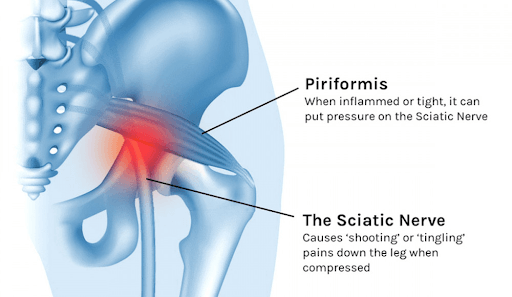
    Piriformis syndrome is a common but often misunderstood condition that causes pain, numbness, and tingling in the buttocks and legs. This syndrome occurs when the piriformis muscle, located deep in the buttocks, compresses or irritates the sciatic nerve. Understanding the anatomy, causes, aggravating activities, and effective stretches is crucial to effectively treating this condition.

    Anatomy:

    The piriformis muscle is a small, pear-shaped muscle located in the buttocks, beneath the gluteal muscles. Its primary function is to assist in the rotation of the hip joint. The sciatic nerve, the largest nerve in the body, runs directly under or sometimes through the piriformis muscle. When the piriformis muscle spasms or becomes tight, it can compress the sciatic nerve, causing pain and discomfort.

    unnamed

    Causes:

    There are several factors that can contribute to the development of Piriformis syndrome:

    1. Muscle imbalance: Weakness or stiffness in the surrounding muscles can lead to compensatory changes in the piriformis muscle.

    2. Excessive use or repetitive activities: Activities that involve repetitive motions or prolonged sitting can strain the piriformis muscle.

    3. Trauma: Damage to the piriformis muscle or surrounding structures can lead to inflammation and compression of the sciatic nerve.

    4. Anatomical variationsSome people may have abnormalities in the anatomy of the piriformis muscle or the sciatic nerve that make them more susceptible to this condition.

    Aggravating activities:

    Certain activities can aggravate the symptoms of piriformis syndrome:

    1. Sitting for long periods of time: Sitting for long periods of time, especially on hard surfaces, can worsen symptoms by putting pressure on the piriformis muscle and sciatic nerve.

    2. Running or climbing stairs: Activities that involve repetitive hip movements can strain the piriformis muscle.

    3. Lifting heavy objects: Improper lifting techniques or lifting heavy objects can strain the muscles in the lower back and buttocks, including the piriformis muscle.

    In order for the inflammation to subside and healing to occur, it is important to stop aggravating the area. Once you have determined what activity is contributing to your symptoms, be cautious about that activity until your body can begin to heal.

    Relief:

    Performing a specific stretching technique can help relieve piriformis syndrome symptoms by releasing tension in the piriformis muscle and reducing compression on the sciatic nerve. One of the most effective stretches is the contract-relax stretch.

    The Best Stretch for Piriformis Syndrome: The “Contract-Relax Stretch”

    Starting position: Lie on your back with both knees bent and your feet flat on the floor.

    Action: Cross the affected leg over the opposite knee, creating a figure four. Then, gently push the knee of the affected leg away from your body using your hand to resist your leg for 5-10 seconds. Release the contraction and gently pull the knee toward your chest, feeling a gentle stretch in the buttock and outer hip. Hold the stretch for 15-30 seconds, breathing deeply and focusing on relaxing the muscles.

    Representatives: Perform 2-3 sets of the stretch, gradually increasing the intensity depending on what you can tolerate.

    3

    Please note that there should be NO increase in symptoms after the stretch. If symptoms increase, decrease the intensity of the stretch.

    The piriformis stretch is so important that we include it as a foundational stretch in the ACL Strong program. While this stretch can put you on the right path to pain relief, it’s also essential for restoring strength and muscle balance so that pain doesn’t return. ACL Strong can guide you through the exact exercises to improve flexibility, strength, and balance for long-term success. Become a member by taking one of our classes to learn more foundational stretches and strengthening exercises. You can also start with our FREE webinar and get 7 actionable tips right away.

    In conclusion, piriformis syndrome can cause significant discomfort and impact daily activities, but with proper understanding and management, symptoms can be effectively relieved. By addressing muscle imbalances, avoiding aggravating activities, and incorporating stretching exercises such as the contract-relax stretch into your routine, you can reduce pain and improve your mobility. If symptoms persist or worsen, consult a healthcare provider for further evaluation and treatment options.


    Source link

  • How to Stop Knee Pain Instantly: A Comprehensive Guide

    How to Stop Knee Pain Instantly: A Comprehensive Guide

    Knee pain can significantly impact your daily life, making it essential to find quick and effective relief methods. Whether due to injury, overuse, or underlying conditions, immediate pain management is crucial for maintaining mobility and quality of life. This comprehensive guide provides practical strategies for stopping knee pain instantly and managing it long-term.

    I. Understanding Knee Pain

    A. Common Causes of Knee Pain

    1. Injury:
      • Sprains and strains
      • Ligament tears (ACL, MCL, PCL)
      • Meniscus tears
      • Fractures
    2. Overuse:
      • Tendonitis (e.g., patellar tendonitis)
      • Bursitis
      • Osteoarthritis
    3. Underlying Conditions:
      • Rheumatoid arthritis
      • Gout
      • Infections (e.g., septic arthritis)
      • Psoriatic arthritis
    40ea0e57 53d7 4aaa 99ef be903a5da0a5

    B. Symptoms to Watch For

    • Swelling and stiffness
    • Redness and warmth
    • Weakness or instability
    • Inability to fully straighten the knee
    • Popping or crunching noises
    • Fever (in case of infection)
    5afc687c 6edf 45e2 88c5 522adcd209d5 1

    II. Immediate Relief Methods

    A. R.I.C.E. Method

    1. Rest:
      • Avoid putting weight on the affected knee
      • Use crutches or a cane if necessary
    2. Ice:
      • Apply ice packs for 15-20 minutes every 2-3 hours
      • Use a thin towel between the ice and skin to prevent frostbite
    3. Compression:
      • Use an elastic bandage to reduce swelling
      • Ensure it’s not too tight to avoid cutting off circulation
    4. Elevation:
      • Elevate the knee above heart level
      • Use pillows for support while lying down
    6ee86b8b f6b5 47e2 91e9 0efa9d3a115d 1

    B. Over-the-Counter Medications

    1. NSAIDs:
      • Ibuprofen (Advil, Motrin)
      • Naproxen (Aleve)
      • Aspirin
    2. Topical Analgesics:
      • Lidocaine patches or creams
      • Capsaicin cream
      • Diclofenac gel

    Comparison of Over-the-Counter Knee Pain Relievers

    MedicationTypeDosageSide Effects
    IbuprofenNSAID200-400 mgStomach upset, ulcers
    NaproxenNSAID220 mgHeartburn, stomach bleeding
    AspirinNSAID325-650 mgStomach irritation, tinnitus
    Lidocaine CreamTopicalApply as neededSkin irritation, allergic reaction
    Capsaicin CreamTopicalApply as neededBurning sensation, skin redness
    Diclofenac GelTopical NSAIDApply as directedSkin irritation, sun sensitivity

    C. Gentle Stretches and Exercises

    1. Hamstring Stretch:
      • Sit on the floor with your affected leg straight
      • Reach for your toes, holding for 30 seconds
    2. Quadriceps Stretch:
      • Stand holding onto a chair for balance
      • Bend your affected knee, bringing your heel towards your buttocks
      • Hold for 30 seconds
    3. Knee Bends:
      • Hold onto a chair for support
      • Slowly bend your knees, then straighten
      • Repeat 10 times

    [Image suggestion: Illustrations of each stretch and exercise]

    III. Long-Term Management Strategies

    A. Physical Therapy and Exercise

    1. Strengthening Exercises:
      • Leg raises
      • Wall squats
      • Step-ups
    2. Flexibility Exercises:
      • Yoga for knee pain
      • Pilates for core strength
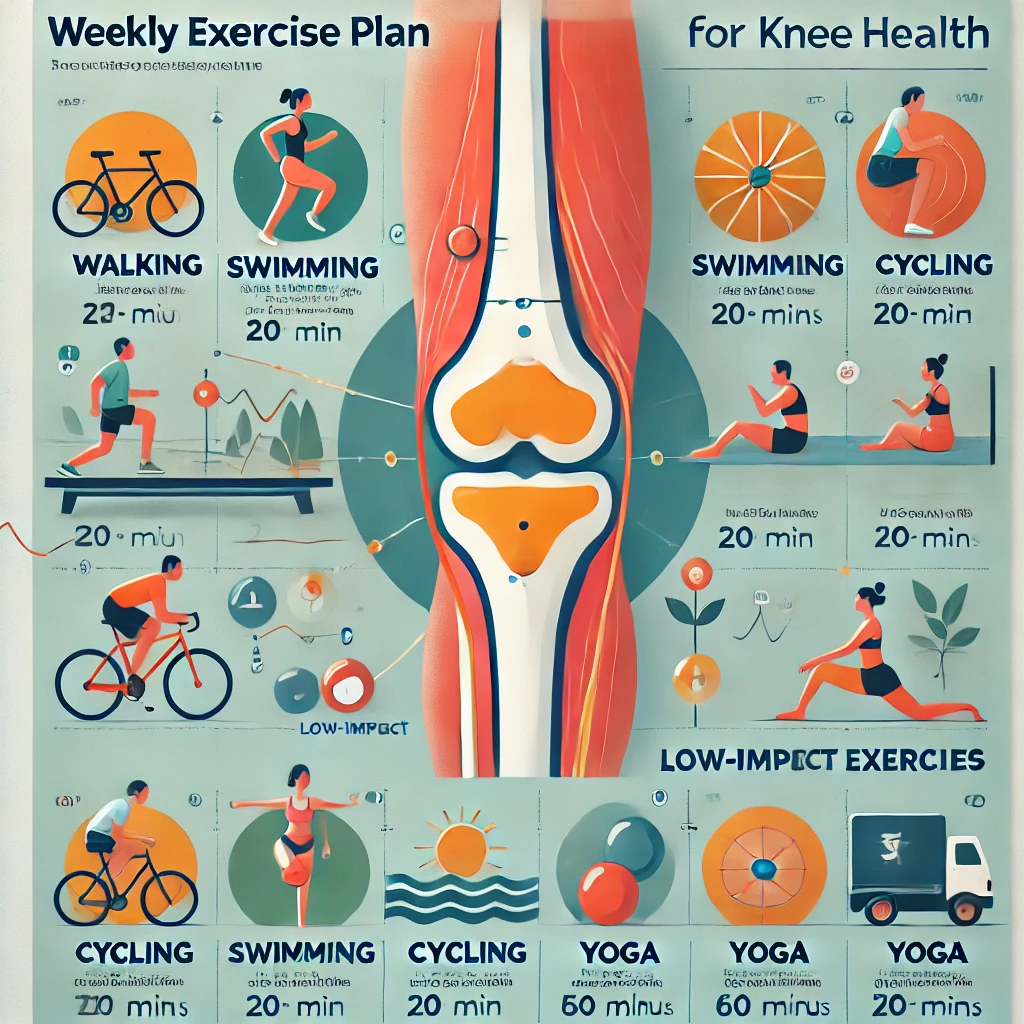
    3. Low-Impact Activities:
      • Swimming
      • Cycling
      • Elliptical machine workouts
    c74ae0fc 7b48 4788 b4a7 d845471c79d5

    B. Diet and Supplements

    1. Anti-Inflammatory Diet:
      • Omega-3 rich foods (salmon, walnuts, flaxseeds)
      • Antioxidant-rich fruits and vegetables (berries, leafy greens)
      • Whole grains
      • Lean proteins
    2. Supplements:
      • Glucosamine and chondroitin
      • Turmeric (curcumin)
      • Omega-3 fish oil
      • Vitamin D and calcium for bone health

    [Image suggestion: A colorful plate showcasing an anti-inflammatory meal]

    C. Medical Interventions

    1. Injections:
      • Corticosteroid injections for inflammation
      • Hyaluronic acid injections for lubrication
      • Platelet-rich plasma (PRP) therapy
    2. Surgery:
      • Arthroscopy for minor repairs
      • Partial knee replacement
      • Total knee replacement
    03b15ea0 689c 4adc 9ae0 c5cfcffa223f 2

    IV. Alternative and Home Remedies

    A. Heat and Cold Therapy

    • Cold Therapy: Use for acute injuries and inflammation
    • Heat Therapy: Use for chronic pain and stiffness
    • Contrast Therapy: Alternating between hot and cold

    B. Acupuncture

    • Targets specific points on the body to relieve pain
    • May help with both acute and chronic knee pain

    C. Herbal Remedies

    1. Turmeric: Contains curcumin, a potent anti-inflammatory compound
    2. Ginger: Helps reduce inflammation and pain
    3. Boswellia: An Ayurvedic herb known for its anti-inflammatory properties

    [Image suggestion: Infographic on how to make a turmeric latte for knee pain relief]

    V. Preventative Measures

    A. Maintaining a Healthy Weight

    • Calculate your BMI and aim for a healthy range
    • Focus on a balanced diet and regular exercise

    B. Proper Footwear

    • Choose shoes with good arch support
    • Consider custom orthotics for better alignment

    C. Avoiding Overuse

    • Cross-train with different activities to avoid repetitive stress
    • Gradually increase intensity and duration of workouts
    d4e6bc81 f090 49c6 8081 18443d4cb0aa

    VI. Expert Advice and Regular Check-ups

    A. When to See a Doctor

    • Severe pain or swelling
    • Inability to bear weight on the knee
    • Signs of infection (fever, redness, warmth)
    • Pain that doesn’t improve with home treatment

    B. Regular Check-ups

    • Schedule annual physical exams
    • Discuss any changes in knee pain or function

    C. Use of Walking Aids

    • Proper use of canes and crutches
    • Knee braces for support and stability

    [Image suggestion: Diagram showing proper technique for using a cane]

    VII. Lifestyle Tips for Managing Knee Pain

    A. Home Safety

    • Install grab bars in the bathroom
    • Use non-slip mats in showers and bathtubs
    • Ensure good lighting throughout the home

    B. Workplace Ergonomics

    • Use an ergonomic chair with good lumbar support
    • Keep computer screens at eye level to avoid neck strain
    • Take regular breaks to stretch and move

    C. Sleep Posture

    • Use a pillow between your knees when sleeping on your side
    • Consider a medium-firm mattress for better support
    b9d83380 edc9 4858 a7c9 ab130ba81ced

    VIII. Conclusion

    Managing knee pain effectively requires a multifaceted approach combining immediate relief techniques, long-term management strategies, and lifestyle modifications. By understanding the causes of knee pain and implementing these various methods, you can significantly improve your knee health and overall quality of life. Remember to consult with healthcare professionals for personalized advice and treatment plans tailored to your specific needs.


    Sources:

  • Two studies reveal the source of chronic disease and an effective natural treatment

    Two studies reveal the source of chronic disease and an effective natural treatment

    Many of the most pressing societal health crises are caused by chronic diseases such as diabetes, depression, cardiovascular disease and osteoporosis, among others.

    In this article we examine the extensive and important evidence gathered in two major studies into the impact of physical activity on health and chronic conditions.

    Their findings paint a strikingly clear picture of the power of regular physical activity and the serious consequences of a sedentary lifestyle.

    Hundreds of studies, two major meta-analyses, one conclusion

    Two studies gathered a wealth of previous research on the impact of physical activity. They approached the topic from different angles. One examined the health effects of sedentary behavior—a life with little to no physical activity. The other analyzed the evidence that exercise is a treatment for a broad spectrum of chronic diseases.

    The conclusions of both studies present a compelling and clear argument for the necessity of physical activity, not only for the health of the individual, but also for the future of humanity. Consider these conclusive statements from the studies on sedentary behavior and physical activity as a treatment, respectively:

    “The vast evidence herein clearly establishes that physical inactivity affects nearly every cell, organ, and system in the body, leading to sedentary dysfunction and accelerated death. The vast multifactorial nature of dysfunction caused by sedentary behavior means that just as food and reproduction remain requirements for sustained human existence, physical activity is also a requirement for maximizing health and longevity. The only valid scientific therapeutic approach to fully address sedentary dysfunction is primary prevention with physical activity itself.”1

    “In the medical world, it is common practice to prescribe the evidence-based treatment that is known to be most effective and has the least side effects or risks. The evidence suggests that in selected cases exercise therapy is as effective as medical treatment and in special situations more effective or enhances its effect. The accumulated knowledge is now so extensive that it must be implemented.”2

    Short content

    Two reviews of studies on the effects of sedentary behavior and physical activity concluded that physical activity is essential for good health and can serve as a treatment for many chronic conditions associated with sedentary behavior.

    Chronic diseases, sedentary life and physical activity

    Below we discuss some specific diseases and conditions that these studies suggest can be caused by a sedentary lifestyle and treated with exercise.

    Tension

  • Fifteen percent of adults will experience an anxiety disorder at some point in their lives.
  • Anxiety disorders are associated with reduced quality of life and an increased risk of chronic health problems (including osteoporosis) and death.
  • An Australian study found that participants who reported no activity at all were 2.1 times more likely to develop anxiety disorders than participants who exercised vigorously for more than 3 hours per week.
  • A 2010 meta-analysis looked at 40 studies and concluded that physical exercise reduced anxiety symptoms in people with chronic illnesses2

    Tension

  • Stress is a common occurrence in everyday life.
  • Repeated or traumatic stress can be a precipitating factor for diseases of the central nervous system and organs.
  • People who experience consistently high levels of stress often cope with it through unhealthy mechanisms such as poor quality diet, avoidance of exercise, tobacco use or alcohol consumption. These behaviors have serious health consequences, including an increased risk of osteoporosis.
  • Research has shown that aerobic exercise in particular helps to relieve stress2
  • Dementia

  • About 3% of people between the ages of 65 and 74 have dementia, and a sobering 47% of people over the age of 85 have some form of dementia.
  • A study of twins shows that poor physical condition is a risk factor for early-onset dementia.1
  • A 2010 meta-analysis looking at the results of 24 studies concluded that physical activity prevents vascular dementia2
  • Research has shown that moderate and high levels of physical activity are associated with a significantly lower risk of Alzheimer’s disease and all forms of dementia.2
  • One study found that for every 10 blocks that female participants over 65 walked each day, there was a 13% decrease in cognitive decline.2
  • As cognitive function declines, so does the ability to live a bone-healthy lifestyle. We need a fully functioning brain to make the choices and take the actions that take care of our bones and our overall health.
  • Hypertension

  • Hypertension (high blood pressure) is a major risk factor for cardiovascular diseases such as stroke, acute myocardial infarction, heart failure and sudden death.
  • Several studies have shown that exercise has a positive effect on blood pressure in participants with and without hypertension.2
  • One 2013 meta-analysis included 23 aerobic training studies in previously sedentary older adults. The studies, which included a total of 1,226 older subjects, found robust statistically significant positive effects on blood pressure in older exercisers compared with control groups.2
  • Chronic obstructive pulmonary disease (COPD)

  • Chronic obstructive pulmonary disease (COPD) is a chronic disease characterized by an irreversible decline in lung function.
  • COPD often creates a vicious circle where the decline in physical capacity, shortness of breath, anxiety and social isolation lead to a reduction in physical activity, which worsens the condition. Rehabilitation can break this circle by introducing physical training, psychological support and building a community among people with COPD.”
  • Eleven randomized controlled trials with 331 participants and two previous systematic reviews found similar improvements in quality of life, walking distance and exercise capacity in response to exercise interventions. The researchers recommend including resistance training in COPD rehabilitation, along with endurance training.
  • Any loss of range of motion limits your ability to build bone. Weight-bearing exercises stimulate the formation of new bone, keeping the bone remodeling process active and healthy.
  • Sarcopenia

  • Sarcopenia is a condition in which there is a loss of muscle, which in turn causes a loss of strength
  • Inactivity is linked to decreased muscle loss. Without use, muscles atrophy.
  • In one study, sedentary people reached muscle weakness 24 years earlier than weightlifters, demonstrating the loss of functional life years that can result from sedentary behavior.2
  • Sarcopenia is a major contributing factor to osteoporosis. Muscle loss leads to bone loss, as according to Wolff’s law, muscle stimulates bone formation.
  • Cancer

  • The evidence collected shows that a physically active lifestyle protects against the development of colon cancer, breast cancer, uterine cancer and prostate cancer.2
  • Research has shown that participants who were physically active after being diagnosed with breast or colon cancer had a statistically higher chance of survival compared to participants who were physically inactive.2
  • Short content

    Chronic conditions such as anxiety, stress, dementia, hypertension, chronic obstructive pulmonary disease (COPD) and sarcopenia are all associated with a sedentary lifestyle and can be treated with physical activity.

    Osteoporosis, sedentary life and physical activity

    These studies also spoke to the direct link between physical activity and bone formation. As Wolff’s law describes, bone tissue changes in relation to how muscles are used. When you regularly perform weight-bearing exercises, that use stimulates the formation of new bone to support those activities.

    A study of pre- and postmenopausal women found that sedentary participants lost bone from the lumbar spine and femoral neck at a rate of about 1% per year. The study authors concluded that sedentary behavior is a contributing factor to aging-related bone loss.1

    In addition to healthier and stronger bones, physical training also increases muscle strength, which improves balance and reduces the risk of falls and possible bone fractures.

    Short content

    Sedentary lifestyle leads to bone loss. Physical activity stimulates bone formation. Exercise also increases muscle strength, which reduces the risk of falls by improving balance and strength.

    Sedentary life becomes more dangerous with age

    A study published in the journal Frontiers in Nutrition followed 118 healthy older participants as they underwent five, seven, 10, and 14 days of bed rest.

    The authors of the study noted that young adults and older adults responded differently to the sedentary behavior of bed rest. Older adults lost muscle mass faster than younger adults. The study shows how older adults are more susceptible to the harmful effects of sedentary behavior than younger people.3

    Just as exercise stimulates physiological processes that increase strength and well-being, sedentarism initiates physical changes that make us weaker and more susceptible to chronic conditions, including osteoporosis. This fact makes exercise even more important as we age.

    Short content

    A study published in the journal Frontiers in Nutrition found that healthy older adults who undergo periods of bed rest lose muscle mass faster than younger adults. This highlights the fact that exercise becomes even more important as we age, as the effects of sedentary behavior kick in more quickly.

    What this means for you

    Being sedentary is a clear and direct threat to your bones, your well-being, and your life. The answer is physical activity—and there are countless ways to get and stay active.

    The Save Institute created SaveTrainer to help you access and navigate the many options available to keep you active. Our digital video workout platform is designed to help you discover new ways to exercise easily and safely. You can use it to create a variety of fun home workouts, from yoga sessions to aerobic routines to resistance training. SaveTrainer has what you need to build your bones and extend your life.

    Every day is a new opportunity to get active and reap the extensive health benefits of bone-strengthening exercise.

    References

    1 https://www.ncbi.nlm.nih.gov/pmc/articles/PMC4241367/

    2 https://onlinelibrary.wiley.com/doi/full/10.1111/sms.12581

    3 https://www.ncbi.nlm.nih.gov/pmc/articles/PMC8371327/


Source link