Protein

New peptide PEPITEM shows promising results in the fight against ‘inflammaging’
Protein

A naturally occurring peptide called PEPITEM could potentially rejuvenate the immune response in older people and protect against ‘inflammaging’, which is widely believed to be the root cause of many age-related diseases.

The study, published today in the journal npj Aging, raises the interesting possibility of a protective agent that could dampen age-related inflammation and restore normal immune function in the elderly.

PEPITEM (Peptide Inhibitor of Trans-Endothelial Migration) was first identified at the University of Birmingham in 2015. Although the role of the PEPITEM pathway has already been demonstrated in immune-mediated diseases, these are the first data to show that PEPITEM has the potential to increase health span in an ageing population.

Researchers led by Drs Myriam Chimen, Asif Iqbal and Helen McGettrick investigated how aging negatively impacts the inflammatory response and how PEPITEM can help address this.

In a healthy immune system, PEPITEM regulates the trafficking of immune cells between blood and body tissues, preventing the immune response from becoming exaggerated. In immune-mediated diseases such as rheumatoid arthritis, type 1 diabetes and lupus, the PEPITEM pathway is dysregulated, leading to increased trafficking of immune cells to tissues and resulting in chronic inflammation.

The researchers used an animal model to study the effect of an immune challenge in young and older mice and the extent to which PEPITEM affects leukocyte (white blood cell) trafficking in both groups.

Their findings revealed that older mice showed an exaggerated response in terms of the number, subtype and migration of immune cells (including T cells), which could be reduced by administration of PEPITEM. This indicates a decline in the activity of the PEPITEM pathway with age.

The second aspect of the study investigated the possible cause for this decline in PEPITEM activity with age, using B cells derived from younger (less than 45 years) and older (more than 60 years) human donors.

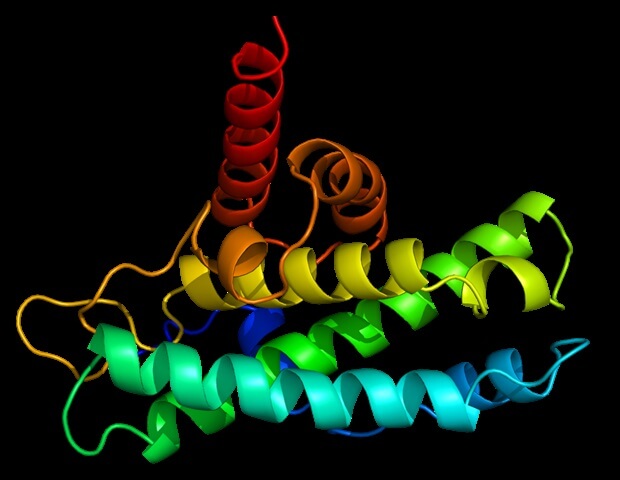
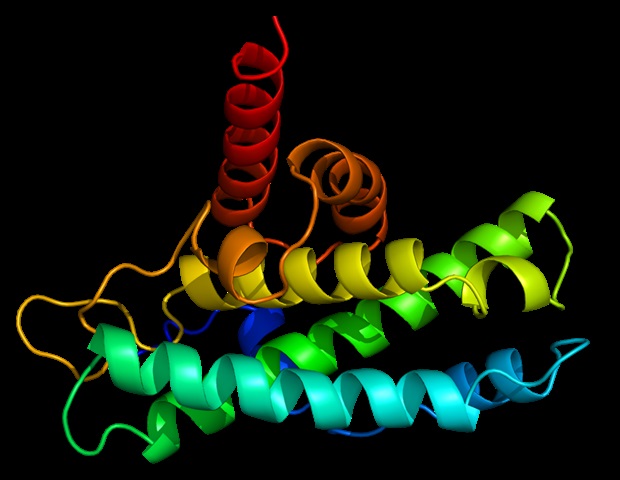
PEPITEM comes from a larger protein secreted by B cells (white blood cells) and its production is activated by a circulating hormone called adiponectin. In the bloodstream, PEPITEM acts on receptors on cells that line the walls of blood vessels.

The researchers found that B cells from older adults were deficient in the signaling pathway that initiates production of the parent protein for PEPITEM (14-3-3ζ).

Dr Chimen said: “We have demonstrated an age-related decline in the PEPITEM-adiponectin pathway and its impact on T cell trafficking, as seen in inflammaging. These really exciting results raise the possibility of developing a geroprotective agent that not only reduces excessive inflammation in old age, but also supports good immune function in older people.”

University of Birmingham Enterprise has filed several patent families relating to PEPITEM and the components of the PEPITEM molecule responsible for maintaining a normal immune response. The team is seeking collaboration partners, licensees and/or investors. For commercial enquiries, please contact Helen Dunster at University of Birmingham Enterprise.

Source link

Similar Posts

  • |

    Knee pain after sex

    What if a common physical sensation is quietly shaping the quality of our most private moments? This discomfort can feel isolating. It may make us pull back from our partner. The American Osteopathic Association notes that about one-third of Americans live with joint issues that hinder daily activities. knee pain after sex This statistic reflects a wider reality. When our bodies signal distress, it often echoes in our shared life. The ache isn’t just physical. It can create an invisible barrier to intimacy. We believe understanding is the first step toward change. By exploring the reasons behind this discomfort, we can make smart adjustments. Small changes to our routine can have a big impact. Our goal is to help you move from frustration to solution. Let’s look at how to protect your physical connection and ensure your experiences remain fulfilling and joyful. Key Takeaways Joint discomfort during intimate moments is a common issue that affects emotional and physical connection. Nearly one-third of adults in the U.S. report joint-related problems that impact their daily quality of life. This physical barrier can lead to avoiding closeness, which may strain a relationship. Identifying the root cause of the discomfort is a crucial proactive step toward improvement. Simple adjustments to routines and positions can help maintain a healthy and satisfying sex life. Open communication with your partner about physical limits is essential for mutual comfort. Seeking professional guidance can provide tailored strategies for long-term relief and enjoyment. Understanding Knee Pain After Sex It’s a reality for many: seeking closeness, only to be met with a sharp, distracting sensation. This discomfort has specific roots. Knowing them helps us adapt and find relief. Common Causes and Triggers Physical intimacy involves movement and pressure. These actions can strain the joint if it’s already sensitive. A sudden twist or prolonged kneeling might be the direct trigger. Interestingly, gentle motion can be helpful. Maiken Jacobs, an orthopedic patient educator, notes that moving a joint through its range of motion can release endorphins. This is good for your condition. Acute vs. Chronic Pain Explained We must distinguish between two main types. Acute discomfort often results from sudden injuries, like a sprain. It comes on quickly and usually fades with time and care. Chronic issues stem from long-term conditions. Osteoarthritis is a common example. This ongoing pain affects mobility and daily comfort for many people. Identifying which type you’re experiencing is the first step toward smart management. It guides our approach to maintaining a fulfilling connection. Preparing for Intimacy with Knee Sensitivity A little preparation can transform our intimate moments from a source of worry into a space of comfort and connection. We focus on simple, proactive steps that address physical sensitivity head-on. The Role of Warm Baths and Epsom Salts Starting with a warm bath is a powerful ritual. Adding Epsom salt helps soothe muscles and promotes deep relaxation. Taking a warm Epsom salt bath before intimacy can proactively ease joint discomfort and help you relax. Maiken Jacobs, Orthopedic Patient Educator This practice isn’t just solitary self-care. Turning it into a shared, sensual experience with our partner helps us both unwind and set the right mood. preparing for intimacy with knee sensitivity Pre-medicating and Managing Stress Stress tightens our bodies and can heighten our perception of discomfort. Managing tension is therefore a vital part of our preparation. If we’re concerned about potential aches, seeking information from a doctor is wise. They can advise on the ideal timing for taking an anti-inflammatory to maintain comfort. Proactive planning, like using a heating pad beforehand, ensures our focus stays on connection. Preparation Method Primary Benefit Key Consideration Warm Epsom Salt Bath Soothes muscles & promotes relaxation Can be a shared ritual with a partner Consulting a Doctor Personalized timing for medication Provides expert guidance for safety Stress Management Reduces tension that worsens discomfort Includes deep breathing or meditation…

  • Rising star footballers among young athletes benefit from new screening tool

      Young elite athletes will benefit from a new screening tool with the potential to change clinical practice by ruling out serious heart disease that is often misdiagnosed. The research is thanks to a jointly led study between the Universities of Exeter and Bristol, working with emerging athletes from around the world. Cardiomyopathy, a form…

  • Regular football training improves lung diffusion capacity in boys aged 6 to 10 years | BMC Sports sciences, medicine and rehabilitation

      Attendees The required sample size was calculated using G*Power (version 3.1, University of Düsseldorf, Germany) [21]. The a priori power analysis was calculated with an assumed power of 0.90, an alpha level of 0.01 and an effect size of Cohen’s f = 0.26 for pulmonary diffusion capacity (TL) [10]. The analysis showed that a…

  • |

    Curovate is a physical therapy app for knee replacement, ACL and more

    I started my company, Curovate, with a very simple vision, to make physiotherapy accessible to everyone worldwide. That was in 2015. Our physiotherapy app Curovate was originally released on the Google Play Store on August 1, 2016. When we first released the app, it provided rehabilitation for people after anterior cruciate ligament (ACL) surgery. Seven…

  • |

    Have I torn my ACL again? How do I know if I have re-damaged my ACL graft?

      After ACL surgery, many people worry that they have re-damaged their ACL or torn their ACL graft. If you are concerned about this, know that this is a common concern. You have undergone a stressful operation and have probably experienced significant pain and limitations in your movement. In your eyes, the worst thing would…

  • |

    Mighty Bone-Loving Oatmeal – Food for Healthy Bones

    The best breakfast cereals for your bones Mighty Bone Loving Oatmeal contains a delicious nutritional boost. Oats are high in soluble fiber called beta-glucan, which is beneficial for heart health. They are a good source of manganese, a component of antioxidant enzymes, important in facilitating bone development and helping to make and break down glucose….

Leave a Reply

Your email address will not be published. Required fields are marked *