Blog

  • Understanding Patella Tendon: Functions & Care

    Understanding Patella Tendon: Functions & Care

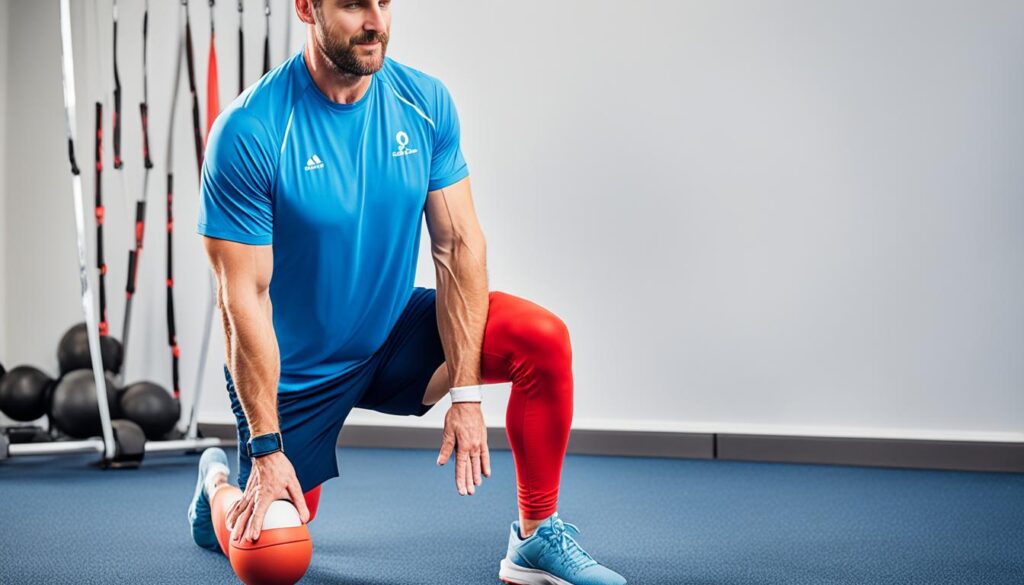
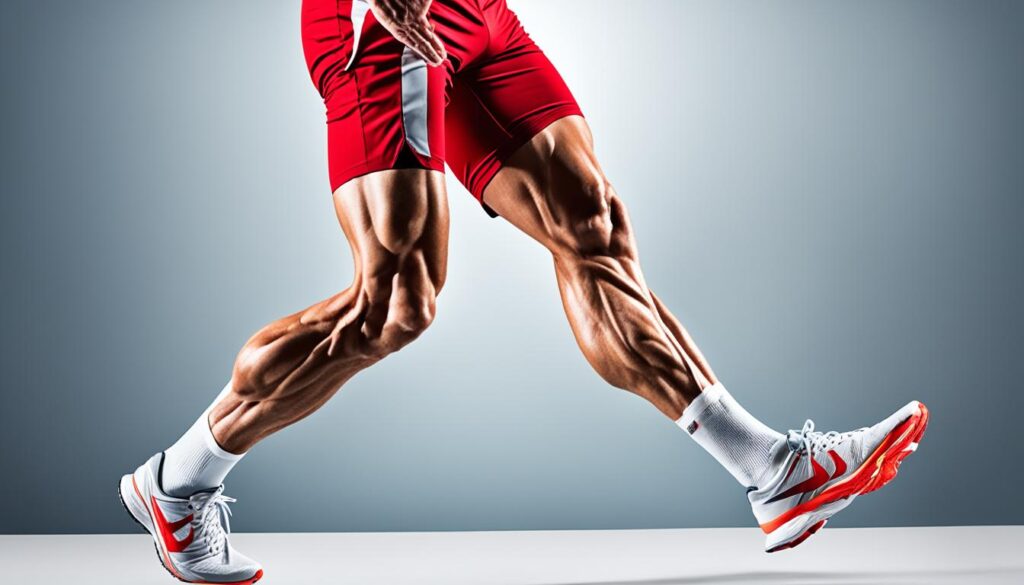
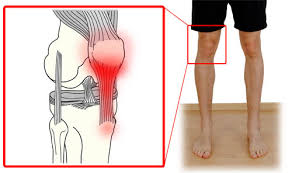
    Did you know that the patella tendon, also known as the patellar ligament, is a strong cord of fibrous tissue that connects the bottom of the kneecap (patella) to the top of the shinbone (tibia)? This small but mighty tendon plays a crucial role in the functioning of our knees, allowing us to perform various movements such as walking, running, and jumping.

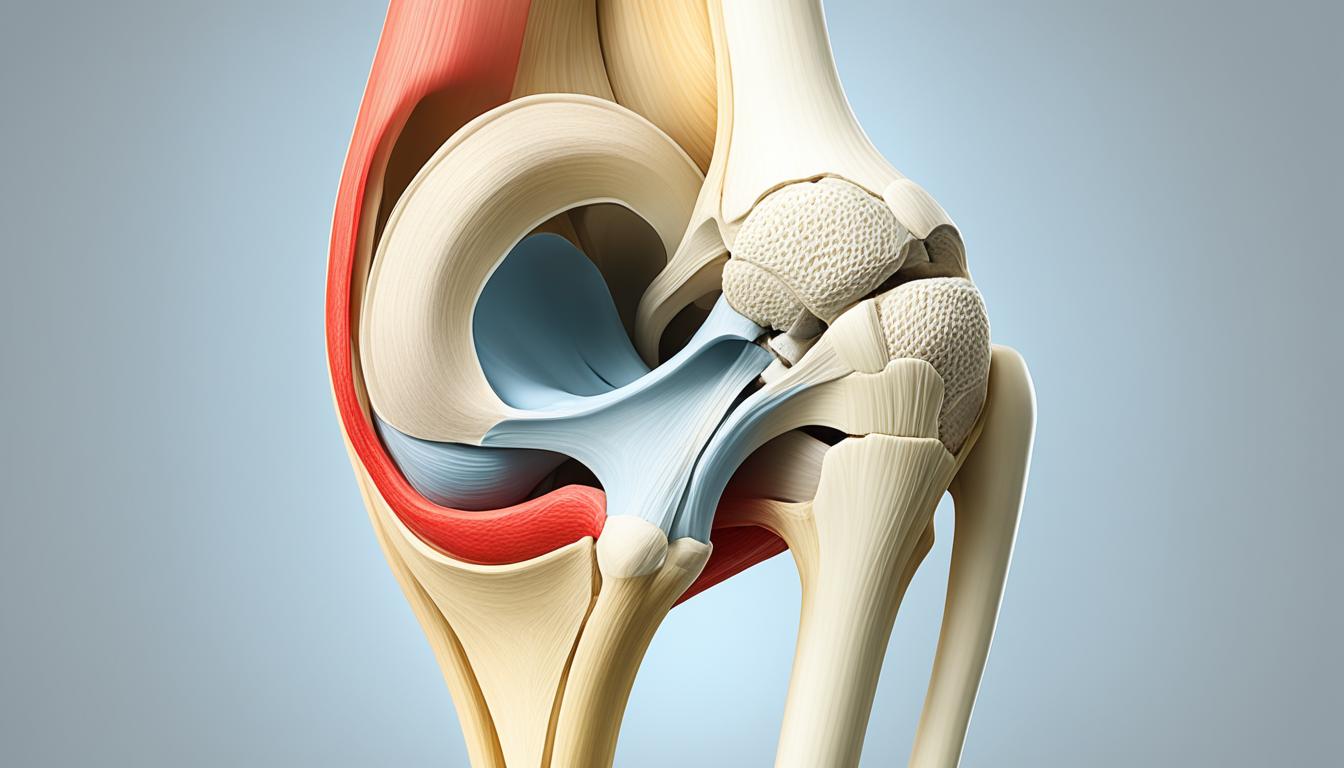
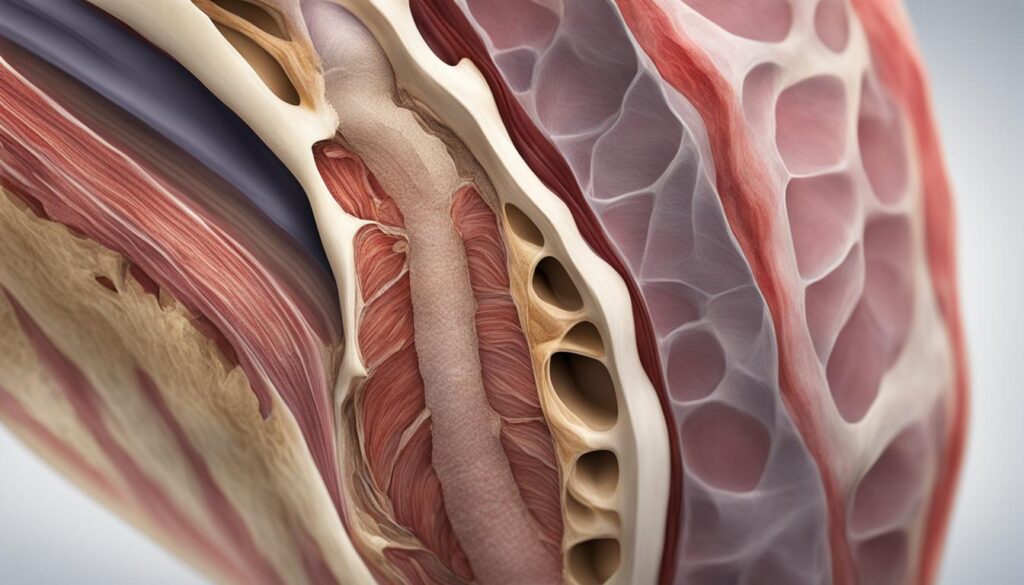
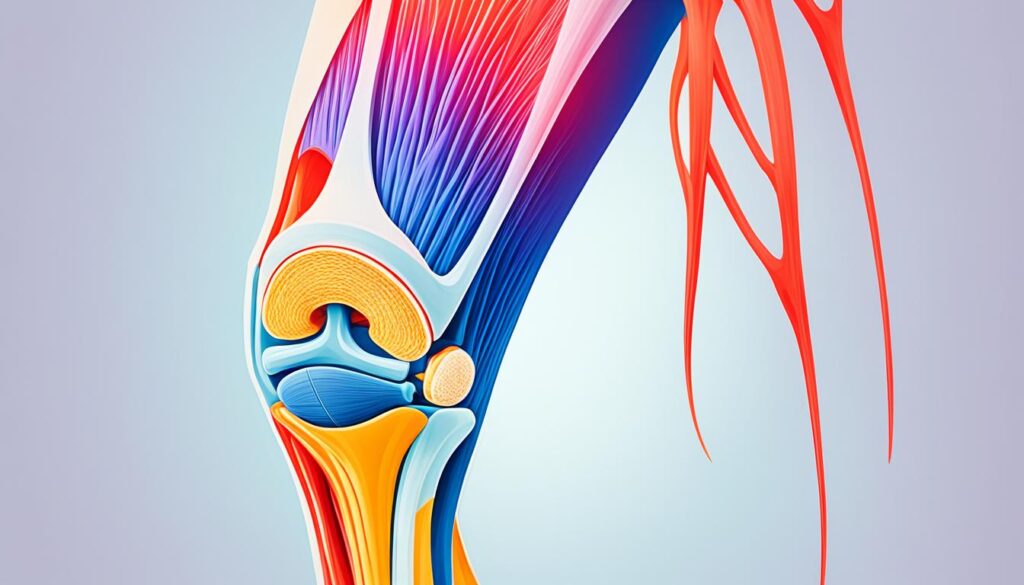
    The anatomy of the patella tendon involves a complex network of fibers, which work together with the quadriceps muscles to extend the knee. It is responsible for transmitting the force generated by the quadriceps to the lower leg during leg extension, making it essential for everyday activities and sports performance.

    Despite its importance, the patella tendon is prone to injuries such as tendinitis, tears, and fractures. These injuries can cause significant pain, swelling, and difficulty in walking, impacting our ability to lead an active lifestyle.

    In this article, we will explore the functions of the patella tendon, common injuries, treatment options, and preventive measures to ensure the health and well-being of our knees. Whether you are an athlete or simply concerned about knee health, understanding the patella tendon is crucial for maintaining optimal performance and preventing injuries. Let’s dive in!

    Functions of the Patellar Tendon

    The patellar tendon, also known as the patellar ligament, plays a crucial role in the proper functioning of the knee joint. It serves several essential functions that are vital for lower extremity strength and power.

    The primary function of the patellar tendon is to transmit the force generated by the quadriceps muscles to the lower leg, allowing for the extension of the knee. This transmission of force enables movements such as walking, running, jumping, and kicking. Without the patellar tendon, the knee would not be able to effectively straighten, significantly hampering these activities.

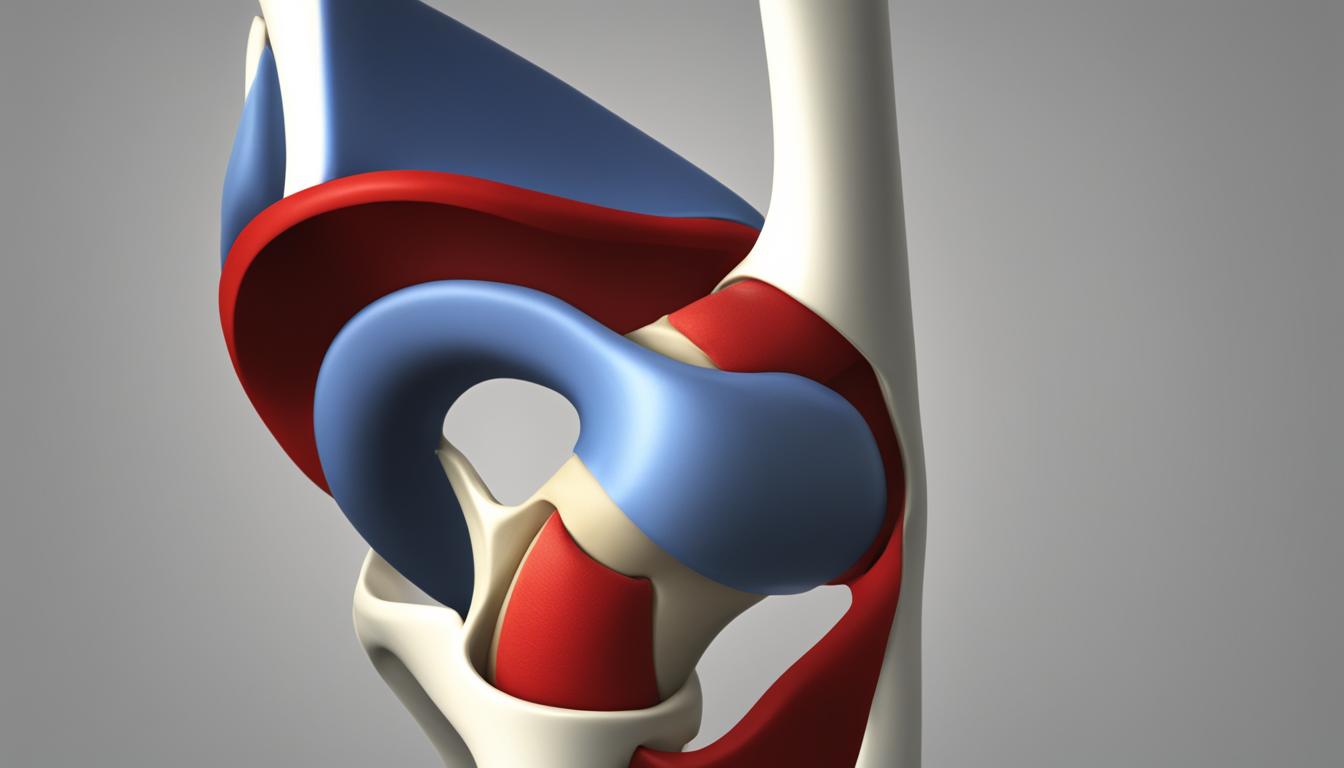
    The patellar tendon acts as a rope-like structure, connecting the kneecap (patella) to the shinbone (tibia). It provides stability to the knee joint, preventing excessive movements during dynamic activities. This stability is crucial for maintaining balance and preventing injuries during movements that place stress on the knee.

    Furthermore, the patellar tendon contributes to the overall alignment and tracking of the patella within the femoral groove. It helps to distribute forces evenly across the joint, reducing the chances of uneven wear and tear on the joint surfaces.

    In summary, the patellar tendon functions as a transmitter of force, stabilizer of the knee joint, and contributor to the alignment and tracking of the patella. Its proper functioning is essential for the performance and integrity of the knee during activities that require lower extremity strength and power.
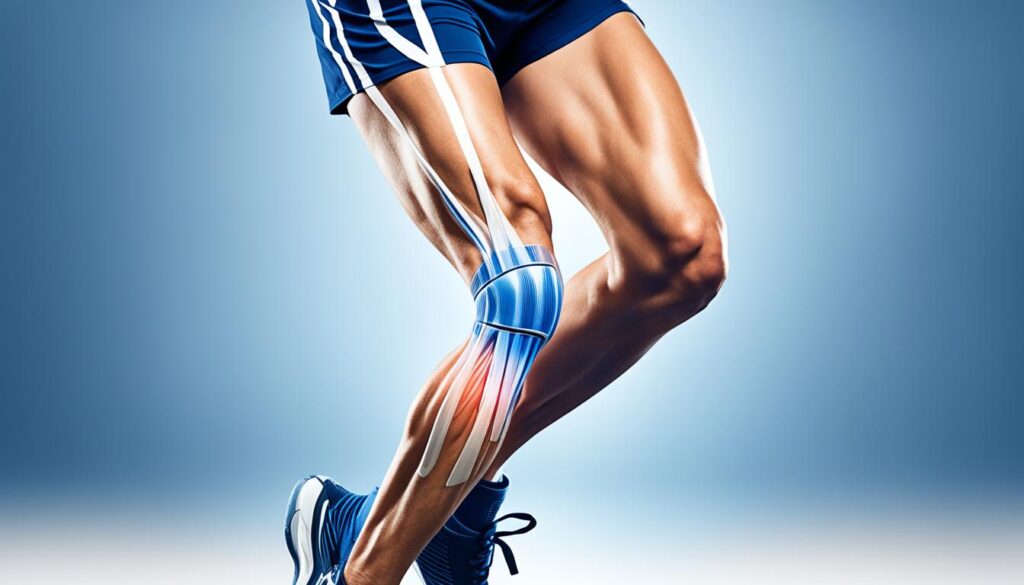
    Anatomy of the Patellar Tendon

    1. Calmbach, W., & Hutchens, M. (2003). Evaluation of patients presenting with knee pain: Part I. History, physical examination, radiographs, and laboratory tests. American Family Physician, 68(5), 907-912. Retrieved from https://www.aafp.org/afp/2003/0901/p907.html
    2. Nielsen, R. (2016). Patellar Tendinopathy in Athletes: Current Diagnostic and Therapeutic Recommendations. Sports Medicine, 46(11), 1685-1696. doi: 10.1007/s40279-016-0538-8

    Patellar Tendon Injuries and Treatment

    Patellar tendon injuries can range from minor tears and tendinitis to complete ruptures. When the patellar tendon becomes inflamed, it leads to a condition called patella tendonitis, which is characterized by pain, tenderness, and swelling in the front of the knee.

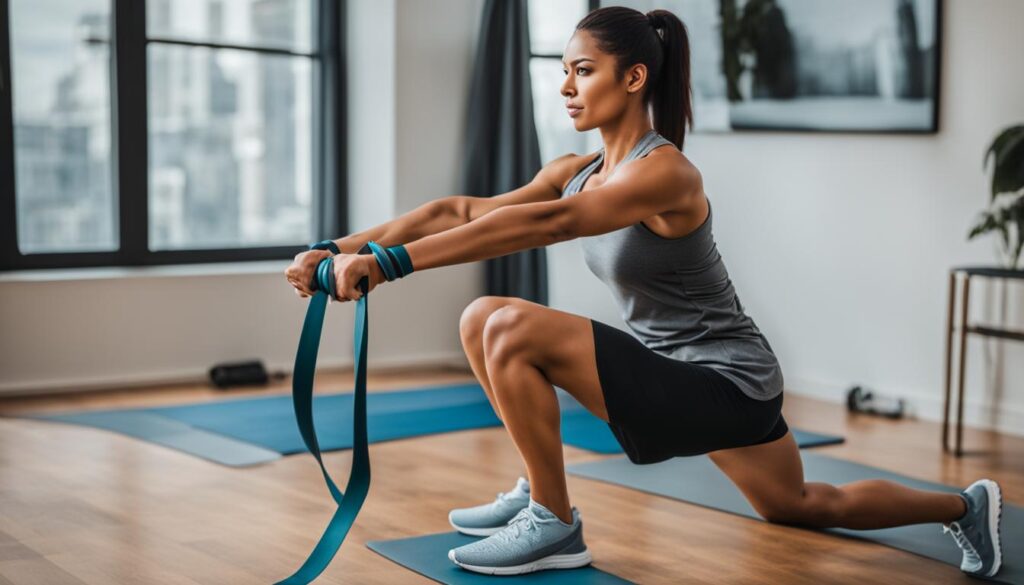
    Conservative treatment options for patellar tendon injuries often involve rest, ice, physical therapy, and the use of braces or immobilizers to reduce pain and promote healing. Physical therapy plays a crucial role in patellar tendon rehabilitation, focusing on strengthening the surrounding muscles, improving flexibility, and restoring normal range of motion.

    In some cases, conservative measures may not be sufficient, especially in severe injuries or when the tendon fails to respond to non-surgical interventions. In such cases, patellar tendon surgery may be necessary. Surgical options may include tendon repair, in which the torn or damaged portion of the tendon is sewn back together, or tendon reconstruction, in which a tendon graft is used to replace the damaged section.

    The recovery timeframe for patellar tendon injuries can vary depending on the severity of the injury and the individual’s commitment to the rehabilitation process. Generally, it can take several weeks to months for full recovery after surgery, while non-surgical treatment may require a shorter recovery period.

    “Patellar tendon injuries require a comprehensive approach that combines appropriate medical intervention and rehabilitation strategies. It is important to seek timely medical attention and adhere to prescribed treatments to ensure the best possible outcome.”
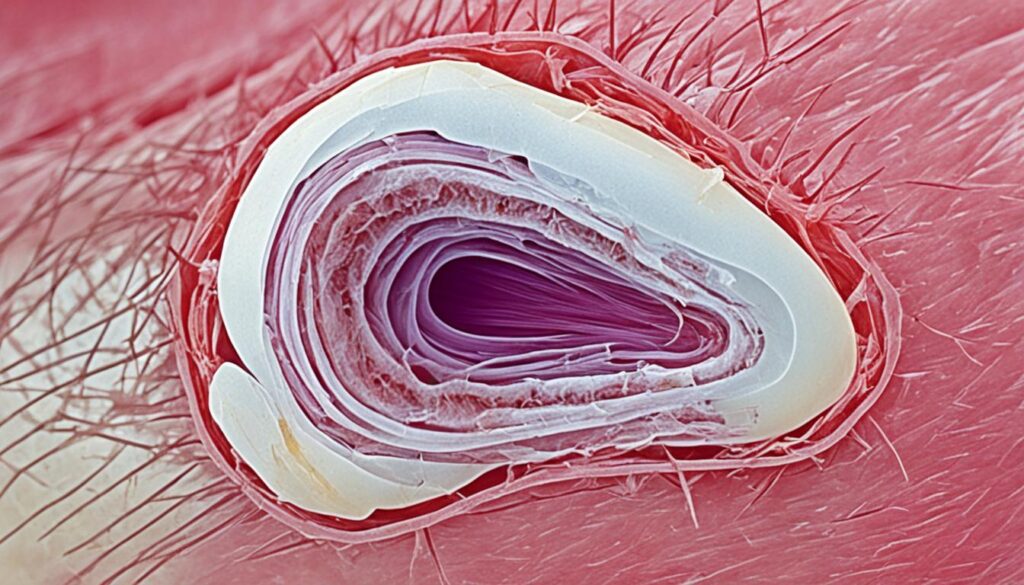
    patellar tendon injury

    Risk Factors and Prevention of Patellar Tendon Injuries

    When it comes to patellar tendon injuries, there are several factors that can increase the risk of developing this condition. Understanding these risk factors is essential for taking proactive measures to prevent patellar tendon injuries and maintain optimal knee health.

    Risk Factors:

    • Participating in activities that involve repetitive jumping, such as basketball or volleyball.
    • Sudden increases in activity level without proper conditioning or training.
    • Tight leg muscles, especially in the quadriceps and hamstrings.
    • Muscular imbalances, where certain muscles overpower others, placing excessive strain on the patellar tendon.
    • Chronic illnesses, such as kidney failure or diabetes, which can weaken the tendons and make them more prone to injury.
    • The use of certain medications, such as fluoroquinolone antibiotics, which have been associated with an increased risk of tendon injuries.

    Prevention:

    1. Gradually increase activity levels: When starting a new exercise program or engaging in high-impact activities, it’s important to gradually increase the intensity and duration to allow your body to adapt.
    2. Maintain proper muscle balance and flexibility: Incorporate stretching and strengthening exercises for the quadriceps, hamstrings, and calf muscles to improve overall muscle balance and flexibility.
    3. Warm up before exercise: Perform a dynamic warm-up routine that includes movements targeting the lower body, such as leg swings and knee lifts, to improve blood flow and prepare the muscles for activity.
    4. Use proper techniques: Practice proper form and technique when engaging in physical activities to minimize excessive stress on the patellar tendon. Seek guidance from a qualified trainer or coach if needed.
    5. Listen to your body’s warning signs: Pay attention to any pain or discomfort in the knee area during or after physical activity. If you experience persistent pain or notice any changes in the knee joint, consult a healthcare professional for a proper diagnosis and appropriate treatment.

    “Prevention is key when it comes to protecting the patellar tendon.”

    Conclusion

    The patellar tendon, also known as the patellar ligament, is a critical structure that plays a vital role in knee joint function. Its primary function is to transmit the force generated by the quadriceps muscles, allowing for the extension of the knee. By connecting the kneecap to the shinbone, the patellar tendon provides stability during various activities such as walking, running, and jumping.

    However, the patellar tendon is susceptible to injuries, ranging from tendinitis to complete tears. Symptoms of patellar tendon injury include pain, tenderness, and swelling in the front of the knee. Treatment options for patellar tendon injuries are dependent on the severity and may include physical therapy, bracing, or surgical intervention. Rehabilitation plays a crucial role in the recovery process, with exercises focusing on strengthening the surrounding muscles and gradually increasing the tendon’s load-bearing capacity.

    Prevention is key in minimizing the risk of patellar tendon injuries. Incorporating proper warm-up routines, maintaining muscle balance and flexibility, and avoiding excessive stress on the tendon can significantly reduce injury occurrence. It is important to seek the guidance of a healthcare professional if you experience any symptoms or have concerns about your patellar tendon. Early diagnosis and appropriate treatment can help prevent further complications and aid in a faster recovery.

    FAQ

    What is the patella tendon?

    The patella tendon, also known as the patellar ligament, is a strong cord of fibrous tissue that connects the bottom of the kneecap (patella) to the top of the shinbone (tibia).

    What are the functions of the patellar tendon?

    The primary function of the patellar tendon is to transmit the force generated by the quadriceps muscles to the lower leg, allowing for the extension of the knee. It acts as a rope-like structure, connecting the patella to the tibia and stabilizing the knee joint during movements such as walking, running, jumping, and kicking.

    What are the symptoms of patella tendonitis?

    Symptoms of patella tendonitis, which is inflammation of the patellar tendon, include pain, tenderness, and swelling in the front of the knee.

    How are patellar tendon injuries treated?

    Treatment options for patellar tendon injuries often involve rest, ice, physical therapy, and the use of braces or immobilizers. In severe cases or when conservative measures fail, surgical options such as tendon repair or reconstruction may be necessary.

    How long does it take to recover from a patellar tendon injury?

    The recovery timeframe for patellar tendon injuries varies depending on the severity of the injury and the individual’s adherence to rehabilitation protocols.

    What are the risk factors for developing patellar tendon injuries?

    Several factors can increase the risk of developing patellar tendon injuries, including participating in activities that involve repetitive jumping, sudden increases in activity level, tight leg muscles, muscular imbalances, chronic illnesses (such as kidney failure or diabetes), and the use of certain medications.

    How can patellar tendon injuries be prevented?

    To prevent patellar tendon injuries, it is important to gradually increase activity levels, maintain proper muscle balance and flexibility, warm up before exercise, use proper techniques, and listen to your body’s warning signs of pain and discomfort.

    Why is understanding the patellar tendon important?

    The patellar tendon is a crucial structure in the knee joint that plays a vital role in leg extension and stability. Understanding its functions, common injuries, and treatment options is important for maintaining optimal knee health and performance.
    Source Links

  • Overcome Patellar Tendonitis – Effective Tips

    Overcome Patellar Tendonitis – Effective Tips

    Did you know that patellar tendonitis, also known as jumper’s knee, affects millions of people worldwide and is a common cause of knee pain and injury?
    Patellar tendonitis is a condition characterized by inflammation and pain in the front of the knee, specifically in the patellar tendon. It’s often caused by overuse or repetitive stress on the knee joint, such as jumping or running on hard surfaces.

    If you are suffering from knee pain and suspect patellar tendonitis, it’s crucial to take the right steps to overcome this condition and achieve lasting relief. In this article, we will provide you with valuable insights, diagnosis methods, treatment options, self-care measures, and prevention strategies to help you manage and recover from patellar tendonitis effectively.

    Diagnosis of Patellar Tendonitis

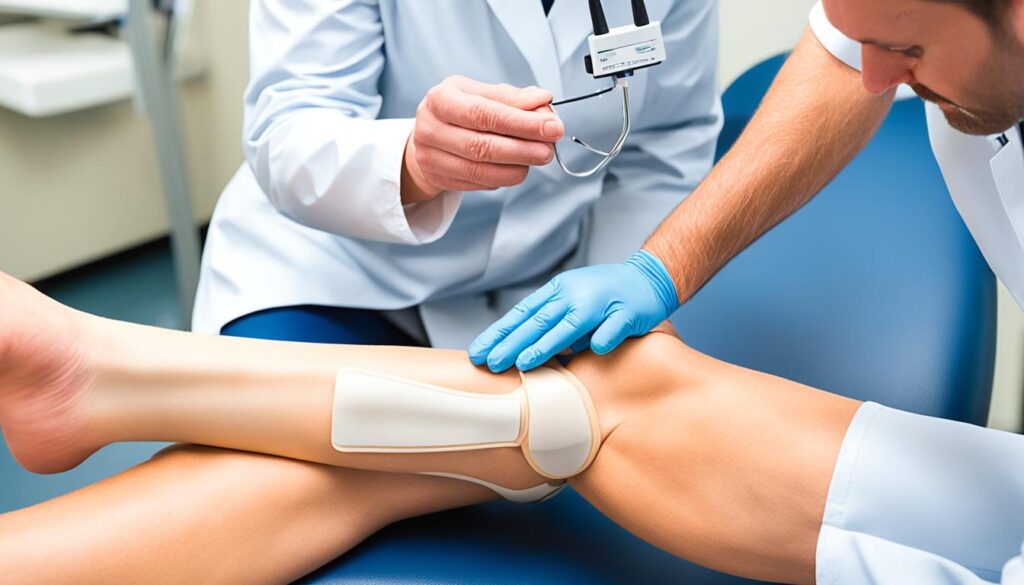
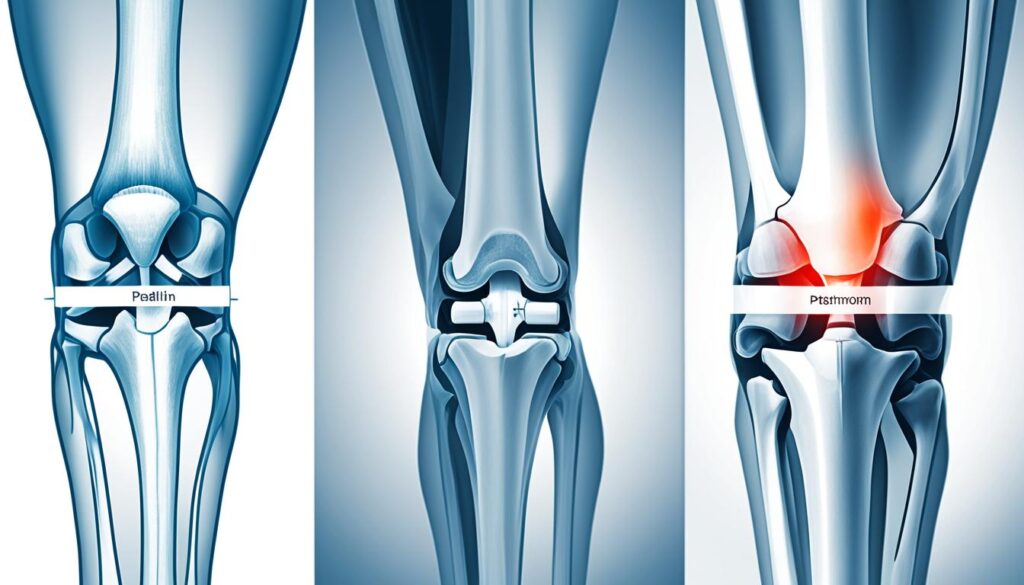
    Diagnosing patellar tendonitis is a critical first step in managing this condition. A thorough knee exam conducted by a doctor is usually the initial diagnostic method. During the exam, the doctor will carefully apply pressure to different parts of the knee to determine the exact source of pain. In the case of patellar tendonitis, patients typically experience pain on the front part of the knee, just below the kneecap.

    In order to obtain a more detailed assessment of the patellar tendon and rule out other potential causes of knee pain, imaging tests are often recommended. These tests help identify any tears or abnormalities in the tendon and provide crucial information for creating an effective treatment plan.

    There are several imaging tests that may be used:

    • X-rays: X-ray images can help evaluate the alignment of the knee joint and rule out other conditions, such as fractures or arthritis. While X-rays do not directly show the tendon, they play a vital role in the diagnostic process.
    • Ultrasound: Ultrasound imaging uses sound waves to visualize the patellar tendon. It can help detect thickening, degeneration, or tears in the tendon.
    • MRI (Magnetic Resonance Imaging): An MRI provides detailed images of the patellar tendon and surrounding structures. It is particularly useful for identifying subtle tendon injuries or abnormalities.

    With the information gathered from the knee exam and imaging tests, healthcare professionals can make an accurate patellar tendonitis diagnosis and recommend appropriate treatment strategies.

    patellar tendonitis diagnosis

    Treatment of Patellar Tendonitis

    The treatment of patellar tendonitis begins with conservative options to alleviate symptoms and promote healing. Depending on the severity of the condition, various treatment strategies may be employed:

    1. Medications: Nonsteroidal anti-inflammatory drugs (NSAIDs), such as ibuprofen or naproxen sodium, are commonly prescribed to manage pain and reduce inflammation in the affected tendon.
    2. Physical therapy: A key component of patellar tendonitis treatment involves physical therapy, which focuses on stretching and strengthening exercises. Stretching exercises help improve flexibility and reduce tension in the patellar tendon, while strengthening exercises target the surrounding muscles to provide better support and stability for the knee joint.
    3. Patellar tendon strap: Using a patellar tendon strap can help alleviate symptoms by applying pressure to the tendon and redistributing forces away from the affected area. This can provide temporary relief and support during physical activities.
    4. Iontophoresis: Iontophoresis is a therapy that involves the application of a specialized medication through the skin using a low-level electrical current. This treatment can help reduce inflammation and promote healing of the patellar tendon.
    5. Corticosteroid injection: In some cases, a corticosteroid injection may be recommended to reduce inflammation and relieve pain. This treatment is typically reserved for more severe or persistent cases of patellar tendonitis.
    6. Platelet-rich plasma (PRP) injection: PRP therapy involves injecting platelet-rich plasma, derived from the patient’s own blood, into the affected area. The concentrated platelets contain growth factors that can stimulate tissue healing and reduce pain and inflammation.
    7. Oscillating needle procedure: This minimally invasive technique involves the use of an oscillating needle to break up scar tissue and promote healing in the patellar tendon.
    8. Surgery: Surgical intervention for patellar tendonitis is rare and considered a last resort when conservative treatments have failed. Procedures such as debridement, which involves removing damaged tissue, may be performed to relieve symptoms and improve function.

    It’s important to note that the specific treatment plan for patellar tendonitis will vary depending on individual circumstances. A healthcare professional will assess the severity of the condition and tailor a treatment approach that best meets the patient’s needs.

    Self-Care for Patellar Tendonitis

    In addition to medical treatment, self-care measures can greatly assist in the management of patellar tendonitis. It is important to take proactive steps to alleviate symptoms and promote healing. Here are some self-care strategies:

    1. Pain Relievers

    To manage the pain associated with patellar tendonitis, over-the-counter pain relievers can be helpful. Nonsteroidal anti-inflammatory drugs (NSAIDs), such as ibuprofen or naproxen sodium, can provide temporary relief. However, it is important to follow the recommended dosage and consult with a healthcare professional if the pain persists or worsens.

    2. Activity Modification

    Modifying activities that exacerbate the pain is crucial for recovery. Avoiding high-impact sports or activities that put excessive strain on the knee can prevent further damage and allow the tendon to heal. Consider low-impact exercises, such as swimming or cycling, to maintain fitness while reducing the stress on the affected area.

    3. Ice

    Applying ice to the affected area after activity can help reduce inflammation and swelling. Cold therapy can be effective in managing pain and promoting healing. Use an ice pack or wrap ice in a cloth and apply it to the knee for 15-20 minutes several times a day.

    4. Rest

    Resting the knee and allowing it time to heal is crucial for recovery. Avoid activities that aggravate the pain and give your body the opportunity to repair the damaged tendon. Consider incorporating periods of rest into your daily routine and gradually reintroduce activities as the pain subsides.

    “Self-care measures, such as pain management techniques and activity modification, play a vital role in the management of patellar tendonitis. By taking proactive steps to alleviate symptoms and promote healing, individuals can achieve lasting relief and support the recovery process.”

    By implementing these self-care measures, individuals can play an active role in managing patellar tendonitis and supporting the healing process. However, it is important to consult with a healthcare professional for a comprehensive treatment plan tailored to individual needs.

    Tips for Managing Patellar Tendonitis

    Effective management of patellar tendonitis involves several key strategies that focus on reducing pain, promoting strength, and improving overall knee health. By incorporating the following techniques into your routine, you can enhance your ability to manage this condition and prevent further aggravation of the tendon.

    1. Isometric Exercises

    Isometric exercises, which involve static muscle contractions without joint movement, can be beneficial in reducing pain and strengthening the affected patellar tendon. These exercises help to improve stability and promote healing. Incorporate exercises such as quadriceps sets, where you tighten the front thigh muscle and hold for a few seconds, into your daily routine.

    2. Pain Management

    When managing patellar tendonitis, it is crucial to prioritize pain management. This can be achieved through the use of over-the-counter pain relievers such as ibuprofen or naproxen sodium, as recommended by your doctor. It’s essential to strike a balance between managing pain and listening to your body’s limits to avoid exacerbating the condition.

    3. Tissue Work

    Engaging in tissue work techniques, such as deep tissue massage or foam rolling, can help reduce tension and compressive forces on the knee. Focusing on the quadriceps muscles can provide targeted relief and support proper alignment of the patellar tendon. Incorporate these techniques into your routine to enhance tissue flexibility and promote healing.

    4. Eccentric Strengthening

    Eccentric strengthening exercises involve controlled, slow lowering movements, which help to stimulate the healing process and improve the capacity of the patellar tendon to handle daily load. Include exercises such as eccentric squats and heel drops in your exercise routine to promote strength and stability in the knee joint.

    By implementing these strategies, you can effectively manage patellar tendonitis and reduce discomfort while promoting healing. Remember to consult with a healthcare professional before starting any new exercise or treatment plan to ensure it is appropriate for your individual needs.

    managing patellar tendonitis

    Understanding Jumper’s Knee

    Jumper’s knee, also known as patellar tendonitis, is a common condition that involves inflammation of the patellar tendon, which connects the kneecap to the shin bone. It is often caused by overuse and repetitive stress on the knee joint, particularly in activities that require jumping or running. This can lead to microtears and degeneration of the tendon, resulting in pain and discomfort.

    People with jumper’s knee may experience symptoms such as pain and tenderness around the patellar tendon, swelling, and pain with movement. The pain is usually localized to the front of the knee, just below the kneecap. The intensity of the pain may vary, ranging from mild discomfort to severe pain that limits daily activities.

    Diagnosing jumper’s knee involves a thorough medical history, physical examination, and imaging tests. The doctor will evaluate the symptoms, assess the location and severity of the pain, and may order X-rays, ultrasound, or MRI scans to rule out other possible causes of knee pain and to assess the condition of the patellar tendon.

    The treatment of jumper’s knee focuses on reducing inflammation, relieving pain, and promoting healing of the patellar tendon. Initially, conservative measures such as rest, ice, and non-steroidal anti-inflammatory drugs (NSAIDs) may be recommended to manage pain and inflammation. Physical therapy plays a crucial role in the rehabilitation process, which may include stretching exercises, strengthening exercises, and modalities such as ultrasound therapy or electrical stimulation.

    In more severe cases or when conservative treatments fail to provide adequate relief, additional interventions such as corticosteroid injections or extracorporeal shockwave therapy (ESWT) may be considered. In rare cases, surgical options like arthroscopic surgery or patellar tendon debridement may be necessary to repair or remove damaged tissue.

    Table:

    Causes of Jumper’s Knee Symptoms of Jumper’s Knee Diagnosis of Jumper’s Knee Treatment of Jumper’s Knee
    – Overuse and repetitive stress on the knee joint. – Pain and tenderness around the patellar tendon. – Medical history and physical exam. Rest and activity modification.
    – Sports activities involving jumping or running. – Swelling and pain with movement. – Imaging tests (X-rays, ultrasound, MRI). Medications for pain and inflammation.
    Physical therapy (exercises, modalities).
    – Injections (corticosteroids, ESWT).
    – Surgical options (arthroscopy, debridement).

    It is important to seek early intervention for jumper’s knee to prevent further damage and facilitate a faster recovery. Following a comprehensive treatment plan, including rest, appropriate exercises, and self-care measures, can help alleviate symptoms, improve function, and prevent recurrence of the condition.

    Prevention of Patellar Tendonitis

    In order to prevent patellar tendonitis, it is crucial to take certain precautions to protect the health of your knees. By incorporating warm-up exercises, using proper technique, gradually progressing in training, and cross-training, you can significantly reduce the risk of developing this condition.

    Warm-up Exercises

    Before engaging in any physical activity, it is essential to warm up and stretch the muscles around your knees. This helps prepare your body for exercise and reduces the risk of injury. Incorporate dynamic movements such as leg swings, knee circles, and lunges into your warm-up routine to increase blood flow and flexibility.

    Proper Technique

    Using proper technique and form during activities can play a significant role in preventing patellar tendonitis. Make sure to maintain good posture, engage your core muscles, and avoid excessive stress on the patellar tendon. If you are unsure about the correct technique, consult with a qualified trainer or coach who can guide you in performing exercises and movements correctly.

    Gradual Progression

    Avoiding sudden increases in intensity, duration, and frequency of training is crucial for preventing overuse injuries like patellar tendonitis. Instead, gradually progress in your training by increasing one element at a time, such as distance, load, or speed. This allows your body to adapt and strengthen over time, reducing the strain on your knees.

    Cross-Training

    Engaging in cross-training activities, such as swimming, cycling, or yoga, can be beneficial in preventing patellar tendonitis. By incorporating different types of exercises into your fitness routine, you can distribute the load across different muscle groups and reduce the likelihood of developing overuse injuries. Cross-training also helps improve overall strength, flexibility, and endurance, contributing to better knee health.

    By following these preventive measures, you can significantly reduce the risk of developing patellar tendonitis and maintain the health and functionality of your knees.

    Prevention Strategies
    1 Warm-up exercises
    2 Proper technique
    3 Gradual progression
    4 Cross-training

    Conclusion

    Overcoming patellar tendonitis and finding lasting relief from knee pain is possible with the right approach to treatment and preventive measures. Diagnosing patellar tendonitis involves a thorough physical examination and may require imaging tests to accurately assess the condition. Treatment options for patellar tendonitis range from conservative measures, such as medication and physical therapy, to more invasive procedures like injections or surgery.

    Additionally, self-care measures play a crucial role in the recovery process. Implementing pain management techniques and modifying activities to avoid further strain on the knee can contribute to the healing process. By incorporating warm-up exercises, using proper technique, and gradually progressing training, individuals can reduce the risk of developing patellar tendonitis and maintain overall knee health.

    Remember, overcoming patellar tendonitis requires a comprehensive approach that addresses both treatment and prevention. With dedication and perseverance, individuals can overcome this condition and achieve lasting relief from knee pain.

    FAQ

    What is patellar tendonitis?

    Patellar tendonitis, also known as jumper’s knee, is a condition characterized by inflammation and pain in the front of the knee, specifically in the patellar tendon.

    What causes patellar tendonitis?

    Patellar tendonitis is often caused by overuse or repetitive stress on the knee joint, such as jumping or running on hard surfaces.

    What are the symptoms of patellar tendonitis?

    The symptoms of patellar tendonitis may include pain and tenderness around the patellar tendon, swelling, pain with movement, and tenderness behind the lower part of the kneecap.

    How is patellar tendonitis diagnosed?

    The diagnosis of patellar tendonitis begins with a thorough knee exam conducted by a doctor. Imaging tests, such as X-rays, ultrasound, and MRI, may be recommended to provide a more detailed assessment of the patellar tendon.

    What are the treatment options for patellar tendonitis?

    Treatment options for patellar tendonitis typically include conservative measures such as medication, physical therapy, stretching exercises, and the use of a patellar tendon strap. In some cases, therapies such as iontophoresis, corticosteroid injection, platelet-rich plasma injection, or an oscillating needle procedure may be recommended. Surgery is considered rare and only used if other treatments have failed.

    What self-care measures can I take for patellar tendonitis?

    Self-care measures for patellar tendonitis include over-the-counter pain relievers, activity modification, applying ice to the affected area, and resting the knee.

    How can I effectively manage patellar tendonitis?

    Effective management of patellar tendonitis involves isometric exercises, pain management techniques, tissue work, and eccentric strengthening exercises.

    What is jumper’s knee?

    Jumper’s knee, also known as patellar tendonitis, is a condition characterized by inflammation of the patellar tendon, which connects the kneecap to the shin bone.

    How can I prevent patellar tendonitis?

    Preventing patellar tendonitis can be achieved by warming up and stretching before physical activity, using proper technique, gradually progressing in training, and incorporating different types of exercises into a fitness routine.

    How can I overcome patellar tendonitis and achieve lasting knee pain relief?

    Overcoming patellar tendonitis and achieving lasting knee pain relief involves following the appropriate treatment approach, taking preventive measures, and maintaining overall knee health.

    Source Links

  • Patella Anatomy: Discover What Body Part It Is

    Patella Anatomy: Discover What Body Part It Is

    If you’ve ever wondered about the intricate workings of the human body, brace yourself for a surprising fact: did you know that the patella, commonly known as the kneecap, is the largest sesamoid bone in the body? Yes, this small but mighty bone plays a crucial role in our skeletal system, supporting our movements and ensuring joint health. Join us as we delve into the fascinating anatomy of the patella and uncover its intricate structure and functions.

    The patella, located at the front of the knee joint within the patellofemoral groove of the femur, is an essential component of the skeletal system. As we explore its triangular shape, superior and inferior aspects, and its articulation with other bones, we’ll gain a deeper understanding of how the patella enhances leg extension and protects the knee joint.

    However, like any other body part, the patella is susceptible to certain conditions and disorders. We’ll uncover common patellar issues such as dislocation, subluxation, and their impact on knee health. We’ll also explore diagnostic tests and treatment options, providing valuable insights into managing and recovering from patella-related conditions.

    Whether you’re an athlete, a fitness enthusiast, or simply curious about the intricate workings of the human body, this article will shed light on the fascinating world of patella anatomy and its crucial role in maintaining joint health.

    Structure and Function of the Patella

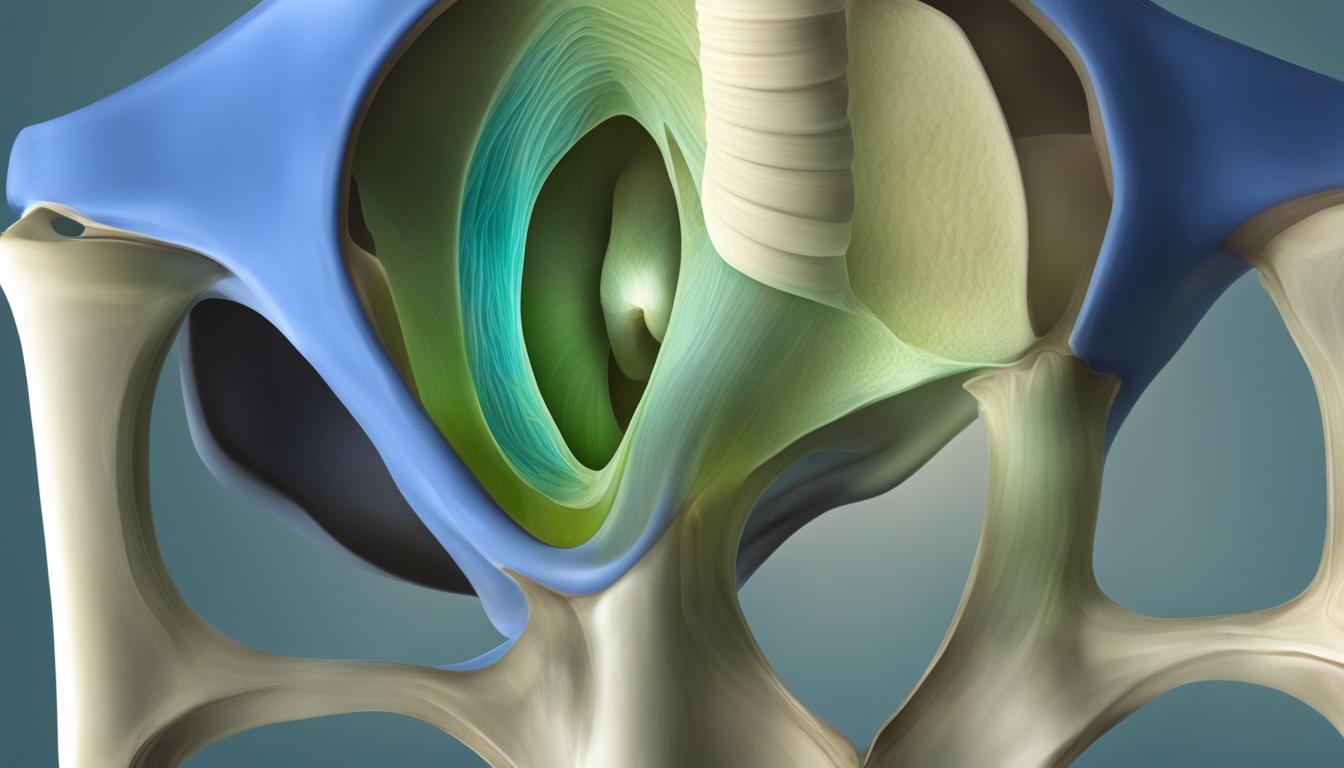
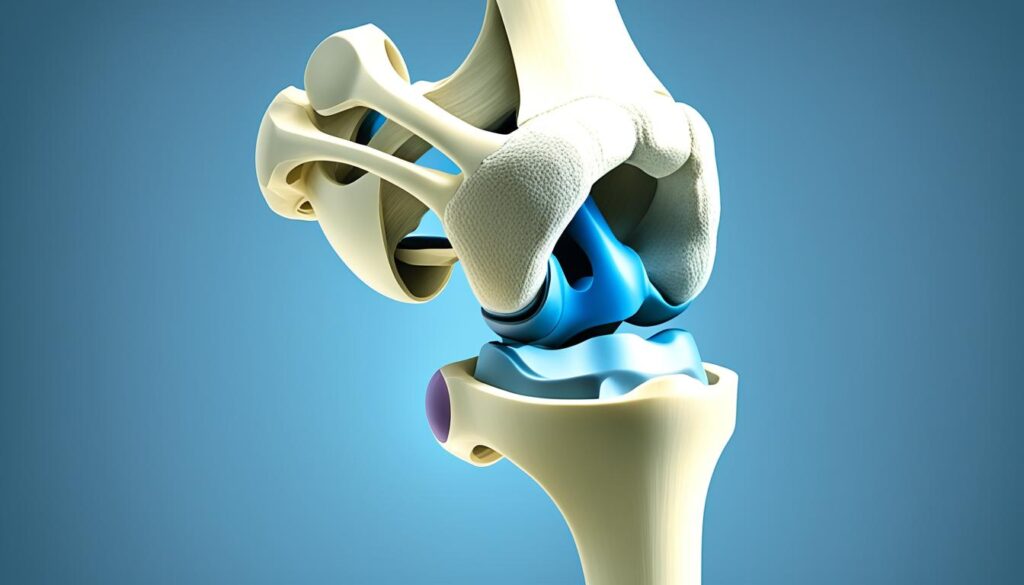
    The patella, also known as the kneecap, is a bone with a distinctive triangular shape. It plays a crucial role in the bone structure of the knee joint. The patella has an anterior surface and a posterior surface. The apex of the patella is located at the inferior end, which is connected to the tibial tuberosity by the patellar ligament. On the other hand, the base forms the superior aspect of the bone and provides attachment for the quadriceps tendon, a major muscle group in the thigh.

    The posterior surface of the patella articulates with the femur, the thigh bone, through its medial and lateral facets, allowing for smooth movement of the knee joint. This bone configuration enhances leg extension by increasing the leverage of the quadriceps tendon, allowing for powerful movements involved in activities like running, jumping, and walking. Moreover, the patella serves to protect the anterior aspect of the knee joint from physical trauma, such as blows or collisions.

    The unique structure of the patella, with its triangular shape, anterior and posterior surfaces, apex, base, and medial and lateral facets, enables efficient movement and protects the knee joint. Understanding the structure and function of the patella helps us comprehend its vital role in leg extension and the overall stability and protection of the knee joint.

    patella

    In the next section, we will explore common conditions and disorders that can affect the patella, leading to knee pain and discomfort. Understanding these conditions is essential for identifying potential issues and seeking appropriate treatment. Stay tuned!

    Common Conditions and Disorders of the Patella

    Several conditions and disorders can affect the patella, leading to knee pain and discomfort. Understanding these common issues is essential for proper diagnosis and treatment. The following are some of the most frequently encountered patellar conditions:

    1. Patellar Dislocation

    Patellar dislocation occurs when the patella completely or partially moves out of its normal position in the patellofemoral groove. This displacement can cause severe pain, swelling, and limited range of motion in the knee joint. Factors such as trauma, abnormal patellar alignment, or weak surrounding structures can contribute to this condition.

    2. Patellar Subluxation

    Patellar subluxation refers to a partial dislocation of the patella. It occurs when the patella momentarily slips out of its normal alignment but spontaneously returns to its original position. This can cause sudden pain, instability, and a feeling of the knee giving way. Frequent episodes may lead to increased joint laxity and further complications.

    3. Osteoporosis

    Osteoporosis is a condition characterized by reduced bone density and weakened bone structure. It can affect the patella and increase the risk of fractures. An important diagnostic tool for osteoporosis is a bone density test, which assesses the strength and density of the bones to determine the risk level and guide appropriate treatment options.

    Other common conditions and disorders of the patella include patella fractures, tendonitis, and chondromalacia patella. These conditions may occur due to trauma, overuse, repetitive stress, or degenerative changes in the joint.

    Treatments for patellar conditions vary depending on the specific condition and its severity. Here are some common treatment options:

    1. Use of immobilizing devices such as braces or splints to stabilize the knee and promote healing.
    2. Rest and avoiding activities that exacerbate the condition, allowing the patella to heal and reduce inflammation.
    3. Physical therapy exercises and stretches to strengthen the surrounding muscles and improve knee stability and function.
    4. Application of ice and heat, along with over-the-counter pain medications or anti-inflammatory drugs to alleviate pain and reduce swelling.
    5. In cases of patella fracture, immobilization with a cast or surgical intervention may be necessary to properly align and heal the bone.
    6. Treatment for osteoporosis includes a combination of exercise, dietary changes, calcium and vitamin D supplementation, and prescription medications to manage the condition and improve bone density.

    Proper diagnosis and early intervention are crucial in effectively managing patellar conditions. If you experience persistent knee pain, swelling, or instability, seek medical attention to determine the underlying cause and receive appropriate treatment.

    Tests and Diagnosis of Patella Conditions

    When it comes to diagnosing patella conditions, healthcare professionals rely on a combination of tests to accurately assess the health and functionality of the kneecap. Understanding the root cause of pain or dysfunction in the patella is crucial in determining the appropriate treatment plan for patients. In this section, we will explore two essential diagnostic procedures: the patella reflex test and imaging tests.

    Patella Reflex Test

    The patella reflex test is a simple yet effective examination that evaluates the integrity of the patellar reflex. This test involves tapping lightly below the patella with a reflex hammer, which stimulates a reflexive extension of the lower leg. The patella reflex, also known as the knee-jerk reflex, is mediated by the sensory and motor nerves in the patellar region.

    During the patella reflex test, the examiner taps the patellar tendon, causing the quadriceps muscle to contract and the leg to extend. This reflex provides valuable information about the function of the nerves and muscles controlling the knee joint. A diminished or absent patellar reflex may indicate underlying nerve damage or dysfunction.

    Imaging Tests

    Imaging tests play a crucial role in diagnosing various patella conditions, including injuries and fractures. These tests provide detailed visual representations of the patella and surrounding structures, aiding healthcare professionals in accurate diagnosis and treatment planning.

    X-rays are commonly used to assess for patellar injuries, such as fractures or dislocations. X-ray images provide a clear view of the bone, enabling healthcare professionals to identify any abnormalities or structural damage. This imaging test is often performed as part of a routine examination or when a patellar injury is suspected.

    patella reflex test

    Imaging Tests Use
    X-rays To diagnose patellar injuries and fractures
    Magnetic Resonance Imaging (MRI) To assess soft tissue issues, such as ligament tears or cartilage damage
    Ultrasound To evaluate soft tissue structures and identify any abnormalities or swelling

    Table: Imaging Tests for Patella Conditions

    Additional imaging tests, such as magnetic resonance imaging (MRI) and ultrasound, may be employed to further investigate soft tissue structures and identify injuries or abnormalities not visible on X-rays alone. MRI is particularly useful in assessing ligament tears or cartilage damage, while ultrasound can provide real-time images, allowing for dynamic evaluation of the patella and surrounding structures.

    These imaging tests, in conjunction with a thorough physical examination and medical history review, provide valuable insights into the underlying causes of patella conditions. By accurately diagnosing and understanding the specific issue affecting the patella, healthcare professionals can develop personalized treatment plans to promote optimal recovery and long-term joint health.

    Treatment Options for Patella Conditions

    When it comes to treating patella conditions, the approach may vary depending on the specific condition and its severity. Here are some common treatment options for patella-related issues:

    1. Brace or Immobilizing Device: Wearing a brace or an immobilizing device can help provide stability and support to the knee, allowing it to heal properly. These devices limit the movement of the patella, reducing pain and preventing further damage.

    2. Rest and Activity Modification: Resting the affected knee and avoiding activities that worsen the condition is vital in promoting healing and reducing pain. By giving the patella time to recover, you can prevent further strain and damage.

    3. Physical Therapy: Physical therapy plays a crucial role in restoring strength, flexibility, and range of motion to the knee joint. A qualified physical therapist can design a personalized exercise program to strengthen the surrounding muscles and improve overall knee function.

    4. At-Home Treatments: Implementing at-home treatments can help alleviate symptoms and support the healing process. Applying ice packs to the affected area can reduce inflammation and pain. Over-the-counter pain relievers, such as acetaminophen or nonsteroidal anti-inflammatory drugs (NSAIDs), can also provide temporary relief.

    5. Specialized Interventions: In more severe cases, such as patella fractures or osteoporosis affecting the patella, specialized interventions may be necessary. For patella fractures, immobilization with a splint or cast may be required. In some instances, surgery may be needed to realign the fractured bones. Osteoporosis treatment focuses on improving overall bone health through exercise, supplements, and prescription medications.

    Treatment Options Benefits
    Brace or Immobilizing Device Provides stability and support to the knee
    Rest and Activity Modification Promotes healing and reduces strain
    Physical Therapy Restores strength, flexibility, and range of motion
    At-Home Treatments Alleviates symptoms and supports healing
    Specialized Interventions Tailored treatments for severe cases

    By understanding the appropriate treatment options for patella conditions, you can work towards relieving pain, promoting healing, and improving overall knee function. It is important to consult with a healthcare professional for an accurate diagnosis and personalized treatment plan.

    Clinical Relevance and Injuries to the Patella

    The patella plays a crucial role in assessing and managing knee injuries, making it clinically relevant. One common injury involving the patella is patellar dislocation, which occurs when the patella is forced out of its normal position within the patellofemoral groove. This injury is often caused by high-force impacts or sudden twisting of the knee, commonly seen in sports injuries such as football, rugby, and ice hockey.

    Another injury that can occur to the patella is a patellar fracture. This type of injury is typically the result of direct trauma to the patella or a sudden quadriceps muscle contraction. Patellar fractures are more prevalent in males and adults between the ages of 20 and 50.

    Injury Cause Common Occurrences
    Patellar Dislocation High-force impact
    Sudden twisting of the knee
    Sports injuries (football, rugby, ice hockey)
    Patellar Fracture Direct trauma to the patella
    Sudden quadriceps muscle contraction
    Males
    Adults between the ages of 20 and 50

    Understanding the clinical relevance of the patella in these injuries is crucial for accurate diagnosis and effective treatment. Proper management of patellar injuries can help individuals recover and regain optimal knee function.

    Conclusion

    The patella, also known as the kneecap, is a vital bone in the human body’s skeletal system. By understanding its anatomy and function, we can better grasp its role in maintaining joint health. Various conditions and injuries can impact the patella, but with proper diagnosis and treatment, individuals can find relief from pain and improve their overall joint function.

    It is crucial to seek medical attention when experiencing symptoms related to the patella, such as knee pain or instability. A healthcare professional can conduct appropriate tests and provide an accurate diagnosis. Following the recommended treatment plan, which may include rest, physical therapy, or even surgery in severe cases, is essential for optimal recovery.

    By prioritizing joint health and taking prompt action, individuals can overcome patella-related conditions and injuries. Remember, early intervention is key in ensuring a swift and successful recovery. If you are experiencing any issues with your patella, don’t hesitate to consult a medical professional for proper evaluation and personalized treatment options.

    FAQ

    What is the patella?

    The patella, also known as the kneecap, is a bone located at the front of the knee joint within the patellofemoral groove of the femur. It is the largest sesamoid bone in the body and plays a crucial role in the skeletal system.

    What is the structure and function of the patella?

    The patella has a triangular shape and consists of an anterior and posterior surface. It is connected to the tibial tuberosity by the patellar ligament and provides attachment for the quadriceps tendon. The main functions of the patella are to enhance leg extension by increasing the leverage of the quadriceps tendon and to protect the anterior aspect of the knee joint from physical trauma.

    What are some common conditions and disorders of the patella?

    Some common conditions and disorders of the patella include patellar dislocation, patellar subluxation, and osteoporosis. Patellar dislocation involves the complete or partial displacement of the patella from its normal position, while patellar subluxation refers to a partial dislocation. Osteoporosis is a condition characterized by weak and brittle bones that can also affect the patella.

    How are patella conditions diagnosed?

    Patella conditions can be diagnosed through various tests. The most common test is the patella reflex test, where the knee is tapped below the patella to elicit an involuntary leg extension reflex. Imaging tests such as X-rays may also be necessary to diagnose patellar injuries or fractures.

    What are the treatment options for patella conditions?

    The treatment for patella conditions depends on the specific condition and its severity. Conservative treatment options include wearing a brace or other immobilizing device, resting, undergoing physical therapy, and using at-home treatments such as icing and over-the-counter pain relievers. In cases of patella fracture or osteoporosis, more specialized interventions may be needed, including immobilization with a splint or cast and surgery to realign the bones.

    How are injuries to the patella clinically relevant?

    Injuries to the patella, such as patellar dislocation and fractures, are clinically relevant as they can affect joint health and function. Patellar dislocation often occurs due to high-force impacts or sudden twisting of the knee, commonly observed in sports like football, rugby, and ice hockey. Patellar fractures typically result from direct trauma to the bone or sudden contraction of the quadriceps muscle and are more prevalent in males and adults between the ages of 20 and 50.

    Source Links

  • Understanding Patella Alta: What is It?

    Understanding Patella Alta: What is It?

    Did you know that patella alta, or a high-riding patella, can lead to patellofemoral dysfunction and cause debilitating pain in the knee? This abnormal condition, where the patella sits higher on the femur, affects a significant number of individuals worldwide. In this article, we will explore the causes, symptoms, diagnosis, and treatment options for patella alta, as well as delve into key research on this condition. Whether you or someone you know is dealing with this condition, understanding patella alta is crucial for effective management.

    Before we dive deeper, let’s define patella alta. It is characterized by an abnormally high patella in relation to the femur. Radiographic measurements, such as the Caton-Deschamps index, Insall-Salvati index, Blackburne-Peel index, and patellotrochlear index, are used to diagnose patella alta. Typically, a Caton-Deschamps index of >1.2 to >1.3 confirms the presence of patella alta.

    Clinical Presentation and Symptoms of Patella Alta

    When it comes to patella alta, the main clinical presentation is the instability of the patella, which often leads to patellofemoral pain and a sensation of the knee giving way. Patients with patella alta typically experience pain after direct contact or sudden changes in direction. The pain is commonly felt in the anterior aspect of the knee.

    Increased physical activity can exacerbate the anterior knee pain associated with patella alta. Activities such as going up and down stairs or squatting may worsen the symptoms. Patients with patella alta may also experience difficulty with activities that require knee flexion, such as prolonged sitting or driving for long periods.

    Aside from patellofemoral pain, patella alta is also associated with other knee conditions. Chondromalacia, characterized by softening and degeneration of the articular surface of the patella, is commonly observed in patients with patella alta. Additionally, individuals with patella alta have an increased risk of developing patellar osteoarthritis over time.

    Quote: “Patients with patella alta often report a feeling of instability and pain in the front of the knee. It is essential to assess the patellar height and consider it as a potential cause of their symptoms.”

    Presentation and Symptoms Summary:

    • Main symptom: Patellar instability leading to patellofemoral pain and a sensation of the knee giving way.
    • Pain worsens after direct contact or sudden changes in direction.
    • Increased physical activity exacerbates anterior knee pain.
    • Difficulty with activities such as going up and down stairs or squatting.
    • Association with chondromalacia and increased risk of patellar osteoarthritis.

    patella alta symptoms

    Patella Alta Symptoms Clinical Presentation
    Instability of the patella Patients may experience a sense of the knee “giving way” due to the patella’s abnormal position on the femur.
    Anterior knee pain Pain is typically felt in the front of the knee and is aggravated by physical activity or movements that stress the patellofemoral joint.
    Chondromalacia Softening and degeneration of the articular surface of the patella, often present in individuals with patella alta.
    Increased risk of patellar osteoarthritis Patella alta is associated with a higher likelihood of developing osteoarthritis in the patellar joint over time.

    Diagnosis of Patella Alta

    Patella alta, a condition characterized by an abnormally high patella, can be diagnosed through various imaging techniques and measurements of radiographic ratios. These diagnostic procedures provide valuable insights into the positioning and relationship of the patella, enabling healthcare professionals to confirm the presence of patella alta.

    Imaging techniques such as lateral radiographs and MRI scans play a crucial role in the diagnosis of patella alta. These imaging modalities allow for a detailed assessment of the patellar alignment and aid in identifying any abnormalities or deviations.

    Additionally, specific radiographic ratios are commonly used to determine the presence of patella alta. The Insall-Salvati ratio, Caton-Deschamps index, and Blackburne-Peel index are among the most utilized measurements. These ratios assess the length of the patellar tendon, the length of the patella, and the patella’s position relative to the tibial plateau.

    An A/B ratio greater than 1.2 for the Insall-Salvati index or a ratio greater than 1.3 for the Caton-Deschamps index confirms the diagnosis of patella alta.

    By employing these diagnostic procedures, healthcare professionals can accurately diagnose patella alta, facilitating the development of an appropriate treatment plan.

    Diagnostic Procedure Description
    Lateral Radiographs Utilizes X-ray imaging to visualize the patellar alignment and identify potential abnormalities.
    MRI Scans Provides detailed images of the knee joint, allowing for a comprehensive assessment.
    Insall-Salvati Ratio Compares the length of the patellar tendon to the length of the patella to determine patella alta.
    Caton-Deschamps Index Evaluates the patellar position relative to the tibial plateau to confirm patella alta.
    Blackburne-Peel Index Measures the relationship between the patella, femoral condyles, and tibial plateau.

    Medical and Physical Therapy Management of Patella Alta

    The treatment of patella alta aims to reduce pain and instability while restoring full knee function. In most cases, non-operative treatment options are recommended as the initial approach. These options include:

    1. Rest: Allowing the knee to recover and heal by avoiding activities that aggravate the condition.
    2. Strengthening exercises: Targeted exercises for the knee and surrounding muscles can help improve stability and support the patella.
    3. Physical therapy: A comprehensive physical therapy program can help alleviate pain, improve joint range of motion, and strengthen the muscles around the knee.
    4. Patellar taping: Application of specialized tape to the knee can provide additional support and stability to the patella.
    5. Ice packs: Cold therapy can help reduce pain and inflammation.
    6. Knee braces: The use of knee braces can provide external support to the knee joint and help relieve pain and instability.

    In severe cases of patella alta or when conservative treatment fails to provide relief, surgical options may be considered. These can include:

    • Tibial tuberosity osteotomy: This surgical procedure involves repositioning the patellar tendon attachment to correct the high-riding patella and restore proper alignment.
    • Lateral release: In this procedure, tight structures on the outside of the knee are released to help realign the patella and reduce associated symptoms.

    Following surgery, the patient typically undergoes a period of recovery and rehabilitation, which may include:

    • Wearing a knee brace: A brace is often worn to provide support and protect the knee during the healing process.
    • Using crutches: Crutches may be used to assist with walking and mobility while weight-bearing on the affected leg is restricted.
    • Participating in physical therapy: A structured physical therapy program is essential to regain strength, range of motion, and functional abilities. This includes exercises targeting the knee and surrounding musculature to restore optimal function.

    patella alta treatment

    Physical Therapy Management

    Physical therapy plays a crucial role in managing patella alta. The goals of physical therapy management include:

    • Reducing pain and inflammation
    • Improving joint mobility
    • Strengthening the muscles around the knee, particularly the quadriceps and the hip abductors and external rotators
    • Improving lower limb alignment and patellar tracking
    • Enhancing proprioception and neuromuscular control

    “Physical therapy is a key component in the comprehensive management of patella alta. The focused exercises and therapeutic techniques help address muscle imbalances, improve knee control, and optimize knee function for individuals with this condition.”

    Incorporating a multidisciplinary approach, physical therapists work closely with patients to develop personalized treatment plans that address their specific needs and goals. This may involve a combination of therapeutic exercises, manual therapy techniques, modalities, and patient education.

    Key Research on Patella Alta

    In the field of patella alta, extensive research has been conducted to explore its association with various conditions such as patellofemoral pain, chondromalacia, and knee osteoarthritis. These studies provide valuable insights into the biomechanics of patella alta and its impact on patellofemoral joint contact stress.

    One area of research focuses on the effectiveness of taping methods and knee bracing in managing the pain associated with patella alta. Some studies have suggested that these interventions can be beneficial by increasing the contact area between the patella and the femur in the patellofemoral joint.

    Research has shown that taping techniques and braces have the potential to optimize patellofemoral joint mechanics and reduce symptoms in individuals with patella alta.

    However, while these initial findings are promising, further research is still necessary to establish the optimal treatment approach for patella alta. Additional studies are needed to investigate the long-term effects of taping methods and bracing, as well as to explore other potential treatment modalities.

    By expanding our understanding of patella alta through ongoing research, we can continue to enhance the management and treatment strategies for individuals affected by this condition, ultimately improving their overall quality of life.

    Current Research Studies on Patella Alta

    Here are some recent research studies that are contributing to our knowledge and understanding of patella alta:

    1. A Comparative Analysis of Patella Alta and Patella Baja: A Biomechanical Study.
    2. Association of Patella Alta with Cartilage Lesions in the Patellofemoral Joint.
    3. The Effect of Taping Techniques on Patellofemoral Joint Contact Area in Patella Alta: A Randomized Controlled Trial.
    4. Long-Term Outcomes of Surgical Management for Patella Alta: A Retrospective Cohort Study.

    Study Objective Methods Findings
    A Comparative Analysis of Patella Alta and Patella Baja: A Biomechanical Study To compare the biomechanics of patella alta and patella baja and evaluate their respective effects on patellofemoral joint contact stress. Biomechanical modeling and simulations using computer-aided design software. Patella alta was associated with increased patellofemoral joint contact stress compared to normal patella position (patella baja).
    Association of Patella Alta with Cartilage Lesions in the Patellofemoral Joint To investigate the relationship between patella alta and the presence of cartilage lesions in the patellofemoral joint. Retrospective analysis of MRI scans and medical records of patients with patella alta. Patella alta was significantly associated with a higher prevalence of cartilage lesions in the patellofemoral joint.
    The Effect of Taping Techniques on Patellofemoral Joint Contact Area in Patella Alta: A Randomized Controlled Trial To assess the impact of taping techniques on patellofemoral joint contact area in individuals with patella alta and evaluate their effects on pain and function. Randomized controlled trial comparing different taping techniques and a control group. Taping techniques significantly increased the patellofemoral joint contact area in the patella alta group, leading to improved pain and function.
    Long-Term Outcomes of Surgical Management for Patella Alta: A Retrospective Cohort Study To evaluate the long-term outcomes of surgical management options for patella alta and determine their effectiveness in improving pain, function, and patient satisfaction. Retrospective analysis of patient data and follow-up questionnaires. Surgical management, including tibial tuberosity osteotomy and lateral release, showed favorable long-term outcomes in terms of pain relief, functional improvement, and high patient satisfaction rates.

    Conclusion

    Patella alta, characterized by a higher positioning of the patella on the femur, is an abnormal condition that can cause instability and an increased risk of patellofemoral pain. While the exact cause of patella alta is not fully understood, it is believed to be associated with abnormally long patellar tendons. Diagnosis of patella alta is based on radiographic measurements, such as the Insall-Salvati ratio and the Caton-Deschamps index.

    When it comes to the management of patella alta, non-operative approaches are often the initial line of treatment. Physical therapy, taping techniques, and knee braces can help reduce pain and improve knee function. In severe cases or when conservative measures fail, surgical interventions like tibial tuberosity osteotomy or lateral release may be considered to address the underlying issue.

    Although significant progress has been made in understanding patella alta, further research is crucial to enhance our knowledge and develop more effective management strategies. By delving deeper into the biomechanics and associated pathologies of patella alta, we can optimize treatment approaches and ultimately improve patient outcomes for this condition.

    FAQ

    What is patella alta?

    Patella alta, also known as high-riding patella, refers to an abnormally high position of the patella (kneecap) in relation to the femur (thigh bone). It is defined by radiographic measurements, such as the Caton-Deschamps index, Insall-Salvati index, Blackburne-Peel index, and patellotrochlear index.

    What are the causes and symptoms of patella alta?

    The exact cause of patella alta is not fully understood, but it can be congenital or a result of sports injuries. Common symptoms include patellofemoral pain, instability of the patella, a sensation of the knee giving way, and pain worsened by physical activities such as squatting or going up and down stairs.

    How is patella alta diagnosed?

    Patella alta is diagnosed through imaging techniques, such as lateral radiographs and MRI scans. Several radiographic ratios, including the Insall-Salvati ratio, Caton-Deschamps index, and Blackburne-Peel index, are used to determine the presence of patella alta.

    What are the treatment options for patella alta?

    Non-operative treatment options for patella alta include rest, strengthening exercises for the knee and surrounding muscles, physical therapy, patellar taping, ice packs, and knee braces. In severe cases or when conservative treatment fails, surgical options such as tibial tuberosity osteotomy or lateral release may be considered.

    What research has been done on patella alta?

    Research on patella alta has focused on its association with patellofemoral pain, chondromalacia, and knee osteoarthritis. Studies have investigated the biomechanics of patella alta and its effects on patellofemoral joint contact stress. Some research suggests that taping methods and bracing can be effective in managing pain associated with patella alta.

    Is there a conclusion on patella alta?

    While further research is needed to determine the optimal treatment approach for patella alta, current medical and physical therapy management strategies aim to reduce pain, restore knee function, and improve knee stability. Understanding the causes, symptoms, and diagnostic methods for patella alta is crucial in providing appropriate care for individuals with this condition.

    Source Links

  • Understanding Luxating Patella: What Is It?

    Understanding Luxating Patella: What Is It?

    Did you know that luxating patella, also known as patella dislocation, is a common knee joint disorder that affects up to 7% of dogs?

    This condition, characterized by the displacement of the knee cap, can cause significant pain, lameness, and limited mobility in affected animals. Luxating patella is more commonly seen in toy and small breed dogs, and it can be caused by genetic predisposition, abnormalities in the knee joint structure, or trauma.

    Causes of Luxating Patella

    Luxating patella, also known as patella dislocation, can occur due to various causes. Understanding these causes is essential in diagnosing and managing the condition effectively.

    1. Genetic Predisposition:

    One of the primary causes of luxating patella is genetic predisposition, particularly in toy and small breed dogs. Breeds like Pomeranians, Chihuahuas, Yorkshire Terriers, and Shih Tzus are more prone to this condition. Genetic factors play a significant role in the development of knee joint abnormalities, which can lead to the dislocation of the patella.

    2. Knee Joint Abnormalities:

    Dogs with luxating patella often have structural abnormalities in their knee joints. These abnormalities can include a shallow femoral groove or malalignments of the bones in the limb. The combination of these factors disrupts the normal alignment of the patella, causing it to move out of its designated position.

    3. Trauma:

    While less common than genetic factors, trauma can also contribute to patella dislocation. Acute injuries or accidents involving the knee joint can disrupt the stability of the patella and lead to its displacement.

    Genetic Predisposition and Luxating Patella

    “Genetic factors significantly influence the development of luxating patella in certain breeds. Breeding practices that prioritize the selection of dogs without a history of this condition can help reduce its incidence.”

    It’s important to note that luxating patella can have a combination of these causes, with genetic predisposition often playing a significant role. Understanding the underlying causes enables veterinarians to formulate appropriate treatment plans tailored to each individual dog’s needs.

    luxating patella causes

    While luxating patella can be a challenging condition for dogs and their owners, proper diagnosis and management can improve the quality of life for affected pets. In the following section, we will explore the symptoms of luxating patella, helping you identify the condition early for timely intervention and treatment.

    Symptoms of Luxating Patella

    The symptoms of luxating patella can vary depending on the severity of the condition. Some dogs may experience intermittent lameness, especially during periods of increased activity. A skipping gait, where the dog lifts and skips one of their hind legs, may be observed. This lameness usually resolves quickly, but can become more frequent as the condition progresses. Dogs with luxating patella may also show signs of knee pain and discomfort, often exhibited as reluctance to bear weight on the affected leg.

    Luxating Patella Symptoms Description
    Lameness Intermittent limp or favoring of one leg, especially during increased activity
    Skipping Gait Lifting and skipping of one hind leg while walking or running
    Knee Pain Reluctance to bear weight on the affected leg and signs of discomfort

    In more severe cases, dogs may exhibit more pronounced symptoms such as acute pain, persistent lameness, and difficulty in moving or jumping. It’s important to recognize these signs and seek veterinary care for an accurate diagnosis and appropriate treatment.

    Treatment Options for Luxating Patella

    The treatment for luxating patella depends on the severity of the condition and the presence of associated symptoms. In mild cases with no or minimal lameness, conservative management may be sufficient, which includes weight management, joint supplements, pain medications, and exercise restriction. However, for more severe cases or persistent lameness, surgical correction is usually recommended.

    Surgery aims to realign the patella and stabilize the knee joint. The procedure may involve moving the point of attachment of the patellar ligament, deepening the femoral groove, and tightening the joint capsule. Following surgery, a period of recovery, pain management, and physical therapy is necessary to optimize the outcome.

    Physical therapy plays a crucial role in the rehabilitation process for dogs undergoing surgery for luxating patella. It helps improve muscle strength, joint flexibility, and overall range of motion. Physical therapy techniques such as therapeutic exercises, hydrotherapy, and massage can provide significant benefits in recovering from the surgery and regaining normal function in the affected leg.

    In the words of Dr. Emily Parker, a veterinary surgeon specializing in orthopedics, “Physical therapy plays a vital role in the successful treatment of luxating patella. It not only helps in the immediate postoperative recovery but also ensures long-term joint health and prevents future knee issues.”

    Pain management is an essential part of the treatment plan for luxating patella. Pain medications, prescribed by a veterinarian, help alleviate discomfort and improve the dog’s overall well-being. These medications may include non-steroidal anti-inflammatory drugs (NSAIDs) or other pain relievers specifically tailored for the dog’s condition.

    It’s important for pet owners to closely follow the veterinarian’s instructions for pain management and post-surgical care. This includes administering medications as directed, attending physical therapy sessions, and adhering to any recommended lifestyle modifications, such as avoiding excessive jumping or strenuous activities.

    luxating patella treatment

    By providing a comprehensive approach to luxating patella treatment, including surgical intervention, physical therapy, and pain management, we can significantly improve the quality of life for dogs affected by this condition. The combination of these treatment options aims to restore patella stability, alleviate pain, and promote optimal joint function.

    Prevention and Prognosis of Luxating Patella

    While luxating patella cannot always be prevented, there are measures that can reduce the risk or severity of the condition. Responsible breeding practices, including avoiding mating dogs with a history of luxating patella, can help reduce its incidence in certain breeds. Maintaining a healthy weight and providing regular exercise can also contribute to overall joint health.

    Regarding the prognosis of luxating patella, it varies depending on the grade and the presence of other knee injuries or arthritis. With proper treatment and early intervention, the prognosis is generally good, and dogs can regain full use of their legs.

    However, it’s important to note that if arthritis develops, it cannot be reversed, and long-term joint management may be necessary.

    https://www.youtube.com/watch?v=tPqvsPlqLag

    Prevention Tips for Luxating Patella:

    • Engage in responsible breeding practices, avoiding mating dogs with a history of luxating patella.
    • Maintain a healthy weight for your dog through proper diet and exercise.
    • Provide regular exercise to promote overall joint health and mobility.

    Prognosis Factors for Luxating Patella:

    The prognosis for luxating patella depends on various factors, including:

    • The grade of luxating patella
    • The presence of other knee injuries
    • The development of arthritis

    With proper treatment and early intervention, dogs with luxating patella have a good prognosis and can regain full use of their legs. However, if arthritis develops, long-term joint management may be necessary.

    Conclusion

    Luxating patella is a common knee joint disorder that primarily affects toy and small breed dogs. This condition occurs when the kneecap dislocates or moves from its normal position, leading to pain, lameness, and reduced mobility. Genetic factors, knee joint abnormalities, and trauma can all contribute to the development of luxating patella.

    Fortunately, there are treatment options available to improve the well-being and mobility of dogs with luxating patella. For mild cases, conservative management such as weight management, joint supplements, pain medications, and exercise restriction may be sufficient. However, more severe or persistent cases often require surgical correction to realign the patella and stabilize the knee joint.

    The prognosis for dogs with luxating patella is generally good, especially when the condition is detected early and appropriate treatment is initiated. By understanding the causes, symptoms, and treatment options for luxating patella, pet owners can take proactive steps to ensure the knee health and patella stability of their furry companions. Regular veterinary check-ups, responsible breeding practices, and maintaining a healthy lifestyle can also contribute to the prevention and management of this condition.

    FAQ

    What is luxating patella?

    Luxating patella is a knee joint disorder where the kneecap moves out of its normal position in the knee joint, causing pain, lameness, and limited mobility.

    What causes luxating patella?

    Luxating patella can be caused by genetic predisposition, knee joint abnormalities, or trauma.

    What are the symptoms of luxating patella?

    Symptoms of luxating patella include lameness, a skipping gait, and knee pain.

    What are the treatment options for luxating patella?

    Treatment options for luxating patella include surgical correction and physical therapy.

    Can luxating patella be prevented?

    Luxating patella cannot always be prevented, but maintaining a healthy weight and exercising regularly can reduce the risk or severity of the condition.

    What is the prognosis for luxating patella?

    The prognosis for luxating patella varies, but with proper treatment and early intervention, the prognosis is generally good.

    Source Links

  • Understanding Chondromalacia Patella: A Quick Guide

    Understanding Chondromalacia Patella: A Quick Guide

    Did you know that chondromalacia patella, also known as patellofemoral pain syndrome or runner’s knee, is a prevalent medical condition affecting a significant number of individuals? This condition is characterized by knee pain caused by the degeneration of the articular cartilage under the kneecap, leading to softening, swelling, and erosion of the cartilage.

    Chondromalacia patella primarily affects teenagers, women, and young adults who engage in sports or activities that put stress on the knee. Overweight individuals and older adults with arthritis are also at a higher risk. If left untreated, chondromalacia patella can progress to osteoarthritis of the knee joint, affecting mobility and overall quality of life.

    In this comprehensive guide, we will explore the symptoms, causes, treatment options, and prevention strategies for chondromalacia patella. Whether you are personally affected by knee pain or seeking information to help someone you know, this guide will provide valuable insights to help you understand and manage this condition effectively.

    Symptoms of Chondromalacia Patella

    Chondromalacia patella, also known as runner’s knee, is characterized by various symptoms that can affect the knee joint. The most common and prominent symptom is knee pain, which can range from mild to severe, depending on the individual and the stage of the condition. This pain is often described as a grinding or cracking sensation when extending or bending the knee, resulting from the degeneration and softening of the articular cartilage beneath the kneecap.

    The knee pain associated with chondromalacia patella is typically exacerbated by activities that put stress on the knee joint, such as running, jumping, and squatting. Prolonged sitting and maintaining a bent knee position for an extended period can also worsen the discomfort. Individuals with this condition may experience a dull and nagging pain below and behind the kneecap, as well as on the sides of the kneecap. This pain can be persistent and may progressively worsen if left untreated.

    In addition to the grinding sensation and knee pain, individuals with chondromalacia patella may also experience a feeling of fullness or tightness around the knee. This sensation can contribute to reduced mobility and discomfort during daily activities. If the condition is left untreated, chondromalacia patella can potentially result in the development of osteoarthritis in the knee joint. Therefore, it is crucial to seek appropriate medical attention and treatment to prevent further complications.

    symptoms of chondromalacia patella

    Symptoms of Chondromalacia Patella Description
    Knee pain A grinding or cracking sensation when extending or bending the knee
    Dull and nagging pain Persistent pain below and behind the kneecap, as well as on the sides of the kneecap
    Feeling of fullness or tightness Sensation of tightness or fullness around the knee

    It is important to note that the symptoms of chondromalacia patella can vary from person to person. If you are experiencing any of these symptoms or suspect that you may have chondromalacia patella, it is recommended to consult with a healthcare professional for an accurate diagnosis and appropriate treatment plan.

    Causes of Chondromalacia Patella

    Chondromalacia patella can be caused by a variety of factors that contribute to the degeneration of the cartilage under the kneecap. One common cause is patellar maltracking, where the patella does not properly slide over the femur bone. This misalignment can lead to the deterioration of the cartilage, resulting in chondromalacia patella.

    Muscle weakness, particularly in the quadriceps and hamstrings, can also play a role in the development of this condition. When these muscles are weak, they put additional stress on the knee joint, leading to increased pressure on the cartilage and potential cartilage damage.

    Repeated stress on the knee joint is another significant cause of chondromalacia patella. Activities that involve running, jumping, and skiing, which place repetitive stress on the knee joint, can contribute to the development of this condition. The constant impact and pressure on the knee can lead to wear and tear of the cartilage, resulting in chondromalacia patella.

    Injuries, trauma, and overuse of the knee can also be contributing factors to the onset of chondromalacia patella. Accidents or direct blows to the knee can cause damage to the cartilage, while overuse from activities that put excessive strain on the knee joint can lead to cartilage degeneration over time.

    Understanding the causes of chondromalacia patella helps us identify the risk factors and take preventive measures to avoid its development. By addressing patellar maltracking, strengthening the muscles supporting the knee, and minimizing repeated stress on the knee joint, individuals can reduce the likelihood of developing chondromalacia patella and maintain healthy knee function.

    Treatment for Chondromalacia Patella

    The treatment for chondromalacia patella typically involves a multi-modal approach that addresses the underlying causes and provides relief from symptoms. Depending on the severity of the condition, treatment options may range from conservative methods such as physical therapy and pain medication to more invasive procedures like surgery.

    Physical Therapy

    Physical therapy is often recommended as the first line of treatment for chondromalacia patella. A skilled physiotherapist can design a customized exercise program that focuses on strengthening the muscles surrounding the knee joint and improving range of motion. Specific exercises, such as leg lifts, wall slides, clamshell exercises, and bridges, target the quadriceps, hamstrings, and hip abductor muscles, helping to alleviate pain and improve knee stability.

    Pain Medication

    In some cases, pain medication may be prescribed to manage the discomfort associated with chondromalacia patella. Non-steroidal anti-inflammatory drugs (NSAIDs), such as ibuprofen or naproxen, may be recommended to reduce inflammation and provide temporary pain relief. However, it is important to consult with a healthcare professional before taking any medication, as they can recommend the appropriate dosage and duration of treatment.

    Surgery

    If conservative treatments fail to provide adequate relief, or if there are significant structural issues contributing to the condition, surgery may be considered. Surgical options for chondromalacia patella include procedures to realign the patella, remove damaged cartilage, or address other underlying conditions. It is important to note that surgery is usually reserved for severe cases and is not the first line of treatment.

    Treatment Description
    Physical Therapy Aimed at strengthening the muscles around the knee joint and improving overall knee function.
    Pain Medication Prescribed to manage pain and reduce inflammation. Commonly includes non-steroidal anti-inflammatory drugs (NSAIDs).
    Surgery Considered for severe cases or when conservative treatments fail. Procedures may involve realigning the patella or removing damaged cartilage.

    It is essential to consult with a healthcare professional or orthopedic specialist to determine the most suitable treatment plan for chondromalacia patella. They will assess the severity of the condition and create an individualized approach tailored to the patient’s needs. By addressing both the symptoms and underlying causes, treatment can help alleviate pain, improve knee function, and enhance overall quality of life.

    Prevention of Chondromalacia Patella

    While it may not be possible to prevent chondromalacia patella completely, there are preventive measures that individuals can take to reduce the risk of developing this condition. By focusing on muscle balance, proper footwear, and avoiding repeated stress on the knee, individuals can help protect their knee joint and maintain optimal knee health.

    Maintaining Muscle Balance

    One key preventive measure is to maintain muscle balance around the knee joint. This can be achieved through targeted exercises that strengthen the quadriceps, hamstrings, adductor, and abductor muscles. By ensuring that these muscle groups are strong and balanced, the knee joint is better supported, and the risk of chondromalacia patella can be reduced.

    Utilizing Shoe Inserts

    Shoe inserts, also known as orthotics, can also play a role in preventing chondromalacia patella. These inserts can help correct structural issues, such as flat feet, and provide additional support and cushioning to reduce pressure on the knees. By wearing shoe inserts that are specifically designed to address individual foot and gait abnormalities, individuals can minimize the risk of developing knee pain and chondromalacia patella.

    Avoiding Repeated Stress on the Knee

    Repeated stress on the knee joint is a common factor that can contribute to the development of chondromalacia patella. To prevent this, individuals should be mindful of activities that put excessive stress on the knees, such as running, jumping, or squatting. Instead, it is important to engage in low-impact exercises, such as swimming or cycling, that provide cardiovascular benefits without overstraining the knee joint. Additionally, wearing knee pads during activities that involve kneeling or direct blows to the knee can help protect the joint and minimize the risk of injury.

    Prevention of Chondromalacia Patella

    Preventive Measures Benefits
    Maintaining muscle balance through targeted exercises Stabilizes the knee joint and reduces the risk of chondromalacia patella
    Using shoe inserts to correct flat feet Reduces pressure on the knees and provides additional support
    Avoiding repeated stress on the knees Minimizes the risk of developing chondromalacia patella

    When to Seek Physical Therapy for Chondromalacia Patella

    Physical therapy is a highly recommended and beneficial treatment option for individuals diagnosed with chondromalacia patella. If you experience symptoms such as knee pain during activities like running, jumping, or climbing stairs, it is essential to seek the expertise of a qualified physiotherapist.

    Physical therapy aims to address the underlying causes of chondromalacia patella and provide effective pain relief. By correcting misalignment and improving the strength and stability of the muscles that support the knee, physical therapy can not only reduce pain but also enhance your range of motion and overall function.

    During a physical therapy session, your physiotherapist will design a personalized treatment plan based on your specific symptoms and needs. This plan may include a combination of exercises targeting the quadriceps, hip abductor muscles, and other muscle groups involved in knee stability. In addition to exercises, other techniques such as patella taping and stretches may be recommended to alleviate pain and improve knee function.

    By working closely with a professional and licensed physical therapist, you can benefit from their expertise and guidance throughout your treatment journey. They will monitor your progress, make necessary adjustments to your exercises and techniques, and provide ongoing support to ensure you achieve optimal results.

    Remember, early intervention is crucial in managing chondromalacia patella effectively. Don’t hesitate to reach out to a physiotherapist and start your physical therapy journey to alleviate pain, improve mobility, and enhance your overall quality of life.

    Conclusion

    Chondromalacia patella is a common condition that can cause significant discomfort and mobility issues due to the degeneration of the articular cartilage under the kneecap. Fortunately, there are several treatment options available for individuals suffering from this condition.

    Physical therapy, a key component of chondromalacia patella treatment, offers effective knee pain relief by strengthening the knee and improving overall function. Through targeted exercises and techniques, physical therapy helps alleviate pain, correct misalignment, and enhance muscle balance around the knee joint.

    In addition to physical therapy, treatment options for chondromalacia patella may include exercises for muscle strengthening, pain medication for relief, and, in severe cases, surgery to address structural issues or remove damaged cartilage. However, it’s important to note that early detection and intervention are essential for successful management of this condition.

    By following a comprehensive treatment plan, individuals can find relief from chondromalacia patella and regain their mobility. If you are experiencing knee pain or suspect you may have chondromalacia patella, it is recommended to consult with a healthcare professional or licensed physical therapist to determine the most appropriate treatment options for your specific needs.

    FAQ

    What is chondromalacia patella?

    Chondromalacia patella refers to knee pain that occurs when the articular cartilage at the underside of the kneecap or patella undergoes degeneration, resulting in softening, swelling, and erosion of the cartilage. It is also known as patellofemoral pain syndrome or runner’s knee.

    What are the symptoms of chondromalacia patella?

    The primary symptom of chondromalacia patella is knee pain, often described as a grinding or cracking sensation when extending or bending the knee. Other symptoms include dull and nagging pain below and behind the kneecap, as well as on the sides of the kneecap. Individuals may also experience a feeling of fullness or tightness around the knee.

    What are the causes of chondromalacia patella?

    Chondromalacia patella can occur due to various factors. Common causes include patellar maltracking, where the patella does not properly slide over the femur bone, and muscle weakness, especially in the quadriceps and hamstrings. Repeated stress on the knee joint due to activities like running, jumping, and skiing, as well as injuries, trauma, and overuse of the knee, can also contribute to chondromalacia patella.

    What is the treatment for chondromalacia patella?

    The treatment for chondromalacia patella typically involves a multi-modal approach. Physical therapy is often recommended to strengthen the muscles supporting the knee and correct any biomechanical abnormalities. Specific exercises, such as leg lifts, wall slides, clamshell exercises, and bridges, can help improve muscle strength and reduce pain. Pain medication, such as non-steroidal anti-inflammatory drugs (NSAIDs), may be prescribed to alleviate discomfort. In severe cases, surgery may be necessary to address structural issues or remove damaged cartilage.

    How can chondromalacia patella be prevented?

    While it may not be possible to prevent chondromalacia patella completely, there are preventive measures that individuals can take. Maintaining muscle balance through exercises that target the quadriceps, hamstrings, adductors, and abductors can help stabilize the knee joint. Wearing shoe inserts to correct flat feet and reduce pressure on the knees can also be beneficial. Additionally, avoiding repeated stress on the kneecaps and wearing knee pads during activities that involve kneeling or direct blows to the knee can help minimize the risk of developing chondromalacia patella.

    When should I seek physical therapy for chondromalacia patella?

    It is recommended to schedule a visit with a physiotherapist if you experience knee pain during activities such as running, jumping, or climbing stairs. Physical therapy aims to correct misalignment, strengthen the muscles supporting the knee, reduce pain, and improve range of motion. Specific exercises targeting the quadriceps and hip abductor muscles, along with patella taping and stretches, can be beneficial. It is important to consult a professional and licensed physical therapist for personalized advice and guidance.

    Source Links

  • Understanding What’s Patella Baja – Knee Insights

    Understanding What’s Patella Baja – Knee Insights

    Did you know that approximately 79% of individuals who undergo knee surgeries develop a condition known as patella baja?

    Patella baja refers to a condition where the patella, or kneecap, is positioned lower than normal in the knee joint. This seemingly small displacement can have significant implications for knee health and function. From experiencing persistent pain and limited mobility to decreased quality of life, the impact can be profound.

    In this article, we will explore the causes, symptoms, diagnosis, and treatment options for patella baja. Understanding these crucial aspects will empower you to take proactive steps in managing this condition and maintaining optimal knee health.

    So, let’s dive in and unravel the mysteries of patella baja, discovering how we can overcome its challenges together.

    Causes of Patella Baja

    The exact cause of patella baja is not always known, but certain factors can contribute to its development. These may include:

    • Traumatic injury to the knee
    • Previous knee surgeries
    • Excessive pressure or compression on the knee joint
    • Genetic predisposition
    • Abnormal bone growth

    Understanding the underlying causes can help guide appropriate treatment strategies for individuals with patella baja.

    causes of patella baja

    Symptoms of Patella Baja

    The symptoms of patella baja can vary from person to person, but common signs include:

    • Knee pain: Individuals with patella baja often experience persistent knee pain, which may worsen during physical activities.
    • Swelling: Swelling around the knee joint is a common symptom of patella baja and may be accompanied by inflammation.
    • Difficulty bending or straightening the knee: Patella baja can make it challenging to bend or fully extend the knee joint, leading to limited range of motion.
    • Instability or feeling of the knee giving way: Some individuals may experience a sense of instability or the knee giving way, making it difficult to perform daily activities or engage in sports.
    • Limited range of motion: Reduced flexibility and range of motion in the knee joint are common symptoms of patella baja.
    • Clicking or grinding sensation: Many individuals with patella baja report a clicking or grinding sensation in the knee joint, especially when moving the knee.

    Recognizing these symptoms is crucial for early diagnosis and intervention. If you experience any of these symptoms, it is important to consult with a healthcare professional for a proper evaluation and diagnosis.

    Real-Life Example:

    “I had been experiencing persistent knee pain and noticed that my knee would click whenever I moved it. I also found it increasingly difficult to bend my knee and felt a sense of instability. After consulting with an orthopedic specialist, I was diagnosed with patella baja. Understanding these symptoms helped me seek appropriate treatment and regain mobility in my knee.”

    Next, we will delve into the diagnostic procedures involved in confirming the presence of patella baja.

    Symptom Description
    Knee pain Persistent pain in the knee, which may worsen during physical activities.
    Swelling Swelling around the knee joint, often accompanied by inflammation.
    Difficulty bending or straightening the knee Challenges in bending or fully extending the knee joint, resulting in limited range of motion.
    Instability or feeling of the knee giving way A sense of instability or the knee giving way, making daily activities and sports challenging.
    Limited range of motion Reduced flexibility and range of motion in the knee joint.
    Clicking or grinding sensation Audible clicking or grinding sensation in the knee joint, especially during knee movement.

    Patella Baja Symptoms

    Diagnosis of Patella Baja

    Diagnosing patella baja involves a comprehensive evaluation by a healthcare provider. This typically includes the following:

    1. Physical examination: The healthcare provider will conduct a thorough physical examination of the knee, assessing the range of motion, stability, and any signs of tenderness or swelling associated with patella baja.
    2. Medical history review: A detailed review of the patient’s medical history will be conducted to identify any previous knee injuries or surgeries that may contribute to the development of patella baja.
    3. Imaging studies: Imaging tests such as X-rays or MRI scans are commonly used to confirm the diagnosis of patella baja. X-rays can provide clear images of the knee joint, allowing the healthcare provider to assess the position of the patella. MRI scans offer a more detailed view of the soft tissues and can help evaluate the severity of patella baja.

    By combining the findings from the physical examination, medical history review, and imaging studies, healthcare providers can accurately diagnose patella baja and determine the appropriate treatment plan.

    Quote:

    “Accurate diagnosis of patella baja through a comprehensive evaluation and imaging studies is crucial for implementing an effective treatment strategy.”

    Diagnostic Procedures Advantages Disadvantages
    Physical examination Provides immediate assessment of knee stability and range of motion. Subjective findings may vary depending on the healthcare provider’s expertise.
    Medical history review Helps identify any previous knee injuries or surgeries that may contribute to patella baja. Relies on accurate patient recall and documentation.
    Imaging studies (X-rays, MRI scans) X-rays provide a clear view of the patella’s position, while MRI scans offer detailed images of soft tissues. Costly and may not be readily available in all healthcare settings.

    Treatment for Patella Baja

    When it comes to treating patella baja, the approach depends on the severity of the condition and the specific symptoms experienced by the patient. For milder cases, conservative management options can be explored, while more severe cases may require surgical intervention.

    Conservative management focuses on non-invasive techniques to alleviate symptoms and improve knee function. Physical therapy exercises can help strengthen the muscles surrounding the knee joint and improve mobility. Additionally, pain management techniques, such as the use of ice packs or nonsteroidal anti-inflammatory drugs (NSAIDs), can provide relief.

    In some cases, the use of braces or orthotics may be recommended. Braces can provide support to the knee joint and help correct the position of the patella. Orthotics, such as shoe inserts, can also help improve knee alignment and reduce strain on the patellar tendon.

    “Conservative management options may include physical therapy exercises, pain management techniques, and the use of braces or orthotics.”

    However, for individuals with more severe symptoms or cases of patella baja, surgical intervention may be necessary. The specific surgical procedure will depend on the individual’s condition and the underlying causes of the patella baja. One common surgical approach is patella tendon lengthening, which aims to increase the length of the patellar tendon and correct the position of the patella. Another technique is realignment surgery, where the patella is repositioned to improve its alignment within the knee joint.

    Surgical treatment for patella baja should be performed by a qualified orthopedic surgeon who specializes in knee conditions. The surgeon will evaluate the patient’s condition and determine the most appropriate surgical approach based on their specific needs.

    It’s important to note that surgical intervention is typically reserved for cases where conservative management options have not provided sufficient relief or improvement. The decision to undergo surgery should be made in consultation with a healthcare professional, taking into consideration the individual’s overall health, lifestyle, and goals for knee function and mobility.

    Surgical Treatment Options for Patella Baja

    There are several surgical treatment options available for patella baja, including:

    Surgical Procedure Description
    Patella Tendon Lengthening This procedure involves lengthening the patellar tendon to reposition the patella higher within the knee joint.
    Realignment Surgery In this procedure, the patella is surgically repositioned to improve its alignment and reduce the downward displacement.
    Reconstructive Surgery For cases where the patellar tendon is severely damaged, reconstructive surgery may be necessary to repair and strengthen the tendon.

    It’s important to consult with an orthopedic surgeon to determine the most suitable surgical option based on the individual’s specific symptoms, underlying causes, and overall health.

    Whether through conservative management or surgical intervention, treatment for patella baja aims to alleviate symptoms, improve knee function, and enhance quality of life for those affected by this condition.

    Patella Baja Rehabilitation

    Rehabilitation plays a crucial role in the recovery process for individuals with patella baja. Physical therapy exercises and modalities are often prescribed to improve knee strength, mobility, and stability.

    The rehabilitation program may include:

    • Targeted exercises for the quadriceps muscles
    • Range of motion exercises
    • Balance and proprioception training
    • Gradual return to weight-bearing activities

    Adhering to the prescribed rehabilitation program is essential for optimizing outcomes and preventing future knee issues.

    Rehabilitation Exercises for Patella Baja

    During the rehabilitation process, specific exercises are designed to address the unique needs of individuals with patella baja. These exercises aim to strengthen the quadriceps muscles, improve range of motion, and enhance overall knee stability.

    Here are some commonly prescribed rehabilitation exercises for patella baja:

    1. Straight Leg Raises: This exercise targets the quadriceps muscles and helps improve knee extension.
    2. Wall Slides: Wall slides promote knee flexion and extension, enhancing overall knee mobility.
    3. Step-Ups: Step-ups are effective for strengthening the quadriceps and improving balance and stability.
    4. Eccentric Squats: Eccentric squats focus on controlling the eccentric phase of the squat movement, targeting the quadriceps and enhancing overall knee control.

    Note: It is crucial to perform these exercises under the guidance of a qualified healthcare professional or physical therapist to ensure proper form and avoid further injury.

    In addition to targeted exercises, other rehabilitation modalities such as ultrasound therapy, electrical stimulation, and manual therapy techniques may be incorporated to enhance the recovery process.

    By diligently following the prescribed rehabilitation program, individuals with patella baja can optimize their outcomes, regain knee function, and minimize the risk of future knee problems.

    Patella Baja Prevention

    While not all cases of patella baja can be prevented, certain measures can help reduce the risk. By adopting the following strategies, you can take proactive steps to safeguard your knee health:

    1. Maintain a healthy body weight: Excess weight puts added strain on your knees, increasing the risk of developing patella baja. Aim to maintain a healthy weight through a combination of regular exercise and a balanced diet.
    2. Practice proper form and technique: Whether you’re engaging in sports, exercise, or daily activities, make sure to use correct form and technique. This includes bending your knees properly, avoiding excessive twisting or pivoting, and distributing weight evenly.
    3. Wear appropriate footwear: Choose shoes that provide adequate support and cushioning for your feet and knees. Proper footwear can help absorb shock and reduce the impact on your knee joints.
    4. Engage in regular strength and flexibility exercises: Strengthening the muscles around your knees can help support the joint and reduce the risk of patella baja. Incorporate exercises that target the quadriceps, hamstrings, and calf muscles into your fitness routine. Additionally, focus on flexibility exercises to maintain a good range of motion in your knees.
    5. Avoid excessive high-impact activities: Activities that involve repetitive jumping, running on hard surfaces, or sudden impact can place excessive stress on your knees. Limit these activities or modify them to reduce strain on your knee joints.
    6. Take breaks during prolonged kneeling or squatting: If your work or daily activities involve prolonged kneeling or squatting, make sure to take regular breaks. Alternating between different positions and giving your knees periodic rest can help prevent unnecessary strain and degeneration.

    By implementing these preventive measures and adopting a proactive approach towards your knee health, you can significantly reduce the risk of developing patella baja.

    Conclusion

    Patella baja, characterized by the downward displacement of the kneecap within the knee joint, is a condition that can significantly impact an individual’s knee health and function. The symptoms of patella baja, including knee pain, swelling, and limited mobility, can be debilitating and affect one’s quality of life. Therefore, it is crucial to understand the causes, symptoms, and treatment options to effectively manage this condition.

    A comprehensive approach is key to addressing patella baja. Conservative management techniques, such as physical therapy exercises and pain management strategies, can help alleviate symptoms and improve knee strength and stability. Additionally, rehabilitation plays a vital role in the recovery process, focusing on rebuilding muscle strength, range of motion, and proprioception.

    In some cases, surgical intervention may be necessary to correct the position of the patella and restore proper knee function. Procedures like patella tendon lengthening or realignment can provide significant relief and long-term benefits. However, the appropriate treatment strategy will depend on the individual’s specific circumstances and severity of patella baja.

    By understanding the different aspects of patella baja and working closely with healthcare professionals, individuals can take proactive steps to prevent and manage this condition. Maintaining a healthy weight, practicing proper body mechanics during physical activities, and engaging in regular strength and flexibility exercises are valuable preventive measures. Proactive management and early intervention are crucial to improving knee health and regaining optimal functionality for individuals with patella baja.

    FAQ

    What is patella baja?

    Patella baja refers to a condition where the patella, or kneecap, is positioned lower than normal in the knee joint.

    What are the causes of patella baja?

    The exact cause of patella baja is not always known, but factors such as traumatic injury, previous knee surgeries, excessive pressure on the knee joint, genetic predisposition, and abnormal bone growth can contribute to its development.

    What are the symptoms of patella baja?

    Common symptoms of patella baja include knee pain, swelling, difficulty bending or straightening the knee, instability or feeling of the knee giving way, limited range of motion, and a clicking or grinding sensation in the knee joint.

    How is patella baja diagnosed?

    The diagnosis of patella baja typically involves a physical examination, review of medical history, and imaging studies such as X-rays or MRI scans to confirm the presence of patella baja and evaluate its severity.

    What are the treatment options for patella baja?

    The treatment for patella baja depends on the severity of the condition and the individual’s symptoms. Conservative management options may include physical therapy exercises, pain management techniques, and the use of braces or orthotics. In more severe cases, surgical intervention such as patella tendon lengthening or realignment may be necessary.

    How does patella baja rehabilitation work?

    Patella baja rehabilitation often involves physical therapy exercises and modalities to improve knee strength, mobility, and stability. This may include targeted exercises for the quadriceps muscles, range of motion exercises, balance training, and a gradual return to weight-bearing activities.

    Can patella baja be prevented?

    While not all cases of patella baja can be prevented, measures such as maintaining a healthy body weight, practicing proper form during physical activities, wearing appropriate footwear, and engaging in regular strength and flexibility exercises can help reduce the risk. Additionally, avoiding excessive high-impact activities and taking breaks during prolonged periods of kneeling or squatting can help prevent unnecessary strain on the knee.

    What is the importance of understanding patella baja?

    Understanding the causes, symptoms, and treatment options for patella baja is crucial for maintaining optimal knee health and addressing any potential issues that may arise. By being aware of this condition and taking proactive steps, individuals can enhance their quality of life and prevent future knee problems.

    Source Links

  • Understanding Patella: What is the Meaning?

    Understanding Patella: What is the Meaning?

    Did you know that the patella, also known as the kneecap, is the largest sesamoid bone in the human body? It’s true! This small bone, starting as soft cartilage before ossifying into bone, has a significant impact on our knee joint health. Let’s delve deeper into the meaning, anatomy, function, and common conditions of the patella to gain a better understanding of its importance.

    Before we explore the fascinating world of the patella, let’s define this crucial bone. The patella is a flat, rounded triangular bone that articulates with the femur and covers and protects the anterior articular surface of the knee joint.

    Anatomy of the Patella

    The patella, also known as the kneecap, is a sesamoid bone with a roughly triangular shape. It plays an essential role in supporting the knee joint and facilitating movement. Let’s explore the intricate anatomy of the patella, understanding its structure and key features.

    The patella has distinct surfaces and margins that contribute to its overall shape and function. The front and back surfaces of the patella are connected by thin and thick margins. The upper third of the front surface is coarse and rough, serving as the attachment point for the quadriceps tendon. This tendon connects the patella to the powerful muscles of the thigh, enabling movements such as walking, running, and jumping.

    The middle third of the front surface contains vascular canaliculi, which provide nourishment to the bone tissue. The lower third culminates in the apex of the patella, which serves as the origin of the patellar ligament. This ligament connects the patella to the tuberosity of the tibia, further reinforcing the knee joint.

    Moving to the posterior surface of the patella, it is divided into two parts. The upper three-quarters of the posterior surface articulate with the femur, forming a connection between the patella and the thigh bone. This articulation takes place through medial and lateral facets, allowing for smooth movement and stability. The articular surface of the patella is covered by thick cartilage, which helps reduce friction and absorb shock during joint movements.

    Overall, the anatomical structure of the patella is remarkable, enabling it to fulfill its crucial role in knee joint function. Its triangular shape, attachment points, ligaments, and articular surfaces all contribute to the stability and mobility of the knee.

    Patella Anatomy

    Key Features of the Patella

    • Triangular Shape: The patella has a roughly triangular shape, with an apex and base.
    • Attachment Points: The patella serves as the attachment point for the quadriceps tendon and the patellar ligament.
    • Articular Surfaces: The patella articulates with the femur through medial and lateral facets, covered with thick cartilage.
    • Function: The patella plays a vital role in knee extension and provides leverage to the quadriceps tendon for powerful leg movements.

    Understanding the intricate anatomy of the patella helps us appreciate its importance in knee joint health and function. In the next section, we will explore the specific functions of the patella and its contribution to overall leg strength and mobility.

    Function of the Patella

    The patella, also known as the kneecap, serves a vital function in the knee joint. Its primary role is to facilitate knee extension, allowing us to straighten our legs and engage in activities like walking, running, and jumping. The patella achieves this function by increasing the leverage that the quadriceps tendon can exert on the femur.

    The quadriceps tendon, a strong, fibrous tissue, is attached to the patella and contracts to extend or straighten the knee. As the quadriceps muscles contract, they pull on the quadriceps tendon, which, in turn, pulls on the patella. This action creates a mechanical advantage by increasing the angle at which the quadriceps tendon acts, enhancing the force of knee extension.

    The patella is also supported and stabilized by various structures. The horizontal fibers of the vastus medialis muscle insert into the patella, helping to anchor it in place. Additionally, the prominence of the lateral femoral condyle aids in patellar stability. The retinacular fibers surrounding the patella further contribute to its stability during exercise and movement.

    Overall, the function of the patella is crucial in ensuring proper knee joint function and allowing for efficient movement. By increasing leverage and providing stability, the patella enables us to perform essential activities that involve knee extension.

    knee extension

    Function of the Patella
    Facilitating knee extension
    Increasing leverage of the quadriceps tendon
    Providing stability to the knee joint

    Common Conditions and Disorders of the Patella

    Several conditions and disorders can affect the patella, leading to pain and discomfort. It is essential to recognize and understand these conditions to provide adequate care and treatment. Some common patella disorders and conditions include:

    Patellar Dislocation

    Patellar dislocation occurs when the patella is fully displaced from its normal position within the knee joint. This displacement can result in severe pain, swelling, and instability. The patella can usually be realigned by extending the knee, but it may require medical intervention to prevent recurrent dislocations.

    Patellar Subluxation

    Patellar subluxation is a partial dislocation of the patella, where it remains in its groove but is unstable. This condition can cause frequent episodes of the patella slipping out of place, leading to pain and difficulty with knee movements. Physical therapy and strengthening exercises are often recommended to improve patellar stability.

    Osteoporosis and Patella

    Osteoporosis is a bone condition characterized by a decrease in bone density and strength. It can affect the patella, making it weaker and more susceptible to fractures. Individuals with osteoporosis may experience patella pain and other symptoms related to bone fragility. Proper management of osteoporosis, including lifestyle modifications and medication, can help mitigate the risk of patellar fractures.

    Knee Pain and Patella

    Knee pain, especially around the patella, can have various causes. It may result from repetitive stress on the patella, injuries, or underlying conditions affecting the knee joint. Damage to the patella itself or the surrounding structures, such as the tendons and ligaments, can contribute to knee pain. A comprehensive evaluation is necessary to determine the exact cause and provide appropriate treatment.

    It is crucial to seek medical attention if you experience persistent patella pain, instability, or limitations in knee function. Proper diagnosis and treatment can help manage patella disorders, alleviate pain, and restore optimal knee joint health.

    Tests and Treatments for Patella Conditions

    When it comes to diagnosing and treating patella conditions, healthcare providers have a range of options available. These include:

    1. Patella Reflex Test

    The patella reflex test is a commonly used diagnostic exam for patella conditions. During this test, the healthcare provider taps the knee to elicit an involuntary reflex response. This test helps in assessing the function and integrity of the patellar reflex.

    2. Imaging Tests

    In some cases, imaging tests may be necessary to evaluate patella injuries or fractures. X-rays are commonly used to obtain detailed images of the patella and surrounding structures. These tests can provide valuable information to aid in accurate diagnosis and treatment planning.

    3. Treatment Options

    Treatment options for patella conditions vary depending on the severity of the condition. Common treatment approaches include:

    • Wearing a brace or immobilizing device to provide support and stability to the patella.
    • Resting and avoiding activities that worsen the condition to allow for healing and recovery.
    • Physical therapy to strengthen the muscles around the knee and improve overall joint function.
    • At-home treatments such as icing the affected area and using over-the-counter pain relievers to manage pain and inflammation.

    For more serious cases, additional interventions may be necessary:

    • In the case of a patella fracture, immobilization through splints or casts may be required to facilitate healing.
    • If a patella fracture is severe or displaced, surgery may be necessary to realign the bone and promote proper healing.

    In addition to patella-specific treatments, managing underlying conditions like osteoporosis is crucial. Osteoporosis treatment often includes a combination of exercise, vitamin and mineral supplementation, and prescription medications to improve bone density and reduce fracture risk.

    It’s essential to consult with a healthcare professional for an accurate diagnosis and appropriate treatment plan tailored to individual needs.

    Treatment Description
    Bracing or Immobilization Provides support and stability to the patella to aid in healing and prevent further damage.
    Rest and Activity Modification Gives the patella time to heal by avoiding activities that exacerbate the condition.
    Physical Therapy Strengthens the muscles around the knee, improving joint stability and function.
    At-Home Treatments Includes icing the affected area and using over-the-counter pain relievers to manage pain and inflammation.
    Immobilization for Patella Fracture May involve the use of splints or casts to facilitate healing in cases of patella fractures.
    Surgery Required for severe or displaced patella fractures to realign the bone and promote proper healing.
    Osteoporosis Management Includes exercise, vitamin and mineral supplementation, and prescription medications to improve bone density and reduce fracture risk.

    Patella Dislocations and Fractures

    Patella dislocations and fractures are common knee injuries that can cause significant pain and impact knee stability and function. Understanding these conditions and their treatments is essential for proper management and recovery.

    Patella Dislocation:

    Patella dislocation occurs when the patella slides out of its normal position on the knee joint, usually towards the side (laterally). This can happen due to a sudden change in direction or a traumatic impact to the knee. The dislocation can cause severe pain, swelling, and an inability to continue weight-bearing activities.

    Patella Fracture:

    Patella fractures are breaks or cracks that occur in the patella bone. They often result from a direct blow to the knee, such as a fall or a high-impact collision. Patella fractures can lead to swelling, intense pain, and restriction of knee movement, making it difficult to fully extend the knee.

    When a patella dislocation or fracture occurs, prompt medical attention is crucial. Proper diagnosis and treatment help in restoring stability and function to the knee, reducing pain, and preventing long-term complications.

    Treatment Options:

    1. Immobilization: In some cases, the knee may be immobilized using a brace or a splint to prevent further movement and allow the patella to heal.

    2. Surgical Intervention: Surgery may be necessary to realign the patella back into its proper location and repair any damaged structures, such as ligaments or tendons. Internal fixation devices, such as pins, screws, or wires, may be used to stabilize the fractured patella during the healing process.

    3. Rehabilitation Therapy: Physical therapy plays a crucial role in the recovery process. It focuses on strengthening the muscles around the knee, improving range of motion, and restoring stability and function. Rehabilitation may include exercises, manual therapy, and modalities such as heat or ice application.

    Table:

    Condition Treatment
    Patella Dislocation Immobilization, surgical realignment, rehabilitation therapy
    Patella Fracture Immobilization, surgical fixation, rehabilitation therapy

    Recovering from patella dislocations and fractures can take time, and adherence to the prescribed treatment plan is essential for successful outcomes. It is important to consult a healthcare professional for an accurate diagnosis and appropriate treatment based on the severity of the injury.

    The image above illustrates the different types of patella dislocations and fractures.

    Conclusion

    In conclusion, the patella, also known as the kneecap, is a vital bone that plays a crucial role in knee joint health. Understanding the anatomy and function of the patella is essential for promoting proper care and treatment. By maintaining a healthy weight and regularly engaging in exercise, we can support the overall health and well-being of the patella and the knee joint as a whole.

    Proper knee joint health is important for maintaining an active lifestyle and preventing conditions such as patellar dislocation, fractures, and osteoporosis. By taking steps to avoid excessive stress on the knee joint, we can reduce the risk of patella-related injuries and promote long-term joint health.

    Remember, if you experience any knee pain or discomfort, it is essential to seek medical attention for a proper diagnosis and treatment. Taking care of your patella and prioritizing knee joint health will contribute to your overall well-being and allow you to continue enjoying an active and fulfilling life.

    FAQ

    What is the patella?

    The patella, also known as the kneecap, is a flat, rounded triangular bone that articulates with the femur and covers and protects the anterior articular surface of the knee joint.

    What is the anatomy of the patella?

    The patella is a sesamoid bone that is roughly triangular in shape. It has an apex that faces downwards and gives attachment to the patellar ligament. The front and back surfaces of the patella are joined by thin and thick margins. The upper third of the front of the patella is rough and serves as an attachment point for the quadriceps tendon. The middle third contains vascular canaliculi, while the lower third culminates in the apex, which serves as the origin of the patellar ligament. The posterior surface is divided into two parts and articulates with the femur through its upper three-quarters.

    What is the function of the patella?

    The primary functional role of the patella is knee extension. It increases the leverage that the quadriceps tendon can exert on the femur by increasing the angle at which it acts. The patella is attached to the quadriceps tendon, which contracts to extend or straighten the knee. It is stabilized by the insertion of the horizontal fibers of vastus medialis and the prominence of the lateral femoral condyle.

    What are some common conditions and disorders of the patella?

    Some common conditions and disorders of the patella include patellar dislocation, patellar subluxation, and osteoporosis. These conditions can cause pain and discomfort in the patella and surrounding area.

    How are patella conditions diagnosed and treated?

    Healthcare providers often perform the patella reflex test to diagnose patella conditions. Imaging tests, such as X-rays, may be necessary to assess patella injuries or fractures. Treatment options may include wearing a brace or immobilizing device, resting, physical therapy, and at-home treatments like icing and pain relievers.

    What are patella dislocations and fractures?

    Patella dislocations occur when the patella slides out of its position on the knee, often laterally. Patella fractures are injuries that cause swelling, pain, and an inability to extend the knee. Treatment for these conditions often involves immobilization, surgery, and rehabilitation therapy to restore stability and function to the knee.

    Why is the patella important?

    The patella plays a crucial role in knee joint health. Understanding its anatomy, function, and common conditions helps promote proper care and treatment. Keeping the patella and the knee joint healthy contributes to overall well-being and mobility.

    Source Links

  • Patella Development Stages by Age Explained

    Patella Development Stages by Age Explained

    It may come as a surprise, but newborns do not have fully formed kneecaps. Instead, their kneecaps are made of cartilage and gradually develop into bone over time. The process of patella development, known as ossification, takes several years, with the kneecap fully developing into bone by the age of 10 or 12. This fascinating transformation is just one aspect of the intricate growth and development of the patella in our bodies.

    However, the journey to a fully developed patella is not always smooth. Complications can arise during patella development, leading to conditions such as bipartite patella, Osgood-Schlatter disease, tendon or ligament injuries, and torn meniscus. These issues can result in knee pain and sports injuries, especially in adolescents who engage in high-impact physical activities.

    Understanding the stages of patella development by age is crucial in the field of pediatric orthopedics. By monitoring and addressing any concerns, we can promote the proper development of the patella, enhance skeletal maturity, and ensure the long-term knee health of individuals.

    The Function and Structure of the Patella

    The patella, also known as the kneecap, plays a crucial role in the function and structure of the knee joint. This small, semi-round bone is embedded within the quadriceps tendon, which connects the muscles in the front of the thigh to the tibia bone of the lower leg. Positioned at the front of the knee, the patella acts as a protective shield for the underlying tendon and ligament structures.

    One of the main functions of the patella is to enhance knee movement. As the knee flexes and extends, the patella glides along the femur, the long bone of the thigh. This movement helps the knee joint to achieve a greater range of motion, allowing for activities such as walking, running, and jumping.

    The patella is surrounded by a network of ligaments and tendons, including the quadriceps tendon that connects the quadriceps muscles to the patella, and the patellar tendon that connects the patella to the tibia bone. These tendons and ligaments provide stability and support to the knee joint, enabling efficient movement and preventing excessive stress on the joint.

    In addition, the patella is cushioned by cartilage, a tough and flexible connective tissue that reduces friction between the patella and the femur during movement. This cartilage, also known as articular cartilage, helps to absorb shock and distribute weight evenly across the knee joint, thereby protecting the underlying bones and joint structures.

    Maintaining knee joint health is crucial for overall well-being and mobility. The knee joint is a primary weight-bearing joint, and it can be subjected to significant pressure and stress during daily activities. Engaging in regular exercise, maintaining strong quadriceps muscles, and taking measures to prevent injuries can all contribute to optimal knee health.

    knee joint

    In summary, the patella serves a vital role in the knee joint by protecting the tendon and ligament structures, enhancing knee movement, and contributing to knee joint stability. Its structure, surrounded by ligaments, tendons, and cartilage, allows for smooth and efficient movement. By taking care of our knees and ensuring their health, we can maintain an active and pain-free lifestyle.

    Normal Development of the Legs and Knees in Children

    As children grow, their leg alignment undergoes natural changes, making them appear bowlegged or knock-kneed at different stages. Most children are naturally bowlegged when they start walking, but by the age of 2 or 3, their legs start to look more like knock knees. The peak of the knock knee phase occurs within the next 1-2 years, and by 6 years of age, the knees typically straighten into a more aligned position.

    Futher evaluation by a pediatric orthopedist may be necessary if a child’s leg alignment falls outside of the normal pattern or if there is an abnormal profile on only one side.

    Age Leg Alignment
    Babies Bowlegged
    2-3 years Knock knees
    6 years Straightened knees

    Legs

    Pediatric Orthopedic Evaluations for Leg and Knee Alignment Concerns

    When parents have concerns about their child’s leg or knee alignment, they often seek professional evaluations from pediatric orthopedists. At [Pediatric Orthopedic Clinic], our team of experienced orthopedists specializes in evaluating and treating leg and knee alignment issues in children.

    During the evaluation process, our pediatric orthopedist will begin by asking for a detailed medical history to understand any underlying conditions or previous injuries that may have contributed to the alignment concern. Next, a thorough physical examination will be conducted, including observing how the child walks and assessing their range of motion.

    “It is crucial to gather a comprehensive evaluation and assessment of the child’s leg alignment and knee alignment,” explains Dr. [Last Name], one of our pediatric orthopedists. “By understanding the child’s unique circumstances, we can provide an accurate diagnosis and develop an appropriate treatment plan.”

    In some cases, X-rays may be requested to assess the alignment more accurately. X-rays provide detailed images of the bones and joints, enabling the orthopedist to identify any angular or torsional deformities.

    “We consider various factors when determining the need for treatment,” says Dr. [Last Name]. “If the angular or torsional deformities are extreme or asymmetric, or if there is an underlying cause such as rickets or growth plate injuries, treatment may be necessary.”

    Treatment options will vary depending on the severity and underlying cause of the leg and knee alignment concerns. For mild deformities, the orthopedist may recommend regular monitoring to ensure that the child’s alignment improves naturally over time.

    However, more pronounced deformities may require intervention. Surgical treatment may be considered if the child’s age and the nature of the deformity suggest that surgery is the most effective and beneficial option.

    “We take a personalized approach to treatment, tailoring our recommendations to each child’s individual needs,” emphasizes Dr. [Last Name]. “Our goal is to improve leg and knee alignment, alleviate pain, and promote optimal function and growth in our young patients.”

    At [Pediatric Orthopedic Clinic], we understand the importance of early intervention and proper evaluation in addressing leg and knee alignment concerns in children. Our team of dedicated pediatric orthopedists is committed to providing comprehensive evaluations, accurate diagnoses, and effective treatment options to ensure the best possible outcomes for our patients.

    Our Commitment to Quality Care

    At [Pediatric Orthopedic Clinic], we prioritize the well-being and development of our young patients. Our team of skilled pediatric orthopedists combines extensive experience with cutting-edge technology to deliver the highest standard of care.

    Our commitment to quality care is reflected in our personalized treatment plans, compassionate approach, and dedication to improving the leg and knee alignment of children. Trust us to provide the expert evaluation and treatment your child deserves.

    Conclusion

    Understanding the stages of patella development by age is crucial in the field of pediatric orthopedics. We know that babies are born with cartilaginous kneecaps, which gradually ossify over time. However, complications can arise during this process, leading to leg and knee alignment issues. It is important to monitor these alignments in children and seek professional evaluations when necessary.

    Treatment options for leg and knee alignment problems can vary depending on the severity and underlying cause of the deformity. In some cases, mild deformities can be monitored and may resolve on their own as the child grows. However, more significant deformities may require intervention, such as physical therapy or even surgical correction. Pediatric orthopedic specialists can provide guidance and recommend appropriate treatment options based on each individual case.

    By staying vigilant and addressing any concerns regarding leg and knee alignment, we can ensure the proper development and health of the patella, as well as promote overall skeletal well-being in children. If you have any concerns about your child’s leg or knee alignment, don’t hesitate to consult a pediatric orthopedic specialist for evaluation and treatment.

    FAQ

    What is the typical age range for patella development?

    The process of patella development, known as ossification, begins around the ages of 2 to 6 and completes by age 10 or 12.

    What complications can arise during patella development?

    Complications may include bipartite patella, Osgood-Schlatter disease, tendon or ligament injuries, and torn meniscus.

    How can I keep my knee joint healthy during patella development?

    You can maintain knee joint health by strengthening muscles, engaging in non-weight-bearing exercises, and performing range-of-motion exercises.

    What is the function of the patella?

    The patella protects the tendon and ligament structures of the knee joint and enhances knee movement.

    What structures surround the patella?

    The patella is surrounded by ligaments, tendons, and cartilage that help cushion the joint during movement.

    Why do children’s leg alignment change as they grow?

    As children grow, their leg alignment undergoes natural changes, making them appear bowlegged or knock-kneed at different stages.

    When do children typically outgrow the knock knee phase?

    The peak of the knock knee phase occurs between the ages of 3 and 5, and by 6 years of age, the knees typically straighten into a more aligned position.

    When should I seek an evaluation from a pediatric orthopedist for my child’s leg or knee alignment?

    If a child’s leg alignment falls outside of the normal pattern or if there is an abnormal profile on only one side, it is recommended to seek an evaluation from a pediatric orthopedist.

    What can I expect during a pediatric orthopedic evaluation for leg and knee alignment concerns?

    The orthopedist will ask for a detailed medical history, conduct a thorough physical examination, and may take X-rays to assess the alignment more accurately.

    What treatment options are available for extreme or asymmetric angular or torsional deformities in children?

    Treatment options vary depending on the severity and underlying cause of the deformity. Mild deformities can be monitored over time, while more pronounced deformities may require surgical intervention, depending on the child’s age and the nature of the deformity.

    Why is it important to address concerns about patella development and leg alignment in children?

    Addressing concerns about patella development and leg alignment in children is crucial to ensure proper development and overall skeletal well-being. Early intervention can prevent complications and promote optimal growth and function.

    Source Links

  • Understanding the Patella: What Kind of Bone Is It?

    Understanding the Patella: What Kind of Bone Is It?

    Did you know that the patella, commonly known as the kneecap, is the largest sesamoid bone in the human body? This small, yet powerful bone plays a crucial role in our skeletal system, aiding in leg extension and protecting our knees from injury. Let’s delve into the fascinating anatomy of the patella and uncover its importance within the intricate structure of our knees.

    Anatomy and Structure of the Patella

    The patella, also known as the kneecap, is a triangular bone that plays a crucial role in knee function and stability. Let’s explore its anatomy and structure in detail.

    patella

    The patella has anterior and posterior surfaces. Its apex is attached to the tibial tuberosity via the patellar ligament, while the base provides attachment for the quadriceps tendon. This anatomical arrangement enables the patella to act as a fulcrum, enhancing the efficiency of the quadriceps muscle during knee extension.

    The patella is located deep to the fascia lata and rectus femoris tendon, anterior to the knee joint. Its posterior surface features several facets that articulate with the medial and lateral condyles of the femur. This articulation allows for smooth movement and proper alignment of the patella within the patellofemoral groove.

    The position, alignment, and rotation of the patella are essential factors in patellar tracking, which is the patella’s movement during knee flexion and extension. Any deviations or abnormalities in patellar tracking can lead to patellofemoral pain and dysfunction.

    Now that we understand the anatomy and structure of the patella, let’s explore its functions and importance in the next section.

    Functions and Importance of the Patella

    The patella, also known as the kneecap, serves two essential functions in the knee joint. Firstly, it plays a crucial role in enhancing the extension of the leg. The patella acts as a lever, increasing the leverage of the quadriceps tendon on the femur. This enhanced leverage allows for more efficient knee extension and greater force generation by the quadriceps muscle.

    Secondly, the patella provides vital protection to the anterior aspect of the knee joint. It acts as a bony shield, helping to prevent direct trauma to the knee joint and providing added stability and support. By acting as a protective barrier, the patella safeguards the structures within the knee joint from potential damage.

    The functions of the patella are instrumental in maintaining proper knee function and preventing injuries. Its ability to enhance leg extension and offer protection enables smooth and efficient movement while minimizing the risk of harm to the knee joint.

    protection

    Common Conditions and Injuries Involving the Patella

    In addition to its crucial role in knee function and stability, the patella is susceptible to various conditions and injuries. Understanding these conditions is vital for diagnosing and effectively treating patellar issues.

    Patellar Dislocation and Subluxation

    One common condition involving the patella is patellar dislocation, which occurs when the patella is forced out of its normal position within the patellofemoral groove. This displacement can lead to pain, instability, and a popping sound during movement.

    Patellar subluxation is a partial dislocation of the patella, where the kneecap temporarily moves out of place but returns to its original position on its own. Although less severe than a complete dislocation, patellar subluxation can still cause pain and discomfort.

    Patellar Fracture

    Another injury affecting the patella is a patellar fracture, which can result from direct trauma or sudden contraction of the quadriceps muscle. These fractures can range from small cracks to complete breaks in the patella bone.

    The severity of the fracture determines the treatment approach. In some cases, immobilization with a cast or brace may be sufficient for healing. However, more severe fractures may require surgical intervention to realign and stabilize the patella.

    Osteoporosis and Patellar Health

    Osteoporosis, a condition characterized by the gradual weakening of bones, can also impact the patella. Weakened bones are more prone to fractures, including those involving the patella. Therefore, individuals with osteoporosis have an increased risk of experiencing a patellar fracture.

    It is crucial for individuals with osteoporosis to take measures to protect their bones and minimize the risk of fractures throughout the skeletal system, including the patella.

    Conclusion

    The patella, also known as the kneecap, is a unique bone located in the anterior aspect of the knee joint. As the largest sesamoid bone in the body, it plays a crucial role in knee function and stability. The patella serves as an attachment point for tendons and ligaments, enhancing the efficiency of leg extension and providing protection to the knee joint.

    Understanding the anatomy and functions of the patella is essential in diagnosing and treating various conditions and injuries that may affect it. By recognizing the significance of the patella within the skeletal system and its intricate role in knee anatomy, we gain a deeper appreciation for the complexity of the human body and the importance of maintaining proper knee function.

    The patella’s position, alignment, and rotation can impact patellar tracking and potentially lead to patellofemoral pain and dysfunction. Conditions such as patellar dislocation, subluxation, fractures, and the effects of osteoporosis may affect the patella’s integrity. Identifying and addressing these issues is vital in preserving knee health and overall well-being.

    In conclusion, the patella is a remarkable bone that deserves careful attention. Its role in the skeletal system and knee anatomy cannot be overstated. By understanding the functions and significance of the patella, we can work towards maintaining optimal knee function and ensuring a healthy and active lifestyle.

    FAQ

    What is the patella?

    The patella, also known as the kneecap, is the largest sesamoid bone in the human body. It is located anterior to the knee joint within the tendon of the quadriceps femoris muscle.

    What role does the patella play in the knee?

    The patella serves as an attachment point for both the quadriceps tendon and the patellar ligament. It increases the quadriceps muscle’s effective extension capacity by increasing the patellar ligament’s moment arm. Additionally, the patella protects the quadriceps tendon from frictional forces and acts as a bony shield for deeper structures in the knee joint.

    How does the patella enhance leg extension?

    The patella acts as a fulcrum to increase the moment arm of the extended knee, enhancing the efficiency of the quadriceps muscle.

    What functions does the patella serve?

    The patella has two main functions. Firstly, it enhances leg extension by increasing the leverage of the quadriceps tendon on the femur, allowing for more efficient knee extension and greater force generation by the quadriceps muscle. Secondly, the patella provides protection to the anterior aspect of the knee joint by acting as a bony shield, preventing direct trauma to the knee joint and providing added stability and support.

    What are some common conditions and injuries involving the patella?

    Common conditions and injuries involving the patella include patellar dislocation, patellar subluxation, patellar fracture, and osteoporosis.

    How is a patellar fracture treated?

    Patellar fractures can be treated with immobilization or surgery depending on the severity.

    What are the symptoms of patellar dislocation?

    Patellar dislocation can cause pain, instability, and a popping sound during movement.

    How does osteoporosis affect the patella?

    Osteoporosis, a condition that weakens bones, can also affect the patella and increase the risk of fractures.

    Source Links