
Patella Development Stages by Age Explained
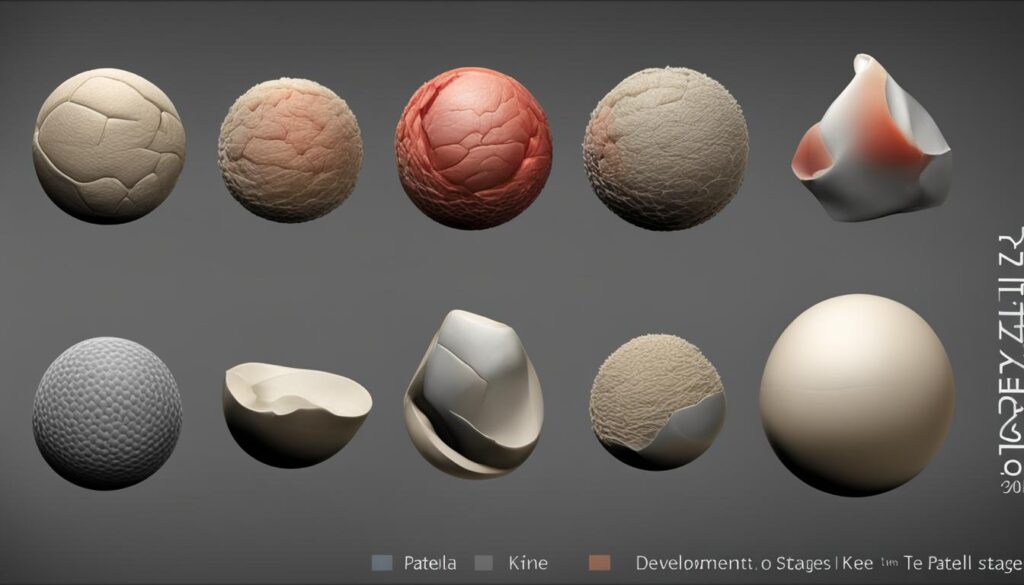
It may come as a surprise, but newborns do not have fully formed kneecaps. Instead, their kneecaps are made of cartilage and gradually develop into bone over time. The process of patella development, known as ossification, takes several years, with the kneecap fully developing into bone by the age of 10 or 12. This fascinating transformation is just one aspect of the intricate growth and development of the patella in our bodies.
However, the journey to a fully developed patella is not always smooth. Complications can arise during patella development, leading to conditions such as bipartite patella, Osgood-Schlatter disease, tendon or ligament injuries, and torn meniscus. These issues can result in knee pain and sports injuries, especially in adolescents who engage in high-impact physical activities.
Understanding the stages of patella development by age is crucial in the field of pediatric orthopedics. By monitoring and addressing any concerns, we can promote the proper development of the patella, enhance skeletal maturity, and ensure the long-term knee health of individuals.
The Function and Structure of the Patella
The patella, also known as the kneecap, plays a crucial role in the function and structure of the knee joint. This small, semi-round bone is embedded within the quadriceps tendon, which connects the muscles in the front of the thigh to the tibia bone of the lower leg. Positioned at the front of the knee, the patella acts as a protective shield for the underlying tendon and ligament structures.
One of the main functions of the patella is to enhance knee movement. As the knee flexes and extends, the patella glides along the femur, the long bone of the thigh. This movement helps the knee joint to achieve a greater range of motion, allowing for activities such as walking, running, and jumping.
The patella is surrounded by a network of ligaments and tendons, including the quadriceps tendon that connects the quadriceps muscles to the patella, and the patellar tendon that connects the patella to the tibia bone. These tendons and ligaments provide stability and support to the knee joint, enabling efficient movement and preventing excessive stress on the joint.
In addition, the patella is cushioned by cartilage, a tough and flexible connective tissue that reduces friction between the patella and the femur during movement. This cartilage, also known as articular cartilage, helps to absorb shock and distribute weight evenly across the knee joint, thereby protecting the underlying bones and joint structures.
Maintaining knee joint health is crucial for overall well-being and mobility. The knee joint is a primary weight-bearing joint, and it can be subjected to significant pressure and stress during daily activities. Engaging in regular exercise, maintaining strong quadriceps muscles, and taking measures to prevent injuries can all contribute to optimal knee health.
In summary, the patella serves a vital role in the knee joint by protecting the tendon and ligament structures, enhancing knee movement, and contributing to knee joint stability. Its structure, surrounded by ligaments, tendons, and cartilage, allows for smooth and efficient movement. By taking care of our knees and ensuring their health, we can maintain an active and pain-free lifestyle.
Normal Development of the Legs and Knees in Children
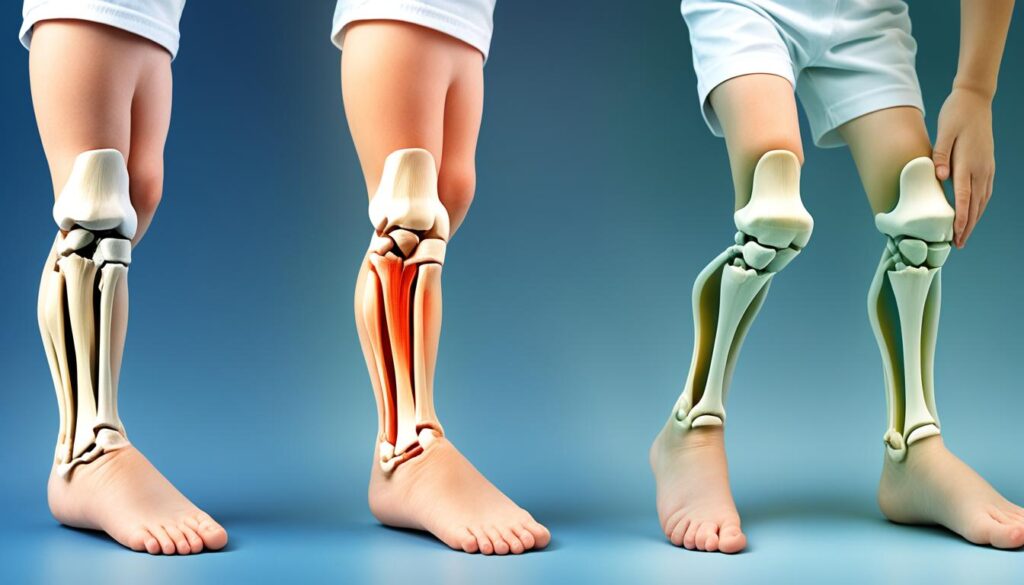
As children grow, their leg alignment undergoes natural changes, making them appear bowlegged or knock-kneed at different stages. Most children are naturally bowlegged when they start walking, but by the age of 2 or 3, their legs start to look more like knock knees. The peak of the knock knee phase occurs within the next 1-2 years, and by 6 years of age, the knees typically straighten into a more aligned position.
Futher evaluation by a pediatric orthopedist may be necessary if a child’s leg alignment falls outside of the normal pattern or if there is an abnormal profile on only one side.
| Age | Leg Alignment |
|---|---|
| Babies | Bowlegged |
| 2-3 years | Knock knees |
| 6 years | Straightened knees |
Pediatric Orthopedic Evaluations for Leg and Knee Alignment Concerns
When parents have concerns about their child’s leg or knee alignment, they often seek professional evaluations from pediatric orthopedists. At [Pediatric Orthopedic Clinic], our team of experienced orthopedists specializes in evaluating and treating leg and knee alignment issues in children.
During the evaluation process, our pediatric orthopedist will begin by asking for a detailed medical history to understand any underlying conditions or previous injuries that may have contributed to the alignment concern. Next, a thorough physical examination will be conducted, including observing how the child walks and assessing their range of motion.
“It is crucial to gather a comprehensive evaluation and assessment of the child’s leg alignment and knee alignment,” explains Dr. [Last Name], one of our pediatric orthopedists. “By understanding the child’s unique circumstances, we can provide an accurate diagnosis and develop an appropriate treatment plan.”
In some cases, X-rays may be requested to assess the alignment more accurately. X-rays provide detailed images of the bones and joints, enabling the orthopedist to identify any angular or torsional deformities.
“We consider various factors when determining the need for treatment,” says Dr. [Last Name]. “If the angular or torsional deformities are extreme or asymmetric, or if there is an underlying cause such as rickets or growth plate injuries, treatment may be necessary.”
Treatment options will vary depending on the severity and underlying cause of the leg and knee alignment concerns. For mild deformities, the orthopedist may recommend regular monitoring to ensure that the child’s alignment improves naturally over time.
However, more pronounced deformities may require intervention. Surgical treatment may be considered if the child’s age and the nature of the deformity suggest that surgery is the most effective and beneficial option.
“We take a personalized approach to treatment, tailoring our recommendations to each child’s individual needs,” emphasizes Dr. [Last Name]. “Our goal is to improve leg and knee alignment, alleviate pain, and promote optimal function and growth in our young patients.”
At [Pediatric Orthopedic Clinic], we understand the importance of early intervention and proper evaluation in addressing leg and knee alignment concerns in children. Our team of dedicated pediatric orthopedists is committed to providing comprehensive evaluations, accurate diagnoses, and effective treatment options to ensure the best possible outcomes for our patients.
Our Commitment to Quality Care
At [Pediatric Orthopedic Clinic], we prioritize the well-being and development of our young patients. Our team of skilled pediatric orthopedists combines extensive experience with cutting-edge technology to deliver the highest standard of care.
Our commitment to quality care is reflected in our personalized treatment plans, compassionate approach, and dedication to improving the leg and knee alignment of children. Trust us to provide the expert evaluation and treatment your child deserves.
Conclusion
Understanding the stages of patella development by age is crucial in the field of pediatric orthopedics. We know that babies are born with cartilaginous kneecaps, which gradually ossify over time. However, complications can arise during this process, leading to leg and knee alignment issues. It is important to monitor these alignments in children and seek professional evaluations when necessary.
Treatment options for leg and knee alignment problems can vary depending on the severity and underlying cause of the deformity. In some cases, mild deformities can be monitored and may resolve on their own as the child grows. However, more significant deformities may require intervention, such as physical therapy or even surgical correction. Pediatric orthopedic specialists can provide guidance and recommend appropriate treatment options based on each individual case.
By staying vigilant and addressing any concerns regarding leg and knee alignment, we can ensure the proper development and health of the patella, as well as promote overall skeletal well-being in children. If you have any concerns about your child’s leg or knee alignment, don’t hesitate to consult a pediatric orthopedic specialist for evaluation and treatment.
FAQ
What is the typical age range for patella development?
The process of patella development, known as ossification, begins around the ages of 2 to 6 and completes by age 10 or 12.
What complications can arise during patella development?
Complications may include bipartite patella, Osgood-Schlatter disease, tendon or ligament injuries, and torn meniscus.
How can I keep my knee joint healthy during patella development?
You can maintain knee joint health by strengthening muscles, engaging in non-weight-bearing exercises, and performing range-of-motion exercises.
What is the function of the patella?
The patella protects the tendon and ligament structures of the knee joint and enhances knee movement.
What structures surround the patella?
The patella is surrounded by ligaments, tendons, and cartilage that help cushion the joint during movement.
Why do children’s leg alignment change as they grow?
As children grow, their leg alignment undergoes natural changes, making them appear bowlegged or knock-kneed at different stages.
When do children typically outgrow the knock knee phase?
The peak of the knock knee phase occurs between the ages of 3 and 5, and by 6 years of age, the knees typically straighten into a more aligned position.
When should I seek an evaluation from a pediatric orthopedist for my child’s leg or knee alignment?
If a child’s leg alignment falls outside of the normal pattern or if there is an abnormal profile on only one side, it is recommended to seek an evaluation from a pediatric orthopedist.
What can I expect during a pediatric orthopedic evaluation for leg and knee alignment concerns?
The orthopedist will ask for a detailed medical history, conduct a thorough physical examination, and may take X-rays to assess the alignment more accurately.
What treatment options are available for extreme or asymmetric angular or torsional deformities in children?
Treatment options vary depending on the severity and underlying cause of the deformity. Mild deformities can be monitored over time, while more pronounced deformities may require surgical intervention, depending on the child’s age and the nature of the deformity.
Why is it important to address concerns about patella development and leg alignment in children?
Addressing concerns about patella development and leg alignment in children is crucial to ensure proper development and overall skeletal well-being. Early intervention can prevent complications and promote optimal growth and function.
Source Links
- https://www.hss.edu/conditions_bowlegs-and-normal-growth-development-legs-knees.asp
- https://www.healthline.com/health/do-babies-have-kneecaps
- https://www.ncbi.nlm.nih.gov/pmc/articles/PMC6461774/




One Comment