How to Prevent Meniscus Tears During World Cup Training: A Complete Guide for Athletes
How to Prevent Meniscus Tears During World Cup Training: A Complete Guide for Athletes
If you are serious about how to prevent meniscus tears World Cup training demands, you need to act before knee pain ever appears, not after. The FIFA 11+ structured warm-up program alone reduces lower-extremity injury incidence by 30% to 50% when applied consistently, which tells us just how much deliberate preparation matters when training intensity is at its peak.
World Cup-level training puts extraordinary stress on the knee joint, and the meniscus, the C-shaped cartilage that cushions and stabilizes every step, is one of the first structures to suffer when that stress is unmanaged.
Key Takeaways
| Question | Answer |
|---|---|
| What causes meniscus tears during World Cup training? | Sudden pivoting, cutting movements, overloaded training sessions, poor warm-up routines, and fatigue are the primary drivers of meniscal injury at elite training intensity. |
| How can athletes prevent meniscus tears in high-intensity training? | Structured warm-ups (like FIFA 11+), targeted knee strengthening, load monitoring, proper landing mechanics, and adequate recovery all significantly lower risk. |
| Is knee pain always a sign of a meniscus tear? | No, but persistent knee pain, especially with swelling or locking, should be evaluated by a medical professional as soon as possible. |
| Which athletes are at highest risk? | Players over 30 and those undergoing rapid spikes in training load face the greatest risk of a torn meniscus during World Cup preparation cycles. |
| Can protective gear reduce tear risk? | Knee braces and supportive wraps can reduce instability and absorb impact, particularly for athletes with prior knee injuries or ligament vulnerabilities. |
| What is the role of sleep in injury prevention? | Poor sleep increases injury risk by up to 1.7 times, making recovery and rest a non-negotiable part of any World Cup training plan. |
| Where can I learn more about knee injuries? | Our comprehensive guide to understanding and overcoming knee pain covers diagnosis, treatment, and long-term management strategies. |
Understanding the Meniscus and Why World Cup Training Puts It at Risk
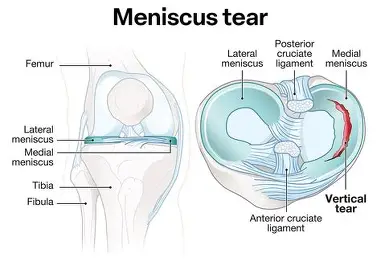
The meniscus is a pair of fibrocartilage discs located inside the knee joint, one on the inner (medial) side and one on the outer (lateral) side. These structures absorb shock, distribute weight evenly across the joint, and help stabilize the knee during movement.
During World Cup training, athletes perform explosive sprints, sharp directional cuts, jumping drills, and high-speed tackles that place enormous rotational and compressive forces on the knee. When the body is fatigued or unprepared, the meniscus becomes the first casualty.
Understanding how this cartilage functions helps us design smarter prevention programs. The medial meniscus, which is less mobile than the lateral side, is 2 to 3 times more likely to be injured in active athletes, particularly during pivoting and cutting movements common in soccer and football.
For a deeper look at what happens when the meniscus is damaged, our resource on torn meniscus injuries explains the anatomy, types of tears, and what recovery typically involves.
Key Risk Factors for Meniscus Tears That Every World Cup Athlete Must Know
Knowing your risk factors is the foundation for any smart prevention strategy. The following factors consistently appear across sports medicine research as the most significant contributors to meniscal injury during elite training.
- Rapid training load increases: Jumping from low-intensity preseason sessions to full match-speed drills without gradual progression stresses unprepared tissue.
- Fatigue: As muscles tire, they absorb less force, transferring more load directly to the cartilage and ligaments of the knee.
- Poor landing mechanics: Collapsing the knee inward (valgus collapse) during jumps or direction changes dramatically increases rotational stress on the meniscus.
- Previous knee injuries: Athletes with a history of ligament knee injuries are significantly more vulnerable to secondary meniscal damage.
- Age: Players over 30 experience naturally reduced tissue elasticity, making the meniscus more prone to tearing under the same forces a younger athlete might tolerate.
- Inadequate warm-up: Cold, unprepared tissue tears more easily than tissue that has been progressively activated and warmed.
Recognizing these risk factors early allows coaching and medical staff to personalize training plans and build in the protective measures discussed in the following sections.
How to Prevent Meniscus Tears in World Cup Training: Warm-Up and Neuromuscular Protocols
The single most evidence-based tool available to prevent meniscus tears in World Cup training is a structured, neuromuscular warm-up routine. The FIFA 11+ program was specifically designed for football players and has been validated across multiple elite cohorts.
A proper neuromuscular warm-up achieves several goals simultaneously: it increases tissue temperature, activates the stabilizing muscles around the knee, improves proprioception (the body’s sense of joint position), and primes the nervous system for explosive movement patterns.
Here is a framework for an effective pre-training warm-up designed to protect the knee during high-intensity sessions:
- General cardiovascular activation (5 minutes): Light jogging, lateral shuffles, and dynamic hip circles to raise core body temperature.
- Dynamic stretching (5 minutes): Leg swings, walking lunges with rotation, and inchworms targeting the hamstrings, hip flexors, and calf muscles.
- Neuromuscular activation (5-7 minutes): Single-leg balance drills, lateral band walks, and controlled squat patterns with emphasis on knee tracking over the second toe.
- Sport-specific movement prep (5 minutes): Progressive cutting patterns, deceleration drills, and jump-landing sequences at controlled intensity before full-speed work begins.
We recommend that every team implement this type of routine before every session, not just match days. Consistency is what drives injury reduction numbers down.
Discover five practical tips to protect the meniscus during World Cup training. This infographic highlights strategies to reduce tear risk and stay game-ready.
Strength Training Strategies to Prevent Meniscus Tears During World Cup Training
Muscle strength is the most durable form of joint protection we have. When the muscles surrounding the knee are strong and balanced, they absorb and redirect forces that would otherwise concentrate on the cartilage and ligaments.
The following muscle groups are the primary targets for any knee-protection strength program at World Cup training level:
- Quadriceps: The quad muscles directly control knee extension and deceleration. Weakness here forces the meniscus to absorb forces the muscle should be handling.
- Hamstrings: The hamstrings balance quad dominance and protect against hyperextension. Nordic hamstring curls have shown significant ACL and secondary meniscus injury reductions in professional football.
- Hip abductors and external rotators: These muscles control valgus collapse. Exercises like clamshells, lateral band walks, and single-leg squats train this pattern directly.
- Glutes: Strong glutes offload the knee by absorbing ground reaction forces higher up the kinetic chain.
- Calf and ankle complex: Stable ankle dorsiflexion allows for proper squat and landing mechanics, reducing rotational stress at the knee.
For athletes managing existing knee pain alongside a prevention program, our resource on knee pain causes and management provides additional context on how to modify training without aggravating symptoms.
“The knee is not an isolated joint.” Its health depends on the strength and coordination of the entire lower limb chain, from the hip to the ankle. Treating it in isolation during World Cup training is one of the most common mistakes we see in athlete preparation.
Load Management: A Critical Approach to Prevent Meniscus Tears in World Cup Training
High match load spikes the risk of lower-extremity injuries by 3 times for professional athletes. This single statistic explains why load management has become one of the most discussed topics in elite sports medicine heading into the 2026 World Cup cycle.
Load management means systematically tracking and controlling how much physical stress athletes accumulate over time. The key principle is the acute-to-chronic workload ratio: the relationship between what an athlete did in the last week versus what they averaged over the past month.
When that ratio spikes too high too fast, tissue injury risk rises sharply. Here are the core load management strategies used by World Cup medical teams in 2026:
- GPS tracking: Monitors distance covered, sprint volume, acceleration and deceleration counts, and directional change frequency every session.
- Session RPE (Rate of Perceived Exertion): A simple but effective subjective measure of how hard each athlete felt a session was, multiplied by session duration.
- Individual load thresholds: Based on each player’s historical data, training staff set soft and hard limits for weekly and block-level load accumulation.
- AI-assisted risk modeling: In 2026, AI-powered systems now predict injury risk with up to 72% accuracy for professional football clubs, allowing teams to intervene before a player’s knee gets hurt.
Understanding how traumatic forces accumulate over a training cycle is essential. Our article on traumatic knee injuries explains how acute overload events lead to structural damage even in elite, well-conditioned athletes.

Protecting the Knee: Ligament Health and Its Connection to Meniscus Safety
The meniscus and the ligaments of the knee do not work in isolation. When ligament stability is compromised, the meniscus compensates by absorbing additional shear and rotational forces, dramatically increasing its vulnerability to tearing.
The medial collateral ligament, lateral collateral ligament, ACL, and PCL all contribute to keeping the knee in proper alignment during the explosive movements that define World Cup training. Weakness or previous injury to any of these structures shifts the mechanical burden directly onto the cartilage.
We have detailed resources covering the most common ligament injuries that often occur alongside or before a meniscal tear:
- ACL injuries and the role of knee bracing in protecting the joint during return-to-sport phases.
- PCL knee injuries, which are particularly common in contact sports at tournament intensity.
- General ligament knee injury information covering diagnosis, grading, and rehabilitation timelines.
For athletes with a history of ligament issues, wearing a well-fitted brace during high-intensity World Cup training sessions can meaningfully reduce the rotational and compressive forces transmitted to the meniscus.
Sleep, Nutrition, and Recovery: The Hidden Pillars of Knee Health in Elite Training
We often focus on what happens on the training pitch, but the greatest tissue repair and adaptation happens off it. Sleep, nutrition, and structured recovery time are not optional extras in a World Cup preparation program; they are biological necessities for keeping the knee healthy.
Sleep: Poor sleep quality is associated with a 1.7-times higher risk of muscle and joint-related injuries. For athletes traveling across time zones for the 2026 World Cup, managing circadian rhythm disruption is a genuine medical priority, not just a comfort issue.
Nutrition: The meniscus, like all cartilage, is relatively avascular (has limited blood supply), which means it depends on nutrient diffusion through joint fluid for repair. The following nutritional priorities support knee cartilage health:
- Adequate protein: 1.6 to 2.2 grams per kilogram of body weight daily to support muscle recovery that offloads the joint.
- Collagen precursors: Vitamin C combined with collagen supplements (10-15g) taken before sessions has shown promising cartilage support benefits in emerging research.
- Anti-inflammatory foods: Omega-3 fatty acids (oily fish, flaxseed), turmeric, and antioxidant-rich vegetables help manage the systemic inflammation that accumulates during heavy training blocks.
- Hydration: Cartilage is approximately 70-80% water; even mild dehydration reduces its ability to cushion compressive loads effectively.
Active recovery: Low-intensity swimming, cycling, or controlled yoga-based movement on rest days promotes blood flow and joint fluid circulation without adding mechanical load to the knee.
Chondromalacia and Other Conditions That Elevate Meniscus Tear Risk
Athletes who already experience knee pain during training may be dealing with conditions that, if left unaddressed, increase susceptibility to a meniscus tear. One common co-occurring condition is chondromalacia patella, where the cartilage underneath the kneecap softens and deteriorates.
Chondromalacia changes the biomechanics of the entire knee joint, altering how forces are distributed across the meniscus during activity. Our detailed resource on chondromalacia patella and its effects on the knee covers symptoms, diagnosis, and management in the context of active athletes.
Similarly, patellar tendon injuries alter the timing and coordination of knee stabilization during explosive movements, a pattern that frequently precedes meniscal damage in World Cup-level training environments. Understanding the full picture of what is happening inside the knee matters enormously for designing a prevention plan that actually works.
When Knee Pain During World Cup Training Signals a Serious Problem
Not every episode of knee pain during training indicates a meniscus tear, but certain symptoms are warning signs that should never be dismissed or trained through. Recognizing them early is what separates a minor setback from a season-ending injury.
Seek medical evaluation promptly if you experience any of the following:
- A popping sensation at the moment of injury followed by immediate swelling.
- Knee locking or catching: The joint temporarily refuses to straighten fully, often a sign of a displaced meniscal fragment.
- Pain along the joint line: Tenderness directly on the inner or outer edge of the knee, particularly with squatting or twisting.
- Persistent swelling that does not resolve within 24 to 48 hours of rest and ice.
- Giving way: A sensation that the knee is about to buckle under load, which may indicate combined ligament and meniscal involvement.
If a knee hurts consistently after sessions despite adequate warm-up and load management, that is not normal training soreness. That is the joint signaling that something structural needs professional attention.
Our comprehensive resource on knee pain walks through the diagnostic process and helps athletes understand when conservative management is appropriate versus when imaging and specialist evaluation are necessary.
For athletes who have experienced prior traumatic events to the knee, reviewing our content on traumatic knee injuries is a useful starting point for understanding how acute events influence long-term joint vulnerability.
A Practical Weekly Prevention Framework for World Cup Athletes
Putting all of these strategies together requires a structured weekly rhythm. Below is a practical framework that integrates warm-up, strength, load management, and recovery into a coherent plan suitable for World Cup training cycles in 2026.
| Day | Training Focus | Knee Protection Priority |
|---|---|---|
| Monday | Moderate technical session | Full FIFA 11+ warm-up, post-session ice and elevation |
| Tuesday | High-intensity tactical work | GPS load monitoring, quad and hamstring activation warm-up |
| Wednesday | Strength and conditioning | Nordic hamstring curls, hip abductor exercises, landing mechanics |
| Thursday | Active recovery | Low-intensity cycling or swimming, sleep optimization review |
| Friday | Match preparation (technical) | Short, sharp warm-up, brace use for at-risk players |
| Saturday | Match or full-intensity scrimmage | Load cap review post-match, cold water immersion |
| Sunday | Full rest or very light movement | Sleep, nutrition focus, collagen supplementation |
This framework is a starting template. Every athlete’s load tolerance and injury history is different, and individualization within this structure is what produces the best outcomes.
Conclusion
To prevent meniscus tears during World Cup training, athletes and coaching staff need to combine science-backed warm-up routines, targeted knee strengthening, disciplined load management, smart protective equipment choices, and rigorous recovery habits into a unified daily practice.
The strategies to prevent meniscus tears in World Cup training are not complicated in principle, but they require consistency, monitoring, and the willingness to act on early warning signs before knee pain becomes a structural injury. The knee is a remarkably resilient joint when it is properly supported, but it will not tolerate repeated neglect at the training intensities that elite football demands in 2026.
We encourage every athlete, trainer, and medical professional involved in World Cup preparation to treat meniscal health as a proactive responsibility rather than a reactive problem. If you are dealing with existing knee issues or want to understand your full injury risk picture, our comprehensive guide to managing and overcoming knee pain is a strong place to begin.
Frequently Asked Questions
How do you prevent meniscus tears during World Cup training specifically?
The most effective approach to prevent meniscus tears in World Cup training combines structured neuromuscular warm-ups (like FIFA 11+), progressive load management, hip and hamstring strengthening, and careful monitoring of fatigue signals. Applying these consistently throughout the training block, not just during heavy weeks, is what drives measurable injury reduction.
What does a meniscus tear feel like during training?
A meniscus tear typically produces a sharp, localized pain along the inner or outer knee joint line, often accompanied by swelling within 24 hours and sometimes a locking or catching sensation when bending the knee. Many athletes also report that the knee gives way under load, which signals combined instability beyond simple muscle fatigue.
Can you keep training if your knee hurts during World Cup prep?
If a knee hurts with joint-line tenderness, swelling, or locking, training should stop immediately and medical evaluation sought, as these are classic indicators of a meniscal problem. Training through these symptoms dramatically increases the risk of a minor tear becoming a complex, surgically significant injury.
Is the FIFA 11+ warm-up actually effective for preventing meniscus injuries in 2026?
Yes, the FIFA 11+ program remains one of the most evidence-supported tools available in 2026, with studies showing it reduces overall lower-extremity injury incidence by 30% to 50% when applied consistently across a full season. Teams that implement it before every training session, not just before matches, see the greatest protective benefit for knee structures including the meniscus.
What knee strengthening exercises best protect against meniscus tears?
Nordic hamstring curls, single-leg squats, lateral band walks, hip thrusts, and controlled jump-landing drills that train knee-over-toe tracking are the most impactful exercises for meniscal protection during high-intensity training. These exercises build the muscle balance and neuromuscular control that keeps the meniscus from absorbing forces the surrounding muscles should be handling.
Are older players at greater risk of a meniscus tear during World Cup training?
Yes, athletes over 30 face compounded risks: naturally reduced tissue elasticity, accumulated micro-damage from years of high-level competition, and research showing their odds of returning to pre-injury performance after a tear are significantly lower than younger players. This makes load management and recovery optimization especially critical for veteran players in World Cup squads.
What is the difference between a meniscus tear and general knee pain from training?
General knee pain from training is typically diffuse, responds to rest within 24 to 48 hours, and does not involve mechanical symptoms like locking or giving way. A meniscus tear typically produces localized joint-line tenderness, pain with specific movements like deep squatting or pivoting, and swelling that persists beyond typical recovery windows; if those signs are present, imaging and specialist review are warranted.