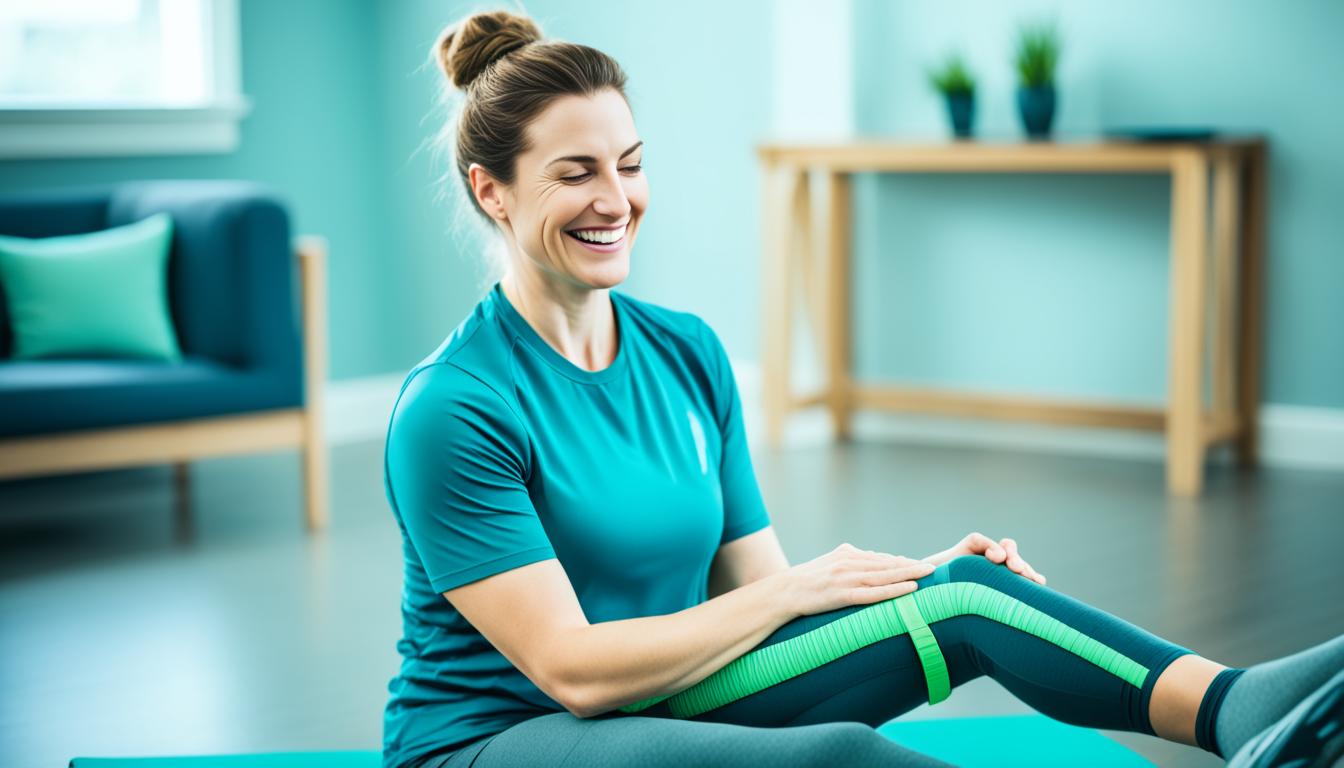
Relief for Patella Pain: Causes & Solutions
Did you know that patella pain, also known as patellofemoral pain, affects approximately 25% of active individuals?
When it comes to knee problems, patella pain is a common issue that can significantly impact daily activities and hinder one’s ability to engage in physical exercise and sports. This type of pain is typically felt around the front of the knee, where the knee connects with the lower end of the thigh bone (femur). If you are currently experiencing patella pain or want to learn more about how to prevent it, you’ve come to the right place.
In this article, we will explore the causes of patella pain, effective treatment options, and preventive strategies to help you find relief and manage this condition. Whether you’re an athlete, a fitness enthusiast, or simply someone looking to take care of their knee health, understanding the causes and solutions for patella pain is crucial.
By the end of this article, you will have a comprehensive understanding of patella pain and the tools necessary to alleviate discomfort, promote healing, and prevent future occurrences. So let’s dive in!
Common Causes of Patella Pain
Understanding the causes of patella pain is essential in developing effective treatment and prevention strategies. Patella pain, also known as patellofemoral pain, can be attributed to various factors that contribute to strain on the knee joint. By identifying these causes, we can address the root of the problem and find relief from the discomfort.
Structural Defects
Structural abnormalities, such as misalignment of the patella or femur, can lead to patella pain. These defects can put extra pressure on the knee joint, causing pain and discomfort. Diagnosing and addressing these issues is crucial for effective management.
Improper Walking or Running Techniques
The way we walk or run can have a significant impact on our knee health. Incorrect techniques, such as overpronation or supination, can place excessive stress on the patella, leading to pain. It is important to learn proper gait mechanics to prevent unnecessary strain on the knee joint.
High Kneecap Position
A higher than normal position of the kneecap can cause patella pain. This misalignment can disrupt the natural movement of the patella, leading to inflammation and discomfort. Addressing the position of the kneecap through appropriate exercises and techniques can help alleviate the pain.
Weak Thigh Muscles
The muscles surrounding the knee joint play a crucial role in maintaining its stability and supporting its movements. Weak quadriceps or hamstrings can lead to imbalances and strain on the patella, resulting in pain. Strengthening these muscles through targeted exercises can help alleviate patella pain.
Tight Hamstrings
Tight hamstrings can contribute to patella pain by altering the biomechanics of the knee joint. When the hamstrings are tight, they can pull on the patella, causing it to track incorrectly and leading to discomfort. Regular stretching and flexibility exercises can help relax the hamstrings and reduce patella pain.
Poor Foot Support
Inadequate foot support, such as wearing shoes with insufficient arch support, can affect the alignment of the entire lower extremity. This misalignment can put unnecessary stress on the patella, resulting in pain. Opting for footwear that provides proper cushioning and support can help alleviate patella pain.
Excessive Training or Overuse
Engaging in intense physical activity without proper rest and recovery can lead to overuse injuries, including patella pain. Constant repetitive movements and high impact activities can strain the knee joint and cause discomfort. Balancing training intensity with adequate rest is essential for preventing patella pain.

Identifying the underlying causes of patella pain allows us to develop effective treatment and prevention strategies. By addressing structural defects, improving walking or running techniques, optimizing kneecap position, strengthening thigh muscles, stretching tight hamstrings, ensuring proper foot support, and avoiding excessive training or overuse, we can alleviate patella pain and promote knee health.
Effective Treatment for Patella Pain
The treatment of patella pain often begins with simple measures. Resting the knee and avoiding activities that exacerbate the pain, such as climbing stairs or squatting, is recommended. Over-the-counter pain relievers, such as acetaminophen or ibuprofen, can be taken for temporary relief. Physical therapy exercises, including rehabilitation exercises and strengthening exercises for the muscles that support the knee, can be beneficial in relieving patella pain. Other treatment options include the use of supportive braces, taping techniques, icing after exercise, and the use of orthotics or shoe inserts. In more severe cases, surgical procedures such as arthroscopy or realignment may be recommended.
When it comes to treating patella pain, a holistic approach that combines various methods often yields the best results. Let’s take a closer look at some effective treatment options:
1. Rest and Avoidance of Aggravating Activities
One of the first steps in managing patella pain is to give the knee adequate rest. This means avoiding activities that put strain on the knee joint and worsen the pain. Climbing stairs, squatting, and participating in high-impact sports should be avoided until the pain subsides.
2. Over-the-Counter Pain Relievers
Over-the-counter pain relievers can provide temporary relief from patella pain. Medications such as acetaminophen or ibuprofen can help alleviate pain and reduce inflammation in the knee joint. However, it’s important to follow the recommended dosage and consult a healthcare professional if the pain persists or worsens.
3. Physical Therapy Exercises
Physical therapy exercises play a crucial role in the treatment of patella pain. These exercises focus on rehabilitating and strengthening the muscles that support the knee joint, such as the quadriceps and hamstrings. A physical therapist can guide individuals through a personalized exercise program that targets the specific areas of weakness and imbalance.
4. Supportive Braces and Taping Techniques
Supportive braces and taping techniques can provide additional stability to the knee joint and alleviate patella pain. These devices help distribute the forces exerted on the knee more evenly, reducing strain on the patella. A healthcare professional can recommend the appropriate type of brace or taping technique based on the individual’s condition and needs.
5. Icing and Orthotics
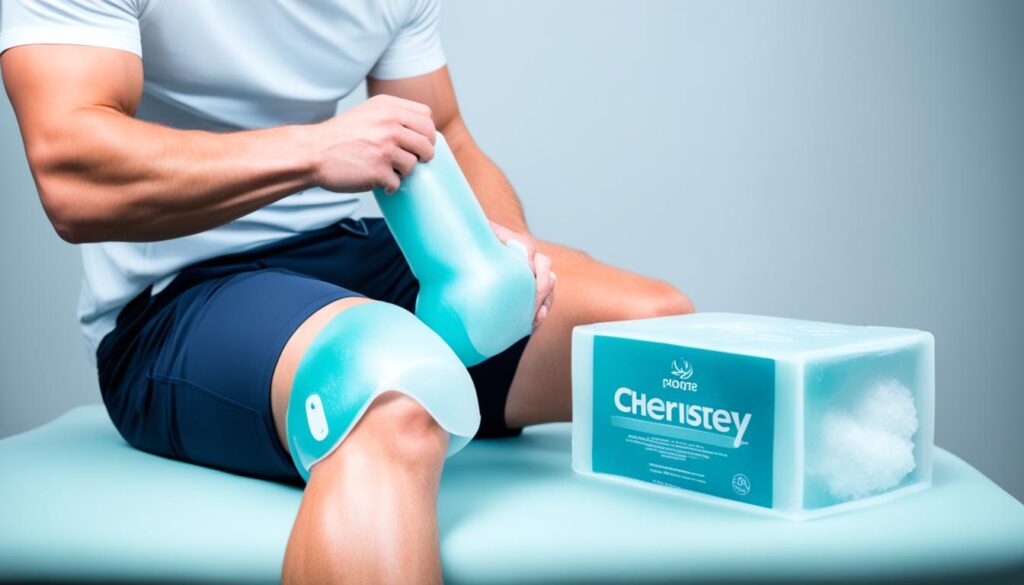
After engaging in physical activity, icing the knee can help reduce inflammation and relieve patella pain. Applying an ice pack for 15-20 minutes at a time, several times a day, can be effective. Additionally, the use of orthotics or shoe inserts can provide support and alignment to the feet, reducing stress on the knee joint.
6. Surgical Interventions
In severe cases where conservative measures do not provide sufficient relief, surgical interventions may be considered. Arthroscopic procedures can be used to diagnose and treat underlying issues within the knee joint, while realignment surgeries aim to correct any structural abnormalities that contribute to patella pain. These procedures should be discussed with a healthcare professional to determine the most appropriate course of action.
By combining these treatment options, individuals can effectively manage and find relief from patella pain. It’s important to consult with healthcare professionals for an accurate diagnosis and personalized treatment plan that addresses the underlying causes of patella pain.
Preventive Strategies for Patella Pain
Preventing patella pain involves taking certain preventive measures. By implementing these strategies, we can reduce the risk of developing patella pain and maintain optimal knee health.
- Maintain a healthy weight: Excess weight puts additional stress on the knee joints, increasing the likelihood of patella pain. By maintaining a healthy weight through proper nutrition and regular exercise, we can alleviate strain on the knees.
- Stretch before physical activities: Prior to engaging in physical activities, it is important to properly warm up the muscles and joints. Incorporate stretching exercises that target the quadriceps, hamstrings, and calf muscles to prepare the knees for movement.
- Gradually increase activity levels: When starting a new exercise program or intensifying physical activity, it is essential to gradually increase the duration and intensity. Sudden, intense workouts can lead to overuse and strain on the patella, causing pain. Take it slow and listen to your body’s signals.
- Wear proper footwear with good support: Investing in well-fitting shoes with adequate cushioning and arch support is crucial for maintaining proper alignment and reducing stress on the knees. Choose athletic shoes that are specifically designed for the type of activity you engage in.
- Practice correct techniques while running or exercising: Applying proper form and technique during physical activities is essential in preventing knee injuries and patella pain. Consult with a fitness professional or coach to ensure you are using the correct techniques and postures.
In addition to these preventive measures, paying attention to leg alignment during activities that put strain on the knees, such as going up and down stairs or squatting, can significantly reduce the risk of developing patella pain.
To further illustrate the importance of preventive strategies, let’s take a look at the following table:
| Activity | Risk of Patella Pain |
|---|---|
| Running with proper form and footwear | Low |
| Running with improper form and unsupportive footwear | High |
| Increased activity level gradually | Low |
| Sudden intense workouts | High |
| Proper leg alignment during activities | Low |
“Prevention is the key to maintaining healthy knees and avoiding patella pain. By implementing these strategies, we can protect our knees and enjoy an active, pain-free lifestyle.”
Conclusion
Patella pain is a challenging condition that can greatly impact individuals who are physically active. To find relief and effectively manage patella pain, it is crucial to understand its causes and implement appropriate treatment and prevention strategies. By following a comprehensive approach that includes rest, medication, physical therapy exercises, supportive braces or taping, and preventive measures, individuals can experience relief from patella pain and reduce the risk of future occurrences.
Consulting with healthcare professionals is paramount for an accurate diagnosis and personalized treatment plan. They can provide guidance on the most suitable pain relief options, such as over-the-counter pain relievers, and recommend specific exercises to strengthen the muscles supporting the knee joint. Additionally, healthcare professionals can offer valuable insight into preventive strategies, which may include maintaining a healthy weight, practicing proper running or exercise techniques, and wearing appropriate footwear with good support.
Remember, managing patella pain is a multifaceted process that requires commitment and consistency. By diligently following the recommended treatment plan and incorporating preventive measures into your daily routine, you can effectively alleviate patella pain, improve your knee health, and maintain an active lifestyle. Don’t let patella pain hold you back—take control of your knee health today!
FAQ
What causes patella pain?
Patella pain can be caused by various factors, including structural defects, improper walking or running techniques, high kneecap position, weak thigh muscles, tight hamstrings, poor foot support, and excessive training or overuse.
How can I find relief from patella pain?
To find relief from patella pain, it is important to rest the knee and avoid activities that exacerbate the pain. Over-the-counter pain relievers, physical therapy exercises, supportive braces or taping techniques, icing after exercise, and the use of orthotics or shoe inserts can also provide relief.
What are some treatment options for patella pain?
Treatment options for patella pain include rest, over-the-counter pain relievers, physical therapy exercises, supportive braces or taping techniques, icing after exercise, and in severe cases, surgical procedures such as arthroscopy or realignment may be recommended.
How can I prevent patella pain?
Preventive strategies for patella pain include maintaining a healthy weight, stretching before physical activities, gradually increasing activity levels, wearing proper footwear with good support, and practicing correct techniques while running or exercising. Paying attention to leg alignment during activities that put strain on the knees can also help prevent the development of patella pain.
Can patella pain be managed effectively?
Yes, patella pain can be managed effectively by following a comprehensive approach that includes rest, medication, physical therapy exercises, supportive braces or taping techniques, and preventive measures. By consulting with healthcare professionals for an accurate diagnosis and personalized treatment plan, individuals can experience relief from patella pain and reduce the risk of future occurrences.
Source Links
- https://www.ncbi.nlm.nih.gov/books/NBK561504/
- https://www.mayoclinic.org/diseases-conditions/patellofemoral-pain-syndrome/diagnosis-treatment/drc-20350797
- https://www.hopkinsmedicine.org/health/conditions-and-diseases/patellofemoral-pain-syndrome-runners-knee