Ease Knee Pain on Stairs – Find Relief Now
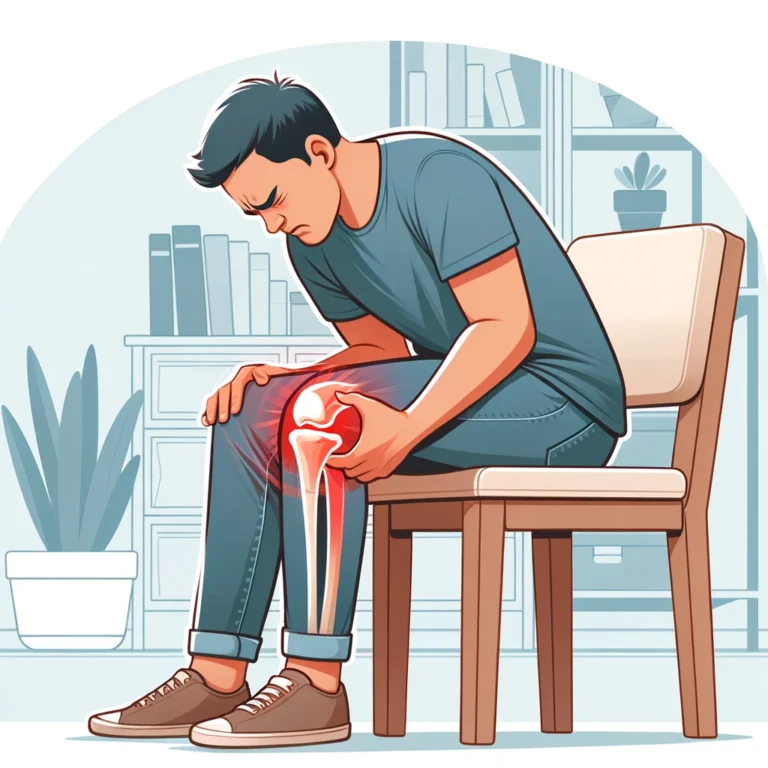
When climbing stairs, many people experience knee pain that can be both frustrating and limiting. Understanding the causes of knee pain and finding effective treatments and remedies is essential for finding relief and improving your comfort while navigating stairs. In this article, we will explore the various causes of knee pain while climbing stairs and provide you with expert advice and exercises to help alleviate your discomfort.
Key Takeaways:
- Identify the causes of knee pain while climbing stairs
- Learn about effective treatments and remedies for knee pain
- Discover the benefits of stair climbing for knee pain management
- Get tips for safe and effective stair climbing
- Consult with a healthcare professional for personalized advice
Understanding the Causes of Knee Pain on Stairs
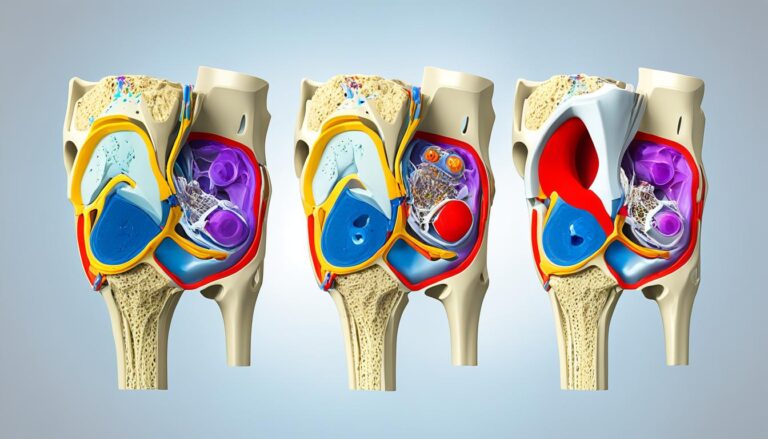
Knee pain when climbing stairs can be caused by several factors. Conditions such as patellofemoral pain syndrome, meniscus tears, chondromalacia patella, IT band syndrome, and muscle imbalances can all contribute to knee pain while using stairs. These conditions can result from overuse, injury, inflammation, or wear and tear on the knee joint. By identifying the specific cause of your knee pain, you can develop a targeted treatment plan to address the underlying issue and find relief.
Patellofemoral pain syndrome is a common condition that occurs when the kneecap and the groove it slides in become misaligned, causing pain and discomfort. Meniscus tears occur when the cartilage in the knee joint becomes damaged, usually due to sudden twisting or impact injuries. Chondromalacia patella, also known as runner’s knee, is a condition characterized by softening and deterioration of the cartilage under the kneecap. IT band syndrome is caused by inflammation of the iliotibial band, a thick band of tissue that runs along the outside of the thigh. Muscle imbalances, such as weak quadriceps or tight hamstrings, can also contribute to knee pain while climbing stairs.
Identifying the specific cause of your knee pain is crucial for developing an effective treatment plan. Consult with a healthcare professional or physical therapist who can assess your condition and provide personalized guidance. Once the cause of your knee pain is determined, targeted exercises, stretches, and other treatments can be recommended to address the underlying issue and alleviate your discomfort.
Understanding the root cause of your knee pain on stairs is the first step towards finding relief. By addressing the underlying factors responsible for your discomfort, you can implement a suitable treatment plan and regain your ability to navigate stairs with ease.
Effective Treatments for Knee Pain on Stairs
When it comes to treating knee pain while climbing stairs, there are various effective methods that can provide relief and improve your ability to navigate stairs comfortably.
One of the key approaches to managing knee pain is through targeted exercises that focus on strengthening the muscles around the knee. These exercises can help improve knee stability and reduce pain. Incorporating exercises that specifically target the quadriceps, hamstrings, and glutes can provide significant benefits. By strengthening these muscle groups, you can support and stabilize the knee joint, reducing stress on the knees during stair climbing.
In addition to exercises, it is crucial to focus on body awareness and modify your walking technique to alleviate knee pain. Pay attention to your posture and ensure that you are distributing your weight evenly between both legs while climbing stairs. This can help reduce strain on the knees and provide relief.
Another important aspect of knee pain treatment is to incorporate stretches and exercises that improve flexibility and reduce muscle imbalances. Tight muscles and imbalances can contribute to knee pain. By stretching regularly and engaging in exercises that promote muscle balance, you can alleviate tension and reduce the risk of knee pain while climbing stairs.
To summarize, effective treatments for knee pain on stairs include:
- Targeted exercises to strengthen the muscles around the knee
- Focusing on body awareness and modifying walking technique
- Incorporating stretches and exercises to improve flexibility and reduce muscle imbalances
By following these treatment strategies, you can mitigate knee pain and improve your ability to navigate stairs comfortably, ultimately enhancing your overall quality of life.

The Benefits of Stair Climbing for Knee Pain
Stair climbing offers a range of benefits for managing knee pain and improving overall knee health. By incorporating this exercise into your routine, you can strengthen the muscles surrounding the knee joint, reduce stress on the joint, manage your weight, and alleviate knee pain while climbing stairs.
One of the primary benefits of stair climbing is its ability to improve muscle strength in the quadriceps and hamstrings. These muscles play a crucial role in supporting and stabilizing the knee. By regularly engaging in stair climbing, you can enhance the strength of these muscles, providing better stability and reducing the risk of knee pain.
Moreover, stair climbing can aid in weight management. Excess weight puts additional stress on the knees, leading to increased discomfort and pain while climbing stairs. By incorporating stair climbing into your fitness routine, you can burn calories and facilitate weight loss, thereby reducing the load on your knees and alleviating knee pain.

The Importance of Stair Climbing Technique
When it comes to stair climbing for knee pain management, it is essential to maintain proper technique and form. By following these tips, you can maximize the benefits and minimize the risk of injury:
- Start slowly: Begin with a manageable number of stairs and gradually increase the duration and intensity of your stair climbing sessions.
- Use handrails for support: Grabbing onto handrails can provide extra stability, especially if you have balance issues or are new to stair climbing.
- Listen to your body: Pay attention to any discomfort or pain during stair climbing. If you experience excessive discomfort, reduce the intensity or duration of your sessions.
- Focus on proper form: Maintain an upright posture, engage your core muscles, and step onto each stair with the entire foot rather than just the toes.
- Warm up beforehand: Prior to stair climbing, perform a brief warm-up routine to loosen up the muscles around the knee joint and increase blood flow.
Incorporating these techniques and tips into your stair climbing routine can help you effectively manage knee pain and improve your overall knee function.
Tips for Safe and Effective Stair Climbing
When engaging in stair climbing as part of your knee pain treatment or management plan, it’s important to prioritize safety and maximize effectiveness. By following these tips, you can minimize the risk of injury and make the most of your stair climbing workouts.
1. Start Slowly and Gradually Increase Intensity
Begin your stair climbing routine at a comfortable pace and gradually increase the intensity over time. This allows your muscles and joints to adapt and helps prevent unnecessary strain on your knees. Remember, progress is a marathon, not a sprint.
2. Use Handrails for Support
Make use of the handrails when climbing stairs to provide additional support and stability. This can help reduce the load on your knees and minimize the risk of falls or accidents. Always maintain a firm grip on the handrails while ascending or descending.
3. Listen to Your Body’s Signals
Pay attention to any discomfort or pain signals from your body during stair climbing. If you experience increased knee pain or intense discomfort, it may be a sign to take a break, modify your technique, or reduce the intensity of your workout. Pushing through the pain can worsen your condition and lead to further injuries.
4. Maintain Proper Form
Adopting the correct form while stair climbing is essential for preventing knee pain and promoting efficient movement. Keep your back straight, engage your core muscles, and maintain an upright posture. Be mindful of your knee alignment, ensuring that they track over your toes and don’t collapse inward.
5. Lead with the Correct Leg
When climbing stairs, start with your stronger leg to initiate the movement. Alternate leading legs to distribute the workload evenly and prevent muscle imbalances. This balanced approach helps reduce knee pain and promotes stability during stair climbing exercises.
6. Warm Up Your Knee Joints
Prior to engaging in stair climbing, it’s crucial to warm up your knee joints to increase blood flow and flexibility. Perform gentle leg swings, knee circles, or quadriceps stretches to prepare your joints for the workout. This warm-up routine can help reduce the risk of knee pain and ensure a more effective stair climbing session.
By incorporating these tips into your stair climbing routine, you can safely and effectively manage knee pain while reaping the benefits of this exercise. Remember, if you have any concerns or questions about your knee pain or exercise regimen, consult with a healthcare professional or physical therapist for personalized guidance.
| Tips for Safe and Effective Stair Climbing | Benefits |
|---|---|
| Start Slowly and Gradually Increase Intensity | Prevents overexertion and allows for gradual muscle adaptation |
| Use Handrails for Support | Enhances stability and reduces the risk of falls or accidents |
| Listen to Your Body’s Signals | Prevents pushing through pain and minimizes the risk of worsening knee pain |
| Maintain Proper Form | Prevents improper knee alignment and ensures efficient movement |
| Lead with the Correct Leg | Promotes muscle balance and stability during stair climbing |
| Warm Up Your Knee Joints | Increases blood flow and flexibility, reducing the risk of knee pain |
Conclusion
Knee pain can have a significant impact on your daily activities and overall quality of life. However, by taking the time to understand the underlying causes of knee pain, implementing effective treatment strategies, and incorporating stair climbing into your routine, you can find relief and improve your knee function.
It is essential to consult with a healthcare professional or physical therapist who can provide personalized advice and guidance on managing and treating your knee pain. They can recommend specific exercises and stretches that target the muscles around the knee, enhance stability, and reduce pain. By following their recommendations, you can proactively manage your knee pain.
Stair climbing can be a valuable tool in knee pain management. Incorporating this exercise into your routine helps strengthen the muscles that support and stabilize the knee joint. Moreover, stair climbing can aid in weight management, reducing the load on your knees and minimizing knee pain while climbing stairs.
Remember, staying motivated and active is key to alleviating knee pain. By implementing the appropriate exercises, seeking professional guidance, and taking proactive steps towards managing your knee pain, you can regain your mobility, enhance your well-being, and enjoy a pain-free life.
FAQ
What are the common causes of knee pain while climbing stairs?
Knee pain while climbing stairs can be caused by conditions such as patellofemoral pain syndrome, meniscus tears, chondromalacia patella, IT band syndrome, and muscle imbalances. These conditions can result from overuse, injury, inflammation, or wear and tear on the knee joint.
What are the effective treatments for knee pain on stairs?
Effective treatments for knee pain on stairs include targeted exercises to strengthen the muscles around the knee, improve knee stability, and reduce pain. Modifying your walking technique, improving flexibility, and managing muscle imbalances are also essential. Additionally, consulting with a healthcare professional or physical therapist for personalized advice and guidance is recommended.
How can stair climbing help manage knee pain?
Stair climbing can help manage knee pain by strengthening the muscles around the knee joint, decreasing stress on the joint, and aiding in weight management. It improves muscle strength in the quadriceps and hamstrings, which support and stabilize the knee. Stair climbing can also contribute to weight loss, reducing the load on the knees and decreasing knee pain while climbing stairs.
What are some tips for safe and effective stair climbing?
Tips for safe and effective stair climbing include starting slowly and gradually increasing intensity, using handrails for support, and listening to your body’s signals to avoid overexertion. Maintaining proper form, leading with the correct leg, and warming up the knee joints before stair climbing are also important to minimize the risk of injury and maximize the benefits.
How can I alleviate knee pain while climbing stairs?
Alleviating knee pain while climbing stairs requires understanding the causes of knee pain, implementing effective treatments, and incorporating stair climbing into your routine. By strengthening the muscles around the knee, improving knee stability, and managing weight, you can find relief and improve your knee function. Consulting with a healthcare professional or physical therapist is recommended for personalized advice and guidance.