
Knee Pain Radiating Down Shin to Ankle: Causes and Treatments
Knee pain radiating down the shin to the ankle can be a sign of a serious injury or condition. It can be caused by various factors, including overuse, injury, or underlying medical conditions. Understanding the underlying causes of this type of pain is essential for proper diagnosis and treatment.
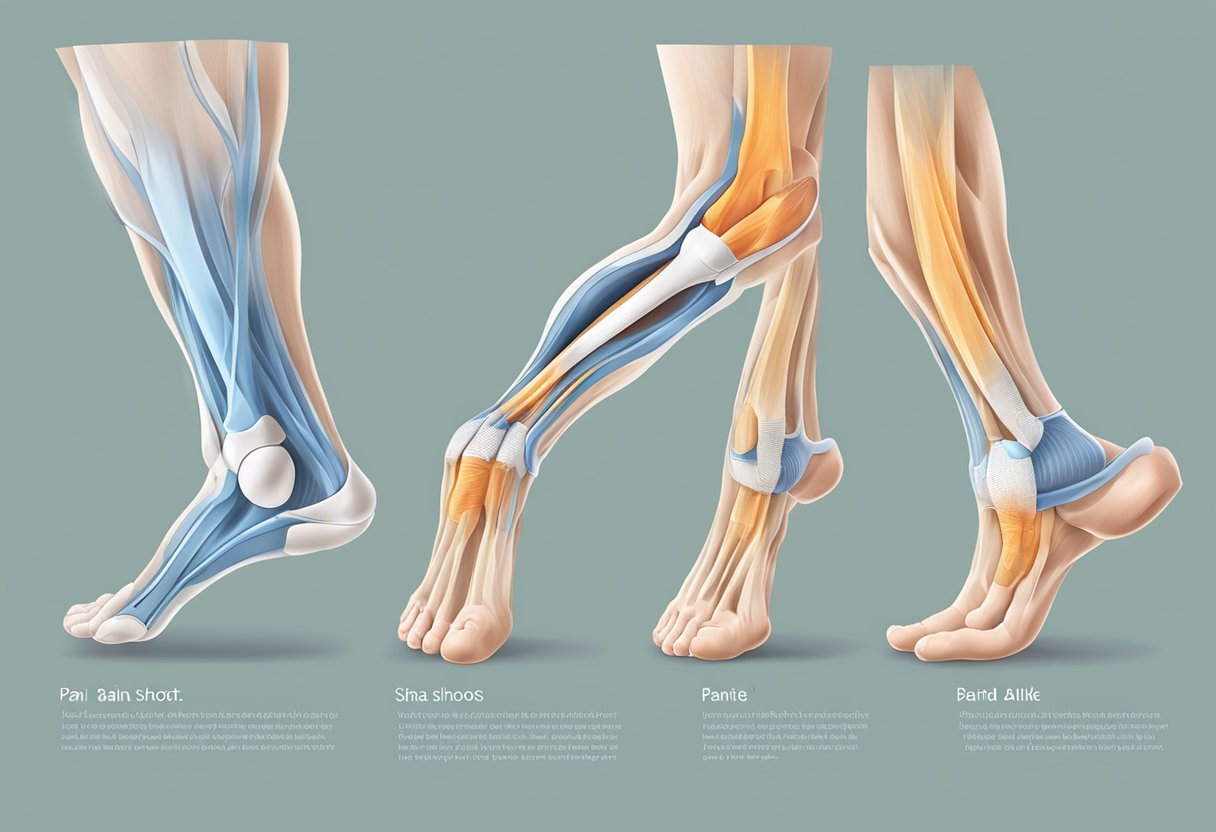
Symptoms of knee pain radiating down the shin to the ankle can include pain, swelling, and stiffness in the affected area. The pain may be sharp or dull and can be felt in the knee, shin, or ankle. In some cases, the pain may be accompanied by other symptoms such as numbness, tingling, or weakness in the leg.
If you are experiencing knee pain radiating down the shin to the ankle, it is important to see a healthcare provider for an accurate diagnosis and appropriate treatment. Treatment options may include rest, ice, compression, and elevation (RICE), physical therapy, medications, and in some cases, surgery. With proper treatment and management, most people can recover from knee pain radiating down the shin to the ankle and return to their normal activities.
Key Takeaways
- Knee pain radiating down the shin to the ankle can be caused by various factors.
- Symptoms of knee pain radiating down the shin to the ankle include pain, swelling, and stiffness in the affected area.
- Treatment options for knee pain radiating down the shin to the ankle may include RICE, physical therapy, medications, and in some cases, surgery.
Understanding Knee Pain and Its Causes
Knee pain is a common complaint that can occur due to various factors. It can be felt in different parts of the knee, including the front, back, and sides. In some cases, knee pain can also radiate down to the shin and ankle. In this section, we will discuss the common causes of knee pain and how age and overuse contribute to it.
Common Causes of Knee Pain
There are several possible causes of knee pain that can radiate down to the shin and ankle. These include:
- Arthritis: Arthritis is a condition that causes inflammation in the joints, leading to pain and stiffness. Osteoarthritis and rheumatoid arthritis are the two most common types of arthritis that can affect the knee joint.
- Tendinitis and Bursitis: Tendinitis is the inflammation of the tendons that attach muscles to bones, while bursitis is the inflammation of the bursae, which are small fluid-filled sacs that cushion the joints. Both of these conditions can cause knee pain and swelling.
- Overuse and Age: The knee joint is subjected to a lot of wear and tear over time, which can lead to overuse injuries. As we age, the cartilage in the knee joint can also wear down, leading to knee pain and stiffness.
- Injury: Knee injuries, such as tears in the ligaments or meniscus, can cause knee pain that radiates down to the shin and ankle. Overuse injuries, such as stress fractures, can also cause knee pain.
- Gout and Infections: Gout is a type of arthritis that occurs when uric acid crystals build up in the joints, leading to pain and inflammation. Infections, such as septic arthritis, can also cause knee pain.
How Age and Overuse Contribute to Knee Pain
Age and overuse are two of the most common factors that contribute to knee pain. As we age, the cartilage in the knee joint can wear down, leading to knee pain and stiffness. Overuse injuries, such as stress fractures and tendonitis, can also cause knee pain.
In addition, certain factors can increase the risk of knee pain, such as having flat feet or lower leg pain. Blood clots and medial tibial stress syndrome can also cause knee pain.
Overall, knee pain that radiates down to the shin and ankle can be caused by various factors, including arthritis, tendinitis, overuse, injury, gout, infections, and age. If you are experiencing knee pain, it is important to see a healthcare provider to determine the underlying cause and receive appropriate treatment.
Symptoms and Diagnosis
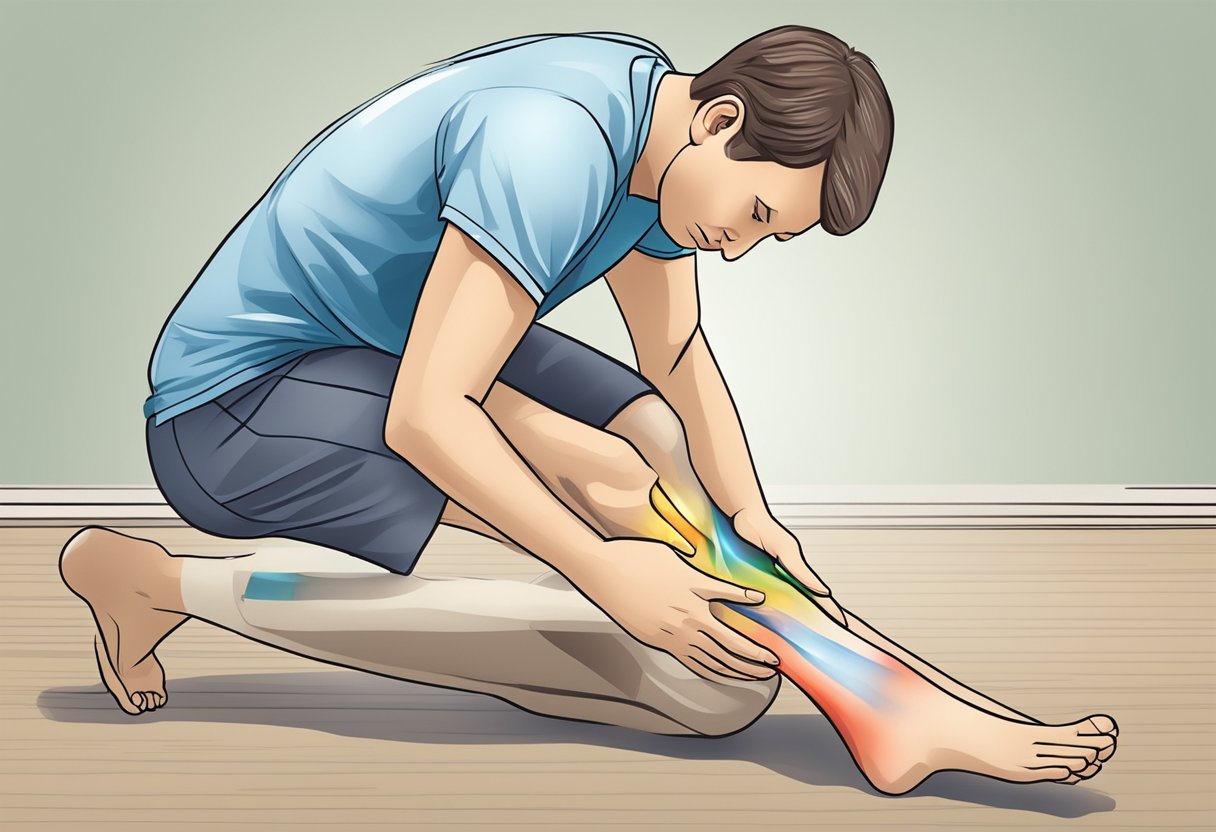
Recognizing Symptoms of Knee Pain
When experiencing knee pain that radiates down the shin to the ankle, it is important to recognize the symptoms to determine the underlying cause. Some common symptoms include:
- Swelling and redness around the knee joint
- Weakness or instability in the knee
- Popping or cracking sounds when moving the knee joint
- Stiffness or limited range of motion in the knee
- Tenderness or pain when touching the knee joint
If you experience any of these symptoms, it is important to seek medical attention to diagnose the underlying cause of your knee pain.
Diagnostic Tests for Knee Pain
To diagnose the underlying cause of knee pain that radiates down the shin to the ankle, your doctor may recommend one or more diagnostic tests, such as:
- X-rays: X-rays can help identify any fractures or other bone abnormalities that may be causing your knee pain.
- MRI: Magnetic resonance imaging (MRI) can provide detailed images of the soft tissues in and around the knee joint, which can help diagnose ligament or tendon injuries.
- CT scan: A computed tomography (CT) scan can provide detailed images of the bones and soft tissues in the knee joint, which can help diagnose complex fractures or other bone abnormalities.
- Ultrasound: An ultrasound can help diagnose soft tissue injuries, such as ligament or tendon tears.
Your doctor may also perform a physical examination of your knee joint to assess your range of motion, stability, and strength. In some cases, they may also perform blood tests to rule out any underlying infections or autoimmune disorders that may be causing your knee pain.
Overall, it is important to seek medical attention if you are experiencing knee pain that radiates down the shin to the ankle. By recognizing the symptoms and undergoing diagnostic tests, you can determine the underlying cause of your knee pain and receive appropriate treatment.
Treatment and Management Options
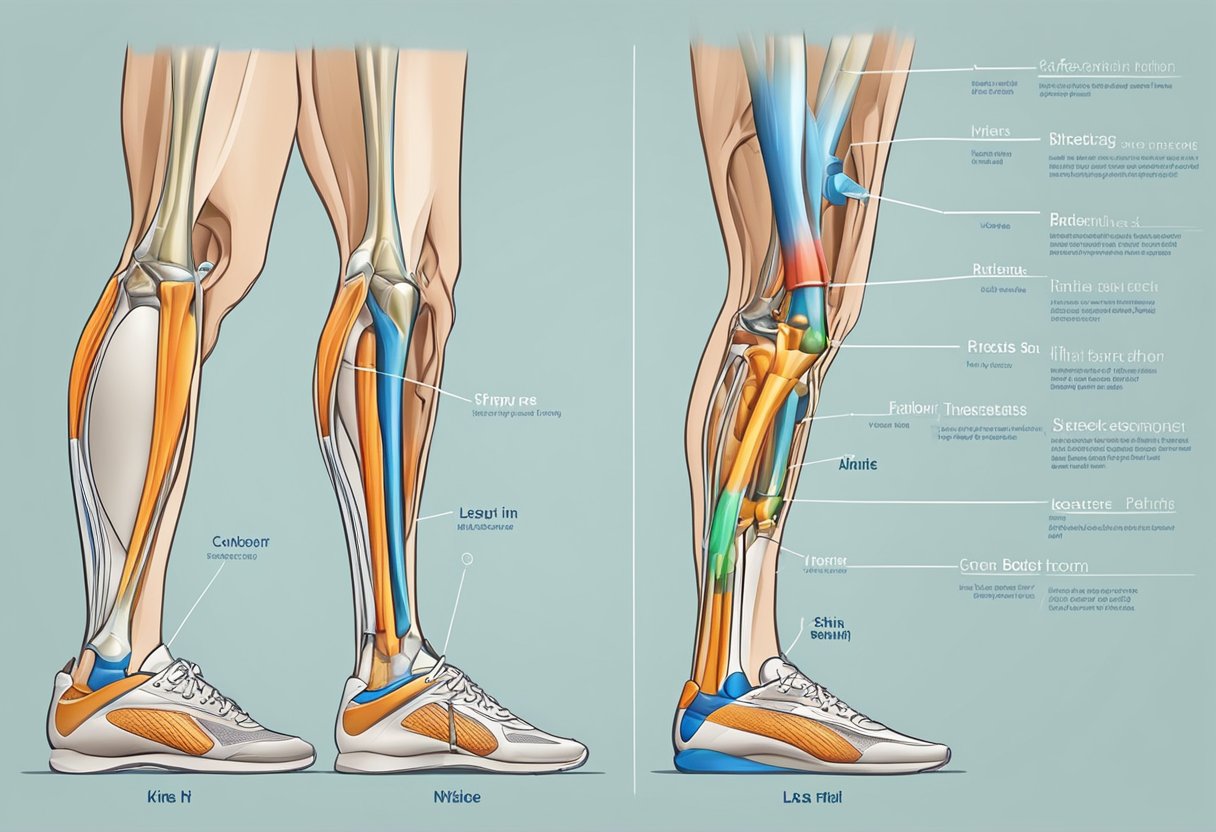
If you experience knee pain radiating down your shin to your ankle, it’s important to seek medical attention to determine the underlying cause and receive appropriate treatment. At our clinic, we offer comprehensive care for knee pain radiating down the shin to ankle, including non-surgical and surgical treatment options.
Non-Surgical Treatment Options
Non-surgical treatment options for knee pain radiating down the shin to ankle may include rest, physical therapy, anti-inflammatory medication, corticosteroid injections, and knee braces. Physical therapy can help strengthen the muscles around your knee, making it more stable and reducing pain. Anti-inflammatory medication can help relieve pain and reduce inflammation. Corticosteroid injections may also be used to reduce inflammation and pain. Knee braces can provide support and stability to the knee joint, reducing pain and preventing further injury.
Self-care measures can also be helpful in managing knee pain radiating down the shin to ankle. Resting the affected leg and applying compression can help reduce pain and swelling. Ice can also be applied to the affected area to reduce inflammation.
Surgical Procedures for Knee Pain
If non-surgical treatment options are not effective, surgery may be necessary to treat knee pain radiating down the shin to ankle. Surgical procedures may include arthroscopy, knee replacement, or other procedures, depending on the underlying cause of the pain.
At Nao Medical, we offer personalized treatment plans for knee pain radiating down the shin to ankle. Our team of experienced physicians and medical professionals will work with you to determine the best treatment plan for your individual needs. We offer same-day appointments for urgent care needs and strive to provide comprehensive care to all of our patients.
In conclusion, if you are experiencing knee pain radiating down your shin to your ankle, seeking medical attention is crucial. Non-surgical treatment options such as physical therapy, anti-inflammatory medication, and knee braces can be effective in managing pain, while surgical procedures may be necessary in some cases. At Nao Medical, we offer personalized treatment plans and strive to provide comprehensive care to all of our patients.
Prevention and Health Tips

At Nao Medical, we believe that prevention is always better than cure. Here are some tips to help prevent knee pain radiating down shin to ankle:
- Exercise regularly: Regular exercise is essential for maintaining healthy joints, muscles, and bones. Low-impact exercises such as swimming, cycling, and walking can help strengthen the muscles around the knee and reduce the risk of injury.
- Use proper technique: When performing exercises or sports activities that involve jumping or running, it’s important to use proper technique to avoid putting too much stress on the knee joint. This can help prevent knee injuries and reduce the risk of knee pain radiating down shin to ankle.
- Wear appropriate footwear: Wearing appropriate footwear is crucial for preventing knee pain radiating down shin to ankle. Shoes with good arch support and cushioning can help absorb shock and reduce the pressure on the knee joint.
- Apply ice: If you experience any swelling or inflammation around the knee joint, applying ice can help reduce pain and swelling. Wrap a cold pack or bag of ice in a towel and apply it to the affected area for 15-20 minutes at a time, several times a day.
- Manage stress: Stress can contribute to a number of health problems, including knee pain. Practicing relaxation techniques such as deep breathing, meditation, or yoga can help reduce stress and tension in the body.
It’s important to remember that knee pain radiating down shin to ankle can be caused by a variety of factors, including injury, overuse, or underlying medical conditions such as arthritis. If you experience persistent knee pain or any other symptoms, it’s important to seek medical attention to determine the underlying cause and develop an appropriate treatment plan.
Frequently Asked Questions
What are the common causes of knee pain that radiates down to the shin and ankle?
Knee pain that radiates down to the shin and ankle can be caused by a number of factors. Some of the most common causes include muscle strains, ligament sprains, patellar tendinitis, and osteoarthritis. In some cases, knee pain that radiates down to the shin and ankle may be caused by a more serious condition such as a meniscus tear or a stress fracture.
How is knee pain that radiates down to the shin and ankle diagnosed?
To diagnose knee pain that radiates down to the shin and ankle, a doctor will typically perform a physical examination and ask about the patient’s symptoms. They may also order imaging tests such as X-rays, MRIs, or CT scans to get a better look at the knee joint and surrounding tissues.
What are the treatment options for knee pain that radiates down to the shin and ankle?
Treatment options for knee pain that radiates down to the shin and ankle depend on the underlying cause of the pain. In some cases, rest, ice, compression, and elevation (RICE) may be enough to alleviate symptoms. Physical therapy, stretching, and strengthening exercises may also be recommended. In more severe cases, medications such as nonsteroidal anti-inflammatory drugs (NSAIDs) or corticosteroid injections may be prescribed. Surgery may be necessary in some cases.
Is knee pain that radiates down to the shin and ankle a sign of a serious condition?
Knee pain that radiates down to the shin and ankle can be a sign of a serious condition, especially if it is accompanied by other symptoms such as swelling, redness, or fever. It is important to see a doctor if you are experiencing knee pain that radiates down to the shin and ankle to determine the underlying cause and receive appropriate treatment.
Can knee pain that radiates down to the shin and ankle be prevented?
Knee pain that radiates down to the shin and ankle may be prevented by maintaining a healthy weight, wearing proper footwear, and using proper form during physical activity. Stretching before and after exercise can also help prevent knee pain.
When should I seek medical attention for knee pain that radiates down to the shin and ankle?
You should seek medical attention for knee pain that radiates down to the shin and ankle if you are experiencing severe pain, swelling, or difficulty walking. Additionally, if the pain persists for more than a few days or is accompanied by other symptoms such as fever or redness, you should see a doctor as soon as possible.
Leave a Reply