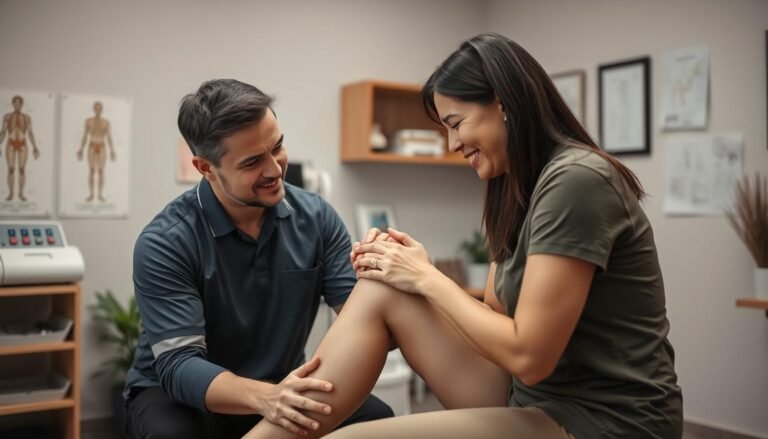
Knee Pain When Stepping Up Stairs: Causes And Relief
Experiencing knee pain when stepping up stairs can be frustrating and debilitating. It can affect your daily activities and make climbing stairs a daunting task. Understanding the causes behind this type of pain is crucial for finding relief and managing the condition effectively.
There are several factors that can contribute to knee pain when climbing stairs. Conditions such as patellofemoral pain syndrome, meniscus tear, chondromalacia patella, IT band syndrome, and muscle imbalance can all lead to discomfort and difficulty navigating stairs.
To alleviate knee pain and prevent further damage, various treatment options are available. These include targeted exercises that strengthen the muscles around the knee, body awareness techniques to improve movement patterns, modifying walking techniques, and engaging in strengthening exercises. Seeking guidance from healthcare professionals or physical therapists can also be instrumental in managing knee pain effectively.
Key Takeaways:
- Knee pain when climbing stairs can be caused by conditions such as patellofemoral pain syndrome, meniscus tear, chondromalacia patella, IT band syndrome, and muscle imbalance.
- Treatment options for knee pain include targeted exercises, body awareness techniques, modifying walking techniques, and strengthening the muscles around the knee.
- Consulting with healthcare professionals or physical therapists can provide personalized treatment plans for managing knee pain effectively.
- Maintaining a healthy lifestyle, wearing proper footwear, and practicing proper form during physical activities can help prevent knee pain.
- Seeking early diagnosis and appropriate treatment is crucial in finding relief and preventing further damage.
Understanding Your Knee Anatomy
In order to fully understand knee pain and its causes, it is important to have a clear understanding of the anatomy of the knee joint. The knee joint is a complex structure that consists of various components working together to provide stability and facilitate movement.
The main components of the knee joint include:
| Bones | Ligaments | Tendons |
|---|---|---|
| The patella (kneecap) | Anterior cruciate ligament (ACL) | Quadriceps tendon |
| The femur (thigh bone) | Posterior cruciate ligament (PCL) | Patellar tendon |
| The tibia (shin bone) | Medial collateral ligament (MCL) | Hamstring tendons |
| Lateral collateral ligament (LCL) |
The bones of the knee joint articulate with each other, forming a hinge-like structure that allows for bending and straightening movements.
The ligaments are strong bands of connective tissue that hold the knee joint in place. They provide stability and prevent excessive movement of the bones.
Tendons are fibrous tissues that connect muscles to bones. In the knee joint, tendons such as the quadriceps and patellar tendons play a crucial role in movement and stability.
Cartilage, specifically the articular cartilage, acts as a shock absorber between the bones, allowing for smooth and pain-free movement. The menisci, which are two C-shaped pieces of cartilage, further enhance stability and provide additional cushioning.
Bursae are small fluid-filled sacs located throughout the knee joint. They help reduce friction between the bones, tendons, and ligaments, allowing for smooth movement.
The muscles around the knee joint, including the quadriceps and hamstrings, play a vital role in bending and straightening the knee. These muscles work together to provide strength and stability.
Nerves transmit signals, including pain signals, from the knee joint to the brain. They allow us to perceive sensations and coordinate movements.
Having a basic understanding of the knee anatomy is essential for recognizing and addressing issues that may cause knee pain when climbing stairs or engaging in physical activities. By understanding the intricate structures within the knee joint, we can better appreciate the complexity of knee pain and seek appropriate treatment and management strategies.
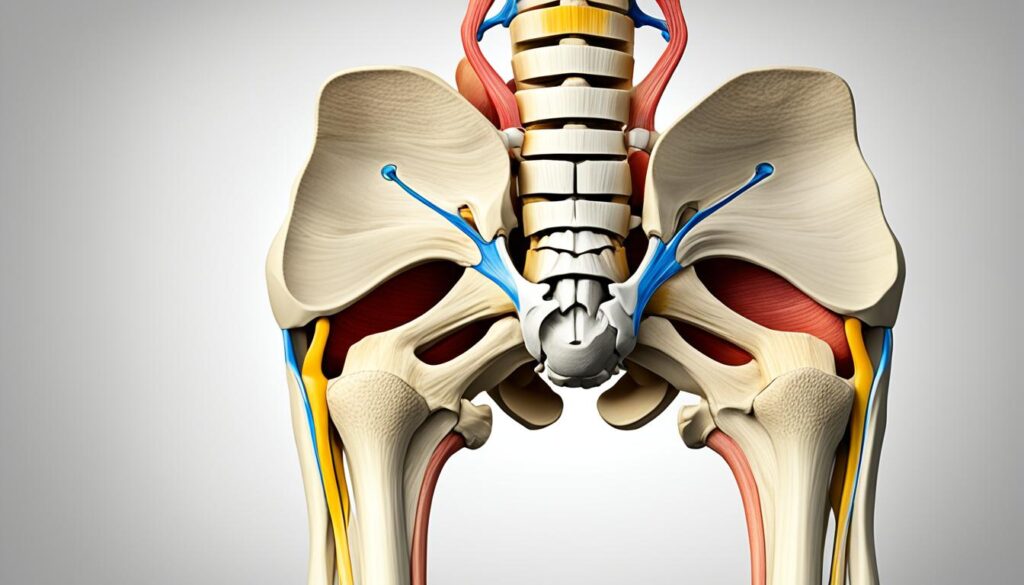
Common Causes of Knee Pain When Climbing Stairs
Knee pain when climbing stairs can be attributed to several common causes. Understanding the underlying conditions is crucial in finding appropriate treatment and relief. The most frequent causes of knee pain when climbing stairs include:
- Patellofemoral pain syndrome (Runner’s knee): This condition is characterized by pain in the front of the knee. It is often caused by overuse or a sudden increase in physical activity. The patellofemoral joint, which connects the kneecap to the thigh bone, can become irritated and inflamed, leading to discomfort when climbing stairs.
- Meniscus tear: When the meniscus, a piece of cartilage in the knee, gets torn due to twisting or pivoting movements, it can result in knee pain. The pain may be felt on the inner or outer aspect of the knee, depending on the location of the tear.
- Chondromalacia patella: This condition involves the wearing down of the cartilage behind the kneecap. It can lead to pain, tenderness, and a dull ache in the knee. When climbing stairs, the cartilage may rub against the bones, causing discomfort.
- IT band syndrome: The iliotibial (IT) band is a thick band of tissue that runs along the outside of the thigh, from the hip to the shin. Overuse or repetitive movements can cause the IT band to rub against the knee joint, resulting in inflammation and pain on the outside of the knee.
- Muscle imbalance: Imbalances in the muscles around the knee, particularly an overreliance on the muscles in the front of the thighs, can contribute to knee pain when climbing stairs. Weakness or tightness in certain muscle groups can lead to improper alignment and increased stress on the knee joint.

Recognizing these common causes of knee pain when climbing stairs is vital in determining appropriate treatment methods and preventing further discomfort and injury. Consultation with a healthcare professional or a physical therapist can help identify the specific cause of knee pain and develop a tailored treatment plan.
Treating and Managing Knee Pain When Going Up and Down Stairs
If you’re experiencing knee pain when climbing stairs, there are several effective treatment and management options available to help alleviate your discomfort and improve your mobility. By incorporating targeted exercises, body awareness techniques, and modifications to your walking technique, you can find relief and strengthen the muscles around your knees.
Targeted exercises: Strengthening the structures around your knees is crucial for managing knee pain. Incorporate exercises such as hip flexor stretches and hamstring stretches, which can provide relief and improve knee strength. These exercises help to balance and strengthen the muscles surrounding the knee joint, promoting stability and reducing pain.
Body awareness techniques: Being mindful of your movement patterns can make a significant difference in managing knee pain. By paying attention to your body’s alignment, posture, and movement, you can make necessary adjustments to reduce stress on your knees. Body awareness techniques such as proprioceptive exercises and balance training can improve your body’s alignment and increase your overall body awareness.
Modifying walking technique: Making changes to your walking technique can help alleviate pressure on your knees while climbing stairs. Take advantage of support structures such as walls or railings to distribute your weight more evenly. Engaging your glutes and hamstrings while walking can also reduce the load on your knees, providing relief and support.
Strengthening: Strengthening the muscles in your hips and thighs can help reduce knee pain and prevent further discomfort. Incorporate exercises that target these muscle groups, such as squats, lunges, and leg presses. Building strength in these areas provides better support for your knees and can significantly improve your ability to navigate stairs without pain.
To optimize your knee pain treatment and management, consider seeking guidance from a healthcare professional or physical therapist. They can provide personalized recommendations and develop a comprehensive plan that addresses your specific needs. Programs like Hinge Health offer valuable resources and support, combining online coaching with physical therapy exercises to help you effectively manage knee pain and regain your mobility.
References:
- “Patellofemoral Pain Syndrome” – American Academy of Orthopaedic Surgeons
- “Treating Meniscus Tears” – The American Orthopaedic Society for Sports Medicine
- “Chondromalacia Patella (Runner’s Knee)” – American Academy of Orthopaedic Surgeons
- “Iliotibial Band Syndrome” – American Academy of Orthopaedic Surgeons
- “Muscle Imbalance” – Texas Health Sports Medicine
Conclusion
In conclusion, knee pain when stepping up stairs can be a challenging and debilitating condition. However, with the right approach, relief and prevention can be achieved. By incorporating targeted exercises into your routine, you can strengthen the muscles around the knee, providing much-needed support and stability. Additionally, practicing body awareness techniques and modifying your walking techniques can help reduce the strain on your knees and alleviate pain.
It is crucial to seek professional guidance for an accurate diagnosis and personalized treatment plan. Consulting with a healthcare professional or physical therapist will ensure that you receive the appropriate care and necessary remedies to manage your knee pain effectively.
Furthermore, prevention is always better than cure. Maintaining a healthy lifestyle, including regular exercise, a balanced diet, and weight management, can help prevent knee pain. Additionally, wearing proper footwear with good arch support and practicing proper form during physical activities can significantly reduce the risk of knee pain.
Remember, understanding the symptoms, taking appropriate preventive measures, and seeking timely treatment will not only provide knee pain relief but also contribute to your overall well-being and quality of life.
FAQ
What are the common causes of knee pain when climbing stairs?
Knee pain when climbing stairs can be caused by conditions such as patellofemoral pain syndrome, meniscus tear, chondromalacia patella, IT band syndrome, and muscle imbalance.
How can I relieve knee pain when going up and down stairs?
There are various treatment options available, including targeted exercises, body awareness techniques, modifying walking techniques, and strengthening the muscles around the knee.
What exercises can help alleviate knee pain when climbing stairs?
Targeted exercises that strengthen the structures around the knees, such as hip flexor stretches and hamstring stretches, can provide relief and improve knee strength.
How can I prevent knee pain when stepping up stairs?
Maintaining a healthy lifestyle, wearing proper footwear, and practicing proper form during physical activities can help prevent knee pain.
When should I consult a healthcare professional for knee pain?
If your knee pain persists or worsens, it is advisable to consult a healthcare professional or physical therapist for a proper diagnosis and personalized treatment plan.