Knee Sore When Walking Down Stairs? Get Relief!
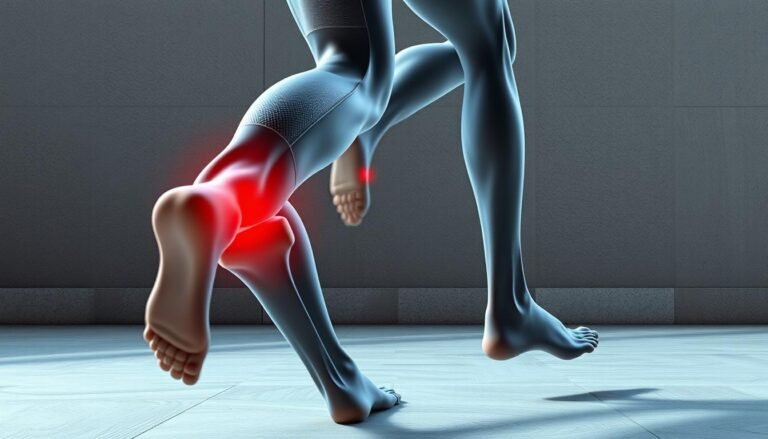
Are you experiencing knee soreness when walking down stairs? You’re not alone. Many individuals face this common problem, which can significantly impact daily activities. Walking up and down stairs puts substantial stress on the knees, particularly when descending. The sliding of the patella over the femur during stair descent can cause pain and discomfort if the cartilage is damaged or the kneecap is misaligned. When going downstairs, the force exerted on the kneecap is 3.5 times a person’s body weight, leading to increased pain and difficulty.
There are various conditions that can contribute to knee pain when descending stairs, such as knee osteoarthritis, patellofemoral pain syndrome, muscle strain, IT band syndrome, ligament injuries, and compensation injuries. Identifying the underlying cause is crucial for appropriate treatment and relief. Consulting with a healthcare professional can aid in accurate diagnosis and help determine the most suitable treatment options.
There are several strategies to alleviate knee pain when going down stairs. These include practicing the R.I.C.E. method (Rest, Ice, Compression, Elevation), utilizing over-the-counter medication, managing weight, engaging in exercise and physical therapy, using supportive aids and biomechanical devices, and considering prescription medication if necessary. It’s important to address knee pain promptly to prevent further discomfort and restore mobility.
Key Takeaways:
- Knee soreness when walking down stairs is a common complaint that can significantly impact daily activities.
- The sliding of the patella over the femur during stair descent can cause pain and discomfort if the cartilage is damaged or the kneecap is misaligned.
- The force exerted on the kneecap when going downstairs is 3.5 times a person’s body weight, leading to increased pain and difficulty.
- Conditions such as knee osteoarthritis, patellofemoral pain syndrome, muscle strain, IT band syndrome, ligament injuries, and compensation injuries can contribute to knee pain when descending stairs.
- Treatment options include R.I.C.E., over-the-counter medication, weight management, exercise and physical therapy, supportive aids, biomechanical devices, and prescription medication.
Knee Osteoarthritis
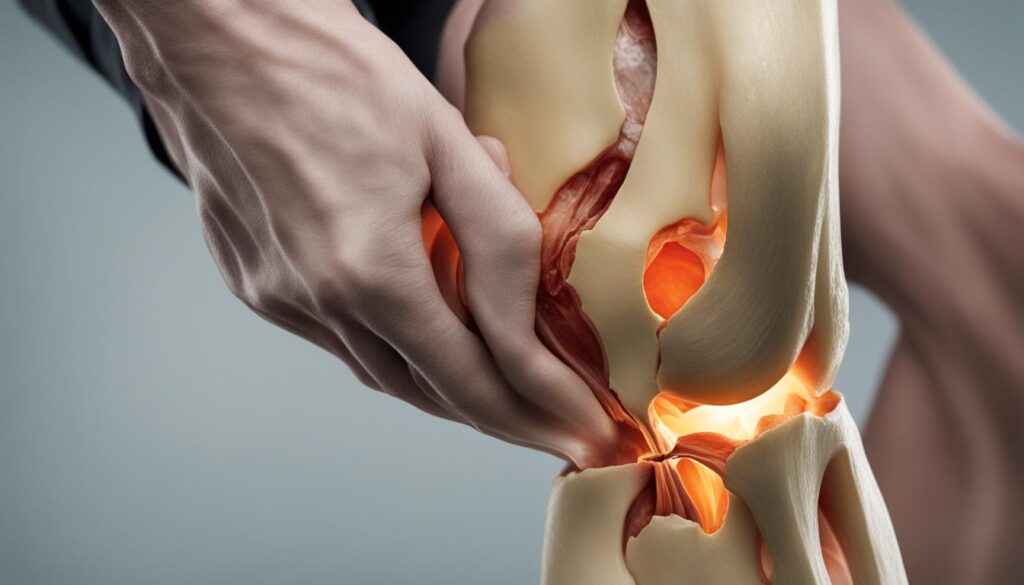
Knee osteoarthritis is a common condition that affects more than 32.5 million people in the United States. It is characterized by the degeneration of the cartilage in the knee joint, leading to bones rubbing together and causing pain, inflammation, and stiffness. Knee osteoarthritis is a significant contributor to knee pain when walking downstairs, as the decreased cartilage and protective space between the bones can worsen symptoms during weight-bearing activities.
While there is no cure for knee osteoarthritis, non-invasive treatments such as AposHealth have been shown to provide relief with a high satisfaction rate.
| Treatment Options for Knee Osteoarthritis | Pros | Cons |
|---|---|---|
| R.I.C.E (Rest, Ice, Compression, Elevation) | – Easy to perform – Reduces inflammation – Provides temporary pain relief |
– Limited long-term effects – Does not address underlying issues |
| Weight Management | – Reduces stress on the knee joint – Slows down the progression of knee osteoarthritis |
– Requires long-term commitment – Difficult for some individuals |
| Exercise and Physical Therapy | – Strengthens muscles around the knee – Improves flexibility and range of motion |
– Requires consistency and dedication – May not be suitable for severe cases |
| Supportive Aids (braces, sleeves, orthotics) | – Provides stability and support – Reduces pain during movement |
– Can be uncomfortable for some individuals – Dependency on external support |
| Biomechanical Devices | – Realigns the knee joint – Improves gait and reduces pain |
– May require adjustment and adaptation – Costly for some individuals |
| Prescription Medication | – Provides targeted pain relief – Reduces inflammation |
– Potential side effects – Long-term use may have risks |
When managing knee osteoarthritis, it is important to consult with a healthcare professional to determine the most appropriate treatment options based on individual needs and severity of symptoms.
Patellofemoral Pain Syndrome
Patellofemoral pain syndrome, also known as jumper’s knee or runner’s knee, is a common condition that causes anterior knee pain, particularly when going down stairs. This condition is often characterized by irregular movement of the patella (kneecap) and damage to the soft tissues surrounding the knee joint.
One of the primary causes of patellofemoral pain syndrome is chondromalacia patella, which refers to the breakdown and softening of the cartilage on the underside of the kneecap. When this cartilage wears away, the knee joint may become irritated and painful, especially during weight-bearing activities such as descending stairs.
Individuals with patellofemoral pain syndrome may experience a variety of symptoms, including:
- Tenderness around the kneecap
- Grinding or clicking sounds when moving the knee
- Swelling or pain around the kneecap
This condition can be caused by various factors, including anatomical abnormalities, such as misalignment of the patella, flat feet, or muscle weakness. Patellofemoral pain syndrome can occur at any age and is commonly seen in athletes who engage in activities that involve repetitive knee movements, such as jumping or running.
To illustrate the prevalence of patellofemoral pain syndrome, here is a breakdown of the percentage of knee pain cases attributed to different causes:
| Cause of Knee Pain | Percentage of Cases |
|---|---|
| Patellofemoral Pain Syndrome | 40% |
| Knee Osteoarthritis | 30% |
| Other Causes (muscle strain, ligament injury, etc.) | 30% |
Effective management of patellofemoral pain syndrome often involves a combination of conservative treatments. These may include:
- Rest and activity modification.
- Physical therapy exercises to strengthen the muscles surrounding the knee joint.
- Orthotic devices or shoe inserts to correct structural abnormalities, such as flat feet.
- Use of nonsteroidal anti-inflammatory drugs (NSAIDs) to reduce pain and inflammation.
In more severe cases, when conservative treatments do not provide significant relief, medical interventions like corticosteroid injections or even surgery may be considered. However, these options are typically reserved for individuals who do not respond to other forms of treatment.
It is important for individuals experiencing knee pain, particularly when going down stairs, to consult with a healthcare professional for an accurate diagnosis and appropriate treatment recommendations. Addressing patellofemoral pain syndrome promptly can help alleviate symptoms and improve overall knee function.
Other Possible Causes of Knee Pain When Going Down Stairs
In addition to knee osteoarthritis and patellofemoral pain syndrome, there are other potential causes of knee pain when descending stairs. Let’s explore these below:
- Muscle Strain: Straining or pulling the muscles surrounding the knee can lead to pain when going down stairs. This can occur due to overuse, sudden movements, or strenuous activities.
- IT Band Syndrome: IT band syndrome is characterized by inflammation of the iliotibial band, a thick band of tissue that runs from the pelvis to the shin and over the side of the knee. It can cause severe knee pain, especially when climbing stairs.
- Ligament Injury: Ligament injuries, such as sprains or tears of the anterior cruciate ligament (ACL) or medial collateral ligament (MCL), can result in pain when climbing stairs. These injuries often occur during sports activities or accidents.
- Compensation Injury: Compensating for an injury to the foot or ankle can alter body biomechanics and put excess load on the knee when going down stairs. This can lead to pain and discomfort as the knee tries to compensate for the injury.
If you are experiencing knee pain when descending stairs, it is important to consult with a healthcare professional for a proper diagnosis and treatment plan. Understanding the underlying cause of your knee pain is crucial in order to implement appropriate strategies for pain relief and recovery.
Expert Insight:
“Muscle strains, IT band syndrome, ligament injuries, and compensation injuries are all potential causes of knee pain when going down stairs. Identifying the specific cause and addressing it through appropriate treatment can help alleviate pain and improve knee function.” – Dr. Sarah Johnson, Orthopedic Specialist
Treatment Comparison:
| Treatment Option | Description | Effectiveness | Cost |
|---|---|---|---|
| R.I.C.E. (Rest, Ice, Compression, Elevation) | This conservative treatment approach involves resting the knee, applying ice, using compression bandages, and elevating the leg to reduce swelling and pain. | Effective for mild to moderate knee pain | Low-cost or free |
| Physical Therapy | Therapeutic exercises, stretches, and other techniques are used to improve knee strength, stability, and flexibility. | Effective for various knee conditions | Variable, depending on insurance coverage |
| Biomechanical Devices | Devices such as knee braces, orthotics, or shoe inserts can provide additional support and alignment for the knee joint. | Varies depending on individual needs | Varies depending on the type of device |
| Prescription Medication | Prescription pain medication or anti-inflammatory drugs may be prescribed for severe pain or inflammation. | Varies depending on individual response | Varies depending on insurance coverage |
Conclusion
Knee pain when walking down stairs can be a significant hindrance to daily life, but the good news is that there are effective treatment options available to provide relief and improve mobility. Whether it’s managing knee pain with R.I.C.E., utilizing over-the-counter medication, focusing on weight management, or seeking professional help through exercise and physical therapy, there are various strategies to alleviate discomfort and regain quality of life.
Supportive aids and biomechanical devices can also play a vital role in managing knee pain and facilitating better movement. These devices provide additional support and help to distribute the load evenly, reducing strain on the affected knee. Additionally, prescription medications may be recommended for more severe cases, offering long-term relief.
It is essential to address the underlying causes of knee pain. Consulting with a healthcare professional for proper diagnosis and guidance in choosing the most suitable treatment options is crucial. With the right treatment plan and diligent effort, individuals can find effective strategies to manage knee pain, find relief, and regain their normal activities.
FAQ
Why do I experience knee soreness when walking down stairs?
Walking up and down stairs can put significant stress on the knees, especially when going down. This can be attributed to the sliding of the patella over the femur, which can cause pain and discomfort if the cartilage is damaged or the kneecap is not properly aligned.
What conditions can cause knee pain when descending stairs?
Knee pain when going down stairs can be caused by various conditions, including knee osteoarthritis, patellofemoral pain syndrome, muscle strain, IT band syndrome, ligament injuries, and compensation injuries.
How can knee osteoarthritis contribute to knee pain when walking downstairs?
Knee osteoarthritis is characterized by the degeneration of the cartilage in the knee joint, leading to bones rubbing together and causing pain, inflammation, and stiffness. The decreased cartilage and protective space between the bones can worsen symptoms during weight-bearing activities like walking downstairs.
What is patellofemoral pain syndrome?
Patellofemoral pain syndrome, also known as jumper’s knee or runner’s knee, is a condition characterized by anterior knee pain, often exacerbated when going down stairs. It can be caused by irregular movement of the patella and damage to the soft tissues around the knee joint.
What are some other potential causes of knee pain when descending stairs?
Other potential causes of knee pain when going down stairs include muscle strains, IT band syndrome, ligament injuries, and compensation injuries resulting from altered body biomechanics due to foot or ankle injuries.
How can I find relief from knee pain when walking downstairs?
Treatment options for knee pain when going down stairs include R.I.C.E (Rest, Ice, Compression, Elevation), over-the-counter medication, weight management, exercise and physical therapy, supportive aids, biomechanical devices, and prescription medication. It is important to address the underlying cause of your knee pain and consult with a healthcare professional for proper diagnosis and treatment options.