Knee Surgery Explained: Understanding the Basics
Did you know that knee surgery, also known as knee arthroplasty or total knee replacement, is a surgical procedure performed around 600,000 times each year in the United States alone? That’s a staggering number, highlighting the widespread prevalence of knee conditions that require surgical intervention.
So, what exactly is knee surgery? It is a procedure designed to resurface a knee joint that has been damaged by arthritis or injury. This innovative surgery involves capping the ends of the bones in the knee joint and the kneecap with metal and plastic components. It is typically recommended for individuals who experience severe arthritis or have suffered a severe knee injury, aiming to relieve pain and improve joint function that cannot be effectively managed by non-surgical treatments.
There are different types of knee surgery depending on the specific condition and needs of the patient, including knee replacement surgery, knee arthroscopy, and knee ligament repair. Each type of surgery serves a unique purpose in addressing various knee-related issues.
In this article, we will delve deeper into knee surgery, exploring its different types, the surgical procedure, the recovery process, and the potential risks and benefits involved. By understanding the basics of knee surgery, you’ll become better equipped to make informed decisions about your knee health and explore potential treatment options.
Types of Knee Surgery
When it comes to knee surgery, there are various types of procedures that can be performed based on the specific condition and patient’s needs. Let’s take a closer look at three common knee surgeries: knee replacement surgery, knee arthroscopy, and knee ligament repair.
Knee Replacement Surgery (Knee Arthroplasty)
This is the most common type of knee surgery. It involves replacing a damaged knee joint with artificial components made of metal and plastic. Knee replacement surgery is typically recommended for individuals with severe arthritis or significant knee injury. The procedure aims to relieve pain and restore joint function, allowing patients to enjoy improved mobility and quality of life.
Knee Arthroscopy
Knee arthroscopy is a minimally invasive surgical procedure that utilizes a small camera and specialized instruments to diagnose and treat various knee conditions. It is commonly used to address issues like meniscal tears, cartilage damage, and ligament repairs. This procedure offers the advantages of smaller incisions, reduced scarring, and quicker recovery time compared to traditional open surgeries.
Knee Ligament Repair
Knee ligament repair is a surgical procedure designed to fix or reconstruct damaged ligaments in the knee, such as the anterior cruciate ligament (ACL) or the medial collateral ligament (MCL). This type of surgery is often recommended for individuals who have experienced ligament tears or instability in the knee joint. The goal is to restore stability and function to the knee, allowing patients to return to their normal activities.
Each type of knee surgery serves a specific purpose and is tailored to address different knee conditions. The choice of procedure will depend on the individual’s unique situation and treatment goals. Consultation with a qualified orthopedic surgeon is essential to determine the most appropriate surgical approach.
| Knee Surgery Type | Description |
|---|---|
| Knee Replacement Surgery (Knee Arthroplasty) | Replaces a damaged knee joint with artificial components made of metal and plastic. |
| Knee Arthroscopy | Minimally invasive procedure using a camera and surgical instruments to diagnose and treat knee conditions. |
| Knee Ligament Repair | Surgical procedure to repair or reconstruct damaged knee ligaments. |
Knowing the types of knee surgery available can empower individuals to make informed decisions about their treatment options. Understanding the benefits and potential risks of each procedure, along with the guidance of a qualified medical professional, can help patients achieve the best outcomes for their knee health.
Knee Surgery Procedure and Recovery
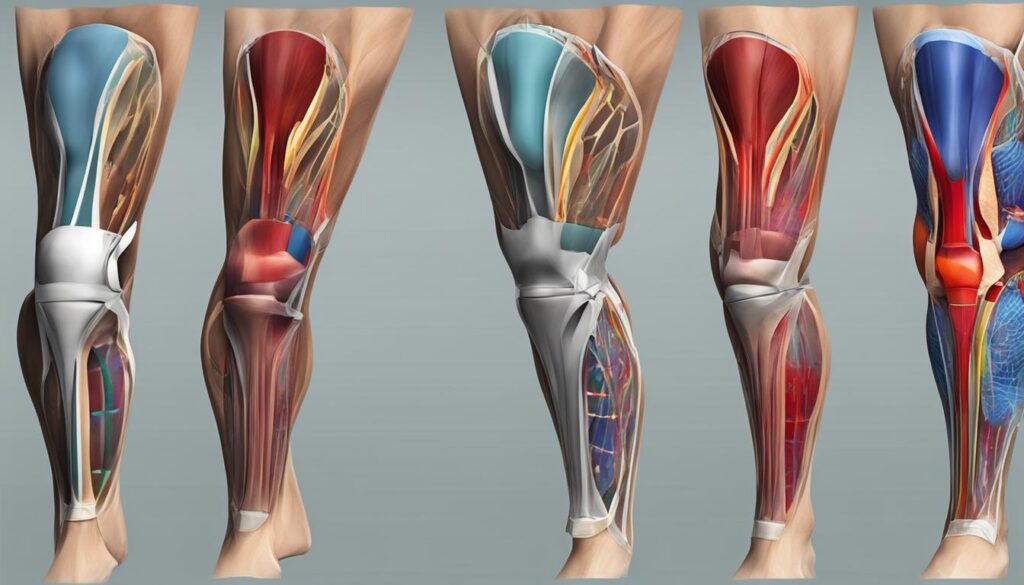
The knee surgery procedure involves several steps to address knee joint damage caused by arthritis or injury. First, the damaged cartilage and bone in the knee joint are carefully removed. This step prepares the joint for the insertion of prosthetic components that will replace the damaged parts.
The knee surgery procedure is typically performed under general anesthesia. Throughout the surgery, the patient’s vital signs and well-being are closely monitored by a skilled surgical team. This ensures that the procedure is safe and effective for the patient.
After the surgery, the patient will usually spend a few days in the hospital for recovery and rehabilitation. During this time, pain management and physical therapy are essential components of the recovery process. The patient will work closely with physiotherapists to gradually regain strength and mobility in the knee joint.
It is crucial to understand that like any surgery, knee surgery carries certain risks and potential complications. These can include bleeding, infection, blood clots, loosening or wearing out of the prosthetic joint, fracture, and continued pain or stiffness. However, it’s important to note that with proper care, follow-up appointments, and adherence to the post-operative guidelines, the majority of patients experience successful outcomes and significant improvement in their knee function and quality of life.
“Recovery from knee surgery requires patience, commitment to physical therapy, and proper post-operative care. However, with diligence and the guidance of healthcare professionals, patients can experience remarkable improvements in their knee function and restore their quality of life.”
It is essential for patients undergoing knee surgery to have a thorough understanding of the procedure, including the potential risks and complications. Consultation with a qualified orthopedic surgeon is crucial in determining the suitability of knee surgery and discussing the specific risks and benefits for each individual. By making informed decisions and following the recommended guidelines, patients can attain successful outcomes and regain their mobility and well-being.
Conclusion
Knee surgery offers a multitude of benefits for those who suffer from severe knee pain and disability. This life-changing procedure can provide significant pain relief, improve mobility, and enhance overall quality of life for patients. The outcomes of knee surgery are often successful, allowing individuals to regain their ability to perform daily activities with reduced pain and improved joint function.
The benefits of knee surgery are numerous. Patients typically experience reduced pain levels, which greatly improves their overall comfort and well-being. The surgery also increases joint function, enabling individuals to move more freely and comfortably. As a result, patients can enjoy an enhanced quality of life, with the ability to engage in activities they may have previously been unable to partake in.
While knee surgery does carry potential risks and complications, the majority of patients experience positive results and are able to resume their regular activities with improved knee function and reduced pain. However, it is crucial for individuals considering knee surgery to consult with a qualified orthopedic surgeon to determine their eligibility and fully understand the potential benefits and risks associated with the procedure.
FAQ
What is knee surgery?
Knee surgery, also known as knee arthroplasty or total knee replacement, is a surgical procedure performed to resurface a knee joint that has been damaged by arthritis or injury.
What are the types of knee surgery?
There are different types of knee surgeries, including knee replacement surgery, knee arthroscopy, and knee ligament repair.
How is knee surgery performed?
The knee surgery procedure involves removing damaged cartilage and bone and replacing them with prosthetic components. It is typically performed under general anesthesia.
What is the recovery process like after knee surgery?
After knee surgery, the patient will spend a few days in the hospital for recovery and rehabilitation. Physical therapy will be an important part of the recovery process to help regain strength and mobility in the knee joint.
What are the risks and complications associated with knee surgery?
Knee surgery carries risks and potential complications, including bleeding, infection, blood clots, prosthetic joint loosening or wearing out, fracture, and continued pain or stiffness.
What are the benefits of knee surgery?
Knee surgery can provide significant pain relief, improve joint function, and enhance the overall quality of life for patients. It can reduce pain, increase joint function, improve the ability to perform daily activities, and enhance overall well-being.
What are the outcomes of knee surgery?
The majority of patients experience successful outcomes and significant improvement in their knee function and quality of life after knee surgery. They are often able to resume their regular activities with reduced pain and improved joint function.
Who is eligible for knee surgery?
Eligibility for knee surgery depends on the specific condition and the goals of treatment. It is important to consult with a qualified orthopedic surgeon to determine eligibility and discuss the potential benefits and risks of the procedure.
Source Links
- https://www.hopkinsmedicine.org/health/treatment-tests-and-therapies/knee-replacement-surgery-procedure
- https://orthoinfo.aaos.org/en/treatment/total-knee-replacement/
- https://www.mayoclinic.org/tests-procedures/knee-replacement/about/pac-20385276