Ease Knee Pain at Night with Natural Remedies
If you suffer from knee pain at night, you know how disruptive it can be to your sleep and overall quality of life. The good news is that there are natural remedies you can try to alleviate your discomfort and experience relief. In this article, we will explore several effective methods for managing knee pain and improving your sleep.
Key Takeaways:
- Rest, ice, compression, and elevation (RICE) can provide relief for strains and sprains.
- Regular exercise, such as cycling or walking, can improve balance, flexibility, and reduce knee pain.
- Weight management is important in relieving knee pain, as excess weight puts added pressure on the joints.
- Heat and cold therapy, herbal ointments, and alternative remedies like ginger and willow bark may also provide relief.
- Consult with your doctor before trying any complementary therapy or if your pain persists or worsens.
RICE for Strains and Sprains
When it comes to relieving knee pain caused by strains and sprains, RICE is a tried-and-true home remedy. RICE stands for Rest, Ice, Compression, and Elevation. By following these simple steps, you can help promote healing and find relief from knee pain.
Rest: The first step in RICE is to rest your knee. Avoid activities that put strain on the joint and give your knee the opportunity to heal.
Ice: Applying ice or a cold compress to the affected area can help reduce pain and swelling. Wrap the ice pack in a cloth and apply it to your knee for 15-20 minutes at a time, several times a day.
Compression: Wrapping your knee with a compression bandage can provide support and help reduce swelling. Be sure to wrap it snugly but not too tight, allowing proper blood flow.
Elevation: Elevating your leg can further reduce swelling and improve blood circulation. Prop your leg up on a pillow or cushion so that your knee is elevated above your heart.
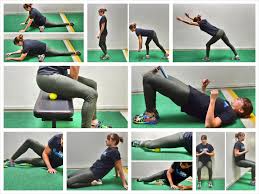
Additionally, incorporating specific exercises into your routine can help strengthen the muscles around the knee joint and provide long-term relief. Here are some knee pain relief exercises you can try:
- Quadriceps Sets: Sit on the floor with your legs extended. Tighten the muscles of your quads and hold for 5 seconds. Release and repeat 10 times.
- Straight Leg Raises: Lie on your back with one leg bent and the other leg straight. Lift the straight leg about 6 inches off the ground and hold for 5 seconds. Lower it back down slowly. Repeat 10 times on each leg.
- Hamstring Curls: Stand behind a chair and hold onto it for support. Bend one knee and bring your heel towards your buttocks, then slowly lower it back down. Repeat 10 times on each leg.
- Step-Ups: Find a step or staircase. Step up with one leg, then bring the other leg up to meet it. Step back down and repeat 10 times on each leg.
Remember, it is important to consult with a healthcare professional before starting any exercise program, especially if you have pre-existing knee conditions or injuries.
| RICE for Strains and Sprains | Knee Pain Relief Exercises |
|---|---|
| Rest: Avoid activities that strain the knee. | Quad Sets Straight Leg Raises Hamstring Curls Step-Ups |
| Ice: Apply ice/cold compress to reduce pain and swelling. | |
| Compression: Wrap knee with a compression bandage for support and reduced swelling. | |
| Elevation: Elevate the leg to reduce swelling and improve circulation. |
Quote:
RICE is a simple yet effective remedy for knee pain caused by strains and sprains. By following these steps and incorporating knee pain relief exercises into your routine, you can find relief and promote healing.
Exercise and Physical Activity
Regular exercise and physical activity are essential for managing knee pain and maintaining joint mobility. Engaging in low-impact activities can help strengthen muscles, improve flexibility, and reduce knee pain. Some effective exercises include:
- Cycling: Riding a bicycle is a great low-impact exercise that helps to strengthen the muscles surrounding the knee joint. It provides cardiovascular benefits without putting excessive stress on the knees.
- Walking: Walking is a simple and accessible exercise that can be easily incorporated into your daily routine. It helps to improve joint mobility, strengthen the muscles, and reduce knee pain.
- Swimming: Swimming is a fantastic low-impact exercise that provides a full-body workout while minimizing stress on the knee joints. The buoyancy of water reduces the impact on the knees, making it an ideal exercise for individuals with knee pain.
- Tai Chi: Tai Chi is an ancient Chinese martial art that emphasizes slow, gentle movements and deep breathing. It promotes balance, flexibility, and strengthens the muscles around the knee joint, making it an excellent choice for relieving knee pain.
- Yoga: Yoga combines stretches, strengthening exercises, and deep breathing, helping to improve joint flexibility, reduce pain, and promote relaxation. It offers modifications for individuals with knee pain, making it suitable for all fitness levels.
It is important to find activities that you enjoy and work with a healthcare professional or physical therapist to design a suitable exercise program that addresses your specific needs and limitations. They can guide you in performing proper techniques and ensure you don’t overexert yourself. However, it is essential to rest from exercise if you have an injury, severe knee pain, or a flare-up of symptoms.
Expert Tip:
“Low-impact exercises are crucial for individuals with knee pain. They provide the necessary movement and strength-building benefits while minimizing stress on the knees. Incorporating a variety of low-impact activities into your routine can enhance your overall knee pain management.”– Dr. Catherine Johnson, Physical Therapist

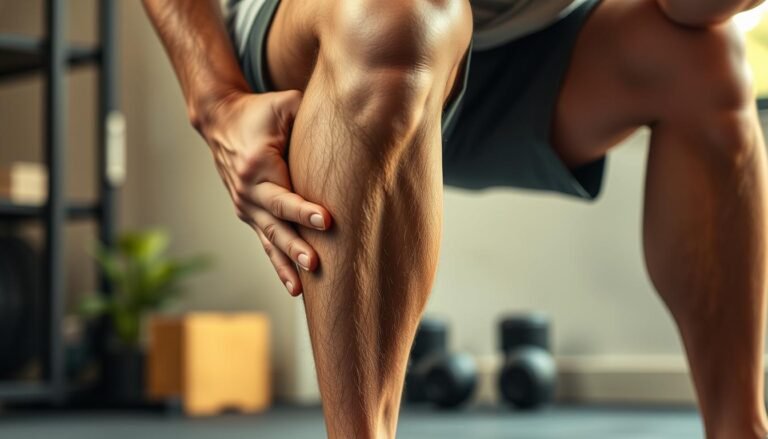
The image above illustrates an individual engaging in low-impact exercises for knee pain relief. Remember to consult with your healthcare professional before starting any new exercise regimen to ensure it is safe and suitable for your condition.
Weight Management: Crucial for Knee Pain Relief
When it comes to finding relief from knee pain, maintaining a healthy weight is paramount. Excess weight puts extra pressure on the knee joints, exacerbating pain and inflammation. For individuals struggling with arthritis, weight management becomes particularly crucial as shedding pounds can significantly improve symptoms.
To effectively manage your weight and reduce knee pain, adopting a balanced diet is essential. Emphasize foods that are high in fruits, vegetables, and fiber, while limiting your intake of meat and fat. This approach supports weight management and aids in alleviating knee pain.
Seeking guidance from healthcare professionals, such as a registered dietitian, can help you create a personalized weight management plan that aligns with your specific needs and goals. They can provide expert advice on nutrition, portion control, and lifestyle modifications to promote optimal weight and knee pain relief.
Benefits of Weight Management for Knee Pain Relief
- Reduces pressure on the knee joints
- Decreases inflammation
- Improves overall joint function
- Enhances mobility and range of motion
- Facilitates better long-term knee health
Achieving and maintaining a healthy weight not only benefits your knee health but also contributes to your overall well-being. By managing your weight effectively, you can experience a significant reduction in knee pain and improve your quality of life.
By incorporating weight management strategies into your daily routine, you can effectively alleviate knee pain and increase your mobility. However, it’s essential to consult with healthcare professionals to ensure a safe and sustainable approach to weight loss.
Conclusion
In conclusion, if you are experiencing knee pain at night, there are natural remedies that can provide effective relief. Home remedies such as rest, ice, compression, and elevation (RICE) can help alleviate discomfort and promote healing for strains and sprains. Engaging in regular exercise and low-impact activities can strengthen the muscles around the knee joint and reduce pain. Additionally, maintaining a healthy weight through proper weight management can significantly reduce pressure on the knee joints and improve symptoms. Heat and cold therapy, along with alternative remedies like herbal ointments and ginger extract, may also offer relief.
However, it is important to remember that before trying any new remedies, consulting with a healthcare professional is crucial. They can provide personalized advice and ensure that the chosen natural remedies are appropriate for your specific condition. It is also important to seek medical attention if your knee pain is severe or persists despite these natural remedies.
By incorporating these natural remedies into your daily routine, you can effectively manage knee pain at night and improve your overall quality of life. Take the necessary steps to prioritize your well-being and seek the guidance of a healthcare professional to ensure the best outcome for your knee health.
FAQ
What are some natural remedies for knee pain at night?
Natural remedies for knee pain at night can include applying heat or cold therapy, using herbal ointments, or trying alternative therapies like ginger extract or willow bark. It’s important to consult with a healthcare professional before trying any new remedies.
How can I find relief from knee pain?
There are several ways to find relief from knee pain. Rest, ice, compression, and elevation (RICE) can be effective for strains and sprains. Regular exercise and low-impact activities like cycling or walking can help strengthen muscles and reduce knee pain. Weight management is also crucial, as excess weight puts additional pressure on the knee joints.
Can exercise help with knee pain management?
Yes, exercise can be beneficial for knee pain management. Regular physical activity helps improve joint mobility, strengthen muscles, and increase flexibility. Low-impact exercises such as swimming, tai chi, or yoga are particularly helpful in reducing knee pain. It’s important to work with a healthcare professional or physical therapist to design a suitable exercise program.
How does weight management affect knee pain?
Maintaining a healthy weight is crucial for relieving knee pain. Excess weight puts added pressure on the knee joints, leading to increased inflammation and discomfort. Losing weight can reduce inflammation and improve symptoms of knee pain, especially for individuals with arthritis. It’s recommended to consult with a healthcare professional or registered dietitian for personalized weight management guidance.
What should I do if my knee pain persists?
If your knee pain persists or worsens, it’s important to seek medical attention. A healthcare professional can determine the underlying cause of your knee pain and recommend appropriate treatment options. They can also provide guidance on complementary therapies or further interventions to alleviate your knee pain.