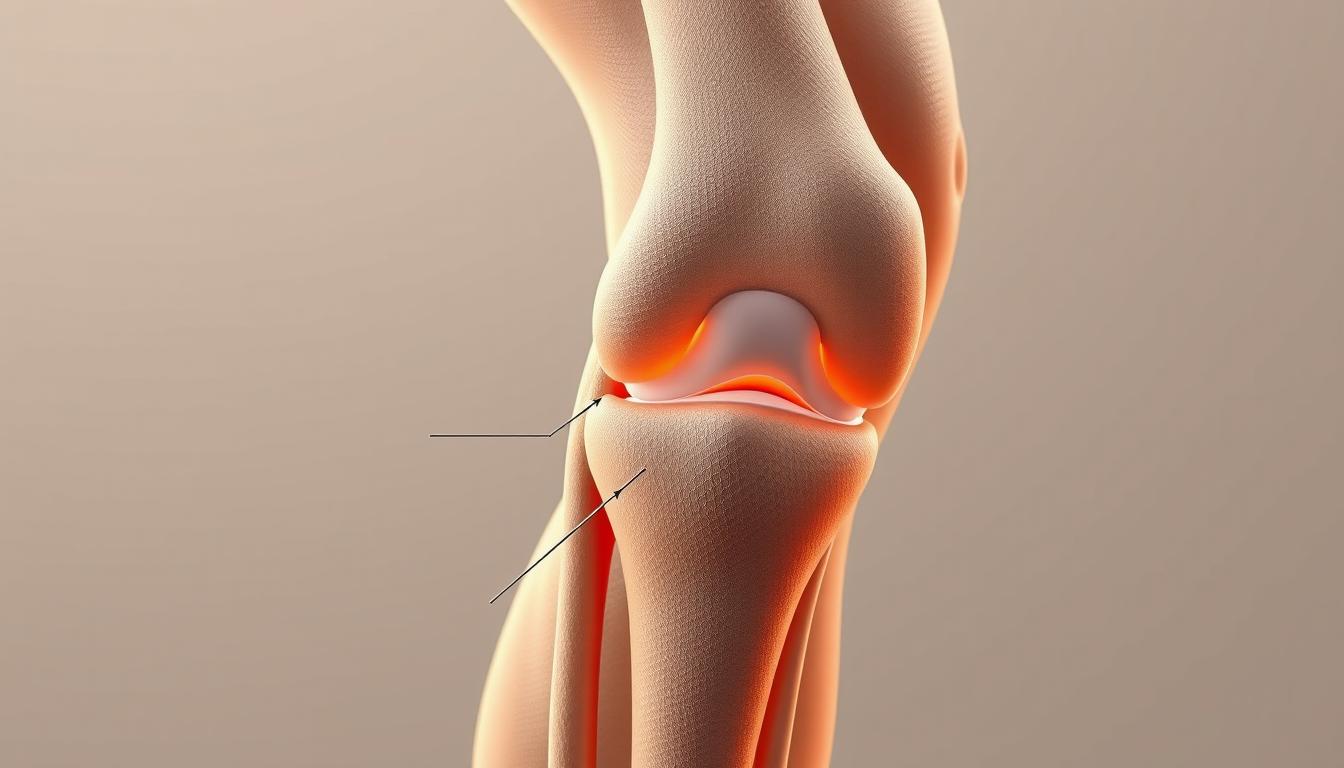
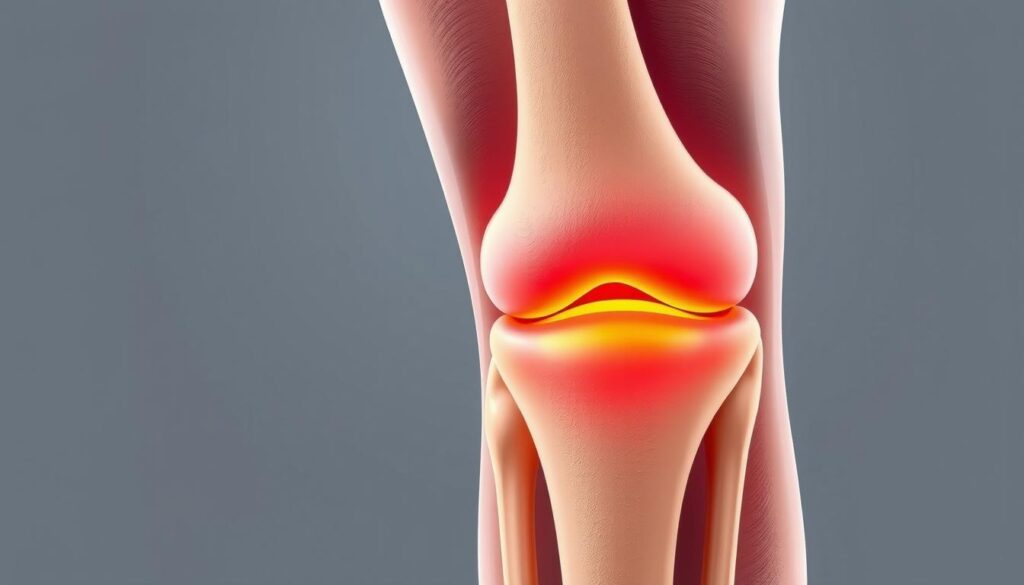
A key feature of knee osteoarthritis is morning joint stiffness lasting over 30 minutes as cartilage loses elasticity. Stiffness and mild swelling also occurs after prolonged periods of inactivity. Light activity can help loosen stiffness, but excessive activity stresses damaged joint surfaces. Finding an optimal balance helps minimize osteoarthritis knee symptoms.
The pain of knee osteoarthritis worsens with weightbearing activities like standing, walking, climbing stairs, or jumping. Pivoting and shifting direction can also increase knee pain as rough cartilage surfaces grind. Pain usually resolves with enough rest. Avoiding overuse and high impact on the joints alleviates pain. Staying active improves strength and endurance.
Arthritis Knee Pain Management
Exercise
Physical therapy exercises improve flexibility, strength, and endurance. Range of motion exercises like knee bends and heel slides prevent stiffness. Strengthening the quadriceps and gluteal muscles relieves pressure on the knees. Low-impact cardio like cycling and swimming maintains fitness without further damaging joints. Water exercise takes pressure off knees.
Assistive Devices
Canes, walkers, knee braces, shoe orthotics, handle bars, and raised seats reduce stress on arthritic knee joints during weightbearing activities, improving mobility and safety. Grab bars make rising from chairs and toilets less painful. Shoes with good shock absorption cushion impact. Working with a physical therapist ensures proper fit and use.
Home Pain Relief Remedies
Dietary Supplements
Glucosamine and chondroitin supplements may help relieves mild osteoarthritis knee pain by providing the building blocks for cartilage repair and synovial fluid production. They must be taken regularly for 1-2 months to notice effects. Turmeric and magnesium have anti-inflammatory properties. Consult your doctor before starting supplements in case of interactions.
Rest and Icing
Avoid overusing arthritic knees – take frequent breaks and rest joints as needed to calm flare-ups. Apply ice packs for 15 minutes several times a day to reduce localized swelling and pain after activity or if knees feel warm. Cover ice with a towel to protect skin. Keep joints elevated on a stool when icing.
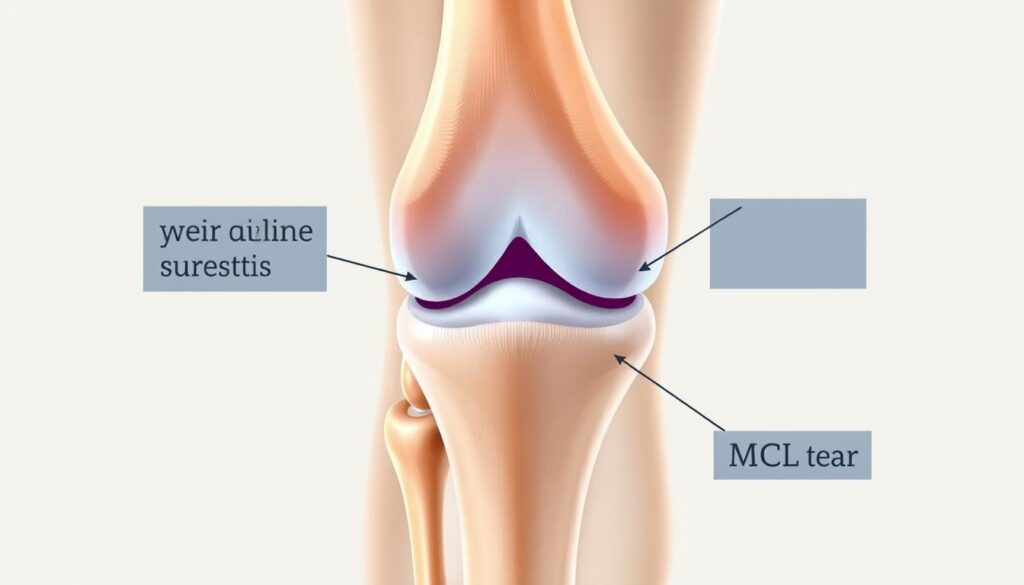
Are knee pain and limited mobility affecting your daily life? You might be suffering from either Pes Anserine Bursitis or an MCL Tear, two distinct knee conditions that require accurate diagnosis and treatment.
Understanding the differences between these conditions is crucial for effective management. While both can cause significant discomfort, their symptoms and treatment approaches differ. Pes Anserine Bursitis involves inflammation of the bursa at the lower knee, leading to pain on the inner aspect of the knee. On the other hand, an MCL Tear involves damage to the medial collateral ligament, a critical ligament that provides stability to the knee.
Regenexx procedures offer a promising solution for treating these knee conditions. This article will delve into the symptoms, diagnosis, and treatment options for Pes Anserine Bursitis and MCL Tear, helping you understand which condition you might be dealing with and how to find relief.
Key Takeaways
Understanding the differences between Pes Anserine Bursitis and MCL Tear is crucial for effective treatment.
Pes Anserine Bursitis involves inflammation of the bursa, causing inner knee pain.
An MCL Tear involves damage to the medial collateral ligament, affecting knee stability.
Regenexx procedures are a viable treatment option for both conditions.
Accurate diagnosis is key to managing knee pain and restoring mobility.
Overview of Pes Anserine Bursitis
The pes anserine bursa plays a vital role in knee function, and its inflammation can lead to significant discomfort. Pes anserine bursitis is a condition characterized by the inflammation of this bursa, which is located at the lower inner aspect of the knee.
What is Pes Anserine Bursitis?
Pes anserine bursitis refers to the inflammation of the bursa located between the tibia (shinbone) and the tendons of the sartorius, gracilis, and semitendinosus muscles. This bursa reduces friction between these tendons and the tibia, facilitating smooth knee movement. When this bursa becomes inflamed, it can cause pain and tenderness in the lower inner knee area.
Common Causes and Risk Factors
Several factors contribute to the development of pes anserine bursitis. Overuse or repetitive stress on the knee is a common cause, often seen in athletes or individuals who engage in activities that involve running or cycling. Other risk factors include poor knee alignment, obesity, and previous knee injuries or surgeries. Additionally, conditions like osteoarthritis can increase the risk of developing pes anserine bursitis.
Symptoms of Pes Anserine Bursitis
The primary symptom of pes anserine bursitis is pain on the lower inner aspect of the knee, which can be exacerbated by activities such as climbing stairs, running, or even simple actions like standing up from a seated position. Swelling and tenderness in the affected area are also common. In some cases, the pain can radiate down the leg, mimicking other knee conditions.
Strengthening exercises, such as those targeting the muscles around the knee, can help alleviate symptoms by improving knee stability and reducing pain. Resources like the knee exercise guide can provide valuable information on appropriate exercises.
Overview of MCL Tear
The medial collateral ligament (MCL) is crucial for knee stability, and tears in this ligament can significantly impact mobility and comfort. The MCL is one of the key ligaments that help stabilize the knee joint, and injuries to it are common, especially among athletes.
What is an MCL Tear?
An MCL tear refers to a partial or complete rupture of the medial collateral ligament, which connects the femur (thigh bone) to the tibia (shin bone) in the knee. This ligament is vital for providing stability to the knee, especially during movements that involve bending or twisting.
Causes of MCL Tears
MCL tear causes can vary, but they often result from direct blows to the knee, such as those experienced during contact sports like football or soccer. Other causes include sudden twisting or bending movements that put excessive stress on the MCL. Athletes participating in sports that involve cutting, pivoting, or sudden changes in direction are at a higher risk of sustaining an MCL tear.
Symptoms of an MCL Tear
The MCL tear symptoms can range from mild to severe, depending on the extent of the injury. Common symptoms include pain and tenderness along the inside of the knee, swelling, and instability or a feeling of the knee giving way. In some cases, individuals may hear a popping sound at the time of injury.
For those diagnosed with an MCL tear, treatment options vary. While traditional treatments often involve rest, physical therapy, or in severe cases, surgery, some patients may benefit from innovative procedures like those offered by Regenexx. Regenexx procedures provide a non-surgical alternative, utilizing the body’s natural healing processes to repair damaged ligaments.
Similarities Between Pes Anserine Bursitis and MCL Tear
Understanding the similarities between Pes Anserine Bursitis and MCL tears is crucial for accurate diagnosis and effective treatment. Both conditions affect the knee and can cause significant pain and discomfort, making it essential to identify their commonalities.
Common Symptoms
One of the primary similarities between Pes Anserine Bursitis and MCL tears is the presence of common symptoms. Both conditions can cause knee pain, swelling, and stiffness. The pain associated with Pes Anserine Bursitis is typically located on the lower inner aspect of the knee, while MCL tears can cause pain along the medial (inner) aspect of the knee. Despite these differences in pain location, both conditions can result in significant discomfort and limited mobility.
Another common symptom is swelling. In both conditions, swelling can occur due to inflammation. For Pes Anserine Bursitis, the swelling is usually localized to the area around the pes anserine bursa, whereas MCL tears can cause more widespread swelling along the medial aspect of the knee.
Similar Risk Factors
Both Pes Anserine Bursitis and MCL tears share similar risk factors. Sports injuries are a common risk factor for both conditions, particularly in sports that involve running, jumping, or quick changes of direction. Activities that stress the knee joint, such as football, soccer, and basketball, increase the risk of developing either condition.
Additionally, overuse and repetitive strain on the knee can contribute to the development of Pes Anserine Bursitis. Similarly, MCL tears can occur due to repetitive stress or acute injuries. Other risk factors include poor training habits, inadequate warm-up or cool-down exercises, and biomechanical issues such as overpronation or flat feet.
Key Differences in Symptoms
Understanding the distinct symptoms of Pes Anserine Bursitis and MCL tears is crucial for accurate diagnosis. While both conditions can cause knee pain and discomfort, their symptom profiles have distinct characteristics that can guide healthcare professionals toward the correct diagnosis.
Pain Location Comparisons
One of the primary differences between Pes Anserine Bursitis and MCL tears lies in the location of the pain. Pes Anserine Bursitis typically causes pain on the lower inner aspect of the knee, approximately 2-3 inches below the joint line. This pain is often described as sharp and tender to the touch. In contrast, an MCL tear usually results in pain along the medial (inner) aspect of the knee, often directly over the ligament. The pain from an MCL tear can be more diffuse and may be associated with a feeling of instability.
Variations in Swelling and Stiffness
Swelling and stiffness are common symptoms in both conditions, but their presentation can vary. Pes Anserine Bursitis often results in localized swelling and tenderness over the pes anserine area, with stiffness being more pronounced after periods of rest or inactivity. An MCL tear, on the other hand, may cause more generalized swelling along the medial aspect of the knee, potentially accompanied by bruising. The stiffness associated with an MCL tear can be significant, especially in the acute phase, and may be accompanied by a feeling of knee instability.
Recognizing these differences in symptom presentation is essential for healthcare providers to make an accurate diagnosis and develop an appropriate treatment plan. By understanding the unique characteristics of each condition, patients can receive targeted care that addresses their specific needs.
Diagnostic Procedures
Understanding the diagnostic procedures for pes anserine bursitis and MCL tears is essential for proper treatment. Accurate diagnosis is crucial for developing an effective treatment plan, as both conditions affect the knee but require different approaches.
Physical Examination Techniques
A thorough physical examination is the first step in diagnosing both pes anserine bursitis and MCL tears. Healthcare professionals use various techniques to assess knee function and identify the source of pain. For pes anserine bursitis, tenderness over the pes anserine area, typically located about 2 inches below the joint line on the medial aspect of the knee, is a key indicator. In contrast, MCL tears are diagnosed by assessing knee stability, particularly in the medial (inner) aspect of the knee.
Specific physical examination maneuvers include the valgus stress test for MCL tears, which checks for medial knee instability. For pes anserine bursitis, palpation (feeling with the fingers) over the pes anserine bursa can elicit tenderness.
Imaging Tests for Accurate Diagnosis
While physical examination provides valuable insights, imaging tests are often necessary to confirm the diagnosis. For both conditions, MRI (Magnetic Resonance Imaging) is a preferred imaging modality due to its ability to visualize soft tissue injuries, including ligament tears and bursitis.
An MRI can help differentiate between pes anserine bursitis and MCL tears by showing inflammation of the bursa or ligamentous injury, respectively. In some cases, an ultrasound may also be used, particularly to evaluate the pes anserine bursa.
The choice of imaging test depends on the clinical presentation and the healthcare provider’s suspicion of the underlying condition. Advanced diagnostic techniques, as mentioned on the Regenexx website, may also include other specialized tests to further evaluate knee conditions.
Treatment Options for Pes Anserine Bursitis
The treatment of pes anserine bursitis is multifaceted, incorporating both non-surgical methods and surgical options tailored to the severity of the condition.
Conservative management is typically the first line of treatment for pes anserine bursitis. This approach includes a variety of strategies aimed at reducing inflammation, alleviating pain, and improving function.
Conservative Treatment Strategies
Conservative treatment strategies for pes anserine bursitis include:
Physical therapy to strengthen the surrounding muscles and improve flexibility
Non-steroidal anti-inflammatory drugs (NSAIDs) to reduce pain and inflammation
Corticosteroid injections to decrease inflammation
Rest and activity modification to avoid exacerbating the condition
Additionally, innovative treatments such as Regenexx procedures, which are non-surgical and utilize the body’s own healing mechanisms, are gaining recognition. According to the Regenexx website, these procedures offer a promising alternative for patients seeking to avoid surgery.
“Regenerative medicine offers a new paradigm in the treatment of pes anserine bursitis, providing patients with options that are less invasive than traditional surgery.”
Surgical Options for Severe Cases
In cases where conservative management fails to provide adequate relief, surgical intervention may be considered. Surgical options can include:
Treatment Approach
Description
Indications
Bursectomy
Surgical removal of the inflamed bursa
Chronic bursitis not responsive to conservative treatment
Tendon repair or reconstruction
Addressing any underlying tendon issues contributing to bursitis
Presence of significant tendon damage or degeneration
The choice between conservative and surgical treatments depends on the severity of symptoms, the patient’s overall health, and the effectiveness of initial treatments. A healthcare professional can provide guidance on the most appropriate treatment plan.
Treatment Options for MCL Tear
The treatment of MCL tears involves a multifaceted approach, considering the severity of the injury and the patient’s overall health. Effective management strategies are crucial for optimal recovery and preventing further complications.
Non-Surgical Approaches
For many patients, non-surgical treatments are the first line of defense against MCL tears. These include bracing to provide stability to the knee, physical therapy to strengthen the surrounding muscles, and pain management through medication. Bracing is particularly useful as it helps in reducing the stress on the MCL, allowing it to heal.
Physical therapy plays a critical role in the rehabilitation process, focusing on improving knee mobility and strength. A well-structured physical therapy program can significantly enhance recovery outcomes.
Rehabilitation and Recovery
The rehabilitation phase is crucial for regaining knee function and preventing future injuries. A comprehensive rehabilitation program includes exercises tailored to improve strength, flexibility, and range of motion. Regenexx procedures, which involve the use of platelet-rich plasma (PRP) therapy, have emerged as a promising treatment option for MCL tears, potentially reducing the need for surgical intervention.
According to the Regenexx website, their procedures can be an effective treatment for MCL tears by promoting healing and tissue repair. Incorporating such advanced therapies into the treatment plan can offer patients a more conservative yet effective alternative to surgery.
Rehabilitation and recovery also involve a gradual return to activity, ensuring that the knee is adequately prepared to handle the stresses of normal and sports-specific activities. Monitoring progress and adjusting the treatment plan as necessary are key components of successful rehabilitation.
In conclusion, the treatment of MCL tears requires a tailored approach, considering the severity of the tear and the individual patient’s needs. By combining non-surgical approaches with advanced therapies like Regenexx procedures, patients can achieve optimal recovery and return to their normal activities.
When to Seek Medical Attention
Recognizing the warning signs for both pes anserine bursitis and MCL tears is vital for effective treatment. If you’re experiencing knee pain or other symptoms, it’s essential to know when to seek medical help.
Warning Signs for Both Conditions
Both pes anserine bursitis and MCL tears can present with significant knee pain and discomfort. Key warning signs that necessitate medical evaluation include:
Severe pain or swelling
Instability or buckling of the knee
Difficulty walking or bearing weight
Pain that persists or worsens over time
Symptom
Pes Anserine Bursitis
MCL Tear
Severe Pain
Common, especially with movement
Often severe, especially after injury
Swelling
Localized to the pes anserine area
Can be more widespread around the knee
Instability
Less common
More common due to ligament damage
Importance of Early Diagnosis
Early diagnosis is crucial for effective treatment of both pes anserine bursitis and MCL tears. According to the Regenexx website, seeking medical attention for knee injuries is vital to prevent further complications. An early and accurate diagnosis can lead to more targeted and effective treatment strategies, improving outcomes and reducing the risk of long-term damage.
For instance, early intervention for MCL tears can involve non-surgical approaches such as physical therapy and bracing, potentially avoiding the need for surgery. Similarly, pes anserine bursitis can often be managed with conservative treatments, including rest, ice, and anti-inflammatory medications, if addressed promptly.
Preventative Measures
Preventing knee injuries such as Pes Anserine Bursitis and MCL tears requires a comprehensive approach that includes exercises and lifestyle adjustments. By understanding the causes and implementing effective prevention strategies, individuals can significantly reduce their risk of developing these conditions.
Tips to Avoid Pes Anserine Bursitis
Pes Anserine Bursitis is often caused by overuse, poor training techniques, and inadequate warm-up routines. To avoid this condition, it’s essential to incorporate exercises that strengthen the knee and improve flexibility.
Some effective exercises include:
Hamstring stretches: Tight hamstrings can contribute to Pes Anserine Bursitis, so regular stretching is crucial.
Quadriceps strengthening: Strengthening the quadriceps helps stabilize the knee and reduce strain on the Pes Anserine bursa.
Knee flexion exercises: Gentle knee flexion exercises can help maintain or improve range of motion.
According to the knee exercise guide website, incorporating these exercises into a regular routine can help prevent knee injuries, including Pes Anserine Bursitis.
How to Prevent MCL Tears
MCL tears are commonly caused by direct blows to the knee, sudden stops, or quick changes in direction. Preventing MCL tears involves a combination of strengthening exercises, proper training techniques, and equipment adjustments.
Prevention Strategy
Description
Benefit
Strengthening knee ligaments
Exercises that strengthen the muscles around the knee
Improved knee stability
Proper training techniques
Avoiding sudden changes in direction or speed
Reduced risk of sudden knee injuries
Equipment adjustments
Ensuring proper footwear and knee support
Minimized risk of knee injuries from external factors
By understanding the causes of MCL tears and implementing these prevention strategies, individuals can significantly reduce their risk of injury.
Conclusion: Making the Right Diagnosis
The complexity of knee injuries necessitates a professional evaluation to differentiate between Pes anserine bursitis and MCL tears. Both conditions present unique challenges and require distinct treatment approaches.
Importance of Professional Evaluation
A professional evaluation is crucial for an accurate diagnosis. As emphasized by the Regenexx website, a thorough assessment by a healthcare professional is vital for determining the appropriate treatment plan. This is because both Pes anserine bursitis and MCL tears can present with similar symptoms, making self-diagnosis challenging.
Key benefits of professional evaluation include:
Accurate diagnosis through comprehensive examination
Tailored treatment plans based on individual needs
Prevention of further injury through appropriate management
Recap of Key Differences
To summarize, the key differences between Pes anserine bursitis and MCL tears lie in their symptoms, causes, and treatment options. Pes anserine bursitis is characterized by inflammation of the bursa around the knee, often causing pain on the lower inner aspect of the knee. In contrast, an MCL tear involves damage to the medial collateral ligament, typically resulting from a direct blow to the knee.
Location of pain: Pes anserine bursitis pain is typically on the lower inner knee, while MCL tear pain is often more widespread along the medial aspect.
Causes: Pes anserine bursitis is often due to overuse or repetitive stress, whereas MCL tears are commonly caused by direct trauma.
Treatment approaches: While both may involve conservative management, severe MCL tears may require surgical intervention.
Resources for Further Information
For those seeking more information on pes anserine bursitis vs MCL tear, several reliable resources are available. Understanding the differences between these two conditions is crucial for proper diagnosis and treatment.
Reliable Online Resources
Websites like Regenexx offer valuable insights into knee injuries, including pes anserine bursitis and MCL tears. The knee exercise guide is another useful resource for individuals looking to manage or prevent these conditions through exercise.
Publications and Books
Several books and publications provide in-depth information on knee injuries. Readers can explore medical journals and orthopedic books that cover topics related to pes anserine bursitis and MCL tears, enhancing their understanding of these conditions.
FAQ
What is pes anserine bursitis?
Pes anserine bursitis is a condition that causes pain on the lower inner aspect of the knee, often due to inflammation of the bursa located in this area.
What are the symptoms of pes anserine bursitis?
Symptoms include pain, swelling, and tenderness on the lower inner aspect of the knee, which can worsen with activities like climbing stairs or running.
What is an MCL tear?
An MCL (Medial Collateral Ligament) tear is an injury to one of the ligaments that connect the bones of the knee together, often caused by a blow to the outer knee.
How do I know if I have an MCL tear or pes anserine bursitis?
Accurate diagnosis requires a medical professional’s evaluation, including physical examination and potentially imaging tests like an MRI, to distinguish between the two conditions based on symptoms and severity.
Can strengthening exercises help manage pes anserine bursitis?
Yes, strengthening exercises, such as those targeting the muscles around the knee, can help improve knee stability and reduce pain associated with pes anserine bursitis.
What are the treatment options for pes anserine bursitis?
Treatment options include conservative strategies like physical therapy, non-surgical Regenexx procedures, and in severe cases, surgical intervention.
How are MCL tears treated?
Treatment for MCL tears often involves non-surgical approaches such as bracing and physical therapy, with Regenexx procedures being a potential treatment option, and in more severe cases, surgical repair.
Can pes anserine bursitis and MCL tears be prevented?
Yes, preventative measures include exercises that strengthen the knee, improve flexibility, and avoid overuse or direct trauma to the knee area.
When should I seek medical attention for knee pain?
It’s advisable to seek medical attention if you experience severe pain, instability, or if symptoms persist or worsen over time, as early diagnosis is crucial for effective treatment.
Are there any resources available for more information on pes anserine bursitis and MCL tears?
Yes, resources include websites like Regenexx and knee exercise guides, as well as medical organizations and publications that provide detailed information on knee injuries and their management.
What diagnostic procedures are used to identify pes anserine bursitis and MCL tears?
Diagnostic procedures include physical examination techniques and imaging tests such as MRI to accurately diagnose and differentiate between pes anserine bursitis and MCL tears.
What are the similarities between pes anserine bursitis and MCL tears?
Both conditions share common symptoms like knee pain and swelling, and similar risk factors such as sports injuries, making a thorough diagnosis crucial.
Are you tired of relying on conventional treatments for knee pain that often come with unwanted side effects? Could natural remedies be the answer you’ve been searching for?
The use of African herbal treatments for various ailments, including knee pain, has been a longstanding practice. These natural remedies offer a holistic approach to health, focusing on the root cause rather than just the symptoms.
This article will explore the different types of African herbal knee pain remedies and their benefits, providing insights into how they can be used as effective natural remedies for knee pain.
Key Takeaways
Overview of African herbal remedies for knee pain
Benefits of using natural remedies for knee pain
Types of herbs used in African herbal treatments
How to use African herbal remedies effectively
Precautions to take when using natural remedies
Introduction to African Herbal Remedies
African herbal remedies have been a cornerstone in traditional medicine for centuries, offering holistic solutions for various health issues, including knee pain. These natural remedies are derived from the rich biodiversity of the African continent, where plants and herbs have been used for generations to treat a myriad of health concerns.
The use of herbal remedies in Africa is deeply rooted in cultural and traditional practices. Many of these remedies have been passed down through generations, with their efficacy being validated by continuous use. The focus of this section is to introduce the concept of African herbal remedies, particularly in the context of knee pain relief.
Understanding Knee Pain
Knee pain is a common condition that affects individuals of all ages, often resulting from injury, arthritis, or wear and tear on the joint. Understanding the cause of knee pain is crucial in determining the most effective treatment. While conventional treatments often involve medication or surgery, many are now turning to natural and holistic solutions.
Common Causes of Knee Pain:
Injury or trauma
Osteoarthritis
Rheumatoid arthritis
Overuse or repetitive strain
The Importance of Natural Solutions
Natural solutions, such as those offered by African herbal remedies, provide a valuable alternative to conventional treatments. These remedies often have fewer side effects and can be used in conjunction with other treatments. The importance of natural solutions lies in their potential to promote healing, reduce inflammation, and improve overall well-being.
For instance, Devil’s Claw, a plant native to Africa, has been traditionally used to treat pain and inflammation. Its anti-inflammatory properties make it a popular choice for those suffering from knee pain.
Herbal Remedy
Traditional Use
Benefits
Devil’s Claw
Pain and inflammation relief
Anti-inflammatory properties
Ginger
Digestive issues and pain relief
Anti-inflammatory properties, antioxidant
Turmeric
Inflammation and wound healing
Anti-inflammatory, antioxidant properties
Key African Herbs for Knee Pain Relief
In the quest for knee pain relief, African herbs stand out for their potent anti-inflammatory and healing properties. These natural remedies have been used for generations, offering a holistic approach to managing knee discomfort.
Devil’s Claw
Devil’s Claw is a powerful herb known for its anti-inflammatory properties, making it an effective treatment for knee pain. It works by reducing inflammation and improving joint mobility.
Ginger
Ginger has been a staple in traditional African medicine for its analgesic and anti-inflammatory properties. It helps in reducing pain and swelling, thus providing relief from knee pain.
Turmeric
Turmeric contains curcumin, a compound with potent anti-inflammatory and antioxidant properties. It is widely used to treat knee pain by reducing inflammation and promoting healing.
Boswellia
Boswellia, also known as frankincense, is valued for its anti-inflammatory effects. It helps in reducing knee pain and improving joint health by preventing cartilage degradation.
These African herbs offer a natural and effective way to manage knee pain. The following table summarizes their key benefits:
Herb
Key Benefits
Usage
Devil’s Claw
Reduces inflammation, improves joint mobility
Teas, capsules
Ginger
Analgesic, anti-inflammatory
Teas, topical application
Turmeric
Anti-inflammatory, antioxidant
Capsules, golden milk
Boswellia
Anti-inflammatory, prevents cartilage degradation
Resin, capsules
By incorporating these herbs into your daily routine, you can find significant relief from knee pain and improve your overall joint health.
Traditional African Practices for Joint Health
In traditional African medicine, various practices have been employed for centuries to promote joint health and alleviate knee pain. These practices are deeply rooted in the cultural heritage of African communities and offer a holistic approach to managing joint health.
Some of the traditional practices include the use of herbal infusions, which are made from a variety of plants known for their medicinal properties. For instance, the Marula bark is used to make a decoction that is believed to have numerous health benefits, including reducing inflammation and promoting joint health. Learn more about the benefits of herbal.
Herbal Infusions
Herbal infusions are a staple in traditional African medicine. They are prepared by steeping parts of plants, such as leaves, roots, or bark, in hot water. The resulting liquid is then consumed as a tea or used topically. Some plants commonly used in herbal infusions for joint health include Devil’s Claw and Turmeric, both known for their anti-inflammatory properties.
Devil’s Claw: Known for its ability to reduce pain and inflammation.
Turmeric: Contains curcumin, a compound with potent anti-inflammatory and antioxidant properties.
Poultices and Compresses
Poultices and compresses are another traditional practice used to alleviate knee pain. These involve applying a mixture of herbs directly to the affected area, often wrapped in a cloth. The heat or cooling effect of the poultice or compress helps to reduce pain and inflammation. For example, a poultice made from Ginger can be applied to the knee to utilize its warming and anti-inflammatory effects.
Massage Techniques
Massage is an integral part of traditional African healing practices, used to promote joint mobility and reduce pain. Techniques vary among different cultures but often involve the use of oils or balms made from medicinal plants. Massage not only helps in relaxing the muscles around the joint but also improves circulation, which is crucial for healing.
Massage with herbal oils to reduce stiffness and improve mobility.
Using specific techniques to target the knee area and surrounding muscles.
Preparing Herbal Remedies at Home
For those seeking organic knee pain relief options, making herbal remedies at home is a viable solution. This approach not only ensures the use of natural remedies for knee pain but also allows for customization based on individual needs.
To start, it’s essential to understand the basics of preparing herbal remedies. This includes knowing how to harvest the right herbs, prepare them for use, and create effective remedies.
Harvesting the Right Herbs
The quality of your herbal remedy starts with the quality of the herbs. Harvesting at the right time is crucial. For most herbs, this means picking them during the peak season when their active ingredients are most concentrated.
For example, herbs like Devil’s Claw and Turmeric are best harvested when mature. Understanding the growth cycle of your chosen herbs is key to maximizing their potency.
Making Herbal Teas
Herbal teas are one of the simplest ways to enjoy the benefits of herbs. To make a tea, you can use either fresh or dried herbs. The general rule is to use one teaspoon of dried herb or two teaspoons of fresh herb per cup of boiling water.
For instance, a Marula herbal tea decoction can be made by simmering the bark or leaves in water. This method is effective for releasing the active compounds into the tea.
Creating Salves and Ointments
Salves and ointments are topical remedies that can be applied directly to the skin to relieve knee pain. They are made by infusing herbs in oil and then mixing the infused oil with beeswax to create a balm-like consistency.
The ratio of herb to oil and the choice of herb can vary based on the desired potency and the specific condition being treated. For knee pain, herbs like Ginger and Boswellia are particularly effective.
Benefits of Using Herbal Remedies
The use of herbal treatments for knee discomfort has gained significant attention due to their holistic approach to health. Herbal remedies, derived from traditional African medicine, offer a natural and often effective way to manage knee pain.
Reducing Inflammation
One of the primary benefits of herbal remedies is their ability to reduce inflammation. Herbs like Devil’s Claw and Turmeric are known for their anti-inflammatory properties, which can help alleviate knee pain caused by inflammation.
Devil’s Claw has been traditionally used to reduce pain and inflammation.
Turmeric contains curcumin, a compound with potent anti-inflammatory effects.
Promoting Joint Mobility
Herbal remedies not only reduce pain but also promote joint mobility. By addressing the underlying causes of knee pain, such as inflammation and stiffness, these remedies can improve overall joint health.
Some key herbs that promote joint mobility include:
Ginger, known for its warming properties that help improve circulation and reduce stiffness.
Boswellia, which has been shown to reduce inflammation and improve joint function.
Minimizing Side Effects
Unlike conventional pain medications, herbal remedies typically have fewer side effects, making them a safer option for long-term use. By opting for holistic knee pain solutions like herbal treatments, individuals can manage their knee pain while minimizing the risk of adverse effects.
It’s essential to consult with a healthcare professional before starting any new treatment, including herbal remedies, to ensure they are used safely and effectively.
Lifestyle Changes to Complement Herbal Remedies
To maximize the benefits of herbal remedies, it’s essential to adopt complementary lifestyle changes. By incorporating healthy habits into your daily routine, you can enhance the effectiveness of these natural treatments for knee pain relief.
Diet Adjustments
A well-balanced diet rich in anti-inflammatory foods can significantly support knee health. Incorporating foods high in omega-3 fatty acids, such as salmon and flaxseeds, can help reduce inflammation. Additionally, consuming a variety of fruits, vegetables, and whole grains can provide essential nutrients for overall well-being. For more information on holistic approaches to knee pain relief, you can visit Eastside Ideal Health.
It’s also beneficial to limit or avoid foods that may trigger or exacerbate inflammation, such as processed foods, sugary snacks, and excessive alcohol. Maintaining a healthy weight through a balanced diet can further alleviate pressure on the knees, reducing pain and improving mobility.
Exercise Recommendations
Engaging in regular, low-impact exercises can help strengthen the muscles around the knee, improve flexibility, and reduce stiffness. Activities such as swimming, cycling, and yoga are excellent options for individuals experiencing knee pain. These exercises can be modified to suit different fitness levels and abilities.
Strengthening the quadriceps and hamstring muscles through exercises like squats and lunges can provide additional support to the knee joint. It’s crucial to start slowly and gradually increase the intensity and duration of workouts to avoid putting excessive strain on the knees.
Stress Management Techniques
Chronic stress can exacerbate knee pain by increasing inflammation and muscle tension. Practicing stress management techniques such as meditation, deep breathing exercises, or mindfulness can help mitigate this effect. These practices not only promote relaxation but also contribute to overall well-being.
Engaging in activities that bring joy and help distract from pain, such as hobbies or spending time with loved ones, can also play a role in stress reduction. By adopting a holistic approach that includes stress management, individuals can better manage their knee pain and improve their quality of life.
Safety Considerations with Herbal Remedies
Understanding the safety aspects of African herbal knee pain remedies is essential for their effective use. While these natural remedies for knee pain have been used for centuries, they are not without risks.
One of the primary safety considerations is the potential for allergic reactions. Just like any other substance, African herbal knee pain remedies can cause allergic reactions in some individuals. Symptoms may range from mild skin irritation to more severe reactions.
Potential Allergies
Allergic reactions to herbal remedies can be unpredictable. It’s crucial to be aware of the signs, which may include:
Skin rashes or itching
Swelling, particularly of the face, lips, or tongue
Difficulty breathing
If any of these symptoms occur, it’s essential to discontinue use and consult a healthcare professional.
Interactions with Medications
Another critical safety consideration is the potential for African herbal knee pain remedies to interact with other medications. Certain herbs can enhance or inhibit the effects of prescription drugs, leading to adverse effects.
For example, some herbs may:
Increase the risk of bleeding when taken with anticoagulant medications
Enhance the effects of diabetes medications, potentially leading to hypoglycemia
Interact with blood pressure medications, affecting their efficacy
It’s vital to consult with a healthcare provider before starting any herbal remedy, especially if you’re already taking other medications.
In conclusion, while natural remedies for knee pain can be a valuable part of a treatment plan, safety must be a top priority. Being aware of potential allergies and interactions with medications can help ensure the safe and effective use of these remedies.
The Science Behind Herbal Efficacy
As interest in holistic knee pain solutions grows, so too does the scientific scrutiny of traditional African herbal remedies. The effectiveness of these remedies is being studied to understand their potential benefits fully.
Research Studies on Herbal Benefits
Numerous studies have investigated the efficacy of various African herbs in alleviating knee pain. For instance, Devil’s Claw has been researched for its anti-inflammatory properties, which may help reduce pain associated with knee osteoarthritis.
A study published in a reputable journal found that Devil’s Claw extract significantly reduced pain in patients with knee osteoarthritis, highlighting its potential as a complementary therapy.
Herb
Studied Benefits
Potential Use
Devil’s Claw
Anti-inflammatory, Pain Relief
Knee Osteoarthritis
Ginger
Anti-inflammatory, Antioxidant
General Pain Relief
Turmeric
Anti-inflammatory, Antioxidant
Joint Pain and Inflammation
Traditional Knowledge vs. Scientific Evidence
While traditional knowledge has long supported the use of African herbs for knee pain, scientific evidence is crucial for validating their efficacy and understanding their mechanisms of action.
Turmeric, for example, contains curcumin, a compound with well-documented anti-inflammatory properties. Research into curcumin has provided insights into how it may help alleviate knee pain.
The integration of traditional knowledge with scientific research is enhancing our understanding of holistic knee pain solutions. By exploring both the traditional uses of African herbs and the scientific evidence supporting their benefits, individuals can make more informed decisions about their knee health.
Patient Testimonials
Patient testimonials highlight the positive impact of alternative knee pain therapies on overall well-being. Many individuals have turned to herbal remedies as a natural solution to their knee discomfort, often with significant success.
Success Stories from Herbal Users
Numerous individuals have shared their success stories after incorporating herbal treatments into their knee pain management regimen. For instance, some have reported a substantial reduction in pain and inflammation, allowing them to resume daily activities without discomfort.
Reduced Pain: Many users have noted a decrease in knee pain, enabling them to engage in activities they previously avoided.
Improved Mobility: Herbal remedies have also been credited with improving joint mobility, making it easier for individuals to maintain an active lifestyle.
Enhanced Quality of Life: By alleviating knee pain, these individuals have experienced an overall improvement in their quality of life, feeling more capable and confident in their daily endeavors.
Personal Experiences Shared
The personal experiences of those who have used herbal remedies for knee pain offer valuable insights into their effectiveness. Real-life examples illustrate how these natural therapies can provide relief and support long-term joint health.
Some key aspects highlighted in personal testimonials include the gentle yet effective nature of herbal remedies, the minimal side effects compared to conventional treatments, and the holistic approach to health that these remedies promote.
“I’ve tried various treatments for my knee pain, but nothing has worked as well as the herbal remedy I’ve been using. It’s been a game-changer for my daily life.”
Consulting with Healthcare Professionals
Healthcare professionals play a vital role in guiding the use of African herbal remedies for knee pain. Their expertise ensures that any new treatment, including African plant-based knee pain remedies and organic knee pain relief options, is integrated safely into one’s health regimen.
Why You Should Seek Guidance
Seeking guidance from healthcare professionals is crucial, especially for individuals with pre-existing health conditions or those taking medications. They can provide personalized advice on using herbal remedies effectively and safely.
Healthcare professionals can help identify potential allergies or interactions with other medications, ensuring that the chosen herbal remedy complements existing treatments rather than causing adverse effects.
Combining Herbal and Traditional Treatments
Under the guidance of a healthcare professional, combining herbal and traditional treatments can be an effective strategy for managing knee pain. This integrated approach allows for a more holistic treatment plan that addresses both the symptoms and the underlying causes of knee pain.
For instance, a healthcare professional might recommend using devil’s claw or turmeric alongside physical therapy or conventional pain relief medications. This combination can potentially enhance the efficacy of the treatment while minimizing side effects.
By consulting with healthcare professionals, individuals can make informed decisions about their knee pain management, leveraging the benefits of both traditional and herbal remedies.
Conclusion: Embracing Nature for Knee Health
Exploring traditional African herbal remedies offers a promising approach to managing knee pain. By leveraging the power of natural remedies, individuals can find effective relief from knee pain.
Benefits of Natural Solutions
Effective herbal remedies for knee pain, such as Devil’s Claw and Turmeric, have been shown to reduce inflammation and promote joint mobility. These natural remedies for knee pain provide a valuable alternative to conventional treatments.
Embracing African Traditions
By embracing African herbal traditions, individuals can tap into a rich heritage of natural healing practices. This approach not only provides relief from knee pain but also fosters a deeper connection with nature and traditional practices.
As we continue to explore the potential of effective herbal remedies for knee pain, it’s clear that natural remedies for knee pain will play an increasingly important role in promoting overall well-being.
FAQ
What are African herbal knee pain remedies?
African herbal knee pain remedies are natural treatments derived from plants and herbs traditionally used in Africa to alleviate knee pain and promote joint health.
How do African herbal remedies work for knee pain relief?
African herbal remedies work by utilizing the anti-inflammatory, antioxidant, and healing properties of various herbs to reduce pain, inflammation, and improve joint mobility.
What are some common African herbs used for knee pain?
Common African herbs used for knee pain include Devil’s Claw, Ginger, Turmeric, and Boswellia, which are known for their anti-inflammatory and pain-relieving properties.
Can I prepare African herbal remedies at home?
Yes, you can prepare African herbal remedies at home by harvesting the right herbs, making herbal teas, and creating salves and ointments using organic and natural ingredients.
Are there any safety considerations when using herbal remedies?
Yes, it’s essential to be aware of potential allergies and interactions with medications when using herbal remedies, and consulting with healthcare professionals before starting any treatment is recommended.
How can I complement herbal remedies with lifestyle changes?
You can complement herbal remedies by making diet adjustments, exercising regularly, and practicing stress management techniques to support knee health and overall well-being.
Are African herbal remedies scientifically proven to be effective?
While traditional knowledge supports the use of African herbal remedies, scientific research is ongoing to validate their efficacy, and some studies have shown promising results in reducing inflammation and improving joint health.
Can I use African herbal remedies alongside traditional treatments?
Yes, under the guidance of healthcare professionals, combining African herbal remedies with traditional treatments can be beneficial in managing knee pain and promoting overall knee health.
What are the benefits of using holistic knee pain solutions?
Holistic knee pain solutions, such as African herbal remedies, can provide a natural and comprehensive approach to managing knee pain, reducing inflammation, and promoting joint mobility with minimal side effects.
How can I ensure the quality of the herbs used in herbal remedies?
To ensure the quality of the herbs, it’s crucial to harvest or source them from reputable suppliers, use organic and natural ingredients, and follow proper preparation methods.
After undergoing ACL surgery, patients often find themselves struggling to get a good night’s rest due to discomfort and pain. The right sleep positions can play a crucial role in the healing process.
According to experts like Dr. Yogesh K Pithwa, a renowned orthopedic surgeon, proper post-surgery care is vital for optimal recovery. One often overlooked aspect is how to sleep comfortably after the operation.
Finding the ideal sleep position can significantly impact the recovery journey, reducing pain and improving the overall outcome.
Key Takeaways
Proper sleep positions can aid in reducing pain after ACL surgery.
Correct sleeping posture can improve the recovery process.
Expert advice from orthopedic surgeons can guide patients on the best sleep positions.
Understanding the importance of sleep in the healing process.
Simple adjustments to sleep positions can make a significant difference in recovery.
Understanding the Importance of Sleep After ACL Surgery
Adequate sleep is essential for the body to recover and heal after ACL surgery. During this period, the body undergoes various physiological processes that are crucial for repair and regeneration. Understanding the importance of sleep can help patients navigate their recovery more effectively.
Role of Sleep in Healing
Sleep plays a vital role in the healing process. During sleep, the body repairs and regenerates damaged tissues, rebuilds bone and muscle, and strengthens the immune system. This process is crucial for recovery after ACL surgery, as it allows the body to focus its energy on healing.
Research has shown that sleep deprivation can impede the healing process, leading to longer recovery times and potentially complicating the rehabilitation process. Therefore, it’s crucial for patients to prioritize sleep as part of their recovery plan.
Common Challenges for Post-Surgery Sleep
Despite its importance, many patients face challenges in achieving quality sleep after ACL surgery. Pain, discomfort, swelling, and the stress of surgery can all disrupt normal sleep patterns. Additionally, the discomfort from the surgical site or the need to keep the leg elevated can make it difficult to find a comfortable sleeping position.
Consulting with orthopedic specialists, such as Dr. Kumar M.N, who charges ₹500 for consultation, can provide valuable insights into managing post-surgery sleep effectively. Patients can benefit from expert advice on overcoming common sleep challenges.
Aspect
Importance for Sleep
Common Challenges
Healing Process
Crucial for tissue repair and regeneration
Pain and discomfort
Immune System
Strengthens immunity
Swelling and inflammation
Rehabilitation
Essential for physical recovery
Stress and anxiety
By understanding the role of sleep in healing and the common challenges faced, patients can take steps to improve their sleep quality. This involves not just adopting comfortable sleep positions but also addressing the underlying issues that disrupt sleep.
Ideal Sleep Positions for Comfort
Adopting the right sleep position is vital for minimizing discomfort and promoting healing after ACL surgery. The position you sleep in can significantly affect your knee and overall recovery process.
There are primarily two sleep positions that are considered comfortable and beneficial for recovery: side sleeping and back sleeping. Each has its techniques to ensure comfort and support for the knee.
Side Sleeping Techniques
For those who prefer sleeping on their side, it’s essential to maintain proper alignment of the body. Placing a pillow between the knees can help reduce pressure on the knee joint and promote better alignment of the hips and spine.
Tips for Side Sleepers:
Use a supportive mattress that keeps your spine aligned.
Place a pillow between your knees to reduce pressure on your knee.
Consider using a body pillow for additional support.
Back Sleeping Tips
Back sleeping can be beneficial if done correctly. Elevating the leg slightly can help reduce swelling and promote healing.
Tips for Back Sleepers:
Use a pillow under your knees to elevate your legs slightly.
Ensure your mattress is supportive and maintains the natural curve of your spine.
Avoid putting too much strain on your back by using appropriate pillows.
Here’s a comparison of side and back sleeping positions:
Sleep Position
Benefits
Precautions
Side Sleeping
Can help reduce snoring, supports spine alignment with proper pillows.
May put pressure on the shoulders and hips if not aligned properly.
Back Sleeping
Can be beneficial for knee recovery with leg elevation, promotes better spine alignment.
May cause strain on the back if the mattress is not supportive.
Pros and Cons of Sleeping on Your Side
Sleeping on your side after ACL surgery can be a double-edged sword, offering both benefits and drawbacks that patients need to be aware of. According to experts, adopting the right sleep posture is crucial for a comfortable and effective recovery.
Dr. G R Devaraj, an expert in orthopedic surgery, emphasizes the importance of proper sleep posture for ACL surgery patients. Sleeping on one’s side can have a significant impact on the recovery process, affecting factors such as blood flow and comfort.
Benefits for Blood Flow
One of the benefits of side sleeping after ACL surgery is its potential to improve blood flow. When done correctly, side sleeping can help promote circulation, which is vital for healing. To achieve this benefit, it’s essential to:
Use a supportive pillow between the knees to maintain alignment and reduce strain on the knee.
Ensure the spine remains aligned, avoiding any twisting or bending that could compromise blood flow.
As highlighted by Dr. Devaraj, “Proper alignment during sleep can significantly enhance the healing process by promoting better circulation.” This underscores the importance of being mindful of one’s sleep posture.
Risks of Compression
Despite its benefits, side sleeping also carries the risk of compression, particularly if the knee or leg is subjected to pressure. This can lead to discomfort and potentially complicate the recovery process.
To mitigate this risk, patients can take several precautions:
Use a pillow or cushion to support the knee and leg, reducing pressure on the surgical site.
Avoid curling up too tightly, as this can cause the knee to bend awkwardly and lead to compression.
“The key to successful side sleeping after ACL surgery lies in balancing the benefits of improved blood flow with the need to avoid compression,” notes Dr. Devaraj. This balance is crucial for ensuring a smooth and effective recovery.
In conclusion, while side sleeping after ACL surgery presents both advantages and disadvantages, being aware of these factors and taking steps to mitigate risks can help patients make informed decisions about their sleep posture. By adopting the right techniques and being mindful of their body’s needs, individuals can optimize their recovery process.
Back Sleeping: Is It Right for You?
Back sleeping is a common sleep position that, with the right techniques and support, can be adapted for post-ACL surgery recovery. According to Dr. Sathya Prakash, with a consultation fee of ₹300, back sleeping can be a viable option with the right support. This involves using appropriate pillows and wedges to maintain comfort and aid in the healing process.
The key to successful back sleeping after ACL surgery lies in the support techniques used. Proper support can help in maintaining the knee in a comfortable position, thereby reducing strain on the ACL.
Support Techniques for Back Sleepers
To make back sleeping comfortable and safe after ACL surgery, several support techniques can be employed:
Using a contoured pillow under the knees to reduce strain.
Placing a supportive pillow under the lower back for additional comfort.
Employing a wedge pillow to elevate the leg slightly, promoting blood flow.
Dr. Sathya Prakash suggests that these techniques can significantly enhance the comfort of back sleepers during recovery. “The right support is crucial for back sleepers, especially after ACL surgery,” he notes.
Recommended Mattresses and Pillows
The choice of mattress and pillows plays a significant role in making back sleeping comfortable after ACL surgery. A medium-firm mattress is often recommended as it provides the necessary support without being too hard or too soft.
For pillows, a memory foam pillow can be beneficial as it conforms to the shape of the head and neck, providing adequate support. Additionally, using a body pillow can help in maintaining the correct sleeping posture.
By combining the right support techniques with suitable mattresses and pillows, individuals can make back sleeping a comfortable and viable option during their recovery from ACL surgery.
The Role of Elevation in Recovery
The importance of elevation in reducing swelling and promoting healing after ACL surgery cannot be overstated. Elevating the leg is a recommended practice that aids in the recovery process by reducing pain and improving circulation.
How to Elevate Your Leg Safely
To elevate your leg safely, you should use a couple of pillows or a wedge to support your leg, ensuring it is above the level of your heart. This position helps reduce swelling by facilitating blood flow back towards the heart.
Steps to Elevate Your Leg:
Use 2-3 pillows or a specifically designed wedge under your leg.
Ensure your leg is above the heart level.
Maintain this position for at least 30 minutes, several times a day.
Benefits of Elevation During Sleep
Elevating the leg during sleep not only aids in reducing swelling but also promotes better rest. By minimizing discomfort and pain, patients can enjoy a more restful sleep, which is crucial for the healing process.
Benefits of Elevation During Sleep:
Benefit
Description
Reduced Swelling
Elevation helps reduce swelling by improving blood circulation.
Improved Comfort
Less swelling means less discomfort and pain during sleep.
Better Sleep Quality
By reducing pain and discomfort, elevation promotes a restful night’s sleep.
By incorporating elevation into your recovery routine, you can significantly enhance your post-ACL surgery recovery experience. It’s a simple yet effective technique that can make a substantial difference in your healing journey.
Managing Pain While Sleeping
One of the biggest hurdles after ACL surgery is managing pain while sleeping. Effective pain management is crucial for a restful night’s sleep, which in turn aids in the recovery process. Pain can be a significant barrier to achieving the quality sleep needed for healing.
To manage pain while sleeping, it’s essential to explore various pain relief options. Consulting with a healthcare professional, like Dr. Chetan Rai, who charges ₹650 for consultation, can provide personalized advice on managing pain. For more general guidance, exploring resources on sleep after ACL surgery can be beneficial.
Pain Relief Options for Nighttime
Several pain relief options are available for nighttime use, including:
Prescription medications as advised by your doctor
Over-the-counter pain relievers
Alternative therapies such as acupuncture or massage
Incorporating Ice or Heat
Applying ice or heat can be an effective way to manage pain. Ice helps reduce inflammation, while heat relaxes the muscles. It’s essential to follow a healthcare provider’s advice on when to use ice versus heat.
Tips for Using Ice or Heat:
Use ice for the first 48 hours post-surgery to reduce swelling.
After 48 hours, switch to heat to relax the muscles.
Always wrap ice or heat packs in a towel to avoid direct skin contact.
Creating a Sleep-Friendly Environment
Optimizing your sleep environment can be a game-changer in your recovery journey after ACL surgery. A well-designed sleep environment can significantly enhance the quality of your sleep, thereby supporting the healing process.
Adjusting Room Temperature and Lighting
Adjusting the room temperature and lighting can greatly impact your ability to fall asleep and stay asleep. A cooler room temperature is generally recommended for better sleep. Consider using blackout curtains or shades to minimize light exposure.
Tips for Optimal Lighting: Use dim red lights if you need to navigate in the dark, as they are less disruptive to your sleep cycle.
Noise Control for Better Sleep
Noise control is another critical aspect of creating a sleep-friendly environment. Using earplugs, white noise machines, or soundproofing materials can help minimize disruptions and improve sleep quality.
Consideration for Noise Reduction: If you live in a noisy area, investing in a white noise machine can be particularly beneficial.
Using Supportive Sleep Aids
Supportive sleep aids play a crucial role in ensuring a comfortable and restful sleep post-ACL surgery. After such a significant operation, the right support can make a substantial difference in the recovery process, helping to alleviate discomfort and promote healing.
Choosing the Right Pillows
The right pillow can provide the necessary support to maintain comfortable sleeping positions post-ACL surgery. When choosing a pillow, consider the material and loft. Memory foam pillows are often recommended due to their ability to conform to the shape of the head and neck, providing adequate support.
It’s also essential to consider the pillow’s ability to maintain its shape throughout the night. A pillow that retains its loft can help keep the spine aligned, reducing strain on the body.
Exploring Knee Cushions and Wedges
Knee cushions and wedges are designed to provide additional support to the knee and leg during sleep. These aids can help maintain the leg in a comfortable position, reducing strain on the ACL and surrounding areas.
Using a knee cushion or wedge can also help in minimizing discomfort and pain by keeping the knee in a slightly bent position, which can be particularly beneficial after ACL surgery.
When selecting knee cushions or wedges, it’s crucial to choose products made from materials that are both supportive and comfortable. The size and shape of the cushion or wedge should also be considered to ensure it provides the necessary support without causing additional discomfort.
When to Seek Medical Advice
A key aspect of recovering from ACL surgery involves identifying when medical intervention is required. As you navigate through the recovery process, being aware of the signs that necessitate medical advice is crucial.
Dr. N. C. Prakash, a renowned orthopedic surgeon with a consultation fee of ₹550, emphasizes the importance of personalized advice from your surgeon. According to him, “Patients should never hesitate to consult their surgeon if they experience any unusual symptoms or concerns during their recovery.”
Recognizing Sleep Disruptions
Sleep disruptions can significantly impact your recovery. It’s essential to recognize the signs of sleep disruptions, such as persistent insomnia or unusual pain that worsens at night.
If you find it challenging to maintain a comfortable sleeping position for ACL recovery, it may be a sign that you need to adjust your approach or consult your surgeon for guidance.
Consulting Your Surgeon
Your surgeon is your best resource for addressing any concerns related to your recovery, including sleep. If you’re experiencing persistent pain, discomfort, or difficulty sleeping, it’s crucial to seek their advice.
“Consulting your surgeon can provide you with personalized guidance tailored to your specific needs and condition,” advises Dr. Prakash.
By staying informed and seeking medical advice when necessary, you can ensure a smoother and more effective recovery process.
Tips for a Good Night’s Sleep
Achieving quality sleep is crucial for recovery after ACL surgery. By adopting the right sleep habits, patients can enhance their healing process and wake up feeling refreshed.
Establishing a Restful Bedtime Routine
Developing a calming pre-sleep routine can signal the body that it’s time to rest. This can include activities like reading, taking a warm bath, or practicing gentle stretches. For ACL surgery patients, maintaining a proper sleep posture is vital to avoid discomfort and support the knee’s recovery.
Relaxation Techniques for Better Sleep
Relaxation techniques such as deep breathing, meditation, or progressive muscle relaxation can help reduce stress and promote better sleep. By incorporating these practices into their daily routine, individuals can improve the quality of their sleep, adopting optimal sleeping positions following ACL operation and recommended sleep postures after ACL surgery to aid in their recovery.
By combining a restful bedtime routine with relaxation techniques, ACL surgery patients can significantly improve their sleep quality, supporting their overall recovery and well-being.
FAQ
What is the best sleep position after ACL surgery?
The best sleep position after ACL surgery is often on your back with your leg elevated, as it helps reduce swelling and promotes recovery. However, some patients find side sleeping comfortable if done correctly with proper support.
How can I sleep comfortably on my side after ACL surgery?
To sleep comfortably on your side, use a supportive pillow between your knees to keep your leg aligned and reduce pressure on your knee. You can also consider using a knee cushion or wedge for additional support.
Is back sleeping recommended after ACL surgery?
Yes, back sleeping is a recommended sleep position after ACL surgery, especially when done with the leg elevated. It can help minimize discomfort and promote healing.
How do I elevate my leg while sleeping after ACL surgery?
To elevate your leg, place a pillow or wedge under your leg, starting from the knee down to the ankle, to keep it elevated above the level of your heart. This can help reduce swelling and pain.
What are some pain relief options for nighttime after ACL surgery?
Pain relief options include medication prescribed by your surgeon, as well as alternative therapies like applying ice or heat to the affected area before sleep. It’s essential to follow your surgeon’s advice on pain management.
How can I create a sleep-friendly environment for recovery?
To create a sleep-friendly environment, adjust the room temperature to a comfortable level, dim the lights, and minimize noise. A calm and quiet environment can significantly improve the quality of your sleep.
What type of pillows are recommended for post-ACL surgery sleep?
Supportive pillows that can maintain their shape and provide adequate support are recommended. Consider using pillows specifically designed for knee or leg support to help maintain a comfortable position.
When should I seek medical advice for sleep disruptions after ACL surgery?
If you experience persistent pain, increased swelling, or difficulty sleeping that interferes with your recovery, it’s crucial to consult your surgeon for personalized advice and to address any potential complications.
How can relaxation techniques help with sleep after ACL surgery?
Relaxation techniques such as deep breathing, meditation, or progressive muscle relaxation can help reduce stress and promote a restful night’s sleep, which is essential for recovery.
What is the importance of a restful bedtime routine after ACL surgery?
Establishing a restful bedtime routine signals your body that it’s time to sleep, helping improve the quality of your sleep. This can include activities like reading, taking a warm bath, or practicing relaxation techniques.
Your knee throbs with every step. The outside of your leg burns during runs. You’ve tried stretching and exercises, but the pain keeps returning.If this sounds familiar, you might be making critical IT band exercise mistakes. These errors don’t just slow your recovery. They actually worsen iliotibial band syndrome symptoms and prolong your suffering.
The iliotibial band is a thick band of connective tissue. It runs along the outside of your thigh from hip to knee. When overuse or improper training techniques cause friction, the band becomes inflamed and painful.
Most runners and athletes unknowingly sabotage their recovery. They perform exercises that increase friction on the band. They push through pain thinking it will help. They ignore the muscles that actually control IT band tension.
This article reveals the most common IT band exercise mistakes. You’ll learn exactly what worsens knee pain and what to do instead. By avoiding these errors, you can speed up recovery and prevent future injuries.
Mistake #1: Aggressively Foam Rolling Directly on the IT Band
Foam rolling the IT band feels productive. The intense sensation makes you believe you’re breaking up tightness. However, this popular technique often makes symptoms worse.
The iliotibial band is not a muscle. It’s a dense, fibrous connective tissue that doesn’t lengthen through pressure. When you roll directly on this thick band, you create more friction and inflammation at the outer knee where the band already experiences excessive rubbing.
Why Direct IT Band Rolling Increases Pain
Your body weight creates tremendous pressure on the band. This compression increases irritation at the knee attachment point. The friction between the band and the bone underneath intensifies, especially near the outside knee joint.
Research published in the Journal of Orthop Surg shows that direct foam rolling doesn’t change IT band length. Instead, it simply compresses already inflamed tissue. This can increase symptoms rather than provide relief.
Many runners experience worse pain after foam rolling sessions. The tissue becomes more sensitive. Inflammation increases. The knee pain that runners hoped to resolve actually intensifies over the following days.
What to Do Instead
Focus on the muscles that attach to and control the IT band. The tensor fasciae latae (TFL) at the hip and the gluteal muscles generate tension that travels down the band.
Target the Hip Muscles
Roll your hip flexors and glutes instead. These muscles directly influence IT band tension. Spend two minutes on each area using gentle, controlled movements.
Position the roller on the front and side of your hip
Use bodyweight to control pressure intensity
Move slowly across the muscle tissue
Pause on tender spots for 20-30 seconds
Address the Quadriceps
Tight quadriceps muscles affect knee alignment. This changes how the IT band moves across the knee joint. Release these muscles to reduce lateral knee stress.
Roll the front and outer portions of your thigh
Work from just above the knee to the hip
Avoid rolling directly over the kneecap
Complete three passes on each leg
Get Your Free IT Band Recovery Guide
Download our comprehensive guide with correct exercises, technique videos, and a proven 4-week recovery plan. Stop making mistakes that worsen your knee pain.
Mistake #2: Performing Only Static IT Band Stretches
Standing and pulling your leg across your body feels like a logical solution. This classic IT band stretch appears in countless rehabilitation guides. Yet static stretching alone rarely resolves iliotibial band syndrome.
The problem lies in how the IT band functions. This tissue responds to muscle tension and movement patterns, not passive stretching. When you hold a static stretch, you’re attempting to elongate tissue that biomechanically cannot lengthen significantly.
Why Static Stretching Provides Temporary Relief Only
You might feel better immediately after stretching. This sensation comes from nervous system changes, not actual tissue lengthening. The relief typically lasts 30 minutes to a few hours before pain returns.
Static stretches don’t address the root causes of band syndrome. Weak hip muscles, poor running form, and muscle imbalances continue creating excessive tension. The band tightens again as soon as you resume activities.
Research in sports medicine journals confirms this limitation. Studies show that stretching alone produces minimal long-term improvement in IT band symptoms. Patients who only stretch experience longer recovery times compared to those using comprehensive approaches.
The Correct Approach to IT Band Flexibility
Dynamic movements and strengthening exercises provide superior results. These techniques address the muscles that control band tension while improving movement patterns that reduce friction.
Effective Dynamic Movement Protocol
Replace static holds with controlled movement exercises. These activate muscles while gently mobilizing the tissue along the outside of your thigh.
Leg swings front to back and side to side (15 repetitions each direction)
Walking lunges with rotation (10 steps per leg)
Hip circles in both directions (10 rotations each way)
Side-lying leg lifts with controlled lowering (12 repetitions per side)
Clamshells targeting hip external rotators (15 repetitions per leg)
Combine these dynamic movements with strengthening work. The hip and gluteal muscles need activation to reduce the strain traveling down the band. This combination addresses both symptoms and underlying factors.
Mistake #3: Neglecting Hip and Glute Strengthening
Many people focus exclusively on the painful knee area. They ignore the hip muscles that actually control IT band tension. This oversight represents one of the most significant IT band exercise mistakes.
The gluteus medius and gluteus maximus muscles stabilize your pelvis during movement. When these muscles are weak, your hip drops with each step. This creates excessive pull on the iliotibial band, increasing friction at the outer knee.
How Weak Hips Cause IT Band Problems
Weak hip abductors allow your knee to collapse inward during running or walking. This movement pattern increases the angle at which the band crosses the knee joint. Greater friction results from this altered biomechanics.
Studies show that runners with IT band syndrome demonstrate 20-30% less hip abduction strength compared to healthy runners. This weakness creates a chain reaction of compensations throughout the leg. The band absorbs stress that strong hip muscles should control.
Your body attempts to compensate for hip weakness. The tensor fasciae latae (TFL) muscle works overtime, creating excessive tension that travels down the IT band. This overactivity perpetuates the cycle of pain and inflammation.
Essential Hip Strengthening Exercises
Building hip strength requires targeted exercises that activate the gluteal muscles. These movements restore proper mechanics and reduce the load on your iliotibial band.
Foundation Exercises
Start with basic movements that establish proper muscle activation. These exercises teach your nervous system to recruit the correct muscles during movement.
Side-lying hip abduction: Lie on your side with legs straight. Lift your top leg toward the ceiling, keeping your toe pointed forward. Control the descent. Complete 15-20 repetitions per side for 3 sets.
Clamshells with resistance band: Lie on your side with knees bent. Keep feet together while opening your top knee against band resistance. This targets the gluteus medius directly. Perform 20 repetitions per side.
Single-leg bridges: Lie on your back with one foot planted and the other leg extended. Lift your hips by driving through the planted heel. Hold for 2 seconds at the top. Complete 12 repetitions per leg.
Monster walks: Place a resistance band around your thighs. Step forward and sideways while maintaining tension. Walk 20 steps in each direction to activate hip stabilizers.
Progressive Loading Protocol
Increase difficulty gradually as your hip muscles strengthen. Add resistance bands, increase repetitions, or progress to single-leg exercises. Your muscles need consistent challenge to build the strength required for running and athletic activities.
Perform these strengthening exercises 3-4 times per week. Allow rest days between sessions for muscle recovery. Consistent work over 4-6 weeks produces measurable improvements in hip strength and band syndrome symptoms.
Mistake #4: Pushing Through Pain During Runs and Workouts
The “no pain, no gain” mentality destroys IT band recovery. Continuing to run or exercise through sharp knee pain causes additional tissue damage. Each painful step increases inflammation and prolongs your injury duration.
Your body sends pain signals for a reason. That burning sensation on the outside of your knee indicates active friction between the band and bone. Ignoring this warning accelerates tissue breakdown rather than building toughness.
The Inflammation Cycle You’re Creating
Every time you exercise through IT band pain, you restart the inflammation process. The tissue never fully heals. Chronic inflammation develops, making the recovery period extend from weeks to months.
The friction that causes band syndrome occurs where the tissue crosses the lateral knee. Running through pain repeatedly traumatizes this exact location. Scar tissue forms, creating even more tightness and reduced mobility in the affected area.
Warning Signs You Must Stop
These symptoms indicate you’re worsening your injury and must modify or stop your current activities immediately.
Sharp, stabbing pain on the outside of your knee during activity
Pain that increases as you continue running or exercising
Symptoms that persist for hours after finishing your workout
Knee pain that starts earlier in each successive run
Limping or altered gait to avoid discomfort
Smart Activity Modification Strategies
Recovery doesn’t require complete rest. Strategic activity modification maintains fitness while allowing tissue healing. The key involves identifying your pain threshold and staying below it.
Replace high-impact activities with low-friction alternatives. Swimming, cycling, and upper body strength training preserve cardiovascular fitness without stressing the IT band. These activities maintain your training base during recovery.
Reduce Running Volume and Intensity
Cut your running mileage by 50-75% initially. Slow your pace significantly. Run on softer surfaces like grass or tracks instead of concrete.
Limit runs to pain-free distances only
Incorporate walk breaks every 5-10 minutes
Choose flat routes avoiding hills and cambered roads
Stop immediately if pain begins during the run
Cross-Training Alternatives
Substitute high-impact activities with exercises that don’t trigger IT band friction. These options maintain fitness during the healing phase.
Swimming or pool running for cardiovascular conditioning
Cycling with proper bike fit and moderate resistance
Elliptical machine training with controlled range of motion
Rowing machine work for full-body conditioning
Monitor your symptoms daily. Gradually increase activity only when pain completely resolves during and after exercise. This progressive return to running prevents re-injury and supports long-term recovery.
Recommended Recovery Tools for IT Band Syndrome
These targeted products support proper treatment techniques and accelerate recovery when used correctly as part of your rehabilitation program.
High-Density Foam Roller
Target hip flexors, glutes, and quadriceps muscles that control IT band tension. Use for hip muscle release instead of rolling directly on the band.
Resistance Band Set
Essential for hip abduction exercises, clamshells, and monster walks. Provides progressive resistance to build gluteal strength effectively.
IT Band Compression Strap
Provides targeted compression just above the knee to reduce friction during modified activities. Useful during the transition back to running.
Mistake #5: Ignoring Running Form and Biomechanics
Your running technique directly influences IT band stress. Poor biomechanics create the repetitive friction that causes iliotibial band syndrome in the first place. Correcting these movement patterns prevents future injuries and supports current recovery.
Many runners develop habits that increase lateral knee forces. These patterns often feel natural because you’ve repeated them thousands of times. However, they systematically overload the IT band with every stride.
Biomechanical Factors That Worsen IT Band Syndrome
Several running form errors concentrate stress on the outside of your knee. Each of these patterns increases the friction between your iliotibial band and the lateral femoral condyle.
Common Form Problems
Crossover gait: Your foot lands across your body’s midline with each step, increasing IT band angle at the knee
Overstriding: Landing with your foot far in front of your body creates braking forces and altered knee mechanics
Excessive hip drop: Weak glutes allow your pelvis to drop on the non-weight-bearing side during single-leg stance
Knee valgus collapse: Your knee caves inward during landing, stretching the IT band and increasing lateral knee stress
Inadequate cadence: Taking fewer than 170 steps per minute typically indicates overstriding and poor shock absorption
Running Form Corrections for IT Band Health
Improving your running mechanics requires conscious practice and gradual adaptation. These changes feel awkward initially but become automatic with consistent application over several weeks.
Key Form Adjustments
Focus on one element at a time during easy runs. Your body needs time to adapt to new movement patterns. Rushing multiple changes simultaneously leads to compensation and potential new injuries.
Increase your cadence: Aim for 170-180 steps per minute. Shorter, quicker steps reduce impact forces and typically improve foot placement naturally. Use a metronome app during runs to maintain rhythm.
Land with your foot under your body: Your foot should contact the ground beneath your center of mass, not far out in front. This reduces braking forces and distributes impact more evenly.
Maintain level hips: Activate your gluteus medius during single-leg stance to prevent hip drop. Practice single-leg balance exercises to build this awareness and strength.
Run straighter: Avoid crossover gait by imagining running on a narrow line. Your feet should land parallel, not crossing toward the midline with each step.
Lean slightly forward from ankles: This forward lean positions your foot strike appropriately and engages your posterior chain muscles more effectively.
Video analysis helps identify your specific form issues. Record yourself running from front, back, and side angles. Compare your mechanics to proper form examples. Many running stores and physical therapists offer gait analysis services.
Implement form changes during short, easy runs first. As the new patterns become comfortable, extend the duration. Your muscles and nervous system need gradual exposure to develop new motor patterns safely.
Mistake #6: Increasing Training Volume Too Quickly
Rapid training increases represent one of the most common causes of IT band syndrome among runners. Your tissues need time to adapt to new stress levels. Jumping mileage or intensity too fast overwhelms the band’s capacity to handle repetitive loading.
The 10% rule exists for good reason. Increasing your weekly running volume by more than 10% significantly raises injury risk. This guideline applies to total mileage, long run distance, and training intensity.
How Overuse Injury Develops
Your iliotibial band experiences thousands of loading cycles during each run. The tissue can handle normal training stress. Problems occur when you exceed your current adaptation threshold before adequate recovery occurs.
Microtrauma accumulates in the band and its attachment points. Initially, this damage remains subclinical with no noticeable symptoms. Continued overloading prevents healing, eventually producing inflammation and pain at the outside knee.
Many runners increase mileage when training for races or returning after time off. The enthusiasm to improve fitness quickly leads to excessive volume jumps. Within weeks, IT band pain forces a complete training halt, erasing any gains.
High-Risk Training Scenarios
These situations dramatically increase your likelihood of developing iliotibial band syndrome through improper training techniques:
Adding more than 10% weekly mileage increase
Introducing hill training and speed work simultaneously
Returning to full training volume immediately after injury layoff
Running consecutive long runs without recovery days
Switching running surfaces abruptly (treadmill to road, road to trail)
Safe Training Progression Guidelines
Build your running volume systematically. Patience during this process prevents the setbacks that come from rushing adaptation. Smart progression actually leads to faster long-term improvement than aggressive increases.
The 10% Rule in Practice
Limit increases in total weekly mileage to 10% or less. If you run 20 miles this week, next week’s maximum should be 22 miles. This gradual buildup allows tissue adaptation.
Calculate 10% based on the previous week’s total
Round down rather than up when uncertain
Include a down week every 3-4 weeks at 75% volume
Increase either mileage or intensity, never both simultaneously
Recovery Time Requirements
Your body adapts during rest, not during the run itself. Insufficient recovery between hard efforts prevents the strengthening response you need.
Schedule easy days between hard workouts
Take at least one complete rest day weekly
Allow 48 hours between intense training sessions
Reduce volume during high-stress life periods
Return to Running Protocol After IT Band Injury
Recovering from band syndrome requires even more conservative progression. Don’t resume your previous training volume immediately after symptoms resolve. Your tissues need gradual reloading to rebuild capacity.
Start at 50% of your pre-injury mileage. Run every other day initially. Increase by just 5-10% weekly for the first month. Monitor symptoms carefully. Any return of knee pain indicates you’ve progressed too quickly.
This cautious approach feels frustratingly slow. However, it prevents the cycle of re-injury that keeps many runners sidelined for months. Invest the time in proper progression now to avoid prolonged recovery duration later.
Mistake #7: Skipping Rest Days and Ignoring Recovery Needs
Recovery represents when your body actually gets stronger. Training creates stress and damage. Rest allows adaptation and tissue repair. Skipping this crucial phase prevents healing and perpetuates IT band syndrome symptoms.
Many athletes view rest days as wasted opportunities. This mindset sabotages recovery from overuse injuries like iliotibial band syndrome. Your inflamed tissue requires adequate downtime to complete the healing process.
The Recovery Process Your Body Needs
Inflammation follows a predictable timeline. The acute phase lasts 48-72 hours after tissue damage. During this period, your body removes damaged cells and begins repair. Training during this window interrupts the process.
Collagen production occurs during rest periods. This protein rebuilds damaged connective tissue in the IT band and surrounding structures. Constant loading prevents proper collagen organization, leading to weaker, less resilient tissue.
Sleep quality directly affects recovery rates. Growth hormone and other healing factors peak during deep sleep stages. Inadequate sleep duration extends injury recovery time regardless of other treatment efforts.
Effective Recovery Strategies
Strategic rest doesn’t mean complete inactivity. Active recovery, proper nutrition, and sleep optimization accelerate the healing timeline for IT band injuries.
Active Recovery Days
Light movement without stress on the IT band promotes blood flow and healing without adding load.
Easy walking for 20-30 minutes
Gentle swimming or water aerobics
Yoga focusing on hip mobility
Light cycling at low resistance
Nutrition for Tissue Repair
Specific nutrients support the inflammation resolution and tissue rebuilding processes.
Adequate protein (1.2-1.6g per kg body weight)
Omega-3 fatty acids from fish or supplements
Vitamin C for collagen synthesis
Hydration supporting nutrient transport
Sleep Optimization
Quality sleep creates the hormonal environment necessary for complete tissue recovery.
Target 7-9 hours nightly
Consistent sleep and wake times
Cool, dark sleeping environment
Limit screens 1 hour before bed
Recovery Monitoring Techniques
Track your recovery status to optimize rest timing. Several simple metrics indicate when your body has recovered sufficiently for harder training or when additional rest is needed.
Energy levels: Sustained fatigue throughout the day reflects insufficient recovery
IT band symptoms: Any pain during daily activities means you need more rest before resuming training
Schedule at least one complete rest day weekly, even when symptom-free. During active IT band syndrome recovery, take 2-3 rest days per week. Your tissues need this time to adapt to the strengthening exercises and modified activities.
Mistake #8: Wearing Worn-Out or Inappropriate Shoes
Your running shoes directly affect lower leg biomechanics. Worn-out footwear loses shock absorption capacity and stability features. This deterioration alters your foot strike pattern and increases IT band stress at the knee.
Most running shoes maintain optimal cushioning for 300-500 miles. Beyond this range, the midsole foam compresses permanently. You might not notice the gradual decline, but your IT band experiences increased impact forces with each stride.
How Footwear Affects IT Band Mechanics
Shoes with excessive wear on the outer heel indicate supination during running. This outward rolling pattern increases lateral forces on the knee. The IT band experiences greater friction as the leg mechanics shift.
Conversely, shoes showing inner edge wear suggest overpronation. This inward foot roll causes knee valgus collapse, stretching the IT band excessively. Both wear patterns contribute to iliotibial band syndrome through altered alignment.
The wrong shoe type for your biomechanics compounds these issues. Minimalist shoes might reduce cushioning below what your body requires. Overly supportive shoes can weaken foot muscles over time, affecting the entire kinetic chain up to the hip and knee.
Choosing Appropriate Running Footwear
Proper shoe selection considers your individual biomechanics, running surface, and training volume. Generic recommendations often miss the specific needs that affect IT band health.
Signs You Need New Shoes
Mileage exceeds 400 miles (or 6 months for low-mileage runners)
Visible midsole compression or wrinkling
Uneven outsole wear patterns
Upper fabric tears or separation from sole
Decreased cushioning sensation during runs
New aches appearing in feet, knees, or hips
Shoe Selection Guidelines for IT Band Health
Visit a running specialty store for gait analysis if possible. Professionals can identify your specific biomechanical needs and recommend appropriate footwear features.
Key Footwear Features
Adequate cushioning: Sufficient shock absorption for your body weight and running surface
Appropriate support: Matches your pronation pattern without over-correcting natural motion
Proper fit: Thumb’s width between longest toe and shoe end, snug heel without slipping
Appropriate drop: Heel-to-toe offset that matches your running style and experience level
Flexibility: Bends naturally at the ball of foot without excessive rigidity
Replace shoes before complete deterioration occurs. Rotating between two pairs extends the life of each shoe by allowing midsole foam to recover between runs. This practice also reduces injury risk by preventing complete reliance on worn-out cushioning.
Transition gradually when changing shoe types or brands. Your body needs time to adapt to different support levels and cushioning properties. Sudden changes in footwear can trigger IT band symptoms even in previously healthy runners.
Long-Term IT Band Health and Injury Prevention
Preventing future IT band episodes requires ongoing attention to the factors that caused your initial injury. Once you’ve experienced iliotibial band syndrome, you face higher risk of recurrence without proper preventive measures.
The strengthening, mobility, and biomechanical improvements you’ve made during recovery must continue indefinitely. These practices transition from rehabilitation exercises to permanent components of your training routine.
Essential Prevention Habits
Building these practices into your weekly routine prevents the conditions that lead to IT band inflammation. Consistency matters more than intensity for long-term injury prevention.
Strength Maintenance
Continue hip strengthening exercises 2-3 times weekly even after symptoms resolve completely.
Side-lying hip abduction (15 reps × 3 sets)
Clamshells with resistance (20 reps × 3 sets)
Single-leg bridges (12 reps × 3 sets)
Monster walks (20 steps × 4 directions)
Mobility Work
Regular hip mobility sessions prevent the muscle tightness that increases IT band tension.
Hip flexor foam rolling (2 minutes per side)
Glute muscle release (2 minutes per side)
Dynamic leg swings (15 reps each direction)
Hip circles and rotations (10 each way)
Training Management
Smart programming prevents the overuse patterns that trigger IT band syndrome recurrence.
Respect the 10% weekly mileage increase rule
Schedule regular down weeks at reduced volume
Vary running surfaces throughout the week
Include cross-training for balanced fitness
Early Warning Response
Address minor symptoms immediately before they progress to full IT band syndrome.
Reduce training at first sign of outer knee tightness
Increase hip strengthening frequency temporarily
Add extra recovery days to your schedule
Review recent training for progression errors
Monitoring for Recurrence Risk
Several warning signs indicate elevated risk for IT band syndrome return. Catching these early allows intervention before full injury development.
Red Flags Requiring Immediate Action
Tightness developing on the outside of your thigh during or after runs
Mild discomfort at the outer knee that resolves with walking but returns when running
Increased training volume or intensity within the past 2 weeks
Reduced hip strength performance (fewer reps at same resistance level)
Changes in running form due to fatigue or other injuries
New footwear causing different movement patterns
Respond to these warning signs with immediate training reduction and increased prevention work. Two weeks of conservative adjustment prevents months of complete injury layoff. The discipline to scale back at early warning signals separates athletes who stay healthy from those perpetually managing injuries.
When to Seek Professional Medical Treatment
Self-management works for many IT band cases. However, certain symptoms indicate the need for professional evaluation and treatment. Attempting to resolve severe cases independently can prolong recovery and risk additional complications.
Medical professionals bring diagnostic tools and treatment options unavailable through self-care. Physical therapists, sports medicine doctors, and orthopedic specialists identify contributing factors you might miss and develop comprehensive treatment plans.
Symptoms Requiring Professional Evaluation
These conditions suggest your IT band syndrome requires medical attention beyond self-treatment approaches. Don’t delay consultation when experiencing these warning signs.
Seek Immediate Care
Severe pain preventing normal walking
Visible swelling at the outer knee
Knee giving way or feeling unstable
Pain accompanied by fever or redness
Symptoms following acute injury or fall
Complete inability to bear weight on affected leg
Schedule Appointment Soon
No improvement after 2 weeks of rest and self-care
Pain interfering with daily activities beyond running
Previous IT band injuries with recurrent episodes
Uncertainty about proper exercise technique
Multiple failed self-treatment attempts
Consider Professional Help
Mild symptoms lasting more than 4 weeks
Desire for personalized treatment plan
Need for gait analysis and form correction
Questions about return-to-running timeline
Interest in preventive strategies for your specific case
Access to advanced treatments like dry needling
Treatment Options Healthcare Providers Offer
Medical professionals provide interventions beyond what you can accomplish independently. These treatments address persistent cases and accelerate recovery in stubborn injuries.
Comprehensive movement assessment: Identifies specific biomechanical deficits contributing to your IT band syndrome
Manual therapy techniques: Addresses muscle restrictions and joint mobility limitations affecting the hip and knee
Personalized exercise prescription: Targets your individual strength deficits and movement dysfunction patterns
Gait retraining: Systematic approach to correcting running form errors using video analysis and real-time feedback
Dry needling or acupuncture: Releases trigger points in muscles controlling IT band tension
Therapeutic ultrasound or electrical stimulation: Reduces inflammation and promotes tissue healing
Corticosteroid injections: Reserved for severe, persistent cases unresponsive to conservative treatment
Physical therapy typically involves 6-12 sessions over 4-8 weeks for IT band syndrome. The therapist progresses your program as symptoms improve, ensuring safe return to full activity. This guided approach prevents the setbacks common with self-directed rehabilitation.
Get Personalized IT Band Treatment Guidance
If you’ve struggled with persistent IT band knee pain despite trying various exercises, professional evaluation can identify the specific factors prolonging your recovery. Our specialists create customized treatment plans addressing your unique biomechanical issues.
IT band exercise mistakes keep countless runners and athletes sidelined longer than necessary. The errors outlined in this article represent the most common obstacles to successful recovery from iliotibial band syndrome.
You now understand why aggressive foam rolling on the band itself increases pain rather than providing relief. You know that static stretching alone produces only temporary improvements. You’ve learned that weak hip muscles drive the dysfunction, making targeted strengthening essential.
The importance of respecting pain signals and avoiding the temptation to push through discomfort cannot be overstated. Training modifications and gradual progression protect healing tissues while maintaining fitness. Form corrections address the biomechanical factors that caused your injury initially.
Recovery from IT band syndrome requires patience and consistency. The strengthening exercises feel mundane compared to running. The conservative training progression seems frustratingly slow. However, these evidence-based approaches produce lasting results instead of temporary symptom relief.
Start implementing the correct techniques today. Replace direct IT band foam rolling with hip muscle release. Add targeted gluteal strengthening to your routine 3-4 times weekly. Reduce your training volume and respect the 10% progression rule. Monitor your running form and address the biomechanical errors increasing lateral knee stress.
Most importantly, listen to your body. Early warning signs offer opportunities to adjust before minor tightness becomes full injury. The discipline to scale back at first symptoms separates athletes who maintain consistent training from those cycling through repeated injuries.
Your path to pain-free running begins with avoiding these common IT band exercise mistakes. Armed with this knowledge, you can recover faster, prevent recurrence, and return to the activities you love with confidence.
IT band syndrome affects thousands of runners and athletes every year. The journey from that first sharp pain along the outer knee to full recovery follows a predictable pattern. Understanding your IT band syndrome recovery timeline helps set realistic expectations and prevents setbacks.
Recovery from iliotibial band syndrome typically spans four to eight weeks. Some athletes bounce back faster. Others need several months to heal completely. Your personal timeline depends on injury severity, treatment adherence, and underlying causes.
This comprehensive guide walks you through each recovery phase. You’ll learn what happens during each week, which exercises help most, and when you can safely return to running or cycling.
Understanding IT Band Syndrome and Why Recovery Takes Time
The iliotibial band is a thick fibrous tissue running along the outside of your thigh. It connects your hip muscles to your knee and helps stabilize your leg during movement. When this band becomes irritated through repetitive motion, inflammation develops at the outer knee where it rubs against bone.
Band syndrome develops gradually in most athletes. Initial symptoms include mild discomfort that disappears with rest. Without proper treatment, this minor irritation progresses to constant knee pain that limits training and daily activities.
Several factors contribute to iliotibial band syndrome development. Overuse injuries top the list, especially among runners who increase mileage too quickly. Biomechanical issues like weak hip muscles, poor running technique, or leg length discrepancies create additional strain on the band.
Important Note: The IT band itself doesn’t actually get inflamed. Recent research shows the pain comes from compression of the fat pad beneath the band, not inflammation of the band tissue itself. This understanding has changed treatment approaches significantly.
Recovery takes time because healing must address multiple factors. Simply resting until pain subsides isn’t enough. You need to correct the underlying causes, strengthen supporting muscles, and gradually rebuild tissue tolerance to stress.
Factors That Influence Your IT Band Syndrome Recovery Timeline
No two recovery journeys look identical. Understanding what affects healing speed helps you set realistic expectations and make informed decisions about your rehabilitation approach.
Injury Severity and Duration
Catching IT band syndrome early dramatically improves recovery speed. Athletes who address symptoms within the first few weeks typically recover in four to six weeks. Those who push through pain for months face longer rehabilitation periods.
Chronic cases involve more tissue damage and compensation patterns. Your body develops dysfunctional movement strategies to avoid pain. These patterns must be unlearned during recovery, adding time to your timeline.
Treatment Approach and Adherence
Conservative treatment proves effective for most cases. Physical therapy, targeted exercises, and activity modification work together to reduce inflammation and address root causes. Athletes who follow their treatment plan consistently recover faster than those with sporadic adherence.
Some people try to rush recovery. Returning to running too soon causes symptom flare-ups and restarts the healing process. Patience during early recovery phases pays dividends in faster overall timeline completion.
Biomechanical Factors
Weak hip abductors and external rotators contribute significantly to IT band syndrome. These muscles control leg alignment during running and cycling. When they’re weak, the knee collapses inward with each stride, increasing strain on the iliotibial band.
Tight hip flexors, quadriceps, or IT band tissue itself create additional problems. Limited flexibility forces the band to work harder during movement. Addressing these mobility restrictions speeds recovery.
Running technique matters too. Overstriding, excessive heel striking, or running on cambered surfaces all stress the band. Gait analysis can identify these issues so they can be corrected.
Training History and Activity Level
Well-conditioned athletes often recover faster due to better overall tissue health and body awareness. However, their eagerness to return to training can work against them if they don’t respect the healing process.
Previous injuries affect recovery too. A history of knee pain, hip problems, or other lower extremity injuries may indicate systemic biomechanical issues requiring more comprehensive treatment.
Age and Overall Health
Younger athletes typically heal faster than older ones. Tissue regeneration slows with age, affecting recovery speed. However, older athletes often demonstrate better patience and adherence to rehabilitation protocols.
General health status plays a role. Good nutrition supports tissue healing. Adequate sleep allows proper recovery. Chronic stress or systemic inflammation can slow the process.
Track Your Recovery Progress
Download our free IT Band Syndrome Recovery Timeline Tracker to monitor your symptoms, exercises, and progress week by week. Stay motivated and identify patterns that help or hinder your healing.
Week 1-2: Initial Rest and Inflammation Reduction Phase
The first two weeks focus on calming acute symptoms and protecting injured tissue. This phase requires discipline because you must significantly reduce or eliminate activities that caused your injury.
Rest doesn’t mean complete inactivity. It means avoiding movements that aggravate your knee pain. Running, cycling, and jumping typically need to stop temporarily. Walking on flat surfaces usually remains tolerable if it doesn’t increase symptoms.
Primary Goals for Weeks 1-2
Reduce inflammation and acute knee pain intensity
Protect healing tissue from further irritation
Begin gentle mobility exercises that don’t increase symptoms
Identify and address obvious risk factors like training errors
Establish baseline strength and flexibility measurements
Treatment Strategies
Ice therapy helps reduce inflammation during this initial phase. Apply ice for 15-20 minutes every 2-3 hours, especially after any activity. Always use a barrier like a towel between ice and skin to prevent tissue damage.
Anti-inflammatory medications provide symptom relief for many people. Nonsteroidal anti-inflammatory drugs (NSAIDs) like ibuprofen help reduce inflammation and pain. Consult your healthcare provider about appropriate dosing and duration.
Gentle stretching begins during week one if it doesn’t increase pain. Focus on hip flexors, quadriceps, and gentle IT band stretches. Hold each stretch for 30 seconds and repeat 2-3 times daily.
Foam rolling remains controversial for IT band syndrome. Recent evidence suggests rolling directly on the painful area may worsen symptoms. Instead, focus foam rolling on the hip muscles, quadriceps, and calves to address overall leg tension.
What to Expect
Normal Progress: Pain intensity should decrease by 30-50% by the end of week two. You should notice less morning stiffness and improved tolerance for walking. Sharp pain during specific movements may persist but should feel less severe.
Some athletes experience frustration during this phase. The desire to return to training conflicts with the need for rest. Remember that proper healing now prevents chronic problems later.
Warning Signs
Certain symptoms indicate you need professional evaluation. Seek medical attention if you experience increasing pain despite rest, significant knee swelling, inability to bear weight, or pain that radiates down the lower leg or up into the hip.
If symptoms haven’t improved at all after two weeks of rest and conservative treatment, consult a physical therapist or sports medicine physician. You may need more comprehensive assessment to identify underlying causes.
When to Seek Professional Help: Persistent or worsening symptoms, inability to perform daily activities, severe nighttime pain, or symptoms accompanied by knee instability all warrant professional evaluation during this phase.
Week 3-4: Gradual Movement Introduction and Strengthening
Weeks three and four mark a transition from passive rest to active rehabilitation. Pain should have decreased significantly, allowing you to begin strengthening the muscles that support proper leg alignment and movement.
This phase introduces controlled stress to healing tissue. The goal is stimulating adaptation without causing inflammation flare-ups. Progress happens through careful balance between challenging muscles and respecting healing limits.
Primary Goals for Weeks 3-4
Build hip abductor and external rotator strength
Improve single-leg balance and control
Gradually increase walking distance and duration
Begin cross-training activities that don’t stress the IT band
Develop body awareness for proper movement patterns
Maintain flexibility gains from weeks 1-2
Essential Strengthening Exercises
Hip strengthening forms the foundation of IT band rehabilitation. Weak gluteus medius and gluteus minimus muscles fail to control leg alignment during movement. Strengthening these muscles reduces strain on the iliotibial band.
Clamshells
Lie on your side with knees bent. Keep feet together while lifting your top knee. Maintain neutral spine throughout the movement. Perform 3 sets of 15 repetitions on each side.
Side-Lying Hip Abduction
Lie on your side with bottom leg bent for support. Keep top leg straight and lift toward ceiling. Control the movement both up and down. Complete 3 sets of 12 repetitions per leg.
Single-Leg Bridge
Lie on your back with one foot planted. Extend the other leg straight. Lift hips until body forms straight line from shoulders to knees. Hold for 2 seconds at top. Do 3 sets of 10 repetitions each leg.
Standing Hip Abduction
Stand on one leg while lifting the other leg to the side. Keep torso upright and avoid leaning. Add resistance band for increased difficulty. Perform 3 sets of 12 repetitions per side.
Cross-Training Options
Swimming and pool running provide excellent cardiovascular exercise without stressing the IT band. The water supports body weight while allowing movement through full range of motion. Start with 20-30 minute sessions if symptoms allow.
Upper body cycling or arm ergometer training maintains cardiovascular fitness. These activities eliminate leg stress entirely while keeping your aerobic system engaged.
Elliptical training may be introduced cautiously near the end of week four if walking feels completely comfortable. Start with just 10 minutes and monitor symptoms closely. Stop immediately if knee pain returns.
Flexibility Work
Continue stretching hip flexors, quadriceps, and hamstrings. Add foam rolling to address muscle tightness in areas surrounding the IT band. Focus rolling on the tensor fasciae latae muscle at the hip and vastus lateralis portion of the quadriceps.
Expected Progress
By the end of week four, most people can walk 30-45 minutes without pain. Daily activities should feel normal. Strengthening exercises should be progressively more challenging as you add resistance or repetitions.
You might notice improved single-leg balance and control. Standing on one leg while performing simple tasks becomes easier. This improvement indicates better hip muscle activation and neuromuscular control.
Progression Checkpoint: You’re ready to advance beyond week four when you can complete all prescribed exercises without pain, walk for 45 minutes comfortably, and have minimal or no pain during normal daily activities. If you’re not there yet, continue with week 3-4 protocols for another week before progressing.
Week 5-6: Progressive Load and Advanced Strengthening
Weeks five and six introduce more challenging exercises that mimic sports demands. Strengthening becomes more dynamic and functional. The goal is preparing your body for the forces it will experience during running or cycling.
This phase tests your recovery progress. Exercises should feel challenging but not painful. Mild muscle fatigue is expected and desirable. Sharp knee pain or reproduction of original symptoms means you’re pushing too hard.
Primary Goals for Weeks 5-6
Increase strength training intensity and resistance
Introduce plyometric and dynamic movement patterns
Begin walk-run intervals if ready
Improve running technique and biomechanics
Build endurance in hip stabilizing muscles
Test tissue tolerance to increased loads
Advanced Strengthening Protocol
Continue exercises from weeks 3-4 but add resistance and complexity. Use resistance bands, ankle weights, or cable machines to increase difficulty. Muscles need progressive overload to continue adapting and strengthening.
Single-Leg Deadlift
This exercise builds hip and core strength while improving balance. Hold a light weight in the hand opposite your standing leg. Hinge forward while extending the free leg behind you. Keep back straight throughout. Start with 3 sets of 8 repetitions per leg.
Lateral Band Walks
Place resistance band around thighs just above knees. Maintain slight squat position and step sideways while keeping tension on the band. Take 10-15 steps in each direction. This directly strengthens the muscles controlling IT band tension.
Step-Downs
Stand on a 6-8 inch step on one leg. Slowly lower the opposite heel toward the floor while maintaining balance. Control the descent and avoid letting the knee collapse inward. Perform 3 sets of 10 repetitions per leg.
Dynamic Movement Introduction
Hop training begins during this phase if strengthening exercises feel solid. Start with small bilateral hops in place, progressing to single-leg hops only when ready. These movements prepare tissue for the impact forces of running.
Begin with 2 sets of 10 bilateral hops. Focus on soft landings with good knee alignment. Land with slight knee bend and avoid letting knees collapse inward. Progress to single-leg hops only when you can maintain perfect form.
Walk-Run Program Initiation
The return to running should be gradual and methodical. Week five or six is typically the earliest appropriate time to begin walk-run intervals, and only if several conditions are met.
Readiness Criteria for Walk-Run: You should be completely pain-free during all daily activities, able to walk briskly for 60 minutes without symptoms, completing all strengthening exercises without pain, and passing single-leg hop tests without knee discomfort or poor form.
If you meet these criteria, start conservative. Try 1 minute of easy running alternated with 4 minutes of walking. Repeat this cycle 6 times for a 30-minute total session. Run on flat, even surfaces and focus on good technique rather than speed or distance.
Monitor symptoms during and after your first run attempt. Some mild muscle soreness is normal. However, return of sharp knee pain, side knee discomfort, or pain that worsens during the session means you started too soon. Return to walking and strengthening for another week.
Technique Refinement
Now is the time to address running technique issues. Work with a coach or physical therapist to analyze your gait. Common problems that stress the IT band include overstriding, low cadence, excessive hip drop, and inadequate arm swing.
Increase your cadence to reduce impact forces. Most runners benefit from 170-180 steps per minute. A quicker turnover typically reduces overstriding and decreases ground contact time, both of which help reduce strain on the band.
Focus on running “quietly.” Loud footfalls indicate high impact forces. Imagine running on eggshells. This mental cue helps many athletes reduce impact and improve technique naturally.
Week 7-8: Preparing for Full Return to Activity
The final phase of structured rehabilitation focuses on building confidence and conditioning for return to normal training. By week seven, most athletes can handle significant training volume without symptoms if they’ve progressed appropriately through earlier phases.
Conservative approach remains important even as you feel better. Many athletes re-injure themselves during weeks 7-8 by increasing training too aggressively. Patience during this final phase ensures long-term success.
Primary Goals for Weeks 7-8
Increase continuous running time and distance
Reduce walk breaks in run-walk program progressively
Return to sport-specific training for your primary activity
Maintain strength training to prevent recurrence
Test recovery with moderate-intensity efforts
Prepare mentally for full training resumption
Progressive Running Program
Continue advancing your run-walk program by gradually decreasing walk intervals and increasing running time. A safe progression adds no more than 10% to your weekly running time.
Training Day
Run Duration
Walk Duration
Repetitions
Total Time
Week 7 – Day 1
3 minutes
2 minutes
6 cycles
30 minutes
Week 7 – Day 3
4 minutes
2 minutes
5 cycles
30 minutes
Week 7 – Day 5
5 minutes
2 minutes
4 cycles
28 minutes
Week 8 – Day 1
7 minutes
2 minutes
3 cycles
27 minutes
Week 8 – Day 3
10 minutes
2 minutes
2 cycles
24 minutes
Week 8 – Day 5
15 minutes
1 minute
2 cycles
32 minutes
This sample progression provides a framework but should be adjusted based on your individual response. If any session causes pain or symptoms, repeat the previous week’s protocol before advancing.
Sport-Specific Training
Cyclists can usually return to riding earlier than runners because cycling involves less impact. Start with flat terrain and moderate resistance. Keep cadence high (90+ RPM) to reduce force on each pedal stroke.
Pay attention to bike fit. Saddle height, fore-aft position, and cleat alignment all affect IT band stress. Small adjustments can make significant differences in symptoms. Consider professional bike fitting if you haven’t already.
Other athletes should gradually reintroduce their sports. Basketball players might begin with shooting practice before returning to full-court play. Soccer players could start with passing drills before joining scrimmages. The key is controlled progression.
Strength Maintenance
Don’t abandon strengthening exercises when running feels good. Hip strength maintenance prevents symptom recurrence. Continue performing your strengthening routine 2-3 times per week even after returning to full training.
Many athletes benefit from making strength training a permanent part of their routine. The same weakness that contributed to your initial injury will return if you stop maintaining muscle strength and activation patterns.
Testing Readiness
Several tests help determine if you’re ready for unrestricted training. Single-leg hop for distance, single-leg squat assessment, and functional movement screening provide objective measures of recovery completeness.
The single-leg hop test requires hopping as far as possible on one leg and landing with control. Compare your injured side to your uninjured side. You should achieve at least 90% of the distance on your affected leg compared to your healthy leg.
Single-leg squat quality matters too. Perform slow, controlled single-leg squats while watching yourself in a mirror or recording video. Your knee should track straight over your foot without collapsing inward. Poor form indicates persistent hip weakness.
Mental Preparation
Fear of re-injury is common as you return to full activity. This apprehension is normal and even protective in small doses. However, excessive fear can alter your movement patterns and potentially increase injury risk.
Build confidence gradually. Start with shorter routes or sessions that you know you can complete successfully. Positive experiences reinforce your body’s ability to handle training loads. Success builds on success.
Track your progress objectively. Keep a training log noting how you feel during and after each session. Seeing consistent improvement in writing helps overcome psychological barriers.
Week 9+: Return to Full Training and Long-Term Management
Most athletes can return to unrestricted training by week 8-12 if they’ve followed their rehabilitation program diligently. However, “full recovery” doesn’t mean you can ignore the factors that contributed to your injury.
Long-term success requires ongoing attention to strength maintenance, training load management, and biomechanical factors. Band syndrome has high recurrence rates among athletes who return to problematic training patterns.
Rebuilding Training Volume
The 10% rule becomes your guide for increasing mileage safely. Add no more than 10% to your weekly running distance from one week to the next. This conservative approach allows tissue to adapt to increasing demands.
Include recovery weeks in your training plan. Every third or fourth week should reduce volume by 20-30% to allow accumulated stress to dissipate. These easier weeks help prevent overuse injuries from creeping back.
Ongoing Injury Prevention
Continue hip strengthening exercises 2-3 times weekly
Foam roll and stretch regularly to maintain flexibility
Replace running shoes every 300-500 miles
Incorporate easy runs between hard training sessions
Listen to your body and rest at early warning signs
Vary running surfaces to reduce repetitive stress
Cross-train to maintain fitness while reducing running volume
Recognizing Early Warning Signs
Pay attention to your body’s signals. Mild outer knee discomfort after a hard workout might mean you need an extra rest day. Tightness in your hip or changes in your running form can indicate fatigue.
Don’t ignore symptoms hoping they’ll disappear on their own. Early intervention – taking a rest day, reducing mileage, or doing extra strengthening – often prevents minor issues from becoming major problems.
Red Flags Requiring Immediate Action: Sharp pain during running that alters your gait, pain that progressively worsens during a run, symptoms that don’t improve with 2-3 days of rest, or reproduction of original injury symptoms all indicate you need to back off training and reassess your approach.
When to Seek Professional Guidance
Not everyone recovers on the expected timeline. Some factors require professional intervention. Persistent symptoms beyond 8-12 weeks despite conservative treatment warrant thorough medical evaluation.
Physical therapists can assess biomechanics, identify subtle weakness patterns, and create individualized treatment plans. They can also perform manual therapy techniques that address tissue restrictions contributing to symptoms.
In rare cases, corticosteroid injections may be considered for stubborn symptoms. These anti-inflammatory medications can reduce inflammation and pain when conservative treatment fails. However, injections don’t address underlying causes and should be combined with rehabilitation.
Need Professional Guidance?
If your symptoms persist beyond 8 weeks or you’re unsure about your recovery progress, consulting a physical therapist specializing in running injuries can accelerate your healing and prevent chronic problems.
Some athletes need permanent training adjustments to manage IT band syndrome susceptibility. This doesn’t mean giving up your sport, but it might mean modifying your approach.
Vary your running surfaces. Mixing road, track, trail, and treadmill running distributes stress differently and may reduce injury risk. Each surface challenges muscles and tissues slightly differently.
Consider reducing running volume while adding cycling or swimming to maintain overall fitness. Many runners find they can handle 30-40 miles per week without problems but get injured above that threshold. Supplementing with low-impact activities lets you train more without increasing injury risk.
The Role of Nutrition and Recovery
Proper nutrition supports tissue healing and maintenance. Adequate protein intake helps rebuild and maintain muscle mass. Anti-inflammatory foods like omega-3 fatty acids, fruits, and vegetables may help reduce inflammation.
Sleep quality affects recovery too. Aim for 7-9 hours of sleep nightly. During sleep, your body repairs tissue damage from training and consolidates the strength gains from your exercises.
Manage overall stress levels. Chronic psychological stress elevates cortisol and other hormones that can interfere with tissue healing and increase injury susceptibility. Incorporate stress management techniques like meditation, yoga, or simply scheduling adequate downtime.
Special Considerations and Challenging Cases
While most athletes recover within 8-12 weeks, some situations complicate the typical recovery timeline. Understanding these special circumstances helps you adjust expectations and treatment approaches.
Chronic or Recurrent IT Band Syndrome
Symptoms lasting longer than three months or recurring repeatedly indicate chronic IT band syndrome. This situation usually means underlying causes haven’t been adequately addressed.
Chronic cases often involve multiple contributing factors working together. Biomechanical issues combine with training errors, muscle imbalances, and perhaps equipment problems. Resolving chronic symptoms requires addressing all factors simultaneously.
Professional gait analysis becomes particularly valuable for chronic cases. Motion capture systems and force plates can identify subtle issues invisible to the naked eye. Small corrections in running form can sometimes resolve stubborn symptoms.
IT Band Syndrome in Cyclists
Cyclists develop IT band syndrome through different mechanisms than runners. Bike fit plays a huge role. Saddle height, cleat position, and saddle fore-aft position all affect IT band stress.
Too-high saddle position increases IT band tension with each pedal stroke. Moving the saddle down slightly often provides immediate relief. However, lowering too much can create knee problems, so adjustments should be small and methodical.
Cleat position affects knee alignment throughout the pedal stroke. Cleats positioned too far inward or outward can create abnormal rotation forces at the knee. Professional bike fitting addresses these subtle but important factors.
Runners with Structural Abnormalities
Some athletes have anatomical variations that increase IT band syndrome risk. Leg length discrepancy, excessive pronation, or bow-legged (varus) knee alignment create additional challenges.
Leg length differences greater than 1 centimeter may benefit from shoe lift correction. This equalizes load distribution between legs and can reduce asymmetrical stress on the shorter leg’s IT band.
Custom orthotics help some runners with excessive pronation. These devices control abnormal foot motion and can improve overall leg alignment. However, orthotics aren’t a magic solution and work best when combined with strengthening exercises.
Age-Related Considerations
Older athletes typically require longer recovery periods. Tissue healing slows with age, and older runners often have accumulated years of compensatory movement patterns that need correction.
However, older athletes often show better adherence to rehabilitation protocols. They’re typically more patient and realistic about recovery timelines. This psychological advantage can offset physiological disadvantages.
Concurrent Injuries or Conditions
Other injuries complicate IT band syndrome recovery. Hip bursitis, knee meniscus issues, or plantar fasciitis create additional limitations and may require separate treatment.
Systemic conditions like arthritis or diabetes can slow healing. These health factors should be disclosed to your healthcare provider as they may affect treatment approach and expected timeline.
When Surgery Might Be Considered
Surgical intervention is rarely necessary for IT band syndrome. Less than 5% of cases require surgery. Most surgeons won’t consider operative treatment until at least 6-12 months of comprehensive conservative treatment has failed.
Surgical options include IT band release or lengthening procedures. These operations modify the band’s tension or change how it interacts with the lateral femoral epicondyle. Recovery from surgery typically takes 3-6 months.
Surgery success depends heavily on addressing underlying biomechanical factors. Even after surgery, strengthening and form correction remain necessary to prevent recurrence.
Essential Tools and Equipment for IT Band Recovery
The right equipment supports your rehabilitation efforts. While expensive gadgets aren’t necessary, several affordable tools can accelerate recovery and make exercises more effective.
Recovery and Treatment Tools
Foam Roller
High-density foam rollers effectively release muscle tension in the hip and thigh. Choose medium-firm density for best results. Avoid rolling directly on the painful IT band area; focus on surrounding muscles instead.
4.5
Effectiveness Rating
Pain Relief
4.2/5
Ease of Use
4.8/5
Durability
4.5/5
Resistance Bands
Loop resistance bands provide progressive resistance for hip strengthening exercises. Get a set with multiple resistance levels to adjust difficulty as you get stronger. Essential for clamshells, hip abduction, and lateral walks.
4.7
Effectiveness Rating
Strength Building
4.8/5
Versatility
5.0/5
Portability
4.3/5
Massage Ball
A lacrosse ball or specialized massage ball targets specific trigger points in the hip and glute muscles. More precise than foam rolling for addressing stubborn knots. Use against a wall for better control and pressure modulation.
4.3
Effectiveness Rating
Trigger Point Relief
4.6/5
Precision
4.4/5
Comfort
3.5/5
Compression and Support
Compression sleeves or IT band straps provide support during the return to activity phase. These devices don’t cure the condition but may help reduce symptoms during training.
IT band straps work by applying localized pressure just above the knee. This pressure theoretically changes how the band interacts with the femoral epicondyle. Some athletes find them helpful; others notice no benefit.
Compression sleeves provide graduated pressure along the entire thigh. They may reduce muscle vibration during running and provide proprioceptive feedback. Evidence for their effectiveness is mixed, but many athletes report subjective benefit.
Tracking and Monitoring Tools
GPS watches and running apps help monitor training load objectively. Track not just mileage but also intensity, elevation gain, and recovery time between hard efforts. Patterns often emerge showing what volume or intensity triggers symptoms.
Training load calculators consider both volume and intensity to quantify stress. These tools help ensure you’re not increasing total load too quickly even if weekly mileage seems reasonable.
Preventing IT Band Syndrome Recurrence
Successfully recovering from IT band syndrome is just the first step. Preventing recurrence requires permanent changes to training habits, ongoing strength maintenance, and attention to warning signs.
Smart Training Principles
The 10% rule for weekly mileage increases has been mentioned, but other training principles matter equally. Hard training days should be followed by easy days or rest days. Your body needs recovery time to adapt to training stress.
Avoid dramatic changes in training variables. Don’t simultaneously increase mileage, add speed work, and change running surfaces. Modify one variable at a time so your body can adapt progressively.
Smart Training Practices
Increase mileage by maximum 10% weekly
Include recovery weeks every 3-4 weeks
Alternate hard and easy training days
Vary running surfaces regularly
Replace shoes every 300-500 miles
Include cross-training activities
Warm up properly before hard efforts
Listen to body signals and adjust accordingly
Training Mistakes to Avoid
Increasing mileage more than 10% weekly
Running hard every day without recovery
Making multiple training changes simultaneously
Running exclusively on cambered surfaces
Using worn-out or inappropriate shoes
Only running without strength or cross-training
Skipping warm-up routines
Ignoring early warning signs of overtraining
Ongoing Strength and Flexibility Maintenance
Hip strengthening should become a permanent part of your training routine. Two to three strength sessions per week prevent the muscle weakness that contributes to IT band syndrome.
Focus on maintaining strength in gluteus medius, gluteus maximus, and hip external rotators. These muscles control leg alignment and absorb impact forces that would otherwise stress the IT band.
Maintenance Strength Routine
This 20-minute routine performed 2-3 times weekly maintains the hip strength gains from your rehabilitation:
Single-leg bridges: 3 sets of 12 reps each leg
Clamshells with band: 3 sets of 15 reps each side
Side-lying hip abduction: 3 sets of 12 reps each leg
Single-leg deadlifts: 3 sets of 10 reps each leg
Daily Flexibility Work
Spend 10 minutes daily on these stretches to maintain mobility and prevent muscle tightness:
Hip flexor stretch: Hold 30 seconds each side, 2 reps
Quadriceps stretch: Hold 30 seconds each side, 2 reps
IT band stretch: Hold 30 seconds each side, 2 reps
Piriformis stretch: Hold 30 seconds each side, 2 reps
Equipment Considerations
Running shoes break down over time, losing cushioning and support. Replace shoes every 300-500 miles depending on your weight, running style, and surface preferences. Worn shoes alter biomechanics and can contribute to injury.
Consider having multiple pairs of shoes in rotation. Different models stress your body in slightly different ways. Rotating between shoes may reduce injury risk by varying the specific stresses on tissues.
Get professionally fitted for running shoes. A knowledgeable fitting specialist can identify foot type, gait pattern, and appropriate shoe categories. The right shoes won’t prevent all injuries but can reduce risk factors.
Surface and Route Selection
Vary your running surfaces to distribute stress differently. Mix roads, trails, tracks, and treadmills. Each surface provides unique challenges and recovery benefits.
Avoid consistently running on cambered surfaces like road shoulders. Running with one foot consistently higher than the other creates asymmetrical stress that can trigger IT band symptoms.
When running on tracks, change direction regularly. Running counterclockwise constantly stresses the left leg differently than the right. Alternate directions or limit track running to reduce this asymmetry.
Early Intervention at First Signs
Don’t ignore minor symptoms hoping they’ll disappear. At the first sign of outer knee discomfort, take a rest day and increase strengthening volume. Early intervention often prevents minor issues from becoming major problems.
Three-Day Rule: If you experience IT band discomfort, take three consecutive days off from running. Use those days for extra strengthening work, foam rolling, and cross-training. If symptoms persist after three days of rest, seek professional evaluation before resuming training.
Common Myths and Facts About IT Band Syndrome Recovery
Misinformation about IT band syndrome abounds in running communities and online forums. Separating myths from evidence-based facts helps you make better recovery decisions.
Evidence-Based Facts
Hip weakness is the primary contributor to most IT band syndrome cases
The IT band itself is too tough to meaningfully stretch or lengthen
Most athletes recover fully with conservative treatment in 6-12 weeks
Strengthening exercises are more effective than stretching for prevention
Gradual return to running following a structured plan reduces re-injury risk
Addressing biomechanical factors prevents recurrence better than rest alone
Cross-training maintains fitness without aggravating symptoms
Common Myths Debunked
Myth: The IT band is tight and needs aggressive stretching
Myth: Foam rolling directly on the painful area speeds healing
Myth: You need surgery if symptoms last more than a few weeks
Myth: Once healed, you can immediately return to previous training volume
Myth: IT band syndrome only affects runners and cyclists
Myth: Expensive compression gear or gadgets are necessary for recovery
Myth: Complete rest is the best treatment approach
Understanding the IT Band’s True Nature
The iliotibial band is not a muscle but a thick band of fascia. It doesn’t contract, relax, or meaningfully stretch. Trying to “stretch” the IT band is largely ineffective because the tissue is too tough and inelastic to change length.
What people perceive as IT band tightness is often tension in the muscles that attach to it, particularly the tensor fasciae latae and gluteus maximus. Addressing these muscles through strengthening and gentle stretching makes more sense than aggressive IT band stretching.
The Truth About Foam Rolling
Foam rolling directly on the painful IT band area often increases symptoms rather than relieving them. The pressure can further irritate already sensitive tissue.
Instead, foam roll the muscles around the IT band. Focus on tensor fasciae latae at the hip, vastus lateralis portion of the quadriceps, and glute muscles. These areas often contain trigger points and tension that contribute to IT band problems.
Recovery Timeline Realities
Individual recovery timelines vary significantly based on multiple factors. Some athletes recover in four weeks; others need three months. Comparing yourself to others’ timelines creates unnecessary frustration.
Your recovery speed depends on injury severity, how quickly you started treatment, adherence to your rehabilitation program, biomechanical factors, and overall health status. Focus on consistent progress rather than matching someone else’s timeline.
Frequently Asked Questions About IT Band Syndrome Recovery Timeline
How long does IT band syndrome typically take to heal?
Most cases of IT band syndrome heal within 6-12 weeks with proper conservative treatment. Mild cases caught early may resolve in 4-6 weeks. Chronic or severe cases can take 3-6 months. Your individual timeline depends on injury severity, treatment adherence, and whether you address underlying causes like hip weakness or training errors.
Can I continue running with IT band syndrome?
Continuing to run through acute IT band pain typically worsens the condition and extends recovery time. During the initial 1-2 weeks, most athletes need to stop running entirely to allow inflammation to subside. You can gradually reintroduce running through walk-run intervals typically around week 5-6 if earlier rehabilitation phases have been successful and you’re pain-free with daily activities.
What exercises help IT band syndrome recovery most?
Hip strengthening exercises targeting the gluteus medius and gluteus maximus are most effective for IT band syndrome recovery. Key exercises include clamshells, side-lying hip abduction, single-leg bridges, lateral band walks, and single-leg deadlifts. These exercises address the hip weakness that contributes to poor leg alignment and excessive IT band stress during running.
Should I use ice or heat for IT band pain?
Ice is generally more effective during the acute inflammation phase (first 1-2 weeks). Apply ice for 15-20 minutes every 2-3 hours, especially after activity. After the initial inflammation subsides, heat may help relax surrounding muscles before stretching or exercise. However, ice remains useful after workouts throughout recovery to manage any residual inflammation.
Does stretching the IT band help with recovery?
Traditional IT band stretches have limited effectiveness because the IT band itself is too tough to meaningfully lengthen. However, stretching muscles that attach to the IT band (hip flexors, quadriceps, and tensor fasciae latae) can help reduce overall tension. Strengthening hip muscles is generally more effective than stretching for IT band syndrome recovery and prevention.
When should I see a doctor or physical therapist for IT band syndrome?
Seek professional help if symptoms don’t improve after 2 weeks of rest and conservative treatment, if pain progressively worsens despite activity modification, if you experience severe pain that affects daily activities, or if you’ve had multiple recurrences. A physical therapist can identify biomechanical issues and create a personalized treatment plan. A sports medicine physician can rule out other conditions and discuss additional treatment options if needed.
Will I need surgery for IT band syndrome?
Surgery is rarely necessary for IT band syndrome. Less than 5% of cases require surgical intervention. Most surgeons won’t consider surgery until you’ve completed at least 6-12 months of comprehensive conservative treatment including physical therapy, strengthening exercises, activity modification, and biomechanical correction. Conservative treatment successfully resolves the vast majority of cases.
Can I cross-train while recovering from IT band syndrome?
Yes, appropriate cross-training helps maintain cardiovascular fitness without aggravating IT band symptoms. Swimming, pool running, and upper body ergometer work are excellent options during early recovery. As symptoms improve, you might add elliptical training or cycling if they don’t reproduce pain. Always monitor symptoms and stop any activity that increases knee pain.
How can I prevent IT band syndrome from recurring?
Prevent recurrence by maintaining hip strength through ongoing strengthening exercises 2-3 times weekly, following the 10% rule for training increases, varying running surfaces, replacing shoes regularly, addressing biomechanical issues identified during recovery, and responding immediately to early warning signs. Most recurrences happen when athletes abandon strengthening work or resume problematic training patterns too quickly.
Does foam rolling help IT band syndrome?
Foam rolling can help IT band syndrome recovery when used correctly. However, rolling directly on the painful IT band area may worsen symptoms. Instead, foam roll the surrounding muscles including hip flexors, quadriceps (vastus lateralis), tensor fasciae latae, and glutes. These areas often contain trigger points and tension that contribute to IT band problems. Roll for 1-2 minutes on each area, avoiding direct pressure on the outer knee.
Your Path Forward: Taking Control of Your IT Band Recovery
Recovery from IT band syndrome follows a predictable pattern for most athletes. Understanding the week-by-week progression helps set realistic expectations and maintain motivation during challenging phases.
The first two weeks focus on reducing acute inflammation and pain. Weeks three through four introduce strengthening exercises that address the hip weakness contributing to your injury. Weeks five through six build progressive load tolerance and may include initial return-to-running attempts. By weeks seven through eight, most athletes can handle significant training volume if they’ve progressed appropriately.
Your individual timeline may differ from this general framework. Some athletes recover faster; others need more time. Factors affecting your recovery speed include injury severity, how quickly you started treatment, consistency with rehabilitation exercises, biomechanical issues, and overall health status.
Success requires patience and consistency. The athletes who recover fastest aren’t necessarily those with the mildest injuries. They’re the ones who follow their treatment plans diligently, resist the temptation to return to running prematurely, and address the root causes rather than just treating symptoms.
Remember that recovery doesn’t end when pain disappears. Maintaining the hip strength you’ve built and continuing smart training practices prevent recurrence. Many athletes make strengthening exercises a permanent part of their routine, recognizing that the time investment prevents future injuries.
If you’re struggling with persistent symptoms or uncertain about your progress, don’t hesitate to seek professional guidance. Physical therapists specializing in running injuries can identify subtle biomechanical issues and create personalized treatment plans that accelerate recovery.
Ready to Start Your Recovery Journey?
Get our comprehensive IT Band Syndrome Recovery Toolkit including week-by-week exercise progressions, printable tracking sheets, video exercise demonstrations, and return-to-running protocols. Everything you need to recover faster and prevent recurrence.
Your path to recovery starts with that first decision to take your symptoms seriously and commit to proper rehabilitation. Whether you’re in week one dealing with acute pain or week eight preparing to resume full training, each phase brings you closer to running pain-free again.
Trust the process, stay patient with your body’s healing timeline, and focus on the controllable factors that influence your recovery. With proper treatment and dedication to addressing underlying causes, most athletes successfully overcome IT band syndrome and return to the activities they love.
IT band syndrome affects countless runners, cyclists, and active people every day. The sharp pain on the outside of your knee can stop you in your tracks. Many folks reach for a foam roller hoping for quick relief.
But here’s the thing. Rolling directly on your IT band might not give you the results you want. This thick connective tissue running down the outside of your thigh doesn’t respond well to direct pressure.
The good news? Proper foam rolling techniques targeting the right muscles can bring real relief. This guide shows you exactly how to use foam rolling for IT band syndrome recovery. You’ll learn which areas to focus on, how to roll safely, and what mistakes to avoid.
Get Your Free IT Band Recovery Guide: Want a complete recovery plan? Download our comprehensive guide with daily routines, stretches, and progressive exercises designed specifically for IT band syndrome relief.
The iliotibial band is a thick strip of connective tissue. It runs from your hip down to the outside of your knee. This band helps stabilize your leg during movement.
IT band syndrome happens when this tissue becomes tight or inflamed. The friction against your knee bone causes pain. Most people feel this pain on the outside of the knee, especially during running or walking.
What Causes IT Band Pain and Tightness
Several muscles contribute to IT band tightness. Your tensor fascia latae connects directly to the band at your hip. Tight hip flexors pull on surrounding tissues. Weak glutes fail to stabilize your pelvis properly.
When these muscles get tight, they create tension in the band. This tension leads to pain, especially at the knee. The tightness band connection means treating surrounding muscles matters more than rolling the band itself.
Common Risk Factors
Running on sloped surfaces or tracks
Sudden increases in training intensity
Weak hip abductor muscles
Poor running form or biomechanics
Inadequate warm-up routines
Typical Symptoms
Sharp pain outside the knee
Tightness along outer thigh
Pain that worsens with activity
Tenderness when pressing the area
Reduced range of motion in hip
Why Direct IT Band Rolling May Not Help
Many people roll directly on their IT band seeking relief. This approach often disappoints. The band itself is extremely dense connective tissue, not muscle tissue.
Applying pressure to this tough fascia rarely changes its length. In fact, aggressive rolling can increase inflammation. The pain you feel during direct band rolling doesn’t equal effective treatment.
A physical therapist will tell you to focus elsewhere. Target the muscles that attach to and influence the band instead. This strategy brings better results with less discomfort.
Choosing the Right Foam Roller for IT Band Recovery
The right foam roller makes a significant difference in your recovery. Different roller types serve different purposes. Your choice depends on pain sensitivity, experience level, and specific needs.
Foam Roller Density and Texture Options
Foam rollers come in several density levels. Soft rollers work well for beginners or people with high pain sensitivity. Medium-density rollers offer the best balance for most users. Firm rollers provide deeper tissue work for experienced individuals.
Surface texture matters too. Smooth rollers give even pressure across the muscle. Textured or grid-pattern rollers target specific trigger points. Some people prefer vibrating rollers for enhanced muscle relaxation.
Standard Smooth Roller
Best for beginners and general muscle recovery. Medium density provides comfortable pressure without excessive pain. Works well for larger muscle groups like quads and hamstrings.
Gentle on sensitive areas
Even pressure distribution
Affordable option
Ideal for daily use
Textured Grid Roller
Designed for targeted muscle work and trigger point therapy. The grid pattern mimics massage therapist hands. Excellent for experienced users seeking deeper tissue work.
Targets specific tight spots
Deeper muscle penetration
Durable construction
Professional-grade quality
Vibrating Roller
Combines traditional rolling with vibration therapy. The vibrations help muscles relax faster and may reduce rolling discomfort. Battery-powered convenience for home or gym use.
Enhanced muscle relaxation
Variable intensity settings
Reduces rolling time needed
Great for recovery days
Additional Recovery Tools to Consider
Foam rollers work great, but other tools complement your routine. A massage ball targets smaller areas around the hip. A massage stick offers more control for self-treatment. These tools help you address tight spots that rollers might miss.
Resistance bands strengthen weak hip muscles. A yoga strap assists with stretching tight areas. Building a complete toolkit supports comprehensive IT band syndrome treatment.
Preparation and Safety Guidelines for Foam Rolling
Proper preparation prevents injury and maximizes foam rolling benefits. Taking a few minutes to prepare your body makes each session more effective. Safety should always come first in your recovery routine.
Pre-Rolling Warm-Up Activities
Never foam roll cold muscles. A brief warm-up increases blood flow to the area. This prepares your muscles and connective tissue for pressure.
Walk briskly for five minutes before rolling. Do some light leg swings front to back and side to side. Gentle movement warms up muscles without fatiguing them.
Five minutes of light cardio or walking
Dynamic leg swings in multiple directions
Hip circles to mobilize the joint
Gentle bodyweight squats for lower body activation
When to Avoid Foam Rolling
Certain situations call for skipping your foam rolling session. Listen to your body and know when to rest instead.
Do Not Foam Roll If You Have:
Acute injury or recent trauma to the area
Severe inflammation with visible swelling
Open wounds or skin infections
Diagnosed blood clotting disorders
Unexplained severe pain that worsens with pressure
Fever or signs of systemic infection
Pregnant women should consult healthcare providers before foam rolling. People with osteoporosis need professional guidance. When in doubt, ask a physical therapist or doctor first.
Setting Realistic Expectations
Foam rolling helps IT band syndrome, but it’s not an instant fix. Recovery takes time and consistent effort. You might not feel better after just one session.
Most people notice improvement within two to three weeks of regular rolling. Combine foam rolling with proper rest and other treatment methods. This comprehensive approach delivers the best results.
Foam Rolling Techniques for Hip and Glute Muscles
Your hip muscles and glutes directly affect IT band tension. These powerful muscles attach near the band and influence its tightness. Targeting them reduces strain on the iliotibial band itself.
Glute and Piriformis Rolling Technique
The glutes and piriformis muscle often harbor hidden tension. This tightness contributes to IT band problems. Rolling these areas provides significant relief for many people.
Starting Position: Sit on the foam roller with it positioned under your right glute. Cross your right ankle over your left knee. Place your hands flat on the floor behind you for support.
Movement: Lean slightly toward your right hip to increase pressure on the glute. Roll slowly from your lower glute toward your hip. Spend 30 to 45 seconds on tender spots. Keep breathing steadily throughout the movement.
Key Points: Control your body weight with your hands and supporting leg. Avoid rolling directly on your tailbone or hip bone. The pressure should feel intense but not unbearable.
Pro Tip: If you find an especially tender spot, pause and hold pressure for 20 to 30 seconds. This sustained pressure helps release muscle tension more effectively than constant rolling.
Tensor Fascia Latae (TFL) Rolling Method
The tensor fascia latae is a small but mighty muscle. It sits on the front outside of your hip and connects directly to the IT band. Tightness here pulls on the entire band.
Starting Position: Lie on your side with the roller positioned just below your hip bone. Your bottom arm supports your upper body. Keep your top leg straight or slightly bent for stability.
Movement: Roll from just below the hip bone down about three to four inches. This covers the TFL muscle belly. Move very slowly, taking 10 to 15 seconds per pass. Focus on this small area rather than covering lots of distance.
Common Mistakes: Many people roll too far down the thigh, missing the TFL entirely. Stay close to the hip. The muscle sits in the front pocket area of your pants.
Hip Flexor Foam Rolling Approach
Tight hip flexors affect your entire lower body mechanics. They alter your gait and increase IT band stress. Regular hip flexor work supports overall recovery.
Starting Position: Lie face down with the foam roller positioned under the front of your hip. One leg stays extended while you slightly bend the knee of the leg you’re rolling.
Movement: Shift your weight gently onto the roller. Move your body slightly up and down to roll the hip flexor area. Hold pressure on tender points for 20 to 30 seconds. Keep your core engaged to protect your lower back.
Breathing: Exhale as you apply pressure. Deep breathing helps your muscles relax into the roller. Never hold your breath during any foam rolling exercise.
Effective Quadriceps Foam Rolling Methods
Your quadriceps muscles run down the front of your thigh. These powerful muscles influence knee alignment and IT band stress. Keeping them loose supports healthy movement patterns.
General Quadriceps Rolling Technique
Rolling your quads helps reduce overall leg tightness. This foundational technique benefits most people with IT band syndrome. The quads have four muscle parts that all need attention.
Starting Position: Lie face down in a plank position. Position the roller under your thighs, just above your knees. Rest your forearms on the ground for support.
Movement: Use your forearms to pull your body forward and push back. Roll from just above the knee to just below the hip. Complete eight to ten slow passes. Each pass should take about five seconds.
Pressure Control: Keep one leg on the ground to reduce pressure if needed. Place more weight on the roller by lifting the supporting leg. Adjust based on your comfort level and pain tolerance.
Inner and Outer Quad Targeting
The inner and outer portions of your quads need individual attention. These areas often develop different tension patterns. Addressing each section thoroughly improves results.
Outer Quad Focus: Rotate your body slightly outward, angling toward the outside of your thigh. This position emphasizes the vastus lateralis muscle. Roll this area for 30 to 45 seconds on each leg.
Inner Quad Focus: Rotate inward, turning your body so the roller contacts the inside portion of your thigh. This targets the vastus medialis. Spend equal time on both inner and outer sections.
Benefits for IT Band Recovery
Loose quadriceps improve knee tracking. Better knee alignment reduces IT band friction. This connection explains why quad rolling helps IT band pain even though they’re separate structures.
Regular quad rolling also improves blood flow to the entire thigh. Better circulation supports tissue healing. Many people notice reduced knee pain within days of starting quad work.
Smart Approaches to Lateral Thigh and IT Band Area
The outside of your thigh deserves special attention, but direct IT band rolling isn’t always the answer. A smarter approach targets surrounding tissues while respecting the band’s unique structure.
Modified Lateral Thigh Rolling
This technique addresses the lateral thigh area without excessive direct band pressure. It targets muscles adjacent to the band while applying gentle pressure to the tissue.
Starting Position: Lie on your side with the roller under your outer thigh. Position yourself between the hip and knee, avoiding the hip and knee joints themselves. Bend your top leg and place that foot flat on the floor in front of you.
Movement: Use your top leg to control the amount of pressure. Roll very slowly, moving just a few inches at a time. Pause on tender areas for 15 to 20 seconds. Keep the movement gentle and controlled.
Pressure Guidelines: This area should rate about 5 or 6 out of 10 on a pain scale. More pressure doesn’t mean better results. Excessive pressure can increase inflammation and slow your recovery.
Important Caution About Direct IT Band Rolling
Many sources recommend aggressive IT band rolling. Recent research and clinical experience suggest a gentler approach works better. The IT band is connective tissue, not muscle. It doesn’t respond to pressure the same way muscles do.
If direct rolling causes sharp pain or bruising, stop immediately. Focus on the surrounding muscles instead. You’ll likely see better results with less discomfort.
Alternative Techniques for the Outer Thigh
Sometimes traditional rolling isn’t the best option for the lateral thigh. These alternative approaches can provide relief without excessive pressure on the IT band.
Ball Rolling Method: Use a massage ball instead of a foam roller for more precise work. Place the ball on tender spots along the outer thigh. Apply gentle, sustained pressure for 30 to 60 seconds per location.
Massage Stick Technique: A massage stick gives you more control over pressure and location. Work the outer thigh with short strokes. This tool lets you adjust pressure instantly based on sensitivity.
Cross-Friction Massage: Move the roller perpendicular to the IT band rather than along its length. This cross-friction approach may help without the pain of traditional rolling. Use short, gentle back-and-forth movements across the band.
Hamstring Foam Rolling for Complete Lower Body Balance
Your hamstrings work with your quads to control knee movement. Tight hamstrings alter your gait and can increase IT band stress. Including hamstring work in your routine creates better overall leg function.
Basic Hamstring Rolling Method
Hamstring rolling complements your IT band recovery program. These muscles at the back of your thigh need regular attention for balanced leg health.
Starting Position: Sit on the floor with the roller under your hamstrings. Place your hands flat on the floor behind you. Keep your legs straight and together on the roller.
Movement: Push through your hands to lift your hips slightly off the floor. Roll from just above the back of your knee to just below your glutes. Complete six to eight slow passes. Point your toes forward, then try pointing them outward and inward to hit different muscle fibers.
Single Leg Variation: Cross one ankle over the other to increase pressure on the bottom leg. This single-leg approach lets you focus more attention on each hamstring individually. Spend 45 to 60 seconds per leg.
Targeting Inner and Outer Hamstring Areas
Your hamstrings have three separate muscles. Each can develop different tension patterns. Addressing all three sections ensures complete coverage.
Inner Hamstring: Rotate your leg slightly inward, turning your toes toward each other. This position emphasizes the inner hamstring muscles. Roll this area for 30 seconds per leg.
Outer Hamstring: Rotate outward with toes pointing away from each other. This targets the outer hamstring portion. Balance your time between inner and outer positions for best results.
Building Your Complete IT Band Foam Rolling Routine
Individual techniques matter, but putting them together into a routine creates lasting results. A well-structured program addresses all contributing factors to IT band syndrome.
Sample 15-Minute Daily Routine
This routine targets all major muscle groups affecting IT band health. Perform it daily during active recovery. Reduce frequency to three to four times per week once symptoms improve.
Warm-up (2 minutes): Light walking or gentle leg swings to increase blood flow and prepare tissues for pressure
Glutes and Piriformis (3 minutes): 90 seconds per side, focusing on tender spots with sustained pressure
TFL and Hip Flexors (3 minutes): 90 seconds per side, staying close to the hip bone for TFL work
Quadriceps (3 minutes): Front, inner, and outer quad sections, adjusting body angle to reach all areas
Lateral Thigh (2 minutes): Gentle modified rolling or alternative techniques, 60 seconds per side
Hamstrings (2 minutes): Full hamstring rolling with toe position variations to address all three muscles
Progression Guidelines and Frequency
Start conservatively and build intensity gradually. Your first week should focus on learning proper form. Comfort and technique matter more than aggressive pressure.
Week
Frequency
Duration Per Session
Intensity Level
Focus Areas
1-2
Daily
10-15 minutes
Light to moderate (4-6/10 pain)
All muscle groups, learning form
3-4
5-6 times weekly
15-20 minutes
Moderate (5-7/10 pain)
Emphasis on tightest areas
5-6
4-5 times weekly
15-20 minutes
Moderate to firm (6-7/10 pain)
Maintenance of improvements
7+
3-4 times weekly
10-15 minutes
Moderate (5-6/10 pain)
Prevention and maintenance
Combining Foam Rolling with Other Treatments
Foam rolling works best as part of a comprehensive treatment plan. Combine it with these complementary approaches for optimal recovery.
Strengthening Exercises
Weak hip abductors and glutes contribute to IT band problems. Add clamshells, side-lying leg raises, and single-leg bridges to your routine. Perform two to three sets of 12 to 15 repetitions.
Static Stretching
Hold stretches for 30 to 60 seconds after foam rolling. Target hip flexors, quadriceps, hamstrings, and glutes. Stretching after rolling takes advantage of increased tissue pliability.
Activity Modification
Reduce mileage or intensity during acute phases. Avoid hills and cambered surfaces. Cross-train with swimming or cycling to maintain fitness while reducing IT band stress.
Common Foam Rolling Mistakes and How to Avoid Them
Even well-intentioned foam rolling can backfire if done incorrectly. Understanding common mistakes helps you avoid setbacks. Smart rolling brings results faster and more safely.
Rolling Too Aggressively or Too Fast
More pressure and faster rolling don’t equal better results. Aggressive rolling can increase inflammation and muscle tension. Your body responds better to gradual, controlled pressure.
Roll slowly, taking about one inch per second. Pause on tender areas rather than rushing past them. Think of foam rolling as massage, not a race. The slower you go, the more effectively your muscles can release tension.
Effective Rolling Approach
Slow, controlled movements
Moderate pressure (5-7/10 intensity)
Pausing on tender spots
Deep, steady breathing
Gradual progression over weeks
Ineffective Rolling Mistakes
Rapid back-and-forth rolling
Excessive pressure causing sharp pain
Skipping over tender areas
Holding breath during rolling
Trying to fix everything in one session
Ignoring Pain Signals and Body Feedback
Some discomfort during foam rolling is normal. Sharp, shooting pain is not. Learn to distinguish between productive discomfort and warning signals that indicate you should stop.
Pain should feel like deep pressure or a “good hurt.” If you feel sharp, stabbing, or burning sensations, reduce pressure immediately. Numbness or tingling means you’re compressing nerves. Stop and adjust your position.
Neglecting Muscle Groups Beyond the IT Band
Focusing only on the IT band area misses the bigger picture. Your entire lower body works as a connected system. Addressing only one area limits your results.
Include hip work, quad rolling, and hamstring attention in every session. These muscles all influence IT band tension. Comprehensive treatment delivers better outcomes than spot treatment.
Monitoring Your Progress and Adjusting Your Approach
Tracking your recovery helps you understand what works. Objective measurements show real progress even when day-to-day changes feel small. Regular assessment guides smart adjustments to your routine.
Key Metrics to Track
Monitor these specific indicators to gauge your improvement. Write down your observations every few days for best results.
Pain levels during activity (rate 0-10 before and after runs or workouts)
Distance or time you can exercise before pain starts
Areas of tenderness during foam rolling (which spots hurt most)
Morning stiffness or tightness levels
Ability to perform specific movements (stairs, hills, squats)
Overall leg mobility and range of motion
When to Seek Professional Help
Foam rolling supports IT band recovery, but it’s not a cure-all. Some situations require professional evaluation and treatment. Don’t hesitate to get expert help when needed.
Persistent IT Band Pain? Get Expert Guidance
If foam rolling and self-care haven’t improved your symptoms after 3-4 weeks, professional evaluation may be necessary. A physical therapist can identify biomechanical issues, prescribe specific exercises, and develop a personalized treatment plan for your unique situation.
Watch for these warning signs that indicate you should consult a physical therapist or sports medicine doctor.
Pain persists beyond four to six weeks despite consistent foam rolling and rest
Symptoms worsen instead of improving with self-treatment
You experience significant swelling or visible inflammation
Pain occurs during normal daily activities, not just exercise
You have sharp, stabbing pain rather than dull aching
Weakness develops in your leg or you notice a limp
Long-Term Prevention and Maintenance Strategies
Recovery from IT band syndrome is just the first step. Preventing recurrence requires ongoing attention to movement patterns, training habits, and body maintenance. Smart prevention keeps you active and pain-free.
Training Modifications to Prevent Recurrence
Certain training habits increase IT band syndrome risk. Making strategic changes to your routine protects against future problems.
Smart Training Practices
Increase weekly mileage by no more than 10 percent
Vary your running surfaces and routes
Avoid excessive cambered or sloped surfaces
Include rest days in your training schedule
Cross-train to reduce repetitive stress
Replace running shoes every 300-500 miles
Biomechanical Considerations
Get professional gait analysis if pain returns
Consider orthotics for significant overpronation
Work on running form and cadence
Maintain strong, balanced hip muscles
Address leg length discrepancies
Ensure proper bike fit for cyclists
Ongoing Mobility and Strength Work
Continue foam rolling even after pain resolves. Maintenance rolling prevents tightness from building up again. Aim for three sessions per week as a minimum.
Pair rolling with consistent strength training. Hip abductor and glute strength prevents biomechanical issues that stress the IT band. Include these exercises two to three times weekly.
Maintenance Routine: Spend 10 minutes three times weekly on foam rolling your hips, glutes, quads, and hamstrings. Add 15 minutes of hip strengthening exercises on those same days. This minimal time investment provides significant protection against IT band syndrome recurrence.
Moving Forward with Your IT Band Recovery
IT band syndrome responds well to proper foam rolling when you target the right muscles. Direct aggressive rolling on the band itself rarely helps. Instead, focus on the hip muscles, glutes, quads, and surrounding tissue that influence band tension.
Start slowly with moderate pressure. Build your routine gradually over several weeks. Combine foam rolling with strengthening exercises, stretching, and smart training modifications. This comprehensive approach addresses root causes rather than just symptoms.
Track your progress objectively. Most people see significant improvement within three to four weeks of consistent work. If pain persists despite dedicated self-treatment, seek professional guidance from a physical therapist.
Remember that recovery takes patience and consistency. Your IT band syndrome didn’t develop overnight, and it won’t disappear overnight either. Stick with your foam rolling routine, make necessary training adjustments, and trust the process. With proper technique and persistence, you can overcome IT band pain and return to the activities you love.
Knee pain can stop you in your tracks. Whether you’re an athlete or someone who enjoys daily walks, understanding what’s causing discomfort is the first step toward relief. Two common culprits often get confused: IT Band Syndrome and meniscus injuries. Both cause knee pain, but they affect different parts of your knee joint and require different treatment approaches.
This guide will help you understand the key differences between these conditions. You’ll learn about their unique symptoms, what causes them, and how to recognize which one might be affecting you. Armed with this knowledge, you can make informed decisions about seeking proper medical care.
Understanding IT Band Syndrome
The iliotibial band is a thick strip of connective tissue that runs along the outside of your thigh. It starts at your hip and extends down to the outer part of your knee. This band of tissue helps stabilize your knee during movement, especially when walking or running.
IT Band Syndrome develops when this tissue becomes tight or inflamed. The condition typically affects runners, cyclists, and people who do repetitive knee-bending activities. The friction between the iliotibital band and the outer knee bone creates irritation over time.
Common Symptoms of IT Band Syndrome
Pain on the outside of your knee is the hallmark sign of band syndrome. This discomfort usually starts during activity and may worsen as you continue exercising. Many people describe a burning or stinging sensation along the outside thigh.
Primary Pain Symptoms
The pain typically appears during specific activities and movements:
Sharp pain on the outer side of knee during running or cycling
Burning sensation along the outside of the thigh
Pain that worsens when going downhill or down stairs
Discomfort that eases with rest
Secondary Symptoms
Additional signs may include these related issues:
Clicking or popping sensation at the outer knee
Tightness along the outside thigh
Swelling at the outer part of the knee
Hip discomfort on the affected side
What Causes IT Band Syndrome
Several factors contribute to developing band friction syndrome. Overuse is the most common trigger, especially when you suddenly increase your training intensity or distance. Poor biomechanics during movement can also strain the iliotibital band.
Muscle imbalances around your hip and knee create additional risk. Weak hip muscles force the band to work harder, leading to tightness and inflammation. Running on banked surfaces or always running in the same direction on a track increases friction on one side.
Sudden increases in training volume or intensity
Weak hip abductor and gluteal muscles
Running on cambered or uneven surfaces
Inadequate warm-up before exercise
Worn-out or inappropriate footwear
Biomechanical issues such as overpronation
Where You Feel IT Band Pain
Pain outside the knee is the classic location for IT band issues. The discomfort concentrates about two inches above the knee joint on the outer side. Some people also feel pain along the outside of the thigh or at the hip.
The pain typically increases during activity and may feel like a stabbing sensation. Walking downhill or descending stairs often triggers sharper discomfort. Rest usually provides relief, though tightness may persist even when you’re not moving.
Understanding Meniscus Injuries
Your knee contains two pieces of cartilage called menisci. These C-shaped cushions sit between your thighbone and shinbone, acting as shock absorbers. The meniscus cartilage distributes weight evenly across your knee joint and helps stabilize movement.
Meniscus tears are among the most common knee injuries. They can happen during sports that involve twisting motions or from degenerative changes as we age. The cartilage can tear partially or completely, affecting knee function and causing significant pain.
Common Symptoms of Meniscus Injuries
A torn meniscus creates distinct symptoms that differ from band syndrome. Pain typically occurs inside the knee joint rather than on the outside. Many people hear or feel a popping sensation when the injury first happens.
Important Note: Meniscus tears don’t always cause immediate pain. Some people continue their activity and only notice swelling and stiffness hours later. This delayed reaction can make diagnosis more challenging.
Pain deep inside the knee joint
Swelling that develops within 24 hours of injury
Knee locking or catching during movement
Difficulty fully straightening the knee
A sensation that your knee might give way
Stiffness and reduced range of motion
Tenderness along the joint line
What Causes Meniscus Injuries
Meniscus tears happen in two main ways. Acute tears occur during sudden twisting or rotating movements, especially when your foot is planted. Athletes in sports like basketball, football, and tennis face higher risk during quick direction changes.
Degenerative tears develop gradually as the cartilage weakens with age. The tissue becomes more brittle and prone to tearing during everyday activities. Sometimes a simple movement like squatting or stepping awkwardly can cause a tear in weakened cartilage.
Pain Patterns and Location
Meniscus injury pain typically localizes inside the knee joint. You might feel tenderness along the joint line where your thighbone meets your shinbone. The pain often worsens when twisting or squatting, movements that stress the damaged cartilage.
Swelling is a telltale sign of meniscus issues. The knee joint may fill with fluid, creating visible puffiness. This swelling can limit your ability to fully bend or straighten your knee, a restriction you won’t typically see with band syndrome.
Key Differences Between IT Band Syndrome and Meniscus Injury
Understanding the distinctions between these conditions helps you identify what’s happening in your knee. While both cause knee pain, the location, type of pain, and associated symptoms differ significantly. Recognizing these differences guides you toward appropriate care.
Pain Location Differences
The most obvious difference lies in where you feel the pain. IT Band Syndrome creates discomfort on the outer part of your knee and along the outside of your thigh. In contrast, meniscus injuries cause pain inside the knee joint itself.
IT Band Syndrome Pain
Lateral (outside) knee pain
Pain along the outside thigh
Discomfort at the hip
Surface-level pain sensation
Pain that moves along the band
Meniscus Injury Pain
Internal knee joint pain
Joint line tenderness
Deep, aching sensation
Localized to one area
Pain inside the knee structure
Symptom Comparison
The symptoms of each condition reveal important clues about what’s happening in your knee. Band syndrome typically involves tightness and friction-related pain. Meniscus tears create mechanical symptoms like locking and catching.
Feature
IT Band Syndrome
Meniscus Injury
Primary Pain Location
Outside knee and outer thigh
Inside knee joint
Swelling Pattern
Mild, localized to outer knee
Moderate to severe joint swelling
Mechanical Symptoms
Clicking at outer knee
Locking, catching, giving way
Range of Motion
Usually normal
Often limited
Pain with Activity
During repetitive motion
With twisting or squatting
Onset
Gradual, overuse-related
Sudden or degenerative
How Each Condition Develops
The development timeline differs between these conditions. IT band friction syndrome builds gradually through repetitive stress. You might notice minor discomfort that progressively worsens over weeks of continued activity.
Meniscus tears can happen instantly during a traumatic event. You might remember the exact moment of injury when you twisted your knee. However, degenerative meniscus tears develop slowly, similar to band syndrome, making them harder to pinpoint.
Did You Know? You can have both conditions simultaneously. Biomechanical issues that contribute to IT band tightness can also place extra stress on your meniscus cartilage. This is why comprehensive diagnosis is essential.
Activity-Specific Pain Patterns
Different movements trigger pain in each condition. Band syndrome typically flares during running, especially on hills or uneven terrain. The repetitive knee flexion and extension create friction along the outside of the knee.
Meniscus injuries hurt most during twisting movements or deep squatting. Activities that compress the knee joint while rotating stress the damaged cartilage. Walking on flat surfaces might feel fine, but pivoting or climbing stairs can trigger sharp pain.
Not Sure Which Condition You Have?
Professional diagnosis is essential for proper treatment. Our specialists can evaluate your symptoms, perform specific tests, and create a personalized treatment plan to get you back to the activities you love.
Knowing when to see a healthcare provider can prevent minor issues from becoming serious problems. While some knee pain improves with rest, certain symptoms require professional evaluation. Early diagnosis leads to better outcomes for both conditions.
Warning Signs That Need Immediate Attention
Some symptoms indicate you need prompt medical care. Severe swelling that develops quickly suggests significant injury to knee structures. If your knee locks in one position and you can’t move it, seek immediate evaluation.
Seek Immediate Care If You Experience: Severe pain that prevents weight-bearing, visible deformity of the knee, intense swelling within hours of injury, complete inability to move the knee, or signs of infection like fever and redness.
Inability to bear weight on the affected leg
Severe swelling within a few hours
Knee that locks and won’t move
Obvious deformity or instability
Pain accompanied by fever or redness
Numbness or tingling below the knee
When Conservative Treatment Isn’t Working
Give home treatment a reasonable trial period. Rest, ice, compression, and elevation often help mild cases. However, if pain persists beyond two weeks despite these measures, professional assessment becomes necessary.
Progressive worsening of symptoms signals the need for medical help. If pain starts limiting your daily activities or sleep, don’t delay evaluation. A proper diagnosis prevents chronic issues and identifies any underlying problems.
Diagnostic Process and Tests
Medical evaluation starts with a thorough physical examination. Your doctor will assess pain location, range of motion, and knee stability. Specific tests help differentiate between IT band issues and meniscus tears.
Imaging studies provide definitive diagnosis when needed. X-rays rule out bone problems but don’t show soft tissue well. MRI scans clearly visualize the meniscus cartilage and can detect tears. For IT band syndrome, diagnosis often relies on physical examination and symptom patterns.
Treating band syndrome focuses on reducing inflammation and addressing underlying causes. Most people respond well to conservative treatment without needing surgery. The key is identifying what triggered the condition and correcting those factors.
Initial Rest and Recovery
Rest is crucial in the early stages of treatment. This doesn’t mean complete inactivity, but rather avoiding the activities that caused the problem. Runners might need to take a break from running while cyclists reduce their mileage.
Ice therapy helps reduce inflammation and pain. Apply ice to the outer part of your knee for 15 to 20 minutes several times daily. Compression with an elastic bandage can minimize swelling, but don’t wrap too tightly.
Stretching and Strengthening Exercises
Specific exercises form the cornerstone of band syndrome rehabilitation. Stretching the iliotibial band and surrounding muscles reduces tightness. Hip strengthening exercises address the muscle imbalances that contribute to the condition.
Essential Stretching Techniques
Regular stretching improves tissue flexibility and reduces friction:
Standing IT band stretch crossing affected leg behind
Foam rolling along the outside thigh
Hip flexor stretches to reduce compensatory tightness
Piriformis stretches for hip muscle balance
Physical Therapy and Professional Treatment
Physical therapy accelerates recovery and prevents recurrence. Therapists use various techniques including manual therapy, ultrasound, and targeted exercises. They also analyze your movement patterns to identify biomechanical issues.
Your treatment plan might include gait analysis to assess running or walking form. Correcting poor mechanics prevents future episodes. Many people benefit from custom orthotics if foot structure contributes to the problem.
Medication and Advanced Treatments
Over-the-counter pain relievers help manage discomfort during recovery. Anti-inflammatory medications reduce swelling in the tissue. Your doctor might recommend specific medications based on your symptoms.
For persistent cases, corticosteroid injections may provide relief. These injections deliver anti-inflammatory medication directly to the affected area. However, injections are typically reserved for cases that don’t respond to conservative therapy.
Treatment Approaches for Meniscus Injuries
Meniscus injury treatment depends on the tear’s size, location, and severity. Small tears in areas with good blood supply may heal with conservative care. Larger tears or those in areas without blood flow often require surgical intervention.
Conservative Management Options
Non-surgical treatment works for many meniscus tears, especially degenerative ones. The approach combines rest, physical therapy, and symptom management. This conservative path works best for stable tears that don’t cause mechanical symptoms.
Rest allows inflammation to subside. Avoid activities that stress the knee joint, particularly twisting and deep squatting. Ice and elevation help control swelling in the early stages of treatment.
RICE protocol (Rest, Ice, Compression, Elevation)
Activity modification to avoid aggravating movements
Physical therapy to strengthen supporting muscles
Anti-inflammatory medications for pain management
Knee bracing for additional joint support
Gradual return to activity as symptoms improve
Physical Therapy and Rehabilitation
Structured rehabilitation strengthens the muscles around your knee joint. Strong quadriceps and hamstring muscles reduce stress on the meniscus cartilage. Therapy also improves balance and proprioception, protecting your knee during movement.
Your therapist designs exercises specific to your injury and goals. The program progresses gradually from simple range-of-motion exercises to sport-specific activities. Consistent participation in therapy significantly improves outcomes.
Surgical Treatment Options
Surgery becomes necessary when conservative treatment fails or for certain tear patterns. Arthroscopic surgery allows surgeons to repair or remove damaged cartilage through small incisions. The specific procedure depends on the tear characteristics.
Meniscus repair preserves the cartilage by stitching the torn edges together. This option works best for tears in the outer zone where blood supply supports healing. Partial meniscectomy removes only the damaged portion, leaving healthy tissue intact.
Recovery time varies by procedure type. Meniscus repair requires longer rehabilitation as the tissue heals. Partial meniscectomy typically allows faster return to activity. Your surgeon provides specific guidelines based on your procedure.
Long-Term Outlook and Prevention
Following your treatment plan improves long-term outcomes. Many people return to full activity after meniscus treatment. However, some risk of developing knee arthritis exists, especially after meniscectomy.
Preventive measures reduce future injury risk. Maintaining strong leg muscles protects the knee joint. Proper warm-up before exercise and good technique during sports activities prevent stress on the cartilage.
Preventing Knee Injuries and Maintaining Knee Health
Prevention is always better than treatment. Smart training habits and body awareness significantly reduce your risk of both band syndrome and meniscus injuries. Understanding proper techniques and listening to your body prevents many knee problems.
Training Smart and Avoiding Overuse
Gradual progression is key to injury prevention. Follow the ten percent rule: never increase your training volume by more than ten percent per week. Sudden jumps in intensity or distance stress tissues beyond their capacity to adapt.
Cross-training distributes stress across different muscle groups and joints. Mix running with swimming, cycling, or strength training. This variety gives specific tissues time to recover while maintaining overall fitness.
Smart Training Principles
Build fitness safely with these evidence-based approaches:
Increase training volume gradually over time
Include rest days in your weekly schedule
Vary your activities to prevent repetitive stress
Listen to your body’s warning signals
Equipment and Footwear
Proper gear supports healthy knee function:
Replace running shoes every 300 to 500 miles
Choose shoes appropriate for your foot type
Consider custom orthotics if needed
Ensure proper bike fit for cyclists
Strengthening and Flexibility Work
Regular strength training builds resilient muscles that protect your knees. Focus on hip strengtheners like clamshells and side leg lifts. Strong glutes and hip abductors prevent the biomechanical issues that lead to band tightness.
Flexibility exercises maintain healthy tissue length. Tight muscles alter joint mechanics and increase injury risk. Dedicate time to stretching major muscle groups, particularly your hip flexors, quadriceps, hamstrings, and calves.
Proper Technique and Body Mechanics
Good form during exercise reduces unnecessary joint stress. Land softly when running or jumping, using your muscles to absorb impact. Avoid excessive inward knee collapse during squatting or landing movements.
Pay attention to your running surface. Hard pavement creates more impact than softer trails. Banked surfaces force one leg to work harder, potentially triggering band issues. Vary your routes and run in both directions on tracks.
Getting Professional Help for Your Knee Pain
Self-diagnosis has limitations, especially with knee pain. While this information helps you understand possible causes, only a healthcare professional can provide accurate diagnosis. Proper evaluation ensures you receive the right treatment from the start.
Why Professional Evaluation Matters
Medical professionals have tools and expertise you can’t access at home. Physical examination techniques identify subtle signs that differentiate conditions. Advanced imaging reveals problems invisible to the untrained eye.
Early professional diagnosis prevents complications. Treating the wrong condition wastes time and may worsen your injury. A specialist creates a treatment plan tailored to your specific situation, activity level, and goals.
Accurate Diagnosis
Comprehensive evaluation using physical examination and imaging techniques identifies the exact cause of your knee pain, ensuring appropriate treatment from day one.
Personalized Treatment
Your treatment plan addresses your specific injury, lifestyle, and recovery goals. Customized approaches produce better outcomes than generic advice.
Expert Guidance
Specialists provide evidence-based recommendations, monitor your progress, and adjust your plan as needed for optimal recovery and return to activity.
What to Expect During Your Visit
Your initial consultation includes a detailed history and physical examination. Be prepared to describe when pain started, what makes it better or worse, and your activity level. This information guides the diagnostic process.
The physical exam assesses pain location, swelling, range of motion, and stability. Your doctor performs specific tests that stress different knee structures. These maneuvers help pinpoint whether you have band syndrome, a meniscus tear, or another condition.
Imaging may be ordered based on examination findings. X-rays check bone health and joint alignment. MRI scans provide detailed views of soft tissues including the meniscus cartilage and iliotibital band. These studies confirm the clinical diagnosis.
Building Your Treatment Plan
Once diagnosis is confirmed, you’ll discuss treatment options. Your healthcare provider explains the pros and cons of different approaches. Together, you create a plan that fits your lifestyle and recovery timeline.
Treatment plans include specific goals and milestones. You’ll know what to expect at each stage of recovery. Regular follow-up appointments track progress and address any setbacks quickly.
Ready to Get Answers About Your Knee Pain?
Don’t let uncertainty hold you back from relief. Our experienced team specializes in diagnosing and treating all types of knee conditions. We’ll identify exactly what’s causing your pain and create a comprehensive treatment plan designed specifically for you. Take the first step toward recovery today.
Distinguishing between IT Band Syndrome and meniscus injury requires attention to specific symptoms and pain patterns. Band syndrome typically causes pain on the outside of your knee and thigh, developing gradually through repetitive activity. Meniscus tears create internal knee joint pain, often with swelling and mechanical symptoms like locking.
Both conditions respond well to appropriate treatment. Band syndrome usually improves with rest, stretching, strengthening exercises, and addressing biomechanical issues. Meniscus injuries may heal conservatively or require surgical intervention depending on tear characteristics.
The most important step is seeking professional evaluation. Accurate diagnosis ensures you receive the right treatment from the start. Whether you’re dealing with tight tissue bands or damaged cartilage, proper medical care gets you back to the activities you enjoy safely and effectively.
Listen to your body, train smart, and don’t hesitate to seek help when knee pain persists. Your knees carry you through life—they deserve proper care and attention.
IT band pain stops runners in their tracks. The sharp, burning sensation along the outside of your knee makes every stride uncomfortable. This common running injury affects thousands of athletes each year.
The iliotibial band is a thick strip of connective tissue. It runs down the outside of your thigh from hip to knee. When this band becomes tight or inflamed, it creates friction against your knee bone.
This guide provides a proven IT band syndrome stretch routine. You’ll discover a 10-minute daily plan designed specifically for runners. These stretches target the IT band, hip muscles, and surrounding areas to relieve pain and prevent future injuries.
Understanding IT Band Syndrome in Runners
IT band syndrome develops when the iliotibial band rubs repeatedly against the outside of your knee. Each foot strike during running creates friction. Over time, this friction causes inflammation and pain.
Runners experience this condition more than other athletes. The repetitive motion of running combined with poor biomechanics creates the perfect environment for band syndrome to develop. Your running form, training volume, and muscle imbalances all contribute to the problem.
The outside of your knee typically shows the first signs. Pain starts as a dull ache during runs. Without intervention, the discomfort intensifies and can force you to stop running completely.
Common Causes
Sudden increase in running mileage
Running on cambered surfaces or tracks
Weak hip abductor muscles
Tight hip flexors and IT band
Improper running shoes or worn-out footwear
Biomechanical issues like overpronation
Risk Factors for IT Band Pain
Several factors increase your risk of developing band syndrome. Understanding these risk factors helps you take preventive measures before pain starts.
Running long distances without proper strength training
Inadequate warm-up before activities
Previous knee or hip injuries
Leg length discrepancies
Running downhill frequently
Lack of flexibility in legs and hips
Get Your Free Printable 10-Minute IT Band Stretch Routine
Download our comprehensive PDF guide featuring illustrated stretches designed specifically for runners. Perfect to keep at home or bring to the gym. Start your recovery journey today.
The 10-Minute Daily IT Band Syndrome Stretch Routine
This routine takes just 10 minutes. Perform these stretches daily for best results. Each stretch targets specific muscles that support your IT band and knee.
Complete the routine in the order presented. This sequence warms up your muscles progressively. Hold each stretch for the recommended time without bouncing.
Stretch 1: Standing IT Band Stretch
This fundamental stretch directly targets your iliotibial band. It also engages your hip muscles and improves flexibility along the outside of your leg.
Step-by-Step Instructions
Stand with feet together near a wall for support
Cross your right leg behind your left leg
Keep both feet flat on the ground
Lean your hips to the right side
Raise your right arm overhead and reach toward the left
Feel the stretch along the outside of your right leg
Hold this position for 30 seconds
Switch sides and repeat with your left leg
Form Tips
Keep your leg straight throughout the stretch. Don’t bend at the knee. The stretch should run from your hip down the outside of your thigh to your knee. If you feel pain instead of a gentle stretch, reduce the intensity.
Stretch 2: Foam Roller IT Band Release
Foam rolling releases tension in your IT band. This self-massage technique breaks up tight tissue. It prepares your muscles for deeper stretching.
How to Foam Roll Your IT Band
Lie on your right side with the foam roller under your right thigh
Support your body weight on your right forearm
Cross your left leg over your right leg
Place your left foot flat on the floor for stability
Roll slowly from your hip to just above your outside knee
Pause on tender spots for 20-30 seconds
Complete 10-12 passes on your right leg
Switch to your left side and repeat
Important Safety Note
Never roll directly on your knee joint. Stop the rolling motion just above your outside knee. Rolling on the joint itself can cause injury. If you experience sharp pain, stop immediately and consult a physical therapist.
Stretch 3: Figure Four Hip Stretch
Your hip muscles connect directly to your IT band. Tight hips pull on the band and create tension. This stretch opens your hips and reduces strain on your iliotibial band.
Stretch Instructions
Lie on your back on a mat
Bend both knees with feet flat
Cross your right ankle over your left knee
Thread your right hand through the gap between your legs
Clasp both hands behind your left thigh
Gently pull your left leg toward your chest
Keep your head and back flat on the mat
Hold for 45 seconds
Switch legs and repeat on the opposite side
Stretch 4: Pigeon Pose
Pigeon pose deeply stretches your hip rotators and glutes. These muscles support your IT band function. Regular practice improves hip flexibility and reduces knee pain.
Performing Pigeon Pose Safely
Start on your hands and knees
Bring your right knee forward toward your right hand
Slide your right foot toward your left hand
Extend your left leg straight back behind you
Keep your left foot pointed and toes facing down
Square your hips toward the front of your mat
Lower your upper body as far as comfortable
Rest on your forearms or extend arms forward
Hold for 60 seconds
Repeat with your left leg forward
Stretch 5: Kneeling Hip Flexor Stretch
Tight hip flexors pull your pelvis forward. This creates compensation patterns that stress your IT band. Stretching your hip flexors restores proper alignment and reduces band tension.
Instructions
Kneel on your right knee with a pad underneath
Place your left foot forward with knee bent
Keep your left knee directly above your ankle
Tuck your pelvis slightly under
Shift your weight forward gently
Feel the stretch in the front of your right hip
Raise your right arm overhead for a deeper stretch
Hold for 40 seconds
Switch sides and repeat
Maximize the Stretch
Engage your core muscles during this stretch. Tuck your pelvis under slightly to increase the stretch intensity. Don’t lean too far forward or you’ll miss the hip flexor engagement. Keep your torso upright.
Stretch 6: Seated Spinal Twist
This final stretch releases tension in your lower back and outer hip. It completes the routine by addressing the full kinetic chain connected to your IT band.
Proper Form for Spinal Twist
Sit on the floor with legs extended
Bend your right knee and cross your right foot over your left leg
Place your right foot flat on the floor outside your left knee
Keep your left leg straight along the floor
Place your right hand on the floor behind you
Bring your left elbow to the outside of your right knee
Gently twist your torso to the right
Look over your right shoulder
Hold for 30 seconds while breathing deeply
Return to center and switch sides
When to Perform Your IT Band Syndrome Stretch Routine
Timing matters for maximum benefit. Your body responds differently to stretching at various times throughout the day. Strategic timing enhances flexibility gains and pain relief.
Morning Routine Benefits
Performing this routine in the morning starts your day right. Your muscles are typically tighter after sleep. Morning stretches improve blood flow and prepare your body for daily activities.
Complete the routine before your morning coffee. Spend 10 minutes while your muscles warm up gradually. This creates a consistent habit that’s easier to maintain.
Pre-Run Timing
Dynamic stretching works better before runs. However, gentle static stretches can prepare your IT band for exercise. Perform a shortened 5-minute version focusing on the standing IT band stretch and hip flexor stretch before your run.
Always warm up with 5-10 minutes of easy jogging before stretching. Cold muscles don’t respond well to stretching. A light warm-up increases muscle temperature and flexibility.
Post-Run Routine
After runs provides the ideal stretching window. Your muscles are warm and pliable. Blood flow is elevated, which helps deliver nutrients to recovering tissue.
Complete the full 10-minute routine within 30 minutes after finishing your run. This timing helps prevent muscle tightness and supports recovery. Your leg muscles are most receptive to flexibility work during this period.
Evening Flexibility Work
Evening stretches promote relaxation and better sleep. The routine helps release accumulated tension from your day. Many runners find evening stretching reduces next-day soreness.
Set aside time before bed for this routine. The gentle stretching activates your parasympathetic nervous system. This promotes relaxation and prepares your body for restorative sleep.
Daily Frequency Guidelines
Perform the complete routine once daily minimum
Add a second session on high-mileage training days
Never skip more than one day in a row
Increase to twice daily during injury recovery
Maintain consistency for at least 4-6 weeks to see results
Best Times for Maximum Benefit
Morning: After waking, before breakfast
Pre-run: After warm-up jog, before main workout
Post-run: Within 30 minutes of finishing
Evening: 1-2 hours before bedtime
Rest days: Mid-morning or early afternoon
When to Modify or Skip
Acute injury or severe pain present
Feeling ill or feverish
Immediately after injury occurs
During the first 48 hours of applying ice treatment
Replace with gentle walking if pain increases
Master Proper Form with Video Demonstrations
See each stretch performed with perfect technique. Our video library shows common mistakes to avoid and modifications for different flexibility levels. Access includes form checks from certified physical therapists.
Stretching alone won’t solve IT band problems. A comprehensive approach addresses all contributing factors. These additional strategies complement your stretch routine.
Strengthen Your Hip Muscles
Weak hip abductors contribute significantly to band syndrome. Strong hips stabilize your pelvis during running. This reduces abnormal movement patterns that stress your IT band.
Key Strengthening Exercises
Side-lying leg raises for hip abductors
Clamshell exercises with resistance band
Single-leg deadlifts for stability
Lateral band walks to activate glutes
Single-leg squats for functional strength
Hip bridges to strengthen posterior chain
Optimize Your Running Form
Poor running mechanics increase IT band stress. Small adjustments to your form make a significant difference. Work with a running coach or physical therapist to analyze your gait.
Increase your cadence to 170-180 steps per minute
Avoid overstriding and heel striking
Land with your foot under your body center
Maintain level hips without excessive drop
Keep your knees aligned over your feet
Engage your core muscles while running
Choose the Right Running Surfaces
Running surface impacts IT band stress. Cambered roads force one leg to work harder. Track running in one direction creates asymmetrical loading. Vary your running surfaces regularly.
Soft surfaces like trails reduce impact forces. However, uneven terrain challenges your stability muscles. Mix different surfaces throughout your training week for balanced muscle development.
Progressive Training Volume
The 10 percent rule protects against overuse injuries. Never increase your weekly mileage by more than 10 percent. Sudden training spikes overwhelm your body’s adaptation capacity.
Build your running volume gradually over weeks and months. Include rest days in your training schedule. Your body strengthens and adapts during recovery periods, not during the run itself.
Replace Running Shoes Regularly
Worn shoes lose cushioning and support. Most running shoes last 300-500 miles. Track your mileage and replace shoes before they’re completely worn out.
Old shoes allow excessive pronation or supination. This creates biomechanical stress on your IT band. Investing in proper footwear prevents costly injuries.
Cross-Training Benefits
Activities beyond running build overall fitness. Swimming, cycling, and elliptical work provide cardiovascular benefits without impact stress. Cross-training maintains fitness during IT band recovery.
Incorporate strength training twice weekly. Yoga or Pilates improves flexibility and body awareness. These activities complement your running and reduce injury risk.
Recovery and Rest Protocols
Rest allows your tissues to heal and adapt. Adequate sleep supports muscle recovery and reduces inflammation. Most adults need 7-9 hours of quality sleep nightly.
Ice application helps manage acute pain and inflammation. Apply ice to the outside of your knee for 15-20 minutes after runs. Use a barrier between ice and skin to prevent ice burns.
Recovery Techniques That Work
Gentle massage along your IT band promotes blood flow. Use a massage stick or your hands to work the outside of your thigh. Combine with your stretch routine for maximum benefit. Stay hydrated to support tissue health and reduce muscle tightness.
Warning Signs: When to Seek Professional Help
Self-care works for mild IT band tightness. However, some situations require professional intervention. Recognizing these warning signs prevents minor issues from becoming serious injuries.
Pain That Persists or Worsens
IT band pain should improve with rest and stretching. If your pain continues beyond two weeks despite consistent stretching, seek professional evaluation. Worsening pain indicates tissue damage that needs expert treatment.
Sharp or severe pain differs from stretching discomfort. Intense pain that stops you mid-run requires immediate attention. A physical therapist can diagnose the severity and create a targeted treatment plan.
Red Flag Symptoms
See a healthcare provider immediately if you experience: severe swelling around your knee, inability to bear weight on your leg, visible deformity, pain that wakes you at night, or symptoms lasting more than one month. These signs may indicate conditions beyond simple IT band syndrome.
Limited Range of Motion
Your knee should move freely through its full range. Stiffness that prevents normal walking or climbing stairs needs professional assessment. Limited flexibility despite regular stretching suggests deeper tissue problems.
Compare both legs when checking range of motion. Significant differences between your right leg and left leg indicate an imbalance requiring treatment. A physical therapist identifies the root cause of restricted movement.
Compensation Patterns Develop
Your body compensates for IT band pain by altering movement patterns. Limping, favoring one side, or changing your running form protects the painful area. These compensations create problems in other body parts.
Notice if you develop new pain in your back, opposite knee, or hip. These secondary issues often stem from compensation. Professional treatment addresses both the primary problem and resulting compensations.
Impact on Daily Activities
IT band syndrome shouldn’t interfere with normal life. Pain during walking, climbing stairs, or sitting indicates a more serious condition. When pain affects daily activities, you need professional guidance.
Difficulty sleeping due to knee pain signals significant inflammation. Night pain suggests tissue damage beyond what self-care can address. Don’t ignore symptoms that disrupt your sleep or daily routine.
Benefits of Professional Treatment
Accurate diagnosis of your specific condition
Customized treatment plan for your needs
Manual therapy techniques for faster recovery
Biomechanical assessment and gait analysis
Progressive exercise prescription
Return-to-running protocols
Prevention strategies for long-term health
What to Expect
Comprehensive evaluation of movement patterns
Hands-on treatment of tight tissues
Targeted strengthening exercises
Education about injury prevention
Gradual return to running program
Follow-up assessments to track progress
Modifications for your specific sport
Types of Healthcare Providers
Physical therapists specializing in runners understand IT band syndrome thoroughly. They provide hands-on treatment and corrective exercises. Many offer running-specific programs tailored to athletes.
Sports medicine doctors diagnose complex cases and manage severe injuries. They can order imaging studies if needed. Orthopedic specialists handle cases requiring advanced intervention.
Certified athletic trainers work with many runners on injury prevention. They assess movement patterns and recommend corrective strategies. Chiropractors who focus on sports injuries may also provide beneficial treatment.
How These Stretches Complement Proper Running Form and Strength Training
Flexibility and strength work together for optimal performance. Stretching without strength creates unstable joints. Strength without flexibility limits range of motion. The combination prevents injuries and improves running efficiency.
The Flexibility-Strength Connection
Flexible muscles move through full range of motion. Strong muscles control that movement with precision. Your IT band needs both qualities for pain-free running.
This stretch routine creates the foundation for strength work. Tight muscles can’t activate properly during exercises. Stretching first allows better muscle recruitment and more effective strengthening.
Strength Training Integration
Schedule strength training on the same days as your runs. Complete your run first, followed by the stretch routine. Finish with targeted strengthening exercises for hips and legs.
This sequence maximizes adaptation while managing fatigue. Your muscles are warm from running, receptive to stretching, and ready for controlled strengthening movements. The complete routine takes about 30-40 minutes total.
Running Form Improvements
Flexible hips enable proper running mechanics. Tight hip flexors tilt your pelvis forward. This misalignment increases stress on your IT band with every stride.
The hip flexor stretch in this routine corrects pelvic position. Better alignment allows your legs to move efficiently beneath your body. Your running form improves naturally as flexibility increases.
Form Cues Enhanced by Flexibility
Improved hip extension during push-off phase
Better knee drive during swing phase
Reduced energy wastage from restricted motion
Smoother, more economical running stride
Enhanced ability to maintain form when fatigued
Injury Prevention Through Balance
Most running injuries stem from imbalances. Muscle imbalances, flexibility imbalances, and training load imbalances all contribute to pain. A comprehensive approach addresses all these factors.
Your body functions as an integrated system. The IT band connects your hip to your knee. Problems anywhere in this chain affect the entire system. Balanced training maintains the health of every component.
Weekly Training Balance
Dedicate 80 percent of your time to easy running and recovery. Use 10 percent for strength and flexibility work. Reserve the final 10 percent for high-intensity training. This ratio builds fitness while preventing overuse injuries. Adjust based on your individual response and goals.
Long-Term Athletic Development
Consistent stretching and strengthening create lasting benefits. Your flexibility improves gradually over months. Strength gains accumulate with regular training. These adaptations make you a more resilient runner.
View this routine as a long-term investment in your running health. The time you spend now prevents future injuries. Healthy runners train consistently and reach their goals. Injured runners sit on the sideline watching others run.
Tracking Your Progress and Making Routine Modifications
Monitoring your progress helps you stay motivated and identify what works. Simple tracking methods reveal patterns and improvements. Use this information to adjust your routine for better results.
Simple Tracking Methods
Rate your pain level before and after each stretch session. Use a scale from 0 (no pain) to 10 (severe pain). Record these numbers in a notebook or phone app.
Note your flexibility progress weekly. Can you reach farther in each stretch? Does the position feel easier? These subjective measures show real improvement even before pain disappears.
Daily Tracking Checklist
Completed routine: Yes/No
Time of day performed
Pain level before stretching (0-10)
Pain level after stretching (0-10)
Running mileage for the day
Any new pain or discomfort
Overall energy and recovery feeling
Weekly Assessment Points
Average pain level trend
Flexibility improvements noticed
Running performance changes
Days routine was completed
Any modifications needed
New goals for upcoming week
Celebrations of progress made
When to Modify the Routine
Progression means gradually increasing challenge. Start with the basic routine as written. After two weeks of consistent practice, consider advancing certain stretches.
Hold stretches slightly longer if they feel comfortable. Add gentle pulses at the end of static holds. Increase foam rolling time on particularly tight areas. These small progressions enhance results.
Regression Options
Some days require easier modifications. Pain flare-ups, illness, or fatigue warrant gentler stretching. Listen to your body and adjust accordingly.
Reduce stretch duration to 15-20 seconds instead of 30-45
Decrease range of motion if you feel sharp pain
Skip foam rolling during acute inflammation
Perform stretches seated instead of standing if balance is difficult
Use props like yoga blocks for support in challenging positions
Advanced Variations
After four to six weeks of consistent practice, your flexibility improves significantly. Advanced variations challenge your muscles in new ways. These progressions continue your development.
Add resistance bands to certain stretches for increased intensity. Hold positions longer, up to 90 seconds. Include dynamic stretching variations before runs. These advances keep your routine effective.
Your Path to Pain-Free Running
IT band syndrome doesn’t have to end your running career. This 10-minute daily stretch routine provides a practical solution. Consistency transforms tight, painful tissue into flexible, healthy muscle.
Start your routine today. Commit to 10 minutes every morning or after your runs. Track your progress and celebrate small improvements. Most runners notice reduced pain within two to three weeks.
Remember that stretching works best as part of a comprehensive approach. Combine these exercises with proper strength training, appropriate running form, and smart training progression. Balance all elements for optimal results.
Your IT band connects your hip to your knee. Keeping this entire chain healthy requires attention to flexibility, strength, and biomechanics. The time you invest now pays dividends in years of healthy running ahead.
Listen to your body throughout this journey. Some discomfort during stretching is normal, but sharp pain signals a problem. Seek professional help when needed. A physical therapist can customize this routine for your specific needs.
The running community thrives on persistence and dedication. Apply these same qualities to your stretch routine. Ten minutes daily creates lasting change. Your commitment to this simple practice keeps you on the roads and trails you love.
As a physical therapist with over 30 years of experience, I’ve helped countless patients identify and recover from meniscus tears. One of the most common questions I hear is: “What does a torn meniscus look like on the outside?” While diagnosis requires professional assessment, there are indeed visible external signs that can help you recognize a potential meniscus injury. In this comprehensive guide, I’ll walk you through what you might observe from the outside when dealing with this common knee injury.
![Knee Anatomy Showing Meniscus Location] Image suggestion: A clear anatomical diagram showing the knee joint with the medial and lateral meniscus highlighted, along with surrounding structures like femur, tibia, and ligaments.
Understanding the Meniscus: A Foundation for Recognition
Before discussing external appearances, it’s important to understand what we’re looking for. The meniscus is a C-shaped cartilage pad that sits between your femur (thigh bone) and tibia (shin bone). Each knee has two menisci – the medial meniscus on the inner side of the knee and the lateral meniscus on the outer side. These structures act as shock absorbers and help stabilize your knee joint during movement.
When tears occur, they disrupt this cushioning system, leading to changes that can sometimes be visible from the outside. However, it’s important to note that not all meniscus tears present with obvious external signs, especially in the early stages or with minor tears.
Initial Visual Signs After Injury
The earliest visible sign of a torn meniscus is often swelling around the knee joint. This swelling typically develops gradually over 24-48 hours after the injury, unlike an ACL tear where swelling often appears rapidly. Here’s what you might notice:
Localized Swelling Patterns
The swelling from a meniscus tear tends to be more localized than general knee swelling. For medial (inner) meniscus tears, which are more common, you might notice fullness along the inner joint line of the knee. For lateral (outer) meniscus tears, the swelling may be more prominent along the outer aspect of the knee.
![Knee with Joint Line Swelling] Image suggestion: A photograph showing a side-by-side comparison of a normal knee and one with visible joint line swelling characteristic of a meniscus tear. The image should highlight the subtle fullness along the joint line that indicates potential meniscus involvement.
This localized swelling creates a visible change in the normal contour of the knee. When comparing to the uninjured knee, you may notice that the natural depressions or dimples that normally exist around the knee joint appear filled in or puffier on the injured side.
Changes in Knee Contour
A healthy knee has a certain shape and profile with visible landmarks like the patella (kneecap) and the natural depressions around it. With a torn meniscus, these contours often change in subtle but noticeable ways:
The joint line (where the thigh bone meets the shin bone) may appear fuller or more rounded
The normal hollow areas on either side of the kneecap might appear filled in
The overall symmetry of the knee compared to the uninjured side is disrupted
In my practice, I often ask patients to compare both knees while standing in front of a mirror – the differences in contour can sometimes be quite apparent even to untrained eyes.
Visual Differences Based on Tear Type
Different types of meniscus tears can present with varying external appearances:
[GRAPHIC: Types of Meniscus Tears and Their External Appearance] Graphic suggestion: An informative chart showing different types of meniscus tears (bucket handle, flap, radial, horizontal, degenerative) with corresponding illustrations of how each might affect the external appearance of the knee. Include brief bullet points of key visual indicators for each type.
Bucket Handle Tears: The Locked Knee Appearance
One of the most visually distinctive meniscus injuries is the bucket handle tear, where a large portion of the meniscus displaces into the joint. When this happens, the knee may become “locked,” unable to fully extend. From the outside, you might observe:
The knee stuck in a slightly bent position, typically at about 15-30 degrees of flexion
An inability to straighten the leg completely
The quadriceps muscle appearing more tense on the affected side
A noticeable difference in leg alignment when standing (if able to bear weight)
This locked position creates a very visible asymmetry between the legs that even untrained observers can often notice.
Degenerative Tears: Subtle Progressive Changes
Unlike traumatic tears that happen suddenly, degenerative meniscus tears develop gradually over time, usually in older adults. The external signs tend to be more subtle:
Mild, intermittent swelling that comes and goes with activity
Gradual changes in knee contour over weeks or months
Less dramatic joint line fullness
Occasional visible fluid accumulation after increased activity
These tears may not present with obvious external changes until they’ve progressed significantly, making them easier to miss by simply observing from the outside.
Functional Visual Signs in Daily Activities
Sometimes the most telling external signs of a meniscus tear appear during movement rather than at rest. As you observe someone with a suspected meniscus tear, you might notice:
![Person Demonstrating Difficulty with Stairs] Image suggestion: A photograph showing someone with a meniscus tear navigating stairs with visible compensatory movements, such as leading with the unaffected leg when descending or using a handrail for additional support.
Gait Changes
A hesitation or shortened stance phase on the affected leg
Reduced knee flexion during the swing phase of walking
A tendency to rotate the foot outward on the affected side to reduce pressure on the torn meniscus
Subtle limping, especially after sitting for prolonged periods
Difficulty with Specific Movements
Certain activities can make torn meniscus symptoms visibly apparent:
Struggle to fully squat down (you might see the person compensate by shifting weight to the unaffected side)
Difficulty with stair climbing, especially descending stairs
Visible hesitation when transitioning from sitting to standing
Tendency to keep the knee slightly bent when standing still
During my years as a physical therapist, I’ve observed that many patients unconsciously develop these movement adaptations to avoid pain, creating visible patterns that help indicate the presence of a meniscus injury.
Comparing with Other Knee Injuries
It can be challenging to differentiate a meniscus tear from other knee injuries based solely on external appearance. Here are some distinguishing features:
Meniscus Tear vs. ACL Tear
Meniscus Tear:
More localized swelling, often along the joint line
Swelling develops more gradually (24-48 hours)
May have specific positions where the knee catches or locks
Often can still bear weight, though with pain
ACL Tear:
More diffuse, general knee swelling
Rapid swelling development (within hours)
Less likely to have mechanical locking
Often more difficulty with weight bearing initially
Meniscus Tear vs. MCL Injury
Meniscus Tear:
Swelling concentrated around the joint line
Rarely shows visible bruising
May demonstrate mechanical symptoms like locking or catching
MCL Injury:
Swelling and potential bruising along the inner side of the knee
Sometimes visible laxity with valgus (inward) stress
Pain more concentrated along the ligament rather than the joint line
Visible Changes Over Time
The external appearance of a meniscus tear evolves over time:
![Timeline of Meniscus Tear Appearance] Image suggestion: A series of photographs showing the progression of how a knee with a meniscus tear appears at different stages – acute phase (1-3 days post-injury), subacute phase (1-3 weeks), and chronic phase (1+ months), highlighting how swelling patterns and visual indicators change.
Acute Phase (First Few Days)
Initial swelling development
Possible slight redness or warmth
Protective posturing of the leg
Subacute Phase (Days to Weeks)
Peak swelling that gradually subsides
Development of muscle guarding patterns
Compensatory movement patterns become more established
Chronic Phase (Weeks to Months)
Possible visual signs of quadriceps atrophy (muscle wasting)
Established movement compensations
Periodic episodes of increased swelling with certain activities
Joint line changes that become more permanent
In my practice, I’ve observed that untreated meniscus tears often lead to visible quadriceps atrophy (muscle shrinking) on the affected side after several weeks. This creates an asymmetrical appearance when comparing both legs, with the thigh of the injured leg appearing slightly smaller or flatter.
Documentation for Medical Visits
If you suspect a meniscus tear and plan to see a healthcare provider, documenting the external appearance can be helpful:
Take photos of both knees from the front, side, and above for comparison
Record a video of your walking pattern
Note when swelling increases or decreases
Document which activities produce visible changes in your knee
These visual records can help your healthcare provider make a more accurate assessment and track changes over time.
When the Outside Doesn’t Tell the Full Story
It’s crucial to understand that not all meniscus tears have obvious external signs. In fact, many smaller tears or those in less vascularized regions of the meniscus might show minimal external changes while still causing significant internal disruption and pain.
Some patients with severe tears show surprisingly little external evidence, while others with minor tears may develop significant swelling and visible changes. This variability is why professional diagnosis that includes imaging (usually MRI) is essential for confirming a torn meniscus.
Red Flag Visual Signs Requiring Immediate Attention
While most meniscus tears don’t constitute medical emergencies, certain visual signs warrant immediate medical attention:
Severe deformity of the knee
Inability to bear any weight on the affected leg
Dramatic swelling that develops very rapidly (within an hour or two)
Visible bruising that spreads quickly
Redness and warmth accompanied by fever (could indicate infection)
These signs might indicate a more serious injury or complication beyond a simple meniscus tear.
Non-Surgical Management and Healing Signs
With proper treatment, the external appearance of a knee with a meniscus tear should gradually normalize. Positive visual signs of healing include:
Reduction in swelling with joint line contours returning to normal
Restoration of symmetrical appearance compared to the uninjured knee
Improved gait pattern with less visible compensation
Return of normal muscle definition as protective guarding subsides
Ability to perform movements like squatting with more normal appearance
Physical therapy plays a crucial role in this normalization process. Through targeted exercises, manual techniques, and modalities, we work to reduce swelling, restore normal movement patterns, and strengthen supporting muscles. Many of my patients are surprised at how much better their knee looks from the outside after completing a rehabilitation program, even without surgical intervention.
Post-Surgical Appearance
If surgical intervention is required, the external appearance will naturally change during recovery:
![Post-Arthroscopic Knee] Image suggestion: A photograph showing a knee shortly after arthroscopic meniscus repair, with small portal incisions visible, to help patients understand what to expect after surgical intervention. Include the typical placement of the 2-3 small incisions.
Initial surgical dressings and bandages
Temporary increase in swelling post-procedure
Small arthroscopic portal scars (typically 2-3 small incisions)
Gradual return to normal contours as rehabilitation progresses
Most arthroscopic meniscus procedures result in minimal long-term changes to the external appearance of the knee. The small surgical scars typically fade significantly within a year.
Conclusion: The Importance of Professional Assessment
While recognizing the external signs of a meniscus tear can help alert you to a potential problem, these visual cues should never replace professional medical evaluation. The outside appearance provides just one set of clues in the diagnostic puzzle.
In my three decades as a physical therapist, I’ve learned that combining careful observation of external signs with a thorough clinical examination and appropriate imaging is the most reliable approach to diagnosing meniscus injuries. If you notice any of the signs we’ve discussed, I encourage you to seek professional medical advice for proper diagnosis and treatment.
Remember that early intervention for meniscus tears often leads to better outcomes, so don’t delay seeking care if you suspect this injury. With proper treatment, most patients can return to pain-free movement with little to no lasting visible changes to their knee.