Blog

  • Team sports linked to fewer mental health problems for children

    Team sports linked to fewer mental health problems for children


    A large-scale study of American children and adolescents found that participation in a team sport is associated with fewer mental health problems, but that children involved exclusively in an individual sport – such as tennis or wrestling – may face greater mental health problems. health problems than children who do not exercise at all. Matt Hoffmann from California State University, US, and colleagues present these findings in the open access journal PLOS ONE on June 1, 2022.

    Previous research has consistently suggested that youth participation in organized sports can help protect against mental health problems. However, some studies have linked youth sports participation to poorer mental health. Thus, more detailed research is needed to determine which approaches to sport may be most beneficial.

    To shed new light, Hoffmann and colleagues analyzed data on the exercise habits and mental health of 11,235 children aged 9 to 13. Parents and guardians reported on various aspects of the children’s mental health by completing a form known as the Child Behavior Checklist. The researchers looked for any links between the mental health data and the children’s exercise habits, while also taking into account other factors that may influence mental health, such as family income and overall physical activity.

    In line with the researchers’ expectations, the analysis showed that children involved in team sports were less likely to show signs of anxiety, depression, withdrawal, social problems and attention problems.

    The researchers also expected that individual sports would be associated with fewer mental health problems, albeit to a lesser extent than team sports. Instead, however, they found that children who played only individual sports tended to have greater mental health problems than those who played no sports at all. Nevertheless, participation in both team and individual sports for girls was associated with a lower likelihood of rule-breaking behavior than participation in non-sport activities.

    Overall, these findings add to a growing body of evidence that team sports participation is positively associated with the mental health of children and adolescents. The authors suggest that further research could help clarify the link between individual sports and worse mental health problems, and longitudinal observations are needed to investigate any causal relationships between sports participation and mental health.

    The authors add: “Children and adolescents who played exclusively team sports, such as basketball or football, had fewer mental health problems than those who did not participate in any organized sports. But to our surprise, young people who only participated in individual sports, such as gymnastics or tennis, had more mental health problems than those who did not participate in organized sports.”


    Source link

  • Up to 80% of athletes who die suddenly had no symptoms or a family history of heart disease

    Up to 80% of athletes who die suddenly had no symptoms or a family history of heart disease


    Recommendations on how to use gene testing to prevent sudden cardiac death in athletes and enable safe exercise are published today in the journal European Journal of Preventive Cardiology, a journal of the European Society of Cardiology (ESC).

    “Genetic testing for potentially lethal variants is more accessible than ever before and this paper focuses on which athletes should be tested and when,” said author Dr. Michael Papadakis of St George’s, University of London, UK. “Athletes should be informed of the possible outcomes prior to genetic testing as it could mean exclusion or limited play.”

    In most cases, the clinical evaluation will determine whether preventive therapy is needed, such as a defibrillator and advice about exercise and participation in competitive sports. Dr. Papadakis explained: “Even if a genetic abnormality is found, recommendations on treatment and return to play usually depend on how severe the disease is clinically. Does it cause symptoms such as fainting? Is the heart excessively weak or fat? Can we see many irregularities in the heart rhythm (arrhythmias) and do they get worse during exercise? If the answer to any of these questions is ‘yes’, there is a good chance the game will be restricted in some way.”

    One example is an inherited condition that can cause sudden cardiac death in athletes called hypertrophic cardiomyopathy (HCM), in which the heart muscle is abnormally thick. Dr. Papadakis noted: “We used to be very conservative, but now our advice is more liberal. Athletes with HCM should undergo a comprehensive clinical evaluation to assess their risk of sudden cardiac death and then be offered an exercise prescription. Genetic testing for this condition does. in most cases no impact management. Asymptomatic athletes who are considered to be at low risk may be able to participate in competitive sports after an informed discussion with their doctor. Others at higher risk may be limited to moderate-intensity exercise. The training prescription should be as specific as possible and outline how often, how long, at what intensity and which exercise or sport is safe.”

    However, in some cases, genetic testing can dictate management. An example is long QT syndrome (LQTS), an inherited electrical disorder of the heart. Identification of different genetic subtypes (LQT 1-3) can provide insight into the risk of arrhythmias, identify potential triggers to avoid, and aid in targeting medical therapies and planning exercise advice. Dr. Papadakis said: “For example, sudden immersion in cold water is more likely to cause life-threatening arrhythmias in LQT type 1 than in types 2 or 3, so one should be more cautious with swimmers who have the genetic subtype type 1 than runners.”

    The one situation where genetic testing alone can result in exclusion from the game is a heart muscle disorder called arrhythmogenic cardiomyopathy (ARVC). “Even if an athlete has no clinical evidence of the disease but does have the gene for the condition, he or she should refrain from intense and competitive sports,” says Dr. Papadakis.2 “This is because studies show that people with the gene who exercise at a high level tend to develop the disease earlier in life and tend to develop a more severe disease that can cause a life-threatening cardiac arrhythmia during exercise.”

    Genetic counseling should be conducted prior to testing to discuss the implications for athletes and their families. For example, an athlete’s mother is clinically diagnosed with ARVC and has the causal gene. The athlete is then screened and all clinical tests are normal. The athlete has two choices: 1) clinical monitoring, probably annually, to check for signs of disease; or 2) genetic testing. “The athlete should know that if the test is positive, it could mean the end of his or her career, even if there is no clinical evidence of disease,” said Dr. Papadakis. “On the other hand, if genetic testing is refused, the condition may worsen. Post-test counseling is critical given the potential psychosocial, financial and mental health consequences, especially if the athlete is excluded from the game.”

    For child athletes, genetic counseling at an expert pediatric center with assistance from a pediatric mental health specialist may be necessary. Dr. Papadakis pointed out: “The psychological impact of a positive genetic test result can be significant for the child, especially if it leads to exclusion from sport, even in the absence of clinical disease, as with ARVC.”

    In children with a clinical diagnosis of a hereditary condition, genetic testing can confirm the diagnosis and in some cases help predict the risk of sudden death during exercise. For example, having the gene for an electrical disturbance of the heart called catecholaminergic polymorphic ventricular tachycardia (CPVT) can lead to advice for preventive therapies, such as beta-blockers, and dictate decisions about exercise. “This is important because CPVT predisposes to cardiac arrhythmias during exercise and can cause sudden death at a very young age,” said Dr. Papadakis. “In contrast, the timing of genetic testing in children with a family history of HCM is controversial because it rarely causes sudden death in childhood in the absence of clinical symptoms.”

    The scientific statement was prepared by the Sports Cardiology and Exercise Section of the European Association of Preventive Cardiology, the European Heart Rhythm Association, the ESC Working group on myocardial and pericardial Diseases, the ESC Council on Cardiovascular Genomics, the European Society of Human Genetics and the Society for European Pediatric and Congenital Cardiology.

    Source link

  • Fights in pro hockey do not deter greater violence, research shows

    Fights in pro hockey do not deter greater violence, research shows


    Allowing fights between players in the National Hockey Leagues will not deter greater violence in the modern game, a new study has found.

    In fact, teams and players who fight more often are also responsible for a disproportionate number of violent penalties across the league.

    The results refute league officials’ arguments for continuing to fight in the game, said Michael Betz, author of the study and associate professor of humanities at Ohio State University.

    “The issue of fighting is polarizing within the hockey community and for casual fans. As a former hockey player and researcher, I wanted to see if the arguments in support of fighting held up,” said Betz, who played as a college goalie at Ohio State and briefly as a professional in the ECHL (East Coast Hockey League).

    “What I found was that none of the approaches I tried produced any evidence that fighting or even the threat of fighting deters more violent play in the NHL.”

    The study was published today (June 22, 2022) in the journal PLOS ONE.

    The issue is especially important now with the increased understanding of the consequences of traumatic brain injury, Betz said.

    “Fighting increases the risk of brain injury but is not essential to hockey and removing it would not fundamentally change the sport,” he said.

    For the study, Betz examined data on all regular season penalties from 2010 through 2019. He divided penalties into tactical penalties (designed to give a player a strategic advantage) and violent penalties, which are aimed at intimidating or injuring players . an opponent.

    Violent punishments included boarding fines, assaults, elbowing, front bashing and large hurdles. If fighting were a deterrent, it should reduce the number of violent penalties that could injure a player, Betz said.

    Overall, fights in the NHL decreased dramatically during the period of the study, with the 2018-2019 season seeing 65% fewer fights per game than the 2010-2011 season. Much of that decline is attributed to the league having access to faster, experienced players and needing fewer players who rely on intimidation.

    But if fighting is necessary as a deterrent, there should have been an increase in violent punishment as the number of fights decreased. But the exact opposite happened. Although all types of punishment decreased during the study period, violent punishment fell more than twice as fast as tactical punishment (25% versus 12%), the study found.

    Another team-level analysis also showed that fighting did not protect a team’s players from more violent play: in fact, each additional fight a team was involved in was associated with more violent penalties taken against them.

    “If anything, the fighting seemed to encourage more violence against teams involved in brawls,” Betz said.

    Even within games, the results showed similar patterns. Betz found that the number of violent penalties in a match increased instead of decreased after a fight.

    The study also found that a fight between two teams early in a season did not significantly reduce the number of violent penalties in a second match between the teams later that season.

    One possible explanation is that having a top fighter on your team who can take on any opponent in a fight reduces violence against the fighting player’s team. Betz investigated this by looking at the three players who had the most fights in the 2018/19 season (6) and a player who had one (5) fewer fights that year.

    Whether or not these top fighters were in the lineup had no statistically significant effect on the number of violent penalties their opponents imposed on their teams, the results showed.

    If fighting ever deterred more blatant violence against players, this study shows that is no longer the case in the modern NHL, Betz said.

    “The league may have other reasons why they want to keep fighting in the game – there is evidence that more fighting increases the number of fans at matches,” he said.

    “But they just need to get that out there and not hide behind the deterrent effect, because there is no evidence for that.”

    Betz said he is particularly concerned about the junior hockey leagues in the United States and Canada, which serve as the main training ground for players ages 16 to 19 who aspire to play in college and the professional ranks. These junior leagues follow the NHL’s lead and, unlike colleges, allow fighting.

    “These younger players are not getting paid, and their developing brains are more vulnerable to traumatic brain injuries. The evidence shows that fighting does not protect them from other violence, so there is a real ethical issue here if the fighting continues,” he says . said.

    Source link

  • Research shows that the number of consumer product-related traumatic brain injuries in children has increased significantly since 2000

    Research shows that the number of consumer product-related traumatic brain injuries in children has increased significantly since 2000


    Traumatic brain injury, a major public health problem, is the leading cause of death and disability in children aged 0 to 4 years and 15 to 19 years. With an average of 308,000 cases per year in the United States, such accidents are common among school-age children participating in sports and play activities involving equipment (e.g., cycling, soccer, basketball, and football).

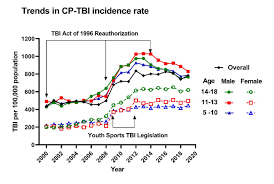
    New research in the American Journal of Preventive Medicine, published by Elsevier, examines consumer product-related traumatic brain injury (CP-TBI) in school-age children over a 20-year period by differentiating age groups, education levels and gender and evaluating trends with the time-point regression method. Their findings reveal insights that have implications for effective preventive strategies and policies.

    This serial cross-sectional study used National Electronic Injury Surveillance System – All Injury Program (NEISS-AIP) data for initial emergency department (ED) visits for CP/TBI from January 2000 to December 2019 for 6.2 million children under the age of 5. 18 years.

    The study documents a significant increase in CP-TBI incidents since 2000, accounting for more than 12% of all US hospital emergency room visits by school-age children in 2019, up from 4.5% in 2000. The rate of increase stabilized overall, after peaking in 2012, to an annual level of 3.6% over the entire study period. This may be partly due to widespread media attention and public health policies that have resulted in greater risk awareness regarding contact sports, increased reporting of incidents, and more effective prevention and treatment.

    The incidence of CP-TBI was higher in boys than in girls. However, annual percentage increases since 2013 have been significantly greatest among girls, especially among high school-age girls.

    “While it appears that efforts to reduce TBI in children’s sports have been effective, our findings suggest that more targeted efforts are needed among girls,” said lead investigator Tuan D. Le, MD, DrPH, Department of Epidemiology and Biostatistics, School of Community and Rural Health, The University of Texas at Tyler Health Science Center, Tyler; and Research Directorate, US Army Institute of Surgical Research, JBSA-Fort Sam Houston, TX, USA.

    CP-TBI has a negative impact not only on affected individuals, but also on their families, schools and healthcare systems. “Parents, sports and activities staff and coaches, educators, caregivers and support members, and the children themselves all need more awareness and training about screening and when to seek care for mild and more severe TBI in children. Improved point-of-care screening should be developed and promoted to identify and treat injuries that are not always immediately visible,” explains Dr. Le.

    He added: “Since inactivity in children is also a serious problem, we are faced with a difficult balancing act: how do we develop awareness of how to avoid risky activities without discouraging children from participating in healthy and fun exercise?”

    Source link

  • Professional football players battled fatigue for six weeks after COVID infection, research shows

    Professional football players battled fatigue for six weeks after COVID infection, research shows


    Professional footballers’ matchday performance fell after recovering from COVID-19, with three-quarters battling fatigue for six weeks, a University of Essex study has found.

    The study – published in Physiological reports — examined top football players for the first time and examined the impact of the long Covid-19 crisis on top athletes.

    The study found that 77 percent of those studied battled general fatigue for 37 days and 54 percent battled muscle fatigue for 38 days after the test came back negative.

    GPS data from ten matches after returning to play revealed a four percent drop in match performance, despite no reduction in lung capacity.

    The research was led by Dr. Michele Girardi, who worked with the university’s School of Sport, Rehabilitation, and Exercise Sciences.

    He hopes the research will help improve return-to-play protocols for sports stars recovering from the virus.

    Dr. Girardi said: “This is one of the first studies to look at the impact of COVID-19 on professional footballers.

    “An original aspect is that we studied the metabolic power of players during official matches after the infection.

    “We were surprised to see such an impact on players’ ability to train at high intensity.

    “The study results suggest that fatigue symptoms should be carefully considered for a safe and effective return to sport post-COVID.

    “We were limited in who we could study, but the findings are cause for concern and show that more needs to be done to help players return to the sport.

    “This research also has wider implications as footballers have been in a unique position during the ongoing pandemic and have almost been canaries in the coal mine.

    “The football world was very unusual because when we all had to isolate ourselves from everyone, they continued to train, meet in groups and play.

    “Much is still being learned about the impact of COVID-19 and we hope this research will help clubs support players’ return to play and help inform public health policy on long COVID-19.”

    Dr. Girardi collaborated with colleagues in Italy to study players in the Italian Serie C league for the article entitled ‘COVID-19 illness in professional football players: symptoms and impact on lung function and metabolic power during matches’.

    One anonymous club opened its doors to a team of researchers, including academics from the University of Padua, the University of Rome “Foro Italico”, the University of Verona and University College London.

    Data from 13 players infected with COVID was studied over the course of about six months.

    They had an average age of 24 years, were just under 6 feet tall and weighed about 12 stone.

    It is now hoped that the research will be expanded with more teams taking part to understand the impact of the coronavirus.

    Dr. Girardi added: “Although this is a relatively small sample size, this is crucial data that shows more needs to be done to understand the impact of COVID on young, healthy people.

    “The virus has not disappeared and sports teams are high-risk environments that can act as real vectors for infections.”

    Source link

  • More evidence to stay off the boards

    More evidence to stay off the boards


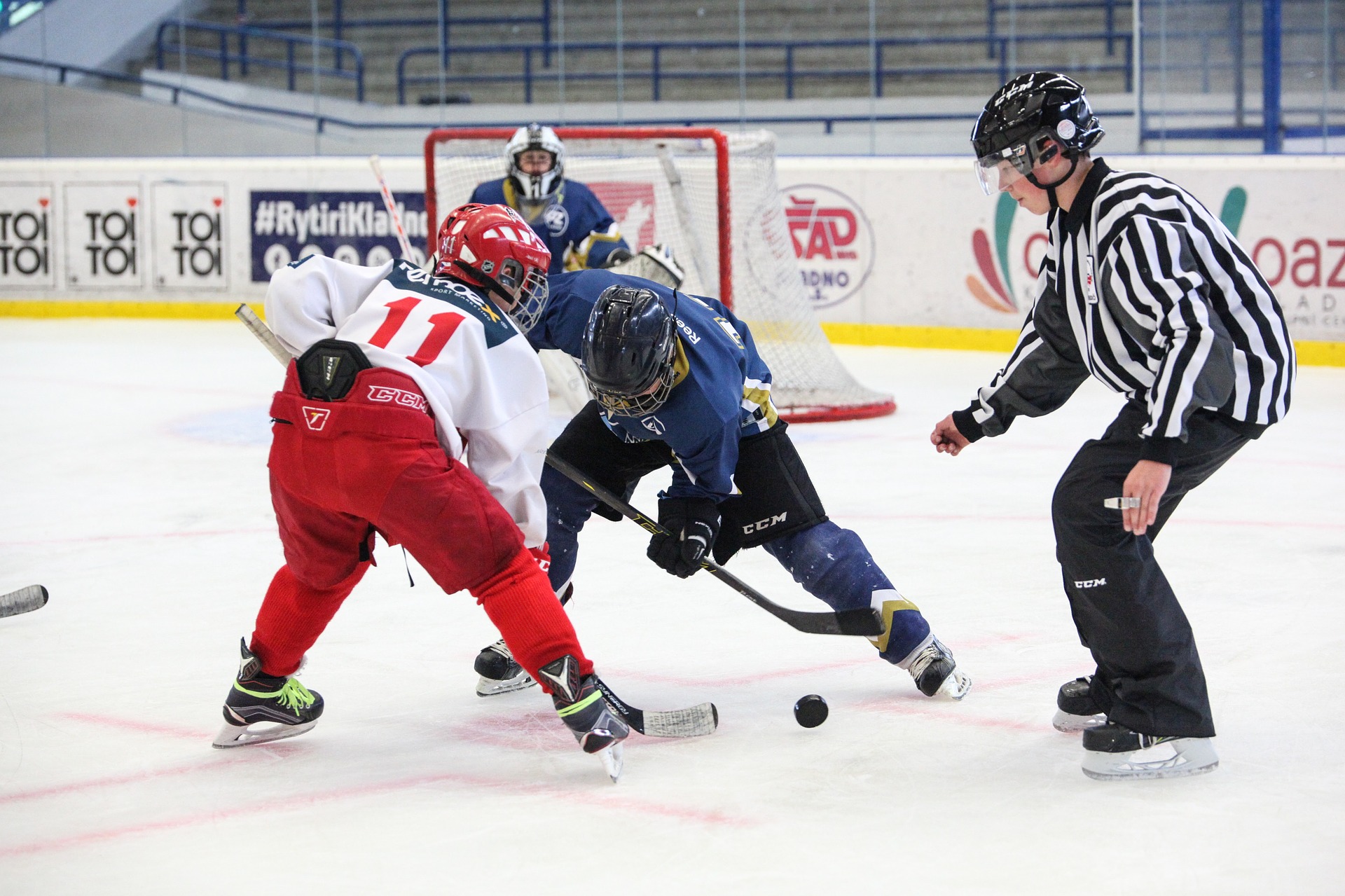
    Body checking experience and injury rates among ice hockey players aged 15-17 years.

    Eliason PH, Hagel BE, Palacios-Derflingher L, Warriyar V, Bonfield S, Black AM, Mrazik M, Lebrun C, Emery CA. CMAJ. Jun 20, 2022;194(24):E834-E842. doi: 10.1503/cmaj.211718.

    Full text freely available

    Take home message

    More experience with body checking was not associated with a decrease in the number of concussions or injuries in 15- to 7-year-old ice hockey players.

    Background

    Although body checking in ice hockey can lead to an increased risk of injury and health care costs, arguments remain that increasing a hockey player’s experience with body checking could protect him from injury.

    Study aim

    Eliason and colleagues completed a prospective cohort study to determine the association between body checking experience and rates of concussions and injuries in ice hockey players between 15 and 17 years old.

    Methods

    The researchers invited players from ice hockey leagues in three regions in Alberta, Canada, making body checks possible. All participants completed a baseline questionnaire before the season, which the authors used to estimate the number of years of body checking experience. Designated team members (e.g., manager) recorded each match as an exposure, an injury resulting in more than 7 days lost to hockey, and a concussion as defined in the Consensus Statement on Concussion in Sport.

    Results

    A total of 186 teams (941 players with 1,168 player seasons) participated. Players with three or more years of bodychecking experience tended to sustain new injuries and concussions more than 2.5 times as often as players with two or fewer years of experience.

    Viewpoints

    Interestingly, having more experience was not associated with fewer injuries. These findings support the theory that more experience with body checking is not protective. Therefore, these findings support rule changes regarding the removal of body checks in youth ice hockey. It will be useful to see if these findings can be replicated in other age groups and populations. In the meantime, doctors, parents and players can use this data to advocate for rule changes to reduce body checks.

    Clinical implications

    Clinicians and stakeholders should advocate for fewer body checks to reduce injuries.

    Questions for discussion

    What experiences have you had with rules that limit contact in sports? What implementation barriers have you encountered?

    Written by: Kyle Harris
    Review by: Jeffrey Driban

    related posts

    Less body control may protect adolescent ice hockey players
    Abolishing controls can have positive financial consequences
    Cut out the dangerous checking… Check.

    9 EBP CEU courses

    Source link

  • Children’s health will be negatively affected by poorer fitness as global temperatures rise, new research shows

    Children’s health will be negatively affected by poorer fitness as global temperatures rise, new research shows


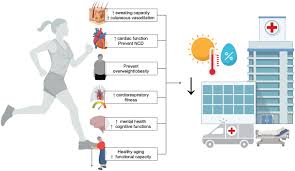
    Record levels of obesity and physical inactivity among children mean they will bear the brunt of worse health consequences from rising global temperatures – that’s the stark warning in a new comprehensive review of current research on the subject.

    Publication of her findings in the peer-reviewed journal TemperatureDr. Shawnda Morrison, an environmental physiologist, states that while physical fitness is key to tolerating higher temperatures, children are heavier and less fit than ever before.

    This could put them at greater risk for heat-related health problems, such as dehydration, heat cramps, heat exhaustion or heat stroke.

    She says current climate change policies are failing to adequately address children’s health needs and that encouraging children to make physical activity part of their daily lives must be a priority if they are to cope life in a warmer world.

    Dr. Morrison, from the Slovenian University of Ljubljana, Faculty of Sports, is an expert in adaptive and integrative human physiology in extreme environments. She has more than 20 years of experience researching sports performance and exercise physiology, especially in warm environments.

    Her ratings are based on a comprehensive review of more than 150 medical and scientific studies into how children stay physically active, exercise, cope with heat, and how this could change as global temperatures rise.

    The research she highlights includes a study of 457 boys aged 5 to 12 years old in primary schools in Thailand, which found that overweight young people were more than twice as likely to have problems regulating their body temperature as young people who were overweight. normal weight when they exercised outdoors.

    Using emergency room data from children’s hospitals in the US, another study found that attendance was higher during warmer days. Younger children in particular often required emergency care.

    The research also found:

    • The aerobic fitness of children is 30% lower than that of their parents at the same age.
    • There has been a rapid decline in children’s physical activity worldwide, especially over the past thirty years
    • Most children do not meet the World Health Organization guideline for an average of at least 60 minutes of physical activity per day.
    • Physical inactivity increased, especially in Europe, during the Covid-19 pandemic, when schools and other social infrastructures were closed.

    Rising temperatures can further limit physical activity when parents of children find the outdoor temperature “too hot for play,” making it more uncomfortable for untrained or unfit children to meet the minimum physical activity levels to stay healthy, says Dr. Morrison, who is also the founder of Active Healthy Kids Slovenia.

    Higher temperatures and changes in weather patterns are also expected to lead to the outbreak of new diseases entering the human population. If more movement restrictions are introduced to contain emerging diseases, this will have potentially devastating consequences for children’s physical fitness, mental and physical health.

    Dr. Morrison also points out that, in terms of thermoregulation – how the body maintains its internal or core temperature – young children are not simply smaller adults. When exposed to heat, children sweat less than adults; they lose heat by increasing blood flow to their skin – a process that requires the heart to work relatively harder.

    Despite these differences, most research into how the body adapts to higher temperatures has been conducted in adults. The little mechanistic research that has been done in children was largely conducted 15 to 30 years ago, when children’s fitness was much higher than it is today.

    Dr. Morrison concludes: ‘Fitter adults are better able to tolerate higher temperatures, thanks to a combination of physiological, behavioral and psychological factors.

    “But now that the world is getting warmer, children have never been so fit. It is imperative that children are encouraged to exercise daily to build and maintain their fitness so that they enjoy moving their bodies. They don’t feel like doing ‘work’ or ‘a chore’.”

    Activities can include a combination of structured games, such as football, basketball and baseball, and active play with friends and family, preferably outdoors.

    Physical education classes taught by PE teachers are the best and most cost-effective way to increase fitness levels and equip children to continue exercising throughout their lives. Families also have a role to play, especially if schools offer little physical education.

    Dr. Morrison says: “Do what you love, whether it’s a bike ride or rollerblading with the family, a walk in the woods or walking the dog.

    “Make sure the activity gets everyone’s heart rate, enthusiasm and positive energy up and, most importantly, don’t try to avoid the heat completely, but choose times of the day that are less hot (mornings/evenings) to stay active , because we have to keep ourselves moving in this new warming world.”

    As part of Dr. Morrison’s ongoing work, she wants to determine how physically active children and adults are during heat waves, and how hot, uncomfortable or thirsty they feel when performing these activities.

    Source link

  • Athletes’ diets do not meet the Healthy Eating Index

    Athletes’ diets do not meet the Healthy Eating Index


    Diet quality of NCAA Division I athletes assessed by the Healthy Eating Index

    Werner EN, Robinson CA, Kerver JM, Pivarnik JM. J Am Coll Health. 2022 May 27:1-7. doi: 10.1080/07448481.2022.2076102. E-publishing prior to printing. PMID: 35623046.

    https://www.tandfonline.com/doi/abs/10.1080/

    Take home message

    Division I collegiate athletes reported poor diet quality.

    Background

    Collegiate athletes must balance a full course load with a rigorous training program. Therefore, priority should be given to promoting physical, cognitive and mental well-being. One way to promote academic and physical performance is by optimizing nutrition. However, we need a better understanding of the quality of their diets before we can offer nutrition education to collegiate athletes.

    Study aim

    The authors evaluated a sample of NCAA Division I college athletes to determine their nutritional intake and quality.

    Methods

    The researchers surveyed 94 college athletes (78% women, 19 different varsity teams) at a Division I university. The athletes completed the Automated Self-Administered 24-hour (ASA24) Dietary Assessment Tool between March and June 2020 – before returning to campus following the initial COVID-19 outbreak. The athletes completed information on the ASA24 regarding the foods consumed at each meal/snack, cooking methods, portion size and ingredients. They were also given prompts to review forgotten items. The athletes also answered a question about whether this day was the usual intake, less than normal or more than usual intake. The authors used these answers to calculate the Healthy Eating Index (HEI). The Healthy Eating Index is divided into 13 components to assess overall diet quality, including the adequacy of necessary nutrition (fruits, vegetables, proteins, fatty acids) and moderation of other foods (refined grains, added sugars, saturated fats). A total possible score is 100 (grade A > 90, grade B = 80-89, grade C = 70-79, grade D = 60-69, and grade G <50).

    Results

    Most athletes reported being from underclassmen (59%), majoring in a non-health field (65%), and taking some nutrition courses from high school or college (59%). Athletes typically competed in crew (25%), cross country (19%), soccer (11%), or swimming and diving (11%). Overall, men reported higher calorie intake (3299) than women (~2224). The mean Healthy Eating Index score was ~59 (range: 27-94). Only nine athletes (10%) scored 80 or better. The authors found no differences in diet quality by gender, class, field of study or sport.

    Viewpoints

    In general, athletes reported poor nutrition. Only nine athletes reported diets that received a B or higher. Therefore, most athletes do not meet the nutritional quality standards set in the Dietary Guidelines, let alone the nutritional recommendations for athletes. However, it is critical to assess whether these dietary patterns can be replicated in a larger sample of college athletes at different times during their collegiate careers (e.g., preseason, preseason, in-season, off-season). The authors focused on dietary patterns in this study when the athletes were off campus at a unique time due to the pandemic. It would also be useful for future researchers to examine individual nutritional needs, dietary/cooking autonomy, and socioeconomic barriers, which could help explain poor diet quality. Despite the challenges in generalizing these findings to other athletic populations, this study should raise awareness that we need to take a closer look at the nutrition of our athletes.

    Clinical implications

    Despite the challenges of applying these results to other athletic populations, clinicians should become more aware of the need to take a closer look at the nutrition of our athletes. We may need to work with nutritionists to develop educational interventions that discuss the best strategies for good nutrition at home and at school to optimize health and performance inside and outside the classroom.

    Questions for discussion

    Do you discuss and assess nutritional results with your athletes? If so, what do you use to educate your athletes, and what metrics do you use to assess quality?

    related posts

    1. Position Statement of the Academy of Nutrition and Dietetics, Dietitians of Canada and the American College of Sports Medicine: Nutrition and Athletic Performance
    2. Sports Dietitians Australia position statement: Nutrition for exercise in hot environments
    3. IOC consensus statement: nutritional supplements and the elite athlete

    Written by: Jane McDevitt
    Review by: Jeffrey Driban

    9 EBP CEU courses

    Source link

  • Many types of leisure activities can lower the risk of death for older adults

    Many types of leisure activities can lower the risk of death for older adults


    Older adults who participate in many different types of leisure activities every week, such as walking, jogging, swimming laps or playing tennis, may have a lower risk of death from any cause, as well as death from cardiovascular disease and cancer. according to a new study led by researchers at the National Cancer Institute, part of the National Institutes of Health.

    The findings suggest that it is important for older adults to engage in leisure activities that they enjoy and can maintain, because many types of these activities can lower the risk of death, the authors wrote.

    The findings will be published on August 24 JAMA network opened.

    Using data from 272,550 adults between the ages of 59 and 82 who completed questionnaires about their leisure activities as part of the NIH-AARP Diet and Health Study, the researchers looked at whether they participated in equivalent amounts of seven different exercise and recreational activities. – which includes running, cycling, swimming, other aerobic exercise, racquet sports, golf and walking for exercise – was associated with a reduced risk of death.

    The researchers found that achieving the recommended amount of physical activity per week through a combination of these activities was associated with a 13% lower risk of death from any cause, compared to not participating in these activities. When they looked at the role of each activity separately, playing racquet sports was associated with a 16% reduction in risk and running with a 15% reduction. However, all activities studied were similarly associated with a lower risk of death.

    The second edition of the Physical Activity Guidelines for Americans recommends that adults engage in 2.5 to 5 hours of moderate-intensity aerobic physical activity or 1.25 to 2.5 hours of vigorous-intensity aerobic physical activity each week.

    The activity levels of the most active individuals (those who exceeded recommended levels of physical activity) were associated with an even greater reduction in the risk of death, but there were diminishing returns as activity levels increased. Even people who did some recreational activity, although less than the recommended amount, had a 5% reduction in the risk of death than those who did not participate in any of the activities studied.

    These activities were also associated with a lower risk of death from cardiovascular disease and cancer. Playing racquet sports was associated with the greatest reduction in the risk of cardiovascular disease deaths (27% reduction), while running was associated with the greatest reduction in the risk of cancer deaths (19% reduction). .

    Source link

  • Balancing ankle injuries and football with… Balance

    Balancing ankle injuries and football with… Balance


    Injury prevention programs with balance training reduce the number of ankle injuries among football players: a systematic review.

    Al Attar WS, Khaledi EH, Bakhsh JM, Faude O, Ghulam H, Sanders RH, J. Physiotherapist. July 2022; 68(3):165-173.

    Full text freely available

    Take home message

    Football players have a lower risk of ankle injuries if they perform an injury prevention warm-up program that includes balance, compared to a standard warm-up.

    Background

    Ankle injuries occur at all levels of competition and represent 15% of high school and college athletic injuries. While there are many well-researched programs to prevent lower extremity injuries (e.g. FIFA 11, FIFA 11+), balance is often not a major component. It is unclear whether specifically targeted balance exercises can reduce the risk of ankle injuries.

    Study aim

    The authors conducted a systematic review of randomized controlled trials to determine whether injury prevention programs involving balance training reduce the rate of ankle injuries among soccer players compared to standard warm-up programs.

    Methods

    The authors searched four databases for articles published between 1985 and 2020 describing randomized clinical trials comparing injury prevention programs that included balance training exercises with a standard warm-up program among soccer players. They included examining whether they also reported the number of ankle injuries or the number of injuries in addition to the number of hours of training/competition.

    Results

    The authors identified 9 randomized controlled trials involving 9,633 football players of all ages and competition levels. Overall, injury prevention programs that included balance training reduced the risk of ankle injuries by 36%. The authors found consistent results when examining balance training-only warm-up programs (41% reduction) or the FIFA 11 programs (37% reduction).

    Viewpoints

    The authors found that warm-up programs for injury prevention, including balance training, can reduce the risk of ankle injuries. Five of the nine tests focused on the FIFA11+ program, which includes strength, plyometrics and balance exercises. Two studies assessed warm-up programs that focused solely on balance. These studies showed similar benefits (33% and 40% reduction in injury rates). Most studies focused on male soccer players who benefited from these warm-up programs. However, a large study found that these programs may not be as effective for female adolescent soccer players. It would be useful to further investigate how these programs impact male and female soccer players and whether the benefits of these programs vary by age or level of competition.

    Clinical implications

    Clinicians should encourage football teams to incorporate balance exercises into their warm-up programs to reduce the number of ankle injuries. Teams should consider using standardized 10- to 15-minute warm-up programs for injury prevention, including balance training.

    Questions for discussion

    Does your typical warm-up emphasize balance, or do you lean toward more flexibility, strength, or stability-based programs?

    related posts

    FIFA 11… (but really FIFA 11+) programs are effective in reducing football injuries

    Written by Alexandra Bossi
    Reviewed by Jeffrey Driban

    9 EBP CEU courses

    Source link