Blog

  • Newton surgeon uses breakthrough technology for guided personalized shoulder replacement surgery

    Newton surgeon uses breakthrough technology for guided personalized shoulder replacement surgery


    BOSTON, November 1, 2023–(BUSINESS WIRE)–Orthopedic surgeon Dr. Daniel Quinn is now using computer-assisted technology to offer guided, personalized surgery for shoulder replacements in the area.

    ExactechGPS® Guided personalized surgery is the latest technological advancement that provides surgeons with real-time visual guidance and alignment data in total shoulder surgery.

    Much like a navigation device in your car, this platform provides a visual map of the patient’s joint on a screen, allowing surgeons to combine preoperative planning with intraoperative computer-aided technology, to perform implant alignment based on the patient’s needs .

    “With GPS, I have complete control over my patients’ shoulder replacement surgery,” said Dr. Quinn. “This technology gives me the ability to connect each patient’s personal plan prior to surgery with real-time intraoperative guidance to ensure proper implant placement. I can be confident that I executed the case exactly as planned, with verified accuracy.”

    GPS combines the expertise of surgeons with an advanced computer system to perform the patient’s shoulder surgery with the goal of improved accuracy and precision. GPS is personalized to a patient’s unique bone structure and anatomy and is designed to help surgeons decide where to remove the bone and place the shoulder implant in the optimal position.

    The technology’s preoperative planning tool allows surgeons to plan their cases prior to surgery through a virtual simulation. Surgeons can then execute their plan in real time during the operation based on a 3D anatomical model of the patient’s shoulder.

    “With the preoperative planning app, I can use my patient’s CT scan to plan the personalized surgery before we even enter the operating room, and I can make adjustments in the operating room as needed,” said Dr. Quinn. “I have read recent studies showing improved clinical outcomes using GPS, and I am pleased that my patients will benefit from using this technology.”

    Combined with the Equinoxe® Shoulder System, which has demonstrated excellent biomechanics and results in almost 20 years of use, allows surgeons to combine the best of both worlds: a proven implant base with today’s most advanced surgical technologies.

    For more information about GPS or to make an appointment with Dr. Quinn, call 617-964-0024 or visit www.nwoa.com.

    Additional information about the technology can be found at www.ExactechGPS.com.

    References:

    1. Data registered with Exactech, Inc.
    2. Kida, H. et al. Implications of using a navigation system for glenoid component placement in reverse shoulder arthroplasty. Sci Rep. 2022 Dec 7;12(1):21190
    3. Larose, G. et al. High intraoperative accuracy and low complication rate for computer-aided navigation of the glenoid in total shoulder arthroplasty. JSES. In the press. 2022.
    4. Jones R. et al. Accuracy and precision of glenoid baseplate placement in reverse total shoulder arthroplasty using a novel computer-aided navigation system combined with preoperative planning: a controlled cadaveric study. JSES Seminars in Arthroplasty. 2020 May;30(1):73-82.*
    5. Nashikkar P. et al. The role of intraoperative navigation in glenoid component fixation in reverse total shoulder arthroplasty: a clinical case-control study. J Shoulder elbow surgery. 2019 Sep;28(9):1685-1691.
    6. Youderian A. et al. Two-year clinical outcomes and complications in anatomic and reverse shoulder arthroplasty implanted with Exactech GPS intraoperative navigation. J Shoulder elbow surgery. 2023. In press.

    About Exactech

    Exactech is a global medical device company that develops and markets orthopedic implant devices, related surgical instruments and Active Intelligence technology.® platform of smart technologies for hospitals and doctors. Headquartered in Gainesville, Florida, Exactech markets its products in the United States, in addition to more than 30 markets in Europe, Latin America, Asia and the Pacific. Visit www.exac.com for more information and connect with us on LinkedIn, Vumedi, YouTube, Instagram and Tweet. With Exactech by your side you have EXACTLY what you need.

    Contacts

    Nancy Walsh
    Sr. Director of Marketing Communications, Exactech
    Nancy.Walsh@exac.com

    Source link

  • Gender-specific predictors of long-term recovery from concussion

    Gender-specific predictors of long-term recovery from concussion


    Early psychological symptoms predict concussion recovery time in middle and high school athletes.

    [ PMC gratis artikel ][ PubMed ]Wilmoth K, Tan A, Tarkenton T, Rossetti HC, Hynan LS, Didehbani N, Miller SM, Bell KR, Cullum CM. J Clin Exp Neuropsychol. 2022 May;44(4):251-257. doi: 10.1080/13803395.2022.2118676. Epub 8 Sep 2022. PMID:36073744.

    Full text not freely available

    Take home message

    Middle and high school athletes who reported more concussion symptoms and sleep problems, as well as post-traumatic memory loss, were more likely to have long-term recovery than peers without these concerns. Additionally, depressive symptoms can help identify men at risk for a prolonged recovery.

    Background

    Recovery from a concussion is quite variable. Therefore, determining risk factors for long-term recovery is essential to provide appropriate patient care to reduce this risk. Several risk factors for prolonged post-injury recovery have been identified (e.g., emotional symptoms, sleep disturbances). However, these factors have not been well established in college athletes.

    Study aim

    The authors analyzed clinical data from middle and high school athletes to investigate whether post-concussion psychological factors and sleep symptoms predict long-term recovery.

    Methods

    The authors recruited 393 high school students (~15 years old; 45% female) to complete 3 surveys within 14 days of injury (~6 days of injury), which is part of a larger study through Con Tex. completed the 3 questionnaires during their clinical evaluation: 1. 7-item Generalized Anxiety Disorder Scale (GAD-7), which screened for anxiety; 2. The eight-item patient questionnaire (PHQ-8) to assess whether depression is present; and 3. The Pittsburg Sleep Quality Index (PSQI) to evaluate sleep quality. The authors located the provider’s documented date of symptom resolution through a medical record review.

    Results

    A total of 17% (n=66) needed more than 30 days to recover. The authors found that post-traumatic memory loss, worse concussion scores, and poorer sleep quality predicted longer concussion recovery. In women, only more severe concussion symptoms predicted longer recovery. In men, on the other hand, greater depression and post-traumatic memory loss are related to long-term recovery.

    Viewpoints

    Someone with more severe symptoms or poor sleep quality within the first two weeks after a concussion may have a greater chance of long-term recovery from the concussion. However, the authors found that there were different predictors when they looked at sex. Women with greater symptom severity were more likely to have a long recovery. At the same time, men were more likely to have a long recovery if they had worse depression symptoms or post-traumatic memory loss. It is worth noting that although sleep, anxiety and depressive symptoms were predictive factors, the overall scores were low, indicating that they were unlikely to experience high levels of anxiety, depression or sleep disturbance.

    Clinical implications

    Medical professionals should screen patients after a concussion for signs of anxiety, depression, or sleep disturbance, because even subtle signs can increase the likelihood of long-term recovery. These assessments can help identify problems early and lead to a more targeted concussion plan.

    Questions for discussion

    Have you noticed any specific predictors associated with your athlete’s recovery? How do you incorporate concussion risk into your concussion education/management/basic protocol?

    related posts

    1. Wake-up call for collegiate athletes’ sleep: narrative review and consensus recommendations from the NCAA Interassociation Task Force on Sleep and Wellness
    2. A few more hours of sleep, my baseline for your athletes
    3. Typical versus prolonged recovery time and predictors after concussion in high school and college athletes
    4. In patients who report persistent symptoms after a concussion, groups of symptoms occur together

    Written by: Jane McDevitt
    Review by: Jeffrey Driban

    Evidence-based assessment of concussion course - 5 EBP CEUs

    Source link

  • JAK inhibitors provide effective and convenient treatment options for arthritis patients

    JAK inhibitors provide effective and convenient treatment options for arthritis patients

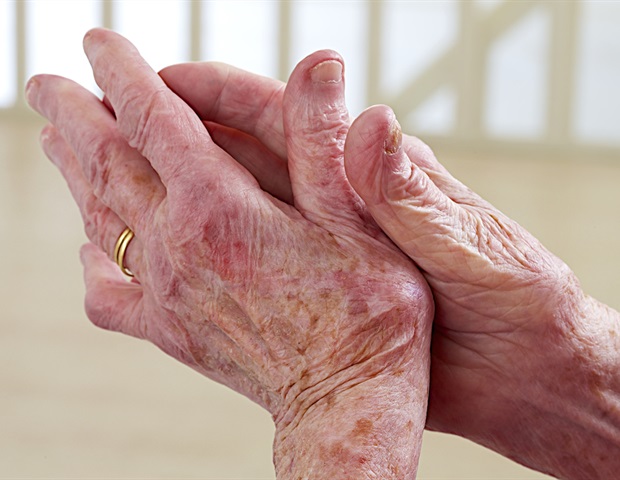
    Arthritis

    According to a new article in Rheumatology, published by Oxford University Press, JAK inhibitors, which doctors have used to treat patients with arthritis despite concerns about the effectiveness of such drugs, actually work quite well. In a multicenter retrospective study, Japanese researchers found that the drugs resulted in impressive remission rates in patients, most of whom choose to continue such treatment.

    Rheumatoid arthritis is a common autoimmune disease characterized by chronic inflammation of the joint linings and results in progressive joint destruction and other systemic complications. The use of biologic disease-modifying drugs allows patients to enjoy achieving low disease activity and remission. But clinics must administer such medications via subcutaneous or intravenous routes, which is unpleasant for patients, and over time these medications often become less effective.

    Recently, scientists have developed Janus kinase (JAK) inhibitors for the treatment of arthritis. Patients take such medications orally. Previous research has demonstrated the efficacy and safety of JAK inhibitors in randomized controlled trials. However, some researchers have questioned the potential efficacy of JAK inhibitors for widespread use by patients. In practice, doctors usually treat patients with JAK inhibitors, precisely because these patients have other health problems and conventional medications such as methotrexate are less effective for them. Real-world patients have distinctive characteristics compared to those recruited in randomized controlled trials.

    In the current multicenter retrospective study, using data from 622 patients treated at seven major university hospitals in Japan, researchers compared the efficacy and safety of four common JAK inhibitors: tofacitinib, baricitinib, peficitinib, and upadacitinib.

    The researchers here found that about one in three patients achieved remission, and three in four achieved at least low disease activity, with both figures representing impressive efficacy. They noted that more than 80% of patients were still taking the JAK inhibitors after six months.

    They believe that this is especially relevant because with these oral medications there cannot be a failure of immunological secondary treatment, where medications are no longer effective because they cause adverse immune system responses in patients. Failure of secondary immunological treatment is common in patients treating their arthritis with drugs such as methotrexate.

    Source:

    Oxford University Press USA

    Magazine reference:

    Hayashi, S., et al. (2023) Real-world comparative study of the efficacy of Janus kinase inhibitors in patients with rheumatoid arthritis: the ANSWER cohort study. Rheumatology. doi.org/10.1093/rheumatology/kead543.

    Source link

  • FloSpine Revolutionizes the Treatment of Spinal Stenosis with FDA Approval of the KeyLift™ System

    FloSpine Revolutionizes the Treatment of Spinal Stenosis with FDA Approval of the KeyLift™ System


    KeyLift is the fifth FDA-approved product developed by FloSpine, all invented at Florida Atlantic University® Research Park

    BOCA RATON, FLORIDA, USA, November 1, 2023 / EINPresswire.com / — Together with FloSpine, Florida Atlantic University’s Research Park® is pleased to announce that FloSpine has received 510(k) clearance for its KeyLift™ Expandable Interlaminar Stabilization System from the FDA, and has expanded from the Global Ventures entrepreneurial support center into a new, larger office to support growth.

    The newly approved device addresses spinal stenosis, a common and debilitating condition that affects more than 100 million people worldwide, resulting in approximately 600,000 surgeries annually in the United States alone. It occurs when the spinal canal narrows, putting pressure on the nerves and causing severe back and leg pain, weakness and numbness. Traditional treatment options for spinal stenosis often involve invasive surgical procedures with long recovery times. The KeyLift System introduces a less invasive alternative, allowing spine and interventional pain physicians to implement this revolutionary treatment in an outpatient surgery center.

    The KeyLift Expandable Interlaminar Stabilization System features an innovative, expandable design that enables precise, patient-specific surgical procedures. KeyLift unlocks the biomechanics of the spine and provides three key benefits:
    1. Support – KeyLift provides support on the strongest part of the spine, the lamina. This distinguishes it from existing devices that only support the spinous process, which is difficult in patients with osteoporosis.
    2. Lift – With the ability to expand up to 4mm in height, KeyLift effectively distracts and relieves nerves, relieving pain caused by spinal stenosis.
    3. Stabilize – Positioned closer to the instantaneous axis of rotation of the spine, KeyLift promotes intervertebral disc health by balancing the discs.

    This breakthrough technology not only reduces patient discomfort and pain, but also significantly shortens recovery times by being performed in an outpatient surgery center, allowing patients to return to their daily lives more quickly.

    The expandable design of the KeyLift system is the result of years of research, development and rigorous testing by the FloSpine team, supported by Luis Escobar, chief design engineer.

    “KeyLift offers a more mechanically stable design in a minimally invasive package,” says Dr. Cheng-Lun Soo, MD, orthopedic spine surgeon and co-inventor of the KeyLift. “As a spine surgeon with more than 25 years of experience, I believe this technology will reach more patients by allowing more interventional physicians to treat mild to moderate spinal stenosis without the fear of major surgery.”

    Like the four other products invented by FloSpine and approved by the FDA, KeyLift has a Florida-inspired name. FloSpine is committed to advancing spine health care, and to support its continued growth, the company recently expanded its headquarters to a 5,000-square-foot facility in Florida Atlantic University’s Research Park, after completing its scale-up at Global Ventures. The majority of FloSpine’s hiring comes from Florida Atlantic University’s College of Engineering, and over the next two years it plans to expand from 8 to 18 employees.

    “This is the culmination of years of research and development to deliver a medical device that helps improve the lives of patients suffering from spinal stenosis. Our recent move to larger premises in the Research Park at FAU will allow us to train our surgical and distribution partners to become increasingly competitive in the spinal implant market,” said Peter Harris, Founder and CEO of FloSpine. “This marks two significant achievements for our company as we grow in supporting our spine equipment for both interventional pain physicians and spine surgeons. We are confident that KeyLift will become the standard in the treatment of this condition, improving the quality of life for patients overall.”

    Andrew Duffell, president of the Research Park at FAU, added, “FloSpine’s growth and expansion of Global Ventures into the Research Park is an inspiration to healthcare entrepreneurs and Florida Atlantic students who see their classmates excel in an exciting, growing industry. We very much look forward to supporting the team as it continues to innovate and contribute to the region’s economy.”

    In loving memory of Luis Escobar, Senior Design Engineer and friend.

    Andreas Duffel
    Research Park at FAU
    +1 561-416-6092
    email us here
    Visit us on social media:
    Facebook
    LinkedIn
    Instagram
    YouTube

    NOTE: This content is not authored or endorsed by “KLST/KSAN”, its advertisers or Nexstar Media Inc.

    For questions or corrections to press releases, please contact EIN Presswire.

    Source link

  • Female footballers are not on a level playing field when it comes to sports technology, research shows

    Female footballers are not on a level playing field when it comes to sports technology, research shows


    Female footballers need specifically tailored products such as equipment, boots and balls to optimize their performance and safety on the pitch, according to an article published in Sports technology. The authors conclude that while some progress has been made in addressing the equipment needs of female players, vital gaps in research, development and production still exist in women’s football.

    Although the popularity of professional women’s football has increased in many countries, highlighted by England’s recent victory at the 2022 UEFA European Women’s Football Championships, the technology and equipment are still largely designed for men’s football. Strikingly, a recent study found only 32 published scientific articles on technology in women’s football.

    Kat Okholm Kryger and colleagues – including England women’s national football team captain Leah Williamson – asked ten questions to highlight the minimal progress that has been made in elite women’s football technology, and the barriers that still exist to tailor-made making equipment available to female players. The authors discuss why tailor-made technology for female footballers is necessary and highlight that although women have different physical needs than men, equipment such as football boots and balls are still designed for men rather than women. These issues can both increase the risk of injury from ill-fitting shoes, and reduce performance due to the proportionately greater effort required to kick the ball compared to men.

    Additionally, the authors report that many female soccer players feel uncomfortable wearing soccer shorts (which are typically white) due to concerns about possible menstrual leaks. Professional female footballers are also often required to wear specific sports bras provided by kit sponsors, rather than the optimal sports bra for their body type. This can also reduce performance and lead to discomfort while running and turning.

    The authors note that manufacturers are recognizing the lack of development in women’s football technology and that there is a positive shift towards women-specific products. However, progress is limited by the lack of existing research, and concerted efforts are needed to address key gaps in understanding the needs of female footballers.

    Source link

  • Missing therapeutic exercises after an ankle sprain can lead to a bad year

    Missing therapeutic exercises after an ankle sprain can lead to a bad year


    The influence of therapeutic exercises after an ankle sprain on the occurrence of subsequent knee, hip and lumbar spine injuries

    Foster KS, Greenlee TA, Fraser JJ, Young JL, Rhon DI. Medicine and science in sport and exercise. August 2022. doi: 10.1249/MSS.0000000000003035.
    https://pubmed.ncbi.nlm.nih.gov/36084225/

    Take home message

    Performing therapeutic exercises after an ankle sprain reduces the chance of a knee, hip, or lumbar spine injury in the following year.

    Background

    Ankle sprains are the most common injury, especially among active individuals. However, not everyone receives care, which can contribute to chronic ankle instability and limitations in lower extremity movement, including instability and reduced sensorimotor function. These limitations can increase a person’s risk for later injury to other joints in the lower extremities. However, we have little evidence to support or refute this hypothesis.

    Study aim

    The authors evaluated the rate of secondary injuries after an ankle sprain and whether therapeutic exercises after an ankle sprain reduced the risk of future injuries to the knee, hip and lumbar spine.

    Methods

    The authors conducted a retrospective cohort study within the military health care system. They used diagnostic and billing codes to identify individuals who sought care for an ankle sprain between 2010 and 2011, regardless of whether or not they received therapeutic exercise within 90 days of the injury and whether or not they subsequently suffered an injury to the knee, hip, or suffered a knee injury. lumbar spine within one year of the ankle injury.

    Results

    Twenty percent of the subjects (6,848) were diagnosed with a proximal joint injury. Most of these were knee and lumbar spine injuries. Only 28% of all individuals received therapeutic exercises for their initial ankle sprain. Individuals who received therapeutic exercise were ~13%, ~18%, and ~32% less likely than their peers without exercise to sustain a knee, lumbar spine, or hip injury at any time during the year after an ankle sprain.

    Viewpoints

    Individuals may suffer a secondary injury after an initial ankle sprain due to decreased mobility, strength and muscle activation. Only 8% of total costs for ankle sprains go toward physical therapy, but those who do not seek care are more likely to report decreased function and develop chronic ankle instability. Ankle sprains are often thought of as minor injuries, which may explain the lack of care or referral for therapeutic exercises. However, physical rehabilitation after an injury can improve ankle range of motion, pain, gait, balance and stability. It is therefore obvious that this would have a positive influence on the risk of future injuries. It would have been helpful to know who made the initial diagnosis and how their background/training influenced referral to therapeutic exercise.

    Clinical implications

    We need to be more proactive in educating healthcare professionals about the need to refer people to physical rehabilitation after an ankle sprain. They need to recognize that this is not a minor injury and that one in five people will suffer an injury to the knee, hip or lumbar spine within a year of an initial ankle sprain, which is already the most common sports injury.

    Questions for discussion

    Have you encountered the perception among patients that ankle sprains are minor, and if so, how have you explained the problem to them? Conversely, how would you change the way you explain ankle sprains to patients, even if they seem minor?

    related posts

    1. Nothing to fear except the fear of themselves in people with chronic ankle instability
    2. Ankle sprains are over-treated and under-rehabilitated
    3. Chronic ankle instability starts earlier than we thought

    Written by Jennifer Xu
    Reviewed by Jeffrey Driban

    Ankle Sprains EBP CEU Course

    Source link

  • Exactech announces first surgeries using Activit-E™ for knee replacement

    Exactech announces first surgeries using Activit-E™ for knee replacement


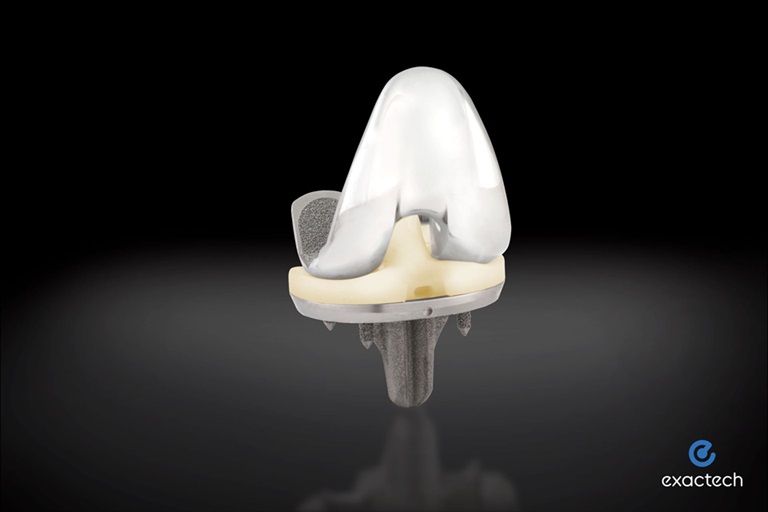
    GAINESVILLE, Fla., November 1, 2023–(BUSINESS WIRE)–Exactech, a developer and manufacturer of innovative implants, instrumentation and smart technologies for joint replacement surgery, announced the successful first surgery using its new, advanced Activit-E™ polyethylene for the Truliant® Knee Replacement System.

    Hany Bedair, MD, performed the procedure at Massachusetts General Hospital (MGH) in Boston, where the material was developed by noted polyethylene expert Orhun Muratoglu, Ph.D., director of the Harris Orthopedic Laboratory at MGH. Dr. Muratoglu was also present at the knee replacement case.

    “It’s a profound moment when the inventor who developed our advanced polyethylene is carried into the case at the hospital where it was developed,” said Adam Hayden, CMO and SVP, Large Joints Business Unit at Exactech. “Exactech is extremely proud to offer this next generation of highly cross-linked polyethylene with vitamin E antioxidant.”

    Activit-E provides an optimized balance between material strength and toughness through chemically cross-linked polyethylene, while eliminating the need for gamma radiation technology used in previous generations. It provides active oxidative resistance and a long-lasting, high-quality polyethylene bearing, ultimately providing greater strength and active stabilization.

    This new generation of polyethylene is the latest, unique innovation from Dr. Muratoglu and his team, including Ebru Oral, Ph.D., director of biomaterials research. Muratoglu invented the first cross-linked polyethylene, and the first of several generations of vitamin E antioxidant polyethylene for leading orthopedic companies.

    “It is exciting to perform the first surgical procedure with an implant material both conceived and developed at our hospital,” said Dr. Bedair. “With this advancement, we expect better results compared to knees with traditional, highly cross-linked polyethylene.”

    Activit-E recently received 510(k) clearance from the Food and Drug Administration for Exactech knee and ankle replacements. Activit-E will be on display at the 2023 AAHKS Annual Meeting in Dallas, Texas, November 2-5.

    References:

    Knight, J, Rodgers III, William P, Freedman, Jordan. “Mixed and Hot Irradiated Versus Infused: Mechanical Properties of Vitamin E Cross-linked UHMWPEs.” ORS Annual Meeting 2017. Poster no. 2034.

    Muratoglu, O, Asik, M, Nepple, C, Wannomae, K, Micheli, B, Connolly, R, Oral, E. “Dicumyl peroxide cross-linked UHMWPE/vitamin E blend for total joint arthroplasty implants.” Journal of Orthopedic Research. DOI: 10.1002/jor.25679.

    About Exactech

    Exactech is a global medical device company that develops and markets orthopedic implant devices, related surgical instruments and Active Intelligence® platform of smart technologies for hospitals and doctors. Headquartered in Gainesville, Florida, Exactech markets its products in the United States, in addition to more than 30 markets in Europe, Latin America, Asia and the Pacific. Visit www.exac.com for more information and connect with us on LinkedIn, VuMedi, YouTube, Tweet and Instagram. With Exactech by your side you have EXACTLY what you need.

    Contacts

    Morgan Lee
    Senior Manager Marketing Communications
    media@exac.com

    Source link

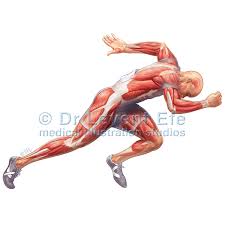
  • Sprinters’ legs: very muscular, still maneuverable

    Sprinters’ legs: very muscular, still maneuverable


    A comprehensive knowledge of human biomechanics is useful to train athletes more effectively. From a biomechanical perspective, sprinting is challenging compared to running and endurance running, making it an intriguing area of ​​research. Furthermore, a detailed biomechanical understanding of sprinters’ limbs may be insightful for more effective training of sprinters and for advancing our understanding of human motor performance in general.

    Previous studies have shown that sprinters have inhomogeneous muscle development, with well-developed hip flexors, extensors and muscles in the proximal femur. Muscle strength in sprinters corresponds well with the demands of the musculoskeletal system when sprinting, which can be a positive aspect in terms of strength-related factors. At the same time, however, the morphological differences would imply differences in mass distribution and thus maneuverability. More muscular legs would lead to greater mass and, in turn, to general speculation about the trade-off between greater torque-exertion capacity and greater difficulty in moving the lower limb.

    This raises an interesting question: how do sprinters balance muscle strength and brisk movements? Contextually, not much is known about the maneuverability of sprinter legs from an inertial perspective. This knowledge gap caught the attention of a research team led by Professor Yasuo Kawakami of Waseda University’s Faculty of Sports Sciences, who, together with his colleagues Hoshizora Ichinose of Nihon University and Dr. Natsuki Sado of the University of Tsukuba examined the leg morphology of athletes. from an inertial perspective.

    “As former athletes, we have been interested in the relevance of the human body in sport. Athletes train hard, but in many cases they do not know how their body specifically responds to training. We wanted to address this and help develop effective training strategies ,” says Kawakami, explaining the motivation behind their research.

    In their study, the researchers analyzed fat- and water-separated MRI scans from 11 male sprinters, all trained athletes with careers lasting more than 7 years, and 12 male non-sprinters, individuals who had not undergone resistance training or practiced sports within the past two years at the time of the survey. By comparing the MRI features, they found that the sprinters had higher relative lower limb mass than the non-sprinters. This increase in muscle strength in turn promoted energy production while running. These findings have been published in Medicine & Science in Sports & Exercise. To understand the interplay between joint torque and segment maneuverability, the researchers further calculated the moment of inertia of the lower limbs around the hip. This comparison showed that moment of inertia did not differ between sprinters and non-sprinters, suggesting that increased muscle mass does not compromise lower limb maneuverability in sprinters.

    When comparing different parts of the lower limbs between sprinters and non-sprinters, the researchers found that while the relative mass of the thighs differed between sprinters and non-sprinters, the relative mass of the shank and foot did not vary. Thus, the researchers conclude that these top-heavy, underlight features of sprinters’ limbs help them perform athletic movements with ease, judging from an inertia perspective.

    This new study sheds light on the unique characteristics of sprinters’ lower limbs. The findings will be useful for the development of new training strategies. Based on their findings, what do the researchers suggest athletes and trainers do to train more effectively? Kawakami notes: “Sprinters can focus on training the muscles of their lower extremities without having to worry about the increased mass associated with sprint-induced lower extremity muscle strength and the resulting difficulty in moving due to a larger moment of inertia. This strategy will help balance running power and limb movements.”

    Source link

  • We have to do better.  Recognizing and treating anxiety among student-athletes

    We have to do better. Recognizing and treating anxiety among student-athletes


    Factors influencing anxiety-related symptoms, diagnosis, and treatment among college student-athletes in the National College Health Assessment.

    Edwards B and Froehle AW. J Athl training. 2023, [epub ahead of print]. doi: 10.4085/1062-6050-0334.22.
    Full text freely available

    Take home message

    Eight in 10 student-athletes report feeling overwhelmed, and nearly half report overwhelming anxiety. Yet fewer than 1 in 4 of these students report having received a diagnosis or treatment.

    Background

    College athletes are under significant stress due to the demands placed on athletes and students. About half of student-athletes report feeling overwhelming anxiety within a year, but only 12% of athletes report receiving an anxiety diagnosis. This could indicate that many athletes experience anxiety but may not seek treatment. If we knew what factors are associated with anxiety symptoms and treatment avoidance, we could better identify and help high-risk student-athletes.

    Study aim

    Edwards and Froehle analyzed eight years of data to examine the factors associated with anxiety symptoms and treatment avoidance.

    Methods

    Researchers obtained data from the National College Health Assessment. The data, which spans eight academic years, was reported anonymously by students at participating institutions and includes extensive demographic information such as school year, self-identified gender, sexual orientation, race/ethnicity, international student status, and history of mental health treatment. . The researchers only included respondents who were classified as “varsity athletes” based on their responses to specific survey questions. The researchers excluded students who participated only in club or intramural sports. The survey included “yes” or “no” questions, allowing researchers to categorize respondents into three groups: 1) “not diagnosed/treated,” 2) “diagnosed but not treated,” and 3) “treated.” The researchers examined eight factors that may be associated with anxiety-related diagnosis and treatment: 1) year in school, 2) gender, 3) sexual orientation, 4) race/ethnicity, 5) school type, 6) international student, 7) history of treatment in mental health, and 8) history of anxiety interfering with academic performance.

    Results

    A total of 51,882 student-athletes completed the surveys and met inclusion criteria. At least 8 in 10 respondents (83%) reported feeling “overwhelmed by everything you had to do,” and 48% reported “overwhelming anxiety.” Within these responses, female and non-binary athletes consistently reported more symptoms than men. Additionally, white or biracial/multiracial students, students with a history of mental health treatment, and American students were more likely to report symptoms than black students, students with no history of mental health treatment, and international students, respectively.

    Among athletes who reported overwhelming anxiety, only 23% of respondents reported receiving either a diagnosis or treatment (~72% received both; ~28% had an untreated diagnosis). An untreated diagnosis was more common in people with no history of mental health treatment than in those with a history.

    Viewpoints

    A large portion of student-athletes report anxiety, but many do not seek treatment or diagnosis. The data presented in this study also identified factors associated with feeling “overwhelmed by everything you had to do” or “overwhelming anxiety.” These include gender, sexual orientation, race/ethnicity, and history of mental health treatment. These analyzes are limited because they only provide a snapshot of each athlete. We don’t know how our student-athletes change over time and how issues relate to the onset or worsening of anxiety symptoms. Despite these limitations, these results paint an alarming picture: 8 in 10 student-athletes report feeling overwhelmed and nearly half report “overwhelming anxiety.” Additionally, fewer than 1 in 4 student-athletes report receiving a treatment diagnosis with overwhelming anxiety. Collectively, these results suggest that we are failing to meet the mental health needs of our student-athletes, and that we do not have a complete picture of younger athletes.

    Clinical implications

    Clinicians should be aware that the athlete in front of them is most likely feeling overwhelmed. Doctors must consider the signs and symptoms of mental health problems and have an appropriate and empathetic plan to help their athletes obtain appropriate treatment when warranted. Additionally, many student-athletes never seek mental health care, highlighting the need to reduce stigma and increase awareness among athletes about mental health treatments.

    Questions for discussion

    What changes have you observed regarding student-athlete mental health awareness, recognition, and treatment seeking? What strategies do you use to screen student-athletes to identify those at high risk of feeling overwhelmed?

    Written by Kyle Harris
    Reviewed by Jeffrey Driban

    related posts

    You’re not alone: ​​depression, stress and anxiety in the locker room
    You’re not alone: ​​depression, stress, and anxiety in the sports medicine team
    Sports specialization in high schools may increase the risk of depression
    Many NCAA doctors fail to screen for mental health

    9 EBP CEU courses

    Source link

  • A quarter of former Olympians suffer from osteoarthritis

    A quarter of former Olympians suffer from osteoarthritis


    One in four retired Olympians reported a diagnosis of osteoarthritis, the form of arthritis that causes changes in the joint and can lead to discomfort, pain and disability, the study found.

    Retired elite athletes who had suffered a sports injury were more likely to develop knee and hip osteoarthritis compared to the general population.

    The athletes – who had competed at Olympic level in 57 sports, including athletics, rowing and skiing – were also at increased risk of general lower back pain and shoulder osteoarthritis after a shoulder injury.

    Researchers hope the findings will help develop new approaches to injury prevention to benefit athletes now and after retirement.

    The study, led by a researcher from the University of Edinburgh, is the largest international study of its kind, and the first to observe the effects of osteoarthritis and pain in different joints in retired elite athletes in various summer and winter Olympic sports.

    Researchers surveyed 3,357 retired Olympians aged about 45 about injuries and the health of their bones, joints, muscles and spine. They were also asked if they currently had joint pain and if they had a diagnosis of osteoarthritis.

    For comparison, 1,735 people aged around 41 from the general population completed the same survey.

    Researchers used statistical models to compare the prevalence of osteoarthritis and pain in the spine, upper extremities and lower extremities in retired Olympians compared to the general population.

    The team took into account factors that can influence the risk of pain and osteoarthritis, such as injury, recurrent injury, age, gender and obesity.

    They found that the knee, lumbar spine and shoulder are the most injury-prone areas for Olympians. These were also among the most common locations for osteoarthritis and pain.

    After a joint injury, the Olympians were more likely to develop osteoarthritis than someone in the general population who suffered a similar injury, the study found.

    The athletes also had an increased risk of shoulder, knee, hip and ankle pain and upper and lower back pain after an injury, although this did not differ from the general population.

    Dr. Debbie Palmer, from the University of Edinburgh’s Moray House School of Education and Sport, said: “High-performance sport is associated with an increased risk of sports-related injuries and there is increasing evidence that retired elite athletes have high rates of post-traumatic complaints. arthrosis.

    “This study provides new evidence for specific factors associated with pain and osteoarthritis in retired elite athletes across the knee, hip, ankle, lumbar and cervical spine and shoulder, and identifies differences in their occurrence that are specific to Olympians.”

    Researchers say the study may help people make decisions about recovery and rehabilitation from injuries to prevent recurrence, and inform prevention strategies to reduce the risk and progression of pain and osteoarthritis in retirement.

    Source link