Knee Pain When Climbing Stairs: Causes And Relief
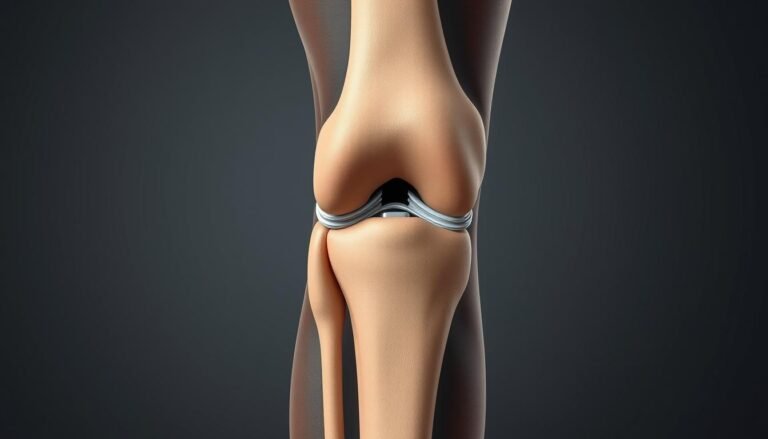
When climbing stairs, many of us experience knee pain, which can be frustrating and limit our mobility. Understanding the causes of knee pain when climbing stairs is crucial for finding effective relief. In this article, we will explore the various factors that can contribute to knee pain while ascending stairs, such as chondromalacia patella, arthritis, ligament injuries, and patellofemoral pain syndrome. We will also discuss prevention strategies and treatment options to alleviate knee pain and improve overall knee health.
Key Takeaways:
- Chondromalacia patella, arthritis, ligament injuries, and patellofemoral pain syndrome are common causes of knee pain when climbing stairs.
- Proper diagnosis is essential for targeted treatment.
- Prevention strategies, such as strengthening exercises and using supportive footwear, can help alleviate knee pain.
- Consulting with a healthcare professional is crucial for personalized treatment and effective knee pain relief.
- Maintaining a healthy weight and staying active can contribute to overall knee health.
What Causes Knee Pain When Climbing Stairs?
Knee pain when climbing stairs can be attributed to various underlying conditions. Understanding these causes is essential for proper diagnosis and targeted treatment. Let’s explore some of the common factors that contribute to knee pain when ascending stairs:
1. Chondromalacia Patella (Runner’s Knee)
Chondromalacia patella occurs when the cartilage under the kneecap is damaged or softened. This can result in pain and discomfort, especially when climbing stairs. Proper diagnosis and treatment of chondromalacia patella are crucial for managing knee pain.
2. Arthritis
Osteoarthritis, a common form of arthritis, can contribute to knee pain while going up stairs. The gradual breakdown of cartilage in the knee joint leads to pain, swelling, and limited mobility. Managing arthritis through appropriate treatment and lifestyle modifications can help alleviate knee pain.
3. Ligament Injuries
Injuries to the knee ligaments, such as ACL or PCL tears, can cause pain and instability when climbing stairs. These injuries often result from sudden impact or twisting motions during physical activities. Timely diagnosis and appropriate management are essential for promoting healing and preventing further damage.
4. Patellofemoral Pain Syndrome
Patellofemoral pain syndrome is characterized by pain behind or around the kneecap. This condition can be a significant contributor to knee pain when climbing stairs. Effectively managing patellofemoral pain syndrome involves a combination of rest, physical therapy, and lifestyle modifications.
By understanding these causes of knee pain when climbing stairs, individuals can seek appropriate medical attention and adopt targeted treatment strategies. Proper diagnosis and effective management are key to finding relief, improving knee health, and maintaining an active lifestyle.
Understanding Chondromalacia Patella
Chondromalacia patella, commonly known as runner’s knee, is a condition that occurs when the cartilage behind the kneecap becomes damaged or softened. This can lead to various symptoms, including knee pain, stiffness, and tenderness, especially when climbing stairs.
The symptoms of chondromalacia patella typically include a dull, achy pain in the front or middle of the knee joint. Individuals may also experience soreness below or around the patella. Activities such as squatting, kneeling, or running may become challenging due to the pain and discomfort.
Several risk factors contribute to the development of chondromalacia patella. Overuse or a rapid increase in physical activity can put excessive strain on the knee joint, leading to cartilage damage. Additionally, individuals who carry excess weight or have previous knee injuries are more susceptible to this condition.
When it comes to treatment, chondromalacia patella can be managed through various approaches. Resting the affected knee and avoiding activities that exacerbate the pain is crucial for allowing the damaged cartilage to heal. Physical therapy exercises aimed at strengthening the muscles around the knee can provide stability and support. In some cases, pain medication or anti-inflammatory drugs may be recommended to alleviate discomfort. Lifestyle modifications, such as maintaining a healthy weight and adopting proper biomechanics during physical activities, can also play a significant role in managing chondromalacia patella.
To visualize the symptoms and risk factors of chondromalacia patella, refer to the table below:
| Symptoms of Chondromalacia Patella | Risk Factors for Chondromalacia Patella |
|---|---|
|
|

Understanding Arthritis and Knee Pain
Arthritis, particularly osteoarthritis, is a common cause of knee pain when climbing stairs. Osteoarthritis occurs when the cartilage in the knee joint breaks down, causing pain, stiffness, and swelling.
Symptoms of knee arthritis include pain that worsens with activity, limited mobility, joint stiffness, and a grating or creaking sensation.
Risk factors for knee arthritis include age, previous knee injuries, excess weight, and repetitive stress on the knee joint.
Treatment options for knee arthritis may include weight management, pain relief medication, physical therapy, and in some cases, surgery.
Properly managing arthritis is crucial for alleviating knee pain and improving knee function. By following a personalized treatment plan, individuals can reduce pain, increase mobility, and enhance their overall quality of life.
Ligament Injuries and Knee Pain
Ligament injuries can cause significant knee pain and instability, especially when climbing stairs. These injuries often occur due to sudden impact or twisting motions during activities like sports. The knee is supported by several ligaments, including the anterior cruciate ligament (ACL), posterior cruciate ligament (PCL), medial collateral ligament (MCL), and lateral collateral ligament (LCL).
When these ligaments are torn or sprained, it can result in symptoms such as pain, swelling, limited range of motion, and instability in the knee joint. The severity of the symptoms may vary depending on the extent of the injury.
Risk factors for ligament injuries include participating in high-impact sports that involve quick changes in direction or sudden stops, wearing ill-fitting shoes that do not provide adequate support, and being female, as women tend to have a higher risk of certain ligament injuries.
The treatment for ligament injuries varies depending on the severity. In mild cases, conservative measures such as rest, icing, compression, and elevation (RICE) can help reduce pain and swelling. Physical therapy exercises may also be recommended to strengthen the muscles around the knee and improve stability. In more severe cases, surgical intervention may be necessary to repair or reconstruct the damaged ligament.
It is important to consult with a healthcare professional for an accurate diagnosis and personalized treatment plan for ligament injuries. Proper management and rehabilitation can help alleviate knee pain, restore stability, and prevent long-term complications.
| Type of Knee Ligament | Location | Main Function |
|---|---|---|
| Anterior Cruciate Ligament (ACL) | Inside the knee joint | Controls forward movement of the shin bone and provides rotational stability |
| Posterior Cruciate Ligament (PCL) | Inside the knee joint | Controls backward movement of the shin bone and provides rotational stability |
| Medial Collateral Ligament (MCL) | On the inner side of the knee | Provides stability and resists forces pushing the knee inward |
| Lateral Collateral Ligament (LCL) | On the outer side of the knee | Provides stability and resists forces pushing the knee outward |
Image source: https://seowriting.ai/32_6.png
Patellofemoral Pain Syndrome and Knee Pain
Patellofemoral pain syndrome is a common condition that causes pain behind or around the kneecap, particularly when climbing stairs. This condition can significantly impact mobility and daily activities. Understanding the symptoms, risk factors, and treatment options for patellofemoral pain syndrome is essential for finding relief and improving knee health.
Symptoms of Patellofemoral Pain Syndrome
Symptoms of patellofemoral pain syndrome may include:
- Pain behind or around the kneecap
- Tenderness to touch
- A grinding or clicking sensation in the kneecap
- Knee instability
If you experience these symptoms, it is important to consult with a healthcare professional for an accurate diagnosis and appropriate treatment.
Risk Factors for Patellofemoral Pain Syndrome
Several factors can increase the risk of developing patellofemoral pain syndrome:
- Poor running or jumping technique
- Abnormal knee structure
- Improper footwear
Understanding these risk factors can help you make necessary adjustments to prevent or manage patellofemoral pain syndrome.
Treatment for Patellofemoral Pain Syndrome
Treatment options for patellofemoral pain syndrome may include:
- Resting the knee and avoiding activities that worsen the pain
- Applying ice to reduce inflammation
- Using compression or a knee brace for support
- Physical therapy to strengthen muscles and improve knee stability
- Wearing supportive footwear or orthotics to alleviate stress on the knee
Working with a healthcare professional can help determine the most suitable treatment plan for your specific needs.
Having a comprehensive understanding of patellofemoral pain syndrome is crucial for individuals experiencing knee pain. By recognizing the symptoms, identifying risk factors, and exploring available treatment options, you can take proactive steps to manage and alleviate knee pain caused by patellofemoral pain syndrome. Remember to consult with a healthcare professional for personalized advice and guidance.
Preventing and Managing Knee Pain When Climbing Stairs
To prevent and manage knee pain when climbing stairs, we recommend implementing the following strategies and exercises:
- Strengthening exercises: Focus on strengthening the muscles around the knee, such as the quadriceps and hamstrings. Stronger muscles provide better support and stability for the knee joint.
- Flexibility exercises: Perform stretching exercises to improve flexibility in the muscles and tendons surrounding the knee. This can help alleviate knee pain and reduce the risk of injuries.
- Proper walking technique: Pay attention to your walking technique when climbing stairs. Take smaller steps and ensure your feet are properly aligned. Avoid excessive twisting or torqueing movements that can strain the knee joint.
- Handrail support: When climbing stairs with knee pain, using handrails for support can help reduce the load and stress on the knees. This provides added stability and can alleviate discomfort.
- Supportive footwear: Wear shoes with good arch support and cushioning to absorb shock and reduce the impact on your knees when going up stairs. Proper footwear can help distribute the forces evenly and provide added stability.
- Proper body mechanics: Practice proper body mechanics to avoid excessive strain on the knees. This includes maintaining good posture, engaging the core muscles, and distributing weight evenly. Avoid leaning forward or backward excessively when climbing stairs.
- Avoid overuse: Listen to your body’s signals and avoid overusing the knee joint. Take breaks when needed, especially if you experience any pain or discomfort. Rest and recovery are crucial for preventing knee pain and maintaining knee health.
By incorporating these prevention strategies and exercises into your daily routine, you can effectively manage knee pain and improve knee health. Remember to consult with a healthcare professional for personalized advice and treatment options.
Conclusion
Knee pain when climbing stairs can significantly impact mobility and quality of life. By understanding the various causes of knee pain, such as chondromalacia patella, arthritis, ligament injuries, and patellofemoral pain syndrome, individuals can seek appropriate diagnosis and targeted treatment.
Implementing prevention strategies, such as strengthening exercises, proper walking technique, and wearing supportive footwear, can help alleviate knee pain and improve knee health. It is crucial to consult with a healthcare professional for an accurate diagnosis and personalized treatment plan to find relief and regain mobility.
By taking proactive measures to address knee pain, individuals can improve their overall knee health, enhance their ability to climb stairs without discomfort, and enjoy a more active and fulfilling life.
FAQ
What are the common causes of knee pain when climbing stairs?
The common causes of knee pain when climbing stairs include chondromalacia patella, arthritis, ligament injuries, and patellofemoral pain syndrome.
What is chondromalacia patella?
Chondromalacia patella, also known as runner’s knee, is a condition where the cartilage under the kneecap becomes damaged or softened, leading to knee pain.
What are the symptoms of chondromalacia patella?
The symptoms of chondromalacia patella include a dull, achy pain in the front or middle of the knee joint, soreness below or around the patella, and difficulty in activities such as squatting, kneeling, or running.
What is arthritis and how does it cause knee pain?
Arthritis, specifically osteoarthritis, is a condition where the cartilage in the knee joint wears down over time, causing knee pain, stiffness, and swelling.
What are the symptoms of knee arthritis?
Symptoms of knee arthritis include pain that worsens with activity, limited mobility, joint stiffness, and a grating or creaking sensation.
What are ligament injuries and how do they cause knee pain?
Ligament injuries, such as ACL, PCL, MCL, or LCL tears, can cause knee pain and instability, particularly when climbing stairs.
What are the symptoms of ligament injuries?
Symptoms of ligament injuries include pain, swelling, limited range of motion, and instability in the knee joint.
What is patellofemoral pain syndrome and how does it cause knee pain?
Patellofemoral pain syndrome is a condition characterized by pain behind or around the kneecap, which can be exacerbated when climbing stairs.
What are the symptoms of patellofemoral pain syndrome?
Symptoms of patellofemoral pain syndrome include tenderness to touch, a grinding or clicking sensation in the kneecap, and knee instability.
How can knee pain when climbing stairs be prevented and managed?
Knee pain when climbing stairs can be prevented and managed by strengthening the muscles around the knee, improving flexibility through stretching exercises, modifying walking technique, using handrails, wearing supportive shoes with good arch support, practicing proper body mechanics, and avoiding overuse.
Can weight management and staying active help with knee pain?
Yes, maintaining a healthy weight and staying active can help alleviate knee pain and improve knee health.