Ease Knee Cap Pain When Climbing Stairs
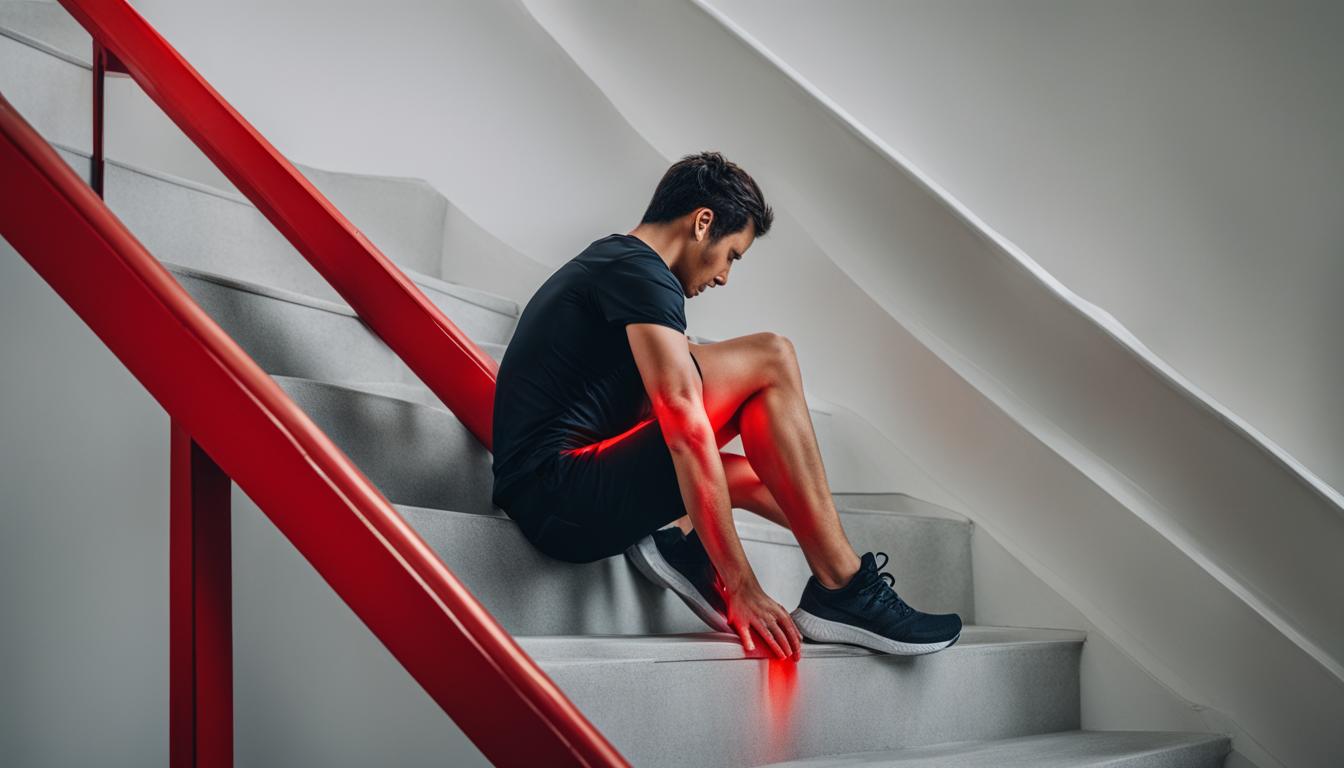
If walking around on flat surfaces feels fine but your knees start to ache as soon as you start climbing stairs, you might be wondering what’s going on. While your knees are designed to withstand a lot of pressure, stepping onto a staircase engages different muscles and makes you move at an angle while working against gravity.
As you climb, your knees may end up bearing a force that’s anywhere from three to six times your body weight. That extra pressure alone shouldn’t hurt, but if you’ve been doing a lot of stair climbing, have an underlying health condition, or even just turn the wrong way, you might find that taking the stairs is suddenly painful.
Feeling an ache or twinge isn’t a cause for alarm, and it doesn’t mean you should stop moving, either. But it is a sign that something might be amiss and that you could benefit from building strength in and around your knees.
Key Takeaways:
- Knee pain when climbing stairs can be caused by the added pressure exerted on the knees during this activity.
- Understanding the causes and treatment options can help manage and alleviate knee pain when climbing stairs.
- Strengthening exercises, modifying walking technique, and taking preventive measures can reduce the risk of knee pain.
- Consulting with a healthcare provider or physical therapist can provide personalized advice and guidance on managing knee pain when climbing stairs.
- Taking proactive measures to protect and strengthen the knees can contribute to improved overall knee health.
Understanding Knee Pain When Climbing Stairs
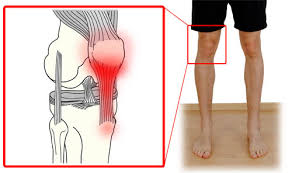
In order to understand knee pain when climbing stairs, it helps to know some basics about what comprises your knee and how this important joint works. The knee joint is made up of several components, including bones (patella, femur, and tibia), ligaments (collateral and cruciate ligaments), tendons, cartilage, menisci, bursae, muscles, and nerves.
There are several possible causes of knee pain when climbing stairs, including patellofemoral pain syndrome, meniscus tear, chondromalacia patella, IT band syndrome, and muscle imbalance. Strengthening exercises and modifying your walking technique can help alleviate knee pain when climbing stairs.
Causes of Knee Pain When Climbing Stairs
| Cause | Description |
|---|---|
| Patellofemoral Pain Syndrome | A condition that causes pain in the front of the knee, often as a result of overuse or a rapid increase in physical activity. |
| Meniscus Tear | A tear in the meniscus, the cartilage that cushions the knee joint, causing pain on the inner or outer aspect of the knee. |
| Chondromalacia Patella | A condition characterized by wearing of the underside of the patella, leading to a dull ache in the kneecap when the knee is flexed. |
| IT Band Syndrome | Irritation of the IT band on the outside of the thigh, causing pain on the outside of the knee, particularly when going down stairs. |
| Muscle Imbalance | Being “quad dominant” or having an imbalance in the strength of the muscles around the knee can contribute to knee pain when climbing stairs. |
By identifying the underlying cause of knee pain when climbing stairs, targeted exercises and modifications to your walking technique can help alleviate discomfort and improve knee function. It’s important to consult with a healthcare provider or physical therapist for an accurate diagnosis and personalized treatment plan.
Causes of Knee Pain When Climbing Stairs
Knee pain when climbing stairs can be caused by various factors, including:
- Patellofemoral Pain Syndrome: This condition causes pain in the front of the knee, often due to overuse or a sudden increase in physical activity.
- Meniscus Tear: A tear in the meniscus, the cartilage in the knee, can result in pain on the inner or outer aspect of the knee.
- Chondromalacia Patella: Characterized by wearing of the underside of the patella, this condition leads to a dull ache in the kneecap when the knee is flexed.
- IT Band Syndrome: Irritation of the IT band on the outside of the thigh can cause pain on the outside of the knee, especially when going down stairs.
- Muscle Imbalance: Being “quad dominant” can contribute to knee pain when climbing stairs.
To alleviate knee pain caused by these factors, strengthening exercises can be beneficial.

| Cause | Description |
|---|---|
| Patellofemoral Pain Syndrome | A condition that causes pain in the front of the knee, often as a result of overuse or a rapid increase in physical activity. |
| Meniscus Tear | A tear in the meniscus, the cartilage in the knee, which can cause pain on the inner or outer aspect of the knee. |
| Chondromalacia Patella | A condition characterized by wearing of the underside of the patella, leading to a dull ache in the kneecap when the knee is flexed. |
| IT Band Syndrome | Irritation of the IT band on the outside of the thigh, causing pain on the outside of the knee, particularly when going down stairs. |
| Muscle Imbalance | Specifically being “quad dominant” can contribute to knee pain when climbing stairs. |
Treating Knee Pain When Climbing Stairs
If you’re experiencing knee pain when climbing stairs, there are several treatment approaches that can help alleviate your discomfort and improve your overall knee health. By addressing the underlying causes and strengthening the structures in and around your knees, you can find relief and regain your mobility.
Targeted Exercises
One effective way to manage knee pain when climbing stairs is through targeted exercises. These exercises can help strengthen the muscles around the knee joint, improving stability and reducing pain. Some examples of targeted exercises include:
- Hip flexor stretches
- Single-leg lifts
- Hamstring stretches
Consult with a physical therapist or healthcare provider for guidance on the specific exercises that are most suitable for your condition.
Body Awareness and Physical Therapy
Developing body awareness and working with a physical therapist can help identify and address muscle imbalances or movement patterns that may be contributing to your knee pain. A physical therapist can provide guidance on exercises and movement techniques to correct imbalances, improve alignment, and reduce stress on your knees. By improving body awareness and addressing any underlying issues, you can effectively manage knee pain when climbing stairs.
Modifying Your Walking Technique
Modifying your walking technique can provide immediate relief from knee pain while simultaneously strengthening the supporting muscles. Consider techniques such as:
- Holding onto a wall or railing for added support
- Squeezing your glutes to engage the muscles in your hips and reduce strain on your knees
- Adjusting your foot placement to find a more comfortable and supportive position
Experiment with different modifications to find the ones that work best for you.
Remember, it’s crucial to consult with a healthcare provider or physical therapist before starting any new exercise or treatment regimen. They can provide personalized advice and guidance based on your specific needs and condition.

Preventing Knee Pain When Climbing Stairs
Preventing knee pain when climbing stairs is essential to maintaining knee health and avoiding discomfort. There are several steps you can take to reduce the risk of experiencing knee pain associated with stair climbing.
- Maintain a healthy weight: Excess body weight puts additional stress on your knees when climbing stairs, leading to increased knee pain. By maintaining a healthy weight through balanced diet and regular exercise, you can alleviate pressure on your knees and reduce the risk of pain.
- Engage in low-impact exercises: Incorporating low-impact exercises such as swimming, cycling, or using an elliptical machine can help improve overall leg strength and flexibility, reducing the strain on your knees when climbing stairs.
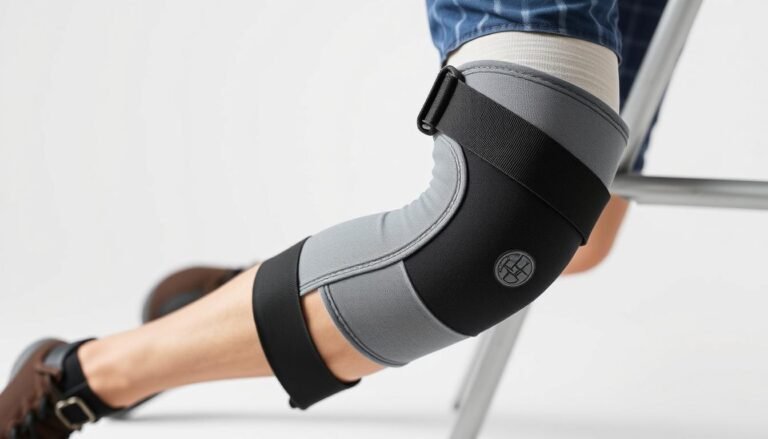
- Use knee pads for protection: If you frequently engage in activities that involve climbing stairs or if you have a pre-existing knee condition, wearing knee pads can provide an extra layer of protection and cushioning, minimizing the impact on your knees.
- Wear proper footwear with arch support: Choosing comfortable footwear with adequate arch support can help distribute your weight evenly and provide stability, reducing the strain on your knees while climbing stairs.
- Strengthen leg muscles: Strengthening the muscles surrounding your knees is crucial for supporting the joint and reducing knee pain. Focus on exercises that target the quadriceps, hamstrings, and calf muscles, such as squats, lunges, leg presses, and calf raises.
- Warm up before workouts: Prior to stair climbing or any exercise routine, it’s essential to warm up your muscles to increase blood flow and prepare your body for physical activity. Incorporate dynamic stretches and light cardiovascular exercises into your warm-up routine.
- Perform cool-down exercises: After completing a stair climbing session, be sure to cool down your muscles with static stretches to improve flexibility and prevent stiffness and soreness in your knees.
- Practice proper form during stair climbing: Maintaining good posture, utilizing handrails for stability, and engaging your core muscles can help distribute the load evenly and minimize stress on your knees when climbing stairs.
Taking proactive measures to protect and strengthen your knees can go a long way in preventing knee pain when climbing stairs, allowing you to move freely and comfortably. By following these preventative steps, you can ensure the long-term health and well-being of your knees.
Conclusion
Knee pain when climbing stairs is a common issue that can affect many individuals. It is important to understand the causes and explore treatment options to effectively manage and alleviate this discomfort. By focusing on strengthening the structures in and around the knees, adjusting your walking technique, and implementing preventive measures, you can significantly reduce the risk of knee pain and improve overall knee health.
Consulting with a healthcare provider or physical therapist is crucial in receiving personalized advice and guidance on how to effectively manage knee pain when climbing stairs. These professionals can provide valuable insight into your specific condition and offer tailored solutions to address your unique needs.
Take proactive steps to protect and strengthen your knees to prevent knee pain when climbing stairs. Incorporate low-impact exercises, maintain a healthy weight, ensure proper footwear with adequate arch support, and engage in proper warm-up and cool-down routines. By adopting these preventive measures and making necessary lifestyle modifications, you can minimize the risk of knee pain and enjoy pain-free stair climbing.
FAQ
Why do I experience knee pain when climbing stairs?
Knee pain when climbing stairs can be caused by various factors, such as patellofemoral pain syndrome, meniscus tear, chondromalacia patella, IT band syndrome, and muscle imbalance. These conditions can result from overuse, rapid increase in physical activity, or wear and tear on the knee joint.
How can I treat knee pain when climbing stairs?
Treatment options for knee pain when climbing stairs can include targeted exercises to strengthen the knee and surrounding muscles, physical therapy to address muscle imbalances and movement patterns, and modifications to your walking technique. Consult with a healthcare provider or physical therapist for personalized advice and guidance.
Can knee pain when climbing stairs be prevented?
Yes, there are steps you can take to prevent knee pain when climbing stairs. Maintaining a healthy weight, engaging in low-impact exercises, using knee pads for protection, wearing proper footwear with arch support, and strengthening leg muscles can all help reduce the risk of knee pain. Additionally, warming up before workouts, performing cool-down exercises, and practicing proper form during stair climbing can contribute to knee health and prevent pain.