Sinding-Larsen-Johansson syndrome: knee pain in growing kids, causes, diagnosis, and treatment in 2026
Sinding-Larsen-Johansson syndrome is a common source of knee pain in children and teens, and it can feel alarming when knee hurt shows up during everyday play. Did you know that conservative treatment can lead to positive outcomes within about 2 to 8 months, according to a recent scoping review?
Key Takeaways
| What to know | Why it matters for knee hurt and knee pain |
|---|---|
| Sinding-Larsen-Johansson syndrome is typically an overuse-related stress problem near the kneecap. | It helps explain why knee pain can worsen with jumping, running, and kneeling. |
| Conservative care is usually the first step. | Activity modification and targeted support often reduce knee pain without surgery. |
| Bracing and supportive strategies can help symptoms during recovery. | If the patellar tendon or kneecap tracking is contributing, a brace can reduce strain during daily movement (see patellofemoral pain syndrome knee brace). |
| Not every “front-of-knee pain” story is the same. | We often compare patterns to issues like tendon injury or PFPS to guide the right plan (see understanding knee pain). |
| When pain persists or function drops, clinicians may expand the workup. | This can include imaging and a reassessment of diagnosis before more aggressive steps. |
| Use a clear “return to activity” plan. | We help families avoid flare-ups that prolong knee hurt (see knee pain relief strategies). |
What is Sinding-Larsen-Johansson syndrome?
Sinding-Larsen-Johansson syndrome (often abbreviated as SLJ or SLJD when discussed in clinical settings) is a condition that causes knee pain in children and teens, usually at the lower part of the kneecap region. It is commonly associated with repetitive traction or stress forces through the extensor mechanism (the system that straightens the knee).
In plain terms, many kids develop pain when their activity level, growth, and tendon/bone stress do not “match up” yet. That mismatch can irritate the tendon attachment area and lead to localized tenderness that feels like knee hurt right at the front of the knee.
Because the symptoms overlap with other common causes of front-of-knee discomfort, we encourage families to look at the pattern, the location, and what aggravates it. If pain increases with jumping, squatting, stairs, or kneeling, Sinding-Larsen-Johansson syndrome becomes a stronger possibility.

Common symptoms of Sinding-Larsen-Johansson syndrome and how they relate to knee hurt
The most consistent complaint is knee pain concentrated in the front of the knee, often near the kneecap or just below it. Kids may describe it as sharp or sore, and parents often notice tenderness when touching the area.
Typical symptom patterns include:
- Knee hurt during sports that involve running, jumping, or sudden stops.
- Morning stiffness or pain that eases with gentle movement, then returns after activity.
- Discomfort with kneeling or deep bending, especially repeated sessions.
- Reduced tolerance for high-impact play, even if walking is mostly okay.
We also look for functional changes. If a child starts avoiding stairs, limits participation, or guards the knee during play, that signals the irritation is affecting daily life, not just sport.
Because many other knee conditions can cause front-of-knee symptoms, we do not rely on symptoms alone. We use the symptom story plus an exam to distinguish Sinding-Larsen-Johansson syndrome from related issues such as patellar tendon problems or patellofemoral pain.
Diagnosis in 2026: how clinicians distinguish Sinding-Larsen-Johansson syndrome from other knee causes
In 2026, many clinical teams emphasize pattern recognition plus careful evaluation rather than jumping straight to extensive testing. That approach is practical for Sinding-Larsen-Johansson syndrome because it is often managed conservatively when the presentation fits.
Diagnosis usually includes:
- Medical history, focused on growth spurts, training volume changes, and what triggers knee pain.
- Physical examination, especially where tenderness is located around the kneecap area.
- Imaging when needed, such as X-ray or ultrasound, to confirm findings or rule out other problems.
We also consider differential diagnoses. For example, patellar tendon injury can cause similar discomfort during activity, and we often reference guidance on tendon-related knee problems via resources like patellar tendon injury when families are confused about what “tendon pain” really means.
Treatment options for Sinding-Larsen-Johansson syndrome: conservative care first
Most cases of Sinding-Larsen-Johansson syndrome respond best to conservative management. That typically means reducing the irritative load while keeping the child as active as possible in pain-controlled ways.
In 2026, our experience is that families get faster results when they combine several sensible steps instead of relying on just one. Common components include:
- Activity modification: temporarily reducing jumping volume, sprinting, and kneeling activities.
- Pain-guided progression: increasing activity gradually once knee pain settles.
- Ice or heat for symptom comfort as recommended by clinicians.
- Strengthening focusing on the muscles that support the kneecap and thigh.
- Physical therapy when symptoms limit sports, school, or normal movement.
We also help families understand that “rest” does not mean full inactivity. Instead, we aim for “right activity,” less load, and better movement tolerance so the tissue can calm down.
When families ask about supportive gear, we explain that some kids benefit from bracing strategies depending on symptom location and tracking. For example, front-knee pain conditions sometimes improve with supportive designs, and we point readers to related resources such as chondromalacia patella knees when the diagnosis includes cartilage-related irritation.
Braces, supports, and mechanical strategies for knee pain during recovery
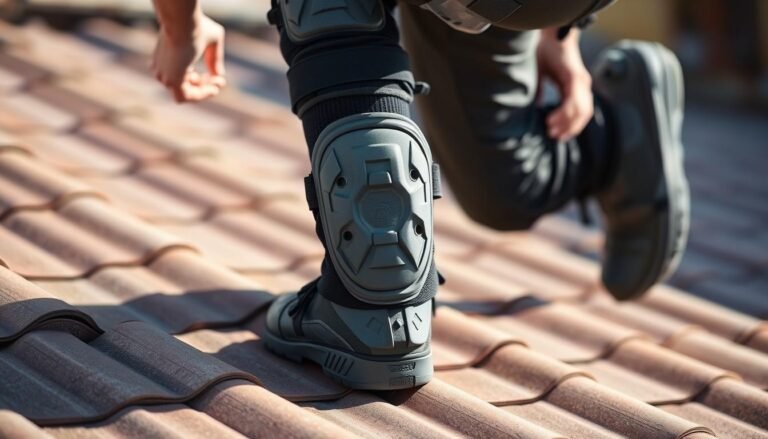
Because Sinding-Larsen-Johansson syndrome involves forces through the kneecap region, mechanical support can be helpful for symptom control. Braces do not “cure” the underlying stress overnight, but they can reduce discomfort during controlled activity.
We generally discuss bracing in terms of goals:
- Reducing knee pain during daily movement and gentle training.
- Improving kneecap tracking when exam findings suggest instability.
- Supporting training modifications so kids can return without immediate flare-ups.
For readers exploring brace-focused approaches, we often connect symptoms to patellofemoral mechanics and suggest reviewing ligament knee injury only if the child has instability features that do not fit SLJ patterns. We also highlight patellar instability considerations through patellar instability brace recommendations when kneecap shifting is part of the story.
Even though a brace can help, we emphasize that the recovery plan should still include progressive strengthening and load management. That combination is how we reduce the risk of lingering knee hurt.
How long does Sinding-Larsen-Johansson syndrome last, and what we watch for
Recovery varies by severity, training habits, and how quickly symptoms are addressed. The best-case scenario often improves within a few months, especially when families act early and follow a structured activity plan.
However, some kids take longer. We sometimes see pain persist when return-to-sport happens too quickly or when high-impact training resumes before symptoms fully settle.
Clinically, we treat “time to settle” as part of planning, not as a surprise. A published case report notes that full recovery usually takes about 12 to 24 months in some instances, based on spontaneous and physiologic regeneration described in that report.
What we watch for during follow-up includes:
- Whether knee pain drops with reduced impact and improves with rehab.
- Whether tenderness changes over time, especially at the kneecap attachment area.
- Whether the child can resume jumping and running without a clear flare-up pattern.
- Whether there are any “red flags” such as locking, significant swelling, or major instability.
Return to sport and preventing repeat knee pain in 2026
Returning to sport is where many families feel the most pressure. In 2026, the most successful plans are the ones that use symptoms as the guide and that gradually increase intensity instead of restarting at full speed.
We recommend a structured approach:
- Start with pain-limited activity: walking, bike, and gentle strength work that does not spike knee hurt.
- Build strength: focus on thigh and hip control to reduce stress through the kneecap region.
- Reintroduce impact slowly: short bursts of running and controlled jumping, monitored day to day.
- Track symptoms: if knee pain rises again, reduce load and consult a clinician.
We also help families prevent repeat episodes by addressing common training contributors. These include rapid increases in practice time, inconsistent rest days, and early return to kneeling-heavy activities.
If the child’s pain story seems more traumatic than overuse, we encourage families to consider other knee injury possibilities and compare symptom patterns using resources such as traumatic knee and torn meniscus.
When to seek urgent or prompt medical evaluation
Most Sinding-Larsen-Johansson syndrome cases are managed with conservative care, but prompt evaluation matters when the presentation is unusual. We advise families to seek timely medical review if symptoms do not match a typical overuse pattern.
Get checked promptly if there is:
- Significant swelling after activity or a sudden change in symptoms.
- Inability to bear weight, marked limping, or progressive worsening despite load reduction.
- Locking, catching, or episodes where the knee feels like it gives way.
- Fever, redness, or warmth that could suggest infection.
If the child has a history of knee instability or suspected ligament injury, we encourage using evidence-based symptom discussions. For example, you can review ACL knee brace guidance when the story includes instability after twisting or a clear injury event.
Practical knee care guidance: exercises, footwear, and daily habits
While clinicians and physical therapists tailor a plan, families often ask what they can do at home while waiting for improvement. We focus on low-risk, symptom-aware steps that support recovery without turning the condition into a flare-up cycle.
Helpful practical strategies for managing knee pain include:
- Gentle, guided strengthening for the muscles that stabilize the kneecap.
- Consistent stretching based on professional advice, especially if tightness worsens symptoms.
- Activity pacing during the school day so pain does not become a constant.
- Supportive footwear that reduces irritation during walking and physical education.
We also point readers to broader knee relief routines that can complement SLJ recovery, such as knee pain relief exercises and managing knee pain comprehensive guidance.
For families looking at footwear, we recommend reviewing best shoes for knee pain to ensure comfort and stable support during return-to-activity phases.
Related knee conditions that can look similar to Sinding-Larsen-Johansson syndrome
Families often worry that “front-of-knee pain” means one specific condition. In reality, several common knee problems can overlap, which is why the symptom details matter.
Here are a few conditions we frequently compare when evaluating Sinding-Larsen-Johansson syndrome and knee hurt:
- Patellar tendon injury, which can cause sharp pain with loading. We often reference patellar tendon injury when the story sounds tendon-driven.
- Patellofemoral pain syndrome, which can produce activity-related discomfort and may respond to supportive bracing. See patellofemoral pain syndrome treatment without surgery.
- Chondromalacia patella, where cartilage irritation can create pain under the kneecap. See chondromalacia patella knees.
- Meniscus injuries, which can involve catching or swelling after twists. See torn meniscus.
We stress that these comparisons are not meant to diagnose at home. They help families understand why clinicians may ask detailed questions and consider imaging only when it adds clarity.
Conclusion
Sinding-Larsen-Johansson syndrome is a recognizable cause of knee pain in growing kids, often linked to repetitive stress around the kneecap region. In 2026, the best outcomes typically come from early recognition, conservative care, and a gradual return to activity that respects symptoms and function.
While many cases improve within a few months with load management, some children need a longer timeline for full recovery. With the right plan, we help families reduce knee hurt, support safe movement, and prevent repeat flare-ups so the child can return to the activities they enjoy.
Frequently Asked Questions
What is Sinding-Larsen-Johansson syndrome and why does it cause knee pain?
Sinding-Larsen-Johansson syndrome is an overuse-related stress condition around the kneecap attachment area that leads to localized knee pain. The discomfort often worsens with jumping, running, and kneeling because those activities increase traction through the extensor mechanism.
How can I tell if my child’s knee hurt is Sinding-Larsen-Johansson syndrome or something else?
We look at where the tenderness is, what triggers the symptoms, and how the child functions day to day. If the knee pain is front-focused and activity-related without major swelling or locking, Sinding-Larsen-Johansson syndrome becomes more likely than traumatic causes.
Does conservative treatment help Sinding-Larsen-Johansson syndrome in 2026?
Yes. Recent evidence discussed in 2026 indicates conservative care can lead to positive outcomes within about 2 to 8 months for many patients. The key is consistent activity modification and a structured plan rather than waiting for symptoms to disappear on their own.
How long does Sinding-Larsen-Johansson syndrome take to fully recover?
Many cases settle sooner, but some children may experience a longer course. A clinical case report notes full recovery usually takes about 12 to 24 months in certain scenarios, which is why we plan for gradual, symptom-guided return.
What exercises help Sinding-Larsen-Johansson syndrome without making knee pain worse?
We typically focus on strengthening and mobility that supports kneecap tracking and improves tolerance to load. For home-friendly ideas, families often start with guidance like knee pain relief exercises, but we emphasize professional tailoring when pain persists.
Should we use a knee brace for Sinding-Larsen-Johansson syndrome?
A brace may help some children reduce knee pain during daily activity, especially when mechanics contribute to irritation. We usually pair bracing with activity modification and rehab, and we reference related support strategies such as patellofemoral pain syndrome knee brace for similar front-of-knee mechanics.
When should we seek medical care for knee pain that seems like Sinding-Larsen-Johansson syndrome?
Seek prompt evaluation if there is major swelling, inability to bear weight, locking or catching, or symptoms that rapidly worsen despite load reduction. These signs can suggest a different cause of knee hurt, so it is safer to get an accurate diagnosis.