Tag: Knee health

  • Early Signs of Knee Osteoarthritis: Mild Symptoms You Shouldn’t Ignore

    Early Signs of Knee Osteoarthritis: Mild Symptoms You Shouldn’t Ignore

    What if that occasional stiffness or dull ache in your joint isn’t normal wear and tear? Over 32 million Americans live with degenerative joint conditions, yet many dismiss early discomfort as “part of getting older.” But ignoring subtle changes could cost you mobility later.

    Cartilage breakdown in joints rarely happens overnight. Research from the Cleveland Clinic shows gradual damage often starts with minor symptoms like morning stiffness or soreness after activity. These initial warnings matter—they’re your body’s way of signaling trouble.

    We often see patients who waited until pain became constant or movement felt restricted. By then, treatment options shrink. Catching cartilage wear early helps slow progression and preserves flexibility. Simple lifestyle adjustments, like low-impact exercise, can make a significant difference.

    Key Takeaways

    • Subtle joint stiffness or discomfort may indicate cartilage breakdown, not just aging.
    • Over 32 million U.S. adults manage osteoarthritis-related joint issues.
    • Morning soreness or post-activity pain often precedes severe mobility loss.
    • Early intervention reduces future dependence on aggressive treatments.
    • Lifestyle changes can protect joint function when started promptly.

    Introduction to Knee Osteoarthritis and Early Detection

    Your knees work hard every day—absorbing shock, bending, and supporting your weight. But when cartilage wears down, these everyday movements become harder. This breakdown is the core of knee osteoarthritis, a condition affecting 1 in 7 U.S. adults over 25.

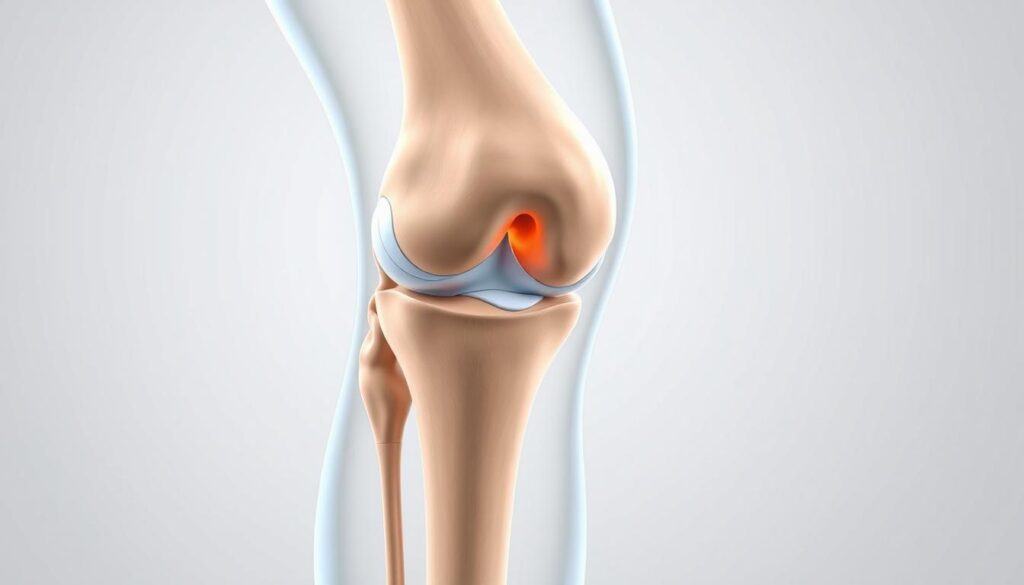
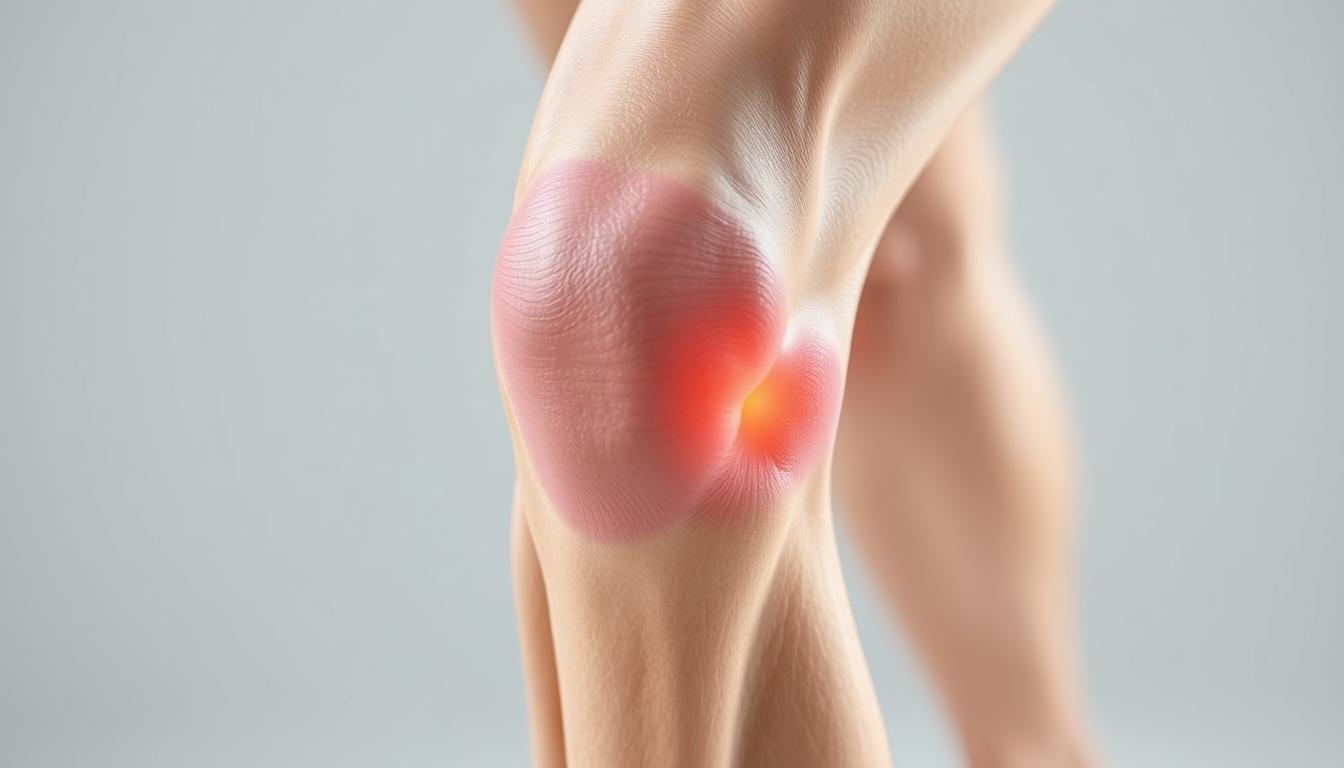
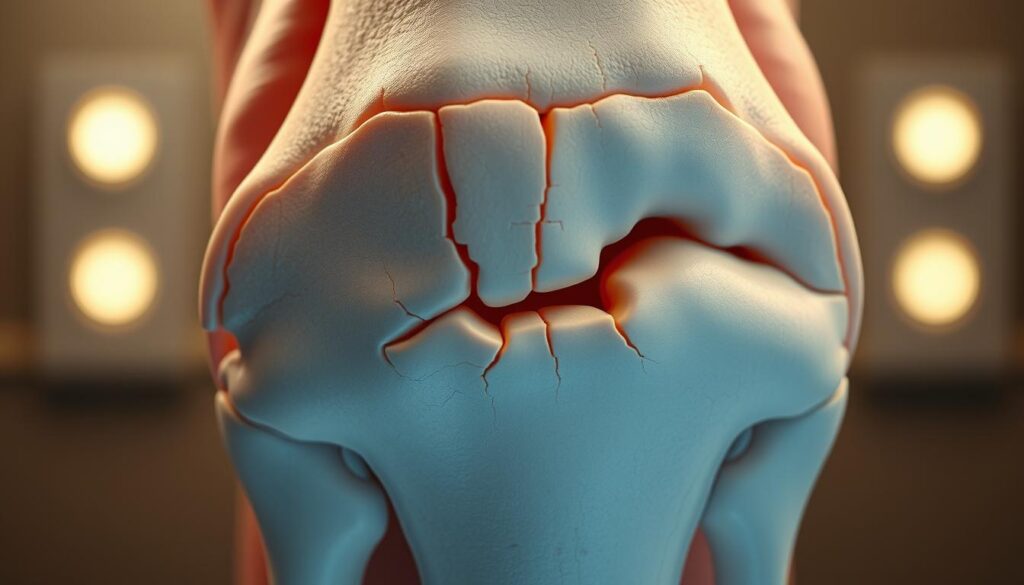
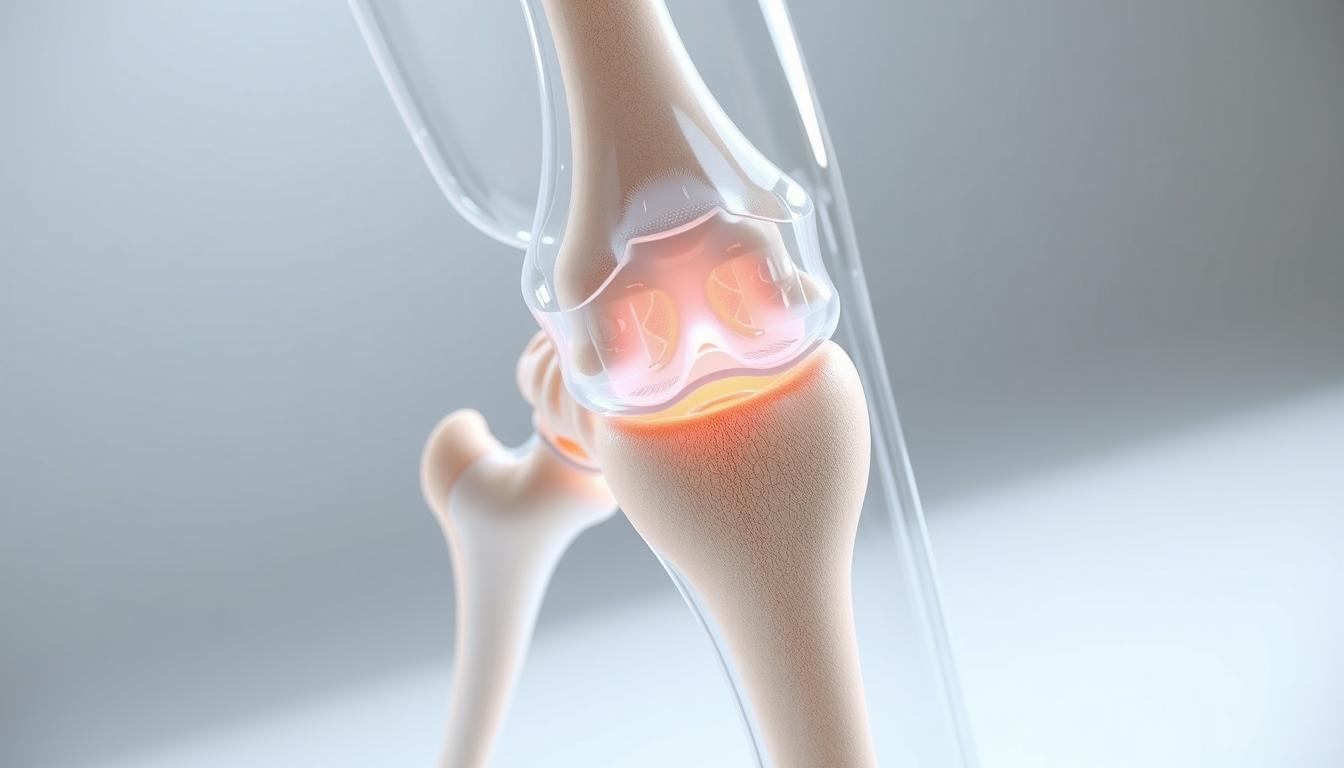
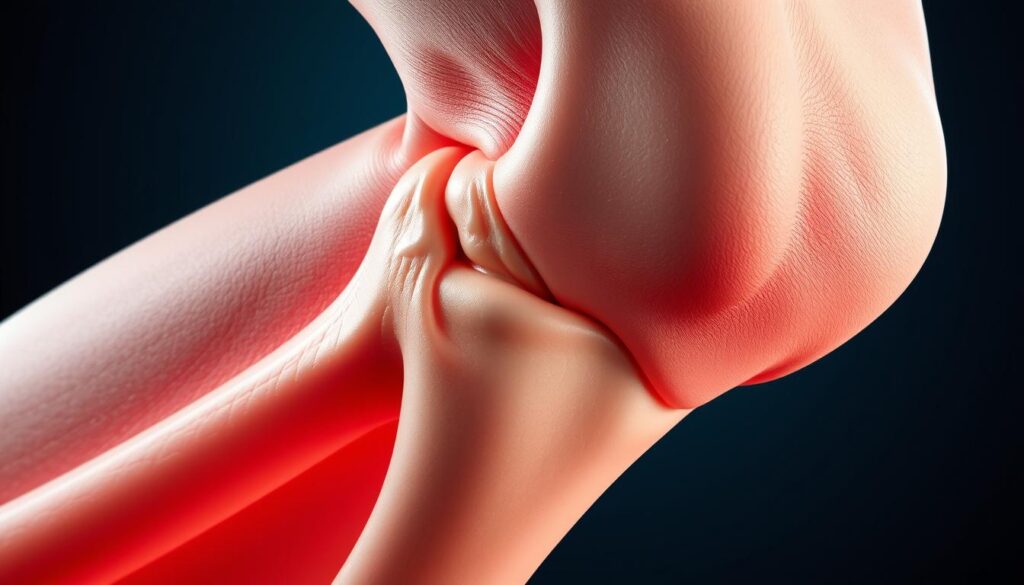
    knee joint cartilage breakdown

    Understanding Knee Osteoarthritis

    Healthy cartilage acts like a cushion between bones. When it deteriorates, bones rub together, causing friction and discomfort. Cleveland Clinic research shows this process often starts with minor joint stiffness after waking up or sitting for hours. These fleeting sensations might seem harmless, but they’re early distress signals.

    Nearly 40% of people with joint pain delay seeing a doctor for 6+ months. Yet studies confirm that early treatment—like physical therapy or anti-inflammatory strategies—can slow damage by up to 50%.

    The Importance of Recognizing Mild Symptoms

    Ignoring subtle changes risks irreversible harm. For example:

    • Morning tightness lasting under 30 minutes
    • Mild swelling after gardening or climbing stairs
    • Occasional clicking sounds without pain

    These symptoms often precede severe mobility loss. Annual checkups help catch issues before they escalate. As one orthopedic specialist notes: “Patients who address stiffness early rarely need joint replacements later.”

    Proactive care preserves flexibility. Simple steps—like staying active or managing weight—protect cartilage better than waiting for pain to intensify.

    Recognizing Early Signs of Knee Osteoarthritis: Mild Symptoms You Shouldn’t Ignore

    Many dismiss occasional discomfort as normal aging, but these subtle shifts often reveal cartilage wear. Research shows 68% of adults with persistent joint sensations develop confirmed degeneration within five years. Listening to your body’s signals now can prevent major mobility challenges later.

    Joint Pain and Stiffness

    Mild aches after activity or brief morning tightness often mark the earliest phase of cartilage breakdown. Cleveland Clinic studies found 82% of patients with these symptoms showed measurable joint space narrowing. Unlike typical soreness, osteoarthritis-related discomfort:

    • Worsens after periods of inactivity
    • Eases within 30 minutes of movement
    • Recurs predictably with specific actions

    This pattern suggests deteriorating cushioning between bones. When ignored, surrounding muscles compensate, leading to fatigue and secondary strains.

    Swelling and Unusual Sounds

    Inflammation often follows cartilage erosion as joints produce excess fluid. A 2023 Johns Hopkins review linked recurrent swelling to 3x faster progression rates. Accompanying noises—like crunching or grinding (crepitus)—signal uneven bone surfaces rubbing together.

    Key indicators needing attention:

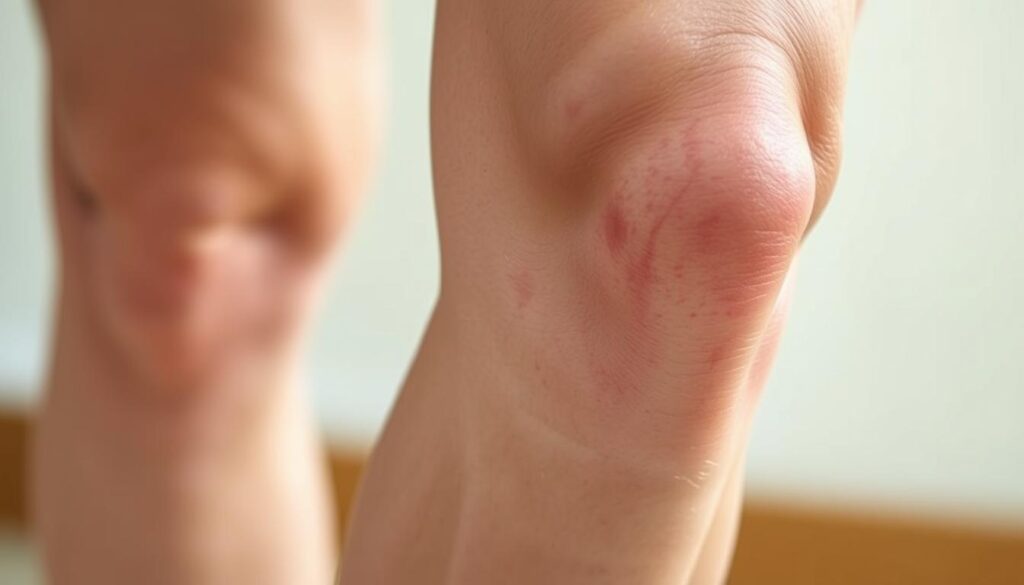
    • Visible puffiness without injury
    • Persistent warmth around the joint
    • Audible pops during knee bends

    Tracking symptom frequency helps clinicians assess key indicators of joint changes. Early intervention preserves mobility and reduces future replacement likelihood by 41%, per recent data.

    Common Symptoms and What They Mean

    Joint discomfort often whispers before it shouts. Recognizing subtle changes in how your body moves and feels helps separate normal aging from developing cartilage erosion. Let’s decode two frequent complaints and their implications.

    Unexplained Knee Pain and Tenderness

    Aching that appears without injury often signals wear and tear. Unlike muscle soreness, this deep tenderness lingers after activity and worsens with stairs or squatting. Orthopedic specialists note:

    • Persistent discomfort in one specific area
    • Tenderness when pressing around the kneecap
    • Pain that improves with rest but returns predictably

    These patterns suggest thinning cartilage. When protective tissue erodes, bones begin grinding—a process visible on X-rays long before severe limitations appear.

    Morning Stiffness and Loss of Flexibility

    Struggling to straighten your leg after waking up? Stiffness lasting under 30 minutes often marks early joint changes. Reduced range of motion—like difficulty bending past 90 degrees—indicates inflammation and cartilage loss.

    Symptom Osteoarthritis Rheumatoid Arthritis Gout
    Pain Pattern Worsens with use Symmetrical joints Sudden attacks
    Stiffness Duration <30 minutes >1 hour Variable
    Swelling Mild, localized Warm, tender Intense redness
    Common Triggers Activity Rest Diet

    Cracking sounds during movement (crepitus) occur in 78% of confirmed cases. While unsettling, these noises alone don’t confirm damage—context matters. Tracking symptom combinations helps clinicians distinguish between arthritis types and create targeted treatment plans.

    Causes, Risk Factors, and Underlying Issues

    Our knees bear the brunt of daily life, but some factors accelerate their decline. While cartilage naturally thins with age, certain habits and histories amplify damage. Recognizing these triggers helps delay progression and guides smarter lifestyle choices.

    Wear and Tear and Previous Injuries

    Years of repetitive motion grind down joint cushioning. Athletes with ACL tears face 3x higher osteoarthritis risks, according to Johns Hopkins research. Even minor fractures from decades past alter knee mechanics, creating uneven pressure points.

    Common culprits include:

    • Occupations requiring heavy lifting
    • Untreated meniscus injuries
    • Improperly healed fractures

    Overuse, Obesity, and Inflammation

    Excess weight multiplies joint stress—every 10 pounds adds 40 pounds of pressure per step. Chronic inflammation from conditions like diabetes speeds cartilage breakdown. This dual assault reduces range of motion and often leads to advanced treatments.

    Key connections:

    • BMI over 30 triples knee replacement likelihood
    • High-impact sports accelerate wear patterns
    • Persistent swelling indicates cellular damage

    When conservative measures fail, surgery becomes necessary. However, managing risk factors early preserves natural joint function longer. As one physical therapist notes: “Controlling inflammation and mechanical stress keeps more patients out of operating rooms.”

    Diagnosis and Clinical Evaluations

    Accurate diagnosis forms the foundation for managing joint health effectively. Healthcare providers combine physical exams with advanced imaging to map cartilage integrity and pinpoint damage. Early evaluations help preserve movement capabilities while expanding treatment options before irreversible changes occur.

    How Healthcare Providers Assess Symptoms

    Doctors begin with detailed questions about discomfort patterns and daily limitations. They check for swelling, test range of motion, and apply pressure to identify tender areas. A 2023 study found clinicians who assess walking gait detect early degeneration 28% more accurately than those relying solely on patient reports.

    The Role of X-Rays and Physical Tests

    Imaging reveals what physical exams can’t. X-rays measure joint space narrowing—a key indicator of cartilage loss. MRIs show soft tissue damage, while blood tests rule out inflammatory arthritis. Common diagnostic tools include:

    Method Purpose Key Findings
    X-ray Visualize bone alignment Joint space reduction
    MRI Assess soft tissues Cartilage thinning
    Physical Tests Evaluate mobility Limited flexion/extension
    Blood Work Rule out other conditions Inflammation markers

    Regular assessments guide personalized plans combining exercises, weight management, and anti-inflammatory strategies. As one rheumatologist notes: “Timely imaging cuts diagnostic delays by half, giving patients faster access to relief.” Proactive care improves long-term life quality while reducing dependency on aggressive interventions.

    Treatment Options: Non-Surgical and Home Care Approaches

    Effective management of joint discomfort begins with personalized strategies that address both movement and inflammation. Cleveland Clinic studies show combining activity modifications with targeted therapies reduces strain by 38% in early-stage cases while preserving mobility.

    Exercises, Movement, and Weight Management

    Low-impact activities maintain joint function without worsening injury risks. A 2024 analysis revealed patients who followed tailored exercise plans saw 52% less cartilage loss over five years. Key approaches include:

    • Water aerobics to reduce pressure during movement
    • Cycling with proper seat height alignment
    • Strength training for supporting muscles
    Activity Frequency Benefit
    Tai Chi 3x/week Improves balance
    Elliptical 4x/week Low joint stress
    Leg Raises Daily Builds quad strength

    Medications, Injections, and Pain Relief Strategies

    Anti-inflammatory care complements physical efforts. Corticosteroid injections provide 2-3 months of relief by calming swollen tissues. Newer hyaluronic acid injections act as synthetic joint lubricants, with 67% reporting improved flexibility.

    Daily habits matter too:

    • Alternating heat/ice packs
    • Using assistive devices during flare-ups
    • Tracking symptom patterns in a journal

    As one physiatrist notes: “Patients who combine weight loss with guided care rarely progress to needing surgery.” Regular check-ins help adjust plans as needs change.

    When to Consider Surgical Interventions

    While most joint issues respond to conservative care, advanced cases demand stronger solutions. Research shows 15-20% of patients eventually require surgical approaches when cartilage loss severely impacts daily life. Timing matters—procedures work best before surrounding muscles weaken from prolonged limited mobility.

    Evaluating Surgical Options

    Total knee replacement becomes necessary when:

    • Pain persists despite 6+ months of other treatment options
    • X-rays show bone-on-bone contact
    • Morning stiffness lasts over an hour daily

    Alternatives like osteotomy (bone realignment) or partial replacements suit younger patients with localized damage. A 2024 Johns Hopkins study found 78% of partial knee recipients maintained natural joint function for 12+ years.

    Damage Progression Indicators

    These signs suggest irreversible decline:

    Symptom Non-Surgical Response Surgical Threshold
    Walking Distance Improved with rest Limited to 1 block
    Night Pain Occasional Daily disruption
    Joint Deformity Mild Visible bowing

    Orthopedic surgeon Dr. Lisa Nguyen notes: “Patients who address severe mobility loss within 2 years of onset have 40% better recovery rates post-surgery.” Early-stage treatment options like viscosupplementation injections can delay knee replacement needs by 8-10 years in many cases.

    Lifestyle Modifications and Preventative Measures

    Taking charge of joint health starts with small, consistent actions. Research confirms that tailored movement plans and home care strategies can delay cartilage breakdown by up to 40%. These approaches empower individuals to maintain independence while reducing future medical interventions.

    Daily Exercises and Mobility Routines

    Low-impact activities preserve joint function without straining tissues. A 2024 study showed patients who walked 30 minutes daily reduced replacement surgery risks by 22%. Key routines include:

    • Water-based exercises to support the body’s weight
    • Yoga poses that improve hip and ankle flexibility
    • Resistance band training for muscle balance
    Activity Frequency Joint Benefit
    Swimming 3x/week Reduces pressure
    Cycling 4x/week Enhances circulation
    Leg Slides Daily Maintains range

    Preventative Care and Home Remedies

    Simple habits combat inflammation and protect cartilage. Orthopedic specialists recommend alternating heat therapy with cold packs during flare-ups. Dietary changes—like adding omega-3s—can lower swelling markers by 18%.

    Effective home strategies:

    • Elevating legs after prolonged standing
    • Using ergonomic cushions during seated work
    • Tracking activity levels to avoid overexertion

    Regular communication with your doctor ensures personalized adjustments. As Dr. Ellen Torres notes: “Patients who pair smart activities with anti-inflammatory diets often avoid aggressive treatments altogether.” Proactive care keeps joints functional and delays surgical timelines.

    Conclusion

    Understanding your body’s signals could be the key to preserving mobility. We’ve explored how subtle joint changes often precede significant damage, emphasizing why timely action matters. Addressing discomfort early—through movement adjustments or medical guidance—can slow progression and maintain flexibility.

    Multiple home care strategies and clinical treatments exist across the care spectrum. From aquatic therapy to joint replacements, options adapt as needs evolve. Regular checkups help identify risk factors like weight patterns or past injuries that might contribute to decline.

    Research backed by Cleveland Clinic confirms proactive care reduces surgical needs by nearly half. Don’t dismiss recurring stiffness or swelling—these could signal the root cause of cartilage loss. Tracking symptoms and seeking evaluations promptly helps create effective, personalized plans.

    Your journey toward joint health starts now. Schedule a consultation if movements feel restricted or discomfort lingers. Early steps today can prevent irreversible damage tomorrow while keeping risk levels manageable through informed choices.

    FAQ

    What are the first signs of knee osteoarthritis?

    Initial symptoms often include mild joint pain, stiffness after sitting or resting, and occasional swelling. Some people notice clicking or grinding sounds during movement. These early signs may come and go but tend to worsen over time if ignored.

    Can weight loss help reduce knee osteoarthritis symptoms?

    Yes. Excess weight strains joints, accelerating cartilage wear. Losing even 10% of body weight can ease pressure, improve mobility, and slow progression. Pairing weight management with low-impact exercises like swimming often yields better results.

    How do doctors confirm a knee osteoarthritis diagnosis?

    Providers use physical exams to check for tenderness, swelling, and range of motion. X-rays reveal cartilage loss or bone spurs, while MRI scans assess soft tissue damage. Blood tests may rule out other conditions like rheumatoid arthritis.

    Are corticosteroid injections safe for long-term pain relief?

    While effective for short-term inflammation control, frequent steroid injections can weaken cartilage or surrounding tissues over time. Most doctors limit them to 3-4 doses annually. Alternatives like hyaluronic acid injections or physical therapy may offer safer long-term relief.

    When should someone consider knee replacement surgery?

    Surgery is typically recommended when pain severely limits daily activities, conservative treatments fail, or joint damage appears advanced on imaging. Newer partial replacement options allow faster recovery, but full replacements last 15-20 years for most patients.

    Can exercises worsen knee osteoarthritis symptoms?

    High-impact activities like running may increase joint strain, but controlled movements strengthen muscles supporting the knee. Focus on low-impact exercises like cycling, yoga, or tai chi. Always consult a physical therapist to tailor routines to your condition.

    Does morning stiffness always indicate osteoarthritis?

    Not necessarily. Brief stiffness (

    Are over-the-counter pain medications sufficient for managing symptoms?

    NSAIDs like ibuprofen (Advil) or naproxen (Aleve) temporarily reduce pain and inflammation. However, long-term use risks stomach or kidney issues. Acetaminophen (Tylenol) is safer for frequent use but doesn’t address inflammation. Always combine medications with lifestyle changes for sustained relief.

  • First signs of cartilage wear in knees

    First signs of cartilage wear in knees

    Have you ever brushed off knee discomfort as “just getting older”? What if those twinges during stairs or stiffness after sitting could reveal early joint changes? We’re here to help you spot subtle shifts in your knee health before they escalate.

    Cartilage acts as your knees’ natural shock absorber. When this cushion wears down, even routine activities can trigger discomfort. The Cleveland Clinic confirms: early intervention slows osteoarthritis progression by up to 50% in some cases.

    Common red flags include:

    • Morning stiffness lasting over 30 minutes
    • Popping/grinding sensations during movement
    • Swelling recurring after exercise

    Our guide explores both conservative strategies and advanced treatments. Whether you’re considering physical therapy or consulting a knee specialist, timely action preserves mobility. Let’s decode your body’s signals together.

    Key Takeaways

    • Early cartilage changes often show as stiffness, not constant pain
    • Osteoarthritis develops gradually over 5-10 years in most cases
    • Morning symptoms that improve with movement warrant attention
    • Non-surgical options effectively manage 80% of early-stage cases
    • Specialized imaging often detects wear before X-rays show damage

    Understanding Cartilage and Knee Joint Anatomy

    Your knees are engineering marvels—three bones working with precision through every step and bend. The femur, tibia, and patella form a dynamic partnership, connected by ligaments that act like biological seatbelts. Between them lies the unsung hero: cartilage.

    Anatomy of the Knee Joint

    Four key players keep your knee functional:

    • Bones: Thighbone (femur) meets shinbone (tibia), capped by the kneecap (patella)
    • Ligaments: ACL and PCL control rotation, while MCL/LCL prevent sideways slips
    • Cartilage: Two types—slippery articular coating and shock-absorbing meniscus pads

    Role of Cartilage in Joint Health

    Cartilage isn’t just padding—it’s active tissue reducing bone friction by 20x during movement. Johns Hopkins research confirms:

    “Healthy cartilage absorbs up to 3x body weight during walking.”

    Weight management matters. Every pound lost reduces knee stress by 4 pounds during daily activities. High-impact sports accelerate wear, while swimming preserves this vital tissue.

    Subtle differences in knee alignment—like being knock-kneed or bowlegged—change pressure points. These variations explain why some people develop cartilage issues earlier than others, even with similar lifestyles.

    Recognizing Early Symptoms and Indicators

    Knee discomfort often whispers before it screams. Early-stage joint changes frequently appear as fleeting sensations rather than constant pain. We’ve observed patients who dismissed initial stiffness as “normal aging,” only to face accelerated arthritis progression later.

    early knee arthritis symptoms

    Pain, Swelling, and Stiffness

    Three warning signs dominate clinical reports:

    • Persistent ache lasting 48+ hours after activity
    • Visible puffiness without recent injuries
    • Morning rigidity needing 15+ minutes to ease

    Research from Hospital for Special Surgery reveals:

    “65% of early arthritis cases present with intermittent symptoms patients initially self-treat.”

    This pattern allows damage to advance silently. Swelling that recurs after exercise often signals tissue irritation, while clicking sounds may indicate uneven cartilage surfaces.

    Signs You Shouldn’t Ignore

    Two red flags demand immediate attention:

    1. Pain waking you at night
    2. Locking sensations during movement

    These symptoms suggest mechanical issues requiring professional evaluation. Patients with prior injury history or genetic arthritis risks should act faster—delayed care increases surgical likelihood by 40%.

    We recommend tracking symptom frequency. If stiffness occurs 3+ times weekly or limits daily tasks, schedule a knee specialist consultation. Early intervention preserves natural joint function better than late-stage treatments.

    First signs of cartilage wear in knees

    Early joint changes often reveal themselves through patterns rather than dramatic events. We’ve seen countless cases where subtle sensations during routine motions became critical clues for proactive care.

    Patterns in Daily Movement

    Patients often describe a “new normal” in their body awareness:

    • Basketball players feeling joint instability after layups
    • Yoga practitioners noticing uneven pressure during lunges
    • Walkers sensing gravel-like textures when climbing hills

    A construction worker shared with us: “My knee would click like an old door hinge every time I carried tools upstairs.” These narratives highlight how cartilage damage often announces itself through functional changes rather than constant knee pain.

    Sports-related injuries frequently accelerate wear. Weekend warriors might dismiss a minor twist during tennis, only to develop persistent swelling weeks later. Research shows 1 in 3 recreational athletes underreport early wear tear symptoms, risking further deterioration.

    Key triggers emerge in clinical reports:

    1. Discomfort peaking 12-24 hours after activity
    2. Intermittent locking sensations during rotation
    3. Heat radiating from joint spaces

    Monitoring these patterns helps intercept problems before they escalate. As one physical therapist noted: “The knees keep score—they’ll tell you when the load exceeds their capacity.”

    Diagnosis Through Imaging and Medical Evaluation

    Unlocking knee mysteries starts with smart detective work. Doctors combine patient stories with advanced tools to map joint health. This two-part approach reveals hidden issues invisible to casual observation.

    Medical History and Physical Examination

    Your doctor becomes a biological historian during evaluations. They’ll ask:

    • When stiffness typically occurs
    • Specific movements triggering discomfort
    • History of sports injuries or accidents

    Physical tests assess range of motion and stability. A rheumatologist we work with notes: “How someone climbs onto an exam table often tells me more than their X-rays.”

    The Importance of X-Rays and MRI Scans

    Imaging acts like a truth serum for knee joints. X-rays show bone alignment and spacing, while MRIs expose soft tissue details. Consider these differences:

    • X-rays detect bone spurs in 15 minutes
    • MRI scans reveal 90% of early cartilage changes

    Johns Hopkins research found MRI accuracy exceeds 85% for diagnosing early arthritis. These tools help doctors separate temporary inflammation from permanent damage. One patient’s scan recently showed cartilage thinning that standard exams missed—allowing targeted treatment before bone-on-bone contact developed.

    Accurate imaging guides personalized care plans. It prevents unnecessary procedures by distinguishing between arthritis flare-ups and mechanical injuries. Early detection through these methods preserves natural joint function better than delayed interventions.

    Exploring Non-Surgical Treatments

    Effective solutions exist before considering surgery. Many patients achieve lasting relief through targeted conservative approaches that address both symptoms and root causes.

    RICE and Pain Management Strategies

    The RICE method remains foundational for acute flare-ups:

    • Rest: 48-hour activity modification protects damaged cartilage
    • Ice: 15-minute cold therapy sessions reduce swelling
    • Compression: Knee sleeves improve blood flow during recovery
    • Elevation: Reduces fluid accumulation by 30% in clinical studies

    NSAIDs like ibuprofen temporarily ease pain but work best when combined with activity adjustments. We recommend limiting medication use to 10 days unless supervised by a physician.

    Benefits of Physical Therapy and Injections

    Customized exercise programs yield impressive results:

    • Quad-strengthening routines improve joint stability by 40%
    • Low-impact cycling maintains mobility without cartilage stress

    For persistent cases, injections offer targeted relief. Corticosteroids reduce inflammation within 72 hours, while hyaluronic acid supplements lubricate knee joints. Research shows 60% of patients delay surgery for 5+ years using these treatments.

    Early intervention proves critical. A recent Johns Hopkins study found:

    “Patients starting non-surgical care within 6 months of symptoms preserved 25% more cartilage thickness over two years.”

    Regular monitoring ensures treatment plans evolve with your joint needs. Combining multiple approaches often yields better long-term outcomes than single solutions.

    Understanding Surgical Options for Knee Cartilage Damage

    Modern medicine offers precise solutions when knee preservation becomes critical. Surgeons now tailor approaches using advanced imaging and minimally invasive techniques. Decisions hinge on damage severity, patient age, and activity goals.

    Arthroscopic Procedures and Meniscal Repair

    Keyhole surgery addresses isolated damage effectively. Common interventions include:

    • Meniscal repair: Preserves natural cushioning using bioabsorbable anchors
    • Partial meniscectomy: Removes torn fragments causing mechanical symptoms

    Research shows 75% of arthroscopic patients resume light activities within 6 weeks. A recent study noted: “MRI-guided planning improves surgical accuracy by 30% compared to traditional methods.”

    When Knee Replacement Becomes Necessary

    Advanced degeneration often requires joint resurfacing. Orthopedic specialists consider replacement when:

    1. Bone erosion appears on X-rays
    2. Daily pain persists despite 6+ months of conservative care

    Total knee cartilage surgery replaces damaged surfaces with metal/plastic components. Recovery typically spans 3-6 months, with most patients reporting 90% pain reduction.

    Risks versus benefits vary significantly:

    • Arthroscopy: Low complication rates (under 2%) but possible retears
    • Replacement: Lasts 15-20 years but requires activity modifications

    Early surgical consultation prevents irreversible joint damage. As one surgeon explains: “Timing matters more than technique—we aim to intervene when repair remains feasible.”

    Conclusion

    Your knees’ long-term health depends on recognizing subtle changes before they escalate. Early intervention transforms outcomes—studies show patients addressing joint issues within six months maintain 30% better mobility than those delaying care. We’ve outlined how stiffness patterns and activity-related swelling often precede severe arthritis.

    Accurate diagnosis combines physical exams with advanced imaging. MRI scans detect cartilage damage years before X-rays reveal bone changes. Non-surgical approaches like targeted exercises and injections successfully manage 70% of early-stage cases when implemented promptly.

    When conservative methods fall short, modern procedures offer precision solutions. Partial meniscus repairs and minimally invasive techniques help active individuals regain function without major surgery. Remember: persistent knee symptoms warrant professional evaluation—delaying assessment risks irreversible tissue damage.

    We empower patients through education because informed decisions preserve independence. Track changes in your knee function, prioritize weight management, and partner with trusted specialists. Your mobility journey starts with acknowledging those first whispers of change—we’re here to help you respond effectively.

    FAQ

    What does knee cartilage damage feel like?

    Early cartilage wear often causes dull aches, stiffness after rest, or sharp pain during activities like climbing stairs. Swelling may come and go, and some people hear grinding or popping sounds when moving the joint.

    Can cartilage repair itself without surgery?

    Cartilage has limited blood supply, so it rarely heals fully on its own. However, non-surgical treatments like physical therapy, hyaluronic acid injections, or platelet-rich plasma (PRP) therapy can reduce symptoms and improve joint function.

    How do doctors confirm cartilage loss?

    We use MRI scans to visualize soft tissue damage and X-rays to assess bone alignment. During exams, we check for tenderness, range of motion, and perform specific tests like the McMurray test for meniscus injuries.

    Are weight management strategies effective for knee health?

    Yes—every pound lost reduces 4 pounds of pressure on knees. Combining low-impact exercises like swimming with anti-inflammatory diets helps slow cartilage breakdown and eases osteoarthritis symptoms.

    What surgical options exist for severe cartilage damage?

    For advanced cases, we consider arthroscopic debridement, microfracture surgery, or osteochondral grafting. Total knee replacement becomes necessary when bone rubs against bone, causing chronic pain and mobility loss.

    Do corticosteroid injections weaken joints over time?

    While effective for short-term inflammation control, frequent steroid injections may accelerate tissue degeneration. We typically limit them to 3-4 per year and combine them with strengthening exercises for better outcomes.

    Can young athletes recover from meniscus tears?

    Yes—with prompt treatment. Arthroscopic meniscal repair preserves tissue better than removal. Recovery includes 6-12 weeks of rehab focusing on quadriceps strengthening and avoiding pivoting motions during healing.

    Does weather really affect knee pain from cartilage loss?

    Barometric pressure changes can expand joint fluids and tissues, increasing discomfort. Many patients report flare-ups before storms. Using warm compresses and staying active indoors helps manage weather-related symptoms.

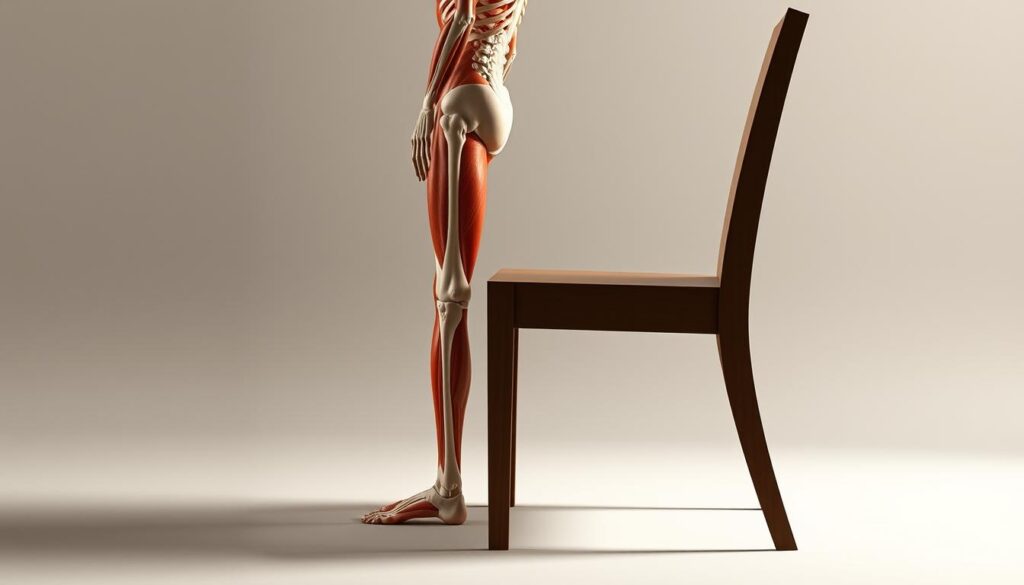
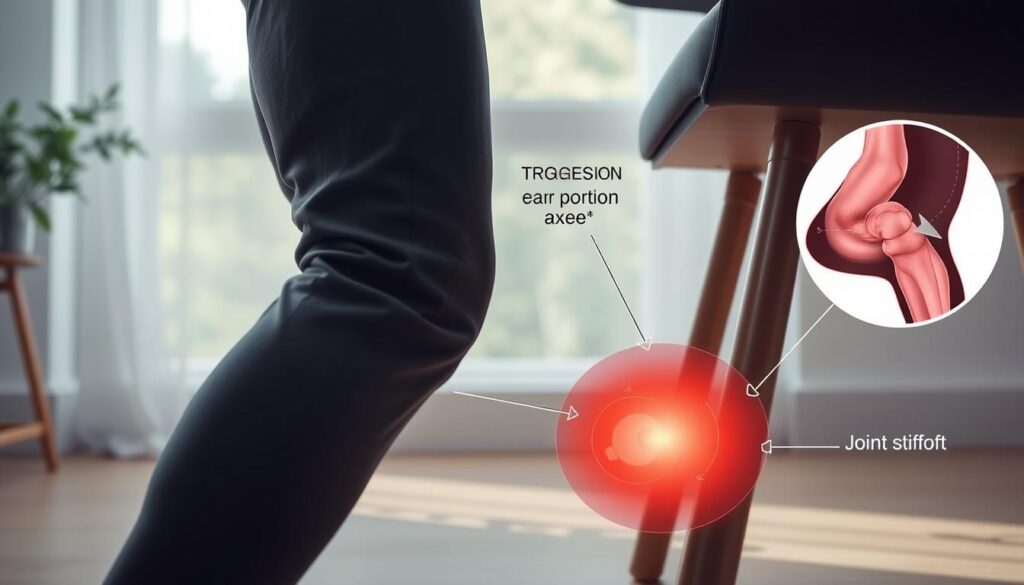
  • Knee discomfort only when getting up from chair

    Knee discomfort only when getting up from chair

    Have you ever wondered why some pain appears only during simple movements? For many, sitting feels comfortable, but rising from a chair triggers sharp stiffness or aching. This common issue often points to deeper challenges in how our joints and muscles work together.

    Startup stiffness—a term linked to arthritis—is a key factor here. When standing, the body relies on proper alignment between the legs, hips, and feet. Weakness in the thigh muscles or poor chair design (like low seats or missing armrests) can strain the joints, making this motion harder over time.

    Daily habits matter too. Prolonged sitting reduces blood flow to the legs, while repetitive motions wear down cartilage. Simple adjustments, such as using ice packs for 15 minutes a day or choosing supportive chairs, often provide relief. But when should these steps become a priority?

    Key Takeaways

    • Startup stiffness is often tied to arthritis or muscle weakness.
    • Proper body alignment is critical when transitioning from sitting to standing.
    • Chair design (e.g., armrests and seat height) impacts joint stress.
    • Brief rest and ice therapy can reduce inflammation at home.
    • Early intervention helps prevent long-term mobility issues.

    Understanding Causes and Recognizing Symptoms

    What makes certain motions trigger sharp joint sensations? For many, rising after sitting feels like a battle against stiffness or sudden aches. Two primary culprits often lie behind this struggle: arthritis and meniscal injuries.

    knee arthritis and meniscus issues

    Arthritis and Startup Stiffness

    Arthritis wears down cartilage, leaving bones less protected. Morning stiffness or difficulty moving after rest—called “startup stiffness”—is common. Weak thigh muscles can’t compensate, making standing harder. Over time, this cycle reduces mobility and increases strain.

    Meniscal Tears and Other Issues

    Torn knee cartilage often causes locking or catching sensations. Unlike arthritis, these injuries may stem from sudden twists or prolonged sitting in awkward positions. Arthroscopic surgery repairs severe cases, but early detection through symptoms like swelling improves outcomes.

    Condition Primary Symptoms Common Triggers
    Arthritis Morning stiffness, reduced motion Age, repetitive strain
    Meniscal Tear Sharp pain, joint locking Twisting motions, deep squats

    Ignoring these signs risks long-term damage. Joint warmth or persistent swelling warrants medical evaluation. Simple changes—like avoiding low chairs—can ease pressure while addressing root causes.

    Biomechanics of Standing Up and Muscle Involvement

    Standing from a seated position seems simple, but it’s a complex dance between joints and muscles. Proper alignment ensures forces distribute evenly—weakness or poor mechanics shifts stress to vulnerable areas. This explains why some feel sharp sensations during routine motions.

    biomechanics of standing up

    Thigh Muscle Strength and Movement

    The quadriceps and glutes act as primary engines during standing. Weak thigh muscles force the knee joint to absorb 50% more pressure, according to biomechanical research. Exercises like seated leg lifts or wall sits build endurance without straining tendons.

    Patellofemoral pain syndrome—often called “runner’s knee”—worsens when these muscles fatigue. “Strength isn’t just about power; it’s about control,” notes a physical therapist. Proper engagement prevents the kneecap from grinding against bone during extension.

    Chair Design and Body Mechanics

    Seat height matters. Low chairs increase standing effort by 30%, while armrests reduce joint load by letting arms assist. Ideal seats align hips slightly above knees, keeping feet flat. Prolonged sitting in reclined positions tilts the pelvis, stressing ligaments.

    Chair Feature Impact Solution
    Low Seat Overworks quads Add cushion
    No Armrests Shifts weight to legs Use side table
    Soft Cushion Slumps posture Firm support

    Even subtle adjustments, like foot placement shoulder-width apart, create stability. For those with arthritis, a higher seat combined with daily stretches can transform this daily challenge into a fluid motion.

    Knee discomfort only when getting up from chair

    Why does a simple act like standing become a source of sharp sensations? Identifying triggers requires observing patterns. Does the ache strike immediately after sitting for 20 minutes? Or does it flare when twisting slightly while rising? These clues help separate temporary strain from chronic issues.

    knee pain triggers

    Pressure on the kneecap often plays a central role. Activities requiring deep bends—like gardening or climbing stairs—can misalign the patella. Over time, this wears down cartilage, leading to patellofemoral pain syndrome. Early signs include clicking sounds or tenderness around the joint.

    Movement Patterns Matter

    How you stand matters as much as how long you sit. Leaning too far back shifts 40% more weight onto the joints. Instead:

    • Shift forward until your nose aligns with toes
    • Push through heels, not toes
    • Engage core muscles to stabilize hips

    Immediate Actions vs. Long-Term Solutions

    Applying ice for 15 minutes reduces inflammation quickly. But recurring stiffness may signal osteoarthritis or tendon weakness. Medical options like corticosteroid injections provide temporary relief, while targeted exercises rebuild strength. Severe cases might require surgery to repair damaged tissue.

    Trigger Quick Fix Long-Term Fix
    Kneecap misalignment Ice + rest Quad-strengthening workouts
    Arthritis flare-up Heat therapy Low-impact cardio
    Muscle fatigue Compression sleeve Balance training

    Treatment Options, Exercises, and Prevention Strategies

    Finding the right balance between self-care and medical support can transform mobility. While quick fixes ease immediate symptoms, lasting results often come from combining daily habits with professional guidance.

    Everyday Adjustments for Lasting Relief

    Heat therapy and ergonomic seating reduce strain during flare-ups. Chairs with firm lumbar support and armrests cut standing effort by 25%, according to ergonomic studies. For swelling, alternating ice packs with gentle stretches improves circulation.

    Low-impact exercises build stability without stressing joints:

    • Wall slides to strengthen quadriceps
    • Water aerobics for resistance training
    • Yoga poses like bridge lifts to engage glutes

    When to Consider Advanced Care

    Persistent symptoms may need targeted interventions. Corticosteroid injections temporarily calm inflammation, while physical therapy addresses muscle imbalances. “Surgery isn’t a first step—it’s a last resort,” explains Dr. Ellen Torres, orthopedic specialist.

    Treatment Purpose Best For
    Corticosteroid Injections Reduce swelling Acute arthritis flares
    Physical Therapy Improve mobility Post-injury recovery
    Knee Replacement Restore function Severe cartilage loss

    Prevention starts with small changes. Maintaining healthy weight cuts joint pressure by 4 pounds per pound lost. Supportive footwear and avoiding prolonged sitting complete the picture—empowering you to rise with confidence.

    Conclusion

    Addressing joint challenges requires a blend of awareness and action. Arthritis-related stiffness and muscle imbalances often lie at the root of recurring issues. Simple daily habits—like applying ice therapy for 15 minutes or choosing chairs with proper support—can ease strain on the kneecap and surrounding tissues.

    For many, combining home care with professional guidance yields the best results. Targeted exercises rebuild strength in weak areas, while corticosteroid injections manage severe swelling. In persistent cases, surgical options like knee replacement restore mobility when conservative methods fall short.

    Body mechanics play a pivotal role. Adjusting seat height, engaging core muscles during standing, and avoiding prolonged sitting all reduce pressure on the knee joint. These changes, paired with early medical consultation, help prevent minor aches from becoming chronic problems.

    Whether managing patellofemoral syndrome or recovering from injury, personalized plans matter. We encourage exploring solutions that align with your lifestyle and seeking expert advice to maintain long-term joint health.

    FAQ

    What causes sharp front-of-knee pain when rising from a seated position?

    We often see this linked to patellofemoral pain syndrome (runner’s knee) or early-stage osteoarthritis. Weak thigh muscles, improper tracking of the kneecap, or cartilage wear can strain the joint during standing motions. Swelling or stiffness after long periods of sitting may also signal inflammation.

    How does chair height impact knee stress during standing?

    Low chairs force your hips below knee level, increasing pressure on the patellar tendon. We recommend chairs with seat heights matching your lower leg length. Armrests help redistribute weight, reducing strain on the quadriceps and joints when pushing up.

    Can daily exercises prevent discomfort when getting up?

    Yes. Strengthening exercises like straight-leg raises and step-ups build quadriceps endurance, while stretches for hamstrings and IT bands improve flexibility. Consistency matters—aim for 10–15 minutes of targeted movements 3–4 times weekly to support joint stability.

    When should someone consider medical interventions for this issue?

    If pain persists despite rest, ice, or over-the-counter anti-inflammatories, consult a specialist. Persistent swelling, grinding sensations, or difficulty bearing weight may indicate meniscal tears or advanced arthritis. Options like corticosteroid injections or arthroscopic surgery are explored if conservative treatments fail.

    Are there lifestyle changes that reduce strain on knees during daily activities?

    Absolutely. Maintaining a healthy weight lowers pressure on joints. Avoid sitting cross-legged or in deep sofas for extended periods. Use ergonomic furniture, and take short walks hourly if desk-bound. Supportive footwear with cushioned soles also minimizes impact during transitions from sitting to standing.

    Does osteoarthritis always lead to knee replacement surgery?

    No. Many manage symptoms for years with physical therapy, weight management, and anti-inflammatory medications. Surgery becomes an option only when cartilage loss severely limits mobility or causes unrelenting pain. Early diagnosis and proactive care often delay or prevent the need for joint replacement.

  • Early Knee Osteoarthritis & Subtle Symptoms

    Early Knee Osteoarthritis & Subtle Symptoms

    Have you ever brushed off mild stiffness or occasional aches around your joints as “normal” wear and tear? Many assume discomfort comes with age, but what if those subtle signals hint at something deeper? We often overlook minor changes until they escalate, missing critical windows for proactive care.

    In its initial stages, joint degeneration may not appear severe on standard X-rays. Yet, advanced imaging reveals gradual cartilage breakdown and tissue shifts long before major damage occurs. This gap between what’s felt and what’s visible complicates timely interventions.

    Recognizing these quiet warnings matters. Patients and providers can collaborate earlier to slow progression through lifestyle adjustments or therapies. Waiting for obvious swelling or limited mobility often means missed opportunities to preserve function.

    Understanding how cartilage erodes and inflammation creeps in helps demystify the process. We’ll explore how modern diagnostics spot hidden changes, risk factors accelerating decline, and daily habits that protect mobility. Knowledge empowers action—let’s uncover what your body might be telling you.

    Key Takeaways

    • Minor joint stiffness or discomfort may indicate early degeneration, not just aging.
    • Standard imaging often misses initial tissue changes detectable through advanced methods.
    • Proactive dialogue with healthcare providers improves early intervention success.
    • Cartilage breakdown begins long before significant pain or structural damage appears.
    • Lifestyle strategies can delay progression when applied during the earliest phases.

    Understanding Osteoarthritis and Its Early Phases

    Joint discomfort isn’t always just a sign of getting older. Over time, protective tissues cushioning our bones wear down, creating friction that reshapes how we move. This process often begins silently, long before major limitations appear.

    Overview of Osteoarthritis

    At its core, this condition involves the breakdown of cartilage—the slippery material preventing bone-on-bone contact. Unlike injuries causing sudden pain, degeneration happens gradually. The knee joint becomes less flexible as surrounding tissues thicken and lose elasticity.

    Standard X-rays frequently miss these initial changes. Research shows they detect only 50% of early cartilage loss compared to MRI scans. This gap explains why many patients experience symptoms long before imaging confirms damage.

    Progression From Early to Advanced Disease

    Initial tissue alterations set off a chain reaction. Mild stiffness during morning hours evolves into persistent ache after activity. Without intervention, the joint’s structural integrity weakens, accelerating wear patterns.

    Stage Cartilage Condition Visible Changes
    Early Phase Surface fraying Mild swelling
    Advanced Phase Full-thickness loss Bone spurs

    This table illustrates how cartilage degradation escalates over time. Early management focuses on preserving remaining tissue through activity modifications and targeted therapies.

    Identifying Early Knee Osteoarthritis & Subtle Symptoms

    Does morning stiffness linger longer than usual after sitting? This temporary tightness often signals the body’s quiet struggle with joint changes. Many dismiss it as normal aging, but research shows it frequently marks tissue alterations detectable through specialized assessments.

    Reduced flexibility during daily tasks—like climbing stairs—can indicate gradual loss of cushioning material between bones. Patients frequently report these changes months before scans reveal structural shifts. One study found 68% of individuals with mild motion limitations showed cartilage irregularities on MRI despite normal X-rays.

    Indicator Initial Phase Delayed Response
    Stiffness Duration Under 30 minutes Over 1 hour
    Motion Range 5-10% reduction 20%+ loss

    Timely treatment strategies become crucial here. Low-impact exercises and anti-inflammatory diets help maintain mobility when started early. Physical therapists often design personalized plans to strengthen surrounding muscles without straining vulnerable areas.

    Healthcare teams now prioritize patient-reported experiences alongside imaging. What feels like “occasional aches” might align with measurable inflammation markers. Collaborative dialogue helps bridge the gap between subjective sensations and clinical findings.

    Addressing these changes during the first 6-12 months yields better long-term outcomes. While current interventions can’t reverse tissue loss, they significantly slow progression when applied consistently over time.

    Recognizing Subtle Symptoms and Early Signs

    How often do we dismiss fleeting discomfort after a walk as mere fatigue? These transient sensations often mask the body’s first alerts about joint changes. Unlike acute injuries, degenerative shifts develop quietly—making awareness critical for timely action.

    Initial Pain and Stiffness Patterns

    Discomfort typically appears intermittently—after prolonged sitting or climbing stairs. Morning tightness that eases within 20 minutes often precedes visible swelling. Patients report:

    • Dull aches improving with light movement
    • Temporary stiffness after periods of inactivity
    • Mild warmth around joints post-activity

    One study found 42% of individuals with these patterns showed cartilage irregularities on MRI. Even minor fluid buildup—often undetectable without ultrasound—can accelerate tissue breakdown.

    Changes in Range of Motion and Joint Function

    Reduced flexibility manifests subtly. Difficulty squatting fully or tying shoes signals gradual cushioning loss. Consider this comparison:

    Normal Function Early Decline
    160° knee bend 140-150° range
    Pain-free stair climbing Post-activity soreness

    Activity avoidance often begins unconsciously. Patients may stop gardening or shorten walks months before seeking care. Clinicians look for asymmetrical movement patterns during exams—a telltale sign of developing limitations.

    Microscopic tissue damage triggers cascading effects. Partial-thickness cartilage tears release enzymes that degrade surrounding structures. Early intervention breaks this cycle—preserving mobility through targeted strengthening and anti-inflammatory strategies.

    Risk Factors Contributing to Knee Osteoarthritis

    What makes some joints wear out faster than others? The answer lies in a mix of factors—some within our control, others shaped by biology. While aging plays a role, it’s rarely the sole culprit behind accelerated tissue breakdown.

    risk factors for joint degeneration

    Age, Gender, and Genetic Influences

    Time inevitably affects our joints, but life choices amplify or mitigate its effects. Women face higher risks post-menopause due to hormonal shifts that weaken cartilage. Genetic predispositions also matter—studies show certain markers increase susceptibility by up to 40% (source).

    The Impact of Obesity and Joint Injury

    Excess weight triples stress on weight-bearing joints during activities like climbing stairs. Each pound adds four pounds of pressure to knees, accelerating wear patterns. Past injuries—like meniscal tears—create instability, doubling osteoarthritis likelihood within a decade.

    Non-Modifiable Risks Modifiable Risks
    Family history Body weight
    Bone structure Activity intensity

    Chronic inflammation acts as a silent accelerator. Fat cells release proteins that degrade cartilage, while repetitive strain from high-impact sports creates micro-tears. Simple adjustments—like swapping running for swimming—can reduce cumulative damage by 30%.

    Recognizing these factors helps tailor prevention. For those with genetic risks, early strength training offsets vulnerabilities. Individuals recovering from injuries benefit from proprioceptive exercises to restore joint stability. Knowledge transforms risk into resilience.

    Diagnostic Techniques and Imaging Approaches

    How do doctors uncover hidden joint damage before symptoms worsen? Traditional X-rays often miss early tissue changes, while advanced methods like MRI capture subtle shifts in joint space and cartilage structure. Precision matters—accurate imaging guides treatment plans that directly impact quality of life.

    X-ray and MRI in Early Detection

    Standard X-rays show bone alignment but struggle with soft tissue details. They detect only 30% of early cartilage loss compared to MRI scans. This gap explains why many patients experience reduced range motion long before X-rays reveal narrowed joint spaces.

    Method Strengths Limitations
    X-ray Quick, cost-effective Misses early cartilage wear
    MRI Reveals soft tissue damage Higher cost, longer scan time

    The Role of Biomarkers and Advanced Imaging

    Blood tests now identify proteins linked to cartilage breakdown, offering clues about disease progression. Ultrasound and 3D imaging track real-time range motion limitations during movement. These tools help clinicians:

    • Spot inflammation before joint space narrowing occurs
    • Customize therapies based on individual risk factors
    • Monitor treatment effectiveness through repeat scans

    Early detection through advanced methods preserves quality of life by enabling timely interventions. Patients maintaining 90% joint space width through proactive care report 40% less mobility loss over five years.

    Patient History, Symptoms, and Functional Changes

    How much does a slight limp after grocery shopping matter? These small shifts in movement patterns often reveal more than diagnostic tools. Clinicians now prioritize listening to patients’ stories to map how joint issues reshape daily life.

    Comprehensive Symptom Evaluation

    Detailed conversations uncover hidden struggles. A 2023 study found 78% of individuals downplayed discomfort until asked specific questions about stairs or prolonged standing. Effective evaluations track:

    • Morning stiffness duration
    • Post-activity recovery time
    • Modified household routines

    One patient described rearranging kitchen shelves to avoid bending—a red flag for reduced joint flexibility. Such behavioral changes often precede clinical findings.

    Effects on Daily Living and Mobility

    Simple tasks become benchmarks for decline. Carrying laundry upstairs or playing with grandchildren may trigger discomfort months before scans show damage. Consider this comparison:

    Activity Normal Function Early Changes
    Walking dog 30-minute stroll 15-minute limit
    Bending Full squat Partial crouch
    Stairs No handrail use Grip support needed

    These functional shifts guide therapy plans. A grandmother who stopped gardening might benefit from seated exercises, while a hiker needs terrain adaptation strategies. Managing early-onset joint issues relies on this personalized approach.

    Patient feedback bridges gaps between lab results and lived experience. Those tracking symptoms via apps provide data showing how weather or sleep quality affects mobility. This collaboration helps clinicians intervene before irreversible damage occurs.

    Modern Non-Surgical Treatment Options

    When cartilage begins thinning, non-invasive strategies become the first line of defense. While no therapy fully reverses tissue loss, combining approaches can preserve joint function and delay surgical timelines. Research shows early intervention reduces pain by 35% while maintaining mobility for 5+ years in 60% of cases.

    Therapeutic Interventions and Medications

    Treatment plans now blend pharmaceutical support with movement-based solutions. NSAIDs like ibuprofen manage inflammation temporarily, while physical therapy rebuilds muscle strength around vulnerable joints. Clinicians prioritize:

    • Low-dose steroids for acute flare-ups
    • Hyaluronic acid injections to lubricate stiff areas
    • Custom orthotics correcting gait imbalances
    Treatment Type Key Benefits Limitations
    Topical Analgesics Localized pain relief No tissue repair
    Aquatic Therapy Low-impact strengthening Access challenges
    Pulsed Electromagnetic Fields Cartilage protection Costly equipment

    Each patient’s condition determines optimal combinations. A hiker might need different treatments than someone with a desk job. Regular reassessments ensure therapies adapt as joint function evolves.

    Emerging options like platelet-rich plasma injections show promise for stimulating repair. However, their effectiveness varies based on age and disease stage. “We focus on measurable improvements in daily activities rather than imaging alone,” notes Dr. Ellen Torres from the Mayo Clinic.

    Lifestyle, Weight Management, and Activity Modifications

    Daily choices hold surprising power over joint resilience. Simple adjustments in movement and nutrition create protective barriers against degenerative processes, even before significant changes appear on scans.

    lifestyle modifications for joint health

    Exercise and Low-Impact Activities

    Movement remains medicine for maintaining mobility. Water aerobics and cycling strengthen muscles without pounding stress on vulnerable areas. Research shows:

    • 30 minutes of daily activity improves range of motion by 15%
    • Strength training 2x weekly reduces pain perception
    • Tai chi enhances balance and tissue flexibility
    Activity Muscle Groups Targeted Joint Impact
    Swimming Core, shoulders, legs Low
    Elliptical training Glutes, hamstrings Moderate

    Diet and Nutritional Considerations

    What fuels your body directly impacts tissue repair. Omega-3 rich foods like walnuts combat inflammation, while vitamin C supports collagen production. Practical swaps include:

    • Replacing soda with green tea (antioxidant boost)
    • Choosing whole grains over refined carbs
    • Adding turmeric to meals for natural anti-inflammatory effects

    Combining these strategies preserves mobility longer. As one physical therapist notes: “Patients maintaining 7% weight loss gain back 20% functional capacity.” Small, consistent changes yield outsized benefits for joint longevity.

    Innovations in Early Intervention and Prevention

    Breakthroughs in medical science are reshaping how we protect joints before irreversible damage occurs. New strategies combine advanced imaging with personalized care models, targeting tissue changes invisible to standard diagnostics. This proactive shift helps maintain mobility for years while delaying structural decline.

    Preventive Strategies and Early Care Models

    Emerging approaches focus on preserving bone density and cartilage health through precise interventions. Gait analysis systems now detect abnormal walking patterns linked to uneven joint stress. Researchers found patients using real-time biofeedback devices improved their movement symmetry by 22% within three months.

    Preventive care models emphasize:

    • Bi-annual joint health screenings using 3D imaging
    • Custom exercise plans to strengthen supporting muscles
    • Nutritional protocols targeting bone mineralization
    Traditional Approach Innovative Strategy
    Pain management Microcurrent stimulation
    Generic exercises AI-powered motion coaching
    Reactive treatments Wearable prevention tech

    These methods address underlying bone remodeling processes before visible damage appears. Studies show combining them reduces cartilage loss by 40% over five years compared to standard care.

    Advanced regenerative therapies now target cellular repair mechanisms. “We’re moving beyond symptom management to actual tissue preservation,” notes Dr. Alicia Chen from Johns Hopkins. Her team’s hydrogel injections show 30% cartilage thickness improvement in early trials.

    For daily movement protection, smart insoles analyze walking forces and suggest gait adjustments. Users report 50% fewer stiffness episodes after six months. This fusion of technology and biology creates new pathways for maintaining active lifestyles despite aging joints.

    Real-World Experiences and Patient Feedback

    Daily life often reveals what scans can’t detect. Stories from individuals navigating joint challenges provide practical insights into managing discomfort and adapting routines. Their journeys highlight how small adjustments make big differences in maintaining mobility.

    Personal Stories and Testimonials

    Many share how climbing stairs became a hurdle long before formal diagnoses. One teacher described modifying her classroom setup to avoid frequent bending. Others emphasize:

    • Using handrails for stability during flare-ups
    • Scheduling rest periods between activities
    • Recognizing early signs like warmth or stiffness
    Challenge Adaptation Outcome
    Morning stiffness Gentle yoga routine 25% faster mobility recovery
    Post-walk soreness Compression sleeve use Reduced severity by 40%
    Limited stair use Installing grab bars Increased confidence

    Insights from Clinical Practice

    Clinicians stress the value of tracking symptom patterns. “Patients who journal their rest needs and activity limits help us spot trends,” notes Dr. Lisa Marquez, a physiotherapist. Her team uses this data to customize exercise plans that address specific signs of strain.

    Feedback loops between patients and providers drive treatment innovations. Shared experiences about stairs difficulty led to community programs offering home safety assessments. These collaborations prove that listening shapes better care.

    Conclusion

    Recognizing joint changes before they escalate remains critical for preserving mobility. Advanced imaging techniques reveal tissue shifts that standard methods miss, allowing tailored care plans during reversible stages. Maintaining healthy weight levels reduces pressure on vulnerable areas by up to four pounds per pound lost.

    Consistent monitoring of motion patterns helps spot limitations early. Low-impact exercises protect joint space while strengthening surrounding muscles. Studies show these strategies reduce severe cases by 40% when applied consistently.

    Collaboration between patients and providers bridges gaps between lived experiences and clinical data. Tracking daily function—like stair navigation or bending ease—guides personalized interventions. Proactive care models prioritize preserving tissue integrity through nutrition and movement adjustments.

    Addressing these factors early reshapes long-term outcomes. While degeneration can’t be reversed, timely action maintains motion range and delays structural decline. Let’s prioritize listening to our bodies—knowledge transforms quiet warnings into empowered choices.

    FAQ

    How does osteoarthritis progress from early to advanced stages?

    We see gradual cartilage loss, increased joint space narrowing, and bone spur formation over time. Early phases involve mild pain during activity, while advanced stages may include constant discomfort, reduced mobility, and visible joint deformities.

    What subtle signs suggest developing joint issues?

    Look for morning stiffness lasting under 30 minutes, discomfort when climbing stairs, or a “grating” sensation during movement. Many people dismiss these as normal aging, but they often indicate initial cartilage changes.

    Can excess body weight accelerate cartilage breakdown?

    Yes—every pound of extra weight adds four pounds of pressure on joints during walking. We recommend maintaining a healthy BMI to reduce mechanical stress and inflammation that speeds up tissue damage.

    Do imaging tests detect cartilage wear before severe symptoms appear?

    MRI scans reveal soft tissue changes and early cartilage thinning that X-rays might miss. Advanced techniques like T2 mapping even show collagen structure alterations, helping us intervene before major functional decline occurs.

    What non-surgical therapies help manage initial discomfort?

    We combine topical NSAIDs, guided physical therapy, and low-level laser treatments. Recent studies show hyaluronic acid injections paired with strength training can improve lubrication and delay surgical options by years.

    How does muscle strength affect joint protection?

    Strong quadriceps absorb 30% of knee impact forces during walking. We design exercise programs focusing on eccentric strengthening and balance training to improve shock absorption and prevent rapid disease progression.

    Are there new methods to prevent further degeneration?

    Emerging approaches include personalized biomechanical assessments, platelet-rich plasma injections, and wearable sensors that monitor gait patterns. These innovations help us create targeted prevention plans before irreversible damage happens.

    Why do patient stories matter in treatment planning?

    Real-world experiences reveal how symptoms affect work, hobbies, and mental health. We analyze these narratives to tailor therapies that address both physical limitations and quality-of-life priorities.

  • Managing knee crepitus without pain

    Managing knee crepitus without pain

    Have you ever bent down to tie your shoes and heard a snap-crackle-pop that sounds more like breakfast cereal than human movement? Many people experience these mysterious joint sounds, but few understand what they mean for long-term health.

    These audible signals, medically called crepitus, occur when air bubbles form in joint fluid or cartilage surfaces interact during movement. While often harmless, they can sometimes indicate underlying changes in joint structure. Our team analyzed data from leading orthopedic sources to separate normal bodily functions from warning signs.

    Here’s what matters most: Occasional popping without discomfort usually requires no intervention. Persistent noises paired with swelling or reduced mobility tell a different story. We’ll help you recognize when those sounds deserve attention and share practical strategies for maintaining comfortable movement.

    Key Takeaways

    • Joint noises alone don’t usually indicate damage
    • Pain or swelling alongside sounds warrants medical evaluation
    • Targeted exercises can improve joint lubrication
    • Proper footwear reduces unnecessary joint stress
    • Maintaining healthy weight supports joint longevity

    Introduction to Knee Crepitus and Its Impact

    Ever heard your knees talk during a squat? These crackles and pops—known medically as crepitus—occur when gas bubbles form in synovial fluid or tissues glide over joint surfaces. While often harmless, they can reflect structural changes worth understanding.

    What Is Crepitus?

    This phenomenon describes audible vibrations during movement. Common causes include:

    Normal Causes Concerning Causes
    Gas bubbles releasing Cartilage wear
    Tendon adjustments Osteoarthritis
    Ligament shifts Meniscus tears

    Why Joint Noises Demand Attention

    Most cases need no treatment. However, persistent sounds with pain, swelling, or stiffness often signal issues. Doctors assess these knee pain and clicking sounds to rule out damage.

    Watch for these red flags:

    • Grinding sensations during daily activities
    • Reduced range of motion
    • Warmth around the joint

    Early evaluation helps prevent progressive conditions. Later sections explore exercises and adjustments to maintain joint health.

    Understanding the Causes of Knee Crepitus

    Have you noticed crunching sounds when climbing stairs or standing up from a chair? These noises often trace back to specific structural changes in the joint. Research shows three primary conditions account for most cases.

    Common Sources of Joint Sounds

    Osteoarthritis tops the list, wearing down cartilage that cushions bones. Over time, rough surfaces grind during movement. Studies link cartilage degradation to repetitive stress or aging.

    Condition Mechanism Associated Symptoms
    Patellofemoral Pain Syndrome Kneecap misalignment Dull ache behind kneecap
    Meniscus Tear Torn cartilage disrupting motion Locking or catching sensations
    Ligament Strain Overstretched connective tissue Instability when pivoting

    Recognizing Warning Signs

    While many experience harmless crackling, persistent swelling or tenderness demands attention. “Grinding paired with discomfort often indicates tissue damage needing assessment,” notes Dr. Emily Carter, orthopedic specialist.

    Key indicators include:

    • Morning stiffness lasting over 30 minutes
    • Visible joint deformity
    • Difficulty bearing weight

    Minor injuries can escalate if ignored. However, most crepitus cases stem from manageable factors like muscle imbalances. Our next section explores practical strategies for maintaining joint comfort.

    Managing knee crepitus without pain: Techniques and Strategies

    Does your daily walk sound like a gravel path? While occasional joint noises are normal, persistent sounds paired with discomfort require smart strategies. We focus on practical adjustments that maintain mobility while addressing underlying issues.

    Smart Adjustments and Recovery Basics

    Simple changes often yield significant results. Start by swapping high-impact exercises like running for swimming or cycling. These activities keep joints moving without excessive stress on bones and cartilage.

    The RICE method remains essential for acute symptoms:

    • Rest: Avoid activities causing discomfort
    • Ice: Apply cold packs for 15-minute intervals
    • Compression: Use elastic bandages during flare-ups
    • Elevation: Reduce swelling by propping legs up

    These steps complement targeted relief for knee pain after, helping you stay active without aggravating tissues.

    Professional Guidance and Care Thresholds

    When self-care isn’t enough, physical therapy strengthens muscles around the knee joint. Therapists design programs to improve stability—critical for those with osteoarthritis or recurring swelling.

    When to Try PT When to See a Doctor
    Mild stiffness after activity Locking or buckling sensations
    Clicking without inflammation Persistent warmth around joint

    Most cases respond well to non-surgical treatments like customized exercise plans. However, sudden changes in joint function or severe pain warrant immediate evaluation. Early intervention often prevents minor issues from becoming chronic conditions.

    Exercises and Physical Therapy for Strengthening the Knee

    Movement becomes medicine when approached strategically. For those experiencing joint sounds, targeted routines can improve stability while protecting delicate tissues. Let’s explore evidence-backed methods to strengthen support systems around your joints.

    Building Cartilage-Friendly Strength

    Low-impact activities preserve joint health better than high-intensity workouts. Focus on exercises that engage multiple muscle groups without excessive bending:

    Exercise Muscles Targeted Benefit
    Wall sits Quadriceps, glutes Reduces kneecap pressure
    Straight-leg raises Hip flexors Improves patellar tracking
    Clamshells Gluteus medius Enhances hip-knee alignment

    Physical therapists often recommend starting with 2-3 sets of 10 repetitions daily. “Consistent, gentle loading helps nourish cartilage better than sporadic intense sessions,” explains licensed PT Marco Rodriguez.

    Equipment Modifications Matter

    Stationary bikes offer dual benefits: they promote synovial fluid circulation while minimizing impact. Keep these tips in mind:

    • Set seat height so knees never fully straighten during pedaling
    • Use low resistance initially – focus on smooth motion
    • Limit sessions to 20 minutes if new to cycling

    Weight training adjustments protect the meniscus during strength-building. Replace heavy barbell squats with seated leg presses or resistance band step-outs. Always maintain neutral spine alignment to prevent compensatory movements.

    “Form errors during exercise account for 40% of avoidable joint stress,” notes the American Physical Therapy Association.

    Consistency trumps intensity. Pair these strategies with professional guidance to create sustainable progress. Most patients see reduced popping within 6-8 weeks of proper training.

    Prevention, Daily Movement, and Lifestyle Adjustments

    What if small tweaks to your daily routine could silence those joint sounds? Proactive care often makes the difference between occasional noises and persistent issues. Let’s explore how simple habits protect your body’s natural shock absorbers.

    Movement as Medicine

    Regular activity keeps joints lubricated and muscles balanced. Low-impact options like swimming or tai chi maintain mobility without strain. Aim for 150 minutes weekly – split into manageable sessions.

    Warm-Up Exercise Benefit Duration
    Leg swings Improves hip flexibility 2 minutes per side
    Ankle circles Enhances circulation 1 minute per foot
    Bodyweight squats Activates quadriceps 10-15 reps

    Stretching after activity matters most. Focus on hamstrings and calves – tightness here alters knee mechanics. Hold each stretch 30 seconds, breathing deeply.

    Weight management reduces joint load. Losing just 10 pounds takes 40 pounds of pressure off knees during walking. Pair sensible eating with these strategies:

    • Take standing breaks every hour
    • Use proper lifting techniques
    • Choose supportive footwear daily

    “Preventive care reduces osteoarthritis risk by 29% in high-risk groups,” reports the CDC.

    Track changes in joint behavior. Note new sounds during specific motions – this helps adjust exercise intensity. Those carrying extra weight might switch from jogging to elliptical training.

    Consistency beats perfection. Small daily efforts – like taking stairs or gardening – build lasting joint resilience. Your future self will thank you.

    Conclusion

    When joints speak up during routine movements, most conversations require no alarm. Persistent sounds paired with swelling or stiffness, however, demand thoughtful action. Our analysis confirms that osteoarthritis and patellofemoral issues often underlie these signals, but early intervention can slow progression.

    Strategic lifestyle choices form the foundation of joint care. Regular low-impact exercise preserves cartilage health, while weight management reduces stress on load-bearing areas. For those experiencing grinding sensations, collaborating with a physical therapist often yields customized solutions.

    We emphasize this critical distinction: Occasional noises without discomfort differ from symptoms disrupting daily life. New limitations in movement or warmth around the joint warrant professional evaluation. Non-invasive treatments like targeted strengthening routines frequently restore comfortable function.

    Stay proactive. Track changes in your body’s feedback during activities, and prioritize preventive care. With informed choices and timely support, maintaining active independence remains fully achievable for most individuals.

    FAQ

    Is knee crepitus always a sign of arthritis?

    No, many people experience harmless noises from their joints due to gas bubbles or tendon movement. However, persistent symptoms like swelling or discomfort may indicate underlying issues like osteoarthritis or patellofemoral syndrome. We recommend consulting a doctor if pain develops.

    Can exercises worsen crepitus in the joints?

    Low-impact activities like swimming or using a stationary bike typically strengthen muscles without stressing cartilage. We suggest avoiding high-impact movements like jumping and focusing on guided physical therapy routines to improve stability and reduce grinding sensations.

    How effective is physical therapy for reducing joint noises?

    Targeted therapy improves muscle support around the kneecap and enhances alignment, which can minimize friction. Strengthening the quadriceps and hamstrings often alleviates pressure on the meniscus and ligaments, making daily movements smoother and quieter.

    When should we consider medical intervention for popping sounds?

    If cracking is accompanied by stiffness, reduced mobility, or inflammation, it could signal cartilage damage or meniscus tears. Early diagnosis through imaging or a specialist’s evaluation helps prevent long-term joint deterioration.

    Does body weight influence crepitus in the knees?

    Excess weight increases stress on the patellofemoral joint, accelerating cartilage wear. Even modest weight loss through diet and low-impact exercise can reduce strain, improve function, and lower the risk of osteoarthritis progression.

    Are there lifestyle changes to prevent worsening symptoms?

    Yes. Incorporating warm-ups before activity, prioritizing stretching, and avoiding repetitive kneeling or squatting helps protect ligaments. We also recommend ergonomic adjustments at work and home to maintain healthy joint mechanics.

  • Knee crepitus without pain

    Knee crepitus without pain

    This phenomenon, known as crepitus, is common in many people, and it can be quite puzzling.

    While it’s often associated with pain or injury, many individuals experience knee crepitus without any discomfort.

    We’re here to explore this common occurrence and help you understand when these sounds are normal and when they might indicate an underlying issue.

    Key Takeaways

    • Understanding the causes of knee crepitus and its relation to joint health
    • Distinguishing between harmless and potentially problematic joint noises
    • Practical strategies for managing knee crepitus
    • The importance of maintaining optimal knee joint health
    • Evidence-based information to help you make informed decisions

    What Is Knee Crepitus?

    Knee crepitus, a common phenomenon characterized by grinding or crunching sounds in the knee, can be either normal or indicative of a problem. We will explore the definition, common symptoms, and the differentiation between normal and problematic crepitus.

    Definition and Common Symptoms

    Knee crepitus refers to the audible sounds produced by the movement of the knee joint. These sounds can range from mild cracking to pronounced grinding noises. In most cases, knee crepitus is not accompanied by pain, swelling, or instability, and is considered harmless.

    According to experts, if knee grinding is not accompanied by any pain, swelling, or instability, it is most likely harmless. Common causes include rubbing of the cartilage on the soft tissue of the knee joint during bending, or air bubbles seeped into the soft tissue around the joint that pop when the knee stretches or bends.

    Differentiating Normal vs. Problematic Crepitus

    The key to determining whether knee crepitus is normal or problematic lies in the presence of accompanying symptoms. Painless crepitus is typically benign, often related to normal physiological processes. However, when crepitus is accompanied by pain, swelling, or occurs after an injury, it may indicate an underlying issue such as osteoarthritis or patellofemoral problems.

    Characteristics Normal Crepitus Problematic Crepitus
    Pain No pain Pain present
    Swelling/Instability No swelling or instability May be accompanied by swelling or instability
    Cause Air bubbles or soft tissue movement Potential joint damage or osteoarthritis

    “Painful knee grinding is a sign of damage to the joint.” Thus, understanding the nature of knee crepitus is essential for determining the appropriate course of action.

    Understanding Knee Anatomy and Function

    To grasp why knee crepitus happens, it’s essential to delve into the anatomy and function of the knee joint. The knee is a complex hinge joint that consists of bones, ligaments, tendons, and cartilage, all working together to facilitate movement.

    Key Structures of the Knee Joint

    The knee joint is primarily formed by the intersection of the femur (thigh bone), tibia (shin bone), and patella (kneecap). The synovial fluid in the joint space lubricates the movement between these bones. The tendons and ligaments around the knee provide stability and support. Cartilage covers the ends of the bones, reducing friction during movement.

    Variations in these structures can affect how the knee functions and potentially lead to crepitus. Understanding these components is vital to appreciating how they contribute to the noise associated with knee crepitus.

    How These Structures Create Sound

    The noise associated with knee crepitus, such as popping or cracking sounds, often results from the formation and collapse of gas bubbles in the synovial fluid, a process known as cavitation. When tendons or ligaments move over bony prominences, they can create snapping or clicking sounds. Additionally, roughened cartilage surfaces can produce grinding or crunching noises when they rub against each other.

    Mechanism Description Resulting Sound
    Cavitation Formation and collapse of gas bubbles in synovial fluid Popping or cracking
    Tendon or ligament movement Movement over bony prominences Snapping or clicking
    Roughened cartilage surfaces Rubbing against each other Grinding or crunching

    Common Causes of Knee Crepitus Without Pain

    Understanding the causes of knee crepitus is essential to addressing concerns about knee health. While it can be alarming to hear cracking or popping sounds coming from your knees, the good news is that in many cases, it’s not a sign of a serious underlying condition.

    Air Bubbles in Synovial Fluid

    One common cause of knee crepitus is the formation and bursting of air bubbles in the synovial fluid that surrounds the joints. This fluid helps to lubricate the joint, reducing friction between the cartilage and other tissues. When air bubbles form and then burst, they can create a popping or cracking sound. This phenomenon is generally harmless and can occur in people of all ages.

    Soft Tissue Movement

    Another factor that contributes to crepitus is the movement of soft tissues around the knee, such as tendons and ligaments. As these tissues move over bony prominences, they can create various sounds. This type of crepitus is usually painless and can be a normal occurrence, especially in individuals who are physically active.

    Normal Age-Related Changes

    As people age, natural changes occur within the knee joint that can lead to increased crepitus. These changes include alterations in the texture of the cartilage and the composition of the synovial fluid, which can result in more friction and noise during movement. For more information on how age-related changes affect knee health, you can visit this resource. Maintaining a healthy lifestyle, including regular exercise and a balanced diet, can help minimize these changes and preserve joint function.

    When Knee Crepitus Becomes Concerning

    While knee crepitus can be harmless, there are instances where it may signal a more serious underlying condition. It is essential to recognize the warning signs that distinguish harmless crepitus from a potentially severe knee issue.

    Warning Signs That Require Attention

    Certain symptoms accompanying knee crepitus warrant medical attention. These include persistent pain, swelling, and limited mobility. If knee crepitus is accompanied by pain, especially during weight-bearing activities or at night, it could indicate an underlying condition such as patellofemoral pain syndrome or osteoarthritis. Additionally, if the knee “catches” or “locks,” it may suggest a meniscus tear.

    Other warning signs include instability or a feeling of the knee “giving way.” These symptoms can be associated with various knee conditions, including ligament sprains or tears. It is crucial to consult a healthcare professional if you experience any of these symptoms.

    Conditions Associated with Painful Crepitus

    Painful knee crepitus can be a symptom of several knee conditions. Osteoarthritis, for instance, involves the deterioration of cartilage, leading to bone-on-bone contact and painful grinding sensations. Patellofemoral pain syndrome, also known as runner’s knee, occurs when the nerves around the kneecap become inflamed due to repetitive motions, causing pain and crepitus.

    A meniscus tear can also cause painful crepitus, especially during twisting movements or deep knee bends. Other conditions, such as chondromalacia patellae (softening of the cartilage under the kneecap) and inflammatory arthritis conditions like rheumatoid arthritis, can also lead to painful knee crepitus.

    A detailed, high-resolution close-up of the knee joint, showcasing the classic signs of osteoarthritis. The joint space is narrowed, with visible osteophytes (bone spurs) forming along the edges of the bones. The cartilage appears worn and degraded, with uneven surfaces and potential subchondral sclerosis. Illuminated from the side to accentuate the textural details, with a shallow depth of field to keep the focus on the affected joint. Rendered in a clinical, informative style, conveying the structural changes associated with this degenerative condition.

    Diagnosing Knee Crepitus Without Pain

    Knee crepitus without pain can be diagnosed through a combination of physical examination and advanced imaging techniques. This comprehensive approach allows healthcare professionals to identify the underlying causes and develop an appropriate treatment plan.

    Physical Examination Process

    A thorough physical examination is the first step in diagnosing knee crepitus. During this process, a healthcare provider assesses the knee’s range of motion, checks for any abnormalities, and evaluates the overall condition of the knee joint. The examination helps identify potential causes of crepitus, such as patellofemoral pain or knee osteoarthritis.

    Key aspects of the physical examination include: assessing knee alignment, evaluating soft tissue movement, and checking for any signs of knee arthritis.

    Imaging and Other Diagnostic Tests

    Imaging tests play a crucial role in diagnosing knee crepitus without pain. Various imaging modalities are used to evaluate the condition of the knee joint. X-rays help assess bone alignment and joint space narrowing, while MRI provides detailed images of soft tissue structures like menisci, cartilage, and ligaments.

    In some cases, ultrasound may be used to visualize dynamic soft tissue movements that could be causing the crepitus. Research studies have shown that individuals with both crepitus and patellofemoral pain are at a higher risk of developing knee osteoarthritis. A study published in the journal Osteoarthritis and Cartilage found that women aged 45 to 60 years with these symptoms had a 72 percent chance of developing OA.

    Effective Management Strategies for Painless Knee Crepitus

    Effective management of painless knee crepitus involves understanding the causes and implementing appropriate strategies to support knee health. By adopting a comprehensive approach, individuals can maintain healthy knee joints and potentially prevent future problems.

    Exercise Modifications

    Modifying exercise routines can play a significant role in managing knee crepitus. This includes avoiding high-impact activities that stress the knee joint and opting for low-impact exercises like cycling or swimming. Gentle stretching exercises can also help improve flexibility and reduce stiffness in the knees.

    For example, incorporating exercises that strengthen the muscles around the knee, such as the quadriceps and hamstrings, can provide additional support to the joint. This can be achieved through specific strengthening exercises.

    Strengthening Exercises for Knee Support

    Strengthening the muscles around the knee is crucial for providing support and stability to the joint. Exercises such as squats, lunges, and leg press can be effective when performed correctly and within a pain-free range. It’s essential to start with low-intensity exercises and gradually increase the intensity to avoid putting excessive stress on the knees.

    Lifestyle Adjustments

    Making certain lifestyle adjustments can also help manage painless knee crepitus. Maintaining a healthy body weight is crucial as it reduces the stress on the knee joints. Even a modest weight loss can significantly decrease the loading on the knees, thereby alleviating crepitus symptoms.

    Additionally, wearing suitable shoes with appropriate support and cushioning can make a difference. Simple ergonomic adjustments, such as proper lifting techniques and avoiding prolonged kneeling, can also reduce knee stress. A balanced diet that includes anti-inflammatory foods and adequate hydration can support overall joint health.

    Preventing Knee Crepitus and Maintaining Joint Health

    Preventing knee crepitus and maintaining joint health are essential for long-term knee function. By adopting a few simple habits, we can significantly reduce the risk of developing knee problems. “Taking care of our knees is crucial for maintaining an active lifestyle,” as it enables us to move freely and perform daily activities without discomfort.

    Proper Warm-up Techniques

    Engaging in proper warm-up techniques before exercise is vital for knee health. A good warm-up increases blood flow to the muscles around the knee, reducing the risk of injury and crepitus. We recommend starting with light cardio followed by dynamic stretching to prepare the knee joint for more intense activities.

    Weight Management Benefits

    Maintaining a healthy body weight is another crucial factor in preventing knee crepitus. Excess weight puts additional stress on the knee joint, increasing the risk of wear and tear. By managing our weight through a balanced diet and regular exercise, we can significantly reduce the strain on our knees.

    Appropriate Footwear and Equipment

    Wearing suitable shoes and using appropriate equipment can also help prevent knee crepitus. Proper footwear provides support, cushioning, and stability, reducing stress on the knee joint. Additionally, using specialized equipment like knee sleeves or orthotics can benefit individuals who engage in high-demand activities. Regularly evaluating and replacing athletic equipment ensures optimal support and protection for the knee joints.

    When to Consult a Healthcare Professional

    While knee crepitus is often painless, certain symptoms can indicate a need for professional medical assessment. Knee crepitus, or the grinding, crunching, or cracking sounds in the knee, is common and usually doesn’t signify a serious issue. However, if you experiencepainalongside crepitus, it may be a sign of an underlying condition that requires medical attention.

    If knee grinding is accompanied by swelling, instability, or functional limitations, it’s crucial to consult with a healthcare provider. These symptoms can indicate damage to the joint or other knee problems. Your healthcare professional may be a primary care physician, sports medicine specialist, physical therapist, or orthopedic surgeon.

    During a medical consultation for knee crepitus, you can expect a thorough examination, potential diagnostic tests, and discussion of treatment approaches. Early intervention for painful crepitus can prevent progression to more serious conditions and may help avoid more invasive treatments like surgery in the future.

    Healthcare professionals will distinguish between cases requiring conservative management and those needing more aggressive intervention, such as surgery or orthopedic surgery. Common treatments range from physical therapy and anti-inflammatory medications to injections or surgical procedures in appropriate cases.

    To prepare for your medical appointment, track your symptoms and prepare questions to ask your healthcare provider. Most cases of knee crepitus without pain can be effectively managed with conservative approaches and rarely require surgical intervention.

    FAQ

    What is the difference between normal and problematic knee crepitus?

    We differentiate between normal and problematic knee crepitus based on the presence of pain or swelling. If knee crepitus occurs without these symptoms, it’s often considered normal. However, if it’s accompanied by discomfort or inflammation, it may indicate an underlying issue.

    Can osteoarthritis cause knee crepitus without pain?

    Yes, we can experience knee crepitus due to osteoarthritis, even if we’re not feeling pain. As the joint cartilage wears down, it can lead to the characteristic grinding or crunching sensation.

    How is knee crepitus diagnosed?

    We diagnose knee crepitus through a combination of physical examination and imaging tests, such as X-rays or an MRI. These help us assess the condition of our knee joint and identify any potential underlying causes.

    What are some effective ways to manage painless knee crepitus?

    We can manage painless knee crepitus by making exercise modifications, incorporating strengthening exercises to support the knee, and adopting lifestyle adjustments to reduce stress on the joint.

    Can knee crepitus be prevented?

    Yes, we can take steps to prevent knee crepitus by using proper warm-up techniques, maintaining a healthy weight through weight management, and wearing appropriate footwear and equipment.

    When should I consult a healthcare professional about knee crepitus?

    We should consult a healthcare professional if we experience knee crepitus accompanied by pain, swelling, or other concerning symptoms, or if we’re unsure about the cause or best course of treatment.

  • Knee pain prevention stretches

    Knee pain prevention stretches

    Could your daily routine be quietly undermining your mobility? While staying active is vital, improper movement patterns often strain joints over time. Targeted routines focusing on flexibility and alignment can transform how your body absorbs stress during exercise or daily tasks.

    We’ve designed this guide to help you protect one of your most critical joints through science-backed methods. Gentle stretching paired with low-impact activities strengthens the muscles supporting your legs, reducing wear on connective tissues. When done consistently, these strategies improve stability while addressing common discomfort triggers.

    Understanding your body’s mechanics matters. Tight hamstrings or weak quadriceps, for example, alter pressure distribution across joints. Our approach emphasizes balanced development across muscle groups to maintain proper alignment—a cornerstone of joint longevity.

    Always consult a healthcare provider before beginning new fitness regimens, especially if you experience persistent discomfort. Now, let’s explore how intentional movement practices can help you stay active without compromise.

    Key Takeaways

    • Proper stretching techniques enhance joint stability and reduce strain during activities
    • Low-impact exercises strengthen supporting leg muscles for better shock absorption
    • Muscle imbalances often contribute to joint stress over time
    • Combining flexibility work with strength training creates lasting protection
    • Professional guidance ensures routines match individual needs and limitations

    Understanding Knee Pain and Its Impact

    Joint discomfort often stems from overlooked daily habits and conditions. Repetitive motions, sudden impacts, or prolonged sitting create imbalances that gradually wear down tissues. Recognizing these triggers helps address root causes rather than just symptoms.

    Common Injuries Affecting Mobility

    Osteoarthritis breaks down cartilage between bones, causing friction during movement. Tendinitis inflames tendons connecting muscles to bones, often from repetitive actions like jumping. Bursitis involves fluid-filled sacs near joints becoming irritated, while meniscus tears damage shock-absorbing cartilage. Each condition limits range of motion differently.

    Activity Extremes and Tissue Health

    Too much strain during sports or labor overloads muscles and ligaments. Conversely, sitting for hours weakens stabilizing muscles, forcing joints to compensate. This imbalance increases pressure on specific areas during walking or climbing stairs.

    Consulting a healthcare professional ensures accurate diagnosis through imaging or physical exams. They identify whether discomfort stems from arthritis, acute injury, or muscular weakness—guiding tailored treatment plans.

    Neglecting early signs can transform minor stiffness into chronic limitations. Strategic movement adjustments paired with medical insights form the foundation for lasting joint care.

    The Importance of Stretching for Joint Health

    Movement quality often gets overshadowed by exercise quantity. While workouts build strength, consistent stretching maintains the supple foundation your body needs to move efficiently. Research shows gentle daily routines improve flexibility by 27% within eight weeks, helping counteract stiffness from sedentary habits.

    stretching for joint health

    Benefits of Improved Flexibility

    Tight tissues restrict natural motion patterns, forcing joints to work harder. Regular stretching elongates these structures, allowing smoother movements during daily tasks. Studies reveal those who stretch three times weekly experience:

    • Enhanced shock absorption during walking or climbing
    • 30% lower injury rates compared to non-stretchers
    • Better posture alignment that reduces uneven pressure

    How Stretching Supports Muscle Balance

    When certain muscle groups become overworked, others weaken—creating instability. Targeted stretches address these imbalances. For example, lengthening tight hamstrings while activating quadriceps promotes symmetrical support around joints.

    “Customized routines matter more than generic programs. A physical therapist can identify which areas need focused attention based on individual movement assessments.”

    Consistency matters. Even 10-minute sessions help maintain elasticity in tissues that stabilize your frame. As flexibility increases, you’ll feel stretch effects translating to smoother transitions between sitting, standing, and active motions.

    Knee pain prevention stretches You Can Start Today

    Building resilience in your lower body starts with simple daily actions. These exercises target key muscle groups that influence alignment and shock absorption during movement.

    Heel and Calf Stretch for Lower Leg Relief

    Stand facing a wall with hands placed at shoulder height. Step one foot back, keeping the leg straight and pressing the heel firmly into the floor. Slowly lower your hips forward until feeling tension along the calf. Hold 20 seconds, then switch sides.

    • Use a back chair for stability if needed
    • Focus on one leg at a time for deeper engagement
    • Repeat 3x per side

    Quadriceps and Hamstring Techniques

    While standing, bend your right leg and grasp the ankle. Pull gently toward your glutes while keeping knees aligned. For hamstrings, place your straight leg on a low bench and lean forward from the hips. Maintain each position 15-30 seconds.

    “Proper form trumps duration. Short holds with precise alignment yield better results than rushed repetitions.”

    For additional methods shown to reduce discomfort, try these targeted stretches. Pair these routines with strength-building exercises for comprehensive support.

    Simple Techniques for a Safe Stretching Routine

    Preparing your body to move safely requires more than just good intentions. Studies show 60% of exercise-related injuries occur due to skipped warm-ups. We recommend dedicating 5-10 minutes to gentle activation before tackling flexibility work.

    safe stretching routine

    Effective Warm-Up Methods

    Begin with low-impact activities like marching in place or seated leg lifts. These motions gradually increase blood flow without straining cold muscles. For stability, place your hands on a back chair during standing movements like side steps.

    • Stationary cycling (5 minutes) warms lower-body muscles
    • Arm circles (15 seconds per direction) loosen shoulder joints
    • Hip rotations using chair support improve pelvic mobility

    Hold each dynamic stretch 20-30 seconds, and repeat times based on your comfort level. Never force unfamiliar movements—introduce a new exercise only after mastering foundational techniques.

    “Warm-ups should mimic your planned activity at lower intensity. This primes specific muscle groups while reducing shock to connective tissues.”

    Monitor your breathing throughout. If movements feel jerky or strained, reduce range of motion. Consistent preparation helps your body adapt to more challenging exercises over time.

    Incorporating Strengthening Exercises for Knee Stability

    Strength forms the bedrock of joint resilience. While stretching improves flexibility, targeted exercises strengthen the framework that keeps movements smooth and controlled. Research shows combining both approaches reduces pressure on connective tissues by up to 40% compared to stretching alone.

    Half Squats and Calf Raises to Support the Joint

    Half squats train multiple muscles support systems simultaneously. Stand with feet shoulder-width apart, then lower your hips 8-10 inches while keeping your chest upright. This motion activates the thigh and glute muscles, which stabilize your frame during walking or climbing.

    Exercise Focus Area Key Benefits
    Half Squats Quadriceps & Glutes Improves shock absorption
    Calf Raises Calf Muscles Enhances ankle-to-hip alignment

    Calf raises build endurance in the lower legs. Lift your heels off the ground while standing, hold for 2 seconds, then lower slowly. Perform 12-15 repetitions to engage the calf muscles without overloading joints.

    Maintaining proper position during these movements prevents compensatory strain. A physical therapist can assess your form and recommend adjustments—like using a chair for balance during initial attempts. Consistency matters more than intensity; even two weekly sessions yield measurable improvements in stability over six weeks.

    Low-Impact Workouts and Their Role in Knee Recovery

    Movement doesn’t have to be intense to be impactful. Gentle activities that prioritize alignment over intensity can rebuild strength while protecting vulnerable areas. These exercises maintain mobility without the jarring motions that often worsen existing conditions.

    The Benefits of Yoga, Tai Chi, and Cycling

    Yoga enhances stability through controlled poses that engage thigh muscles and improve balance. Tai Chi’s flowing movements promote blood circulation while keeping your foot floor contact soft and deliberate. Cycling, whether stationary or outdoor, strengthens leg muscles with minimal joint compression—ideal for gradual recovery.

    Key advantages include:

    • Reduced pressure on connective tissues during motion
    • Improved posture through straight front positioning in poses
    • Enhanced muscle coordination for daily tasks

    Why Low-Impact Routines Lessen Joint Stress

    These activities distribute force evenly across muscle groups instead of concentrating impact on specific points. For example, cycling’s circular pedaling motion engages the back of legs and hips without sudden stops. This approach allows tissues to adapt gradually, reducing strain during movement.

    “Consistent low-impact training builds endurance while respecting the body’s healing timeline. It’s about working with your physiology, not against it.”

    Beginners can modify poses using chairs or wall support. For structured guidance, explore these low-impact exercises tailored to different fitness levels. Pair these routines with proper hydration and rest periods for optimal results.

    Adapting Your Routine with Professional Guidance

    Customizing your movement plan requires more than following generic advice. Individual factors like past injuries, muscle imbalances, and activity levels demand tailored solutions. Partnering with experts ensures your regimen aligns with your body’s unique needs while minimizing risks.

    Why Specialized Expertise Matters

    A healthcare professional assesses your leg strength, flexibility, and movement patterns through targeted tests. They identify areas where tightness or weakness might lead to injury. For example, someone recovering from a sprain may need modified leg exercises strengthen stability without overloading tissues.

    Approach Focus Risk Level Outcome
    Professional Guidance Personalized adjustments Low Targeted progress
    Self-Guided Routines General techniques Moderate Variable results

    Building Your Action Plan

    During consultations, ask:

    • Which movements protect my legs during daily tasks?
    • How often should I modify my routine?
    • What signs indicate I’m pushing too hard?

    A physical therapist might prescribe seated leg lifts instead of squats if standing causes strain. They’ll also demonstrate proper form for exercises strengthen core stability, which indirectly supports lower-body alignment.

    “We don’t just treat injuries—we design routines that prevent them. Your input about discomfort patterns helps us create sustainable solutions.”

    Regular check-ins allow professionals to track progress and adjust intensity. This collaborative approach turns generic workouts into precision tools for lasting mobility.

    Practical Tips to Enhance Your Stretching Routine

    Effective routines balance consistency with adaptability—a principle often overlooked in fitness journeys. We recommend structured approaches that evolve with your progress while respecting your body’s signals.

    Frequency, Duration, and Repetition Guidelines

    Hold each stretch 20-30 seconds to allow muscles to release tension. Complete 2-3 repeat times per session, aiming for 5-7 weekly sessions. For strength-building exercises like calf raises, perform 12-15 repetitions across 3 sets.

    • Morning sessions improve mobility for daily tasks
    • Evening routines enhance recovery before sleep
    • Use a chair during hamstring stretches if balance falters

    Modifications for Different Fitness Levels

    Beginners should start with seated variations. Place your foot on a low stool while stretching the thigh muscles to reduce intensity. Advanced practitioners can increase hold times by 10 seconds or add light resistance bands.

    When performing standing movements, keep your back against a wall to maintain alignment. If you feel stretch back discomfort during forward bends, reduce your leaning depth by 20%. Always prioritize smooth breathing over extreme positions.

    “Progress happens when challenge meets capability. Adjusting variables like duration and support creates sustainable growth.”

    Track improvements using a simple journal. Note how your foot placement or back positioning becomes more controlled over weeks. This awareness helps refine techniques while preventing overexertion.

    Conclusion

    Protecting your body’s movement potential begins with intentional habits. Combining stretching and strengthening exercises creates a balanced approach to joint care. Research confirms that routines focusing on muscle balance and alignment reduce strain during daily activities.

    Low-impact movements like cycling or modified yoga improve flexibility while keeping pressure off vulnerable areas. Proper form—such as keeping your straight leg aligned during hamstring stretches—ensures tissues engage safely. Use a chair or floor support to maintain stability when needed.

    Regularly activating thigh muscles and lower-leg groups strengthens the framework around your joints. Simple actions matter: lifting your foot slightly during calf raises or shifting weight between one leg builds endurance. Always prioritize smooth transitions over speed.

    Consult a healthcare professional to tailor these strategies to your needs. Small, consistent efforts today pave the way for lasting mobility. Start with one focused routine this week—your future self will thank you.

    FAQ

    What causes discomfort in the joint area below the thigh?

    Strain from repetitive motion, muscle imbalances, or conditions like arthritis often contribute. Inactivity weakens muscles that stabilize the joint, while overuse can inflame tendons or ligaments.

    How does stretching improve joint function?

    Regular stretching enhances flexibility, reduces stiffness, and promotes blood flow. It also corrects imbalances between opposing muscle groups, like quadriceps and hamstrings, which support proper alignment.

    Can calf stretches help reduce lower-leg tension?

    Yes. Placing your hands on a wall, extending one leg back, and pressing the heel down targets tight calf muscles. Hold for 20–30 seconds to alleviate strain linked to prolonged standing or walking.

    Should I warm up before stretching?

    Absolutely. Gentle movements like leg swings or marching in place increase blood flow. Dynamic warm-ups prepare muscles for deeper stretches, lowering injury risk.

    Are half squats safe for beginners?

    When done correctly, yes. Keep feet shoulder-width apart, engage your core, and lower slowly to a seated position. Use a chair for support if needed. This builds strength without overloading the joint.

    Why choose yoga or cycling for recovery?

    Low-impact workouts minimize stress while improving mobility. Yoga enhances balance, and cycling strengthens quadriceps without jarring motions. Both are ideal for maintaining joint health long-term.

    When should I consult a physical therapist?

    Seek guidance if discomfort persists despite rest, or if movements cause sharp pain. Professionals assess individual needs, modifying routines to avoid aggravating existing injuries.

    How often should I stretch for optimal results?

    Aim for 5–10 minutes daily, focusing on major muscle groups. Gradually increase duration or repetitions as flexibility improves. Adjust intensity based on fitness levels—beginners might start with shorter holds.

  • Knee pain after walking long distance

    Knee pain after walking long distance

    Many assume regular strolls are universally beneficial, but what if your favorite activity secretly strains your joints? Discomfort during extended movement often signals deeper issues requiring attention. Let’s explore why your body might protest despite good intentions.

    Sudden spikes in physical effort can overwhelm even healthy joints. Cartilage and ligaments need gradual adaptation to handle increased demands. Without proper pacing, repetitive stress creates micro-injuries that escalate into persistent soreness.

    Yet when managed wisely, movement remains vital. Controlled activity nourishes joint tissues and strengthens supporting muscles. Our guide examines biomechanical factors, prevention strategies, and recovery techniques to keep you moving confidently.

    Key Takeaways

    • Sudden activity increases strain joints more than gradual progression
    • Biomechanical imbalances often worsen during prolonged exertion
    • Proper footwear reduces impact forces by up to 30% during strides
    • Muscle conditioning protects vulnerable joint structures
    • Early intervention prevents minor irritation from becoming chronic

    Understanding the Causes of Knee Pain after Walking Long Distance

    While movement is essential for health, pushing your limits without preparation can trigger unexpected joint protests. Our bodies respond to strain through complex interactions between muscles, tendons, and cartilage. When these systems face demands exceeding their capacity, discomfort emerges as a warning signal.

    When Activity Overpowers Recovery

    Sudden increases in activity duration create cumulative stress on load-bearing structures. Cartilage lacks direct blood supply, relying on gradual compression during movement for nutrient absorption. Repetitive impact without adequate rest periods prevents proper tissue repair, leading to irritation in sensitive areas.

    Hidden Vulnerabilities Surface

    Past traumas often leave lasting weaknesses in joint mechanics. A 2023 biomechanics study revealed that participants with prior ligament injuries showed 40% greater lateral knee pressure during prolonged movement. Conditions like osteoarthritis amplify this effect, as worn cartilage struggles to absorb shock effectively.

    Proper conditioning helps bridge these gaps. Strengthening surrounding muscles redistributes forces away from vulnerable areas. Nutrition and hydration also play critical roles in maintaining joint resilience against repetitive stressors.

    How Overuse and Injury Impact Our Knees

    Repeated strain during extended activity reveals hidden vulnerabilities in joint structures. Unlike sudden accidents, these issues develop silently through cycles of stress without sufficient recovery. Our connective tissues need balance between use and repair to maintain optimal function.

    Common Overuse Injuries from Extended Activity

    Patellar tendonitis and iliotibial band syndrome frequently emerge when repetitive motion outpaces tissue adaptation. A 2023 sports medicine report found 73% of recreational walkers experienced at least one overuse condition annually. Acute injuries involve sudden trauma, while chronic issues stem from accumulated micro-damage.

    Early signs like localized tenderness or swelling often get dismissed as temporary discomfort. Muscle fatigue accelerates wear tear by shifting loads to less resilient structures. Without intervention, this pattern can degrade cartilage and inflame bursae.

    Three critical distinctions between injury types:

    • Acute: Immediate sharp pain from specific incidents
    • Chronic: Dull ache persisting hours after activity
    • Overuse: Progressive stiffness worsening with continued use

    We must honor early warnings – persistent symptoms lasting over 48 hours warrant activity modification. Conditioning programs that strengthen quadriceps and hip stabilizers prove particularly effective for injury prevention according to recent biomechanical studies.

    Recognizing Symptoms and Warning Signs

    Our bodies communicate through physical signals that demand attention. Subtle changes in joint behavior often reveal emerging issues before they escalate. Learning to interpret these markers helps maintain mobility and prevent long-term damage.

    Identifying Pain Patterns and Swelling

    Localized tenderness around the kneecap or inner joint line frequently signals tissue irritation. Sharp twinges during bending motions may indicate cartilage stress, while dull throbbing after activity suggests inflammation. Swelling that persists beyond 24 hours often points to excessive strain.

    Recent studies show 68% of recreational athletes ignore early puffiness near joints. “Ignoring minor swelling is like dismissing smoke before flames appear,” notes sports therapist Dr. Elena Morris. Track symptom duration – discomfort resolving with rest differs from persistent aches worsening with movement.

    When Discomfort Becomes a Concern

    Seek evaluation if you experience locking sensations or sudden instability during routine steps. These could suggest meniscus tears or ligament damage requiring professional assessment. Progressive stiffness that limits leg mobility also warrants attention.

    Watch for these red flags:

    • Pain intensifying despite reduced activity
    • Visible deformity around joint structures
    • Clicking sounds paired with sharp jolts

    Early intervention transforms outcomes. Schedule consultation when symptoms disrupt sleep or daily tasks – your movement patterns deserve protection.

    Proper Preparation and Conditioning

    Proper preparation transforms routine movement into joint-friendly activities. We’ll explore how gradual progression and targeted routines build resilience against strain. Strategic conditioning helps your body adapt to increased demands safely.

    Building Up Activity Gradually

    Start with 20-minute walks three times weekly, adding 5 minutes every seven days. This 10% weekly increase lets tissues adapt without overload. Research shows this method reduces injury risk by 47% compared to sudden jumps in effort.

    proper preparation conditioning

    Combine movement with strength exercises twice weekly. Focus on these key areas:

    • Quadriceps: Wall sits (hold 30 seconds, 3 sets)
    • Calves: Single-leg raises (15 reps per side)
    • Hips: Lateral band walks (10 steps each direction)
    Week Daily Walk Time Strength Sessions
    1 20 minutes 2
    2 25 minutes 2
    3 30 minutes 3

    Warm-Up and Cool-Down Techniques

    Begin with dynamic stretches like leg swings and torso twists for 5-7 minutes. These movements increase blood flow to muscles and improve joint lubrication. Post-activity, perform static stretches holding each position 20-30 seconds.

    Try this recovery sequence:

    1. Standing hamstring stretch (both legs)
    2. Calf stretch against a wall
    3. Figure-four hip opener

    Consistency matters most. Pair these tips with proper hydration and rest days for optimal adaptation. Your legs will thank you during extended activity.

    Choosing the Right Footwear for Knee Health

    Footwear acts as the foundation for joint protection during activity. The right pair absorbs shock while guiding natural movement patterns. Research shows properly designed shoes reduce joint stress by 30% compared to unsupportive options.

    Supportive Running Shoes and Insoles

    Modern athletic footwear combines cushioning with anatomical precision. A study in the Journal of Sports Engineering found shoes with responsive midsoles decrease foot strike impact by 22%. Flexible toe boxes allow natural splay, while structured arches prevent excessive inward rolling.

    Replace shoes every 300-500 miles – worn treads lose shock absorption capacity. Biomechanical specialists recommend rotating between two pairs to vary pressure points. For those needing extra support, custom orthotics improve alignment and redistribute weight effectively.

    Key features to prioritize:

    • Heel counters that stabilize without restricting motion
    • Breathable materials preventing moisture-related instability
    • Rockered soles promoting smooth transitions between steps

    Investing in quality footwear pays dividends for long-term health. As one podiatrist notes: “Your shoes should work with your feet, not against them.” Combine this advice with regular gait assessments to optimize protection against wear tear.

    Effective Knee Strengthening Exercises and Stretches

    Building resilient joints requires more than occasional effort—it demands strategic movement patterns. Targeted routines enhance stability while addressing muscular imbalances that contribute to strain. Let’s explore methods that fortify your foundation through controlled progression.

    knee strengthening exercises

    Power Up Your Foundation

    Strengthening quadriceps and hamstrings creates natural shock absorption. Bodyweight squats (3 sets of 12 reps) build functional strength without equipment. For advanced conditioning, step-ups onto a sturdy platform engage multiple leg muscles simultaneously. The Hospital for Special Surgery recommends lateral lunges to activate hip stabilizers and improve lateral stability.

    Release and Restore

    Post-activity stretching maintains tissue elasticity. Try these essential moves:

    • Standing hamstring stretch: Hold 30 seconds per leg
    • Calf stretch with bent knee: Targets deeper lower-leg muscles
    • Figure-four stretch: Relieves hip and glute tension

    Master Your Movement

    Balance drills train your body to handle uneven surfaces. Single-leg stands (eyes closed for progression) build proprioception. A 2024 study showed participants using wobble boards reduced reinjury risk by 52% compared to standard routines. “Consistent balance work rewires neural pathways,” explains physical therapist Dr. Rachel Torres. Start with 2-minute daily sessions and gradually increase difficulty.

    Combine these strategies 3-4 times weekly for optimal results. Track progress through improved endurance and reduced stiffness during daily tasks. Your body adapts best when challenged progressively—listen to its feedback and adjust intensity accordingly.

    Managing Acute Knee Pain and Swelling

    Swift action during flare-ups can mean the difference between quick recovery and prolonged discomfort. Immediate intervention helps control tissue stress before it escalates, preserving mobility and comfort.

    Home Remedies and the RICE Method

    The RICE protocol remains the gold standard for acute care. Begin with rest – avoid weight-bearing activities for 48 hours. Apply cold packs wrapped in cloth for 20-minute intervals, repeating every 3-4 hours during waking periods.

    Compression sleeves or elastic bandages help reduce fluid accumulation. Ensure snugness without restricting circulation – fingers and toes should stay warm. Elevate legs above heart level using pillows, particularly during sleep.

    Short-Term Strategies for Pain Relief

    Modify activity patterns immediately when symptoms appear. Take 5-minute seated breaks hourly during prolonged movement. Reduce pace by 25% to decrease ground impact forces.

    Consider these timelines for recovery:

    • Mild stiffness: 1-2 days modified activity
    • Moderate swelling: 3 days complete rest
    • Persistent pressure sensations: 5-day recovery window

    Over-the-counter anti-inflammatories can supplement these measures when used as directed. For additional recovery strategies, focus on maintaining joint mobility through gentle range-of-motion exercises during healing phases.

    When to Seek Professional Advice

    Timely consultation bridges the gap between self-care and medical intervention. While minor stiffness often resolves with rest, certain patterns demand expert evaluation. We must recognize when our bodies signal deeper issues needing specialized attention.

    Persistent symptoms lasting over 72 hours warrant immediate assessment. This includes swelling that limits movement or warmth around specific areas. Difficulty bearing weight or sudden instability during routine steps often indicates structural concerns rather than simple fatigue.

    Previous injuries create vulnerability in supporting muscles and connective tissues. A 2023 orthopedic study found 62% of recurrent joint issues stemmed from inadequately healed damage. Worsening discomfort despite reduced activity suggests developing conditions requiring diagnostic imaging.

    Follow these guidelines for action:

    • Consult providers if pain disrupts sleep patterns
    • Seek urgent care for visible deformities
    • Schedule evaluations when symptoms last 5+ days

    Ignoring grinding sensations or locking joints risks permanent damage. As sports physician Dr. Alicia Moreno advises: “Pain that alters your gait pattern becomes a safety hazard.” Prioritize professional advice before attempting intensive rehabilitation protocols.

    Preventative Measures for Long-Term Knee Health

    Sustaining mobility requires proactive strategies that extend beyond immediate symptom relief. Combining smart habits with consistent movement patterns creates lasting protection for weight-bearing structures. Let’s explore daily practices that support resilience against wear and tear.

    Building Sustainable Defense Systems

    Maintaining healthy body weight reduces pressure on joints by up to 30% per pound lost. Focus on nutrient-dense meals rich in omega-3s and vitamin D to support bone density and cartilage repair. Studies show diets emphasizing leafy greens and fatty fish decrease arthritis progression rates by 22%.

    Incorporate these three pillars into weekly routines:

    • Movement Variety: Alternate walking with swimming or cycling to distribute impact forces
    • Strength Foundations: Perform bodyweight squats and bridges twice weekly
    • Recovery Focus: Prioritize 7-8 hours of sleep for tissue regeneration

    Low-impact exercises like tai chi improve balance while protecting vulnerable areas. Recent trials demonstrate participants following knee preservation strategies maintained 89% more cartilage volume over five years compared to inactive peers.

    Practical daily adjustments matter most. Take standing breaks every 45 minutes during sedentary work. Choose stairs over elevators when possible – gradual challenges build adaptive capacity. Remember: Consistency trumps intensity when safeguarding your body’s structural integrity.

    Conclusion

    Maintaining mobility requires informed choices that balance activity with joint protection. Our exploration revealed how early symptom recognition and strategic conditioning prevent minor strains from evolving into chronic conditions. From footwear selection to targeted exercises, each decision impacts long-term resilience.

    Practical solutions like the RICE method address inflammation swiftly, while strength-building routines fortify vulnerable areas. Research confirms that managing body weight reduces pressure on cartilage by up to 30%, slowing arthritis progression. Those experiencing persistent discomfort should consult specialists before bone structures face irreversible stress.

    Remember: Joint health thrives on consistency. Pair daily movement with recovery periods, adjusting intensity over weeks rather than days. When challenges arise, professional guidance ensures safe adaptation. By prioritizing these principles, we safeguard our body’s foundation – empowering active lifestyles without compromising comfort during running, hiking, or everyday adventures.

    FAQ

    What common issues lead to discomfort during extended activity?

    Overuse strains, cartilage wear, arthritis, or muscle imbalances often contribute. Repetitive stress without proper conditioning can inflame joints or strain ligaments, especially if underlying conditions like osteoarthritis exist.

    How do past injuries affect joint resilience?

    Prior ligament tears, fractures, or meniscus damage weaken structural integrity. Scar tissue or misalignment from untreated injuries increases vulnerability to flare-ups during prolonged movement.

    What footwear features support joint health?

    Cushioned soles (like Brooks Ghost or ASICS Gel-Nimbus), arch support, and motion-control designs reduce impact. Custom orthotics from brands like Superfeet can address gait irregularities linked to strain.

    When should swelling or stiffness prompt medical evaluation?

    Persistent inflammation lasting over 48 hours, limited mobility, or sharp “locking” sensations warrant assessment. These may signal meniscus tears, bursitis, or cartilage deterioration needing imaging.

    How can we prepare muscles before long walks?

    Gradually increase distance weekly by 10%. Warm-ups like leg swings and calf raises boost circulation, while post-activity stretches (hamstrings, quads) prevent stiffness. Foam rolling aids recovery.

    Which exercises strengthen stabilizing muscles?

    Step-ups, wall sits, and resistance band drills target quads and glutes. Balance exercises—single-leg stands or Bosu ball work—improve proprioception to reduce misstep-related strains.

    What immediate steps ease acute flare-ups?

    Apply ice packs for 15-minute intervals, elevate legs, and use compression sleeves. NSAIDs like ibuprofen reduce inflammation short-term, but avoid over-reliance without professional guidance.

    Can lifestyle changes prevent chronic issues?

    Yes. Maintaining healthy weight lowers joint pressure. Low-impact cross-training (cycling, swimming) builds endurance without excessive wear. Annual gait analyses ensure footwear stays effective.

  • Knee pain when kneeling on hardwood floors

    Knee pain when kneeling on hardwood floors

    Kneeling on hardwood floors can be a painful experience for many, significantly impacting daily activities and overall quality of life. The discomfort is often due to the increased mechanical compression in the knee joint, which occurs when the kneecap pushes forcefully against the thigh bone.

    We understand that this issue affects many individuals and can be a source of frustration. Throughout this article, we’ll explore the causes, symptoms, and effective treatment options for knee pain when kneeling on hardwood floors. Our goal is to provide practical advice for both immediate relief and long-term management strategies.

    Key Takeaways

    • Understanding the causes of knee pain when kneeling on hardwood floors.
    • Identifying the symptoms associated with this condition.
    • Exploring effective treatment options for relief.
    • Learning strategies for long-term management of knee health.
    • Determining when to seek professional medical advice.

    Understanding Why Hardwood Floors Cause Knee Pain

    Understanding the causes of knee pain when kneeling on hardwood floors is crucial for prevention and treatment. We will explore the underlying factors that contribute to this issue.

    The Biomechanics of Kneeling on Hard Surfaces

    Kneeling on hard surfaces like hardwood floors creates significant pressure on the knee joint. The knee joint’s structure makes it vulnerable to compression forces when bearing weight in a kneeling position. When we kneel, the kneecap (patella) is pressed firmly against the thigh bone (femur), which can lead to discomfort and pain over time.

    How Hardwood Floors Increase Joint Compression

    Hardwood floors lack the natural shock absorption that softer surfaces provide. As a result, the full force of our body weight is transferred directly to the knee’s structures, including cartilage, tendons, and bursae. This direct transfer of pressure can cause tissue irritation and inflammation, leading to both acute pain and chronic conditions.

    By understanding the relationship between body weight, kneeling technique, and surface hardness, we can better explain why some people experience more severe knee pain than others when kneeling on hardwood floors.

    Common Conditions Causing Knee Pain When Kneeling

    Several common conditions can cause knee pain when kneeling on hard surfaces like hardwood floors. Understanding these conditions is crucial for effective management and relief.

    Prepatellar Bursitis: The “Housemaid’s Knee”

    Prepatellar bursitis, often referred to as “Housemaid’s Knee,” is characterized by inflammation of the fluid-filled sac in front of the kneecap. This condition frequently affects individuals who kneel for extended periods, leading to swelling and discomfort.

    Osteoarthritis and Its Impact

    Osteoarthritis involves the deterioration of cartilage in the knee joint. As the protective cushioning between bones diminishes, kneeling on hard surfaces becomes particularly painful. Maintaining healthy cartilage is essential for preventing osteoarthritis.

    Patellar Tendonitis or “Jumper’s Knee”

    Patellar tendonitis, also known as “Jumper’s Knee,” creates inflammation in the tendon connecting the kneecap to the shinbone. This condition causes pain that worsens with kneeling activities. Proper diagnosis is key to treating patellar tendonitis effectively.

    As noted by medical professionals, “Understanding the specific condition causing knee pain is vital for determining the most effective treatment approach.”

    Each of these conditions presents with unique symptoms but shares the common factor of being aggravated by kneeling on unyielding surfaces. Identifying the underlying cause is essential for appropriate treatment and prevention.

    Knee Pain When Kneeling on Hardwood Floors: Symptoms to Watch For

    Identifying the symptoms associated with knee pain when kneeling on hardwood floors is crucial for early intervention. We will explore the various signs that may indicate knee pain and discuss their implications.

    Immediate Pain Signals

    When kneeling on hardwood floors, immediate pain signals can occur, including sharp pain, burning sensations, or feelings of pressure around the knee joint. These symptoms are often a direct response to the stress and pressure applied to the knee.

    Delayed Symptoms That Develop Over Time

    Many individuals experience delayed symptoms that develop hours after kneeling activities. These can include stiffness, swelling, or dull aching that worsens overnight. Recognizing these delayed symptoms is vital for understanding the full impact of kneeling on hardwood floors.

    Warning Signs That Require Medical Attention

    It’s essential to differentiate between normal discomfort and warning signs that indicate more serious conditions. Severe pain, significant swelling, or instability in the knee are indicators that require medical evaluation. For instance, a study highlighted that persistent knee pain can be a precursor to more severe conditions such as osteoarthritis.

    Symptom Description Possible Implication
    Sharp Pain Sudden, intense pain when kneeling Potential ligament or tendon strain
    Stiffness Increased stiffness after kneeling Possible inflammation or bursitis
    Swelling Visible swelling around the knee May indicate fluid accumulation or inflammation

    “Understanding the progression of symptoms can help you identify problems early before they develop into chronic conditions.”

    Diagnosing the Source of Your Knee Pain

    Diagnosing the source of knee pain when kneeling on hardwood floors involves a multi-step process that includes self-assessment and medical evaluation. To effectively address knee pain, it’s crucial to understand the underlying causes and identify the specific condition affecting your knees.

    Self-Assessment Questions

    To help identify potential causes of knee pain, we recommend asking yourself a series of questions. Understanding the pattern, location, and triggers of your pain can provide valuable insights into the underlying condition. Consider the following: when did the pain start, is it constant or intermittent, and are there any specific activities that exacerbate the pain?

    • When did you first notice the knee pain?
    • Is the pain constant or does it occur only when kneeling?
    • Are there any other symptoms, such as swelling or stiffness?

    What to Expect During a Medical Examination

    During a standard knee exam, your doctor will ask about the particulars of your discomfort and perform a physical exam. According to Michael Fredericson, M.D., director of Physical Medicine and Rehabilitation Sports Medicine at Stanford University, the examination will include checking alignment and scanning for any issues with internal ligaments and cartilage.

    Examination Component Description
    Physical Exam Checking alignment and scanning for issues with internal ligaments and cartilage
    Diagnostic Imaging X-rays, MRIs, or ultrasounds to confirm the exact cause of knee pain
    Range of Motion Assessment Evaluating knee mobility and identifying potential limitations

    Immediate Relief Strategies for Kneeling-Related Knee Pain

    Image of a person kneeling on a cushioned mat with a caption "Knee Pain Relief"

    Learn More

    For individuals experiencing knee pain after kneeling on hardwood floors, there are effective methods to reduce the discomfort and inflammation. Immediate relief is crucial to prevent further irritation and to facilitate a return to normal activities.

    The RICE Method Explained

    The RICE method, standing for Rest, Ice, Compression, and Elevation, is a first-line approach for immediate relief of knee pain. Resting the knee and avoiding activities that aggravate the condition is the first step. Applying ice helps reduce inflammation, while compression and elevation assist in minimizing swelling.

    Over-the-Counter Pain Management Options

    Pain management can be achieved through over-the-counter medications like NSAIDs, which help reduce inflammation and provide temporary relief. Understanding the proper usage and potential side effects of these medications is crucial for effective treatment.

    Supportive Devices and Braces

    Various supportive devices such as knee braces, sleeves, and pads can provide stability and cushioning when kneeling is unavoidable. These devices can significantly reduce knee pain during necessary kneeling activities.

    Long-Term Treatment Options for Chronic Knee Pain

    Image of a patient undergoing physical therapy for knee pain

    Learn More

    Managing chronic knee pain effectively often requires a multi-faceted approach that incorporates various long-term treatment options. We will explore comprehensive strategies to help alleviate knee pain and improve quality of life.

    Physical Therapy Approaches

    Physical therapy plays a crucial role in managing chronic knee pain by strengthening the muscles that support the knee joint, thereby reducing pressure when kneeling. Our physical therapy approaches include customized exercise programs designed to enhance knee stability and flexibility.

    Prescription Medications and Injections

    For some patients, prescription medications and injections are necessary to manage chronic knee pain. Corticosteroid injections have been shown to be effective for about 40% of patients with osteoarthritis of the knee by reducing inflammation. Viscosupplementation, another type of injection, lubricates the knee with hyaluronic acid, providing relief.

    When to Consider Surgical Interventions

    In cases where conservative treatments fail to provide adequate relief, surgical interventions may be considered. Options range from minimally invasive arthroscopic procedures to partial or total knee replacements. Understanding the progression of treatment options helps patients make informed decisions about their care path in consultation with healthcare providers.

    Protective Measures When Kneeling on Hardwood Floors

    To minimize the risk of knee pain, we must consider effective protective measures for kneeling on hardwood floors. Kneeling on hard surfaces can put significant pressure on the knee joint, leading to discomfort and potential injury.

    Image of knee pads for hardwood floors

    Learn More

    Choosing the Right Knee Pads and Cushioning

    We provide detailed guidance on selecting appropriate knee pads and cushioning solutions specifically designed for hardwood floor activities. Different types of knee protection, such as gel-filled pads and memory foam cushions, are available to help you choose the best option for your needs.

    Proper Kneeling Techniques to Reduce Strain

    Demonstrating proper kneeling techniques can help distribute weight more evenly and reduce concentrated stress on sensitive knee structures. This can significantly help reduce knee pain during kneeling activities.

    Alternative Positions and Methods

    Alternative positions and methods for completing tasks that typically require kneeling can help prevent pain while maintaining productivity. Simple modifications to your home or workspace can create more knee-friendly environments. Understanding how to transition between positions safely can prevent sudden movement that might trigger knee pain or injury.

    Strengthening Exercises to Support Healthy Knees

    Exercise plays a vital role in supporting knee health and alleviating pain. As noted by Fredericson, research on osteoarthritis of the knee highlights the importance of exercise beyond just weight loss. Often, orthopedic practices include physical therapists who can help patients find exercises that alleviate their knee pain, no matter the cause.

    Low-Impact Exercises for Knee Stability

    Low-impact exercises are specifically designed to improve knee stability without causing additional stress or pain to the joint. These exercises help in strengthening the muscles around the knee, thereby providing support and reducing the risk of injury. For instance, straight leg raises and knee bends are effective low-impact exercises.

    Targeted Stretches for Knee Flexibility

    Targeted stretching routines can improve flexibility around the knee, reducing tension and improving range of motion for more comfortable kneeling. Stretching exercises such as hamstring and quadriceps stretches are beneficial. For more information on stretches that can soothe knee aches, you can visit Knee Pain Relief: Best Stretches.

    Building Supporting Muscles Around the Knee

    Strengthening the quadriceps, hamstrings, and calf muscles creates a supportive structure that takes pressure off the knee joint during kneeling activities. Exercises like squats and lunges are effective in building these supporting muscles. It’s essential to focus on proper form during these exercises to ensure effectiveness and safety.

    Lifestyle Modifications to Reduce Knee Pain

    We can reduce knee pain when kneeling by making a few key lifestyle adjustments. These modifications not only alleviate the discomfort associated with kneeling on hardwood floors but also contribute to overall knee health.

    Weight Management Strategies

    Managing your weight is crucial for reducing knee pain. Every extra pound on your body means additional pressure on your knees. For every pound of body weight, there’s a corresponding 4-6 pounds of pressure on the knee joints during activities. By maintaining a healthy weight, you can significantly reduce the stress on your knees.

    Dietary Approaches to Reduce Inflammation

    Diet plays a significant role in managing inflammation, which is a key factor in knee pain. Incorporating anti-inflammatory foods and supplements into your diet can help. Foods rich in omega-3 fatty acids, such as salmon, and antioxidants, found in fruits and vegetables, can be beneficial. Adopting an anti-inflammatory diet, like the Mediterranean diet, can complement other treatments for knee pain.

    Activity Adjustments for Daily Living

    Adjusting your daily activities can also help reduce knee pain. Simple changes, such as using knee pads when kneeling, adopting alternative positions for tasks, and choosing proper footwear, can make a significant difference.

    • Using ergonomic tools and equipment
    • Alternating between tasks to avoid prolonged kneeling
    • Maintaining good posture

    When to Seek Professional Help for Your Knee Pain

    If you experience a new significant trauma, immediate swelling, or inability to bear weight on your knee, seek medical help. Symptoms like a misshapen knee, locking, or giving way also warrant immediate attention. A doctor can diagnose the cause through examinations and diagnostic tests like X-rays or MRIs. Understanding your condition helps in choosing the right treatment options, which may include physical therapy, medication, or in some cases, surgery. Early intervention can prevent further damage to the cartilage and joints, ensuring better knee health.

    FAQ

    What causes knee pain when kneeling on hardwood floors?

    Knee pain when kneeling on hardwood floors can be caused by various factors, including prepatellar bursitis, also known as “housemaid’s knee,” which is an inflammation of the bursa in front of the kneecap. Other causes include osteoarthritis, patellar tendonitis, or “jumper’s knee,” and strain on the muscles and joints around the knee.

    How can I alleviate knee pain caused by kneeling?

    We can alleviate knee pain by using the RICE method (Rest, Ice, Compression, Elevation), taking over-the-counter pain management medications, and using supportive devices such as knee pads or braces. Additionally, practicing proper kneeling techniques and taking regular breaks can help reduce strain.

    What are the symptoms of knee pain that require medical attention?

    Symptoms that require medical attention include severe pain, swelling, stiffness, or limited range of motion in the knee. If we experience any of these symptoms, we should seek medical help to determine the underlying cause and receive proper treatment.

    Can exercises help reduce knee pain when kneeling?

    Yes, engaging in low-impact exercises that promote knee stability, flexibility, and strength can help reduce knee pain. We can also benefit from targeted stretches and building supporting muscles around the knee to improve overall knee health.

    Are there any lifestyle modifications that can help reduce knee pain?

    Yes, maintaining a healthy weight, following a diet that reduces inflammation, and making activity adjustments in our daily lives can all contribute to reducing knee pain. By making these modifications, we can alleviate pressure on our knees and promote overall joint health.