Tag: research shows

  • Food allergies may be linked to an increased risk of cardiovascular disease, research shows

    Food allergies may be linked to an increased risk of cardiovascular disease, research shows


    Sensitivity to common food allergens such as dairy and peanuts could be a major and previously unappreciated cause of heart disease, new research suggests – and the increased risk of cardiovascular disease extends to people without obvious food allergies.

    Food allergies may be linked to an increased risk of cardiovascular disease, research shows
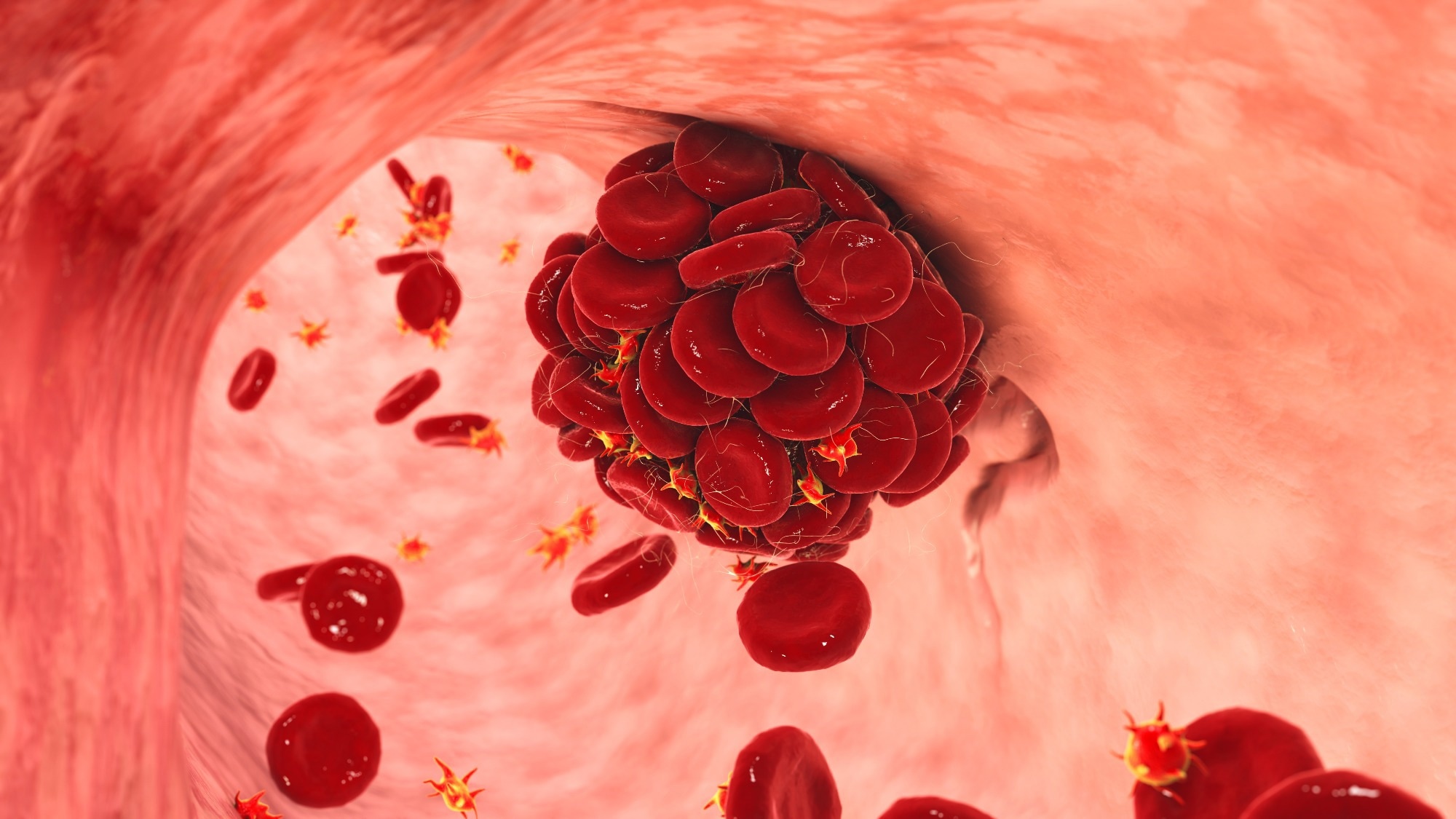
    Dairy and common foods like peanuts may be a major and previously underappreciated cause of heart disease, new research suggests – and the increased risk of cardiovascular disease includes even people without apparent food allergies. Image credits: UVA Health

    That increased risk could equal or even exceed the risks of smoking, diabetes and rheumatoid arthritis, the researchers report.

    UVA Health scientists and their collaborators looked at thousands of adults over time and found that people who produced antibodies in response to dairy and other foods were at increased risk for cardiovascular disease. This was true even when traditional risk factors for heart disease, such as smoking, high blood pressure and diabetes, were taken into account. The strongest association was for cow’s milk, but other allergens such as peanuts and shrimp were also significant.

    The disturbing finding represents the first time that ‘IgE’ antibodies against common foods have been linked to an increased risk of cardiovascular death, the researchers report. The findings do not conclusively prove that food antibodies cause the increased risk, but the work builds on previous studies that linked allergic inflammation and heart disease.

    About 15% of adults produce IgE antibodies in response to cow’s milk, peanuts and other foods. Although these antibodies cause some people to develop severe food allergies, many adults who produce these antibodies do not have an overt food allergy. The new research found that the strongest link with cardiovascular death was in people who had the antibodies but continued to consume the food regularly – suggesting they did not have a severe food allergy.

    “What we were looking at here was the presence of IgE antibodies to food that were detected in blood samples,” says researcher Jeffrey Wilson, MD, PhD, an allergy and immunology expert at the University of Virginia School of Medicine. “We don’t think most of these subjects actually had a food allergy. So our story is more about an otherwise silent immune response to food. While these reactions may not be strong enough to cause acute allergic reactions to food, they can still cause inflammation and over time lead to problems such as heart disease.”

    Unexpected findings about food allergy

    The researchers were inspired to explore the possibility that common food allergies could harm the heart after members of the UVA team previously linked an unusual form of food allergy, spread by ticks, to heart disease. That allergy, first identified by Thomas Platts-Mills, MD, PhD of UVA, is transmitted by the bite of the lone star tick, found across much of the country.

    The allergy – commonly incorrectly called the ‘red meat allergy’ – makes people sensitive to a certain sugar, alpha-gal, found in mammalian meat. The symptomatic form of the allergy, known as “alphagal syndrome,” can cause hives, stomach upset and breathing difficulties – even potentially fatal anaphylaxis – three to eight hours after affected people eat beef or pork. (Poultry and fish don’t contain the sugar, so won’t cause a reaction.)

    To see whether other food allergies might affect the heart, a team including Wilson, Platts-Mills and collaborators at UVA, as well as Corinne Keet, MD, PhD, of the University of North Carolina, reviewed data collected from 5,374 participants in the National Health and Examination Survey (NHANES) and the Wake Forest site of the Multi-Ethnic Study of Atherosclerosis (MESA). Of those people, 285 had died from cardiovascular causes.

    Among NHANES participants, IgE antibodies against at least one food were associated with a significantly higher risk of cardiovascular death, the researchers found. This was especially true for people who are sensitive to milk, a finding that also held true among the MESA participants. Additional analysis also identified peanut and shrimp sensitization as significant risk factors for cardiovascular death in individuals who ate them routinely.

    “We previously noted a link between allergic antibodies to the alpha-gal red meat allergen and heart disease,” Wilson explained. “That finding is supported by a larger study in Australia, but the current paper suggests that a link between allergic antibodies to food allergens and heart disease is not limited to alpha-gal. In some ways this is a surprising finding. On the other hand, we are not aware of anyone having looked before.”

    Allergies and the heart

    Although this is the first time that allergic antibodies to common foods have been linked to cardiovascular death, other allergic conditions – such as asthma and the itchy rash known as eczema or atopic dermatitis – have previously been identified as risk factors for cardiovascular disease.

    The researchers speculate that allergic antibodies to food may affect the heart by leading to the activation of specialized cells called mast cells. Mast cells in the skin and intestines are known to contribute to classic allergic reactions, but they are also found in cardiac blood vessels and tissue. Continued activation of mast cells can cause inflammation, contributing to the formation of harmful plaques that can cause heart attacks or other heart damage, the researchers think.

    However, the scientists emphasize that this is not yet certain. It is possible that other genetic or environmental factors play a role. It’s even possible that cardiovascular disease could increase the risk of food sensitization – meaning heart disease could increase the risk of food allergies, rather than the other way around – although the new results suggest this is unlikely.

    The researchers call for further research to better understand the implications of their findings before recommending changes in the way doctors treat or manage food allergies.

    This work raises the possibility that a blood test could help provide personalized information about a heart-healthy diet in the future. Although before that can be recommended, we still have a lot of work to do to understand these findings.”

    Jeffrey Wilson, allergy and immunology expert, University of Virginia School of Medicine

    Findings published

    The researchers published their findings in the leading allergy journal, the Journal of Allergy and Clinical Immunology. The research team consisted of Keet, Emily McGowan, David Jacobs, Wendy Post, Nathan Richards, Lisa Workman, Platts-Mills, Ani Manichaikul and Wilson. Wilson and Platts-Mills have received support from Thermo-Fisher/Phadia; a full list of the authors’ disclosures is included in the article.

    The research was supported by the National Institute of Allergy and Infectious Disease of the National Institutes of Health under grants 5U01AI125290, R37-AI20565, and R21AI151497; and by an AAAAI Foundation Faculty Development Award. A list of the funders of the MESA trial is available in the paper.

    Source:

    University of Virginia Health System

    Magazine reference:

    Keet, C., et al. (2023) IgE to common food allergens is associated with cardiovascular mortality in the National Health and Examination Survey and the Multi-Ethnic Study of Atherosclerosis. Journal of Allergy and Clinical Immunology. doi.org/10.1016/j.jaci.2023.09.038.


    Source link

  • Salivary gland abnormalities in primary Sjögren’s become more serious over time, research shows

    Salivary gland abnormalities in primary Sjögren’s become more serious over time, research shows

    shutterstock 312351317 82a9e0224160430890b6b34a2b64af19

    New research at ACR Convergence 2023, the annual meeting of the American College of Rheumatology (ACR), shows that ultrasound-detected salivary gland abnormalities in primary Sjögren’s become more severe over time and that the slowly progressive disease likely begins long before it reaches the is first. detected (summary #1371).

    Sjögren’s disease, also called primary Sjögren’s syndrome, is a systemic autoimmune disease. It is characterized by inflammation of the tear and salivary glands, leading to chronic dry eyes and mouth. Fatigue is common and about a third of patients have complications affecting the lungs, skin, kidneys and joints. Up to 60% of patients may develop systemic symptoms.

    Salivary gland ultrasound (SGUS) is a safe and non-invasive method for diagnosing and monitoring Sjögren’s disease. Still, it’s unclear whether the abnormalities it detects become more notable over time. Valérie Devauchelle-Pensec, M.D., Ph.D., professor of rheumatology in the Department of Clinical Immunology and Rheumatology at the University of Brest Occidentale and Cavale Blanche Hospital in Brest, France, designed a cross-sectional international study to find out.


    I have been caring for patients with Sjögren’s disease for years and I am always surprised that when I see them at the beginning of their disease, their first ultrasound scan of the salivary gland shows severe lesions. I also have many patients with rheumatoid arthritis. In rheumatoid arthritis, the joints are destroyed, but not at the onset of the disease. Sjögren’s seems different. I wondered, ‘When does the disease really start and do the lesions evolve over time or not?’ Many of my colleagues, who are experts in Sjögren’s and ultrasound, agreed to participate [in the study].”


    Valérie Devauchelle-Pensec, MD, Ph.D., professor of rheumatology, department of clinical immunology and rheumatology at the University of Brest Occidentale


    Between May 2019 and February 2022, 247 patients from 11 international centers consecutively participated in the study. Most were women, with an average age of 58 years. Nearly 100% of patients reported dry mouth; 75% had abnormal saliva production and 85% were positive for anti-SSA autoantibodies, a hallmark of Sjögren’s. The median EULAR Sjögren’s disease activity score (ESSDAI) was 3, indicating low disease activity.

    Ultrasound-detected functional abnormalities of the parotid and submandibular gland were classified according to the most recent Outcome Measures in Rheumatology (OMERACT) score, a four-grade semiquantitative scoring system. The patients were then grouped according to the duration of illness from the onset of dry mouth symptoms.

      • Group A: less than five years (47 patients)


      • Group B: five to nine years (69 patients)


      • Group C: 10 to 20 years (78 patients)


      • Group D: More than 20 years (53 patients)


    When the researchers looked at the most serious node for each patient, they found a significant association between disease duration and the OMERACT score. The odds ratio for progression over a five-year interval was 1.23.

    There was no statistical difference between the groups with regard to the various ultrasound parameters, with the exception of the proportion of hyperechoic bands, which are associated with damage in established Sjögren’s patients.

    “We hypothesized that hyperechoic bands represent the slow fibroadipose evolution of the disease,” says Devauchelle-Pensec. “To me, this means that Sjögren’s disease starts long before we find it, so it is important to treat patients early.”

    She adds that the study highlights the importance of adding ultrasound findings to the classification criteria for Sjögren’s syndrome and the need for a better understanding of when the disease begins.

    Source:

    American College of Rheumatology

    Source link

  • Fights in pro hockey do not deter greater violence, research shows

    Fights in pro hockey do not deter greater violence, research shows


    Allowing fights between players in the National Hockey Leagues will not deter greater violence in the modern game, a new study has found.

    In fact, teams and players who fight more often are also responsible for a disproportionate number of violent penalties across the league.

    The results refute league officials’ arguments for continuing to fight in the game, said Michael Betz, author of the study and associate professor of humanities at Ohio State University.

    “The issue of fighting is polarizing within the hockey community and for casual fans. As a former hockey player and researcher, I wanted to see if the arguments in support of fighting held up,” said Betz, who played as a college goalie at Ohio State and briefly as a professional in the ECHL (East Coast Hockey League).

    “What I found was that none of the approaches I tried produced any evidence that fighting or even the threat of fighting deters more violent play in the NHL.”

    The study was published today (June 22, 2022) in the journal PLOS ONE.

    The issue is especially important now with the increased understanding of the consequences of traumatic brain injury, Betz said.

    “Fighting increases the risk of brain injury but is not essential to hockey and removing it would not fundamentally change the sport,” he said.

    For the study, Betz examined data on all regular season penalties from 2010 through 2019. He divided penalties into tactical penalties (designed to give a player a strategic advantage) and violent penalties, which are aimed at intimidating or injuring players . an opponent.

    Violent punishments included boarding fines, assaults, elbowing, front bashing and large hurdles. If fighting were a deterrent, it should reduce the number of violent penalties that could injure a player, Betz said.

    Overall, fights in the NHL decreased dramatically during the period of the study, with the 2018-2019 season seeing 65% fewer fights per game than the 2010-2011 season. Much of that decline is attributed to the league having access to faster, experienced players and needing fewer players who rely on intimidation.

    But if fighting is necessary as a deterrent, there should have been an increase in violent punishment as the number of fights decreased. But the exact opposite happened. Although all types of punishment decreased during the study period, violent punishment fell more than twice as fast as tactical punishment (25% versus 12%), the study found.

    Another team-level analysis also showed that fighting did not protect a team’s players from more violent play: in fact, each additional fight a team was involved in was associated with more violent penalties taken against them.

    “If anything, the fighting seemed to encourage more violence against teams involved in brawls,” Betz said.

    Even within games, the results showed similar patterns. Betz found that the number of violent penalties in a match increased instead of decreased after a fight.

    The study also found that a fight between two teams early in a season did not significantly reduce the number of violent penalties in a second match between the teams later that season.

    One possible explanation is that having a top fighter on your team who can take on any opponent in a fight reduces violence against the fighting player’s team. Betz investigated this by looking at the three players who had the most fights in the 2018/19 season (6) and a player who had one (5) fewer fights that year.

    Whether or not these top fighters were in the lineup had no statistically significant effect on the number of violent penalties their opponents imposed on their teams, the results showed.

    If fighting ever deterred more blatant violence against players, this study shows that is no longer the case in the modern NHL, Betz said.

    “The league may have other reasons why they want to keep fighting in the game – there is evidence that more fighting increases the number of fans at matches,” he said.

    “But they just need to get that out there and not hide behind the deterrent effect, because there is no evidence for that.”

    Betz said he is particularly concerned about the junior hockey leagues in the United States and Canada, which serve as the main training ground for players ages 16 to 19 who aspire to play in college and the professional ranks. These junior leagues follow the NHL’s lead and, unlike colleges, allow fighting.

    “These younger players are not getting paid, and their developing brains are more vulnerable to traumatic brain injuries. The evidence shows that fighting does not protect them from other violence, so there is a real ethical issue here if the fighting continues,” he says . said.

    Source link

  • Professional football players battled fatigue for six weeks after COVID infection, research shows

    Professional football players battled fatigue for six weeks after COVID infection, research shows


    Professional footballers’ matchday performance fell after recovering from COVID-19, with three-quarters battling fatigue for six weeks, a University of Essex study has found.

    The study – published in Physiological reports — examined top football players for the first time and examined the impact of the long Covid-19 crisis on top athletes.

    The study found that 77 percent of those studied battled general fatigue for 37 days and 54 percent battled muscle fatigue for 38 days after the test came back negative.

    GPS data from ten matches after returning to play revealed a four percent drop in match performance, despite no reduction in lung capacity.

    The research was led by Dr. Michele Girardi, who worked with the university’s School of Sport, Rehabilitation, and Exercise Sciences.

    He hopes the research will help improve return-to-play protocols for sports stars recovering from the virus.

    Dr. Girardi said: “This is one of the first studies to look at the impact of COVID-19 on professional footballers.

    “An original aspect is that we studied the metabolic power of players during official matches after the infection.

    “We were surprised to see such an impact on players’ ability to train at high intensity.

    “The study results suggest that fatigue symptoms should be carefully considered for a safe and effective return to sport post-COVID.

    “We were limited in who we could study, but the findings are cause for concern and show that more needs to be done to help players return to the sport.

    “This research also has wider implications as footballers have been in a unique position during the ongoing pandemic and have almost been canaries in the coal mine.

    “The football world was very unusual because when we all had to isolate ourselves from everyone, they continued to train, meet in groups and play.

    “Much is still being learned about the impact of COVID-19 and we hope this research will help clubs support players’ return to play and help inform public health policy on long COVID-19.”

    Dr. Girardi collaborated with colleagues in Italy to study players in the Italian Serie C league for the article entitled ‘COVID-19 illness in professional football players: symptoms and impact on lung function and metabolic power during matches’.

    One anonymous club opened its doors to a team of researchers, including academics from the University of Padua, the University of Rome “Foro Italico”, the University of Verona and University College London.

    Data from 13 players infected with COVID was studied over the course of about six months.

    They had an average age of 24 years, were just under 6 feet tall and weighed about 12 stone.

    It is now hoped that the research will be expanded with more teams taking part to understand the impact of the coronavirus.

    Dr. Girardi added: “Although this is a relatively small sample size, this is crucial data that shows more needs to be done to understand the impact of COVID on young, healthy people.

    “The virus has not disappeared and sports teams are high-risk environments that can act as real vectors for infections.”

    Source link

  • COVID-19 pandemic cancellations have taken a heavy toll on teen athletes, whose mental and physical health improved significantly after sports resumed, research shows

    COVID-19 pandemic cancellations have taken a heavy toll on teen athletes, whose mental and physical health improved significantly after sports resumed, research shows


    High rates of depression and anxiety among adolescent athletes whose sports were canceled during the COVID-19 pandemic improved significantly a year later when they were able to return to sports, according to new research.

    The author of an abstract, “The Influence of Return to Sport on Mental Health, Physical Activity and Quality of Life Among Adolescent Athletes During COVID-19,” will present his findings at the AAP 2022 National Conference and Exhibition in Anaheim, CA.

    “Organized sports participation has been shown for decades to have significant physical and mental health benefits for adolescents, but the COVID-19 pandemic has made this even clearer,” said author Drew Watson, MD, MS, team physician for athletics from the University of Wisconsin.

    “The cessation of sports during the early pandemic was associated with reduced physical activity and quality of life, as well as surprisingly high levels of anxiety and depression. Although the return to sport has been associated with major improvements in physical activity, quality of life and mental health, we are still seeing higher levels of anxiety and depression than before COVID-19, suggesting this will be a crucial priority in the coming years to stay.”

    According to the summary, a total of 17,421 teens nationwide completed surveys in May 2020, including information on demographics and sports participation, following cancellations of sporting events related to COVID-19 and following their return to sports in May 2021.

    When sports were stopped, adolescent athletes reported low levels of physical activity, poor quality of life, and high rates of anxiety and depression. A year later, the athletes who were able to return to sports reported a significant increase in physical activity and quality of life. The percentage of adolescents reporting moderate to severe anxiety or depression fell by about half.

    Dr. Watson suggests that the opportunity to participate in organized sports can have dramatic benefits for adolescents’ quality of life and mental health.

    Source link

  • Female footballers are not on a level playing field when it comes to sports technology, research shows

    Female footballers are not on a level playing field when it comes to sports technology, research shows


    Female footballers need specifically tailored products such as equipment, boots and balls to optimize their performance and safety on the pitch, according to an article published in Sports technology. The authors conclude that while some progress has been made in addressing the equipment needs of female players, vital gaps in research, development and production still exist in women’s football.

    Although the popularity of professional women’s football has increased in many countries, highlighted by England’s recent victory at the 2022 UEFA European Women’s Football Championships, the technology and equipment are still largely designed for men’s football. Strikingly, a recent study found only 32 published scientific articles on technology in women’s football.

    Kat Okholm Kryger and colleagues – including England women’s national football team captain Leah Williamson – asked ten questions to highlight the minimal progress that has been made in elite women’s football technology, and the barriers that still exist to tailor-made making equipment available to female players. The authors discuss why tailor-made technology for female footballers is necessary and highlight that although women have different physical needs than men, equipment such as football boots and balls are still designed for men rather than women. These issues can both increase the risk of injury from ill-fitting shoes, and reduce performance due to the proportionately greater effort required to kick the ball compared to men.

    Additionally, the authors report that many female soccer players feel uncomfortable wearing soccer shorts (which are typically white) due to concerns about possible menstrual leaks. Professional female footballers are also often required to wear specific sports bras provided by kit sponsors, rather than the optimal sports bra for their body type. This can also reduce performance and lead to discomfort while running and turning.

    The authors note that manufacturers are recognizing the lack of development in women’s football technology and that there is a positive shift towards women-specific products. However, progress is limited by the lack of existing research, and concerted efforts are needed to address key gaps in understanding the needs of female footballers.

    Source link

  • Pedal power pays off: the benefits of mountain biking outweigh the risks, research shows

    Pedal power pays off: the benefits of mountain biking outweigh the risks, research shows

    New Curtin research into injuries suffered by trail users has found that mountain biking is not the dangerous, injury-ridden sport reserved for thrill seekers and that the health benefits outweigh the risks.

    Researchers analyzed data from dozens of studies around the world, including Australia, involving 220,935 injured mountain bikers and 17,757 injured hikers. The study aimed to identify the types of injuries and the body parts affected to understand the medical treatment of such cases.

    Lead author, PhD candidate Paul Braybrook, from Curtin’s School of Nursing, said mountain bikers were mainly injured to their upper limbs, usually resulting in bruises, scrapes and minor cuts, while walkers were prone to injuries to their legs and ankles and mainly suffered from blisters and ankle sprains. .

    “Mountain biking and hiking are among the fastest growing recreational activities in the world, so understanding the spectrum of injuries is critical to effective medical care,” Braybrook said.

    “Despite the common perception that mountain biking is an ‘extreme’ sport, we found that most reported injuries were of low severity. Although there were high rates of ankle sprains in hikers and arm fractures in mountain bikers, with one study of the latter reporting more than half suffered head injuries, highlighting the importance of a good quality helmet.

    “As the popularity of both pursuits has increased, so has the quality of trails, bikes, shoes and protective equipment, reducing the risk of serious injury.

    “In the case of mountain biking, there has also been a cultural shift away from the more extreme or ‘radical’ riding style that was synonymous with the sport when it first emerged decades ago in places like Colorado and California.”

    Mr Braybrook said the risk of injury from mountain biking or walking outweighs the significant benefits.

    “Mountain biking and hiking bring economic gains through tourism and the obvious health benefits of physical activity, including improvements in cardiovascular health and reducing the risk of high blood pressure, obesity, high blood cholesterol and diabetes type 2,” Braybrook said.

    “With spring weather just around the corner, people should take the opportunity to regularly head to the nearest trail for a run or walk – these are fun activities, great for fitness and with only the occasional scratch or bruise as result.”

    Source link

  • Inflammatory diseases do not increase the risk of clotting after COVID, research shows

    Inflammatory diseases do not increase the risk of clotting after COVID, research shows


    This is evident from a recent study published in the journal JAMA network openedResearchers in Canada investigated whether coronavirus disease 2019 (COVID-19) patients with immune-mediated inflammatory diseases (IMIDs) were at higher risk of experiencing venous thromboembolism after recovery from severe acute respiratory syndrome coronavirus 2 (SARS-CoV- 2) infections compared to COVID-19 patients without IMIDs.

    Study: Venous thromboembolism after COVID-19 infection in people with and without immune-mediated inflammatory diseases. Image credits: Kateryna Kon / ShutterstockStudy: Venous thromboembolism after COVID-19 infection in people with and without immune-mediated inflammatory diseases. Image credits: Kateryna Kon / Shutterstock

    Background

    Immune-mediated inflammatory diseases are heterogeneous chronic diseases resulting from an abnormally activated immune system. Approximately 5% to 7% of the population of the Western world is affected by IMIDs, and individuals with IMIDs have a higher risk of venous thromboembolism compared to individuals without IMIDs. Rheumatoid arthritis, multiple sclerosis, vasculitis, inflammatory bowel disease, and psoriasis are IMIDs known to increase the risk of venous thromboembolism.

    The inflammation in IMID patients causes platelet abnormalities, endothelial dysfunction, fibrinolysis disorders, and abnormal activation of clotting factors. Recent evidence also indicates that the widespread inflammation and endothelial dysfunction caused by COVID-19 is associated with a higher risk of venous thromboembolism and multi-organ failure in patients who have recovered from moderate to severe SARS-CoV-2 infections. However, whether COVID-19 increases the risk of venous thromboembolism in patients with IMIDs remains unknown.

    About the study

    In the current study, the researchers used population-based healthcare data from Ontario, Canada, to evaluate whether the risk and incidence of venous thromboembolism were higher in individuals with IMIDs who had recovered from COVID-19 compared to COVID-19 . patients without IMIDs.

    The data includes all interactions Ontario residents with valid health cards had with the health care system, including emergency room visits, hospital admissions, outpatient surgeries and single-day hospital admissions. In addition, physician billings for all patient interactions were included in the data. The administrative health information was also linked to databases containing demographic information and data on COVID-19 testing and vaccination status.

    In the retrospective matched cohort analysis, researchers matched individuals who had IMIDs and tested positive for COVID-19 with up to five individuals who tested positive for COVID-19 but did not have IMIDs. Controls were compared based on factors such as age, gender, urban or rural residence, and average income quantile of the neighborhood. Individuals with a diagnosis of malignant neoplasm five years after a positive COVID-19 test were excluded from the study.

    Positive cases of COVID-19 were identified based on polymerase chain reaction (PCR) results, while individuals with IMIDs were identified based on physician billings, records of endoscopy procedures, and medication prescriptions specific to IMIDs. Data on hospital admissions and emergency department visits were used to identify events of venous thromboembolism. The primary outcome examined was venous thromboembolism of any type, with secondary outcomes including pulmonary embolism and deep venous thrombosis.

    A modified Charlson Comorbidity Index was used to include comorbidities such as diabetes, chronic obstructive pulmonary disease, or congestive heart failure before the positive diagnosis of COVID-19. Individuals with at least two vaccination doses before positive diagnosis of COVID-19 were considered vaccinated. In addition, socio-demographic factors such as residential areas in urban or rural areas, gender, age, socio-economic status and death before the conclusion of follow-up were also taken into account during the analysis.

    Results

    The findings suggested that individuals with IMIDs did not have a significantly higher risk of venous thromboembolism after recovery from SARS-CoV-2 infections compared to individuals without IMIDs. Among the 28,440 individuals with IMIDs included in the study, the incidence of venous thromboembolism was 2.64 per 100,000 person-days, while in the matched cohorts of individuals without IMIDs it was 2.18 per 100,000 person-days.

    However, when the analysis was not adjusted for comorbidities, those with IMIDs had a greater risk of venous thromboembolism after recovery from COVID-19 than those without IMIDs. Furthermore, findings were similar when the risk of deep venous thrombosis and pulmonary embolism was examined separately.

    The presence of other comorbidities was found to confound the association between venous thromboembolism and IMIDs after SARS-CoV-2 infections. These findings highlight the need for physicians to consider factors such as comorbidities and individual risk factors when prescribing venous thromboembolism prophylactics to IMID patients who have recovered from COVID-19.

    Conclusions

    Overall, the findings reported that patients with IMIDs are not at greater risk of venous thromboembolism after SARS-CoV-2 infections compared to COVID-19 patients without IMIDs. However, some comorbidities may confound the association between IMIDs and venous thromboembolism associated with COVID-19, and physicians should consider individual risk factors when treating IMID patients for COVID-19 complications.

    Magazine reference:

    • Khan, R., Ellen, K. M., Tang, F., James, Widdifield, J., McCurdy, J. D., Kaplan, GG, & Benchimol, E. I. (2023). Venous thromboembolism after COVID-19 infection in people with and without immune-mediated inflammatory diseases. JAMA network opened, 6(10), e2337020–e2337020. https://doi.org/10.1001/jamanetworkopen.2023.37020

    Source link