
Sore knees can be a common issue, especially for those who engage in physical activities or have certain medical conditions. In this article, we will explore the top 10 exercises for sore knees, focusing on strengthening knee muscles and low-impact cardio exercises to promote knee health and reduce pain.
Key Takeaways
- Regular exercise can help strengthen the muscles around the knee joint, providing better support and stability.
- Low-impact cardio exercises such as swimming and cycling can improve knee health without putting excessive strain on the joints.
- It’s important to consult a healthcare professional before starting any new exercise regimen, especially if you have existing knee pain or injuries.
- Proper form and technique are crucial when performing knee exercises to avoid further strain or injury.
- Consistency is key when it comes to exercise for knee health, so aim for a regular and balanced workout routine.
Understanding Knee Anatomy
Structure of the Knee Joint
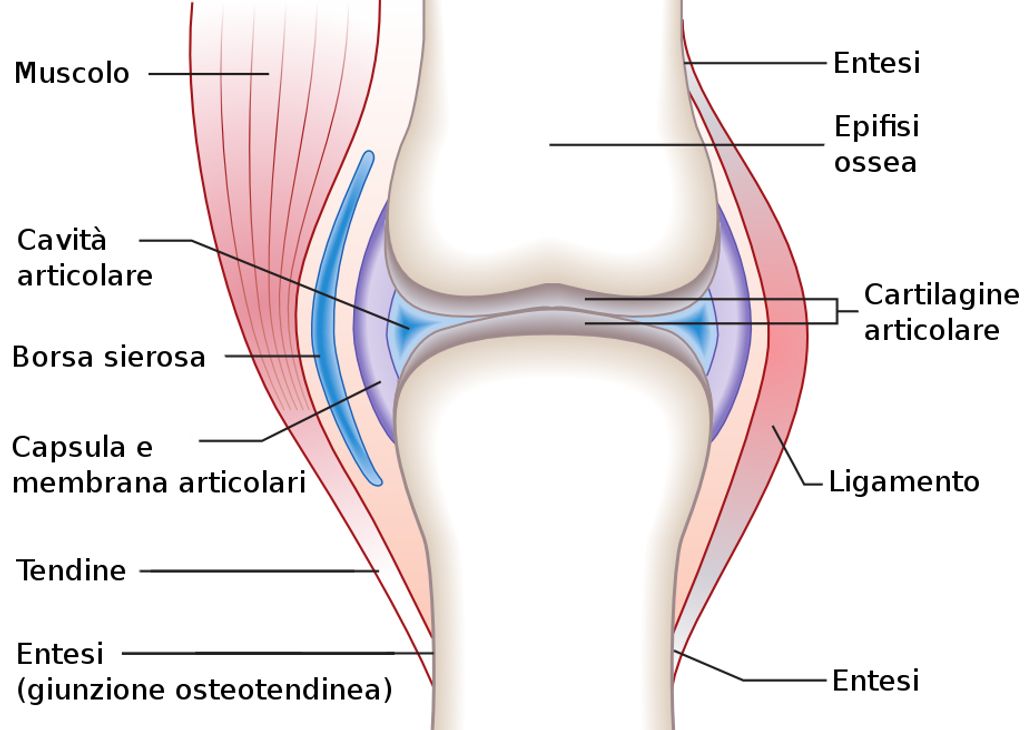
We often overlook the complexity of the knee joint, despite it being a pivotal element in our daily mobility. The knee is not just a simple hinge; it’s a sophisticated structure that enables a range of movements including flexion, extension, and slight rotation. At its core, the knee joint is formed by the articulation of three bones: the femur, tibia, and patella.
The stability of the knee is largely attributed to the ligaments and tendons that surround it. Four major ligaments—the anterior cruciate ligament (ACL), posterior cruciate ligament (PCL), medial collateral ligament (MCL), and lateral collateral ligament (LCL)—work in concert to provide the necessary support. Additionally, two crescent-shaped menisci act as shock absorbers, cushioning the joint during weight-bearing activities.
- Key Components of the Knee Joint
- Femur (Thigh Bone)
- Tibia (Shin Bone)
- Patella (Kneecap)
- Ligaments (ACL, PCL, MCL, LCL)
- Menisci (Medial and Lateral)
Remember, maintaining the health of these components is crucial for knee function and longevity. Regularly engaging in knee-strengthening exercises can help prevent injuries and alleviate pain.
Functions of the Knee Joint
We often take for granted the complex role our knees play in everyday activities. The knee joint is pivotal for movement, allowing us to walk, run, and jump with ease. It’s responsible for bearing the body’s weight and providing stability and flexibility. The knee’s ability to hinge and rotate slightly is crucial for changes in direction and pace.
- Stability and support* are key functions of the knee joint, which are facilitated by a network of ligaments and muscles. These structures work in unison to maintain the alignment of the leg and absorb shock during high-impact activities. Moreover, the knee joint plays a significant role in proprioception, the body’s ability to perceive its own position in space, which is essential for coordination and balance.
Here’s a quick overview of the knee’s functions:
- Weight-bearing and distribution
- Providing stability and support
- Facilitating movement such as walking, running, and jumping
- Absorbing shock and impact
- Aiding in proprioception for balance and coordination
Tip: To maintain knee health, it’s important to engage in regular exercise that strengthens the surrounding muscles without overstraining the joint itself.
Common Causes of Knee Pain
Degenerative Joint Diseases
Degenerative joint diseases, such as osteoarthritis, are a major contributor to knee pain. Inflammation and gradual wear and tear of the joint cartilage are characteristic of this condition. It is important to manage weight and maintain an active lifestyle to reduce the impact of degenerative joint diseases on knee health. Here’s a table summarizing the risk factors for degenerative joint diseases:
| Risk Factors | Description |
|---|---|
| Age | Risk increases with age |
| Obesity | Excess weight adds stress to the knees |
| Genetics | Family history may influence susceptibility |
Regular exercise and a balanced diet play a crucial role in managing degenerative joint diseases. Remember, consulting a healthcare professional for personalized advice is essential for effective management of knee pain.
Injuries and Trauma
In our exploration of knee pain, we must acknowledge the significant role of injuries and trauma. These events can abruptly alter the integrity of the knee joint, leading to pain and dysfunction. Among the most common traumatic injuries are anterior cruciate ligament (ACL) tears, which can occur during activities that involve sudden stops or changes in direction.
To manage knee pain stemming from such injuries, we advocate for a multi-faceted approach. This includes rest, ice, compression, and elevation (RICE), followed by a gradual reintroduction to movement and strength-building exercises.
Tip: Early intervention and adherence to a structured rehabilitation program can greatly improve outcomes for those suffering from knee injuries.
Understanding the causes and appropriate responses to knee trauma can empower us to take proactive steps in both prevention and recovery.
Exercises to Strengthen Knee Muscles
Quadriceps Strengthening Exercises
Strengthening the quadriceps is crucial for knee stability and function. These muscles play a pivotal role in supporting the knee joint, particularly during activities that involve bending and straightening the leg. We recommend incorporating the following exercises into your routine:
- Straight Leg Raises: Start by lying flat on your back, bend one knee and keep the other leg straight. Lift the straight leg to the height of the bent knee and hold for a few seconds before lowering it.
- Seated Leg Extensions: While seated, slowly extend one leg out in front of you until it is parallel with the floor. Hold the position briefly, then lower the leg back down.
- Wall Sits: Stand with your back against a wall, feet shoulder-width apart. Slide down into a seated position and hold for as long as you can.
Tip: Always warm up before starting these exercises to prevent further injury to the knees. Begin with a low number of repetitions and gradually increase as your strength improves.
It’s important to perform these exercises regularly and with proper form to gain the maximum benefit. If you experience any pain or discomfort, it’s essential to stop the exercise and consult a healthcare professional.
Hamstring Strengthening Exercises
We understand the importance of the hamstrings in maintaining knee stability and overall leg function. These muscles, located at the back of the thigh, play a crucial role in movements such as walking, running, and jumping. Strengthening the hamstrings is not only beneficial for athletes but also for individuals experiencing knee soreness.
To effectively strengthen the hamstrings, we recommend a series of exercises that target this specific muscle group. Here are a few to consider:
- Nordic hamstring curls: An exercise that emphasizes eccentric strength, which is key for hamstring health.
- Glute bridges: While primarily targeting the glutes, these also engage the hamstrings when performed correctly.
- Single-leg deadlifts: These not only strengthen the hamstrings but also improve balance and stability.
Tip: Always ensure proper form to prevent injury and maximize the benefits of each exercise. It’s also essential to start with low resistance and gradually increase as your strength improves.
Incorporating these exercises into your routine can help alleviate knee soreness and prevent future injuries. Remember to listen to your body and consult with a healthcare professional if you experience any discomfort during these exercises.
Calf Strengthening Exercises
After focusing on the quadriceps and hamstrings, we must not neglect the importance of calf muscles in knee health. Strong calves provide better support for the knee joint, reducing the strain and potential for injury.
To strengthen these muscles, we recommend a series of exercises that can be performed with minimal equipment. Here’s a simple routine to get started:
- Standing calf raises: Lift your heels off the ground while standing straight, hold for a moment, and then slowly lower them back down.
- Seated calf raises: While seated, place weight on your knees and raise your heels. This targets the soleus muscle, which is crucial for knee stability.
- Calf stretches: Regular stretching can improve flexibility and prevent tightness, which often contributes to knee pain.
Tip: Always warm up before starting your exercise routine to prepare your muscles and reduce the risk of injury.
It’s essential to incorporate these exercises into your regular fitness regimen to maintain knee health and prevent future discomfort. Remember, consistency is key to seeing improvement.
Low-Impact Cardio Exercises for Knee Health
Swimming and Water Aerobics
When it comes to low-impact cardio exercises, swimming and water aerobics are excellent choices for maintaining knee health. These activities provide a full-body workout while minimizing stress on the knee joints. In fact, swimming is known for its ability to engage multiple muscle groups, including the quadriceps and hamstrings, which are crucial for knee stability and strength. Additionally, water aerobics offers the benefits of resistance training in a low-impact environment, making it ideal for individuals with knee concerns. Both of these exercises can be easily incorporated into a regular fitness routine to promote overall knee health and function.
Cycling and Stationary Biking
After exploring the benefits of cycling and stationary biking, we must emphasize the importance of consistency in these activities. Engaging in regular, low-impact cardio exercises not only aids in knee rehabilitation but also contributes to overall joint health. To ensure a balanced routine, consider incorporating the following elements:
- Proper bike setup: Adjust the seat and handlebars to align with your hip level to prevent additional strain on your knees.
- Gradual intensity progression: Start with shorter sessions at a lower resistance and gradually increase as your knees become stronger.
- Frequency of workouts: Aim for at least 3 times a week to maintain momentum and build endurance.
Tip: Always listen to your body and avoid pushing through pain. If discomfort arises, take a break or consult a healthcare professional.
By adhering to these guidelines, we can maximize the therapeutic effects of cycling and stationary biking, making them a cornerstone of our knee health regimen.
Conclusion
In conclusion, the top 10 exercises for sore knees provide a comprehensive approach to managing knee discomfort and promoting joint health. By incorporating these exercises into a regular fitness routine, individuals can alleviate knee pain and improve mobility. It is important to consult with a healthcare professional before beginning any new exercise regimen, especially for individuals with pre-existing knee conditions. With dedication and proper guidance, these exercises can contribute to the rehabilitation and strengthening of the knees, ultimately enhancing overall well-being.
Frequently Asked Questions
What are the best exercises for sore knees?
The best exercises for sore knees include low-impact cardio exercises such as swimming, cycling, and stationary biking, as well as strengthening exercises for the quadriceps, hamstrings, and calves.
Are there any exercises that should be avoided if I have sore knees?
High-impact exercises such as running, jumping, and high-impact aerobics should be avoided if you have sore knees. These activities can put excessive strain on the knees and worsen the pain.
How can I prevent knee pain during exercise?
To prevent knee pain during exercise, it’s important to warm up properly, use proper form and technique, wear supportive footwear, and avoid overexertion. It’s also essential to listen to your body and stop exercising if you experience pain or discomfort.
Is swimming a good exercise for sore knees?
Yes, swimming is an excellent low-impact exercise for sore knees. The buoyancy of water reduces the impact on the knees while providing a full-body workout. Water aerobics is also beneficial for knee health.
Can I do strength training with sore knees?
Yes, strength training can be beneficial for sore knees if done properly. Focus on low-impact strength exercises that target the quadriceps, hamstrings, and calves, and use proper form to avoid exacerbating knee pain.
Should I consult a doctor before starting knee exercises?
It’s advisable to consult a doctor or physical therapist before starting any new exercise regimen, especially if you have existing knee pain or injuries. They can provide personalized recommendations and ensure that the exercises are safe for your specific condition.
Leave a Reply