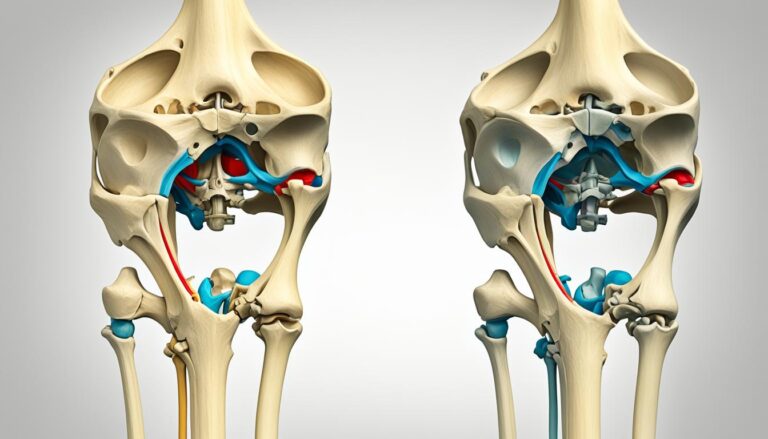
Understanding Robotic Knee Surgery: What You Need to Know
Robotic knee surgery is a cutting-edge medical procedure that has revolutionized the field of orthopedics. This article aims to provide a comprehensive understanding of robotic knee surgery, covering its historical development, procedural details, benefits, risks, patient considerations, and eligibility criteria.
Key Takeaways
- Robotic knee surgery has evolved significantly over the years, leading to improved precision and outcomes.
- The preoperative planning phase of robotic knee surgery is crucial for customizing the procedure to each patient’s unique anatomy.
- Postoperative care plays a vital role in ensuring successful recovery and rehabilitation after robotic knee surgery.
- Advantages of robotic knee surgery include greater accuracy, reduced pain, and faster recovery times for patients.
- Patient selection criteria and preoperative evaluation are essential factors in determining the eligibility of individuals for robotic knee surgery.
The Evolution of Robotic Knee Surgery

Historical Development of Robotic Knee Surgery
As we delve into the historical development of robotic knee surgery, it’s important to recognize the pioneering efforts that have shaped its current state. The journey began in the early 1980s with the introduction of the first robotic systems designed to assist surgeons in orthopedic procedures. These initial systems were rudimentary by today’s standards, but they laid the groundwork for the sophisticated technologies we now employ.
Over the years, we have witnessed a remarkable evolution in the capabilities of these robotic assistants. From simple passive arms to advanced systems with real-time feedback, the progression has been driven by a relentless pursuit of precision and safety in knee surgery. Let’s consider the key milestones:
- Introduction of the first robotic surgical assistant
- Development of computer-assisted surgery (CAS) systems
- Integration of 3D imaging and planning tools
- Advancements in haptic feedback and autonomous functions
Tip: When considering robotic knee surgery, it’s essential to understand the historical context to appreciate the level of innovation and the potential impact on patient outcomes.
The significance of these developments cannot be overstated. As we continue to refine and enhance these systems, we remain committed to improving surgical accuracy and patient care. The future of robotic knee surgery is bright, with ongoing research and development promising even greater advancements.
Advancements in Robotic Knee Surgery Technology
In recent years, we have witnessed significant advancements in the technology behind robotic knee surgery. These improvements have not only enhanced the precision of surgical procedures but have also expanded the capabilities of surgeons to address complex cases. One of the most notable developments is the integration of real-time feedback systems, which allow for adjustments during surgery to ensure optimal alignment and placement of implants.
Another key advancement is the use of machine learning algorithms that aid in preoperative planning. These algorithms analyze vast amounts of data to predict the best surgical approach for each individual patient. Additionally, the miniaturization of robotic components has led to less invasive procedures, resulting in quicker recovery times and reduced pain for patients.
We must also consider the importance of patient-specific instrumentation (PSI), which involves creating customized surgical tools based on the patient’s unique anatomy. This personalized approach has shown to improve outcomes and patient satisfaction.
Tip: Overcoming setbacks in recovery, such as those experienced in week 10 post-surgery, is possible with the right strategies and the advanced capabilities of modern robotic surgery systems.
To summarize, the advancements in robotic knee surgery technology have revolutionized the field, offering patients safer and more effective treatment options. As we continue to embrace these innovations, we anticipate further improvements in patient care and surgical success.
Robotic Knee Surgery Procedures
Preoperative Planning
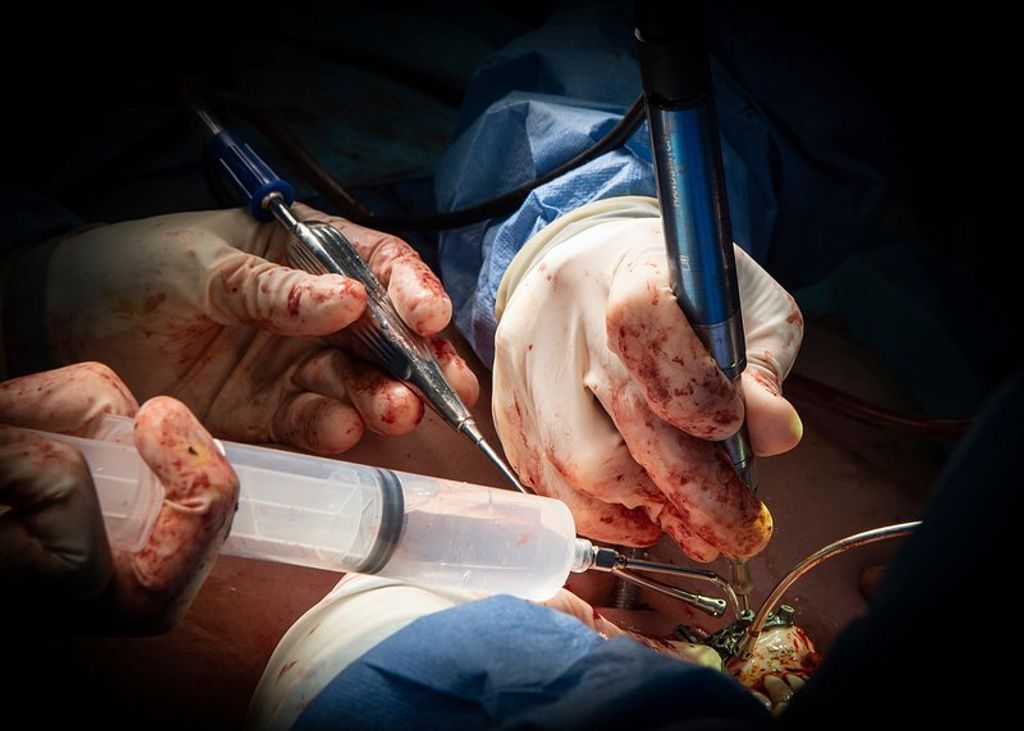
In the preoperative planning phase, accurate assessment of the patient’s knee condition is crucial. This involves detailed imaging studies such as X-rays, CT scans, and MRI to evaluate the extent of damage and deformity. Additionally, a comprehensive physical examination and medical history review are conducted to ensure that the patient is well-prepared for the surgical procedure.
Furthermore, the preoperative planning stage involves collaborative discussions between the surgical team, including orthopedic surgeons, radiologists, and biomedical engineers. This multidisciplinary approach ensures that the surgical plan is tailored to the specific needs of the patient, taking into account factors such as bone structure, ligament integrity, and joint alignment.
A key aspect of preoperative planning is the utilization of advanced software and robotic technology to create a personalized surgical blueprint. This enables precise mapping of the patient’s anatomy and facilitates the development of a customized surgical strategy that optimizes implant placement and alignment. The integration of robotic assistance in the preoperative phase enhances the accuracy and efficiency of the surgical process, leading to improved patient outcomes.
It is important to note that the preoperative planning stage sets the foundation for a successful robotic knee surgery, laying the groundwork for a tailored and precise approach that maximizes the benefits of robotic assistance.
Surgical Process
In the realm of robotic knee surgery, the surgical process is a critical phase where precision and control are paramount. We utilize state-of-the-art robotic systems to assist in the accurate removal of damaged tissue and the precise placement of the knee implant. The process typically unfolds in a series of steps:
- Anesthesia is administered to ensure patient comfort.
- The surgeon makes small incisions to allow for robotic arm access.
- Real-time imaging guides the robotic arm to the specific area of concern.
- The surgeon controls the robotic arm to remove damaged tissue with high precision.
- The knee implant is carefully positioned and secured.
- The incisions are closed, and the surgical area is dressed.
It is essential to monitor the patient’s vitals throughout the procedure to maintain safety. The use of robotic assistance aims to enhance the accuracy of each step, potentially reducing the risk of complications and improving recovery times.
Robotic technology not only enables meticulous execution but also allows for a personalized approach to surgery. Each patient’s anatomy is unique, and robotic systems can be programmed to match the individual’s specific measurements and contours, ensuring a better fit and function of the prosthetic knee.
Postoperative Care
After the surgical process, rehabilitation becomes a crucial aspect of the recovery journey. This involves a personalized physical therapy program tailored to the patient’s specific needs and condition. The program may include a combination of strength exercises, knee range measurement, and virtual physiotherapy sessions. Additionally, educational resources such as blogs and webinars are available to provide valuable information and support throughout the recovery process. It’s important to adhere to the prescribed postoperative care plan to optimize the outcomes of the robotic knee surgery.
Benefits and Risks of Robotic Knee Surgery
Advantages of Robotic Knee Surgery
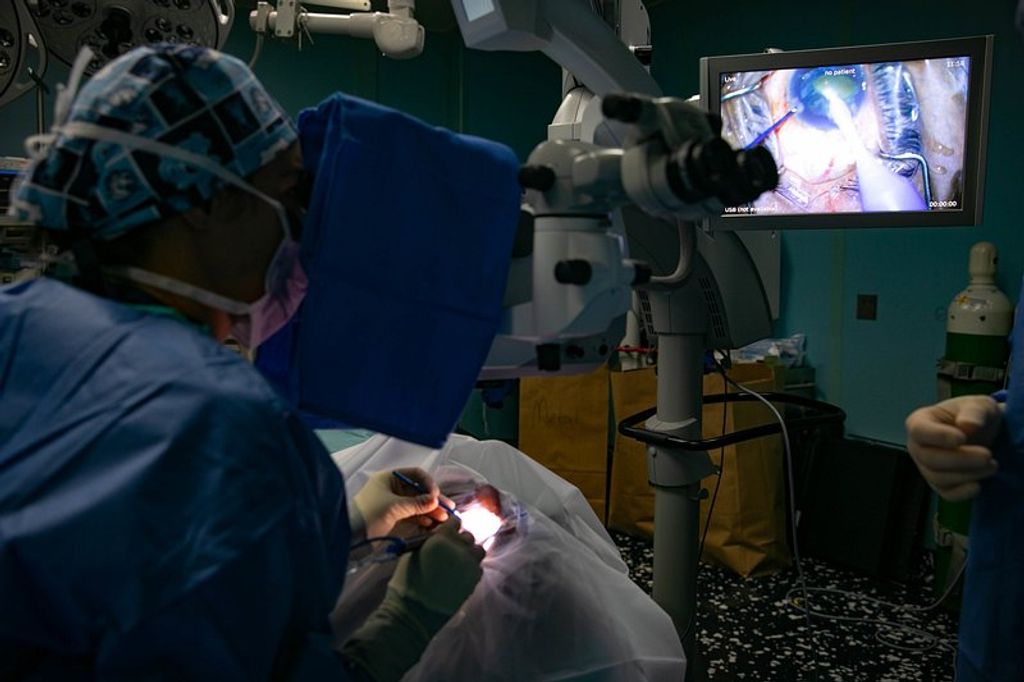
Robotic knee surgery offers enhanced precision and accuracy in the placement of implants, leading to improved functional outcomes and reduced risk of complications. Additionally, the minimally invasive nature of robotic procedures results in smaller incisions, less tissue damage, and faster recovery times. Patients undergoing robotic knee surgery often experience less pain and require shorter hospital stays compared to traditional surgery. Furthermore, the personalized preoperative planning provided by robotic technology allows for tailored treatment strategies based on individual anatomy and pathology. This contributes to better long-term results and patient satisfaction.
Potential Risks and Complications
In considering the potential risks and complications associated with robotic knee surgery, it is important to note that the overall incidence of adverse events is relatively low. However, careful patient selection and thorough preoperative evaluation are crucial in minimizing these risks. Common complications include infection, blood clots, and nerve or blood vessel damage. It is essential for patients to be aware of these potential risks and engage in open discussions with their healthcare providers to address any concerns or questions they may have. Additionally, a comprehensive postoperative care plan is essential for monitoring and managing any potential complications that may arise.
Patient Considerations and Eligibility
Patient Selection Criteria
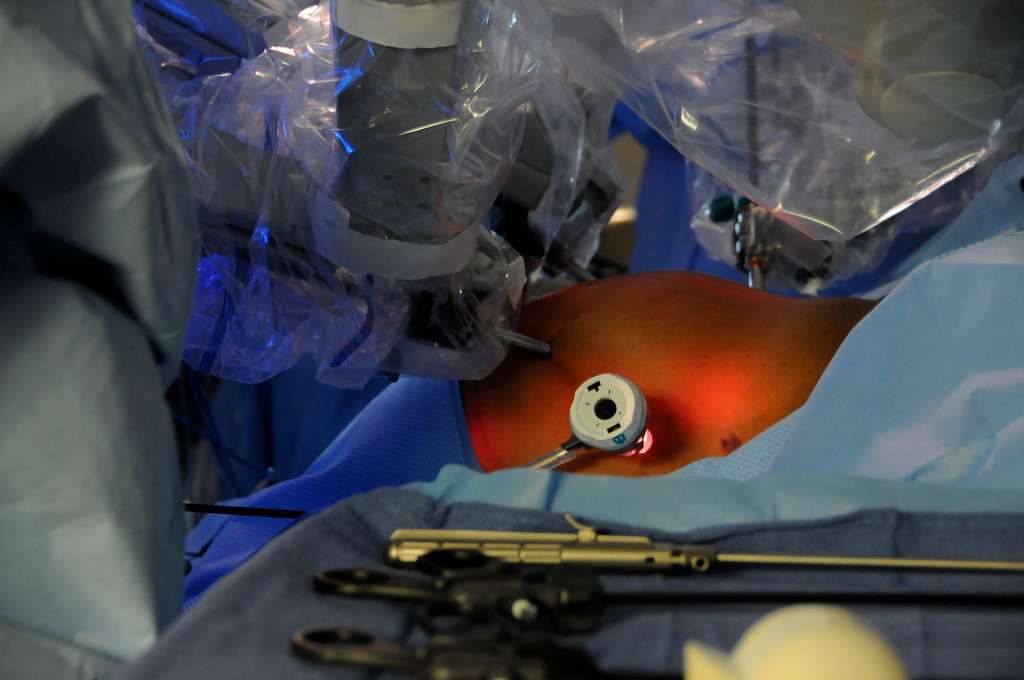
In our pursuit of excellence in robotic knee surgery, we recognize that patient selection is paramount to successful outcomes. Not all patients are suitable candidates for robotic knee surgery; therefore, we adhere to a stringent set of criteria to determine eligibility. These criteria are designed to identify individuals who will benefit most from the procedure while minimizing potential risks.
Key factors influencing eligibility include the patient’s overall health, the severity of knee degeneration, and the presence of any comorbid conditions that may affect surgical outcomes. We also consider the patient’s age, weight, and activity level, as these can impact the success of the surgery and the longevity of the prosthetic joint.
- It is crucial for patients to have realistic expectations regarding the results of the surgery. A thorough preoperative evaluation will help clarify these expectations and ensure that patients are well-informed about the benefits and limitations of robotic knee surgery.
Tip: Always discuss your medical history in detail with your surgeon to determine if robotic knee surgery is the right option for you.
Preoperative Evaluation
After completing the Preoperative Evaluation, it is important for us to understand the eligibility criteria for robotic knee surgery. The following table outlines the patient selection criteria:
| Criteria | Description |
|---|---|
| Age | 18-75 years |
| Weight | BMI < 40 |
| Health | No severe medical conditions |
Additionally, it is crucial for us to consider the preoperative steps for patient eligibility:
- Thorough medical history review
- Physical examination
- Diagnostic imaging
Tip: It is essential to carefully assess patient eligibility to ensure the success of the robotic knee surgery and minimize potential risks.
Conclusion
In conclusion, robotic knee surgery represents a significant advancement in the field of orthopedic surgery. The precision and accuracy of robotic assistance, coupled with the expertise of skilled surgeons, offer patients the potential for improved outcomes and faster recovery. Understanding the intricacies of this innovative technology is essential for both healthcare professionals and patients, as it paves the way for enhanced treatment options and better patient care.
Frequently Asked Questions
What is robotic knee surgery?
Robotic knee surgery is a minimally invasive surgical procedure that uses robotic technology to assist the surgeon in performing the operation with precision and accuracy.
How does robotic knee surgery work?
During robotic knee surgery, the surgeon uses a robotic arm to guide the surgical tools and make precise cuts, resulting in improved accuracy and alignment of the knee implant.
What are the benefits of robotic knee surgery?
The benefits of robotic knee surgery include smaller incisions, reduced pain, faster recovery, and improved long-term outcomes compared to traditional knee surgery.
What are the potential risks of robotic knee surgery?
Potential risks of robotic knee surgery include infection, blood clots, nerve or blood vessel damage, and the possibility of the robotic system malfunctioning.
Who is eligible for robotic knee surgery?
Eligibility for robotic knee surgery depends on various factors, including the severity of the knee condition, overall health, and the surgeon’s assessment of the patient’s suitability for the procedure.
What is the recovery process after robotic knee surgery?
The recovery process after robotic knee surgery involves physical therapy, pain management, and gradual return to normal activities, with the goal of achieving full mobility and function of the knee.