shutterstock 289401098
| |

Training your bones – Bone Talk

shutterstock 289401098

Train your bones
By Rebekah Rotstein, NCPT

You have been diagnosed with osteoporosis or osteopenia and told that exercise can help. But what kind of exercise should you do? How do you know you won’t hurt yourself? What if you’ve never exercised before – how do you even get started? Or if you’re already an exercise enthusiast, what else can you do that you may have overlooked before?

Let’s start by identifying how exercise can benefit your bones. Your bones are living tissue that change thickness, mass and shape with use, just like your muscles. If you wanted to strengthen your muscles, you would use them by pulling objects (like lifting weights) and pushing things (like push-ups). You can strengthen your bones in much the same way.

Your bones adapt and respond to loads by strengthening and strengthening themselves to be able to bear that same load again in the future. When you resist external forces like gravity or weights, your bones reap the reward. On the other hand, not using your bones results in a weakening of their structure and composition. Ever seen the wrist of someone whose cast has just been removed? The wrist size has generally become smaller compared to the other wrist due to its immobility and lack of use. Similarly, NASA research has shown how the absence of gravity in space, which also limits the ability of muscles to pull on bones, causes reductions in bone mass.

To know which type of exercise to engage in, you need to understand that bone is built from three sources when it comes to activity:

1–Weight load

Every time you stand upright, you are working against gravity and supporting the weight of your body. When you crawl or exercise on the floor and support your body with your hands and wrists, you similarly support your weight through your forearm bones.

2–Resistance

Your muscles facilitate movement against additional forces such as weights, bands or pulleys when you exercise. They also contract during daily activities such as carrying objects and moving furniture.

3–Effect

Your bones respond to compressive forces and receive further stimuli to become stronger when a greater force is added that increases the gravitational effect. You’re probably familiar with the term “high impact,” which refers to activities like running and jumping that some people find uncomfortable on their joints as they get older. High impact may not be recommended if you have osteoporosis, and especially if you have had a fracture, but it is important for building maximum bone mass in younger individuals. Low impact can be achieved by repeatedly stomping your feet or dropping your heels.

Knowing which exercises to perform – and even which type of exercise (strength training, Pilates, yoga, HIIT, aerobics, to name a few examples) – depends on your physical capacity, history of physical activity and history of fractures . (If you have had a fracture, you should get permission from your doctor to begin an exercise program.)

To actually increase bone density through exercise after menopause, you probably need high-intensity exercise (lifting heavy weights with a load of at least 80% of the maximum you can lift in a single repetition, along with a high impact). That assumes you don’t have any comorbidities (other conditions) or safety concerns that could make it contraindicated, and you have access to a gym and a trainer to supervise you.

You can also aim to maintain the bone density you have, train for strength and power, and absorb impact at lower loads. No matter what, to avoid injuries, maintain good form by mastering basic movements and training for mobility to achieve the necessary range of motion in your joints.

So when the question arises as to what is the one form of exercise you should be doing for osteoporosis, there is not ONE! The three bone-strengthening elements mentioned above are essential in addition to mobility training, but as the 2014 consensus document ‘Too Fit to Fracture’ pointed out, the best strategy is a multimodal approach that also combines balance and posture training (which we will discuss in this article). a future part of this series.)

A few important things to keep in mind as you begin your training journey:

  • Be consistent. As with any activity or skill, consistency is key to experiencing results and promoting motivation

  • Keep challenging yourself. Your bones and muscles are both adaptive organs. So to continue to reap the benefits of exercise, you need to continually and gradually make things harder so you don’t plateau.

  • Make it fun. If you find it annoying, you’re more likely to procrastinate and avoid it! The best exercise is the one you are going to do.

Sometimes getting started is the biggest hurdle you have to overcome. Know that exercise affects more than just your bones and muscles, joints and soft tissues. It is multisystemic and can improve other systems of your body, such as your digestion, your circulation and your cognition. Furthermore, the more physically active you become, the stronger you feel. One of the often overlooked aspects of osteoporosis is the emotional difficulty that patients experience, regardless of whether they have suffered a fracture. Taking charge of your health through exercise can be one of the best actions you can take to transform yourself from a sense of fear and vulnerability to a sense of confidence and capability.

Stay tuned for the next part of this series demonstrating specific posture training exercises that you can incorporate into your daily life. The smallest change in body position can make a big difference in the experience and effects of your exercise program.

Source link

Similar Posts

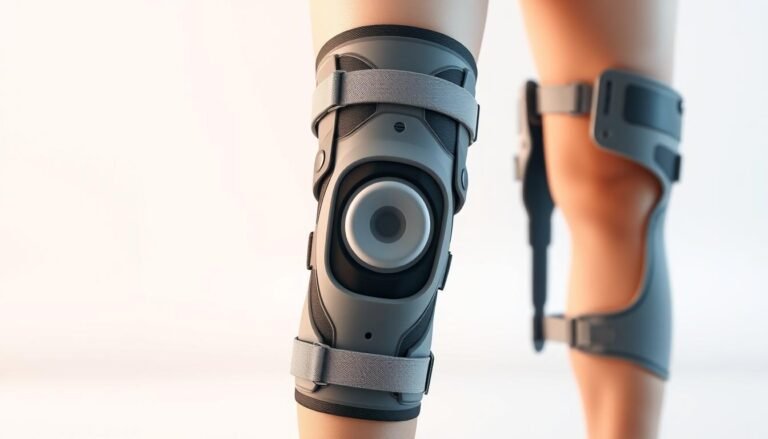
  • The Importance of Knee Support in Managing Knee Pain

    Knee pain is a common issue that can significantly impact a person’s quality of life. Whether caused by injury, overuse, or medical conditions, managing knee pain is essential for maintaining mobility and overall well-being. One effective method for managing knee pain is through the use of knee support. By providing stability, compression, and protection, knee…

  • |

    Knee replacement infection signs

    What if the biggest threat to your new joint isn’t the surgery itself, but something that can surface weeks or even years later? Being aware of Knee replacement infection signs is crucial. Total hip and knee arthroplasties are among the most common elective operations. For most people, they are a resounding success. Yet, data shows about 1 in 100 patients will face a serious complication after their procedure. monitoring knee replacement healing We recognize that a successful outcome relies on two things: the surgical skill and your long-term vigilance. Our goal is to empower you with knowledge. By learning to monitor your recovery, you can protect your investment in a pain-free life. This guide helps you distinguish between normal healing and the early warning signals of a problem. Understanding these signs allows you to seek timely medical attention for a joint replacement. Understanding the Knee replacement infection signs can make a significant difference in your recovery journey. Key Takeaways While highly successful, about 1% of joint replacement patients develop an infection. Early detection of complications is critical for protecting your surgical results. Patient awareness during the recovery process is as important as the initial procedure. Knowing the difference between normal healing and potential warning signs is key. Common indicators include increased pain, new swelling, warmth, redness, or fever. Prompt action and communication with your healthcare team are essential. Long-term joint health requires ongoing attention and care. Overview of Knee Replacement Surgery and Infection Risks With millions of Americans opting for this surgery each year, understanding its scope and associated risks is fundamental. This procedure is a cornerstone of modern orthopedics, offering renewed mobility to those with severe joint conditions. knee replacement surgery overview Introduction to Knee Replacement Procedures Medical projections suggest that by 2030, the number of these operations performed annually in the United States will reach 3.48 million. This type of intervention is highly common and successful. It involves replacing damaged joint surfaces with artificial components. Why Infections Occur Around Implants Bacteria are abundant on our skin and in our bodies. They can enter during surgery or later through the bloodstream. Once they reach the artificial joint, they can form a sticky biofilm. This biofilm makes it extremely difficult for the body’s natural defenses to clear the germs. Implants are made of metal and plastic, which are non-organic materials. The immune system struggles to fight bacteria that colonize these surfaces. Such complications can occur in the surgical wound or deep around the implant itself. Understanding these underlying conditions is the first step in prevention. Knee Replacement Infection Signs: What to Watch For Your vigilance in the weeks and months following the procedure is your first line of defense against potential problems. We empower you to become an expert in your own recovery. Knowing what to expect makes it easier to spot when something is wrong. Common Symptoms and Warning Signals Certain symptoms should prompt immediate contact with your care team. A fever above 100°F (37.8°C) is a classic red flag. Chills or night sweats often accompany it. Pay close attention to the surgical wound. Any foul-smelling or grey liquid drainage is not normal. Increased pain or stiffness that doesn’t improve after several weeks is a concern. A deep joint infection might make walking painful long after your expected recovery period. We remind you that these issues can surface months or years later. knee replacement infection…

  • |

    Famous NFL ACL Tears 2026 Analysis: Careers, Recoveries, and What Every Fan Should Know

    In the 2025 season, 13 high-profile skill position players, including Patrick Mahomes and Tyreek Hill, suffered season-ending ACL tears, making famous NFL ACL tears 2026 analysis one of the most searched and discussed topics in professional football today. These devastating knee injuries do not just sideline athletes for months; they reshape rosters, alter playoff races,…

  • Life After Knee Replacement: What to Expect

    After undergoing knee replacement surgery, patients experience a significant recovery process and must be aware of potential complications and long-term impacts on mobility and functionality. Understanding the post-surgery rehabilitation plan, managing pain and discomfort, and engaging in physical therapy and exercise are crucial aspects of the recovery process. Additionally, patients need to be prepared for…

  • |

    Understanding the Difference Between Patella and Patellar

    Did you know that the patella, also known as the kneecap, is the largest sesamoid bone in the human body? The patella plays a crucial role in knee function and stability, serving as an attachment point for important tendons and ligaments. But what about the term “patellar”? What does it mean and how does it…

  • Sinding-Larsen-Johansson syndrome: knee pain in growing kids, causes, diagnosis, and treatment in 2026

    Sinding-Larsen-Johansson syndrome is a common source of knee pain in children and teens, and it can feel alarming when knee hurt shows up during everyday play. Did you know that conservative treatment can lead to positive outcomes within about 2 to 8 months, according to a recent scoping review? Key Takeaways What to know Why…

2 Comments

Leave a Reply

Your email address will not be published. Required fields are marked *