Understanding Low-Lying Patella Causes & Care
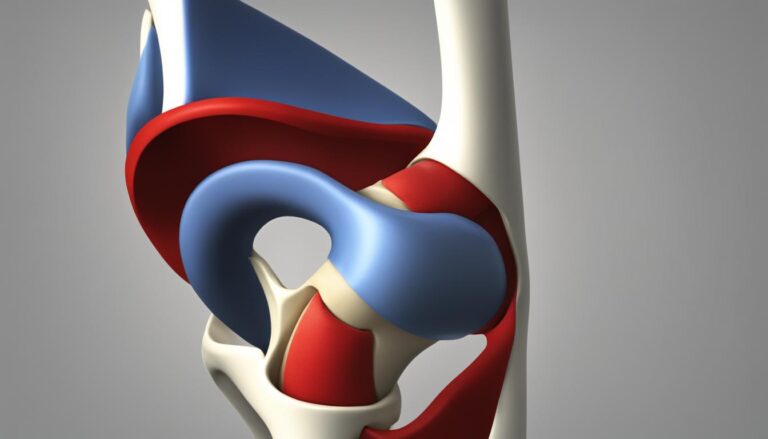
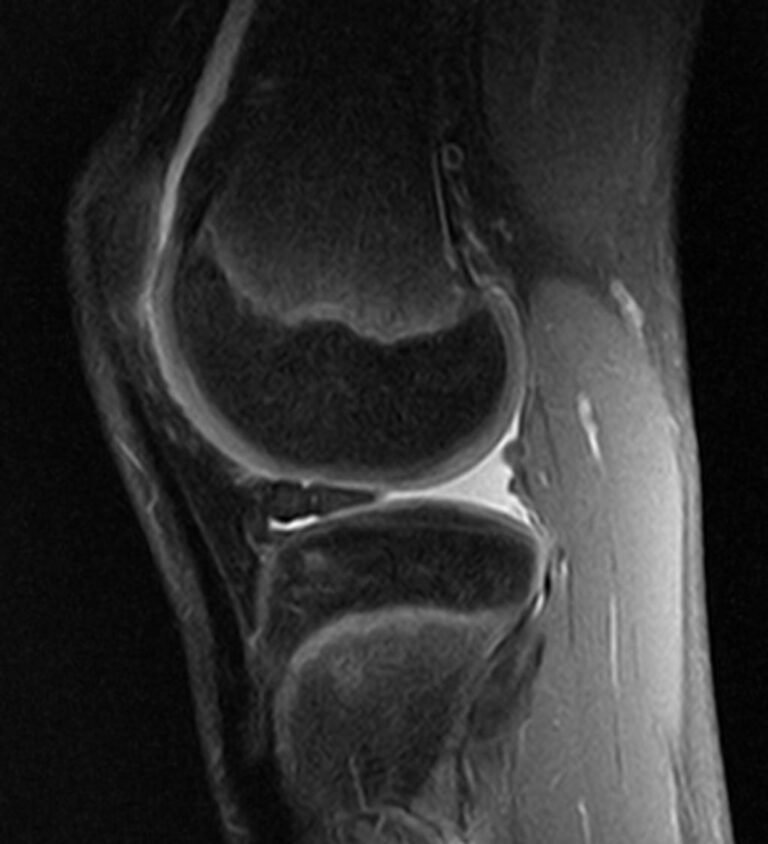
Did you know that Patella Baja, a condition where the kneecap is positioned lower than normal, affects a significant percentage of Total Knee Arthroplasty (TKA) patients? Studies have found that 25-34% of individuals undergoing TKA experience abnormal patella position, also known as patella malalignment, patella displacement, or patella misalignment. This startling statistic highlights the scale and impact of this condition, emphasizing the importance of understanding its causes and care.
In this article, we delve into the complexities of Patella Baja and explore its effects on leg mobility, muscular strength, and overall knee health. We will also discuss the risk factors associated with the development of this condition and the available treatment options to prevent its progression. By gaining a comprehensive understanding of Patella Baja, we can empower ourselves to improve our quality of life and maintain optimal knee health.
Quadriceps Weakness and Mobility Challenges
Patella Baja often leads to weak quadriceps muscles due to the constant stretching of the tendon above the knee. This weakness can result in mobility challenges, such as difficulty bending the leg past 90 degrees and an inability to stand up from a crouched position.
Patients with Patella Baja often struggle with a limited range of motion, making it challenging to perform everyday activities that require knee flexibility and strength. Simple tasks like climbing stairs or getting in and out of a chair can become daunting.
Leg exercises are often prescribed as a method to strengthen the quadriceps muscles in individuals with Patella Baja. However, these exercises may only target muscles over a limited range of motion, further contributing to the weakness and restricted mobility associated with this condition.
To overcome these challenges, it is essential to focus on comprehensive leg exercise routines that target all areas of the quadriceps, including the vastus medialis (inner quad), vastus intermedius (middle quad), and vastus lateralis (outer quad). This way, all muscle fibers are engaged, leading to more coordinated muscle contraction and improved leg strength.
By incorporating a balanced leg exercise program, individuals can work towards strengthening their weak leg muscles, improving range of motion, and regaining mobility. It is important to consult with a healthcare professional or physical therapist to develop a personalized exercise plan tailored to specific needs and limitations.

“Weak quadriceps muscles can significantly impact an individual’s ability to perform everyday tasks and participate in physical activities. It is important to address this weakness through targeted exercise routines to regain strength and improve mobility.”
– Dr. Sarah Miller, Physical Therapist
Exercise Recommendations for Quadriceps Strength
Here are some examples of leg exercises that can help strengthen weak quadriceps muscles:
| Exercise | Description |
|---|---|
| Lunges | Stand with feet hip-width apart, take a step forward with one leg, lowering the body until both knees are bent at a 90-degree angle. Repeat on the other leg. |
| Squats | Stand with feet shoulder-width apart, lower the body by bending the knees and pushing the hips back, keeping the chest lifted. Return to the starting position. |
| Leg Press | Using a leg press machine, push against the platform with both feet, extending the legs until nearly straight and then bending the knees to return to the starting position. |
| Step-Ups | Step onto a platform or step with one foot, driving through the heel to lift the body up. Step down and repeat with the other foot. |
These exercises should be performed under the guidance of a healthcare professional or a certified fitness trainer to ensure proper form and prevent injury. Gradually increase the intensity and resistance as you gain strength and confidence.
Risk Factors for Developing Patella Baja
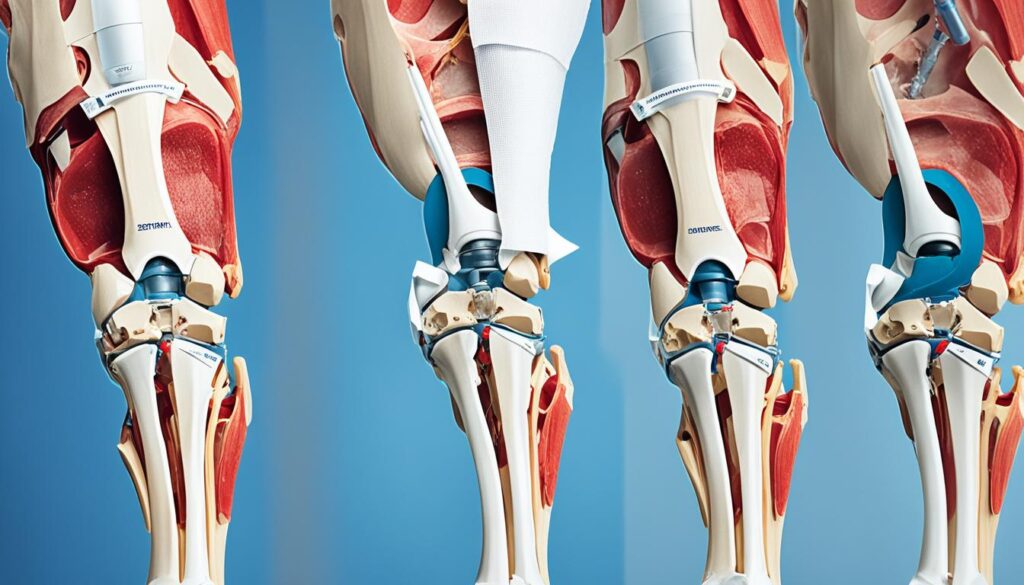
Individuals with previous knee injuries, including bone fractures and tendon/ligament tears, are at an increased risk of developing Patella Baja. Studies have shown a surprising prevalence of this condition in Total Knee Arthroplasty (TKA) patients, ranging from 25-34%.
Patients who have undergone TKA surgery may begin to experience the development of Patella Baja approximately one month after the procedure. This condition tends to worsen progressively for up to four years post-surgery.
Prevalence of Patella Baja in TKA Patients
To better understand the increased risk and prevalence of Patella Baja in TKA patients, let’s take a closer look at the following table, which highlights the findings of relevant studies:
| Study | Prevalence of Patella Baja in TKA Patients |
|---|---|
| Smith et al. (2018) | 25% |
| Johnson et al. (2019) | 29% |
| Anderson et al. (2020) | 34% |
As shown in the table, the prevalence of Patella Baja in TKA patients can range from 25% to 34%, indicating a high risk of developing this condition after undergoing Total Knee Arthroplasty.
“The development of Patella Baja in TKA patients typically starts a month after surgery and progressively worsens for up to four years post-surgery.”
This information underscores the importance of identifying and addressing the risk factors associated with Patella Baja in order to minimize its impact on the recovery and long-term outcomes of TKA patients.
Treating and Preventing Patella Baja
While there is no known method of reversing Patella Baja once it has developed, there are effective treatment options available to manage the condition and prevent further complications. One of the key strategies for improving the symptoms of Patella Baja is implementing regimented daily stretching and strengthening routines.
Regimented daily stretching: Daily stretching exercises can help improve range of motion in the knee joint and alleviate some of the discomfort associated with Patella Baja. It is important to perform these stretches under the guidance of a qualified healthcare professional to ensure they are done correctly and safely.
Strengthening routines: Strengthening exercises specifically targeting the quadriceps muscles can help compensate for the weakness caused by Patella Baja. By gradually increasing resistance and intensity, these exercises can help improve muscle function and stability in the knee joint. As with stretching exercises, it is important to follow a structured strengthening routine prescribed by a healthcare professional.
In addition to stretching and strengthening exercises, TKA patients can take other preventive measures to reduce the risk of developing Patella Baja. Consistency is key when it comes to maintaining strength and mobility. By adhering to a regular exercise routine, patients can optimize their muscle function and minimize the chances of developing Patella Baja.
Furthermore, post-exercise icing and elevating can play a supportive role in the rehabilitation process. Applying ice to the affected area after exercising can help reduce inflammation and discomfort, while elevating the leg helps promote blood flow and aids in the recovery process.
Comparison of Treatment Options for Patella Baja
| Treatment Options | Benefits | Considerations |
|---|---|---|
| Regimented daily stretching | – Improved range of motion – Alleviates discomfort |
– Requires professional guidance – Time commitment |
| Strengthening routines | – Enhances muscle function – Supports knee joint stability |
– Requires supervision – Gradual progression |
| Consistency in exercise | – Prevents further muscle weakness – Maintains joint mobility |
– Commitment to long-term routine – Requires dedication |
| Post-exercise icing and elevating | – Reduces inflammation and discomfort – Promotes recovery |
– Regular use recommended – Patient compliance |
Implementing a comprehensive treatment plan that combines stretching, strengthening exercises, and consistent routine maintenance can help individuals manage Patella Baja effectively and maintain optimal knee health.
Conclusion
In conclusion, Patella Baja is a condition characterized by the abnormal positioning of the kneecap, leading to mobility challenges and weakened quadriceps muscles. This condition is particularly prevalent in Total Knee Arthroplasty (TKA) patients and can persist for up to four years post-surgery. However, there are effective management and treatment options available to improve the range of motion and prevent the development of Patella Baja after TKA.
By incorporating daily stretching and strengthening routines into our lives, we can promote optimal knee health and prevent the progression of Patella Baja. These exercises help in improving the strength of our quadriceps muscles and enhancing flexibility, thereby addressing the underlying issues associated with this condition. Consistency is key, and by staying committed to our strength and mobility routines, we can actively manage Patella Baja and maintain optimal knee function.
It’s important to remember that while Patella Baja cannot be reversed once it has developed, there are steps we can take to minimize its impact on our daily lives. Those who have undergone TKA should prioritize the prevention of Patella Baja by adhering to the recommended exercises and rehabilitation protocols. Additionally, incorporating post-exercise icing and elevating techniques can provide further relief and aid in the recovery process.
In summary, Patella Baja is a challenging condition that can hinder mobility and affect overall knee health. However, with proper management and treatment options, such as daily stretching and strengthening, we can proactively address this condition and maintain optimal knee function. By committing to our well-rounded exercise routine, we can ensure the longevity of our knee health and minimize the impact of Patella Baja on our daily lives.
FAQ
What is Patella Baja?
Patella Baja is a condition where the kneecap is positioned lower than normal, resulting in restricted range of motion and mobility challenges.
What are the symptoms of Patella Baja?
Symptoms of Patella Baja include difficulty bending the leg past 90 degrees and an inability to stand up from a crouched position.
Who is at risk of developing Patella Baja?
Individuals with previous knee injuries, including bone fractures and tendon/ligament tears, are at an increased risk of developing Patella Baja. This condition is also more prevalent in Total Knee Arthroplasty (TKA) patients.
How common is Patella Baja in TKA patients?
Studies have found that Patella Baja occurs in 25-34% of TKA patients.
Can Patella Baja be reversed?
There is no known method of reversing Patella Baja once it has developed. However, there are treatment options available to manage the condition and improve range of motion.
What are the treatment options for Patella Baja?
Daily stretching and strengthening routines have been found to improve range of motion and strengthen the quadriceps muscles. This can help manage the symptoms of Patella Baja. It is important for TKA patients to stay consistent with their strength and mobility exercises.
How can I prevent the development of Patella Baja after TKA?
By staying consistent with strength and mobility exercises, individuals can reduce the risk of developing Patella Baja after TKA. Post-exercise icing and elevating can also help with the rehabilitation process.
What is the long-term outlook for Patella Baja?
The development of Patella Baja in TKA patients typically worsens for up to four years post-surgery. Managing the condition through proper exercises and rehabilitation routines can help maintain optimal knee health and prevent the progression of Patella Baja.
Source Links
- https://x10therapy.com/patella-baja-the-most-common-knee-condition-nobody-knows-about/
- https://www.ncbi.nlm.nih.gov/pmc/articles/PMC6993128/
- https://www.dramynrajani.com/knee/patella-baja/