
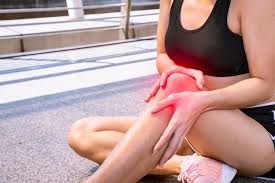
Knee Pain Reasons
Knee Pain Reasons: Understanding the Causes of Knee Pain
As we age, our bodies undergo various changes that can cause us discomfort and pain. One of the most common complaints is knee pain. Knee pain can be caused by a variety of factors, including injury, overuse, and medical conditions such as arthritis. In this article, we will explore the common causes of knee pain, how to diagnose it, and the best ways to treat and prevent it.
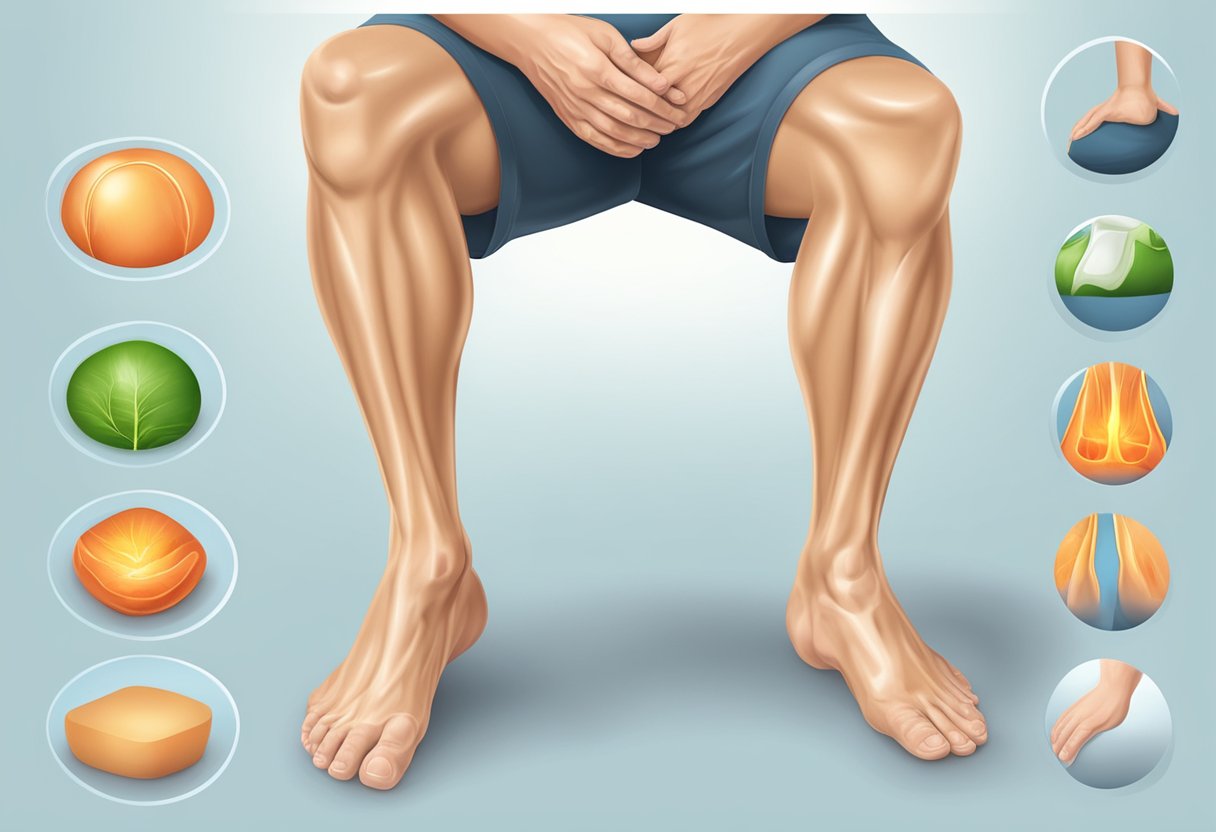
Understanding knee pain is essential to finding the right treatment. The knee joint is one of the most complex joints in the body and is composed of bones, cartilage, tendons, and ligaments. When any of these components become damaged or inflamed, it can cause pain and discomfort. Knee pain can be sharp or dull, and it can be felt in the front, back, or sides of the knee joint.
Common causes of knee pain include injury, overuse, and medical conditions such as arthritis. Diagnosing knee pain can be challenging, as there are many possible causes. However, with the right medical evaluation, it is possible to identify the underlying cause of knee pain and develop a treatment plan that addresses the root cause. By understanding the causes of knee pain and how to diagnose and treat it, we can take steps to prevent it from happening in the future.
Key Takeaways
- Knee pain can be caused by injury, overuse, and medical conditions such as arthritis.
- Diagnosing knee pain can be challenging, but with the right medical evaluation, it is possible to identify the underlying cause.
- Treatment and prevention of knee pain depend on the cause and may include physical therapy, medication, or surgery.
Understanding Knee Pain
Knee pain is a common ailment that affects people of all ages. It can be caused by a variety of factors, including injury, overuse, and underlying medical conditions. In this section, we will discuss the different types of knee pain, the structures of the knee joint, and the common causes of knee pain.
Structures of the Knee Joint
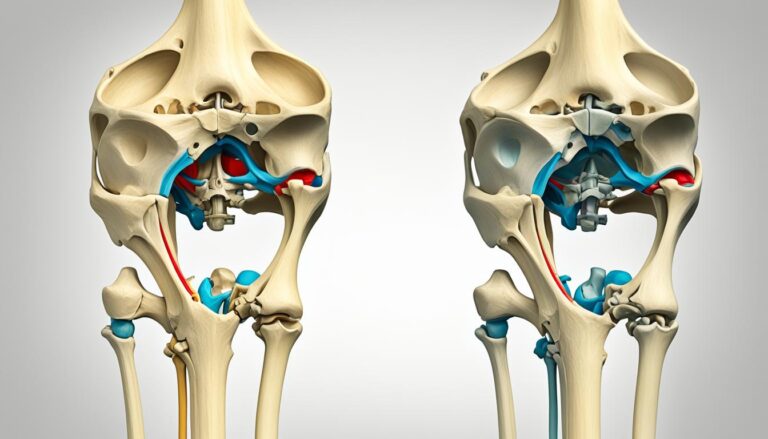
The knee joint is made up of bones, tendons, muscles, and cartilage. The bones that make up the knee joint are the femur, tibia, and patella. The tendons and muscles work together to move the knee joint, while the cartilage acts as a cushion between the bones, preventing them from rubbing against each other.
Types of Knee Pain
Knee pain can be classified as acute or chronic. Acute knee pain is sudden and usually caused by an injury, such as a sprain or strain. Chronic knee pain, on the other hand, is pain that lasts for several weeks or months. It can be caused by underlying medical conditions, such as arthritis or tendonitis.
Common Causes of Knee Pain
There are many factors that can contribute to knee pain. Some of the most common causes of knee pain include:
- Injuries: Knee injuries, such as a torn ligament or meniscus, can cause knee pain.
- Overuse: Overuse of the knee joint, such as from running or jumping, can cause knee pain.
- Arthritis: Arthritis is a condition that causes inflammation of the joints, including the knee joint.
- Tendinitis: Tendinitis is inflammation of the tendons, which can cause knee pain.
- Bursitis: Bursitis is inflammation of the bursae, which are small fluid-filled sacs that cushion the knee joint.
- Osteoporosis: Osteoporosis is a condition that causes the bones to become weak and brittle, which can lead to knee pain.
In conclusion, knee pain can be caused by a variety of factors, including injury, overuse, and underlying medical conditions. Understanding the structures of the knee joint and the common causes of knee pain can help you better manage and prevent knee pain.
Common Causes of Knee Pain
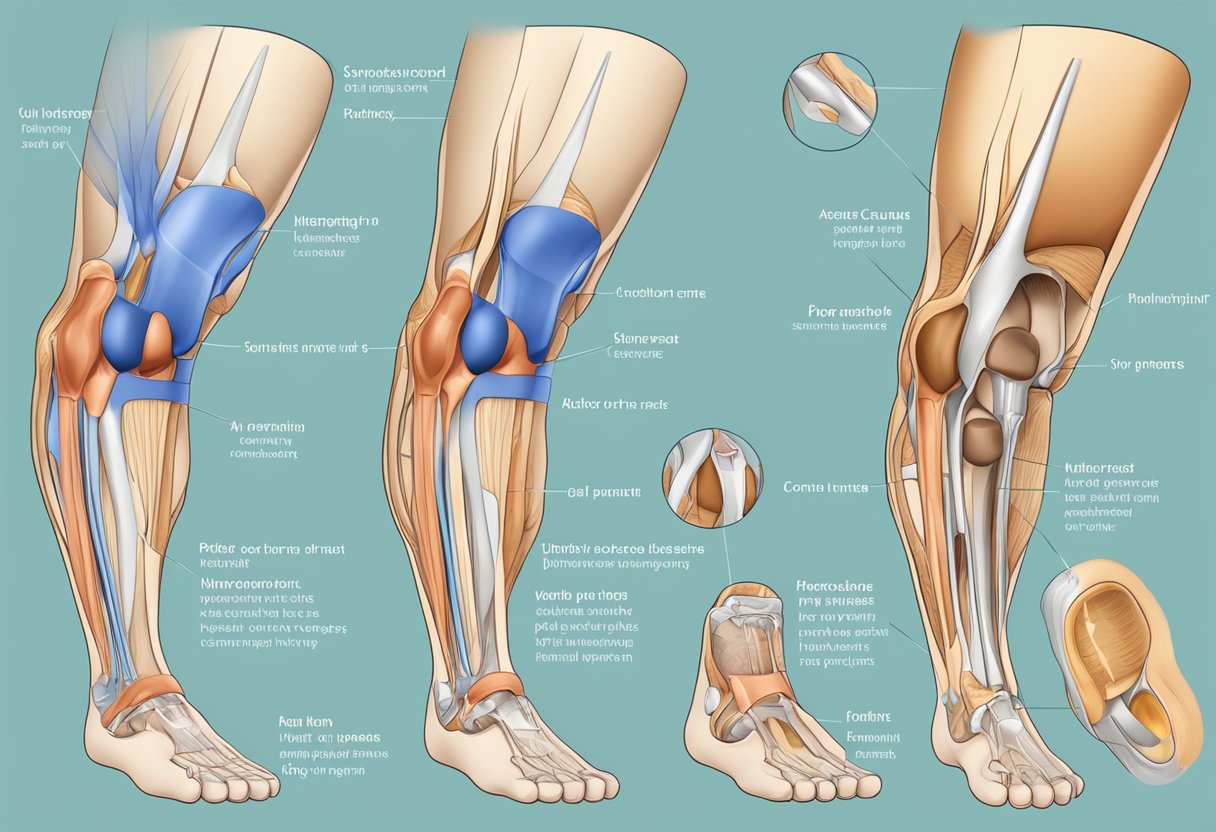
Knee pain is a common complaint that affects people of all ages. The pain can be caused by a variety of factors, including injury, medical conditions, and lifestyle and aging factors. In this section, we will discuss some of the most common causes of knee pain and their associated symptoms.
Injury and Trauma
Injuries and trauma are among the most common causes of knee pain. These can include:
- ACL injuries: A tear in the anterior cruciate ligament (ACL) can cause knee pain, swelling, and instability.
- Dislocated knee: A dislocated knee occurs when the bones in the knee are knocked out of place. This can cause pain, swelling, and difficulty moving the knee.
- Fractures: A fracture in one of the bones in the knee can cause pain, swelling, and difficulty moving the knee.
- Torn cartilage: A torn cartilage in the knee can cause pain, swelling, and difficulty moving the knee.
Symptoms of knee injuries and trauma can include pain, inflammation, redness, swelling, stiffness, weakness, and popping.
Medical Conditions
Several medical conditions can cause knee pain, including:
- Arthritis: Both osteoarthritis and rheumatoid arthritis can cause knee pain, stiffness, and swelling.
- Bursitis: Bursitis is an inflammation of the bursae, small sacs of fluid that cushion the knee joint. This can cause pain, swelling, and stiffness in the knee.
- Gout and pseudogout: These conditions are caused by a buildup of crystals in the joint, which can cause sudden and severe pain, swelling, and redness.
- Infections: Infections such as septic arthritis and infectious arthritis can cause knee pain, swelling, and redness.
- Tendinitis: Tendinitis is an inflammation of the tendons that attach muscles to bones. Patellar tendinitis and iliotibial band syndrome are two types of tendinitis that can cause knee pain.
Symptoms of medical conditions that cause knee pain can include pain, inflammation, redness, swelling, stiffness, and weakness.
Lifestyle and Aging Factors
Lifestyle and aging factors can also contribute to knee pain. These can include:
- Aging and wear and tear: As we age, the cartilage in our knees can wear down, leading to pain and stiffness.
- Excess weight: Carrying excess weight can put extra pressure on the knee joint, leading to pain and inflammation.
- Active lifestyle: Participating in high-impact activities such as running and jumping can put stress on the knee joint, leading to pain and inflammation.
- Stress: Stress can cause tension in the muscles and tendons surrounding the knee joint, leading to pain and stiffness.
Symptoms of knee pain caused by lifestyle and aging factors can include pain, stiffness, and weakness.
In conclusion, knee pain can be caused by a variety of factors, including injury, medical conditions, and lifestyle and aging factors. If you are experiencing knee pain, it is important to speak with your doctor to determine the underlying cause and develop an appropriate treatment plan.
Diagnosing Knee Pain

When a patient comes to us with knee pain, we start the diagnosis process with a physical examination. During this examination, we will look for any visible signs of injury or swelling, check for tenderness or pain when pressing on specific areas of the knee, and assess the range of motion of the knee joint.
Physical Examination
One of the first things we will do during the physical examination is to check the patient’s gait, or how they walk. We will also assess the patient’s posture, muscle strength, and flexibility. These assessments can help us identify any underlying muscle imbalances or weakness that may be contributing to the knee pain.
We will also perform certain physical tests, such as the Lachman test or the McMurray test, to check for ligament or meniscus injuries. These tests involve manipulating the knee joint in specific ways to assess for any pain, instability, or clicking sounds.
Imaging Tests
If the physical examination does not provide a clear diagnosis, we may order imaging tests such as X-rays or magnetic resonance imaging (MRI). X-rays can help us identify any bone abnormalities, such as fractures or arthritis, while MRIs can provide more detailed images of the soft tissues in the knee, such as the ligaments and tendons.
In some cases, we may also use ultrasound to assess the knee joint. This imaging test can help us identify any fluid buildup or inflammation in the joint.
Overall, a combination of physical examination and imaging tests can help us accurately diagnose the cause of knee pain and develop an appropriate treatment plan. If you are experiencing knee pain, it is important to see a doctor for a proper diagnosis and treatment.
Treatment and Prevention of Knee Pain
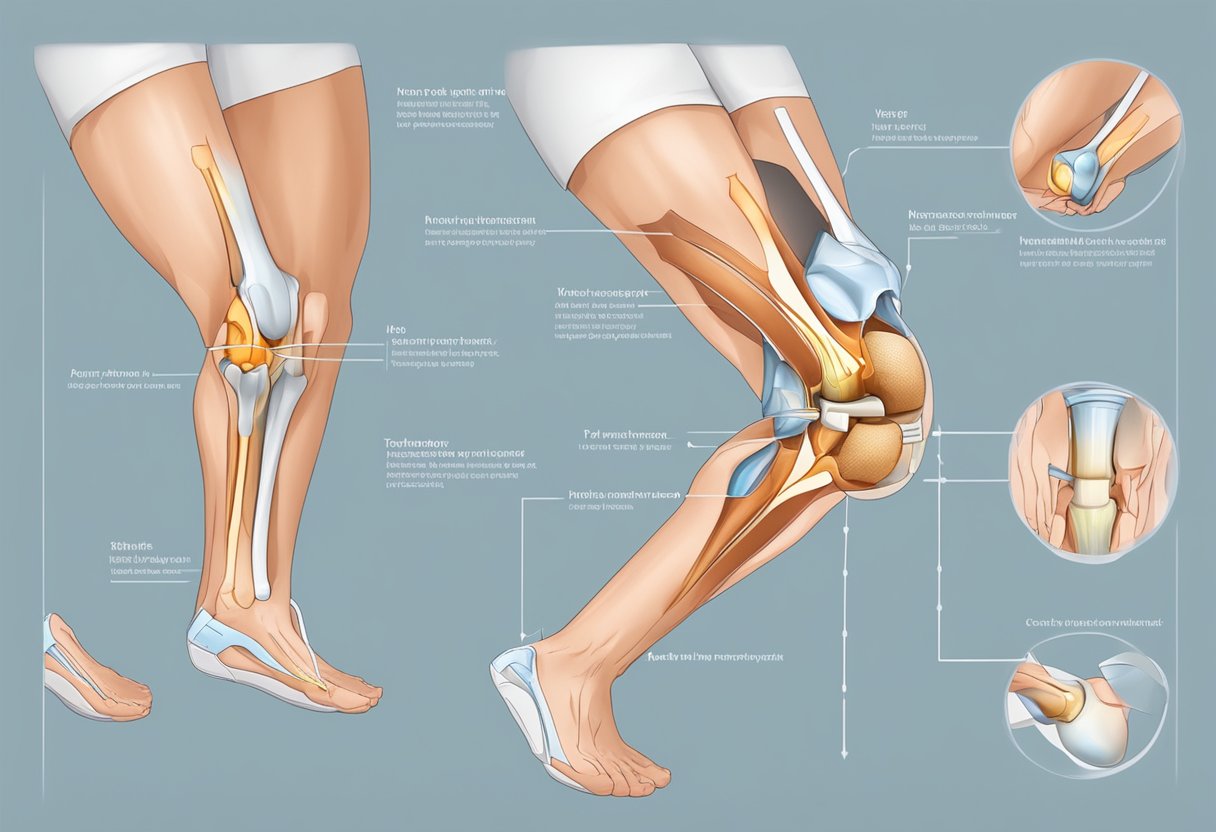
When it comes to treating and preventing knee pain, there are a variety of options available. It is important to note that the best course of action will depend on the underlying cause of the pain. Here are some of the most common non-surgical and surgical treatments for knee pain:
Non-Surgical Treatments
Protection, Rest, Ice, Compression, and Elevation (PRICE)
One of the most common ways to treat knee pain is through the PRICE method. This involves protecting the knee from further injury, resting the knee, applying ice to reduce swelling, compressing the knee with a bandage or brace, and elevating the knee to reduce swelling.
Medications
Over-the-counter medications such as acetaminophen or nonsteroidal anti-inflammatory drugs (NSAIDs) can help to reduce pain and inflammation. However, it is important to speak with a healthcare provider before taking any new medications, as they can have side effects and interact with other medications.
Physical Therapy
Physical therapy can be an effective way to treat knee pain. A physical therapist can help to develop a personalized exercise plan that can improve strength, flexibility, and range of motion. This can help to reduce pain and prevent future injuries.
Knee Braces
Knee braces can provide support and stability to the knee joint. They can also help to reduce pain and prevent further injury. There are a variety of different knee braces available, including knee sleeves, hinged knee braces, and patella stabilizing braces.
Surgical Procedures
Arthroscopy
Arthroscopy is a minimally invasive surgical procedure that can be used to diagnose and treat knee pain. During the procedure, a small camera is inserted into the knee joint, allowing the surgeon to see inside the joint and make repairs as necessary.
Knee Replacement
Knee replacement surgery is a more invasive surgical procedure that is typically reserved for cases of severe knee pain. During the procedure, the damaged knee joint is replaced with an artificial joint. This can help to reduce pain and improve mobility.
Surgical Repair
In some cases, surgical repair may be necessary to treat knee pain. This can involve repairing damaged ligaments, tendons, or cartilage. The specific procedure will depend on the underlying cause of the pain.
In addition to these treatments, there are also a variety of ways to prevent knee pain. This can include maintaining a healthy weight, exercising regularly, stretching before and after physical activity, wearing proper footwear, and using knee pads or braces when necessary. By taking these steps, we can help to prevent knee pain and protect our joints.
Frequently Asked Questions
What are the common causes of knee pain?
Knee pain can be caused by a variety of factors, including injuries, overuse, and medical conditions. Some common causes of knee pain include arthritis, tendinitis, bursitis, meniscus tears, and ligament injuries. Obesity and lack of exercise can also contribute to knee pain.
What are the best treatments for knee pain?
The best treatment for knee pain depends on the underlying cause. Rest, ice, compression, and elevation (RICE) can be effective for minor injuries or overuse. Physical therapy and exercise can help strengthen the muscles around the knee and improve mobility. In some cases, surgery may be necessary to repair or replace damaged tissues.
How can I reduce knee pain while walking?
If you experience knee pain while walking, there are several things you can do to reduce discomfort. Wearing comfortable, supportive shoes and using a walking aid, such as a cane or crutches, can help take pressure off the knee. Strengthening exercises for the muscles around the knee can also help improve stability and reduce pain.
What are some effective painkillers for knee pain?
Over-the-counter pain medications, such as acetaminophen and nonsteroidal anti-inflammatory drugs (NSAIDs), can be effective for reducing mild to moderate knee pain. Prescription medications, such as opioids or corticosteroids, may be necessary for more severe pain. Always talk to your doctor before taking any new medications.
What are the different types of knee pain?
There are several types of knee pain, including acute pain (sudden onset), chronic pain (long-lasting), and referred pain (pain that originates in another part of the body). Knee pain can also be categorized based on the location of the pain, such as front knee pain, inner knee pain, or outer knee pain.
When should I be concerned about my knee pain?
You should be concerned about your knee pain if it is severe, persistent, or accompanied by other symptoms, such as swelling, redness, or fever. If you experience sudden, intense knee pain or cannot bear weight on your knee, seek medical attention immediately.




One Comment