iStock 1220743006

Chronic Pain and the Nervous System


Experiencing pain can be a part of life, but living with chronic pain is far from normal. It can be exhausting and affect your ability to live an active life, perform tasks, and get the rest you need. Persistent pain can lead to anxiety, insomnia, and depression. Physical therapy can often reduce or eliminate pain so you can get back to living your life.

What is chronic pain syndrome?

There are two primary categories of pain. Acute pain is often a symptom of an underlying health condition. Recovery can take days to weeks and the pain subsides. Chronic pain, or chronic pain syndrome, on the other hand, usually lasts six months or longer. It occurs in addition to the pain caused by the health condition, which may or may not have healed. It is independent of the original injury or illness that began and can persist long after the pain has gone.
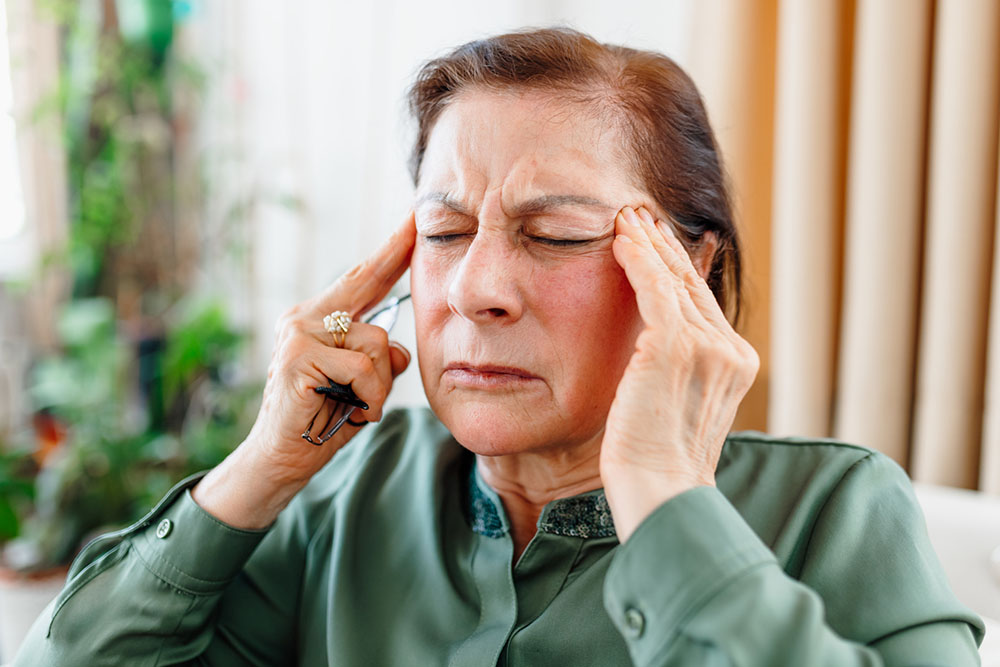
Woman suffers from chronic pain; migraine.

Chronic pain can present in different forms, such as:

  • Back and neck pain
  • Joint or arthritis pain
  • Cancer pain near a tumor
  • Pain in the testicles
  • Headache, including migraine
  • Pervasive muscle pain (including fibromyalgia)
  • Persistent pain in scar tissue
  • Neurogenic pain due to damage to the nervous system

More than 20% of Americans have chronic pain that affects your work and lifestyle.

What causes chronic pain?

Sometimes chronic pain has a clear cause, such as a long-term illness, cancer, or arthritis. Illness can make your body more susceptible to pain, even after you recover. Injuries, including broken bones, sprains, or infections, can also leave you with chronic pain.

Pain that does not seem to be related to a physical illness or injury is psychogenic painIt is believed that anxiety, stress and depression lead to low endorphin levels in the blood.

Regardless of the specific cause, pain is a function of the nervous system. Nerves around an injury site sense the damage and send signals to the spinal cord and brain. The brain registers the pain and the nervous system responds. Muscles tense, emotions run high, and the nervous system becomes hypervigilant.

This high alert state is beneficial in acute pain. It tells the body that something is wrong, allowing us to protect ourselves from further injury. Once the damage or disease heals, the nervous system functions normally.
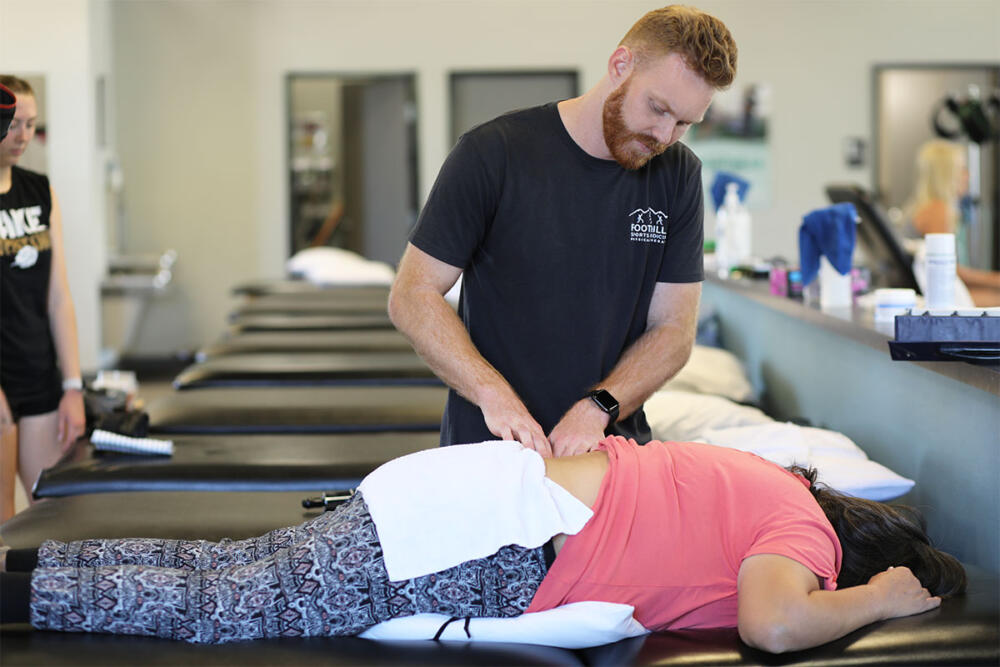
Woman suffers from chronic back pain.

Symptoms of chronic pain syndrome

When the nervous system remains in a persistent state of high alert, it often becomes hypersensitive. It can continue the pain even after the original damage has healed. People with chronic pain describe it in different ways:

  • To beat
  • Stiffness
  • To shoot
  • Painful
  • Burning
  • pinch
  • Stinging

Poor sleep, mood swings, irritability and fatigue often accompany pain, which increases stress levels and nervous system reactivity. As pain increases, a new vicious circle begins.
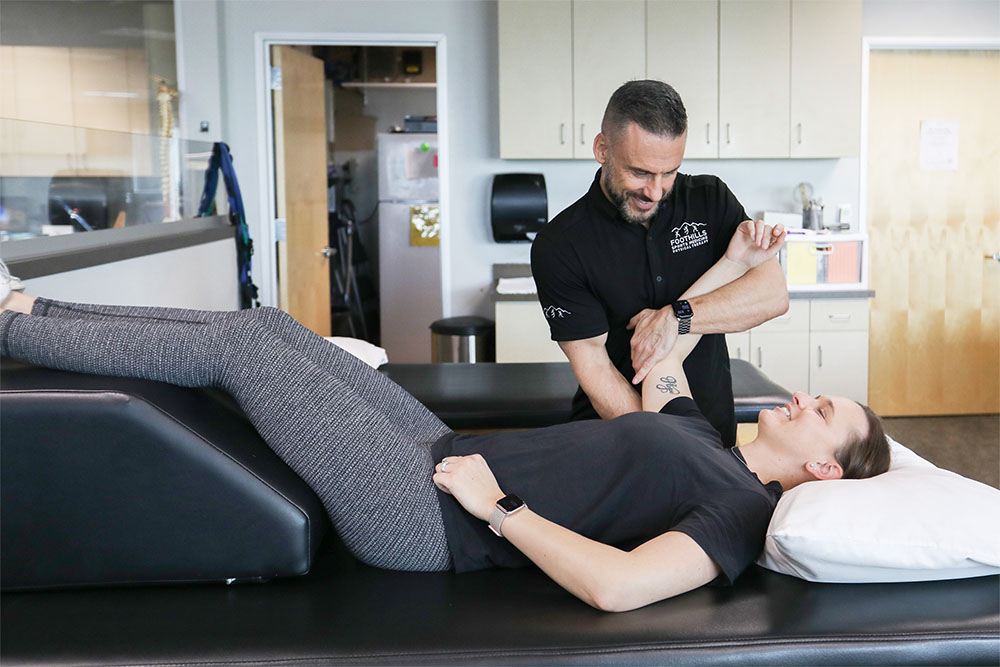
PT, Jeff Moyer helps a patient with elbow pain and is a good reason to choose physical therapy first.

7 Common Treatment Methods for Chronic Pain

Chronic pain can limit your quality of life and lead to significant long-term health problems. It can make managing daily tasks, maintaining relationships, and maintaining financial stability challenging. Chronic pain is uniquely personal, and finding an effective treatment becomes a priority.

Your biology and personal history can influence which pain therapies provide relief. However, the treatment combination for one person may not work for another.
Physiotherapy icon for the topic of chronic pain.

1. Physiotherapy

Physical therapy is a highly personalized treatment regimen. Goals may include increased mobility and reduced pain to help you regain full function. Physical therapy includes passive and active treatments. Your program may begin with passive treatments and progress to active methods. Physical therapists play an important role in pain management through various therapies and daily living techniques. Various forms of exercise, including strength, flexibility, balance, endurance, power, and agility, are used to promote and restore normal function, as well as for pain management. While opioids only mask the sensation of pain, physical therapists can also treat pain through hands-on care. Techniques include manipulation, joint and soft tissue mobilization, dry needling, and cupping. This helps to address the pain and target the root of the problem.

Icon for water; soak foot in water.

2. Contrast therapy

Physiotherapists often alternate between cold and hot therapies. Cold therapy constricts blood vessels. Inflammation decreases when muscles contract and pain signals are reduced. Heat therapy increases circulation by dilating blood vessels. Flooding areas with nutrients and oxygen reduces muscle pain and allows the body’s cells to shed waste. Contrast therapy can reduce inflammation and increase circulation, which loosens tight, sore muscles.

Icon for deep tissue massage.

3. Deep tissue massage

Muscle spasms and chronic muscle tension can build up from the stress of a typical daily routine. Cramps can also occur from sprains and strains. The direct pressure and friction applied during massage can release tension in the muscles, ligaments and tendons.

Icon for ESTIM.

4. TENS (transcutaneous electrical nerve stimulation)

A TENS unit uses varying intensities of electrical current to stimulate muscles, which helps to reduce the occurrence and severity of muscle spasms. It can also increase the production of endorphins, the body’s natural painkillers. You can use just the unit that’s in your physical therapist’s office, or you can have a smaller unit made for home use.
Ultrasound icon for the topic of chronic pain.

5. Ultrasound

This deep heating technique is applied to your skin. As the heat waves penetrate your tissues, it is believed to improve blood flow and circulation. An ultrasound helps to reduce cramps, swelling, spasms, pain and stiffness.

Clipboard for the topic drug therapy.

6. Drug therapy

Over-the-counter medications may be enough to relieve mild pain caused by stiffness, inflammation, and muscle soreness. Typical drug therapy includes ibuprofen, aspirin, naproxen, and acetaminophen (Tylenol). Topical pain relievers that come in sprays, creams, and lotions may also provide temporary relief. Stronger medications for debilitating pain range from prescription NSAIDs, muscle relaxants, and anti-anxiety medications to opioids and steroid injections.
Exercise icon for the topic of chronic pain.

7. Exercise

Exercise is an active treatment and an essential part of the PT toolkit for improving mobility and strength. The brain stops sending constant alerts to the nervous system as the pain subsides. You and your physical therapist will work together to develop an exercise regimen to relieve pain. Examples of low-impact exercises include:

  • Swimming
  • Stretching and strengthening exercises
  • Cycling
  • To walk
  • Tai Chi
  • Pilates
  • Yoga

Exercise makes you stronger and trains your nervous system to trust that exercise is safe, allowing it to go from high alert to normal functioning.

If you have pain that comes and goes, physical therapy can help you understand the cause and how to treat it. Everyone responds differently to physical therapy. Contact Us Make an appointment today and learn more about the best treatment options.


Source link

Similar Posts

  • |

    Knee pain after sex

    What if a common physical sensation is quietly shaping the quality of our most private moments? This discomfort can feel isolating. It may make us pull back from our partner. The American Osteopathic Association notes that about one-third of Americans live with joint issues that hinder daily activities. knee pain after sex This statistic reflects a wider reality. When our bodies signal distress, it often echoes in our shared life. The ache isn’t just physical. It can create an invisible barrier to intimacy. We believe understanding is the first step toward change. By exploring the reasons behind this discomfort, we can make smart adjustments. Small changes to our routine can have a big impact. Our goal is to help you move from frustration to solution. Let’s look at how to protect your physical connection and ensure your experiences remain fulfilling and joyful. Key Takeaways Joint discomfort during intimate moments is a common issue that affects emotional and physical connection. Nearly one-third of adults in the U.S. report joint-related problems that impact their daily quality of life. This physical barrier can lead to avoiding closeness, which may strain a relationship. Identifying the root cause of the discomfort is a crucial proactive step toward improvement. Simple adjustments to routines and positions can help maintain a healthy and satisfying sex life. Open communication with your partner about physical limits is essential for mutual comfort. Seeking professional guidance can provide tailored strategies for long-term relief and enjoyment. Understanding Knee Pain After Sex It’s a reality for many: seeking closeness, only to be met with a sharp, distracting sensation. This discomfort has specific roots. Knowing them helps us adapt and find relief. Common Causes and Triggers Physical intimacy involves movement and pressure. These actions can strain the joint if it’s already sensitive. A sudden twist or prolonged kneeling might be the direct trigger. Interestingly, gentle motion can be helpful. Maiken Jacobs, an orthopedic patient educator, notes that moving a joint through its range of motion can release endorphins. This is good for your condition. Acute vs. Chronic Pain Explained We must distinguish between two main types. Acute discomfort often results from sudden injuries, like a sprain. It comes on quickly and usually fades with time and care. Chronic issues stem from long-term conditions. Osteoarthritis is a common example. This ongoing pain affects mobility and daily comfort for many people. Identifying which type you’re experiencing is the first step toward smart management. It guides our approach to maintaining a fulfilling connection. Preparing for Intimacy with Knee Sensitivity A little preparation can transform our intimate moments from a source of worry into a space of comfort and connection. We focus on simple, proactive steps that address physical sensitivity head-on. The Role of Warm Baths and Epsom Salts Starting with a warm bath is a powerful ritual. Adding Epsom salt helps soothe muscles and promotes deep relaxation. Taking a warm Epsom salt bath before intimacy can proactively ease joint discomfort and help you relax. Maiken Jacobs, Orthopedic Patient Educator This practice isn’t just solitary self-care. Turning it into a shared, sensual experience with our partner helps us both unwind and set the right mood. preparing for intimacy with knee sensitivity Pre-medicating and Managing Stress Stress tightens our bodies and can heighten our perception of discomfort. Managing tension is therefore a vital part of our preparation. If we’re concerned about potential aches, seeking information from a doctor is wise. They can advise on the ideal timing for taking an anti-inflammatory to maintain comfort. Proactive planning, like using a heating pad beforehand, ensures our focus stays on connection. Preparation Method Primary Benefit Key Consideration Warm Epsom Salt Bath Soothes muscles & promotes relaxation Can be a shared ritual with a partner Consulting a Doctor Personalized timing for medication Provides expert guidance for safety Stress Management Reduces tension that worsens discomfort Includes deep breathing or meditation…

  • Top Fitness Trackers for Joint Health Monitoring

    When it comes to monitoring joint health during various activities, fitness trackers can be a valuable tool. They can help you track your activity, provide insights into your training, and optimize your workouts. In this article, we will explore the top fitness trackers that are designed to support joint health. Key Takeaways: Best fitness trackers…

  • Relief for Knee Pain After Walking | Quick Tips

    Are you experiencing knee pain after walking? Don’t worry, we’re here to help. Knee pain can significantly impact your mobility and quality of life, but there are strategies and exercises that can provide relief. In this section, we’ll explore various methods to manage and reduce knee pain after walking, such as exercise, rest, proper footwear,…

  • |

    What to Do When the Side of My Knee Hurts When I Walk

    Knee pain can be a real bother, especially when it hurts on the side while you walk. It’s a common issue many people face, and it can make daily activities tough. Understanding why your knee hurts and knowing what to do can help you get back on your feet without pain. Key Takeaways Knee pain…

  • |

    Knee replacement rehab timeline

    What if the most critical part of your joint procedure happens after you leave the operating room? We understand that navigating the path to healing can feel overwhelming. Our guide is here to provide the clarity you need for a successful journey. knee replacement rehab timeline Data shows that movement often starts very quickly. Physical therapy typically begins within 24 hours after your procedure. This early step is vital for promoting faster healing and restoring mobility. For most people, the complete process of regaining strength spans several months. It’s a journey from the initial post-operative phase to full recovery, often taking between six and twelve months. We aim to help you manage expectations about the time required to return to the activities you love. While every patient’s experience is unique, understanding the general phases can significantly reduce anxiety. By following a structured plan, you can improve function and regain the independence you enjoyed before joint pain began. Your commitment to rehabilitation directly influences the long-term success of your new joint and overall health. Key Takeaways Physical activity often starts within a day of your procedure to aid healing. The full recovery process generally takes between six months and a year. Your personal journey is unique, but knowing common stages reduces worry. A structured plan is crucial for regaining function and independence. Your dedication to the process directly impacts your long-term results. This guide provides clarity to navigate each stage with confidence. Understanding Knee Replacement Surgery We believe informed patients are empowered patients, starting with the details of the operation itself. Knowing which procedure is right for you is a crucial first step in preparing for your healing journey. Differences Between Total and Partial Knee Replacement A total knee replacement involves resurfacing the entire joint with an artificial structure. Surgeons cut away worn cartilage and bone to create a new surface. In contrast, a partial knee replacement focuses only on the damaged compartment. This targeted approach often leads to a quicker recovery process with less discomfort. What to Expect During Surgery and Initial Recovery During your replacement surgery, the medical team precisely aligns the new components. This careful work is done to restore smooth movement and function. Your personal recovery timeline is influenced by factors like your age and general health. Understanding these differences helps you set realistic goals for after your knee surgery. The ultimate goal of this joint procedure is to provide lasting relief from chronic pain and improve your mobility. Immediate Post-Surgery Recovery The journey to regain your mobility starts the moment you wake from anesthesia. Your active participation is vital from these first hours. immediate post surgery recovery We emphasize that structured support begins almost immediately. This early phase sets the foundation for your entire healing process. Day 1: Initiating Rehabilitation and Mobility Physical therapy often starts within 24 hours of your procedure. Your physical therapist will help you take those first, crucial steps. They guide you in standing and walking with a walker or crutches. These initial sessions focus on basic, safe movements. You’ll practice sitting at the bedside and transferring your weight. This early activity promotes circulation and helps prevent complications. Transitioning from Hospital to Home Your medical team must see you meet specific safety criteria before discharge. You need to manage pain well and demonstrate independent movement. Key goals include standing from a chair and using the bathroom alone. Navigating a short flight of stairs is also a common requirement. Some individuals may leave the hospital on the same day as their operation. This is possible if all safety boxes are checked. Your care team will provide clear instructions for protecting your new joint. They will also give you simple exercises to continue at home. The First Week: Early Rehabilitation Steps Navigating the initial week after your operation requires a clear focus on gentle movement and symptom management. We guide you through this period where your routine prioritizes restoring a natural walking pattern and improving joint flexibility. early rehabilitation steps Guided Physical Therapy Exercises for Range of Motion During the first 48 hours, the primary goal is achieving full extension and increasing flexion. Your physical therapist will recommend specific movements to help. These early exercises are designed to prevent stiffness and promote circulation. Your daily routine is crucial for maintaining flexibility in this joint. Managing Pain, Swelling, and Initial Activity Controlling discomfort is a priority. Your doctor may advise using ice packs, elevating your leg, and taking medication as directed. You must monitor your incision site closely. The American Association of Hip and Knee Surgeons suggests waiting 5 to 7 days before showering if non-waterproof dressings are used. We encourage gentle activity, like using a stationary bike. This helps the area regain strength without overexertion. If you experience severe pain or excessive swelling, stop and consult your physical therapist or surgeon immediately. Following a structured rehabilitation timeline is key for a successful recovery….

4 Comments

Leave a Reply

Your email address will not be published. Required fields are marked *