Management of complex regional pain syndrome (CRPS)
By Russell Seemler, South Chandler Clinic
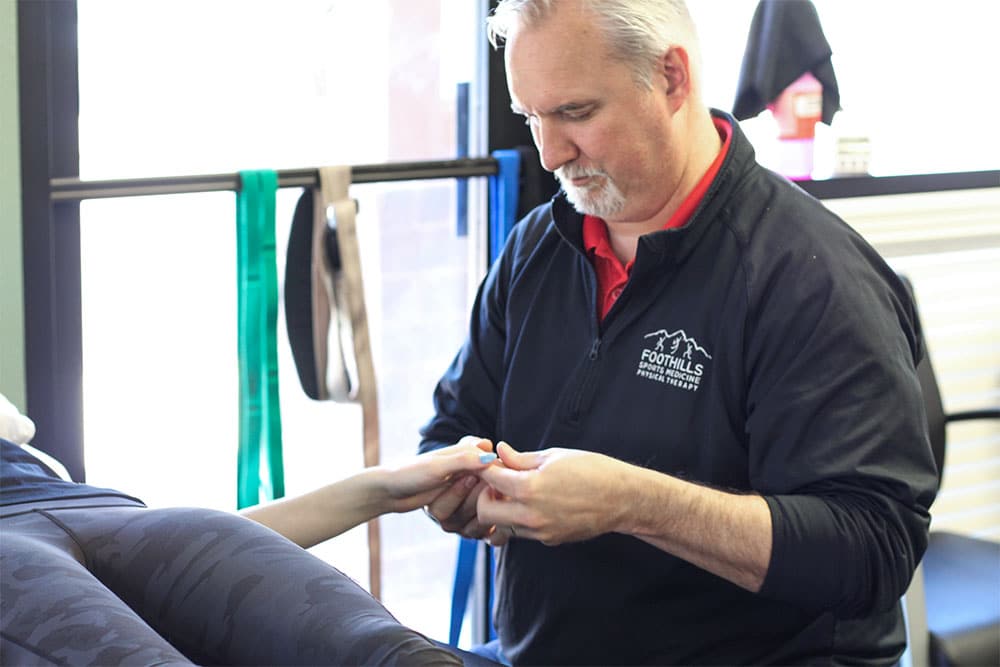
Living with Complex Regional Pain Syndrome (CRPS) can be a challenging and disabling experience. However, physiotherapy can tackle CRPS. Physiotherapy is an essential part of the overall treatment plan for CRPS and is usually tailored to the specific needs of the individual and the severity of their condition.
What is complex regional pain syndrome?
Complex regional pain syndrome (CRPS) is considered by some to be the most painful medical condition in the world. CRPS is considered an injury or malfunction of the peripheral and central nervous systems, manifesting as extreme pain and other physiological symptoms rolled into one. or more limbs of the body. These symptoms can last for months to years and, if not treated, can become permanent.

The causes and triggers of complex regional pain syndrome
The central nervous system consists of the brain and spinal cord. The peripheral nervous system consists of all other nerves in the body, minus the brain and spinal cord. The peripheral nerves deliver signals to and from the brain and spinal cord to different parts of the body. An injury to one of the peripheral nerves is believed to be the initial onset of CRPS. An injury such as a broken bone, a strain or sprain, a burn, a cut, surgery or something as minor as a needle stick can also be the first onset of CRPS.
In some cases, infections or blood vessel problems can also trigger the cascade to CRPI. Once an initial injury occurs, signals from the peripheral nerves to the brain tell a person that he or she has been injured. The brain then sends signals to different parts of the body telling them to start releasing chemicals that will trigger many physiological responses in the body necessary to initiate the healing process. One of the first things a body does to protect and heal itself is send out chemicals and nerve signals that cause swelling, increased blood flow to the injured area, and pain. These are normal parts of the healing process.
Signals from the brain
With CRPS, a major problem is that the signals from the brain that cause pain, swelling, and increased blood flow never go away. Even after the injury has completely healed. The brain then tricks the body into believing it is still injured, even though it is not. As this continues, the signals can become stronger and stronger to the point where constant, extreme pain lasts for months to years and even permanently.
There is no clear reason why someone who breaks their arm, for example, gets CRPS, while many others who break their arm do not. However, they have discovered that CRPS is more common in women than in men and that the risk is greatest around the age of 40. However, it can occur in either sex at any age.
The symptoms of complex regional pain syndrome
Signs and symptoms of CRPS can vary slightly from person to person depending on what stage of the condition they are in. Some patients may have all the symptoms mentioned or just some. Also, symptoms may change over time depending on how long ago CRPS started.
- Extreme pain – burning, tingling and crushing/squeezing pain
- Changes in skin color – the skin may become more pink, red, purple or blue compared to the other limb
- Changes in hair or nail growth in the extremities – brittle nails and increased or decreased hair growth, depending on the person
- Skin changes – the skin becomes shiny and thin
- Sweating changes – excessive sweating or less sweating compared to the other limb
- Skin temperature – although people feel like their leg is burning, when they touch the limb it is very cold.
- Increased joint stiffness and reduced movement in the joint
- Increased muscle tightness and spasms in the limbs
- Osteoporosis – shown on x-ray
- Allodynia – severe sensitivity to normal skin touch, as if being touched after a sunburn
As the condition progresses and lasts longer, people may also experience:
- Atrophy of muscles in the limbs due to reduced use
- Short-term memory problems
- Difficulty coming up with words while speaking
- Irritability
- Depression
- Increased swelling in the extremities
- Sensitivity to noise and vibration
Research has also shown that people in pain have difficulty distinguishing between the injured right and left legs when looking at a photo of the same body part. Many with CRPS have the same problem, as they cannot determine if it is a right or left hand or leg when they look at a photo.
Treatment for complex regional pain syndrome
There are many forms of treatment for CRPS, although treatment will be individual for each person depending on their signs and symptoms. What works for one CRPS patient may not work for another, and a combination of treatments may also be necessary.
-
Physiotherapy
- Your physical therapist will work with you to develop a treatment plan to help you manage your condition. Because the symptoms of CRPS vary, the approach to care will also vary. CRPS treatment is based on how regular and severe your symptoms are. More importantly, physical therapy is focused on helping you achieve your personal goals.
-
Medicines
- Bisphosphonates – to prevent bone reabsorption, help with osteoporosis
- Corticosteroids – to prevent inflammation and swelling
- Botox – for muscle spasms and tightness
- Drugs for nerve pain – Gabapentin, Amitriptyline, etc.
- Over-the-counter medications for pain/inflammation – ibuprofen, aspirin, naproxen
- Topical creams for pain – usually lidocaine
-
Procedural**
- Sympathetic nerve blocks – they have been shown to help in the short term, but long term benefits are usually not seen.n
- Spinal cord stimulator – a surgical procedure in which a stimulator is placed directly into the spinal column to control the signals traveling from the brain to the body using electrical stimulation.
- Surgical sympathectomy – A procedure in which sympathetic nerves that travel from the brain to the affected limb are surgically severed to prevent pain signals from reaching the limb. This is a controversial operation because some doctors think it causes CRP.S
-
Psychotherapy
- Many people with CRPS develop anxiety, depression and even PTSD. Seeing a psychiatrist or psychologist for help is a highly encouraged treatment strategy.
-
Eating pattern
- Maintaining a well-balanced diet has been shown to reduce symptoms of CRPS
-
Sleep
- Maintaining a consistent sleep-wake cycle has been shown to reduce symptoms of CRPS. Because the body regulates hormones such as cortisol, it can worsen pain and sympathetic nerve symptoms.
*These medications are still in the research phase and are considered experimental
**It is recommended to try non-procedural treatments before procedural treatments due to reduced risks and potential complications.
How physiotherapy can improve complex regional pain syndrome
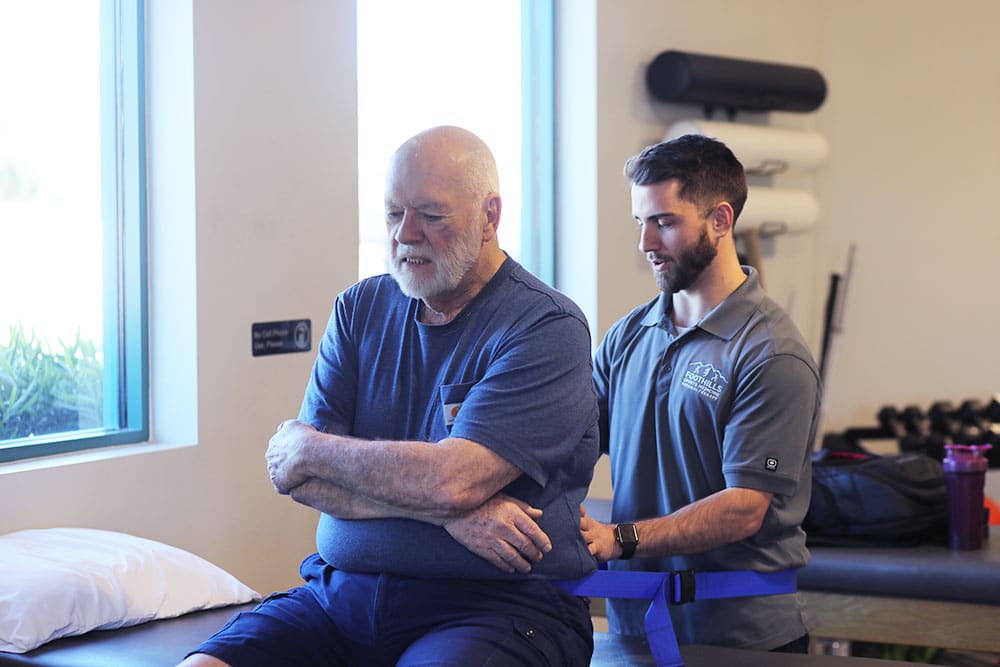
Physical therapy is one of the best treatments for CRPS because of its ability to preserve limb function. Physical therapy will focus primarily on maintaining limb function by using stretches and exercises to keep the muscles loose and strong and the joint moving. In addition, PT can also help with pain relief and edema/swelling. There are many types of physical therapy treatments that have been shown to be helpful.
-
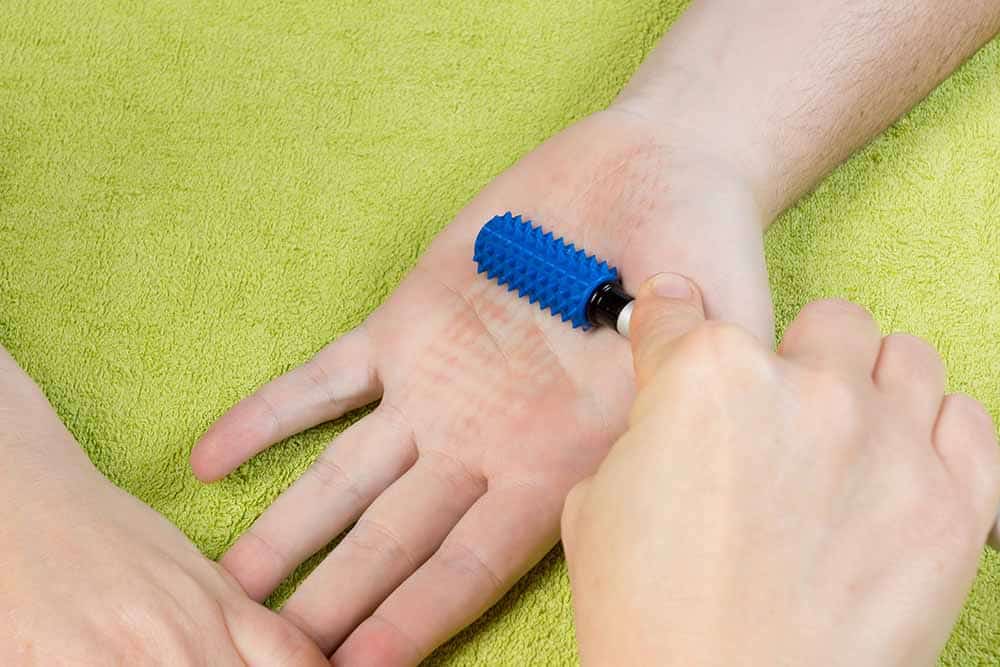
Desensitization therapy – a treatment aimed at reducing allodynia
- This treatment involves lightly stroking various types of textured objects over the affected or unaffected limb to retrain the pain receptors in the area. The purpose is to tell the pain receptors that light touch should not cause pain in a limb. And to stop sending pain signals to the brain.
-
Graded Motor Imagery (GMI) – a treatment that focuses on retraining the distinction between the right and left limbs and restoring function while reducing pain to the limb
- This treatment style uses images of right and left arms or legs in different positions.
- In phase one, the patient only needs to determine whether a limb is a right or left limb.b
- For phase two, the patient only needs to remember to move the same-sided limb into the correct position; no movement takes place. This turns on the premotor cortex areas of the brain.
- During phase three, the patient moves the limb on the same side to the position shown in the image.
- The goal is for all phases to be performed pain-free. And that the next phase will only start if the previous phase is performed pain-free and with 100% accuracy
-
Mirror Box Therapy – This treatment is used to restore function and reduce pain in the affected limb
- The affected limb is placed in a box that is not visible to the patient
- A mirror attached to the box is aimed at the unaffected limb. This causes the patient to see a mirror image of the unaffected limb.
- The mirror image visually tricks the brain into believing it is the affected limb.
- The patient then performs exercises, stretches, desensitization therapy, graded motor imagery, etc. with the unaffected limb. However, they look in the mirror all the time and trick their brain into believing that the affected limb is performing all movements pain-free.
-
Edema massage/edema taping
- This treatment focuses on controlling swelling and edema in the area
- Various massage and taping techniques promote swelling and edema to leave an area. This usually reduces pain, restores normal blood flow, and increases mobility and strength in an area
CRPS is a serious and extreme pain condition that can be disabling. Physical therapy treatments are the best strategies to maintain function and relieve pain.
If you think you have CRPS based on the information above, contact your doctor immediately. The sooner a diagnosis is made, the better your chances of going into remission for CRPS. Patients with CRPS should adhere to their physical therapy program. Care and communication with their care team will ensure that the treatment plan is optimized for their specific needs and goals.
CRPS can be challenging to treat, but with a comprehensive approach that includes physical therapy, individuals can experience improved function and less pain. If you are ready to see a physical therapist, make an appointment with us.