menopause sleep aging BB Blog 6 20
|

Menopause and sleep disorders – better bones

Most of us know from experience that tossing and turning at night means you’ll feel bad the next day. And many of us understand that there are long-term health consequences when we get too little sleep.

But recently I discovered something new from a fascinating study into sleep and its effect on how quickly women’s genes age after menopause – what’s known as their ‘epigenetic age’. (Carroll et al. 2017)

In the study, postmenopausal women with five insomnia symptoms were biologically almost two years older than comparable women without insomnia symptoms. The more symptoms of insomnia – Waking up during the night, not being able to fall asleep, disturbed sleep and so on – the greater the effect. However, if you only sleep six hours a night, it appears that your epigenetic age does not increase, as long as it is a good night’s sleep. And that, of course, is what many of us have problems with.

So what can we do about this? I would like to point out that the research shows that our genes are not completely out of our control, and that we can influence how they respond by taking better care of ourselves. For those of us who have gone through menopause and may be having trouble sleeping, this means looking at ways we can improve our rest.

dr-browsn-favorite-sleep-remedies4 sleep tips to try

  • Keep a regular schedule. Your brain likes consistency, so go to bed at 11 p.m. and at the same regular time every night and in a dark room. When you get up, immediately soak up the morning light by going outside or opening a window. Ensuring good light health is key to your circadian health.
  • Turn off the electronics! Computers, TVs, phones: they’re all the enemy of sleep. Even a short duration of light shining into your eyes tricks your brain into thinking it’s time to wake up. Every night at least an hour before bed, turn off the phone and put it on the charger in another room so you aren’t tempted to look at it when you can’t sleep.
  • Eat early and in moderation. Heavy meals just before bed disrupt sleep, while avoiding caffeine and stimuli (such as dramatic/stressful TV shows) can also help with sleep.
  • Once you’re in bed, stay relaxed. Once you’re in bed, consider practicing relaxing belly breathing or guided visualizations like that of Yoga Nidra.

In the checklist above you will see some of my favorite sleep remedies, including of course L-Tryptophan, which can be combined with magnesium for an even more relaxing effect.

Reference:
Carroll, JE et al. 2017. Epigenetic aging and immune aging in women with insomnia symptoms: findings from the Women’s Health Initiative Study, Biological Psychiatry 81(2):136-144.

Dr. Susan BrownI am Dr. Susan E. Brown. I am a clinical nutritionist, medical anthropologist, writer and motivational coach speaker. Learn my proven 6-step natural approach to bone health in my online courses.
Source link

Similar Posts

  • |

    Best knee pillow for side sleepers

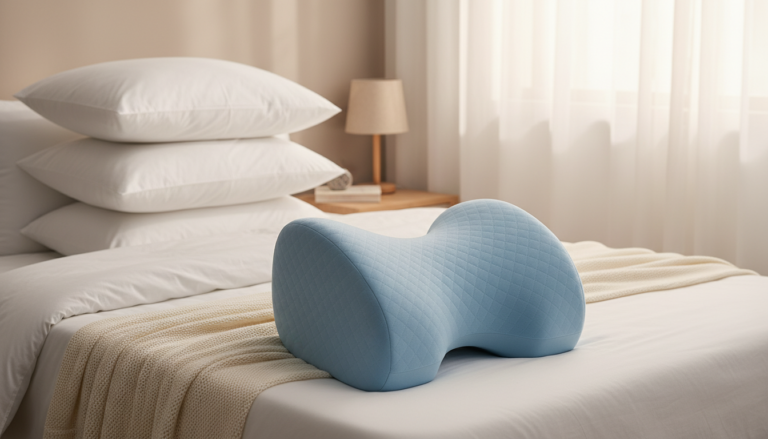
    What if one simple addition to your bedtime routine could dramatically improve how you feel every morning? Many people who rest on their side wake up with aches in their hips, back, or legs. This common discomfort often stems from poor spinal alignment during the night. Finding the right support can make all the difference. knee pillow for side sleepers We consulted with experts to understand this issue. Grace Wu, a textiles product review analyst at the Good Housekeeping Institute, has tested over 200 pillows in recent years. Dr. Jonathan S. Kirschner, a physiatrist at the Hospital for Special Surgery, often recommends specific support for hip issues. Choosing the Best knee pillow for side sleepers can significantly enhance your comfort and support while you rest. Our team evaluated numerous products designed for this purpose. We looked for items that promote a neutral position and offer lasting comfort. This guide is the result of our thorough analysis. We aim to help you navigate the options and make an informed choice for your bedroom. The right product can transform your nightly rest and support your joints properly. Key Takeaways Proper support is crucial for maintaining spinal alignment while sleeping on your side. Expert input from textile analysts and medical professionals informs our recommendations. Our selection is based on extensive evaluation of comfort, durability, and support. The correct product can alleviate common discomfort in the hips, back, and legs. This guide simplifies your search by highlighting top-performing options. Investing in quality support is an investment in better sleep and daily well-being. Introduction to Best Knee Pillow for Side Sleepers Have you ever considered how the position of your legs at night could influence your entire day? Proper support is not just about your head and neck. What Is a Knee Pillow? A knee pillow is a specialized cushion. It is designed to be placed between your legs while you are resting. Its primary job is to improve your sleeping posture and support your joints. Why Side Sleepers Benefit When you rest on your side, your top leg often drops forward. This can pull your spine out of its natural line. The result is unwanted pressure on your hips and lower back. Beth Terranova, a physical therapist, notes that knee position directly affects the hip, pelvis, and spine. Using a cushion here bridges the natural gap. It helps keep your hips properly stacked. This simple act prevents the spine from rotating during the night. You are less likely to wake up with morning aches. Understanding this mechanic is the first step toward a more restful night. How Knee Pillows Enhance Sleep Alignment Could a simple cushion between your legs be the key to unlocking deeper, more restorative sleep? It all comes down to alignment. Proper spinal and hip positioning is crucial for anyone resting on their side. Spine and Hip Alignment When your hips are not stacked correctly, your spine twists. This places stress on joints and muscles. Dr. Jonathan S. Kirschner recommends placing a pillow between the legs for hip bursitis patients. sleep…

  • Knee Stairs Solutions for Pain-Free Climbing

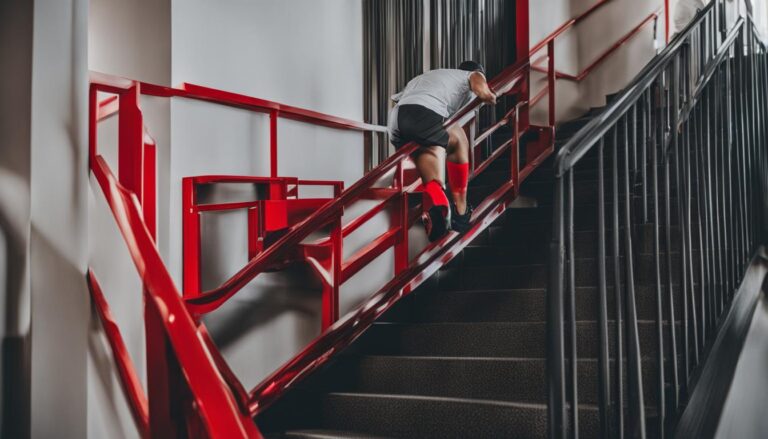
    Are you struggling with knee pain when climbing stairs? We understand the challenges you may be facing. But don’t worry, we’re here to help you find effective solutions for pain-free stair climbing and improve your overall knee health. Stair climbing can be difficult and uncomfortable when you’re experiencing knee pain. However, by strengthening the muscles…

  • Understanding Physiotherapy for Knee Pain

    Physiotherapy is a crucial aspect of managing knee pain and promoting recovery. Understanding the anatomy of the knee joint, common causes of knee pain, and the role of physiotherapy in managing knee pain is essential for individuals seeking relief from knee discomfort. This article aims to provide insights into the role of physiotherapy in addressing…

  • |

    Can PRP help reduce the risk of rotator cuff re-injury?

      Platelet-rich plasma does not improve clinical outcomes in patients with rotator cuff disease, but reduces relapse rates. A systematic review and meta-analysis Feltri P, Gonalba GC, Boffa A, Candrian C, Menon A, Randelli PS, Filardo G. Knee Surgery Sports Traumatol Arthrosc. December 11, 2022. doi: 10.1007/s00167-022-07223-9. E-publishing prior to printing. PMID: 36496450. Full text…

  • Knee Sore When Walking Down Stairs? Get Relief!

    Are you experiencing knee soreness when walking down stairs? You’re not alone. Many individuals face this common problem, which can significantly impact daily activities. Walking up and down stairs puts substantial stress on the knees, particularly when descending. The sliding of the patella over the femur during stair descent can cause pain and discomfort if…

One Comment

Leave a Reply

Your email address will not be published. Required fields are marked *