Knee Numbness Causes in 2026: Why Your Knee Feels Numb, Tingly, or “Sleepy”
Knee numbness causes can range from temporary nerve irritation to injuries and nerve problems that change how you feel pressure, heat, or pain around your knee. In 2026, one of the most important clues is that numbness often has a different “source” than knee pain, so the right explanation depends on where the numbness happens and what else you feel, like knee hurt or tingling.
Key Takeaways
| What it can mean | Numbness around the knee may come from nerves, the spine, or a local joint/tissue issue. |
| Timing matters | After surgery (like ACL), numb or tingling sensations can be expected while nerves heal. |
| Location helps | Outer-thigh or outer-knee tingling can point to nerve entrapment rather than knee cartilage. |
| Injury patterns | Ligament injury, meniscus tears, and traumatic knee events can irritate nearby sensory nerves. |
| When to get help | Seek urgent care if numbness rapidly worsens, follows major trauma, or comes with weakness. |
| Use practical next steps | We recommend matching your symptoms to common conditions and reading guides like our knee pain overview before choosing a plan. |
- Common knee-related causes include ligament injuries (with possible nerve irritation), meniscus tears, and cartilage problems.
- After ACL surgery, numbness and tingling can happen because small sensory nerves around the surgical area are affected.
- Spine-related causes can “refer” sensation changes into the knee, so your knee can feel numb even when the issue is elsewhere.
- Compression or entrapment of a sensory nerve can produce persistent tingling or patchy numbness that feels like knee hurt but is actually nerve-driven.
For context on surgical recovery, we often point readers to why your knee feels numb and tingly after ACL surgery, and for condition-specific background we also link to torn meniscus and traumatic knee.
First, understand what “numbness” around the knee really means
When people search for knee numbness causes, they usually describe numb areas, tingling, “pins and needles,” or a reduced ability to feel touch on the knee. These sensations can come from the skin’s sensory nerves, the nerves that travel through the leg, or from deeper structures that irritate those nerves.
That is why numbness is not the same as knee pain. Pain often signals tissue irritation or inflammation, while numbness suggests altered nerve signaling. In real-world 2026 practice, we see patients who think their knee hurt is purely muscular, only to realize the symptom pattern matches a nerve issue.
- Patchy numbness often points to nerve irritation in a specific area.
- Burning or tingling can suggest nerve sensitization or entrapment.
- Numbness plus weakness is a stronger red flag and needs prompt evaluation.
ACL and other ligament injuries: how knee numbness causes can show up after trauma or surgery
Ligament problems can contribute to knee numbness causes in two common ways. First, the injury can irritate or compress sensory nerves near the joint. Second, surgical repairs (like ACL reconstruction) can affect small cutaneous nerves around the knee area, leading to numbness or tingling during recovery.
If your numbness started soon after an ACL procedure, the explanation is frequently related to normal nerve healing rather than a major loss of function. We address this directly in why your knee feels numb and tingly after ACL surgery.
For ligament-related background that also helps you connect numbness to injury mechanics, see ligament knee injury and, for posterior injury patterns, posterior cruciate ligament (PCL) knee injury.
When the numb knee is really coming from the back (radiculopathy)
One of the most common “surprises” in knee numbness causes is that the knee can feel numb even when the problem originates in the spine. If a nerve root is irritated, sensations like tingling, abnormal touch, or numbness can travel down the leg in a pattern that people interpret as knee pain or knee hurt.
In 2026, we still see patients who treat only the knee until someone recognizes the nerve-sensation pattern. This is especially relevant for anyone who also has back stiffness, symptoms that travel, or numbness that worsens with certain positions.
To make this more practical, we encourage readers to notice whether numbness changes with back position or whether symptoms travel up or down the leg. If yes, that pattern supports considering spine-related causes of knee numbness causes, not only local knee tissue.
Meniscus tears and cartilage conditions that can mimic nerve symptoms
Not all numbness is “nerve-only.” Some knee numbness causes are driven by inflammation or altered joint mechanics that irritate nearby nerves. Meniscus tears and cartilage problems can also create a sensation mix where people feel numbness alongside knee pain and sensitivity.
If you suspect a structural knee injury, we recommend reading condition guides to compare symptom patterns. Start with torn meniscus and for patellofemoral cartilage concerns, explore chondromalacia patella (knees).
Here is the practical distinction: cartilage or meniscus issues more often pair numbness with movement-related knee pain, swelling, catching, or a sense that the knee is unstable. Nerve causes more often pair numbness with tingling, burning, and sensory changes.
Peripheral nerve compression and irritation near the knee
Another major category of knee numbness causes is peripheral nerve compression. The leg has sensory nerves that supply the skin around the knee and upper lower leg, and pressure from swelling, certain positions, or scarring after injury or surgery can disrupt their signals.
We also use the term “entrapment” when a nerve runs through a narrow path and gets irritated. Even if the symptom feels centered on the knee, the source can be adjacent tissue that compresses the nerve.
- Swelling after injury can increase pressure and affect sensation.
- Prolonged knee bending can irritate sensory pathways.
- Scar tissue and altered movement after recovery can change local nerve mechanics.
For ligament-adjacent nerve considerations after major events, our condition pages help you map injury mechanisms. If your symptoms started after a significant incident, review traumatic knee and also see understanding managing and overcoming knee pain for a broader approach to symptom patterns.
When nerve issues follow trauma: peroneal nerve palsy risk after knee dislocation
Some knee numbness causes are linked to severe knee trauma where a nerve can be affected directly. In particular, peroneal nerve palsy is a known complication in cases of knee dislocation, and numbness may be accompanied by sensory changes and weakness depending on severity.
Because this situation can be high impact, numbness after major knee trauma should not be ignored. If you have any rapid change in sensation, trouble moving the foot, or a sense that the leg is “not responding,” it is safer to seek urgent assessment.
Other factors that can contribute to knee numbness causes in 2026
Not every numb knee is caused by a single local injury. In 2026, more clinicians also consider systemic contributors such as nerve health, medication effects, and lifestyle factors when symptoms persist or involve more than one region.
- Metabolic and nerve health issues can increase susceptibility to neuropathic symptoms that may feel like knee hurt or numb knee skin.
- Repetitive pressure or posture habits can irritate sensory nerves and create consistent tingling patterns.
- Alcohol-related neuropathy can worsen sensory symptoms when neuropathic mechanisms are present.
For readers who want a concrete statistic to connect lifestyle and nerve symptoms, we sometimes reference that up to 66% of patients with chronic alcohol use disorder may have some form of alcohol-related neuropathy. This matters because it supports the idea that knee numbness causes can be both joint-related and nerve-related, depending on the full picture.
How we recommend sorting out knee numbness causes (a simple symptom checklist)
When a reader describes knee numbness causes, we suggest organizing symptoms by timing, location, and what else is happening. This approach helps you talk clearly with a clinician, and it helps you avoid assuming that knee pain and numbness have the same origin.
| Question | What it suggests |
| Did it start right after ACL surgery? | Often aligns with small sensory nerve irritation and healing, which we cover in our ACL numbness explanation. |
| Does it travel from the back into the leg? | Supports considering radiculopathy as a cause of knee numbness causes. |
| Is there swelling, catching, or instability? | Points toward knee tissue injuries like meniscus tears or ligament injury, reviewed in torn meniscus and ligament knee injury. |
| Is numbness worse with certain positions or pressure? | Suggests peripheral nerve compression or entrapment. |
If you are also dealing with knee pain and knee hurt at the same time, we recommend reading knee pain (our overview) alongside condition-specific pages, so you can compare what fits your experience.
Safety first: when to treat knee numbness causes as urgent
Most numbness resolves or improves with the right diagnosis and rehab, but some cases need faster action. In 2026, we tell readers to seek prompt assessment if numbness comes with neurologic warning signs.
- Rapidly worsening numbness over hours or days.
- New weakness in the leg or foot.
- Loss of coordination or trouble walking that is out of proportion to pain.
- Severe trauma, especially if the knee dislocated or was massively unstable, as in traumatic knee dislocation scenarios.
- Persistent numbness that does not improve as swelling settles.
For anyone with a complex injury history, we recommend matching the narrative to the most relevant page. For example, use posterior cruciate ligament (PCL) knee injury or torn meniscus when your symptoms align with those patterns.
Conclusion: common knee numbness causes, and how to choose the next step
Knee numbness causes are best understood as a combination of where the numbness is, when it started, and what else you feel, like knee pain or knee hurt. In 2026, we see that numbness can come from local knee structures after injuries like ligament damage or meniscus tears, it can occur during nerve healing after ACL surgery, and it can also be referred from the back through nerve pathways.
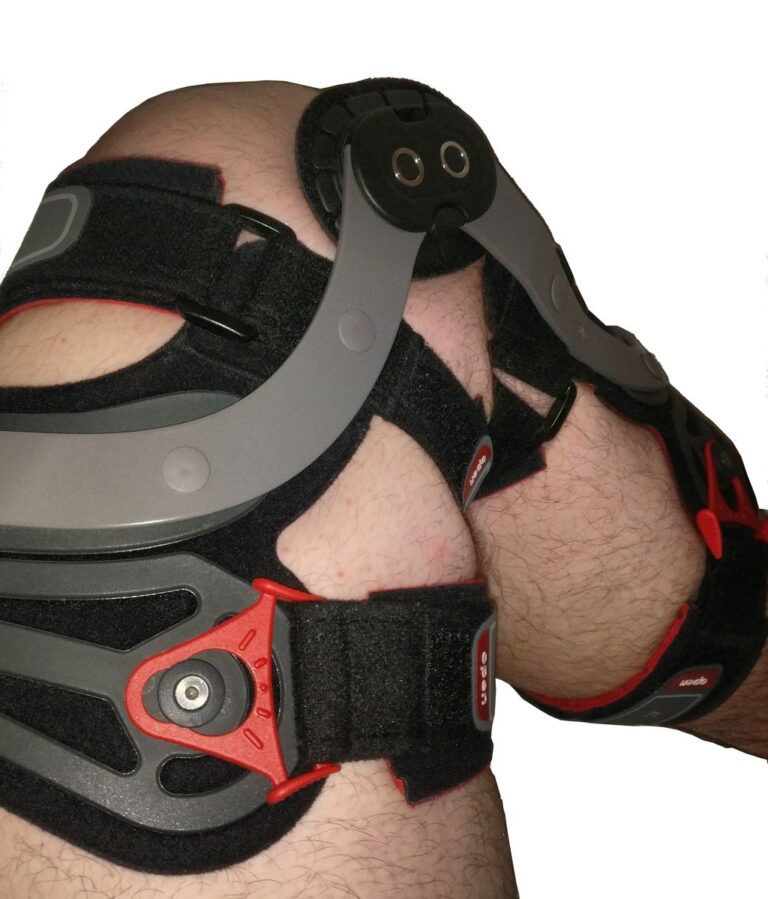
If you organize symptoms using the checklist and compare them with injury-specific guides such as ACL injury knee brace information, chondromalacia patella knees, and traumatic knee, you will be better prepared for accurate care. And if numbness is severe, worsening, or paired with weakness, we recommend urgent evaluation because the cause of knee numbness causes may be more serious.
Frequently Asked Questions
What are the most common knee numbness causes?
The most common knee numbness causes include nerve irritation from injury or surgery, peripheral nerve compression near the knee, and referred nerve sensations from the spine. In 2026, we also see numbness showing up alongside knee pain when swelling or altered mechanics irritate nearby sensory nerves.
Why does my knee feel numb and tingly after ACL surgery in 2026?
After ACL surgery, knee numbness causes often involve temporary effects on small sensory nerves around the surgical area. This can lead to numbness and tingling that improves as nerves recover, which is why we cover this pattern in why your knee feels numb and tingly after ACL surgery.
Can a meniscus tear cause knee numbness or knee hurt?
Yes, a torn meniscus can contribute to knee numbness causes indirectly by changing joint mechanics and creating inflammation that irritates nearby nerves. It may also come with knee pain, swelling, or catching, which is why we recommend reading torn meniscus to compare symptom patterns.
Could my numb knee be coming from my back instead of the knee?
Yes, knee numbness causes can include lumbar radiculopathy, where abnormal sensations travel into the leg. If numbness changes with back position or you also feel tingling down the leg, it often points away from the knee joint itself.
What does outer knee or outer thigh numbness usually mean?
Outer-area numbness can relate to nerve entrapment rather than direct knee cartilage problems. This is important because many people misread the symptom as only knee pain or knee hurt when the nerve supply is the real driver.
Is it safe to wait if my knee feels numb but I have no weakness?
Often, mild knee numbness causes improve as swelling settles or nerves heal, especially after surgery. However, if numbness rapidly worsens, lasts persistently, or comes with weakness, we recommend prompt evaluation rather than waiting.